luxetrope.com

A Guide to Independent Watchmaking

A Guide to Independent Watchmaking

Discover the best independent watch brands with innovative designs and exceptional craftsmanship

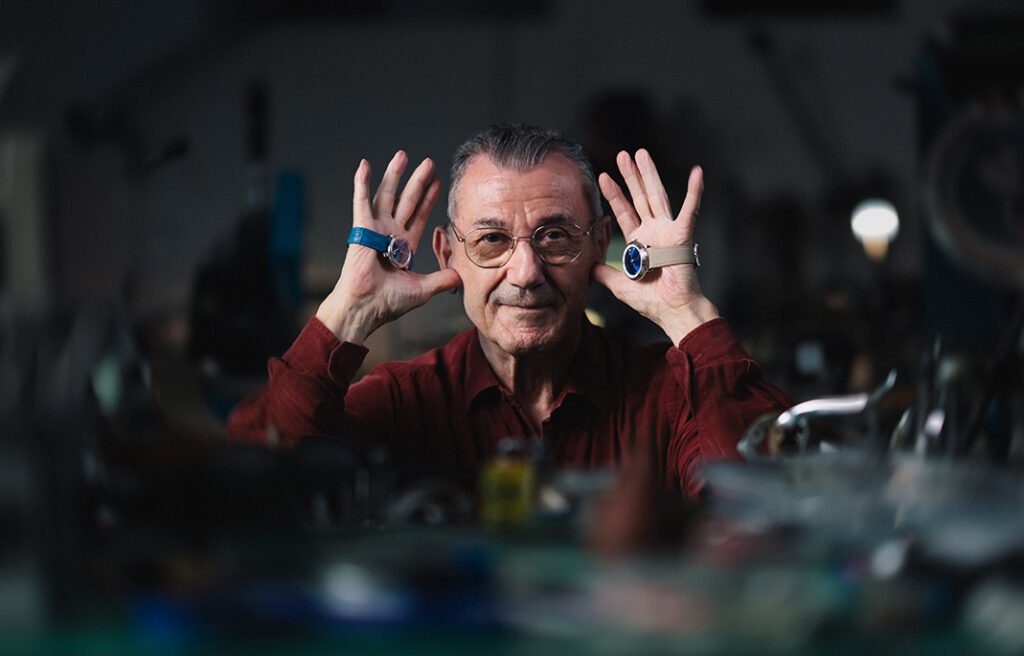
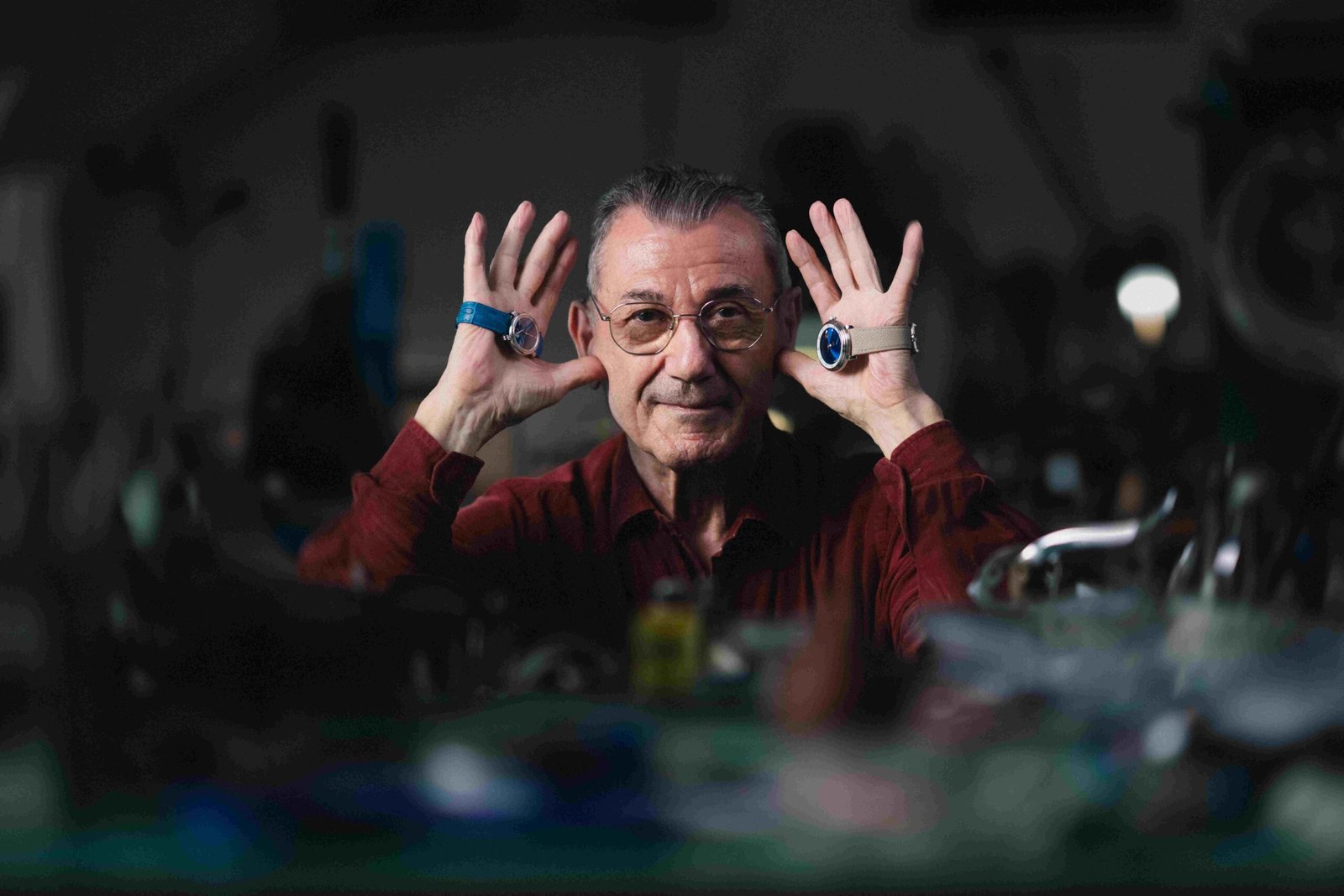
Vincent Calabrese with the M.A.D.3 editions that reinterpret his Baladin concept

There is a particular pleasure in discovering a watch and the mind behind it. Independent watchmaking can take a collector from an individual watchmaker’s workbench to an integrated manufacture, from centuries-old decorative techniques to entirely new ways of constructing, regulating, or displaying time. Take a closer look, and you’ll see that the word ‘independent’ describes a wonderfully motley group. It includes master watchmakers and movement inventors who are true pioneers, as well as designers, engineers, small ateliers, and specialists whose names might never appear on a dial. Their structures and methods are incredibly varied, and it’s this diversity that makes this part of watchmaking fascinating to explore. 

The people behind the ideas 

Dominique Renaud is a name worth knowing. An important movement constructor in modern watchmaking, he returned this year with a venture bearing his own name and a team of nearly 20. At the centre of its first watch, the Pulse60, sits a large 20 mm balance beating at a deliberately slow 1 Hz. The unusual mechanics invite curiosity, but the more interesting story lies in Renaud’s desire, after more than four decades in watchmaking, to keep re-examining some of its fundamentals.

Placing the watchmaker at the centre of the story is hardly a new idea. In 1985, Svend Andersen and Vincent Calabrese founded the community that evolved into the Académie Horlogère des Créateurs Indépendants, providing individual watchmakers with a collective platform to present their work. Four decades later, Calabrese offers a wonderful example of how those ideas can endure across generations. Now 82, he has found a new audience through M.A.D.Editions. The M.A.D.3 reinterprets his Baladin wandering hour concept, featuring a case designed by MB&F collaborator Eric Giroud. The project brings together a veteran independent watchmaker, a contemporary creative house, and a designer who began his career in architecture. It offers a glimpse of how freely ideas can travel through independent watchmaking. 

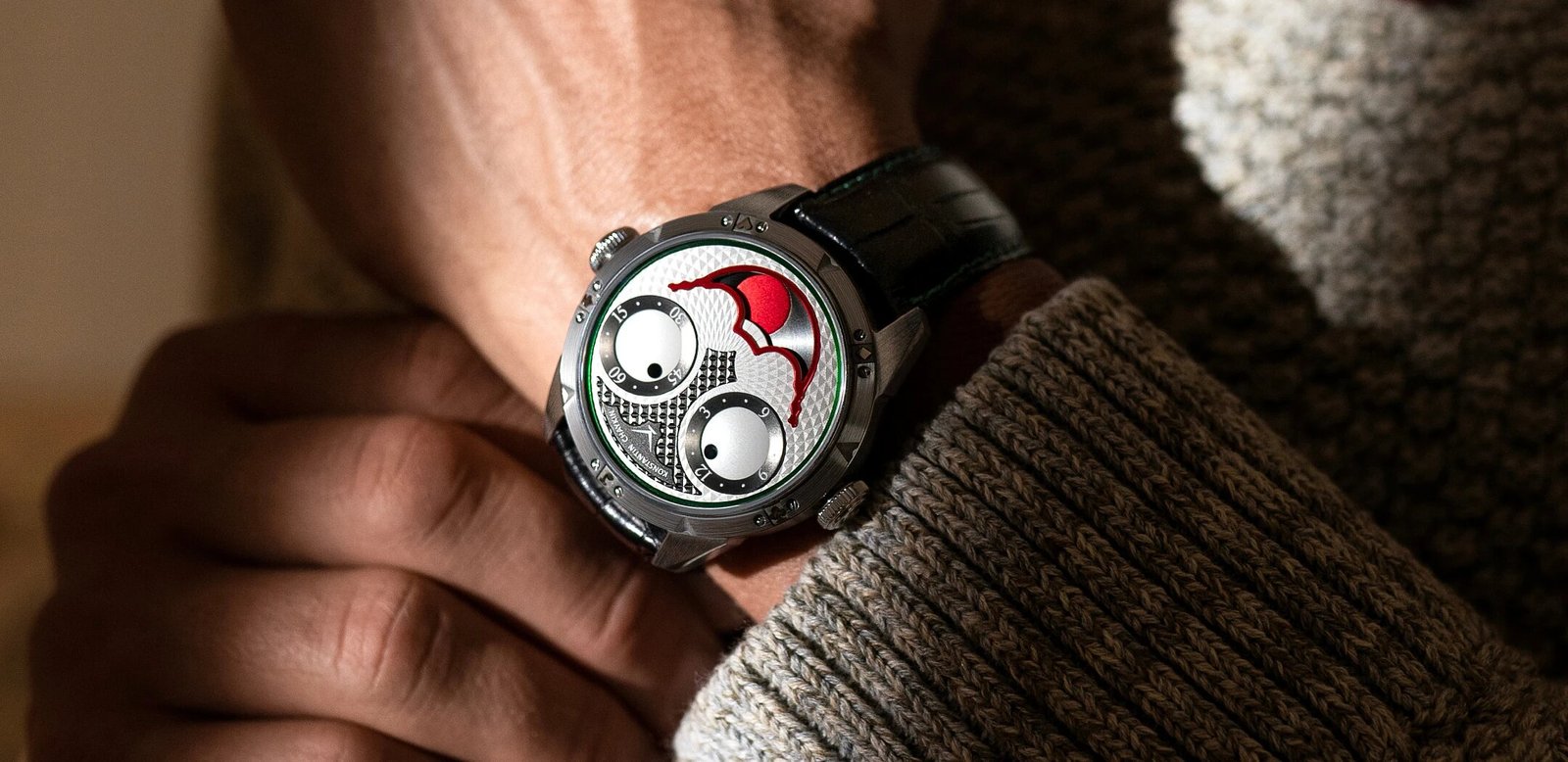
The Konstantin Chaykin Joker watch | Image Courtesy: Konstantin Chaykin
A signature of their own 

Sometimes a watch reveals its maker before you even read the name on the dial. De Bethune has made blue, sculptural forms and celestial displays part of a vocabulary shaped by Denis Flageollet. The DB25 Digitale brings together jumping hours, guilloché work and the maison’s spherical moon in a composition that feels unmistakably De Bethune. Konstantin Chaykin found another way to build recognition with his Wristmons. With the Joker, he turned the hour and minute displays into eyes and the moon phase into a smiling mouth. The dial does more than indicate time—it takes on a personality of its own.

Read the full story in the special ‘Horology Issue’ of LuxeTrope, on stands now.

Homegrown Horology: The Rise of Indian Watchmaking

Homegrown Horology: The Rise of Indian Watchmaking

Indian watchmakers explore how history, heritage, and engineering can come together to create modern timekeepers

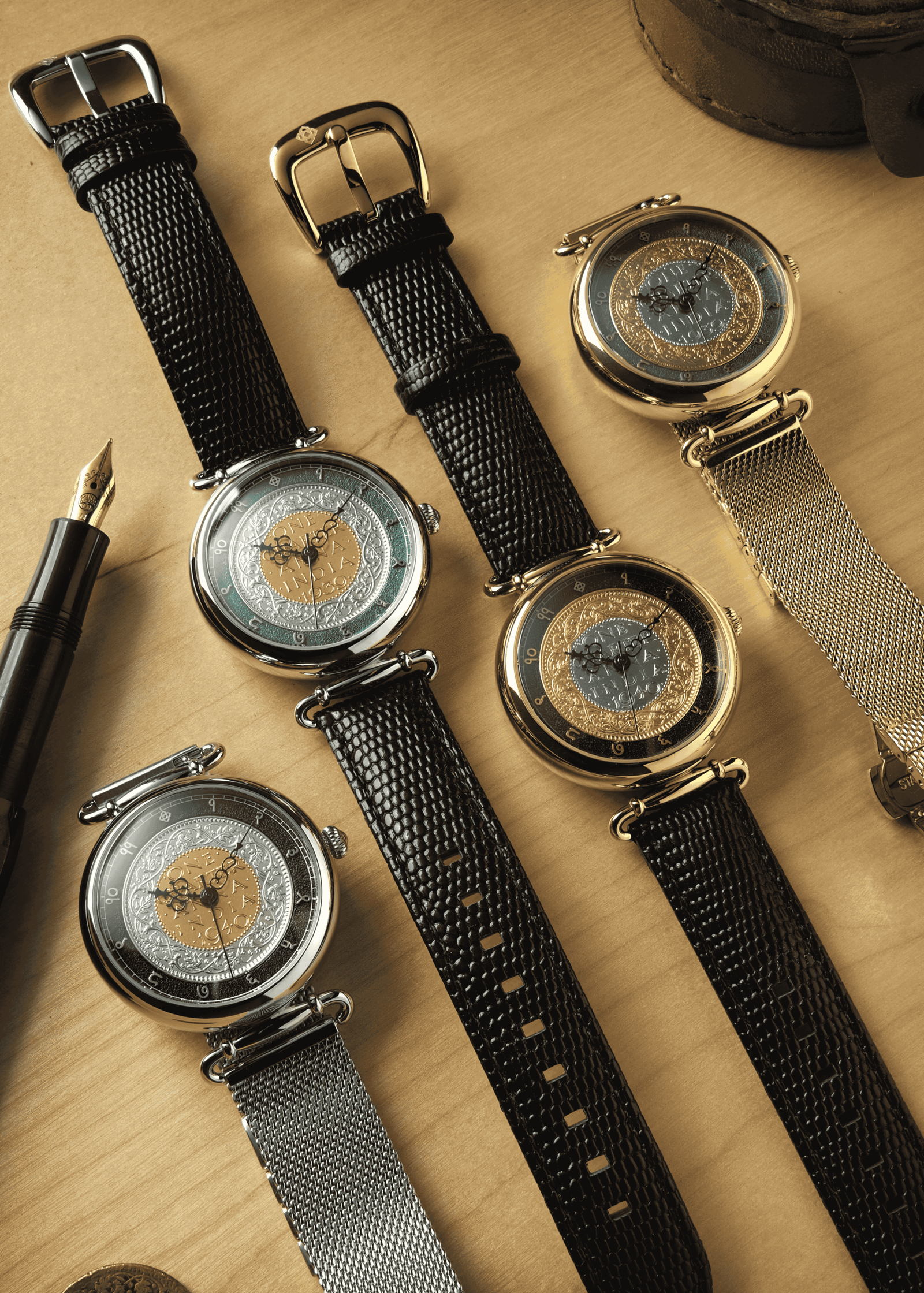
Image Courtesy: Jaipur Watch Company

Before the invention of community clocks and wristwatches, people in India tracked time using water clocks, sundials, and observing celestial bodies—the sun, moon, and stars. A sinking bowl water clock measured short intervals of time using a perforated bowl that slowly filled and sank. In 18th century Jaipur, Jai Singh II’s Jantar Mantar served as a site for astronomical observations. These methods are not simple predecessors of the wristwatch, but they show that time has historically been both a practical measurement and a way of understanding the world.

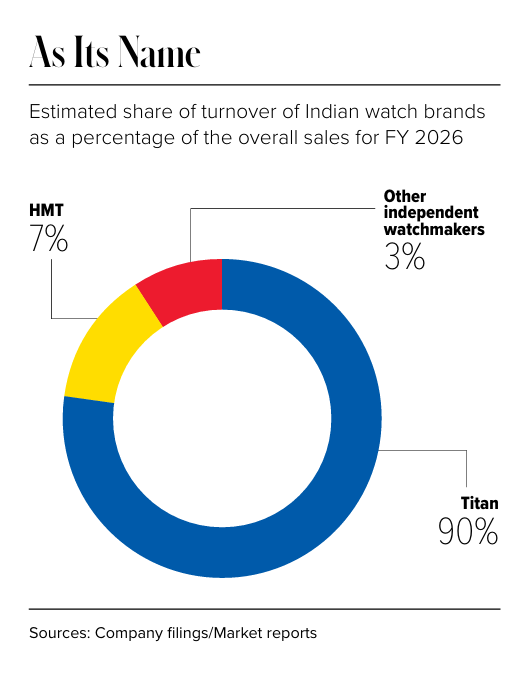
The railways standardised time for coordination, with India adopting a time zone five and a half hours ahead of Greenwich in 1905 for railways and telegraph offices. Wristwatch manufacturing took a different path: HMT launched India’s first wristwatch factory in Bengaluru in 1961, in partnership with Japan’s Citizen Watch Co. Titan, currently India’s largest watchmaker, was founded in 1984. Today, the industry includes a diverse range of makers, each exploring its own vision of what an Indian watch can be.

Titan’s Edge series exemplifies this capability, ranging from the ultra slim quartz watch launched in 2002 to mechanical models, including the 2026 Edge Ultraslim Mechanical. Kalpana Rangamani, Chief Sales & Marketing Officer of Premium & Luxury Watches at Titan, says, “The defining decision was to treat thinness as an architectural challenge rather than a styling exercise—the movement, display, case and every component had to be considered together from the beginning. With components operating at fractions of a millimetre, the challenge is not simply removing material, but preserving reliability, structural integrity, and wearability within those extremely tight tolerances.”

In 2026, Titan, Jaipur Watch Company, Bangalore Watch Company, and Delhi Watch Company showcased watches at the Grand Prix d’Horlogerie de Genève (GPHG). The question is whether a cultural reference truly transforms the watch or simply gives it a theme. Jaipur Watch Company’s One Collection offers a clear example. Gaurav Mehta, CEO and Founder, shares, “For us, the story always comes before the decoration. An object has to carry a genuine connection to India’s history, culture or craftsmanship, but equally importantly is that it has to belong on a watch.” 

Read the full story in the special ‘Horology Issue’ of LuxeTrope, on stands now.

In Conversation With GPHG President Raymond Loretan

In Conversation With GPHG President Raymond Loretan

Raymond Loretan pulls back the curtain on the GPHG’s vision, and explains how the Academy keeps its voting process independent and fair

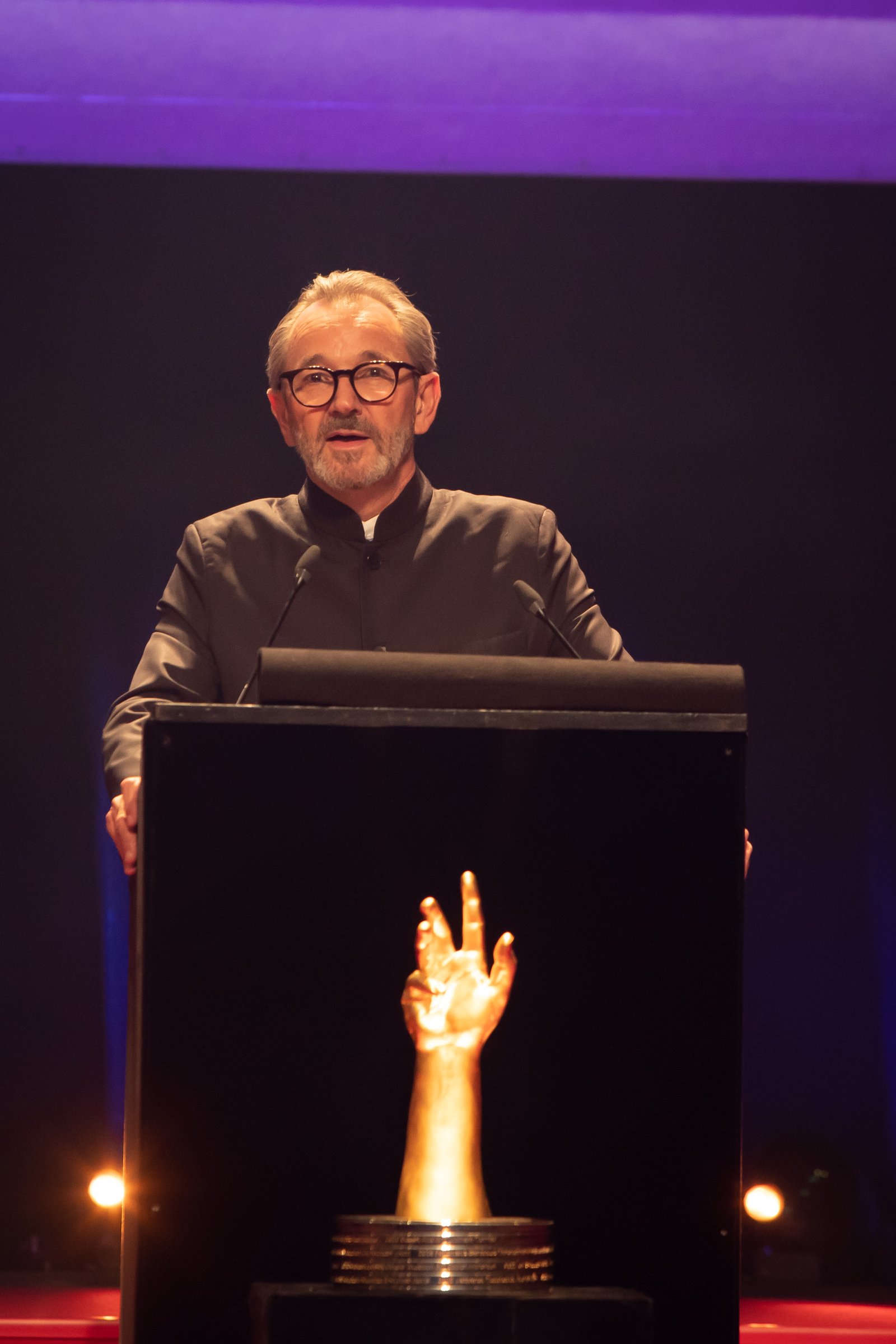
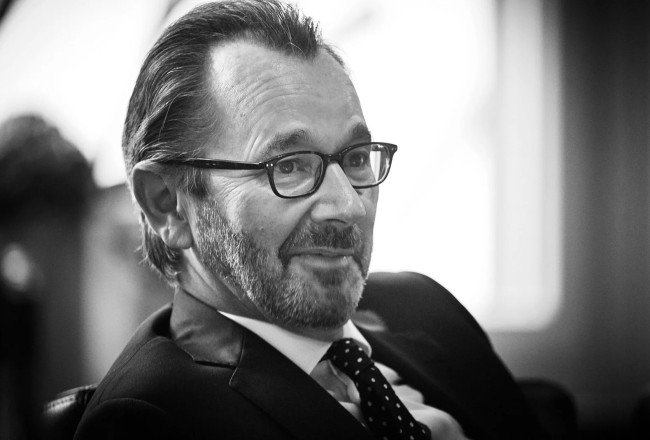
Since 2001, the GPHG’s aim has been to recognise and reward the boundary-pushing creativity of modern timekeeping. Every November, the annual awards ceremony crowns the best in the field, but the excitement—and the work—begins much earlier. Each autumn, the GPHG takes the nominated masterpieces on a roadshow across major global cities, in a bid to showcase exceptional engineering and engage with international watch communities. Ahead of this year’s ceremony on November 7, we spoke with Raymond Loretan, who pulls back the curtain on the organisation’s vision, and explains exactly how the GPHG Academy keeps its voting process independent and fair.

You took over as President of the GPHG in 2018. Looking back over these eight years, what is the biggest change you’ve led at the foundation?

Without hesitation, the creation of the GPHG Academy in 2020. We moved from a system centred around a relatively small jury to a much broader international community of watchmaking professionals, experts, collectors, retailers, journalists, and artisans. Today, the Academy brings together around a thousand members from across the world and embodies the three principles that have guided the transformation of the GPHG: neutrality, universality and solidarity.

Neutrality, because no individual or small group should determine the outcome. Universality, because watchmaking today is a global culture and the GPHG must reflect that diversity. And solidarity, because participating in the GPHG is also a way for the industry to promote the art and culture of watchmaking. I believe the next major evolution could be to explore how the GPHG can become even more universal in its recognition of watchmaking excellence—including, for certain distinctions, beyond the circle of brands formally taking part in the competition.

How has the watch industry transformed in that time?

It has become simultaneously more global, more diverse and, I would say, more open. Independent watchmakers have gained extraordinary visibility, while collectors are becoming increasingly knowledgeable and connected. New markets and new watchmaking cultures are emerging. Digital communication has profoundly changed the relationship between brands and consumers, while younger generations are approaching watches with different expectations. But there is an interesting paradox: the more digital our lives become, the stronger the fascination seems to be with craftsmanship, authenticity and mechanical creativity. We no longer need a mechanical watch to know the time, and yet we continue to desire watches. That tells us something important: their value has moved far beyond their original function.

With decades of experience across politics, media, diplomacy, and business, where did your own interest in watchmaking begin?

I was never a watchmaker, nor did I come to the GPHG as a collector. My professional life took me through politics, diplomacy, media and business. But as a Swiss diplomat, I encountered watchmaking all over the world as one of the most powerful expressions of creativity and identity. Asia played an important role in this discovery. When I was Ambassador to Singapore from 1997 to 2002, I was struck by the passion and knowledge surrounding Swiss watches. I attended boutique openings and watchmaking events and met collectors whose knowledge sometimes seemed encyclopaedic. It made me realise that a watch is one of those rare objects where engineering, craftsmanship, art, history, and emotion come together. So, when Carlo Lamprecht asked me years later to succeed him as President of the GPHG, I did not approach the position as a watch expert; I approached it as a diplomat.

How has your experience in international relations helped you navigate the complex world of the global watch trade?

Diplomacy teaches you to listen before you speak, to understand interests that are not necessarily your own, and to build bridges without losing your independence. Those skills are surprisingly relevant to watchmaking. The watchmaking world is extraordinarily diverse. You have major historic groups, family-owned companies, independent creators, artisans, retailers, collectors, journalists and institutions. They don’t always have the same interests, and sometimes they are competitors. The GPHG must speak to all of them while belonging to none of them. You create trust by being predictable, impartial, and respectful of differences. And you learn something else in diplomacy: credibility takes years to build and very little time to lose. For the GPHG, independence and impartiality are, therefore, not theoretical principles; they are our capital.

It’s been noted in past interviews that you stopped wearing watches to stay true to GPHG’s principles of neutrality and credibility. Does that still hold true?

Yes, absolutely. When I became President, I decided not to wear a traditional watch because I did not want anyone to interpret what I had on my wrist as a preference for one brand over another. People sometimes find this paradoxical—the President of the GPHG who does not wear a watch! I rather like the paradox. I own watches, of course. But while I hold this position, my wrist remains neutral. It’s a small personal discipline, perhaps even a symbolic one. But symbols matter. I believe the President of the GPHG should have neither a favourite brand nor a favourite watch.

The GPHG is frequently celebrated as the “Oscars of Watchmaking.” Can you take us behind the scenes of the selection and voting process?

The comparison is flattering, but behind the glamour of the ceremony there is a very rigorous process. For the 2026 edition, 194 brands entered 320 timepieces across 14 categories. During the summer, the GPHG Academy voted electronically to select the 78 nominated timepieces. Those 78 watches then travel internationally, allowing the public, collectors and professionals to discover them, before being physically examined by the Jury. This year the Jury consists of 24 personalities and is chaired by Wei Koh.

The final stage combines two perspectives. The Academy votes again electronically, while the Jury meets behind closed doors in Geneva to physically examine the watches, debate, and cast its votes. The process is secret and independently supervised. Even as President of the Foundation, I do not know the winners in advance. That combination is essential: the broad international perspective of the Academy on the one hand, and the concentrated physical examination and deliberation of the Jury on the other.

Image: Courtesy of GPHG/Point-Of-Views by Gregory Maillot

With the Academy expanding to over a thousand members globally, how do you ensure that voting results remain neutral and true to GPHG’s principles?

Paradoxically, size and diversity are part of the answer. The larger and more diverse the Academy becomes, the more difficult it becomes for any particular interest to dominate the collective result. You also need clear rules, confidentiality, secure voting procedures, independent supervision and strong safeguards against conflicts of interest. The Academy brings together different colleges representing different parts of the watchmaking ecosystem. We continuously review our procedures because credibility is never something you can take for granted. Neutrality does not mean that people have no preferences; it means creating a system in which individual preferences are balanced by the diversity and independence of the collective.

What is the single most important piece of advice you would offer to someone stepping into the luxury watch market for the first time?

Do not begin with the price, begin with curiosity. Try watches on your wrist and meet watchmakers if you have the opportunity. Understand what lies behind a movement, a complication, a design or a particular maison. And then choose the watch that speaks to you—not one that somebody tells you that you ought to buy. A fine watch can have technical, aesthetic, historical, emotional and sometimes financial value. But I would be cautious about entering watchmaking primarily as an investment. A watch is ultimately an intimate object. You wear it on your body, sometimes for decades. The most interesting collection is, therefore, not necessarily the most expensive one. It is the collection that tells you something about the person who assembled it.

The GPHG is making a debut stop in Mumbai this year. What is your favourite part about bringing the roadshow to India once again, and how do you select new destinations for the roadshow?

Bringing the 2026 selection to Mumbai is a particularly exciting new chapter. We are going to meet collectors, professionals, the media, and the wider watch community.  India is undergoing an extraordinary economic and cultural transformation, but what interests me most is the emergence of a genuine watch culture. When selecting destinations, we look both at established as well as developing watchmaking communities. We also need strong local partners who share our ambition to promote watchmaking as a culture. In this respect, I would like to thank Yashovardhan Saboo and the entire Ethos team for hosting the GPHG in Mumbai.

What is your mindset ahead of this year’s award ceremony, and what makes the 2026 competition exciting for you?

Curiosity—and perhaps a little impatience! Collectively, the 2026 competition tells a fascinating story about contemporary watchmaking: tremendous technical creativity, the continuing strength of independent watchmaking, growing international participation, and a constant dialogue between tradition and innovation. We have introduced significant changes to our categories and reduced the Jury from 30 to 24 members. For the first time, we are opening certain distinctions beyond the formal perimeter of the competition. The ‘Iconic Watch Prize’ may be awarded to an eligible timepiece whether it has been entered in the competition or not. And the ‘Special Jury Prize’, which can recognise a personality, an institution or an initiative, may now also honour a brand for a significant development.

With an increase in Indian submissions to the GPHG, are we witnessing a shift in how the global watch community views Indian horology, or is this just the beginning of a long journey toward international recognition?

I would say both—a shift is beginning, and the journey is only starting. What matters first is that Indian watchmakers increasingly have the confidence and ambition to enter an international competition such as the GPHG. International recognition is built over time through creativity, quality, consistency and, above all, a distinctive identity. And this is where I think India has enormous potential. India possesses extraordinary traditions of craftsmanship, design, jewellery, decorative arts, and a rich visual culture.

The interesting question is not whether Indian watchmaking can imitate Swiss watchmaking—it should not. The opportunity is to develop something recognisably Indian and at the same time fully contemporary. So, my message to Indian watchmakers would be very simple: be ambitious, be distinctive, keep creating, and keep competing.

How do you see India’s watch market evolve in the coming years?

India is clearly one of the markets that deserves very close attention. It’s a combination of economic development, entrepreneurial energy, increasing purchasing power and a young and increasingly knowledgeable consumer base. Recent Swiss export figures have also shown strong momentum in India, even while the global watch industry has been navigating a much more uncertain environment. But I would not reduce India’s potential to sales figures. What interests me more is the development of an entire ecosystem of sophisticated collectors, strong retailers, specialised media, watch communities, events, and watchmakers. There is a difference between a country buying more watches and a country developing a culture of watchmaking. My impression is that India is increasingly doing both.

What are your predictions for the haute horlogerie segment over the next three years?

I’m always cautious with predictions. The watch industry currently operates in a demanding environment. Geopolitical uncertainty, trade tensions and changes in important Asian markets all require caution. But several deeper trends seem quite robust. At the very high end, clients increasingly value authenticity, rarity, craftsmanship and a distinctive creative identity. That helps explain the remarkable vitality of independent watchmaking. Heritage remains extremely powerful too, provided it is combined with creativity and genuine innovation rather than simply nostalgia.

Geographically, the United States remains a major market, Asia remains fundamental despite the adjustments taking place in China, and the Middle East has developed a highly sophisticated collecting culture. India is clearly a market with considerable long-term potential. From the perspective of the GPHG, we are interested not only in where watches are being sold, but where watch culture is being created.

Purely as a global citizen, how do you think the concept of how we view a watch has evolved?

There is a wonderful paradox at the heart of contemporary watchmaking. For centuries, we needed watches to know the time. Today, we are surrounded by devices that give us the time more accurately than any mechanical watch ever needs to. And yet the mechanical watch continues to fascinate us. Why? Because perhaps we no longer wear a watch simply to know the time; we wear it to express our relationship with time.

A mechanical watch brings together human ingenuity, craftsmanship, patience, beauty and transmission. And in a world increasingly dominated by speed, algorithms, virtual experiences and rapid obsolescence, there is something almost reassuring about an object designed to endure. Perhaps this is also why younger generations are discovering mechanical watchmaking with such enthusiasm. The more immaterial our lives become, the more value we may attach to objects that carry human skill, history and permanence. So, for me, the evolution is quite profound. Watches no longer simply tell us what time it is; they remind us that time has value.
The Case for Small Watches

The Case for Small Watches

From vintage Rolex and Cartier to rare Patek Philippe models, smaller watches are winning over collectors with timeless design and understated appeal

Actor Nicole Kidman wears a miniature Omega at the 98th Academy Awards | Image courtesy: Omega

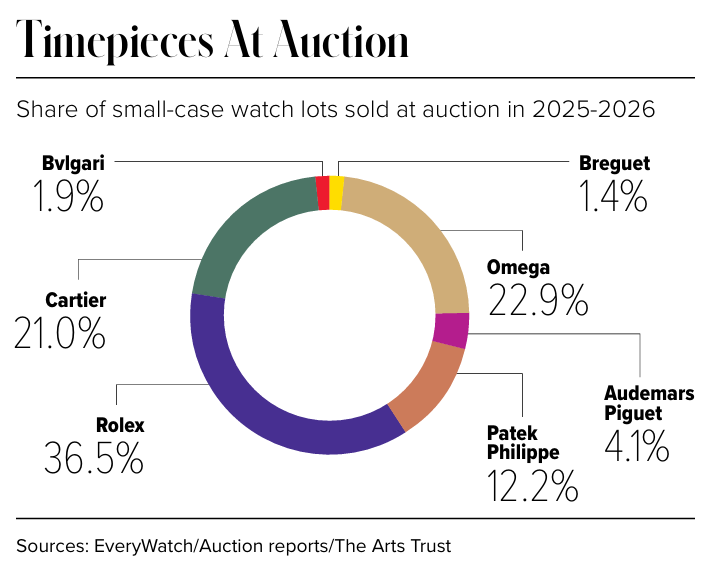
For years, oversized watches dominated the market. Today, along with large cases, smaller timepieces, too, are enjoying renewed attention. Collectors are returning to refined proportions, vintage designs and watches that make a statement without demanding attention. As a result, small case watches are becoming an increasingly important part of the auction market.

A Growing Trend

Auction figures reveal the scale of this shift. The number of small-case watches sold at auction rose from 14,315 in FY 2021 to 37,595 in FY 2025. This steady increase reflects changing tastes among collectors and a renewed appreciation for classic watch design.

Moreover, smaller watches are no longer seen as exclusively feminine. While many historic models were designed for women, collectors today value them for their craftsmanship, rarity and distinctive character. Meanwhile, vintage designs are influencing contemporary collections, encouraging brands to reconsider case sizes.

What Collectors Are Looking For

Heritage remains a powerful draw. Vintage Rolex, Cartier and Patek Philippe models continue to attract interest, particularly when they combine rare materials, compelling designs and strong provenance.

For instance, Patek Philippe’s Calatrava models demonstrate how smaller proportions can complement timeless styling. Similarly, Cartier’s petite designs show how distinctive case shapes and jewellery-inspired details can give a watch lasting appeal.

The trend also extends beyond aesthetics. At auctions, rarity and condition can influence a watch’s desirability as much as its size. Consequently, collectors are looking beyond conventional sports watches to explore more varied and individual pieces.

Inside the Auction Market

The growing interest in smaller watches is reflected in auction data. In FY 2025–26, watches with cases measuring up to 28 mm accounted for 42.18 per cent of watches sold in the category tracked by the report.

This shift also highlights the appeal of different movements. Automatic and manual watches featured prominently in reported auction sales, while quartz models continued to attract buyers. Therefore, the market offers opportunities for collectors with different interests and budgets.

The Future of Watchmaking

Smaller cases are part of a broader change in watch collecting. Rather than focusing solely on size or visibility, buyers are increasingly considering comfort, design and personal expression.

As tastes evolve, watchmakers and auction houses are responding to growing interest in more varied proportions. Ultimately, small case watches prove that a timepiece does not need an oversized silhouette to leave a lasting impression.

Read the full story in the special ‘Horology Issue’ of LuxeTrope, on stands now.

Read More

The auction saw competitive bidding across Indian masters; here are the top-performing lots

Sachdeva's philosophy is simple: don’t treat your walls like a portfolio—the real value lies in the joy of living with art that speaks to you

Contemporary Indian art is gaining fresh momentum, with a new generation of collectors driving stronger auction results

Lokhande’s auction trail from 2021 to 2025 shows a gradual build

The collector believes art is an asset in more ways than one—it offers aesthetic pleasure and the potential for long-term appreciation

Leading with Gestation at ₹45 crore, Raza’s elite sales showcase his powerhouse market from 2021 to 2025

High Calibre: Exceptional Timepieces at Auction

High Calibre: Exceptional Timepieces at Auction

The magic of vintage watches lies in their rarity and history. Here are 5 extraordinary timepieces that continue to shape the world of collecting

The global secondary market for timepieces is thriving. In FY 2025–26, leading global auction houses generated a turnover of ₹3,832 crore ($403.3 million), selling 7,760 out of 8,827 lots. This high sell-through performance proves that pre-loved, investment-grade timepieces remain a highly coveted asset class for discerning collectors. Experts at AstaGuru estimate a steady growth in demand, as a new generation of collectors vies for marquee brands that have made landmark horologic innovations. For beginners looking to own a piece of history, there has possibly been no better time to dive into this versatile and valuable combination of art and engineering.

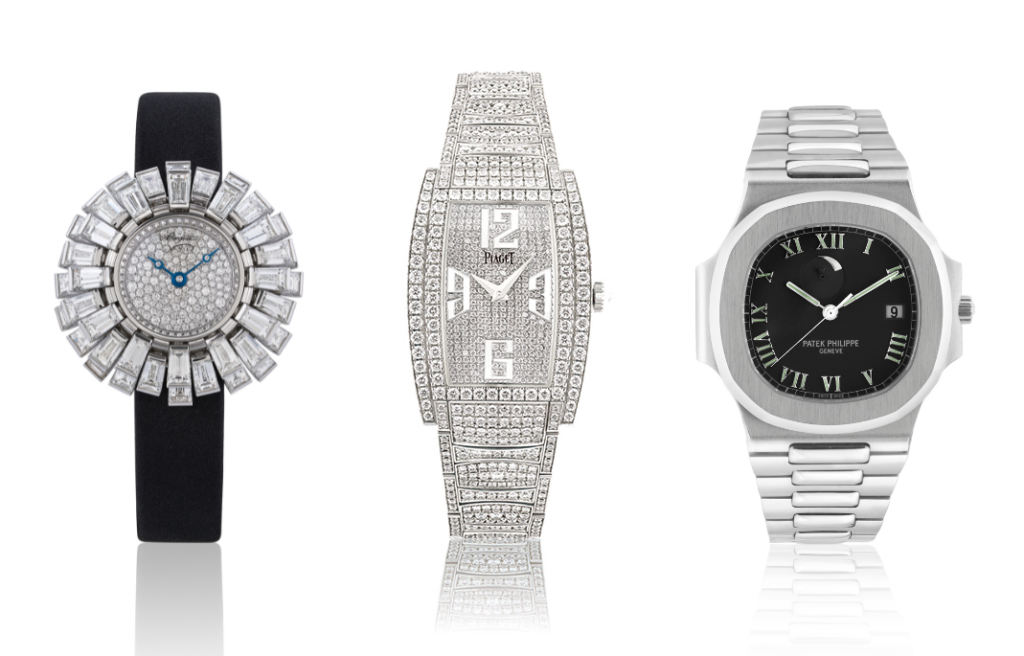
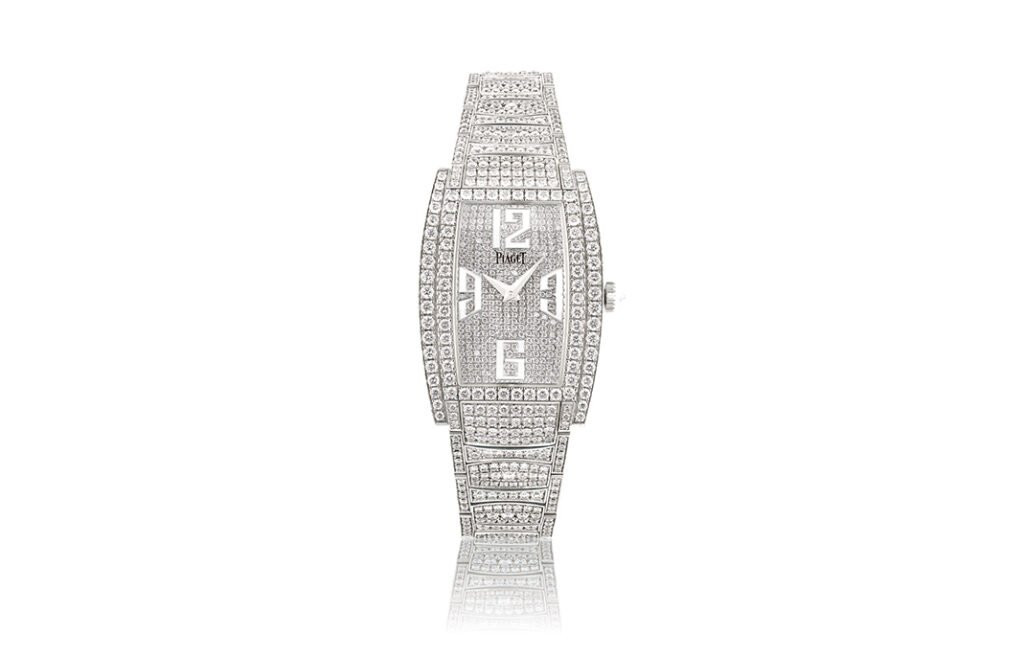
PIAGET LIMELIGHT Reference No: GOA38095 | Diamonds: 10.10 cts/980pcs

This 18k white gold Piaget timepiece features a 690P quartz movement and an inverted tonneau case. It’s set with 980 brilliant-cut diamonds totalling nearly 10.1 carats.

Sold in 2021 by AstaGuru for ₹1,10,93,071 ($116,769)

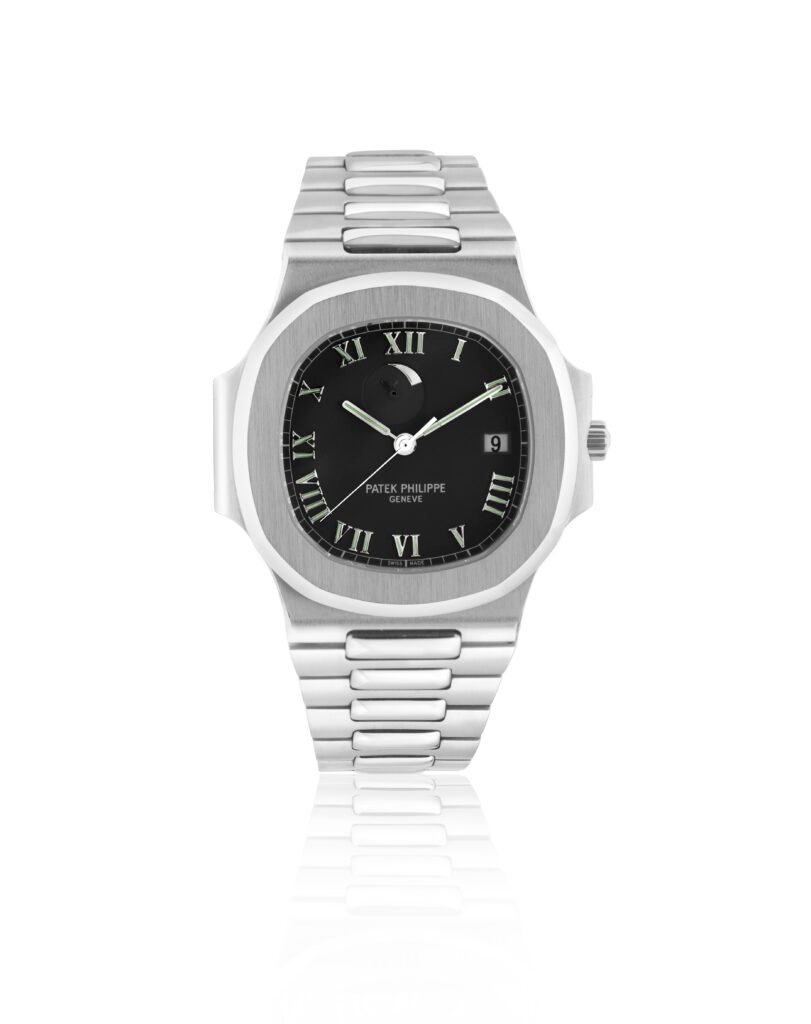
PATEK PHILIPPE NAUTILUS Reference No: 3710/1

A highly sought-after timepiece, this stainless steel Nautilus features a striking black dial and a self-winding Calibre 330/196. The patented Gyromax® Free-Sprung Balance and a 48-hour power reserve ensure the top specs required of a sports timepiece.

Sold in 2024 by AstaGuru for ₹67,46,355 ($71,014)

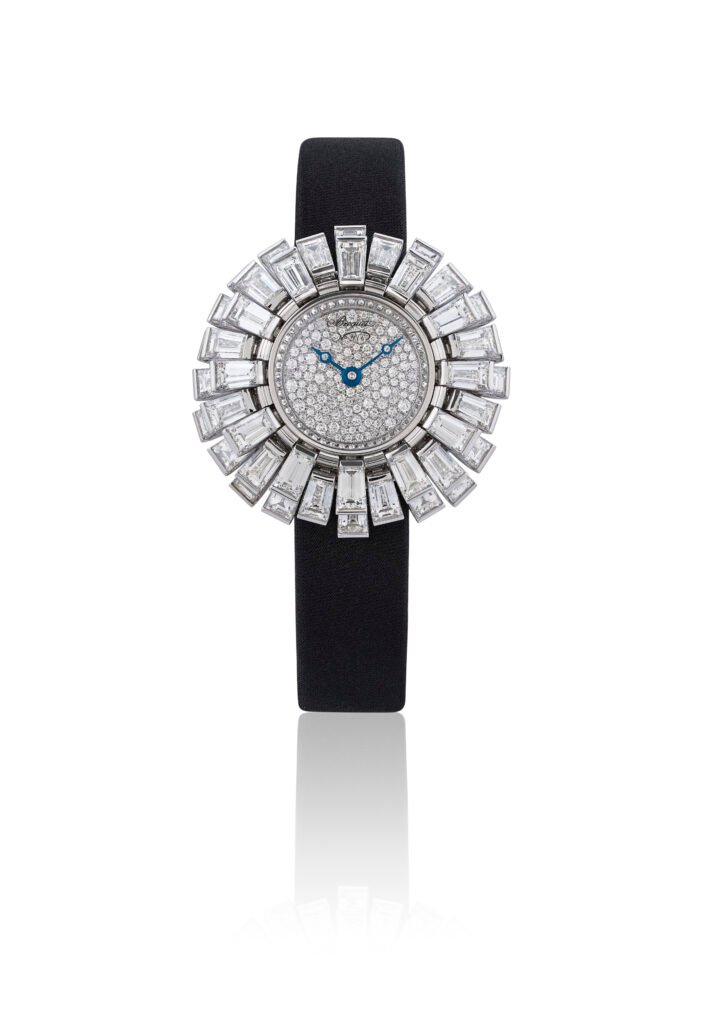
BREGUET MONTRE HAUTE JOAILLERIE PETITE FLEUR

This rare, high jewellery, 18k white gold women’s watch features a unique mobile setting that allows the diamond-set flower bud and petals to encase the metal dial. It’s powered by a self-winding, 29-jewel Calibre 586/1 movement.

Sold in 2025 by AstaGuru for ₹46,58,500 ($49,036)

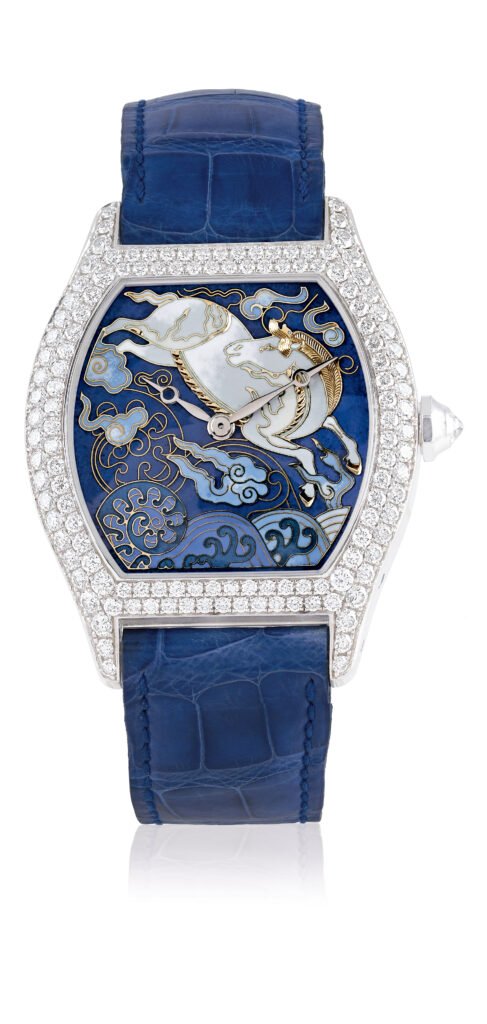
CARTIER TORTUE Reference No: 2617 J

Rare and captivating, this limited-edition Cartier Tortue features a diamond-set tonneau case. Its cloisonné enamel dial depicts a white horse, powered by an 18-jewel, manual-winding Calibre 430 MC movement.

Sold in 2024 by AstaGuru for ₹44,39,160 ($46,728)

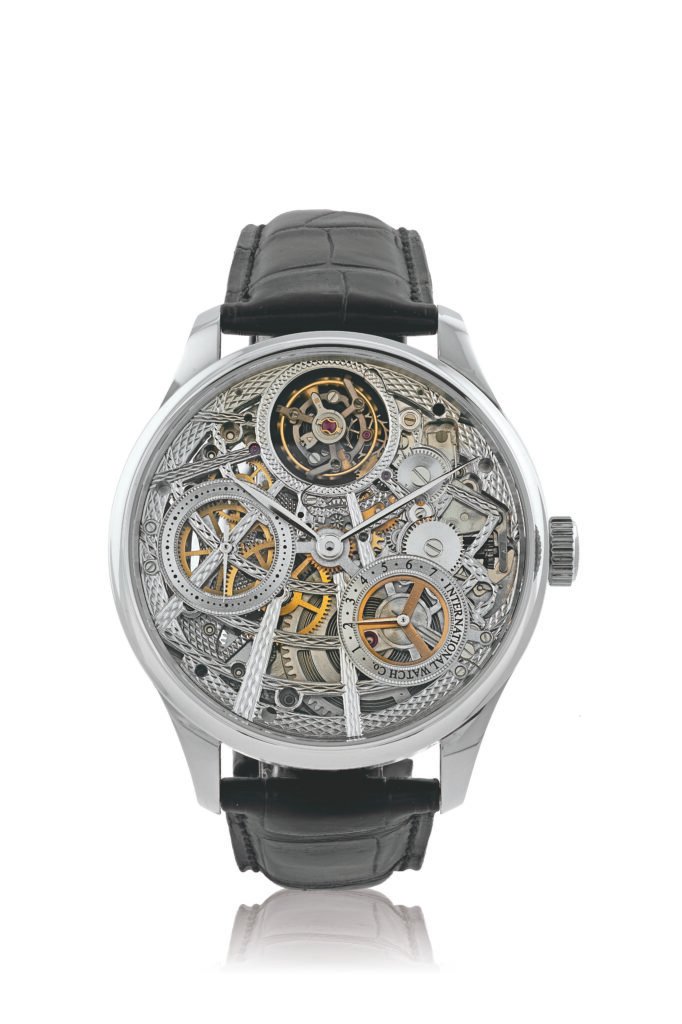
IWC PORTUGUESE TOURBILLON MYSTÈRE SQUELETTE

An exquisite white gold masterpiece with Calibre 50910, it features a mesmerising seven-day, floating-minute tourbillon at 12 o’clock. Its hand-engraved, skeletonised movement pairs beautifully with a black leather strap and a white gold clasp.

Sold in 2020 by AstaGuru for ₹45,54,000 ($47,936)

Read the full story in the special ‘Horology Issue’ of LuxeTrope, on stands now.

Read More

The auction saw competitive bidding across Indian masters; here are the top-performing lots

Sachdeva's philosophy is simple: don’t treat your walls like a portfolio—the real value lies in the joy of living with art that speaks to you

Contemporary Indian art is gaining fresh momentum, with a new generation of collectors driving stronger auction results

Lokhande’s auction trail from 2021 to 2025 shows a gradual build

The collector believes art is an asset in more ways than one—it offers aesthetic pleasure and the potential for long-term appreciation

Leading with Gestation at ₹45 crore, Raza’s elite sales showcase his powerhouse market from 2021 to 2025

Inside the Global Watch Auction Market

Inside the Global Watch Auction Market

Rising auction sales, growing demand for pre-owned timepieces and a new generation of collectors are reshaping the global watch market

If the numbers told one story about watches in 2025, it was one of slowing demand for new timepieces. Swiss watch exports fell for the second consecutive year, declining 1.7 per cent to $31.93 billion. Yet, the secondary market told a very different story. In one Geneva auction weekend alone, 225 pre-owned watches generated $96.3 million in sales. By the first half of 2026, global watch auction sales had reached $680 million, up 45 per cent year-on-year. The contrast points to a changing market, where a watch’s history, rarity and provenance can matter as much as its brand name.

The Market’s Movement

Watch collecting has come a long way from its specialist roots. Once centred on a handful of established names and knowledgeable enthusiasts, the market widened through online bidding, social media and the arrival of younger, international buyers. The pandemic accelerated this interest, bringing watches into sharper focus as both collectibles and potential assets.

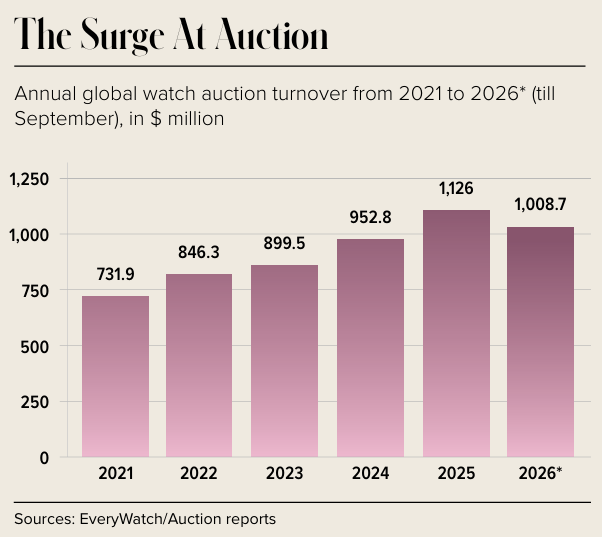
Since 2023, however, the market has become more selective. Buyers are paying closer attention to condition, originality and documented history rather than following hype alone. Meanwhile, auction sales have continued to grow. According to EveryWatch, annual watch auction turnover rose from $731.9 million in 2021 to $1.13 billion in 2025. The number of lots sold also more than tripled over the same period, showing that growth extends beyond a few headline-making watches.

The Numbers Tick On

The contrast between retail and auctions reflects a broader change in consumer behaviour. Swiss watch exports came under pressure in 2025, while demand for rare and collectible pieces remained strong. According to Deloitte’s Swiss Watch Industry Study, 40 per cent of millennial and Gen Z respondents were likely to buy a pre-owned watch in the following year.

At the same time, secondary market prices began recovering. Morgan Stanley and WatchCharts reported a 4.9 per cent rise in secondary watch prices in 2025, following declines in the previous two years. Rarity, condition, provenance and reference numbers continue to shape what collectors are willing to pay. As a result, the market increasingly rewards individual pieces rather than brand recognition alone.

Collectors in India

India is becoming an important part of this changing landscape. Swiss watch exports to the country rose 31.7 per cent between January and August 2026, while auction activity at AstaGuru reflects growing interest in collectible timepieces. Rolex and Patek Philippe remain strong performers, alongside Audemars Piguet and other established maisons.

Younger buyers are also bringing fresh energy to collecting, while online bidding makes auctions more accessible. For collectors, documented ownership, original condition and rarity are becoming increasingly important considerations.

As the market evolves, watches are being valued not just for the time they tell, but for the stories they carry. In India and beyond, the focus is shifting towards finding the right watch—and understanding what makes it worth collecting.


Read the full story in the special ‘Horology Issue’ of LuxeTrope, on stands now.

Read More

The auction saw competitive bidding across Indian masters; here are the top-performing lots

Sachdeva's philosophy is simple: don’t treat your walls like a portfolio—the real value lies in the joy of living with art that speaks to you

Contemporary Indian art is gaining fresh momentum, with a new generation of collectors driving stronger auction results

Lokhande’s auction trail from 2021 to 2025 shows a gradual build

The collector believes art is an asset in more ways than one—it offers aesthetic pleasure and the potential for long-term appreciation

Leading with Gestation at ₹45 crore, Raza’s elite sales showcase his powerhouse market from 2021 to 2025

A Guide to Japan’s Leading Watchmakers

A Guide to Japan’s Leading Watchmakers

The first commercial quartz wristwatch, the shockproof G-Shock and the light-powered Eco-Drive all came from Japan, and the brands behind them are worth knowing

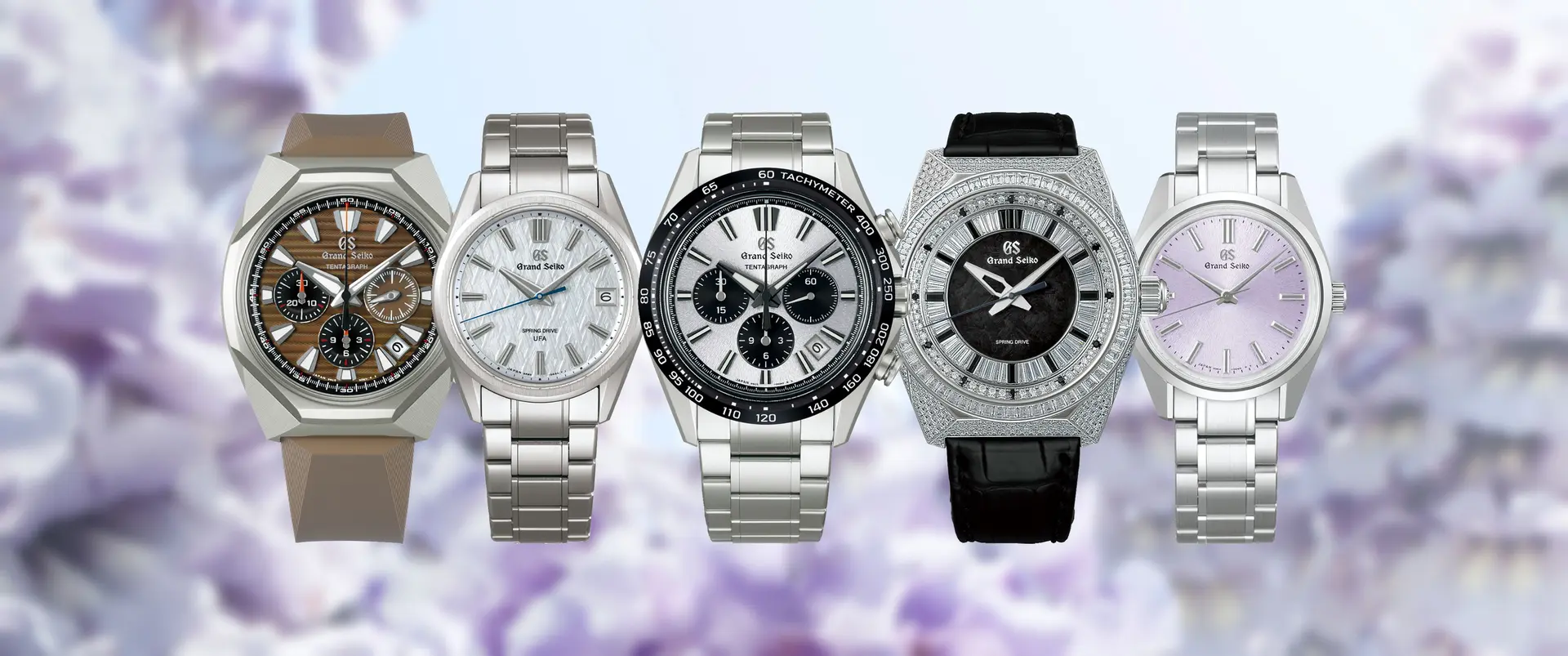
Image: Courtesy of Grand Seiko

Japanese watch brands have built their reputation on accuracy, durability and fair pricing, and the stories behind them are more interesting than most people expect. Some started in small Tokyo shops, while others grew out of calculators or engineering workshops. Here are six that every collector should know.

Seiko
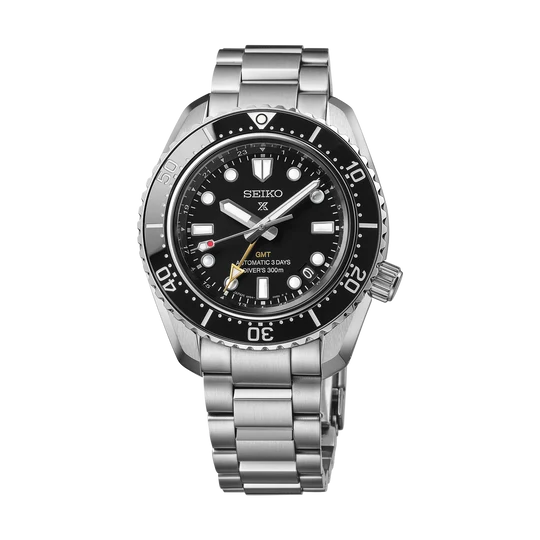
Prospex 1968 Heritage 300meters Diver's Sports GMT - HBC002J1 Image courtesy: Seiko

Seiko began when 21-year-old Kintaro Hattori opened a watch and clock shop in Tokyo, and by 1892 he was making clocks under the Seikosha name. Its biggest moment came in 1969 with the Astron, the first quartz wristwatch on sale to the public. At launch, it cost about as much as a medium-sized car, but it changed the industry for good. Today, the range runs from the everyday Seiko 5 to Prospex dive, pilot and field watches, and Seiko still builds its own movements in Japan.

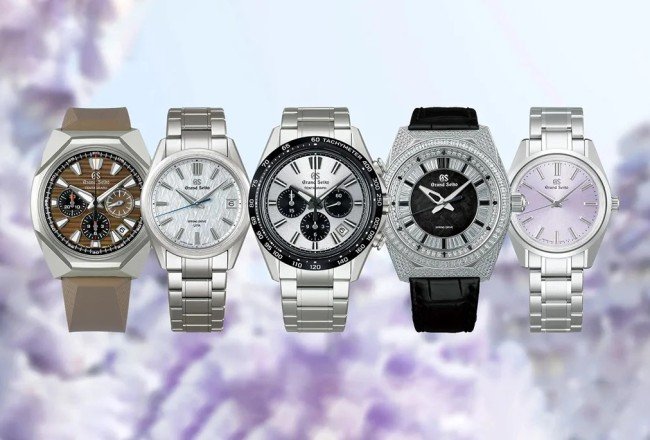
Grand Seiko
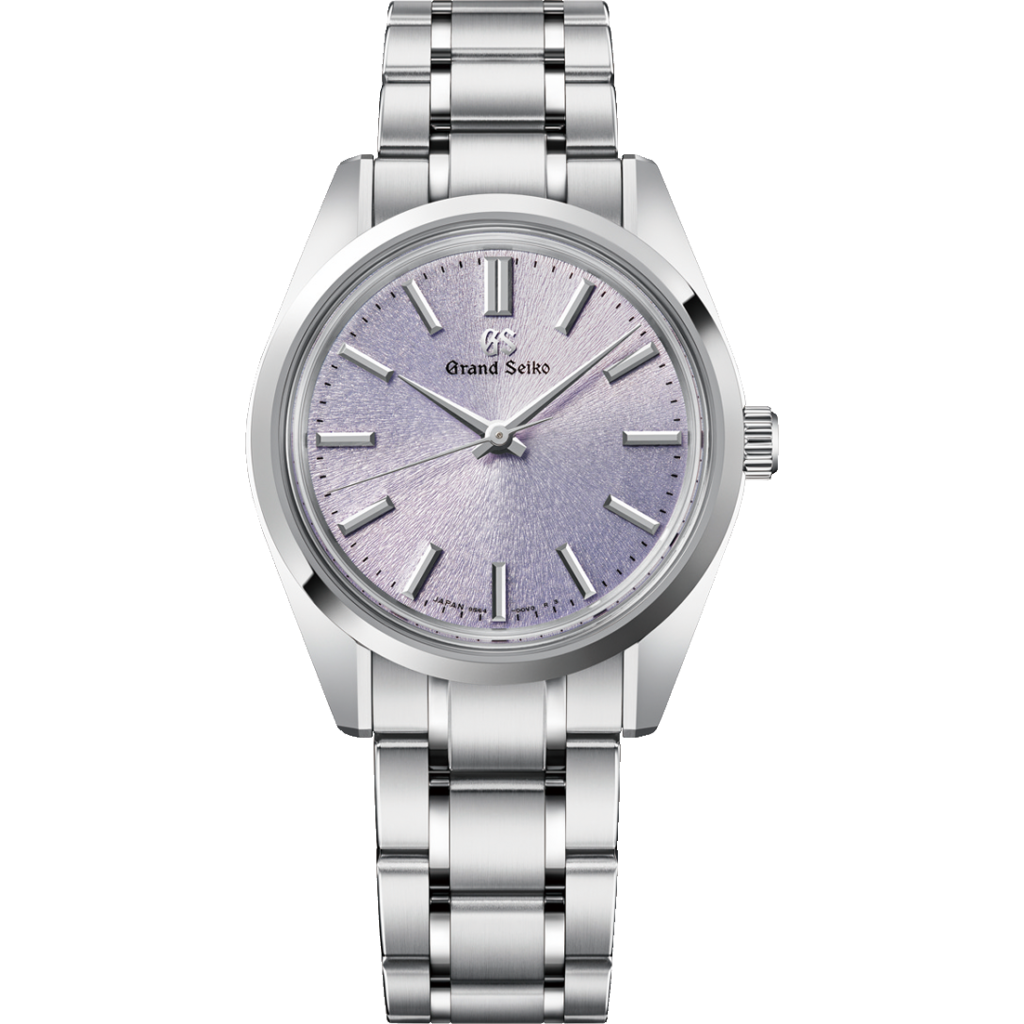
Grand Seiko SBGW323 Purple Kiri Image courtesy: Grand Seiko

Grand Seiko arrived in 1960 with a clear goal, which was to make a Japanese watch that could sit beside the best from Switzerland. The 44GS of 1967 set the design rules the brand still follows, and its flat, polished surfaces come from a hand technique called Zaratsu. Mechanical watches are made at the Shizukuishi studio in Iwate, while Spring Drive models come from Shinshu in Nagano. Spring Drive uses a mainspring but regulates it with a quartz crystal, so the seconds hand glides instead of ticking. In 2017, Grand Seiko separated from Seiko and dropped the Seiko name from its dials.

Citizen
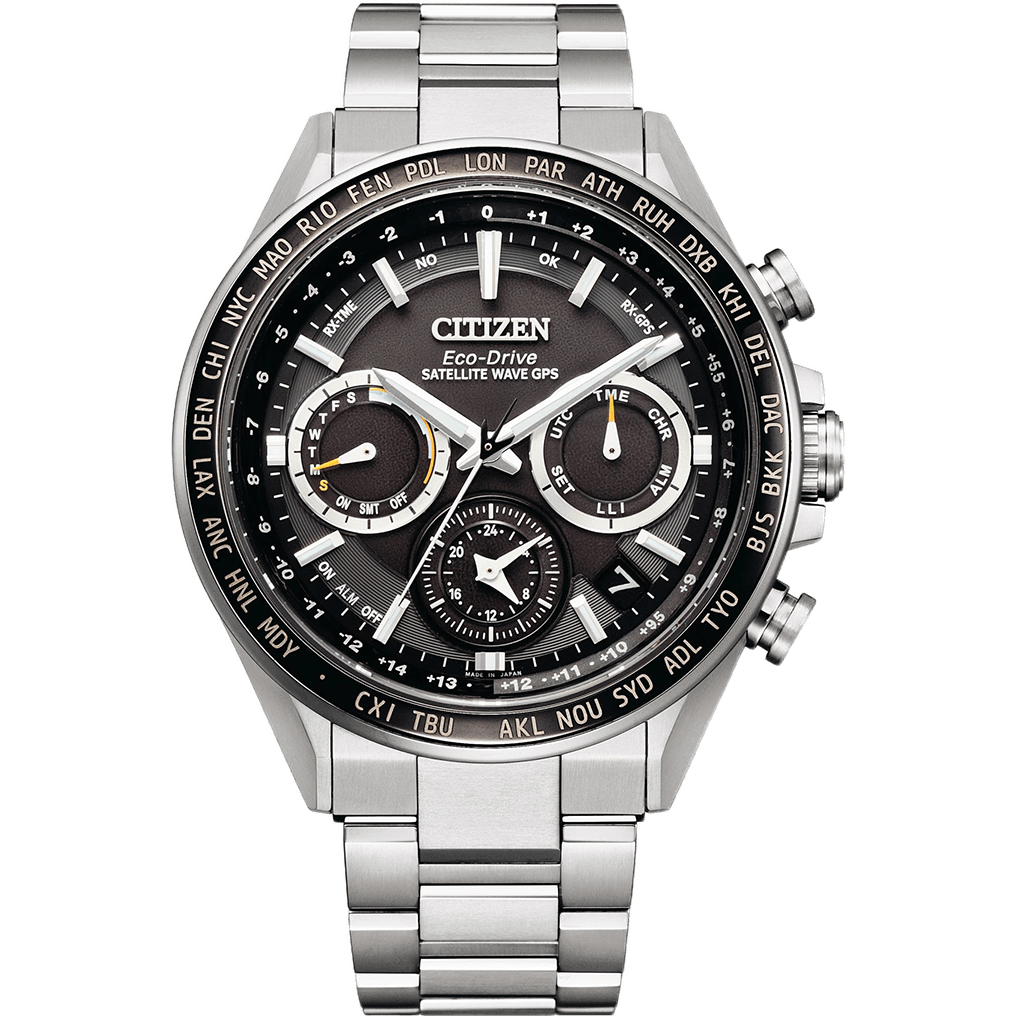
Satellite Wave GPS CC4015-51E | Image Courtesy: Citizen

Citizen began as the Shokosha Watch Research Institute in 1918, and in 1976 it launched an analog quartz watch powered by light. That idea became Eco-Drive, which charges from any light source and rarely needs a battery change. Citizen also made an early titanium watch in 1971, and it still sells watches in its own Super Titanium. In 2008, it bought Bulova for $250 million, and it later added the Frederique Constant group.

Casio
Casio BMS-300D-1AV | Image courtesy: Casio

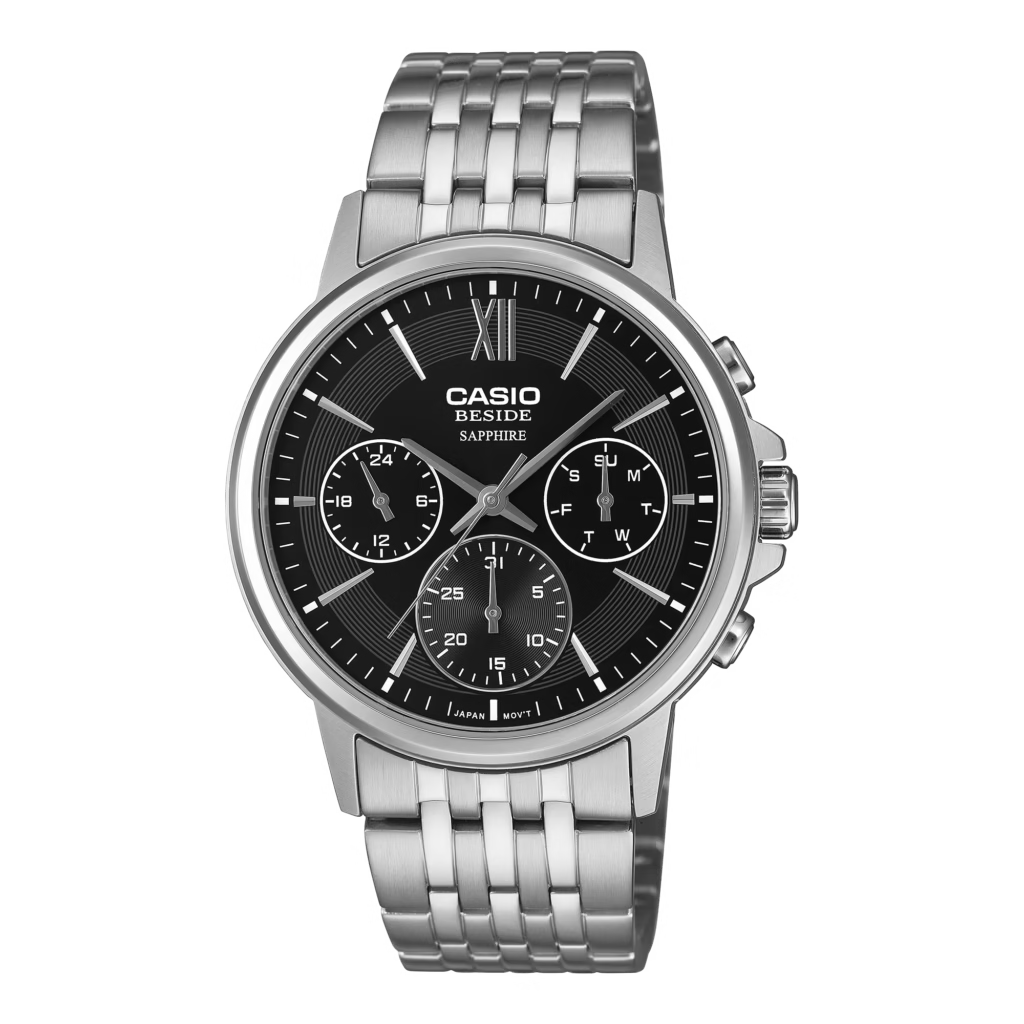
Casio started as a small Tokyo workshop in 1946 and became a calculator maker before it ever sold a serious watch. The G-Shock came from a simple frustration, because engineer Kikuo Ibe dropped a watch and it broke. He tested his early designs by dropping them from a third-floor washroom window, and after around 200 prototypes he settled on a five-stage shock-absorbing structure. The first model, the DW-5000C, went on sale in 1983. Casio passed 100 million G-Shocks shipped in 2017, and prices today run from about $50 to $10,000.

Orient
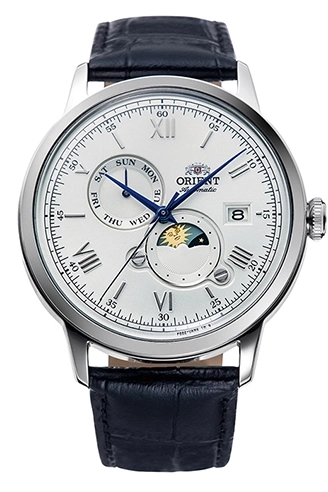
Classic & Simple Style Day & Night RA-AK0802S | Image courtesy: Orient

Orient traces its history to Shogoro Yoshida, who opened the Yoshida Watch Shop in 1901 to sell imported pocket watches. He started making gold watch cases in 1912, and the company took the Orient Watch name in 1951, the year the first Orient Star went on sale. Seiko Epson became the majority owner in 2001 and took full control in 2009. Orient still makes its movements in-house at Akita Epson.

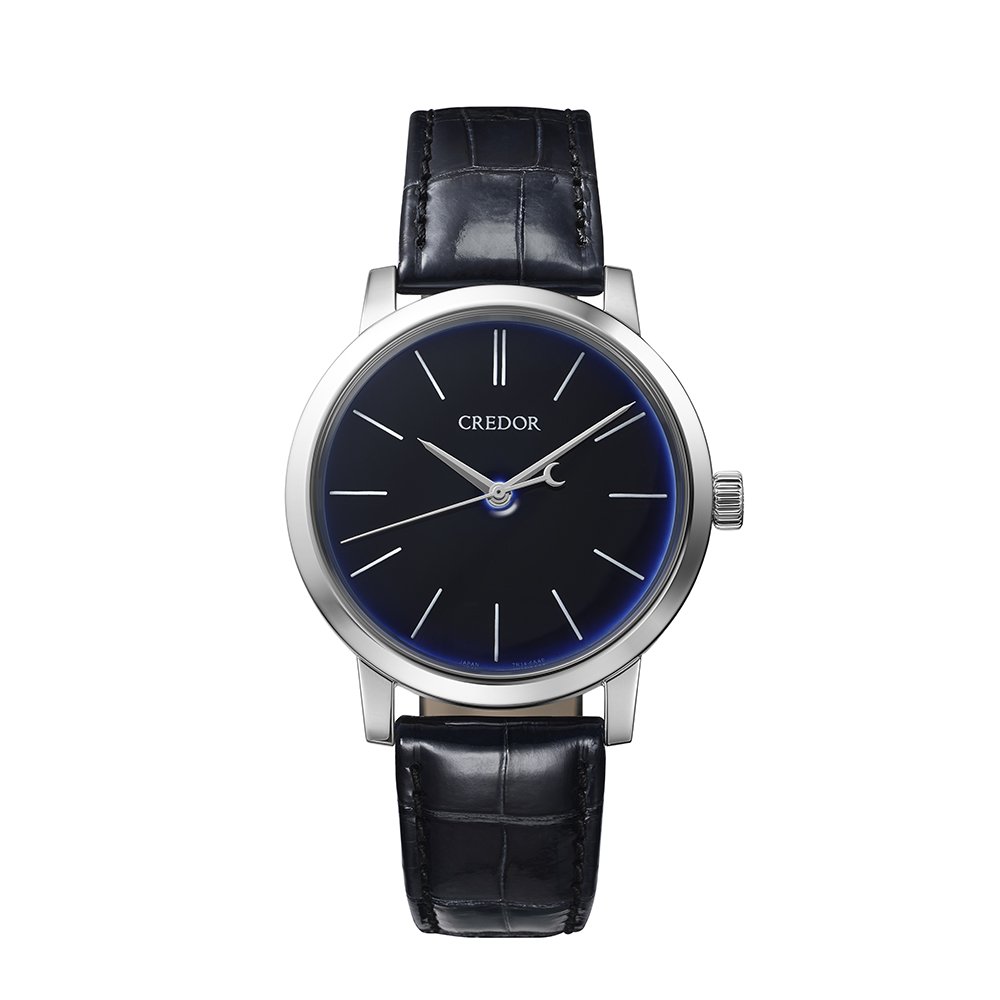
Credor
Masterpiece Collection Eichi II GBLT997 | Image courtesy: Credor

Credor began as a luxury line inside Seiko’s Japanese catalogue, and its name comes from the French for “pinnacle of gold.” For decades, it sold mostly in Japan, so it stayed far less known abroad than its sister brands. The Micro Artist Studio in Shiojiri, set up in 2000, is where small teams build Credor watches by hand. The Eichi of 2008 and the Eichi II of 2014 both carry porcelain dials with hand-painted markers. To mark Credor’s 50th anniversary in 2024, the studio made a limited run of 30 Eichi II watches.

What Sets Japanese Watch Brands Apart

For all their differences, these brands share a habit of building the technology themselves. Seiko gave the world quartz wristwatches, Citizen made light-powered movements its signature, and Casio built a watch that survives hard knocks. Several of them are also closely linked, since Grand Seiko and Credor grew out of Seiko and Seiko Epson now owns Orient. As a result, Japanese watch brands cover almost every budget, and accuracy and craft stay at the centre of all of them.

Read More

The auction saw competitive bidding across Indian masters; here are the top-performing lots

Sachdeva's philosophy is simple: don’t treat your walls like a portfolio—the real value lies in the joy of living with art that speaks to you

Contemporary Indian art is gaining fresh momentum, with a new generation of collectors driving stronger auction results

Lokhande’s auction trail from 2021 to 2025 shows a gradual build

The collector believes art is an asset in more ways than one—it offers aesthetic pleasure and the potential for long-term appreciation

Leading with Gestation at ₹45 crore, Raza’s elite sales showcase his powerhouse market from 2021 to 2025

Why Vintage Jewellery is Winning Big

Why Vintage Jewellery is Winning Big

The secondary jewellery market is gaining momentum as collectors chase rare heirlooms

In the world of luxury jewellery, rarity and provenance have become just as important as diamonds and gemstones. Collectors are increasingly drawn to vintage creations with remarkable histories, transforming auctions into destinations where craftsmanship, heritage and storytelling command premium prices.

One of the biggest examples was the record-breaking sale of royal Indian jewels, featuring treasures from the Nizam of Hyderabad and the princely families of Jaipur, Baroda and Indore. Spanning centuries of craftsmanship, these heirlooms proved that history can be as valuable as the gemstones themselves.

The Auction Effect

This growing appetite is also visible closer to home. Rare vintage jewels—including meena gajra bracelets, a Rajasthani bodla and a kundan-set polki chand haar—generated intense bidding at recent AstaGuru auctions, reflecting rising demand for collectible Indian jewellery. Buyers today aren’t simply purchasing ornaments; they’re investing in pieces with enduring cultural and artistic significance.

Old Gold, New Opportunities

The boom isn’t limited to auction houses. Across India’s jewellery retail market, consumers are increasingly exchanging existing jewellery to finance fresh purchases. As gold prices remain elevated, exchange programmes have become a preferred way to upgrade collections without making entirely new investments.

The result is a thriving secondary market where heirloom jewellery finds new owners, while existing collections help fund modern acquisitions. Together, these trends are reshaping how Indians buy, sell and value fine jewellery.

Read the full story in the special ‘Joaillerie Market’ issue of LuxeTrope, on stands now.

Read More

The auction saw competitive bidding across Indian masters; here are the top-performing lots

Sachdeva's philosophy is simple: don’t treat your walls like a portfolio—the real value lies in the joy of living with art that speaks to you

Contemporary Indian art is gaining fresh momentum, with a new generation of collectors driving stronger auction results

Lokhande’s auction trail from 2021 to 2025 shows a gradual build

The collector believes art is an asset in more ways than one—it offers aesthetic pleasure and the potential for long-term appreciation

Leading with Gestation at ₹45 crore, Raza’s elite sales showcase his powerhouse market from 2021 to 2025

Farah Khan Decodes the Business and Cultural Value of Jewellery

Farah Khan Decodes the Business and Cultural Value of Jewellery

For the veteran jewellery designer, emotion, meaning, and beauty are what make jewellery timeless

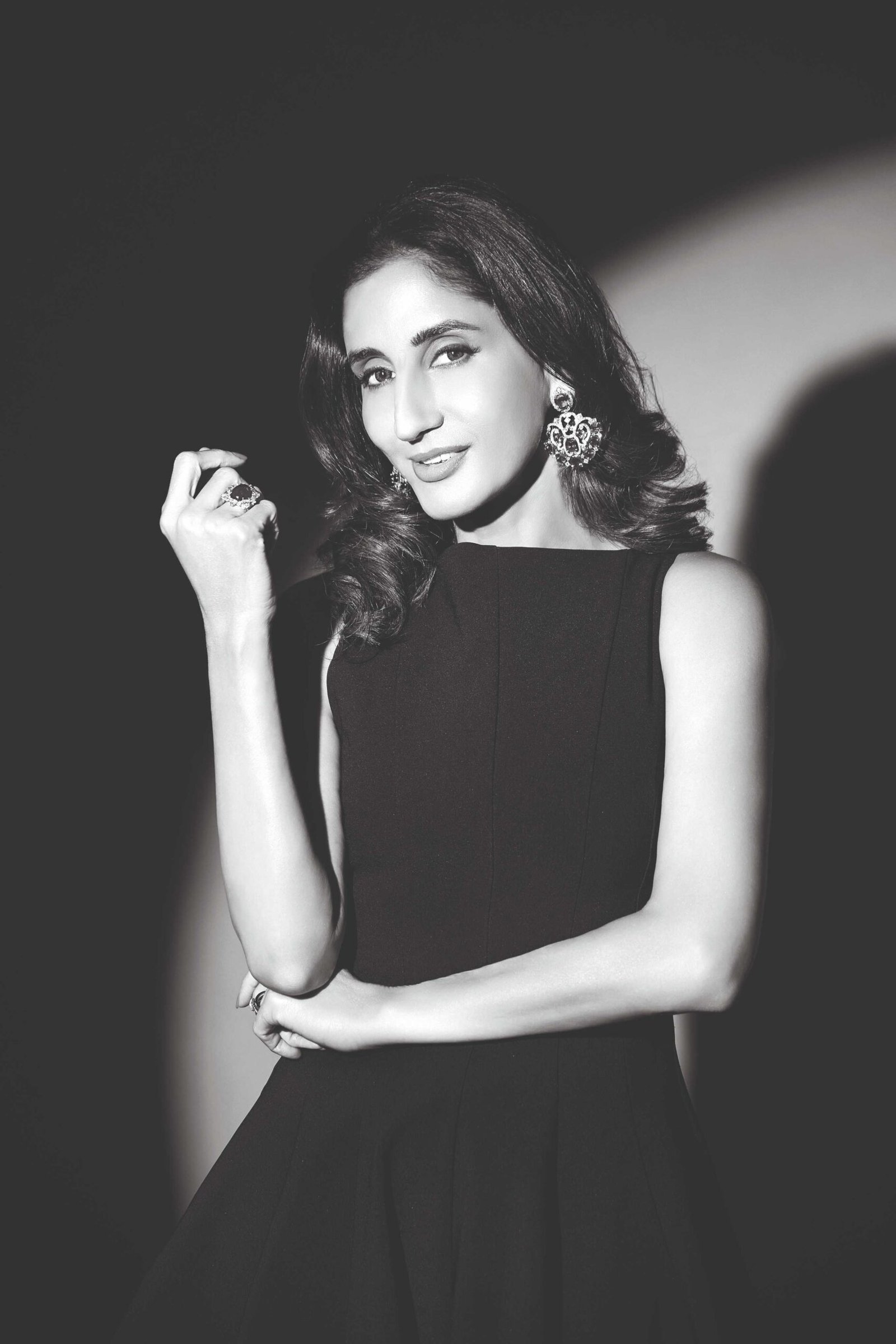
For jewellery maven Farah Khan, nature, architecture, and love serve as eternal muses, forming the core of her design sensibility. Be it high jewellery collections or her prêt line, every piece stands as an ode to the places, people, and experiences that have shaped her life. Now considered one of India’s foremost jewellery designers, Khan started her journey by studying gemstones at the Gemological Institute of America (GIA), Santa Monica—an experience that taught her every stone has its own personality, strengths, and limits. She topped her gemmology class, spent years apprenticing and crafting bespoke pieces, and officially launched her fine jewellery brand, Farah Khan Fine Jewellery, in 2004.

“Inspiration is rarely a sudden moment,” Khan says, when asked about what inspires her, adding, “It’s usually something that stays with me—a flower I notice while travelling, the symmetry of a Mughal archway, the movement of water, or even the way light falls on an old building. I collect these moments almost subconsciously.” For her, creating a piece of jewellery usually starts with observation and emotion rather than sketching. She explains, “I ask myself what it is about that image or experience that moved me. Was it the softness, the strength, the rhythm, the colour? Once I identify that feeling, I start translating it into form.”

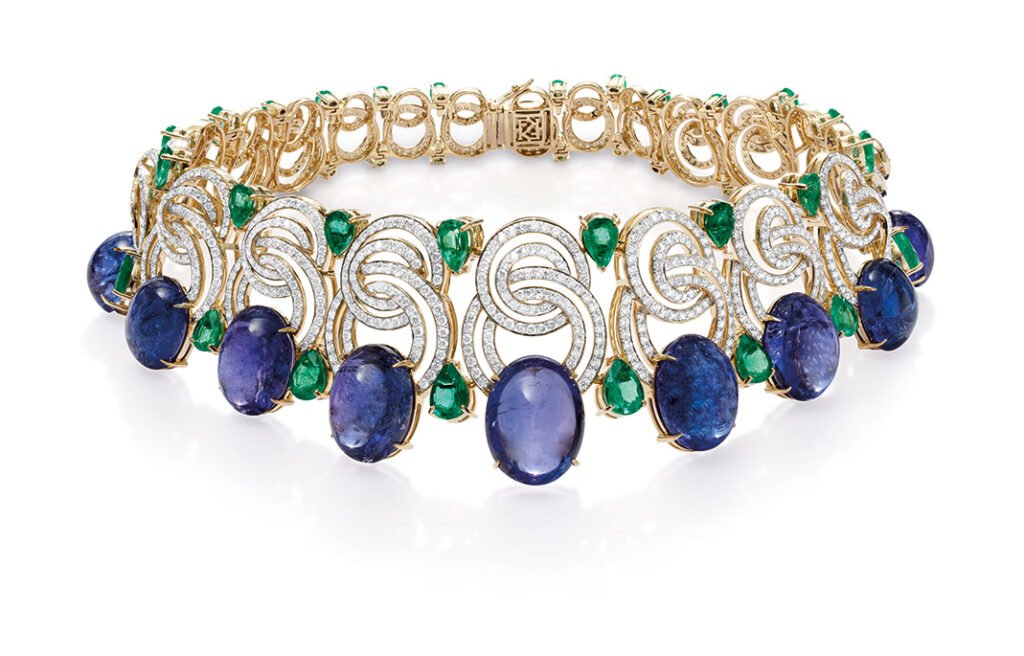
Ocean’s Embrace necklace, in 18k gold, blue cabochons, emeralds, diamonds

Khan understands that while jewellery needs to be beautiful, it must also be wearable. The challenge is to translate an object of inspiration into a thoughtfully crafted piece that can be worn frequently, rather than being stored away. So, sometimes a petal may become a diamond setting, or the fluidity of water may turn into an entire collection. Khan says that the final piece may not be an exact copy of the original inspiration, but it will always carry its essence.

A background in gemmology gave her the confidence to design around the unique characteristics of specific gemstones. Khan says, “When I begin designing, I never think of a gemstone as simply a decorative element. I look at its colour, cut, inclusions, brilliance, and character. The design must serve the gemstone, not compete with it.” Emeralds are her absolute favourite gemstone to work with. “There’s something incredibly soulful about them,” she says.

Read the full story in the special ‘Joaillerie Market’ issue of LuxeTrope, on stands now.

Read More

The auction saw competitive bidding across Indian masters; here are the top-performing lots

Sachdeva's philosophy is simple: don’t treat your walls like a portfolio—the real value lies in the joy of living with art that speaks to you

Contemporary Indian art is gaining fresh momentum, with a new generation of collectors driving stronger auction results

Lokhande’s auction trail from 2021 to 2025 shows a gradual build

The collector believes art is an asset in more ways than one—it offers aesthetic pleasure and the potential for long-term appreciation

Leading with Gestation at ₹45 crore, Raza’s elite sales showcase his powerhouse market from 2021 to 2025

How Coloured Gemstones are Taking Centre Stage in the High Jewellery Market

How Coloured Gemstones are Taking Centre Stage in the Jewellery Market

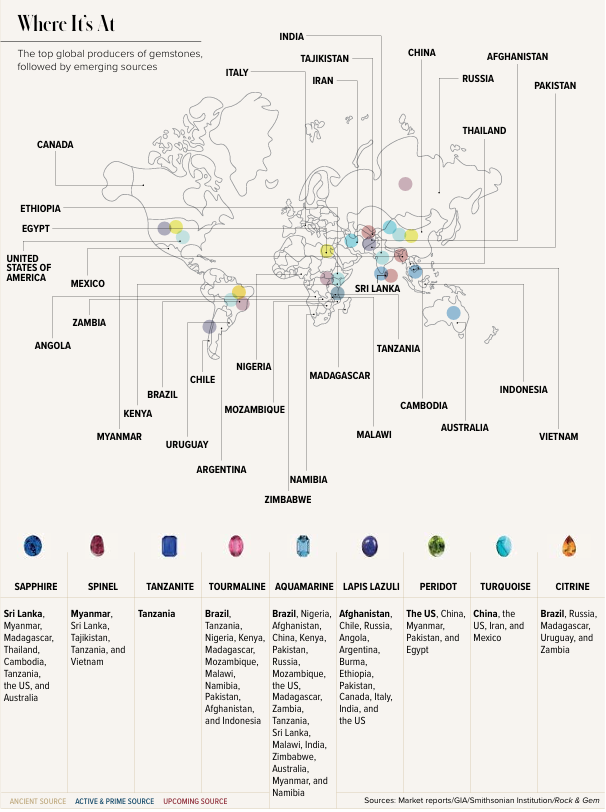
From Colombian emeralds to Burmese sapphires and rare spinels, coloured gemstones are emerging as prized collectibles

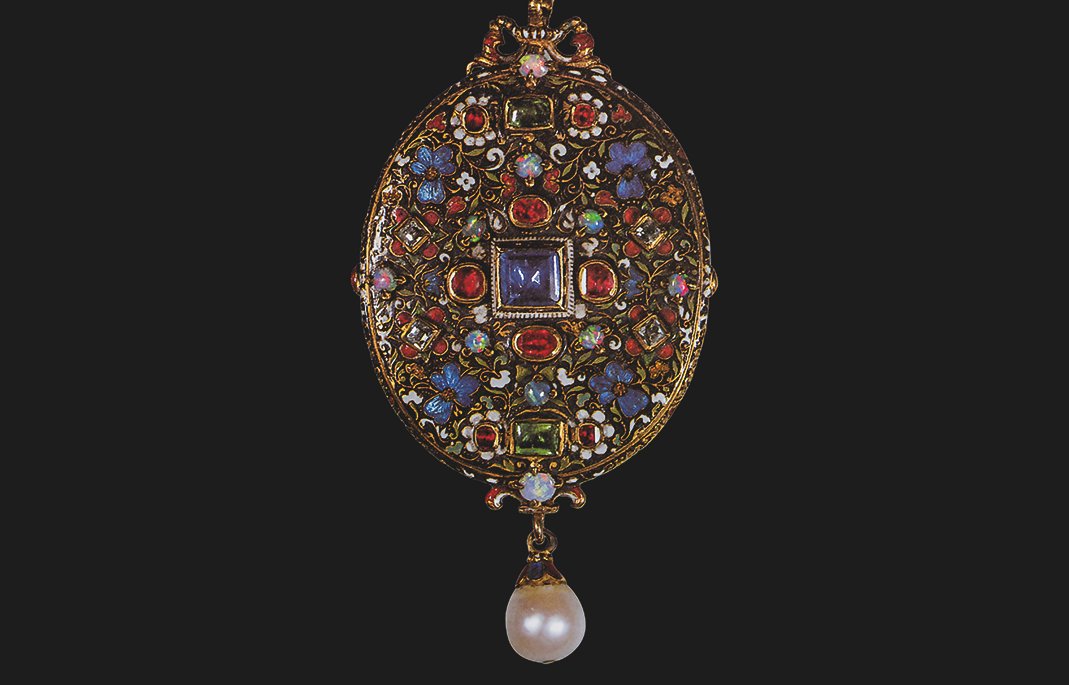
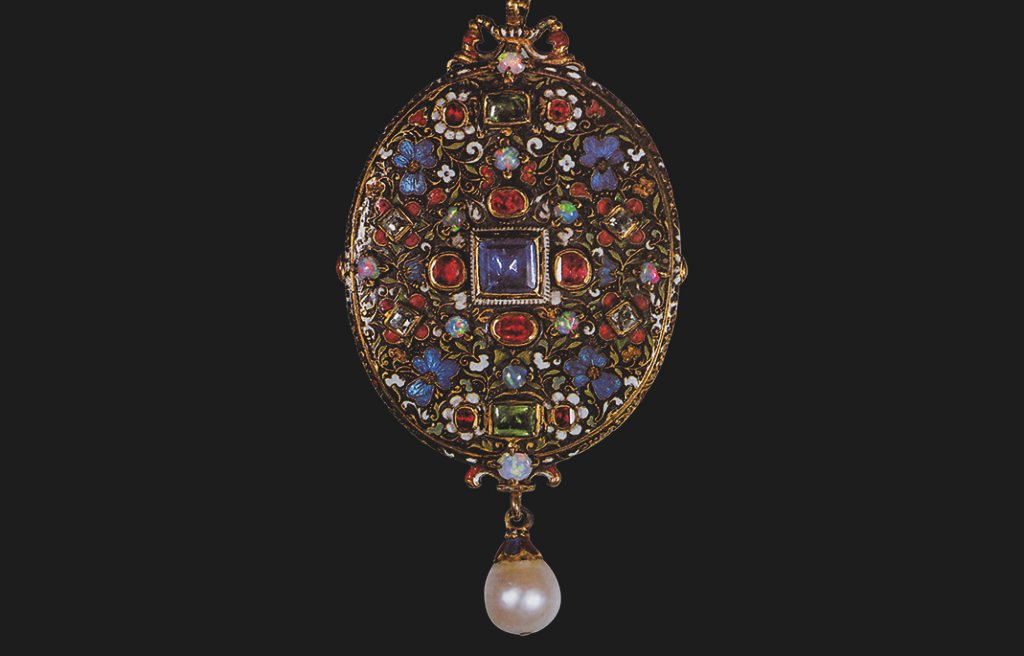
The ‘Grenville’ Jewel from the 1630s, a locket set with a dense carpet of flowers, with rubies, opals, emeralds, and more

Natural diamonds may remain timeless, but collectors are increasingly embracing coloured gemstones for their rarity, individuality and investment potential. Millennials and Gen Z are driving a shift towards expressive jewellery, favouring distinctive colours, unusual cuts and exceptional provenance over traditional diamond-centric designs.

This growing demand has strengthened the auction market, where gemstones from celebrated origins—such as Kashmiri sapphires, Colombian emeralds and Burmese rubies—are commanding premium prices. With finite natural supply and dwindling mining sources, these stones are increasingly viewed as scarce alternative assets that combine beauty with long-term value.
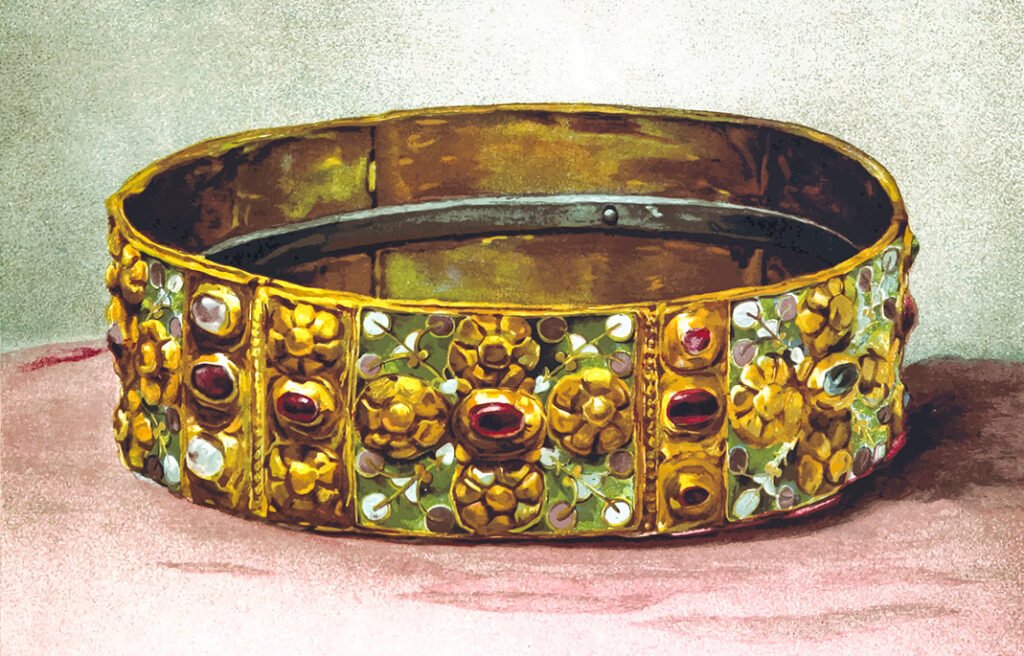
Collectors are also diversifying their portfolios by exploring stones ranging from Mahenge spinels to Burmese blue sapphires, recognising their resilience and rarity. The trend is reflected in the broader market, with the global coloured gemstones industry projected to grow at a 6.6% CAGR, while sapphires, pearls, rubies and emeralds accounted for 31% of jewellery lots sold at auction during 2025–26.
Auction houses continue to reinforce this momentum. At a major international sale in 2024, 90% of lots found buyers, with several coloured gemstones achieving prices far above their estimates. A record-setting 55.22-carat Estrela de Fura Ruby also demonstrated the market’s appetite for exceptional stones, establishing a new benchmark for Mozambique’s ruby industry.

India’s auction market reflects the same enthusiasm. AstaGuru has achieved standout results with coloured gemstone jewellery, including an uncut diamond and spinel sarpech that sold for ₹1.02 crore, a spinel and diamond necklace that realised ₹1.29 crore, a Burmese blue sapphire ring that fetched ₹24.53 lakh, and a pair of tanzanite and diamond ear clips that achieved ₹17.59 lakh. Together, these results highlight the growing confidence collectors have in exceptional coloured gemstones.

Read the full story in the special ‘Joaillerie Market’ issue of LuxeTrope, on stands now.

Read More

The auction saw competitive bidding across Indian masters; here are the top-performing lots

Sachdeva's philosophy is simple: don’t treat your walls like a portfolio—the real value lies in the joy of living with art that speaks to you

Contemporary Indian art is gaining fresh momentum, with a new generation of collectors driving stronger auction results

Lokhande’s auction trail from 2021 to 2025 shows a gradual build

The collector believes art is an asset in more ways than one—it offers aesthetic pleasure and the potential for long-term appreciation

Leading with Gestation at ₹45 crore, Raza’s elite sales showcase his powerhouse market from 2021 to 2025