Japanese watch brands have built their reputation on accuracy, durability and fair pricing, and the stories behind them are more interesting than most people expect. Some started in small Tokyo shops, while others grew out of calculators or engineering workshops. Here are six that every collector should know.
Seiko
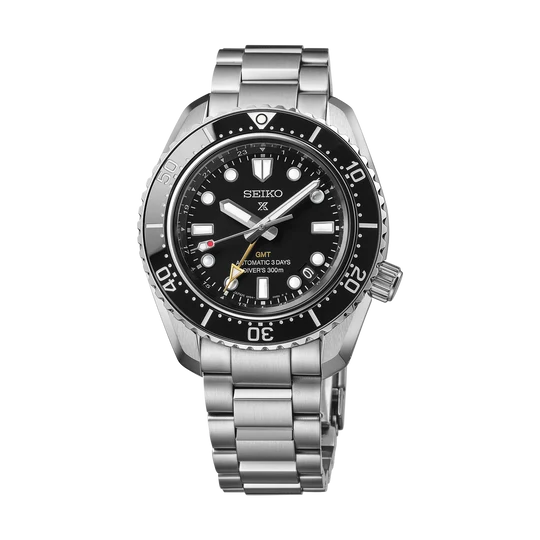
Seiko began when 21-year-old Kintaro Hattori opened a watch and clock shop in Tokyo, and by 1892 he was making clocks under the Seikosha name. Its biggest moment came in 1969 with the Astron, the first quartz wristwatch on sale to the public. At launch, it cost about as much as a medium-sized car, but it changed the industry for good. Today, the range runs from the everyday Seiko 5 to Prospex dive, pilot and field watches, and Seiko still builds its own movements in Japan.
Grand Seiko
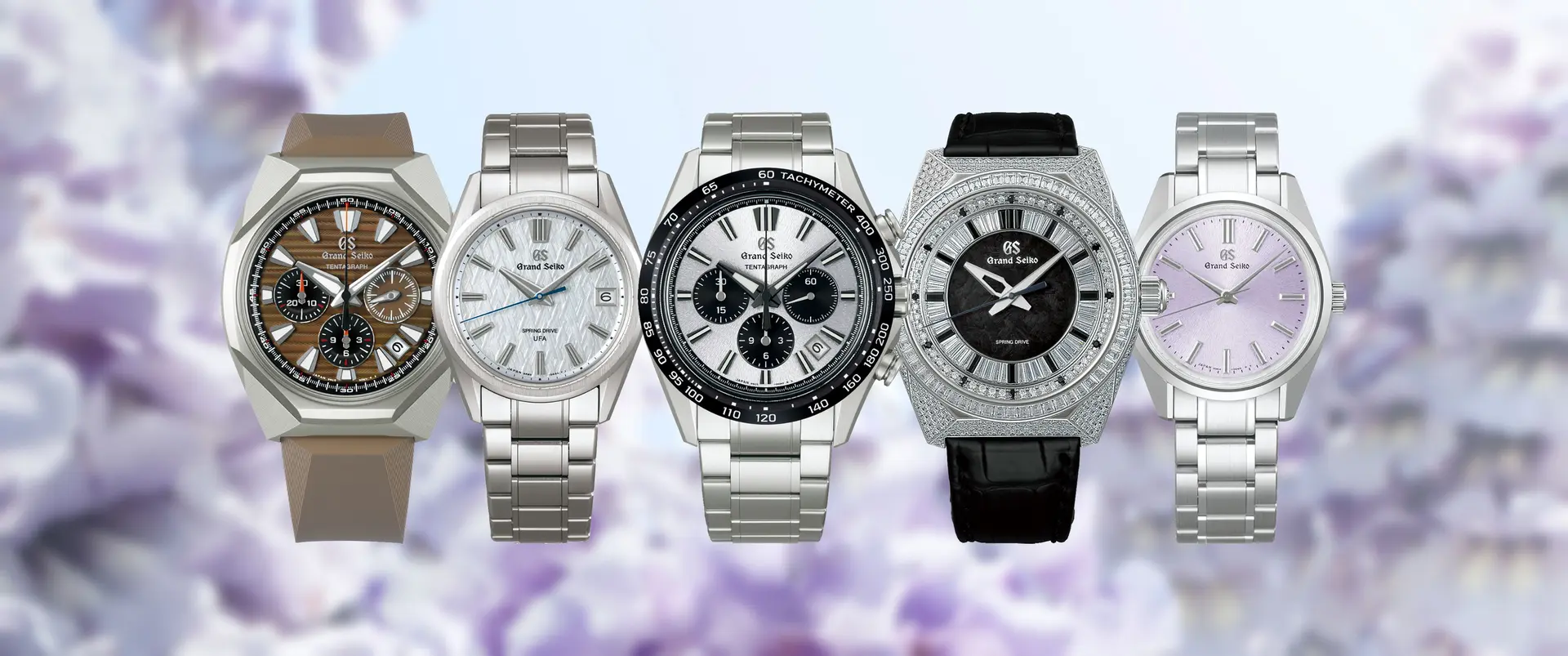
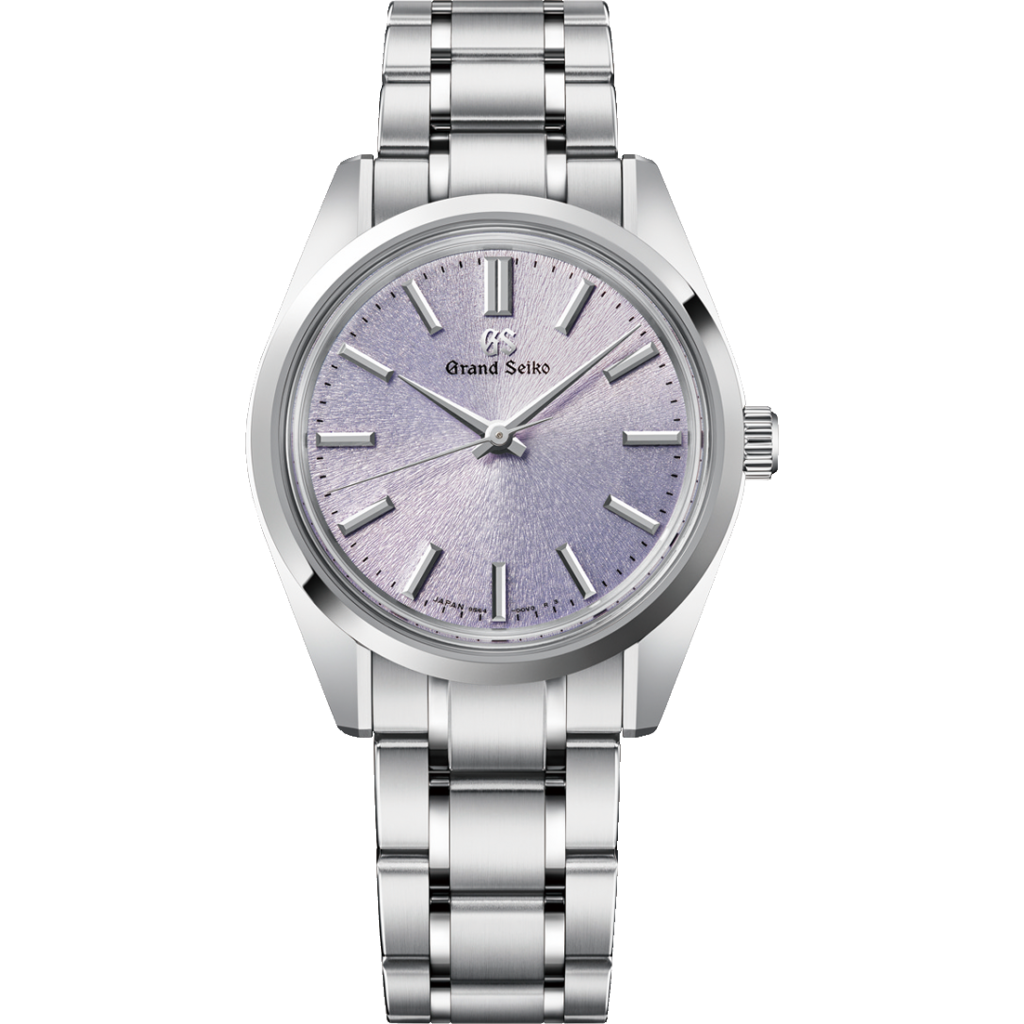
Grand Seiko arrived in 1960 with a clear goal, which was to make a Japanese watch that could sit beside the best from Switzerland. The 44GS of 1967 set the design rules the brand still follows, and its flat, polished surfaces come from a hand technique called Zaratsu. Mechanical watches are made at the Shizukuishi studio in Iwate, while Spring Drive models come from Shinshu in Nagano. Spring Drive uses a mainspring but regulates it with a quartz crystal, so the seconds hand glides instead of ticking. In 2017, Grand Seiko separated from Seiko and dropped the Seiko name from its dials.
Citizen
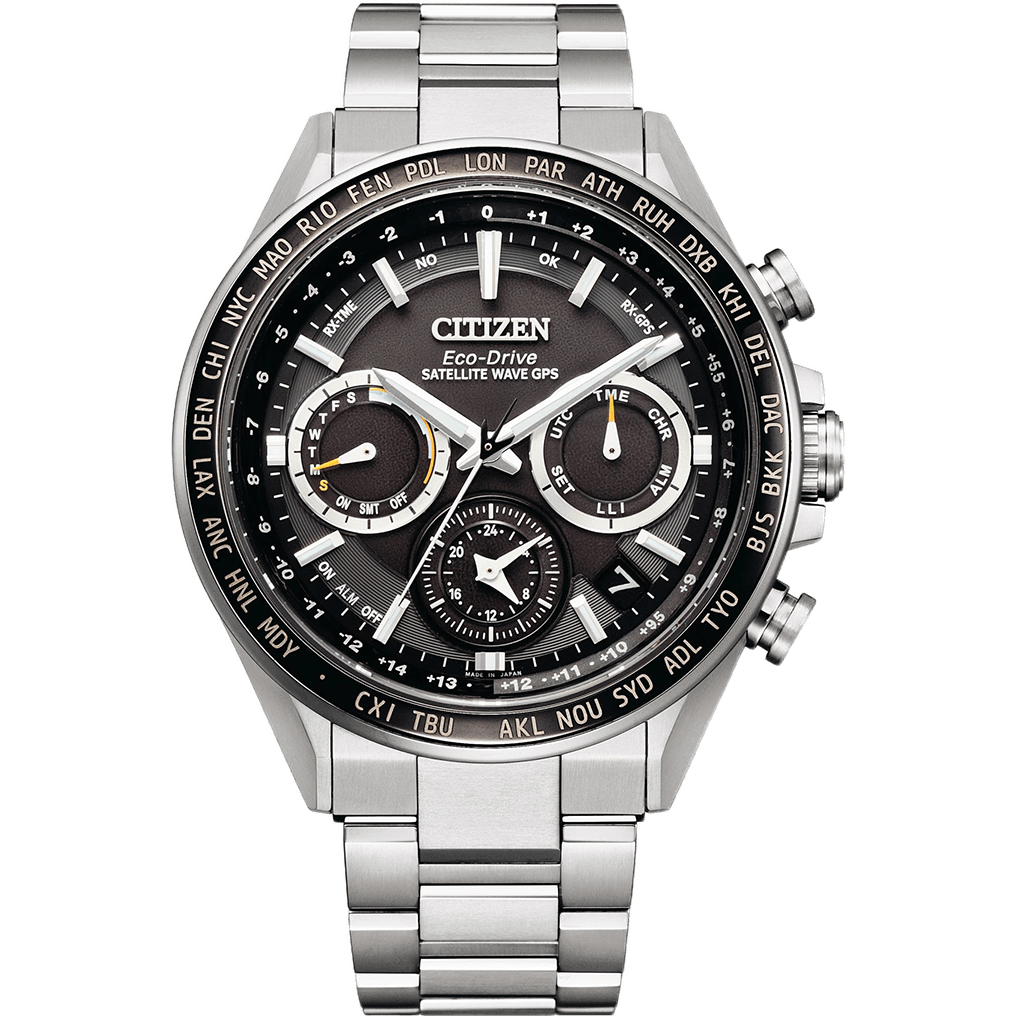
Citizen began as the Shokosha Watch Research Institute in 1918, and in 1976 it launched an analog quartz watch powered by light. That idea became Eco-Drive, which charges from any light source and rarely needs a battery change. Citizen also made an early titanium watch in 1971, and it still sells watches in its own Super Titanium. In 2008, it bought Bulova for $250 million, and it later added the Frederique Constant group.
Casio
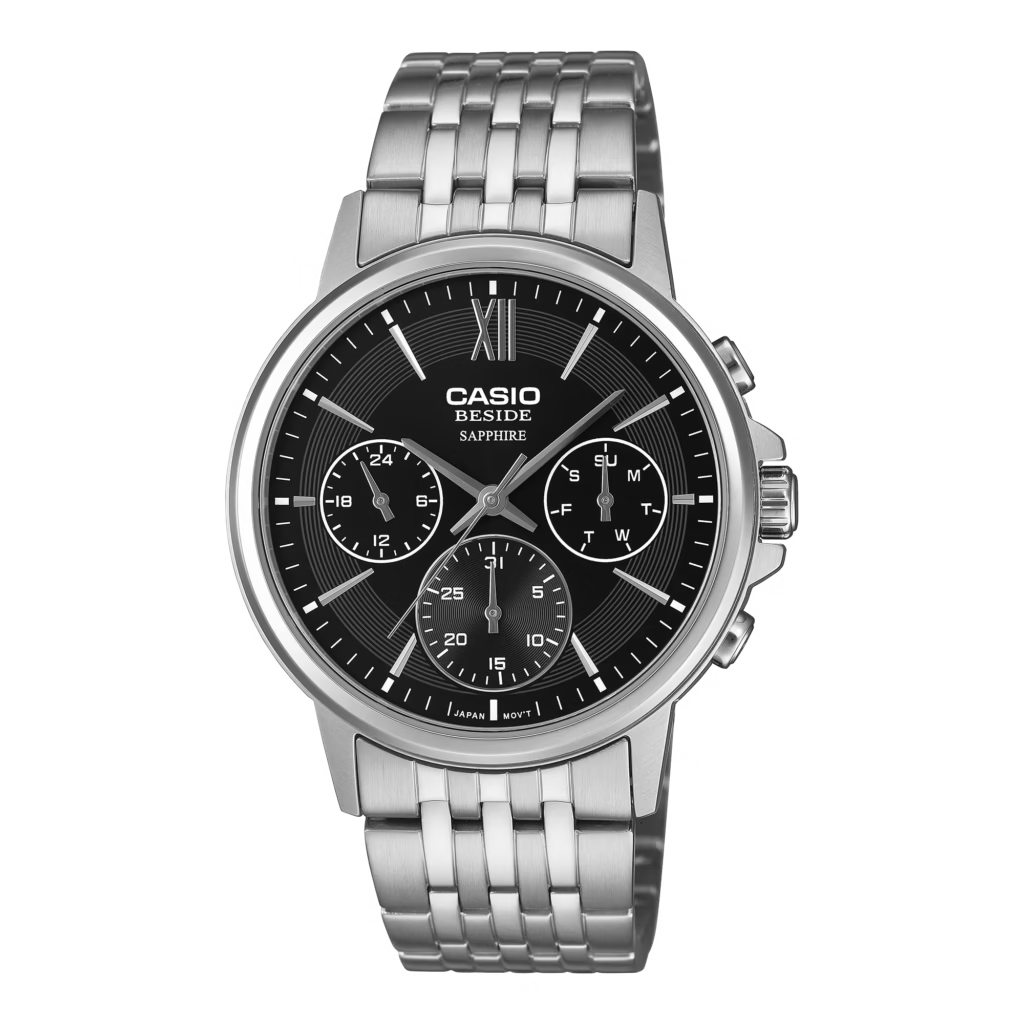
Casio started as a small Tokyo workshop in 1946 and became a calculator maker before it ever sold a serious watch. The G-Shock came from a simple frustration, because engineer Kikuo Ibe dropped a watch and it broke. He tested his early designs by dropping them from a third-floor washroom window, and after around 200 prototypes he settled on a five-stage shock-absorbing structure. The first model, the DW-5000C, went on sale in 1983. Casio passed 100 million G-Shocks shipped in 2017, and prices today run from about $50 to $10,000.
Orient
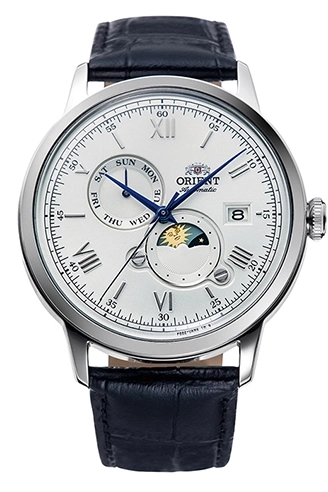
Orient traces its history to Shogoro Yoshida, who opened the Yoshida Watch Shop in 1901 to sell imported pocket watches. He started making gold watch cases in 1912, and the company took the Orient Watch name in 1951, the year the first Orient Star went on sale. Seiko Epson became the majority owner in 2001 and took full control in 2009. Orient still makes its movements in-house at Akita Epson.
Credor
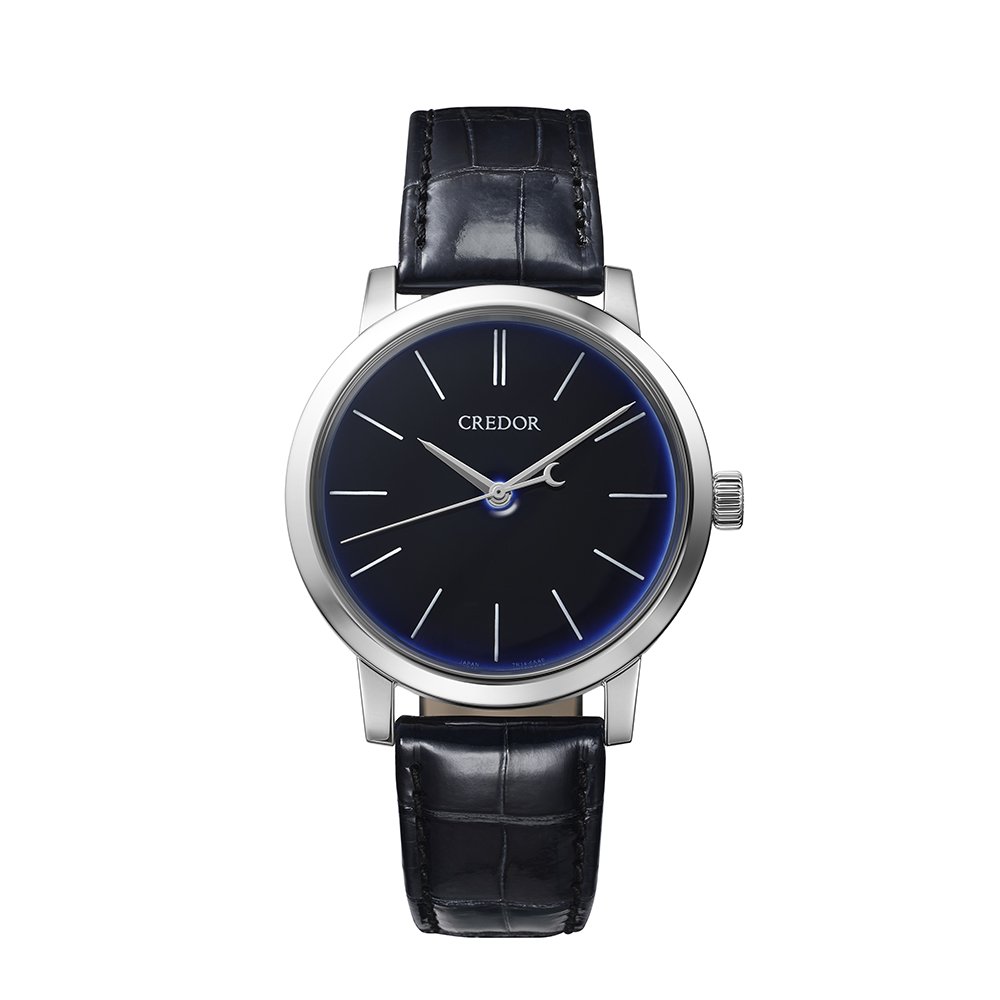
Credor began as a luxury line inside Seiko’s Japanese catalogue, and its name comes from the French for “pinnacle of gold.” For decades, it sold mostly in Japan, so it stayed far less known abroad than its sister brands. The Micro Artist Studio in Shiojiri, set up in 2000, is where small teams build Credor watches by hand. The Eichi of 2008 and the Eichi II of 2014 both carry porcelain dials with hand-painted markers. To mark Credor’s 50th anniversary in 2024, the studio made a limited run of 30 Eichi II watches.
What Sets Japanese Watch Brands Apart
For all their differences, these brands share a habit of building the technology themselves. Seiko gave the world quartz wristwatches, Citizen made light-powered movements its signature, and Casio built a watch that survives hard knocks. Several of them are also closely linked, since Grand Seiko and Credor grew out of Seiko and Seiko Epson now owns Orient. As a result, Japanese watch brands cover almost every budget, and accuracy and craft stay at the centre of all of them.