luxetrope.com

AstaGuru’s Collectors’ Choice Auction Achieves a Turnover of ₹134 Crore

AstaGuru’s Collectors’ Choice Auction Achieves a Turnover of ₹134 Crore

The auction saw competitive bidding across Indian masters; here are the top-performing lots

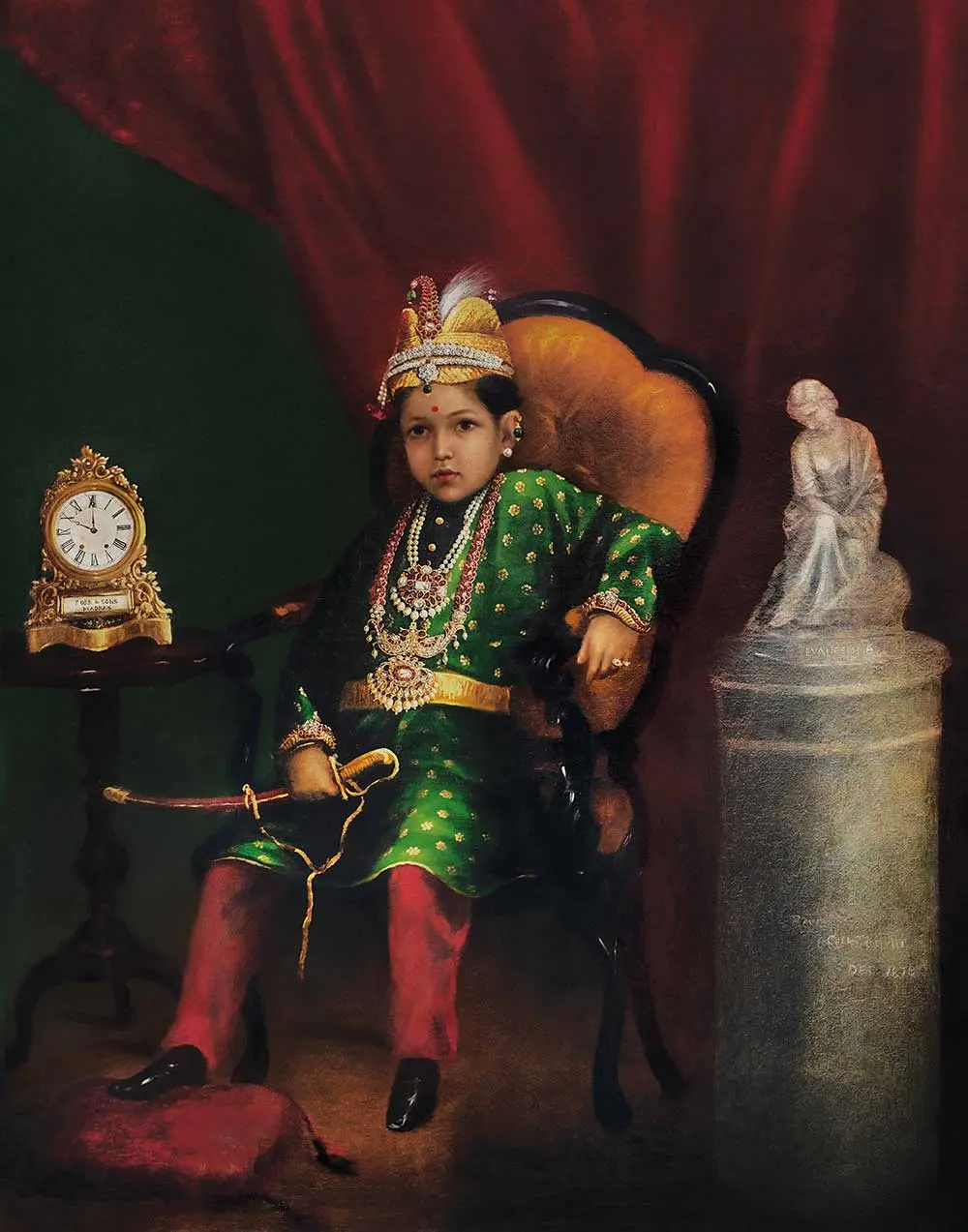
Raja Ravi Varma | Little Prince Of Courage | 53.5 x 42 in | Oil on canvas | 1878 | Sold for ₹30,88,60,139

AstaGuru’s Collectors’ Choice auction (22–23 June 2026) concluded with ₹134.11 crore in total sales across 82 lots sold, underscoring the continued strength of India’s blue-chip art market. Featuring landmark works by celebrated masters, the sale attracted strong bidding for rare, historically significant paintings with distinguished provenance.

https://www.astaguru.com/auctions/2026/collectors-choice-219/a-veil-of-vice-and-virture-18966

Leading the auction was Raja Ravi Varma’s Little Prince of Courage, which realised ₹30.88 crore, comfortably exceeding its estimate of ₹20–30 crore. The 1878 oil on canvas reaffirmed the enduring demand for Ravi Varma’s early royal portraits. Ganesh Pyne’s The Conversation emerged as another highlight, achieving ₹12.10 crore against an estimate of ₹3–5 crore, more than doubling its upper estimate and demonstrating the sustained appetite for the artist’s rare and evocative works.

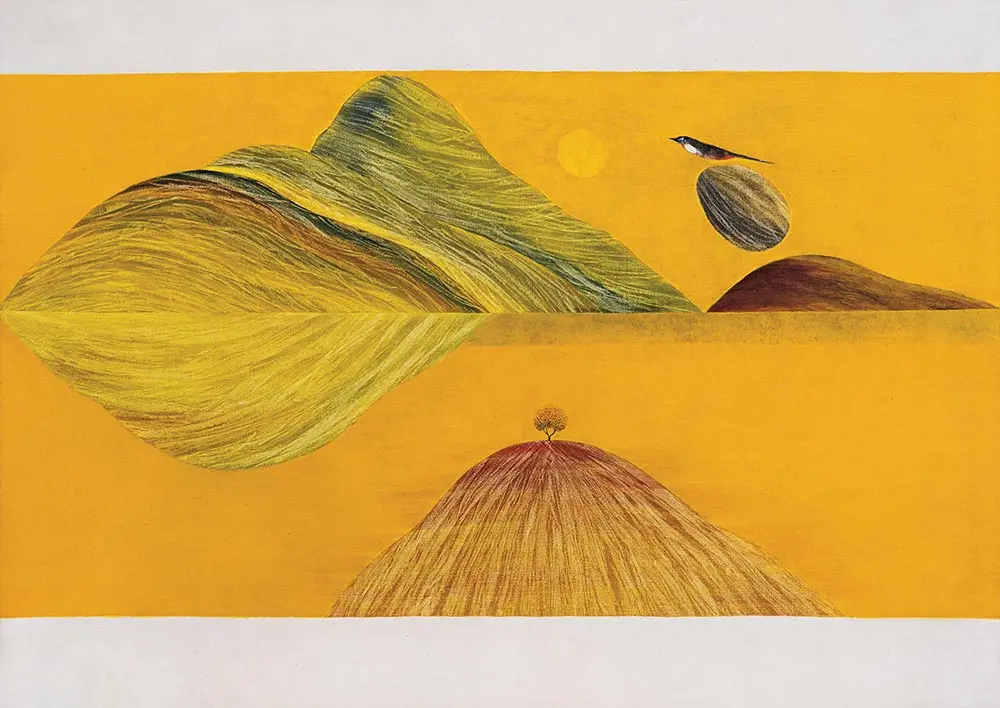
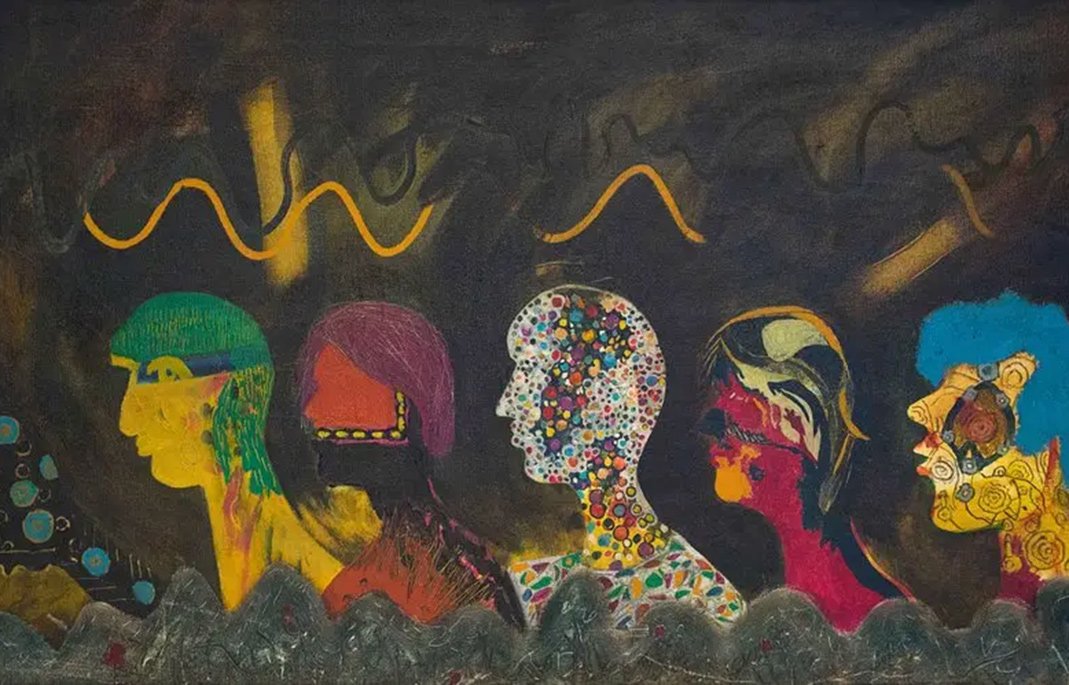
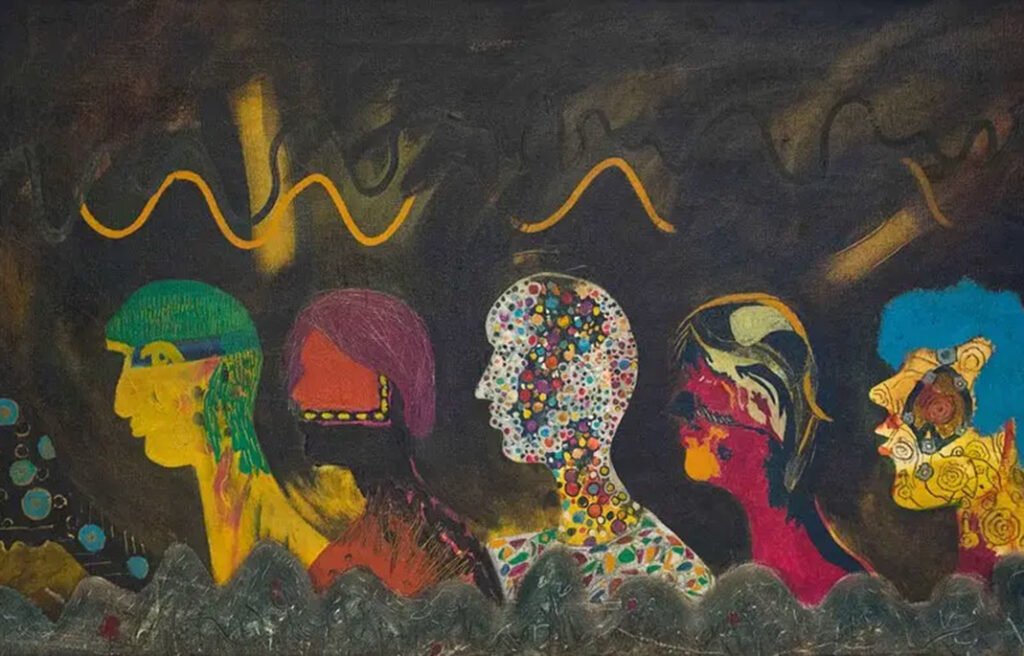
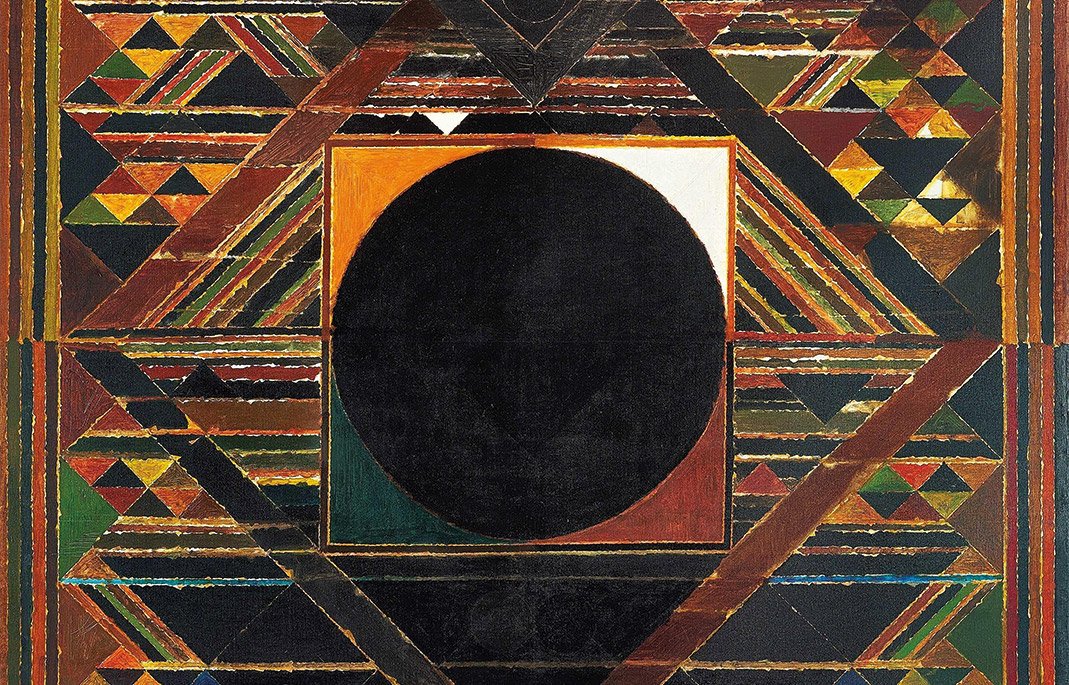
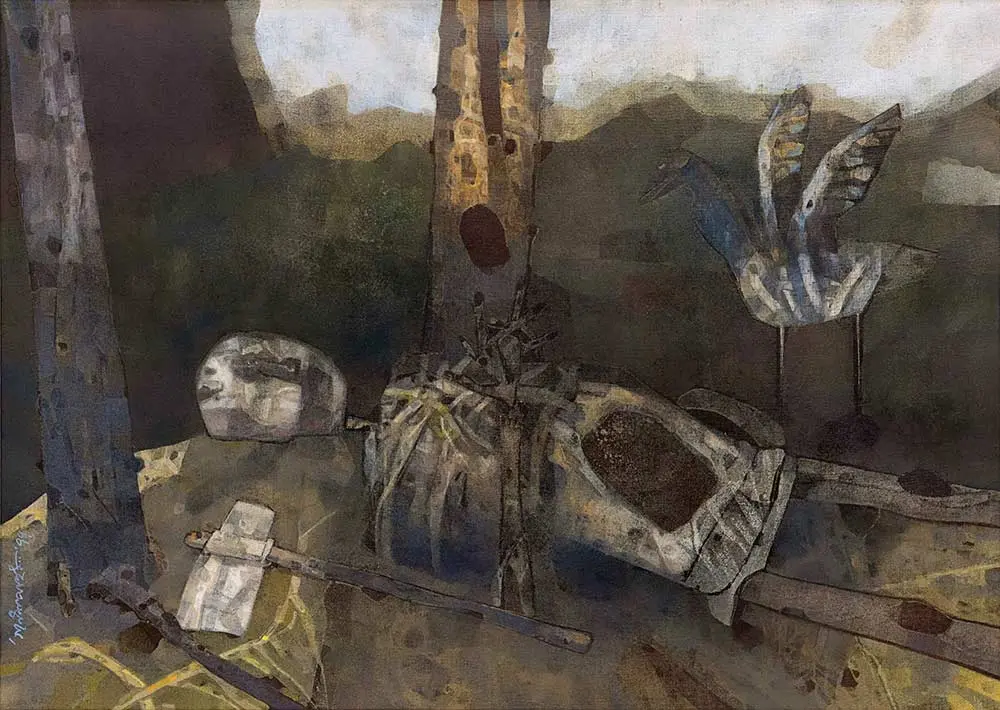
J. Swaminathan | Untitled (Bird, Tree & Mountain) | 31.4 x 44.5 in | Oil on canvas | Circa 1980 | Sold for ₹5,65,90,744

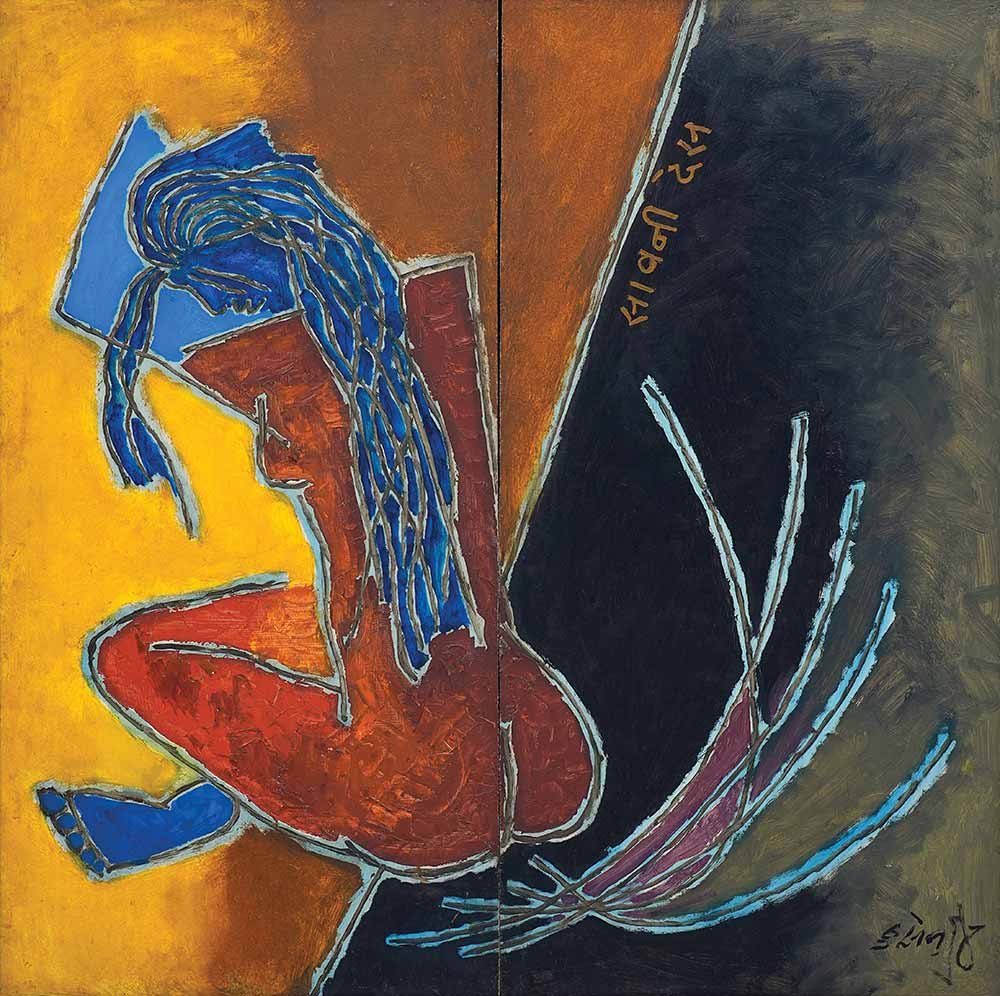
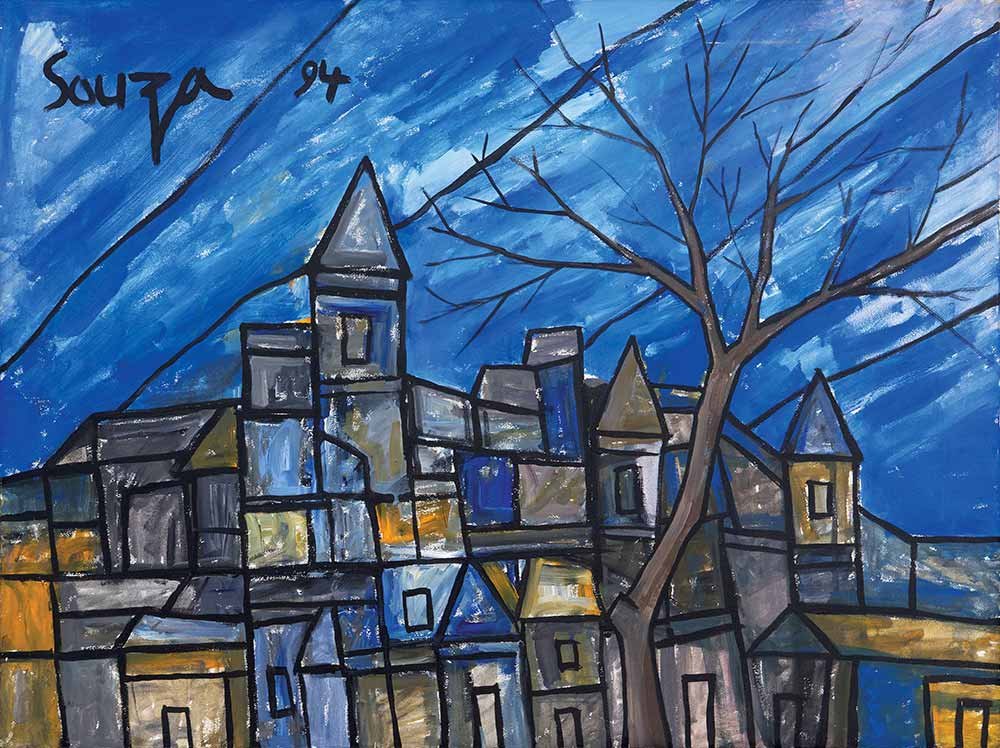
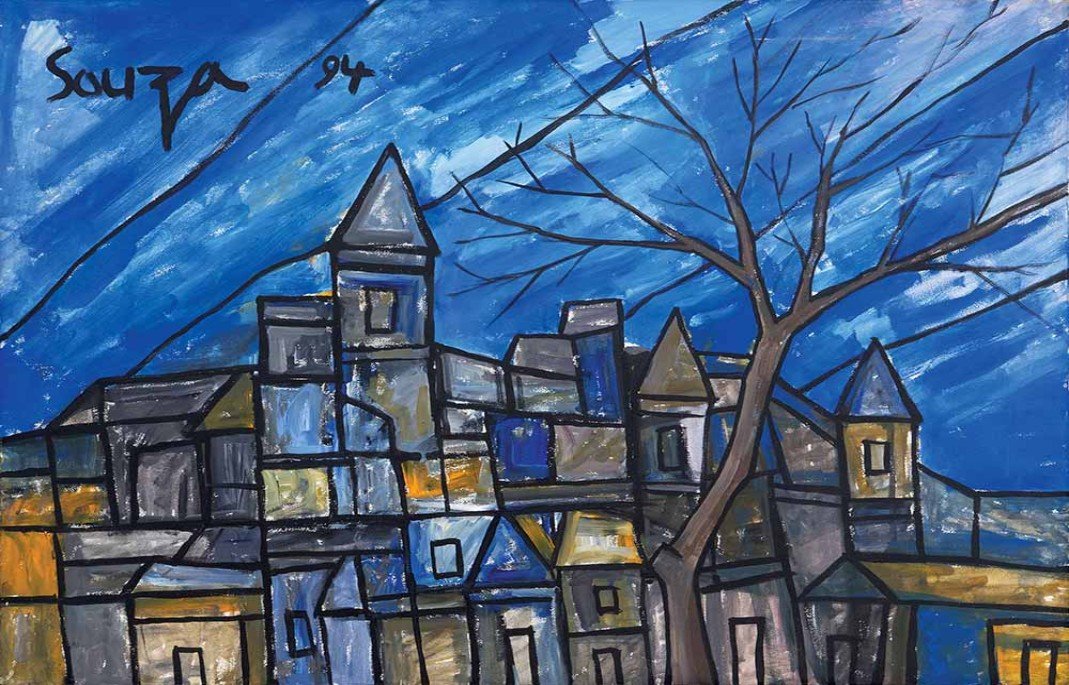
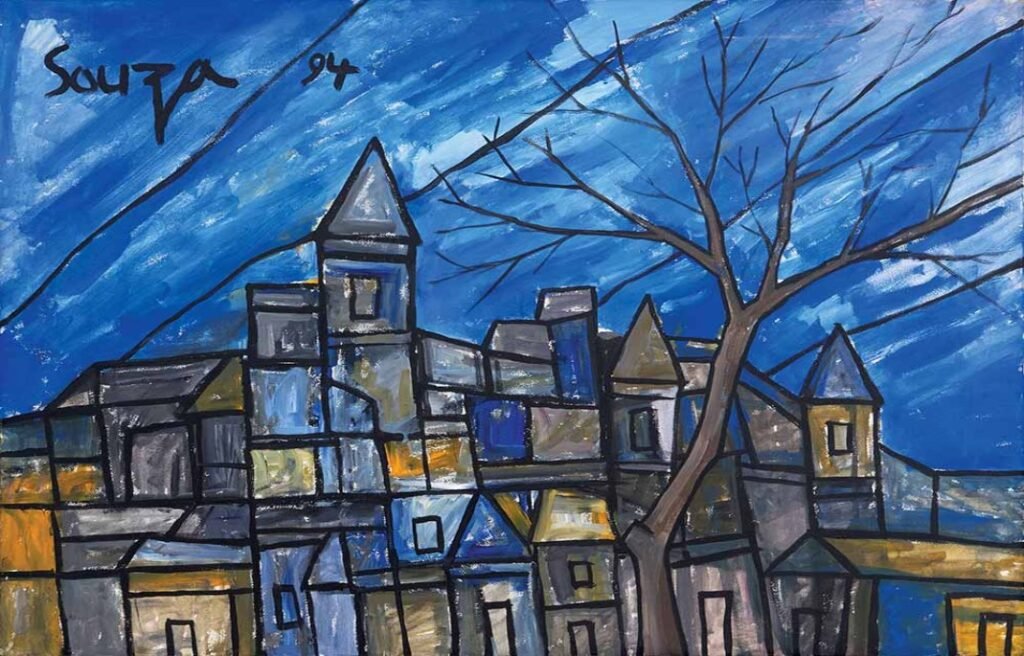
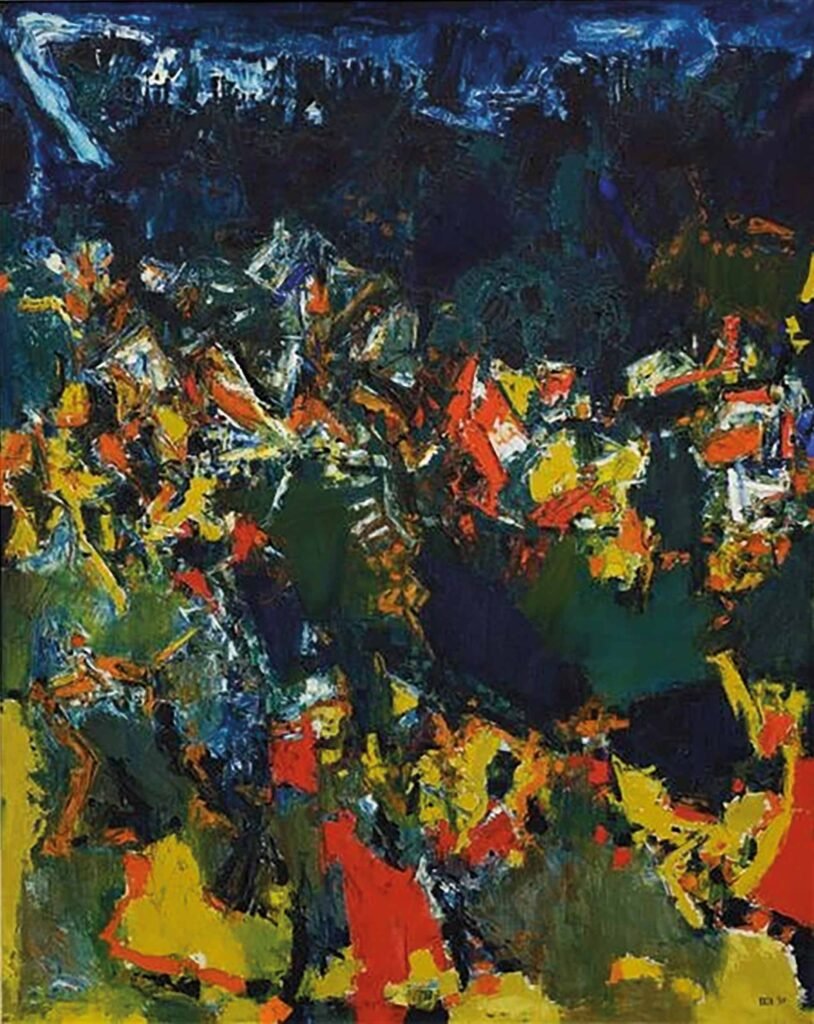
Several other lots significantly outperformed expectations. J. Swaminathan’s Untitled (Bird, Tree & Mountain) realised ₹5.66 crore, more than twice its upper estimate of ₹2.5 crore. M. F. Husain’s Savani | Des (Diptych) sold for ₹5.44 crore, nearly reaching its upper estimate, while F. N. Souza’s 1994 Untitled surpassed expectations to achieve ₹4.51 crore.

M.F. Husain | Savani | Des (Diptych) | Oil on board | Circa 1960 | Sold for ₹5,44,50,000

The auction reflected a continued preference for museum-worthy works by India’s most influential artists. Collectors responded strongly to paintings that combine rarity, exceptional provenance and art historical significance, whether through Raja Ravi Varma’s academic realism, Ganesh Pyne’s poetic symbolism, J. Swaminathan’s iconic visual language, M.F. Husain’s modernist compositions or F.N. Souza’s powerful expressionism.

F.N. Souza | Untitled | Oil on canvas | 1994 | Sold for ₹4,50,94,280

With ₹134.11 crore achieved across 82 sold lots, the results reinforce the resilience of India’s high-end art market. The auction demonstrated that exceptional works by established masters continue to command premium prices, reflecting growing collector confidence and sustained demand for rare, investment-grade art.

Read More

The inaugural edition of The Collectors' Cove brought together exceptional art, jewellery, haute horology and collectible design, setting a new benchmark for luxury collecting in India

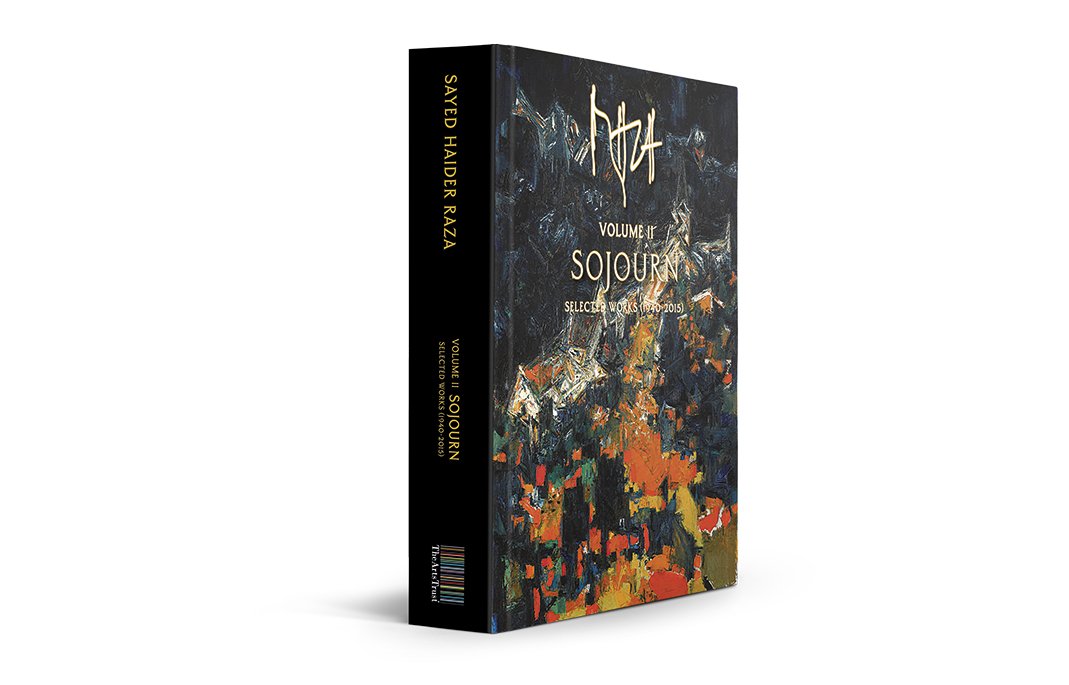
Sojourn: Selected Works (1940–2015) Volume II traces the extraordinary artistic evolution of Modern Master S.H. Raza

For anyone entering the world of international art, the smartest first step is often the simplest one

Ten artists established new auction records, with bidding pushing several works well beyond their estimates and previous market highs

The auction saw competitive bidding across Indian masters; here are the top-performing lots

Sachdeva's philosophy is simple: don’t treat your walls like a portfolio—the real value lies in the joy of living with art that speaks to you

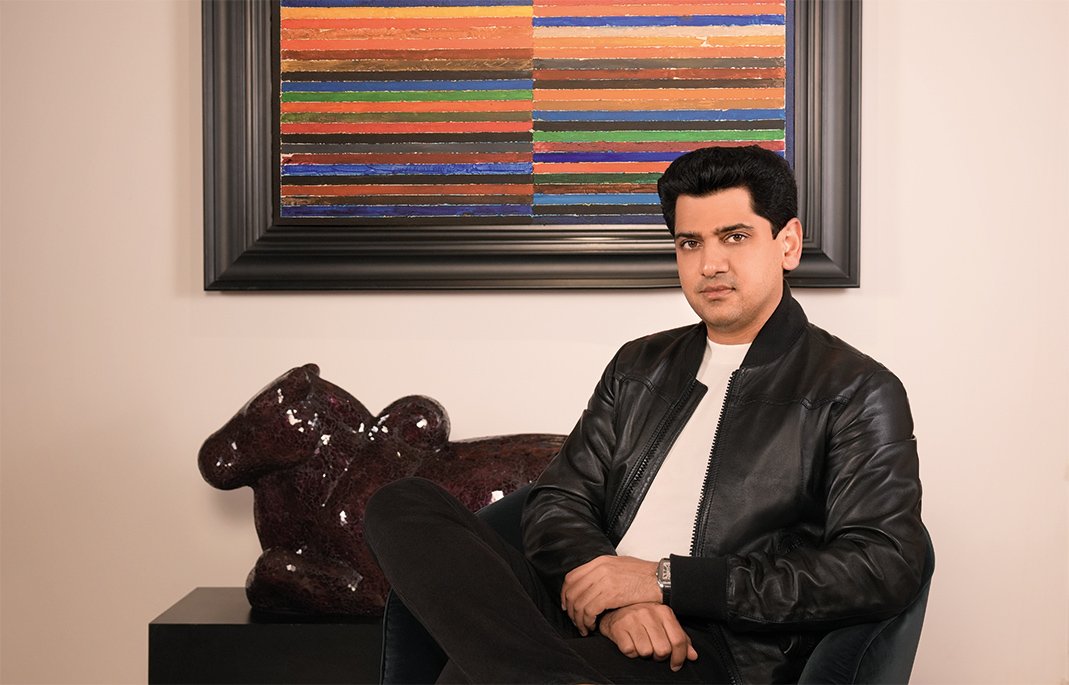
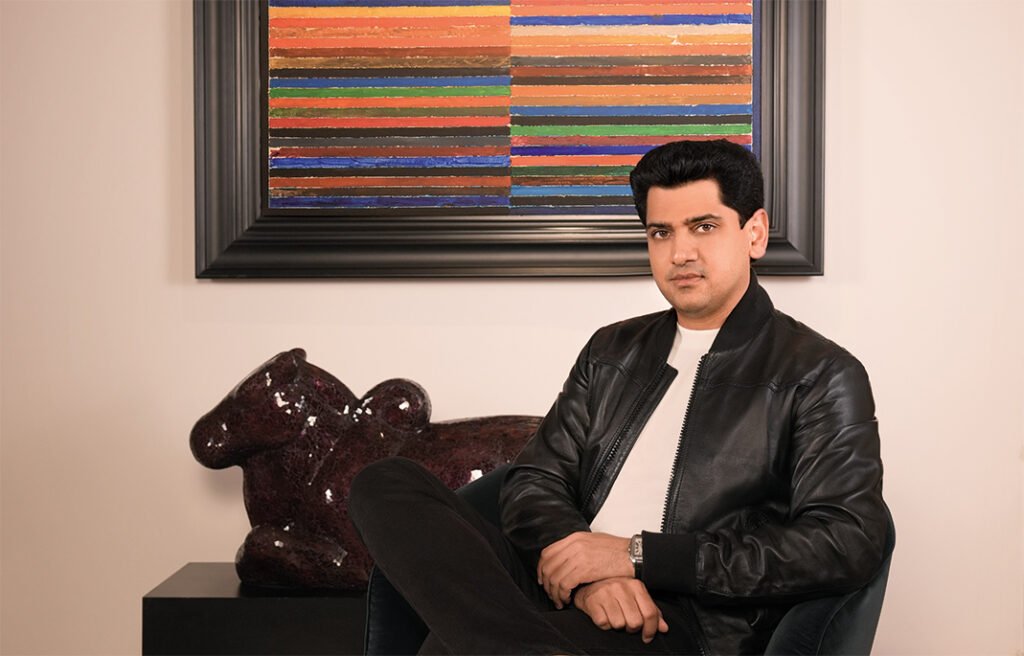
For Nakul Sachdeva, Collecting Art is All About the Pursuit of Joy and Aesthetic Delight

For Nakul Sachdeva, Collecting Art is All About the Pursuit of Joy

Sachdeva's philosophy is simple: don’t treat your walls like a portfolio—the real value lies in the joy of living with art that speaks to you

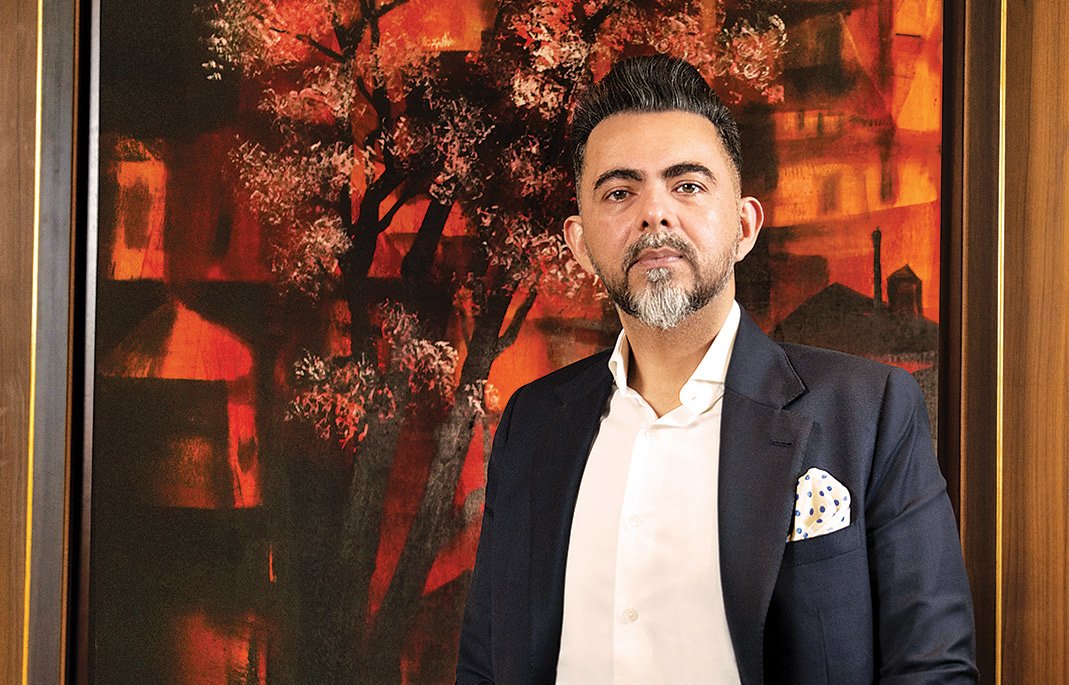
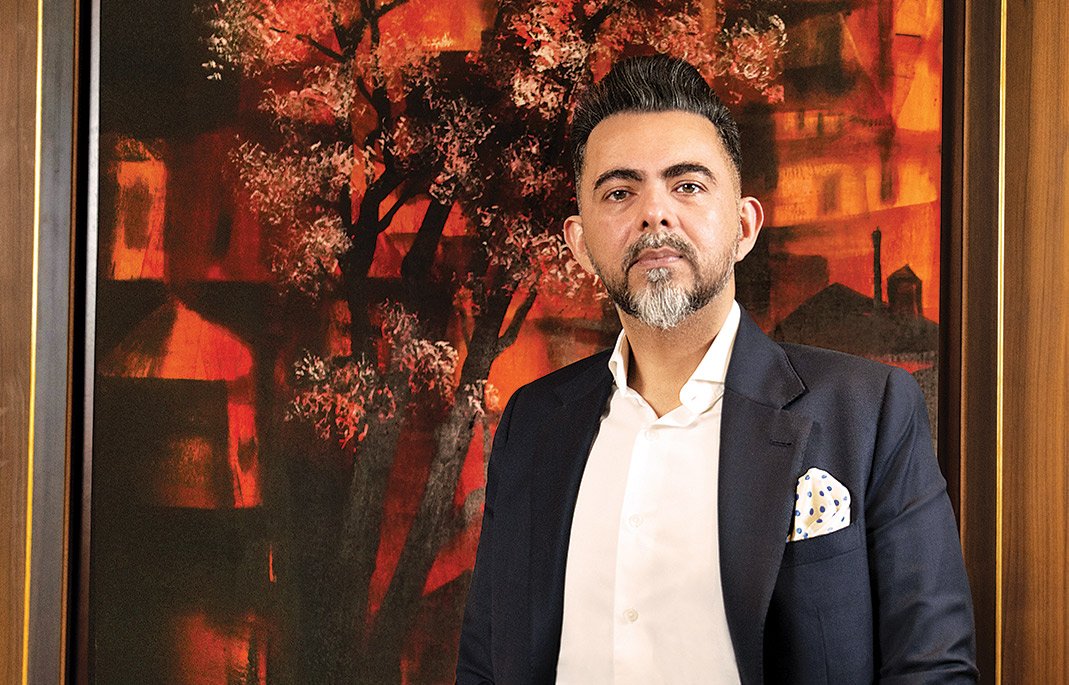
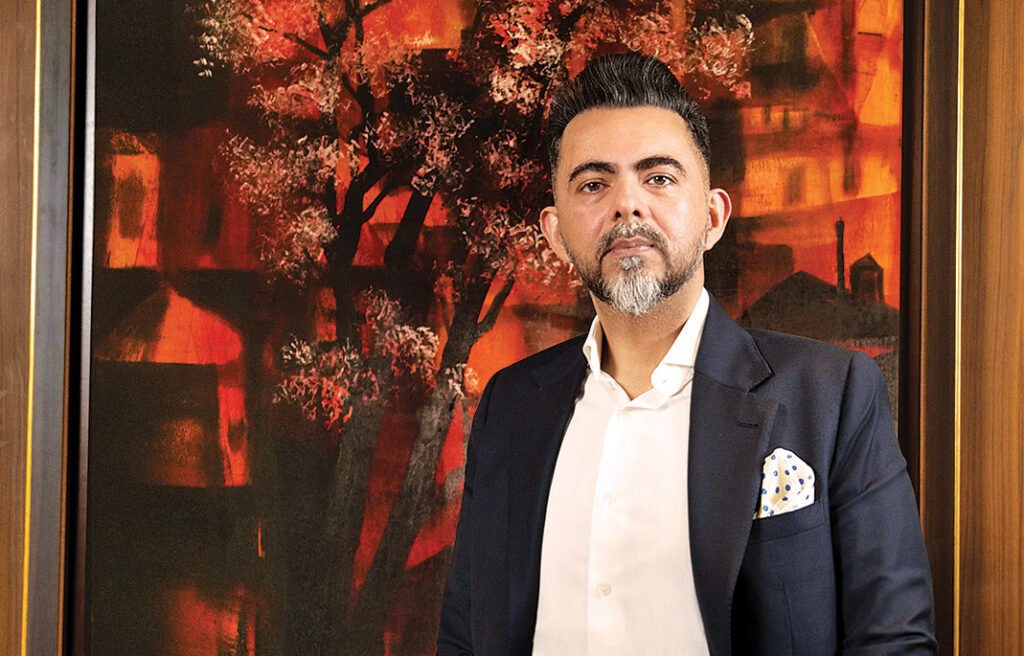
Life in law is often demanding and stressful, says Nakul Sachdeva, but he finds a sense of calm in art. It’s a way for him to slow down and take a momentary step away from an otherwise hectic professional life, immersing himself into the creative side of his personality. His journey into art collecting began quietly, with the sole aim of bringing home the kind of art that he knew he would enjoy looking at for a long time. For Sachdeva, collecting has always been a process led by his heart, for the simple pleasure of living with art that he loves. As the Indian art market gains traction, his philosophy remains crystal clear: buy the art you love and let it bring you joy. Everything else, he feels, is incidental.

“My collecting journey started a decade ago, roughly in 2015-16. But I purchased my most significant artwork much later, in 2021,” he says, adding, “Looking at it from another angle, every purchase right from 2016 has been significant as it has added to my journey of collecting thus far. My primary aim of collecting was to display and enjoy art.” As a dispute resolution advocate with a gruelling schedule, art has been a vital anchor in his life—the point where chaos ends and serenity begins. He says, “Taking a break from work to enjoy the whole process of collecting, including attending shows, exhibitions, auctions and fairs, and reading about the artist, indeed works as an escape route.”

Acquiring artworks has always been an instinctive decision for Sachdeva—he has never sought out a piece merely for its investment potential. “I collect art to put up on my walls and enjoy it, so the decision to buy is always based on that objective. Having said that, the price point does make a difference,” he says.

The growing inclination of some collectors to buy art solely as an investment is not something Sachdeva endorses. “There are other pure capital assets like equities and precious metals for investment purposes. I treat art as something that is meant to be enjoyed, rather than purchasing it for investment. I find that the monetary value, while important, is secondary.”

Read the full story in the premiere issue of LuxeTrope, on stands now.

Read More

The inaugural edition of The Collectors' Cove brought together exceptional art, jewellery, haute horology and collectible design, setting a new benchmark for luxury collecting in India

Sojourn: Selected Works (1940–2015) Volume II traces the extraordinary artistic evolution of Modern Master S.H. Raza

For anyone entering the world of international art, the smartest first step is often the simplest one

Ten artists established new auction records, with bidding pushing several works well beyond their estimates and previous market highs

The auction saw competitive bidding across Indian masters; here are the top-performing lots

Sachdeva's philosophy is simple: don’t treat your walls like a portfolio—the real value lies in the joy of living with art that speaks to you

Top Contemporary Artists in the Indian Art Market

Top Contemporary Artists in the Indian Art Market

Contemporary Indian art is gaining fresh momentum, with a new generation of collectors driving stronger auction results

Bharti Kher | Untitled | 23.5 x 47.5 in | Acrylic on canvas | 1993 | Sold by in 2025 by AstaGuru for ₹ 24,20,000

The market is no longer led only by Modern Masters; it is increasingly being shaped by Contemporary names whose works combine institutional relevance, market depth and a strong visual identity.

Among the standout Contemporary artists is Anish Kapoor, who reclaimed the top spot in the segment with a turnover of ₹31.1 crore at auction in 2025. His sustained market strength reflects the global appeal of his sculptural and conceptual practice, which continues to attract serious collectors. Bharti Kher and Anju Dodiya also feature prominently, underscoring how women artists are gaining stronger visibility in the auction space.

Nataraj Sharma has also emerged as an important name, with auction performance that reflects the steady rise of artists whose work has matured within the contemporary market over time. Alongside him, artists such as Subodh Gupta and Jitish Kallat continue to remain central to the broader Indian art conversation, supported by institutional recognition and collector interest. Their presence signals how Contemporary art is becoming a more stable and trusted category for buyers.

What is especially notable is that the segment is benefiting from greater transparency, stronger valuation discipline and the rise of online auctions. This has expanded access for younger collectors, many of whom are entering the market with more research and confidence than previous generations. As a result, Contemporary art is no longer seen as a speculative side category, but as an essential part of the Indian auction ecosystem.

The segment’s growth is likely to continue, with more artists from this group playing a central role in shaping the market in the coming years. With the democratisation of access and a broader appetite for new voices, Contemporary Indian art is emerging as one of the most dynamic areas in the country’s art economy.

Read the full story in the premiere issue of LuxeTrope, on stands now.

Read More

The inaugural edition of The Collectors' Cove brought together exceptional art, jewellery, haute horology and collectible design, setting a new benchmark for luxury collecting in India

Sojourn: Selected Works (1940–2015) Volume II traces the extraordinary artistic evolution of Modern Master S.H. Raza

For anyone entering the world of international art, the smartest first step is often the simplest one

Ten artists established new auction records, with bidding pushing several works well beyond their estimates and previous market highs

The auction saw competitive bidding across Indian masters; here are the top-performing lots

Sachdeva's philosophy is simple: don’t treat your walls like a portfolio—the real value lies in the joy of living with art that speaks to you

Suryakant Lokhande Drives Steady Growth with 31 Lot Sales

Suryakant Lokhande Drives Steady Growth with 31 Lot Sales

Lokhande’s auction trail from 2021 to 2025 shows a gradual build

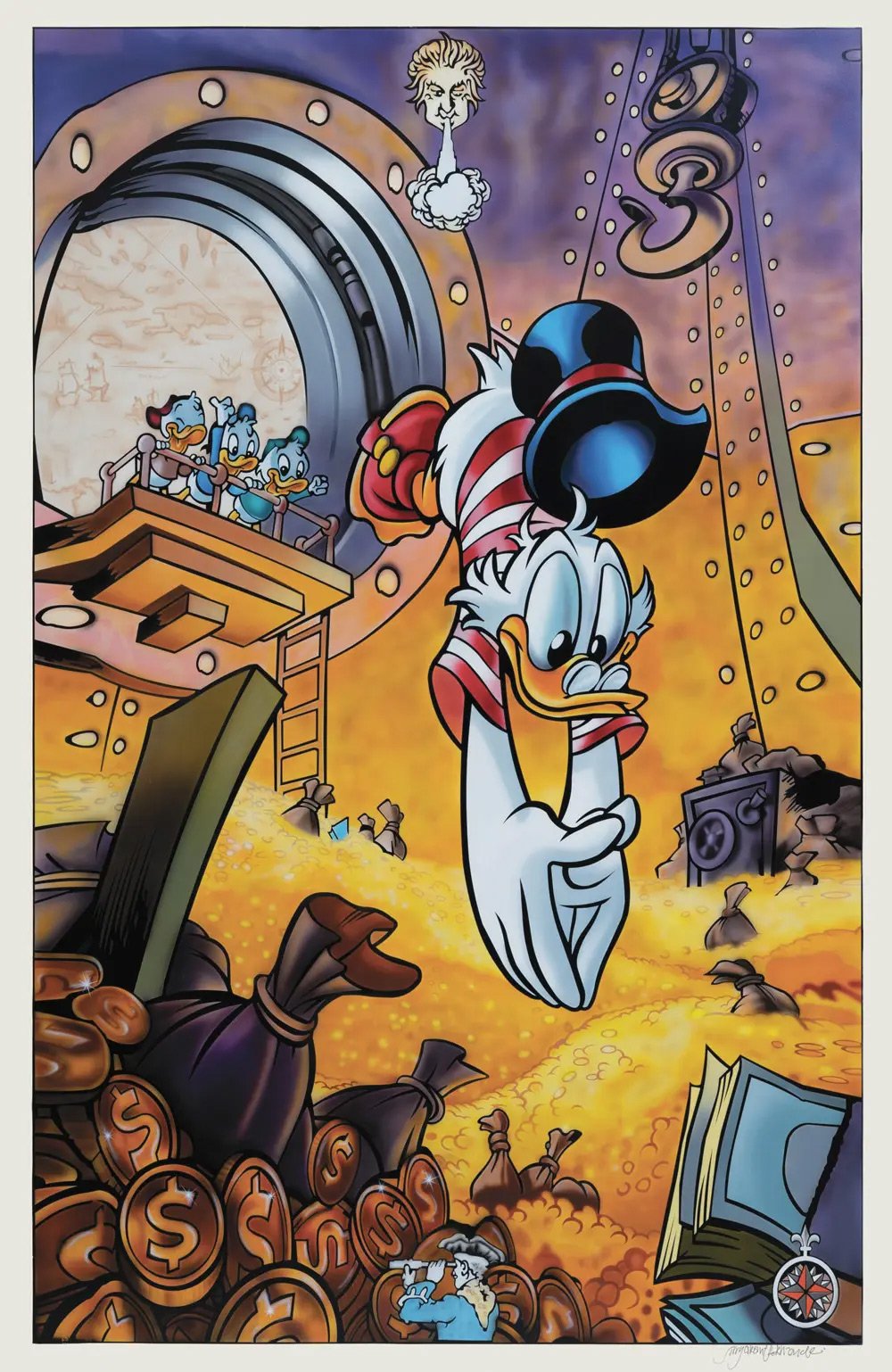
DUCK’S DIVE FOR TREASURE | 72 x 48 in | High gloss automobile paint on ACP board | Sold in 2024 by AstaGuru for ₹15,54,874 ($17,669)

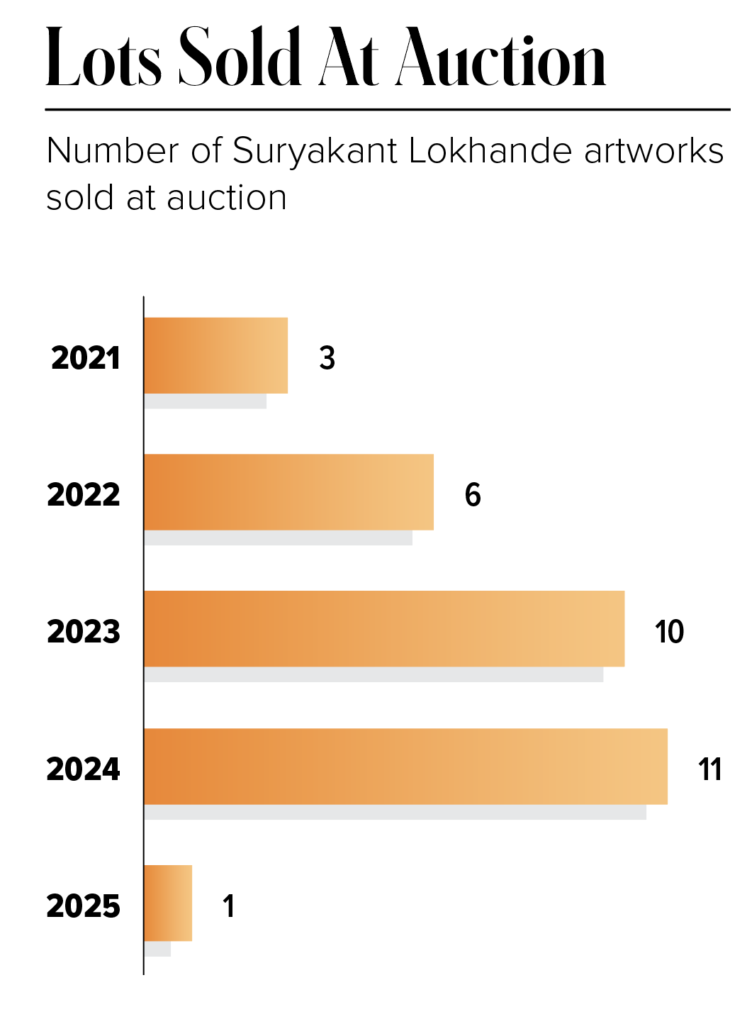
Suryakant Lokhande’s auction story from 2021 to 2025 is defined by a steady rise in volume. Across the five-year span, he sold 31 lots at auction.

The yearly count moved from 3 lots in 2021 to 6 in 2022, then climbed to 10 in 2023 and 11 in 2024.

That shift makes the five-year pattern especially clear: Lokhande built momentum through 2024, with 2024 emerging as his strongest year for volume, before the pace slowed in 2025. Even so, the overall total still reflects a consistent auction presence over the period.

The lot count sits alongside a practice that has drawn attention for its bright, pop-inflected surfaces and layered narratives. In pure market terms, the numbers tell a simple story.

Read the full story in the premiere issue of LuxeTrope, on stands now.

Read More

The inaugural edition of The Collectors' Cove brought together exceptional art, jewellery, haute horology and collectible design, setting a new benchmark for luxury collecting in India

Sojourn: Selected Works (1940–2015) Volume II traces the extraordinary artistic evolution of Modern Master S.H. Raza

For anyone entering the world of international art, the smartest first step is often the simplest one

Ten artists established new auction records, with bidding pushing several works well beyond their estimates and previous market highs

The auction saw competitive bidding across Indian masters; here are the top-performing lots

Sachdeva's philosophy is simple: don’t treat your walls like a portfolio—the real value lies in the joy of living with art that speaks to you

Anshuman Mohta on How Living With Art Reshaped His Outlook

Anshuman Mohta on How Living With Art Reshaped His Outlook

The collector believes art is an asset in more ways than one—it offers aesthetic pleasure and the potential for long-term appreciation

Growing up surrounded by the vibrant canvases of Masters M.F. Husain, B. Prabha, and Hemendranath Mazumdar in his family homes, Anshuman Mohta developed an innate appreciation for art in his earliest years. It’s fair to say that basking in the glory of great artists invites you into a world where art is not just present, but central. “Whenever I would visit a friend’s home, a beautiful painting or sculpture would always catch my attention, and I could recognise some artists’ works by just looking at them from a distance. I always had an eye for art, and, in a way, it called out to me. My first purchase was a Paresh Maity that I bought in 2011,” he says.

THE ART OF DOING BUSINESS
Passion and patience—these two words have guided Mohta’s quest to find the kind of art that speaks to his soul. He firmly believes that collecting the ‘right’ art, much like building a solid business or enterprise, requires time. “Unless you’re passionate about what you do, you’re not driven—the same goes for art. You must go the extra mile to find good quality works.”

Similarly, Mohta feels that an enviable art collection can only be built over time. He says, “Some businesses take time to blossom and there’s a gestation period before you break even. An art collection, too, must be built over time, and you need to be patient in finding the right works.”

Being exposed to art from a young age has another advantage—it has influenced the way Mohta looks at leadership and creativity in business. “It has encouraged me to think out of the box as artistic activities promote imaginative solutions and breakthrough ideas. Art has also helped foster innovation and helped me develop a new perspective by seeing challenges from multiple viewpoints.”

Read the full story in the premiere issue of LuxeTrope, on stands now.

Read More

The inaugural edition of The Collectors' Cove brought together exceptional art, jewellery, haute horology and collectible design, setting a new benchmark for luxury collecting in India

Sojourn: Selected Works (1940–2015) Volume II traces the extraordinary artistic evolution of Modern Master S.H. Raza

For anyone entering the world of international art, the smartest first step is often the simplest one

Ten artists established new auction records, with bidding pushing several works well beyond their estimates and previous market highs

The auction saw competitive bidding across Indian masters; here are the top-performing lots

Sachdeva's philosophy is simple: don’t treat your walls like a portfolio—the real value lies in the joy of living with art that speaks to you

S.H. Raza’s Top 5 Auction Lots Breach ₹150 Crore Mark

S.H. Raza’s Top 5 Auction Lots Breach ₹150 Crore Mark

Leading with Gestation at ₹45 crore, Raza’s elite sales showcase his powerhouse market from 2021 to 2025

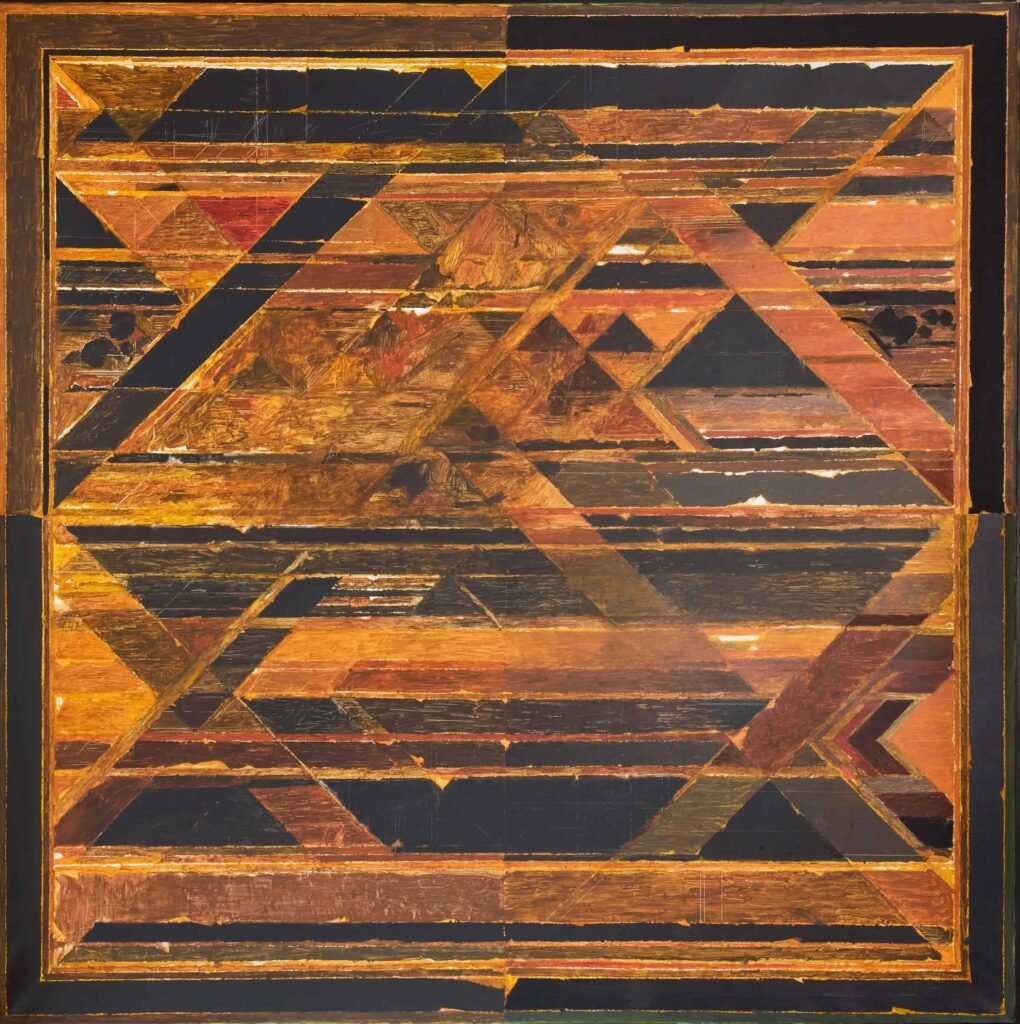
GESTATION | Sold for ₹44,99,20,027 ($5,112,727)

S.H. Raza’s top auction lots from 2021 to 2025 pack a serious punch, proving why he’s a cornerstone of the Indian art market. These five standouts racked up massive hammer prices, drawing collectors to his geometric masterpieces.

Gestation tops the list at ₹44,99,20,027 ($5,112,727), a blockbuster that highlights Raza’s commanding presence.

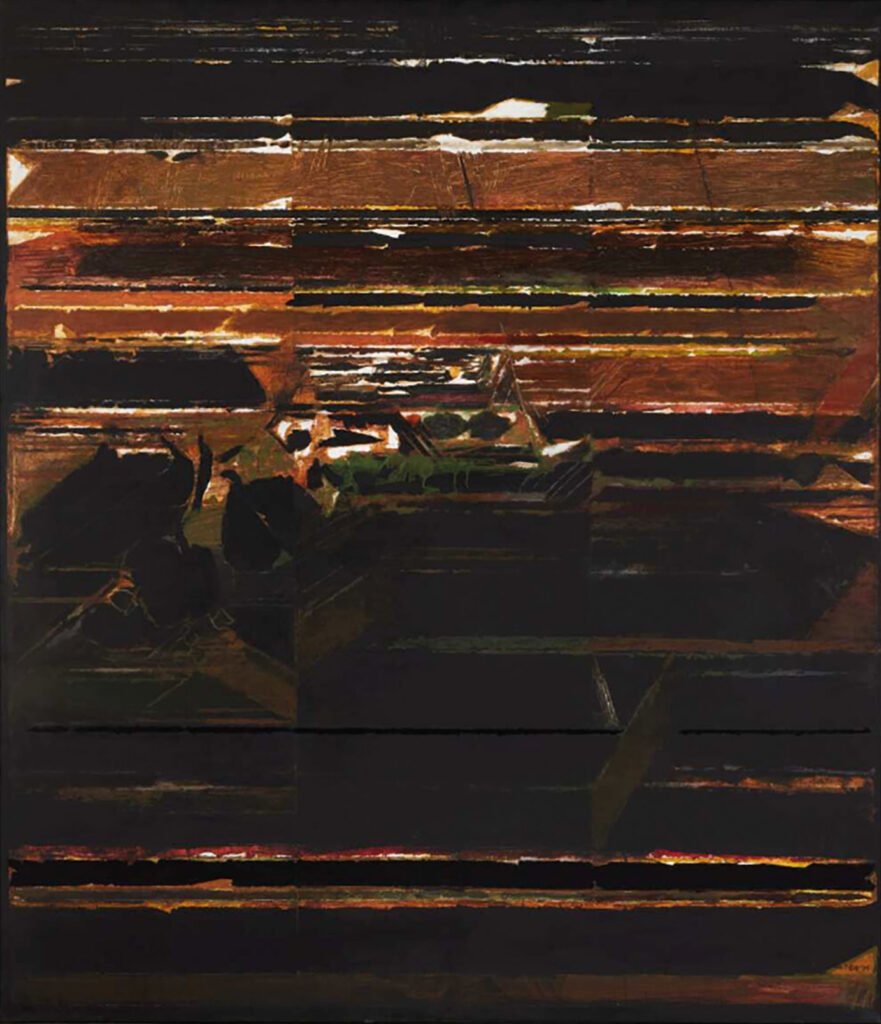
KALLISTÉ | Sold for ₹38,14,59,949 ($4,334,772)

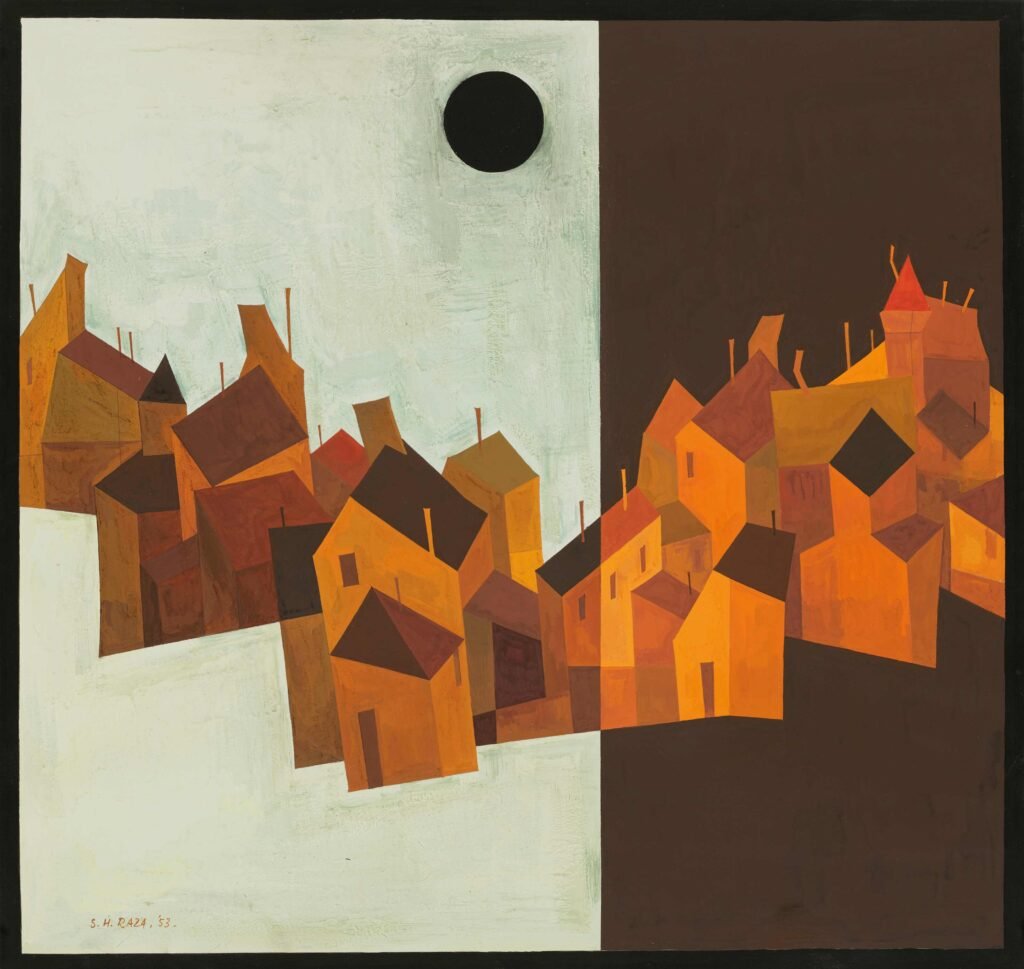
Close behind is Kallisté with ₹38,14,59,949 ($4,334,772), followed by La Terre at ₹29,27,14,540 ($3,326,301). These works underscore the premium placed on his abstract explorations.

LA TERRE | Sold for ₹29,27,14,540 ($3,326,301)

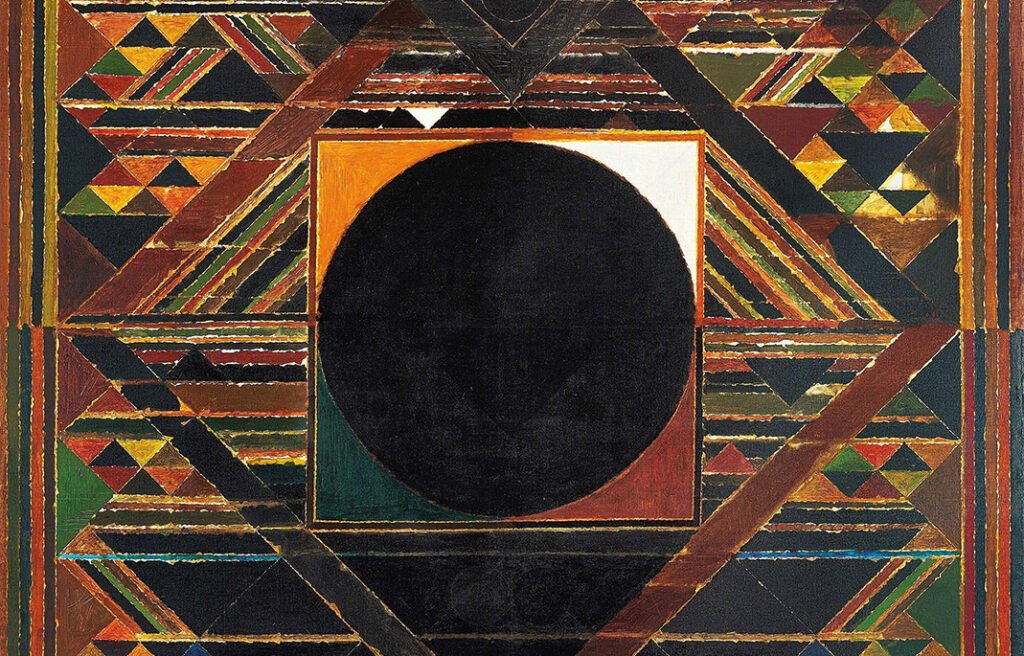
Rounding out the top tier, Terra Amata fetched ₹23,56,15,225 ($2,677,445), while Black Sun (Le Soleil Noir) brought in ₹16,47,79,686 ($1,872,496). Together, they represent the high end of Raza’s market, where major canvases routinely shatter expectations.

TERRA AMATA | Sold for ₹23,56,15,225 ($2,677,445)

These sales come amid 567 total lots sold over the period, with nine exceeding ₹10 crore. Raza’s diversity—from Bindu series to landscapes—keeps his appeal broad, but these elites show what happens when his best hits the block.

BLACK SUN (LE SOLEIL NOIR) | Sold for ₹16,47,79,686 ($1,872,496)

Read the full story in the premiere issue of LuxeTrope, on stands now.

Read More

The inaugural edition of The Collectors' Cove brought together exceptional art, jewellery, haute horology and collectible design, setting a new benchmark for luxury collecting in India

Sojourn: Selected Works (1940–2015) Volume II traces the extraordinary artistic evolution of Modern Master S.H. Raza

For anyone entering the world of international art, the smartest first step is often the simplest one

Ten artists established new auction records, with bidding pushing several works well beyond their estimates and previous market highs

The auction saw competitive bidding across Indian masters; here are the top-performing lots

Sachdeva's philosophy is simple: don’t treat your walls like a portfolio—the real value lies in the joy of living with art that speaks to you

GESTATION | Sold for ₹44,99,20,027 ($5,112,727)

The Great Wealth Transfer and a Multi-Speed Art Market

The Great Wealth Transfer and a Multi-Speed Art Market

A generational shift in wealth is reshaping the art market, opening the door to a more layered landscape

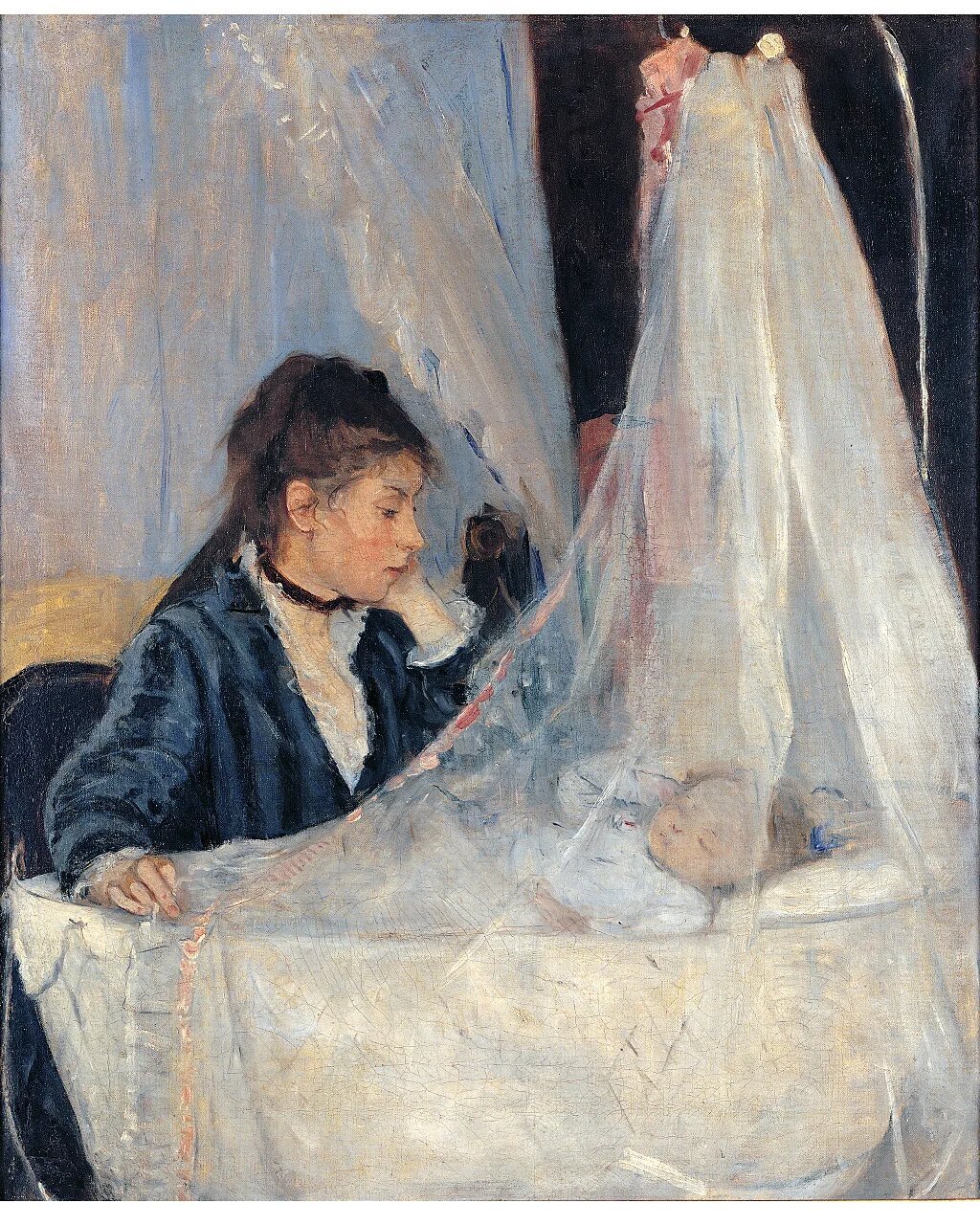
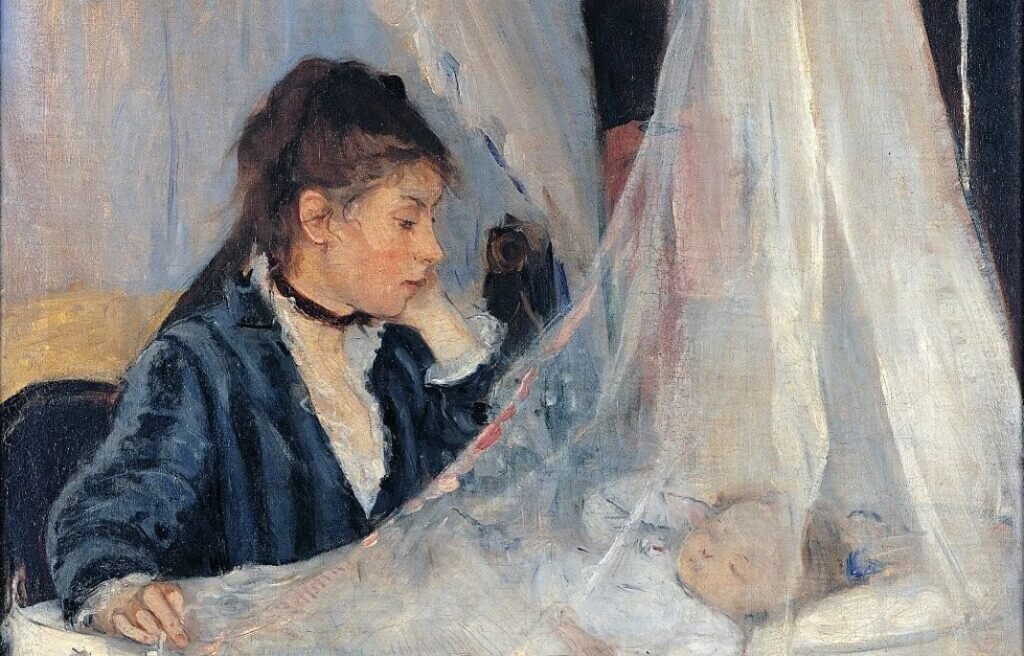
Berthe Morisot | The Cradle | 22 in x 18 in | Oil on canvas | 1872

The global art market is being reshaped by two powerful forces: the great wealth transfer and a multi-speed structure that rewards both trophy works and accessible lower-priced segments. In 2025, the market was not defined simply by volatility or contraction, but by a deeper recalibration in how collectors buy, what they value and where wealth is moving.

Over the next two decades, around $83.5 trillion is expected to change hands globally, with roughly $1 trillion tied specifically to art and collectibles. That shift is already visible in the collector base, where nearly three-quarters of active high-net-worth collectors now belong to the millennial and Gen Z generations. For these younger buyers, art is not a passive luxury; it is part of financial planning, identity and long-term wealth management.

This generational change is expanding the market beyond traditional blue-chip collecting. Younger collectors are drawn to Surrealists, women artists and contemporary figures such as Jean-Michel Basquiat, KAWS and Banksy. Female collectors are also playing a bigger role, spending significantly more on average than male buyers and building collections with a higher share of works by women artists. The result is a broader and more diverse market than the one dominated by Old Masters in previous decades.

At the same time, the art world is operating as a multi-speed market. While the top end remains powerful, sales above $10 million fell sharply in 2025 as sellers waited for better conditions. Yet the base of the market widened, with works under $5,000 accounting for the majority of contemporary auction results. The mid-market, particularly works priced between $50,000 and $1 million, is now emerging as the most stable and promising segment, supported by rising numbers of collectors with investable assets.

Technology and art-secured lending are further strengthening this shift, making collections more liquid and more closely tied to active capital. Together, these trends show a market that is no longer dependent on a few headline sales, but increasingly driven by breadth, access and generational change.

Read the full story in the premiere issue of LuxeTrope, on stands now.

Read More

The inaugural edition of The Collectors' Cove brought together exceptional art, jewellery, haute horology and collectible design, setting a new benchmark for luxury collecting in India

Sojourn: Selected Works (1940–2015) Volume II traces the extraordinary artistic evolution of Modern Master S.H. Raza

For anyone entering the world of international art, the smartest first step is often the simplest one

Ten artists established new auction records, with bidding pushing several works well beyond their estimates and previous market highs

The auction saw competitive bidding across Indian masters; here are the top-performing lots

Sachdeva's philosophy is simple: don’t treat your walls like a portfolio—the real value lies in the joy of living with art that speaks to you

How India’s Wealth Base is Expanding

How India’s Wealth Base is Expanding

The impact of wealth creation is becoming increasingly visible in the art market

India’s luxury and art markets are benefiting from a rapid rise in wealth creation. The country now has 191 billionaires, compared with just seven in 2019. Moreover, 26 new billionaires emerged in 2024 alone. At the same time, India’s high-net-worth individual (HNWI) population grew by 6 per cent to 85,698 and is expected to approach 94,000 within the next three years.

This trend is significant because HNWIs are the primary consumers of luxury goods and experiences. Their spending drives demand for art, watches, jewellery, premium real estate and bespoke services. In India, HNWIs are defined as individuals with assets exceeding $10 million, or roughly ₹88 crore.

Several factors are contributing to this growth. Entrepreneurial activity remains strong, global integration continues to expand, and new industries are creating fresh opportunities for wealth generation. Importantly, many of India’s newest millionaires are first-generation entrepreneurs from tier-2 and tier-3 cities rather than traditional metropolitan centres.

As a result, the impact of wealth creation is becoming increasingly visible in the art market. In 2024, sales by the country’s Top 50 artists reached ₹301 crore, representing a 19 per cent increase from 2023. Meanwhile, the cumulative value of the Top 50 artworks climbed to ₹252.61 crore, up from ₹82.57 crore in 2021. This threefold increase highlights the growing depth and maturity of the market.

The rising value of leading artists further reflects this momentum. The entry threshold for the Top 25 artists increased from ₹35 lakh in 2021 to ₹1.9 crore in 2024. Similarly, the threshold for the Top 10 artists rose from ₹1.99 crore to ₹7.70 crore during the same period.

Beyond art, this expanding wealth base is reshaping luxury consumption across categories. Today’s affluent buyers are more informed, more experience-driven and increasingly willing to collect across multiple luxury segments. They are not only purchasing products, but also investing in culture, heritage, and long-term value.

Consequently, India’s luxury economy is evolving. What was once a market dominated by a small elite is becoming broader and more confident. As disposable incomes rise and more entrepreneurs climb the wealth ladder, a new generation of collectors is helping define the future of luxury in India.

Read the full story in the premiere issue of LuxeTrope, on stands now.

Read More

The inaugural edition of The Collectors' Cove brought together exceptional art, jewellery, haute horology and collectible design, setting a new benchmark for luxury collecting in India

Sojourn: Selected Works (1940–2015) Volume II traces the extraordinary artistic evolution of Modern Master S.H. Raza

For anyone entering the world of international art, the smartest first step is often the simplest one

Ten artists established new auction records, with bidding pushing several works well beyond their estimates and previous market highs

The auction saw competitive bidding across Indian masters; here are the top-performing lots

Sachdeva's philosophy is simple: don’t treat your walls like a portfolio—the real value lies in the joy of living with art that speaks to you

How Tom Vattakuzhy Shapes the Poetics of Contemporary Indian Painting

How Tom Vattakuzhy Shapes the Poetics of Contemporary Indian Painting

In an art world often drawn to spectacle, Vattakuzhy stands apart for the quiet intensity of his vision

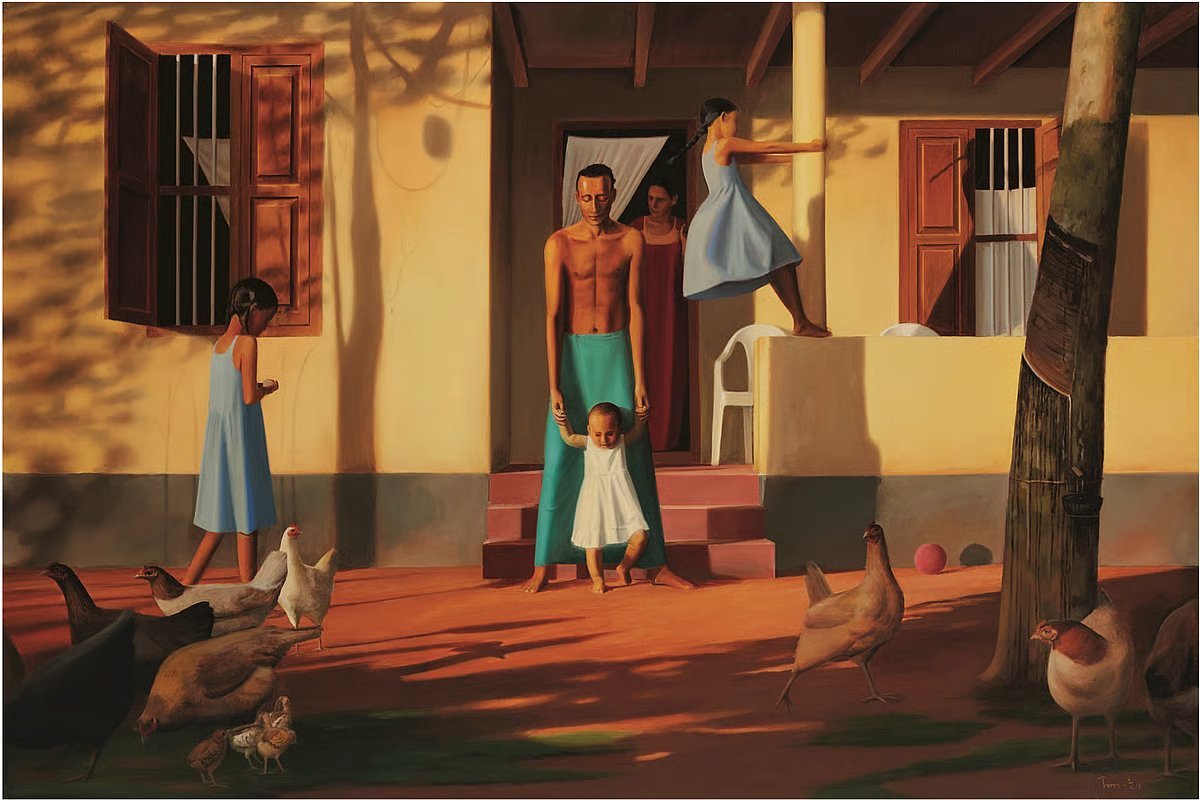
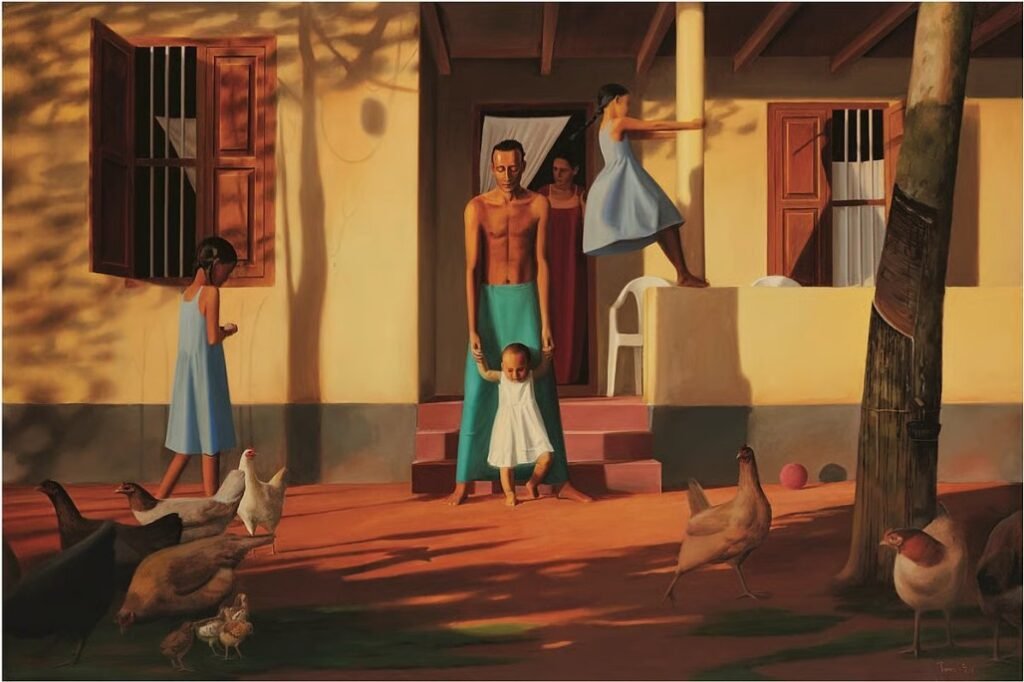
LESSONS OF LIFE-5 | 72 x 108 in | Oil on canvas | 2024

Tom Vattakuzhy occupies a distinctive place in Contemporary Indian art, one defined by restraint, observation and psychological nuance. Trained at Kala Bhavana, Santiniketan, and later at the Faculty of Fine Arts, M.S. University, Baroda, he developed a practice shaped as much by literature and lived experience as by formal painting traditions. Over time, this sensibility has given rise to a body of work that feels intimate, humane and deeply rooted in Kerala’s social and emotional landscape.

His early years as an illustrator for Malayalam publications such as Mathrubhumi and Bhashaposhini were formative, sharpening a visual language that would later evolve into what he calls “story paintings.” In his mature works, realism becomes a language of subtlety. Domestic interiors, verandas, courtyards and thresholds recur as settings where inner life quietly surfaces. Figures are often shown in suspended moments, animated by light, gesture and the delicate interplay of presence and absence.

The emotional strength of his work lies in its ability to find significance in ordinary moments. Children, animals and small details of domestic life often act as anchors of vitality, grounding the paintings in lived experience rather than abstraction.

Projects such as The Shadows of Absence and his inclusion in Edam at the 6th Kochi-Muziris Biennale have further affirmed his growing institutional relevance. While still absent from auction, Vattakuzhy’s work continues to attract collectors drawn to its restraint, emotional intelligence and enduring visual force.

Read the full story in the premiere issue of LuxeTrope, on stands now.
Read More

The inaugural edition of The Collectors' Cove brought together exceptional art, jewellery, haute horology and collectible design, setting a new benchmark for luxury collecting in India

Sojourn: Selected Works (1940–2015) Volume II traces the extraordinary artistic evolution of Modern Master S.H. Raza

For anyone entering the world of international art, the smartest first step is often the simplest one

Ten artists established new auction records, with bidding pushing several works well beyond their estimates and previous market highs

The auction saw competitive bidding across Indian masters; here are the top-performing lots

Sachdeva's philosophy is simple: don’t treat your walls like a portfolio—the real value lies in the joy of living with art that speaks to you

The Global Art Market in 2025

The Global Art Market in 2025

The landscape continues to spotlight a mix of historic Masters and Contemporary icons. In 2025, the world saw a new approach and an upward trajectory that beat expectations. In 2026, will the buoyancy sustain?

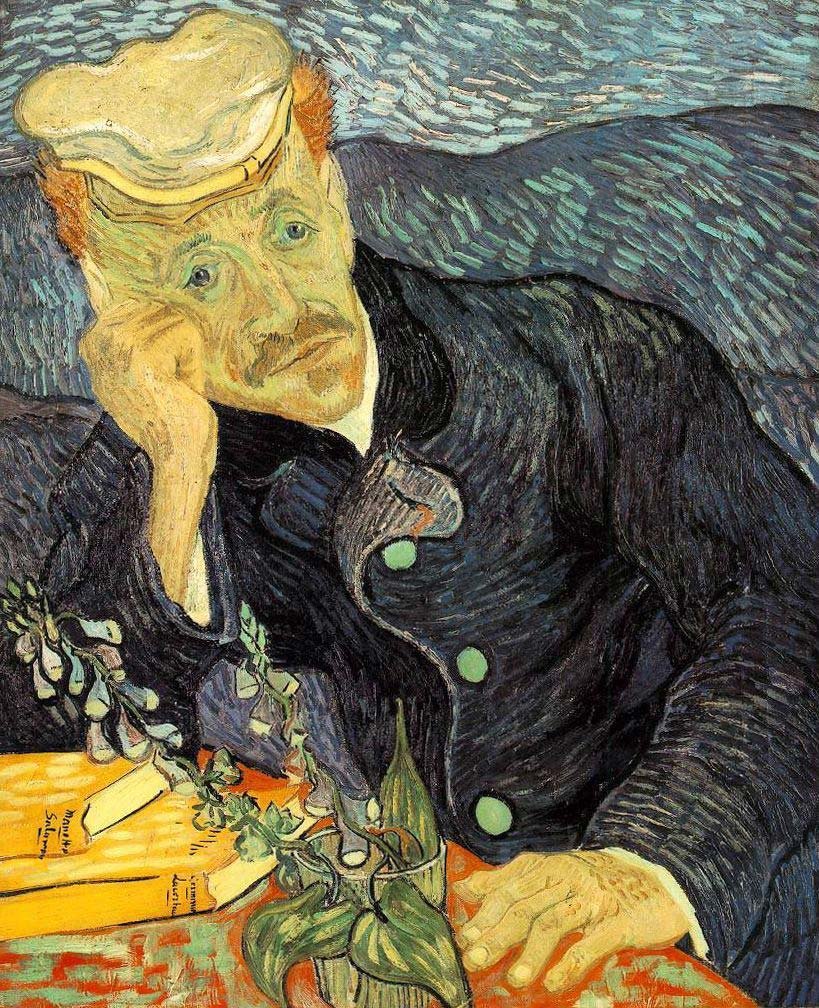
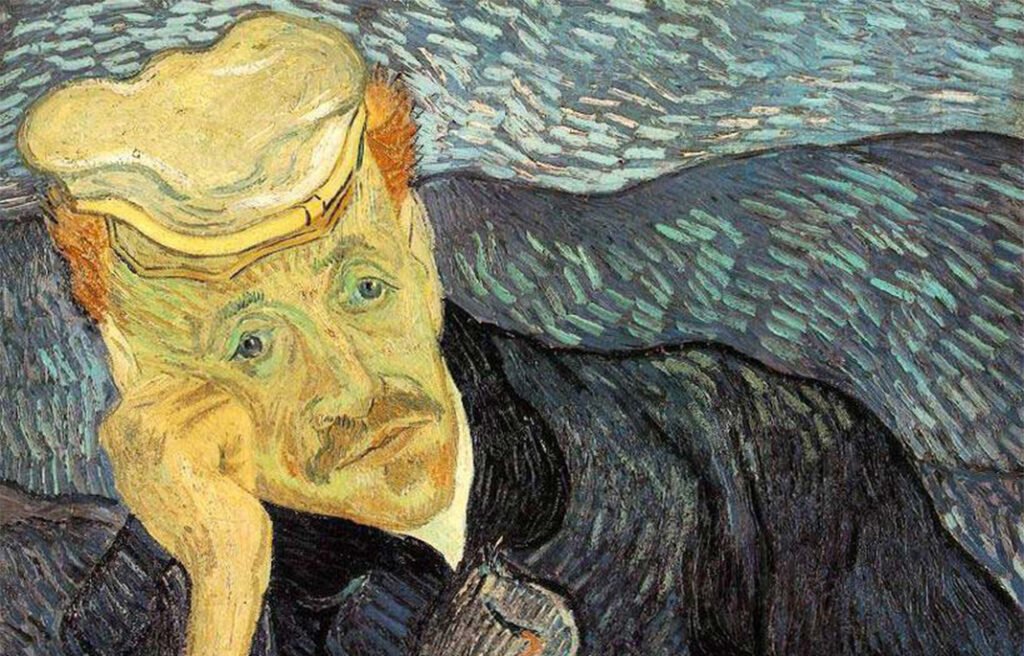
VINCENT VAN GOGH | Portrait of Dr. Gachet | 23.4 in x 22 in | Oil on canvas | 1890 Sold for $82.5 million (₹726 crore)

In November 2024, a crypto billionaire named Justin Sun paid $6.2 million (₹54.56 crore) for Maurizio Cattelan’s provocative work—a duct-taped banana—titled Comedian. A few days later, Sun famously ate the banana in front of the media. While the world debated the absurdity of it all, experts and specialists saw a much deeper narrative at play, the intersection of traditional art, internet memes, and the rising influence of digital native wealth. According to the Artprice Contemporary Art Market Report 2025, this is the new reality of a “transvertical” market where barriers between mediums, periods, and even asset classes are rapidly dissolving. In fact, many are calling it “a new reality.”

In 2025, the global art world navigated—and continues to—what is described as a “transforming market” rather than a “shrinking” one. The overarching data from the Art Basel & UBS Global Art Market 2026 report and the Deloitte-ArtTactic Art & Finance Report 2025 describes an ecosystem undergoing a profound structural recalibration. While aggregate global sales fell by 12 per cent in 2024 to an estimated $57.5 billion (₹5.06 lakh crore), the underlying frequency of transactions reached a historic peak of 146,000 lots. It seems the global art market is moving away from a top-heavy structure that’s reliant on a few blue-chip trophies to a broader, higher volume-based market where new collectors—loaded with rising wealth—will play a big role.

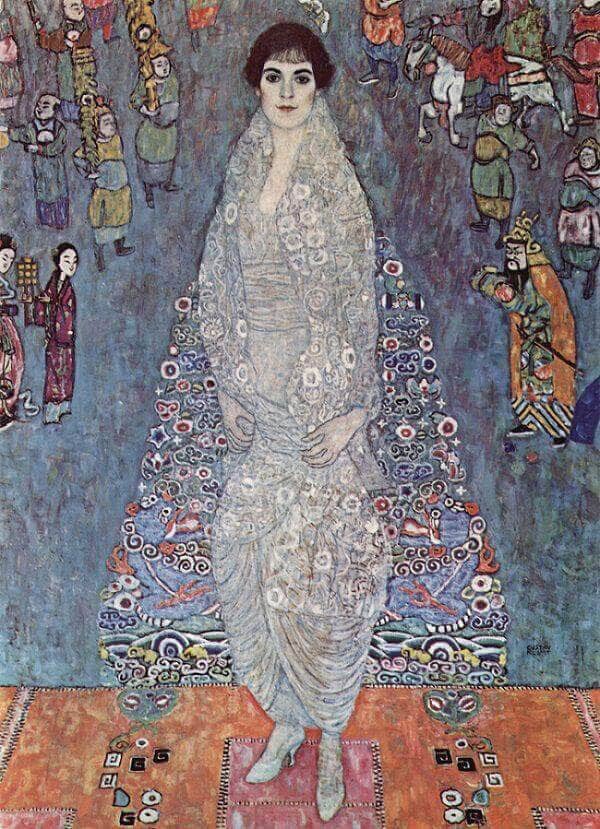
GUSTAV KLIMT | Portrait of Elisabeth Lederer | 71 in x 51.4 in | Oil on canvas | 1914–1916 Sold for $236.4 million (₹2,080.32 crore)

THE TOP SELLERS
A handful of legendary artists continued to dominate the auction market, with collectors still placing big bets on names such as Pablo Picasso, Claude Monet, and Vincent van Gogh, among others. The 2025 auction year was defined by historic sales, with Gustav Klimt emerging as the world’s most valuable artist. Klimt swept the Top Three global spots, led by the $236.4 million (₹2,080.32 crore) sale of Portrait of Elisabeth Lederer—now the most expensive Modern work ever sold. His dominance continued with Blumenwiese (Blooming Meadow) at $86 million (₹756.8 crore) and Waldabhang bei Unterach am Attersee at $68.3 million (₹601.04 crore). Vincent van Gogh followed closely, with his 1887 still life Piles de Romans Parisiens et Roses dans une Verre fetching $62.7 million (₹551.76 crore).

Read the full story in the premiere issue of LuxeTrope, on stands now.
Read More

The inaugural edition of The Collectors' Cove brought together exceptional art, jewellery, haute horology and collectible design, setting a new benchmark for luxury collecting in India

Sojourn: Selected Works (1940–2015) Volume II traces the extraordinary artistic evolution of Modern Master S.H. Raza

For anyone entering the world of international art, the smartest first step is often the simplest one

Ten artists established new auction records, with bidding pushing several works well beyond their estimates and previous market highs

The auction saw competitive bidding across Indian masters; here are the top-performing lots

Sachdeva's philosophy is simple: don’t treat your walls like a portfolio—the real value lies in the joy of living with art that speaks to you