luxetrope.com

Time, Memory and the Canvas
Time, Memory and the Canvas
From the changing light to haunting landscapes, explore how Indian artists capture time beyond the clock
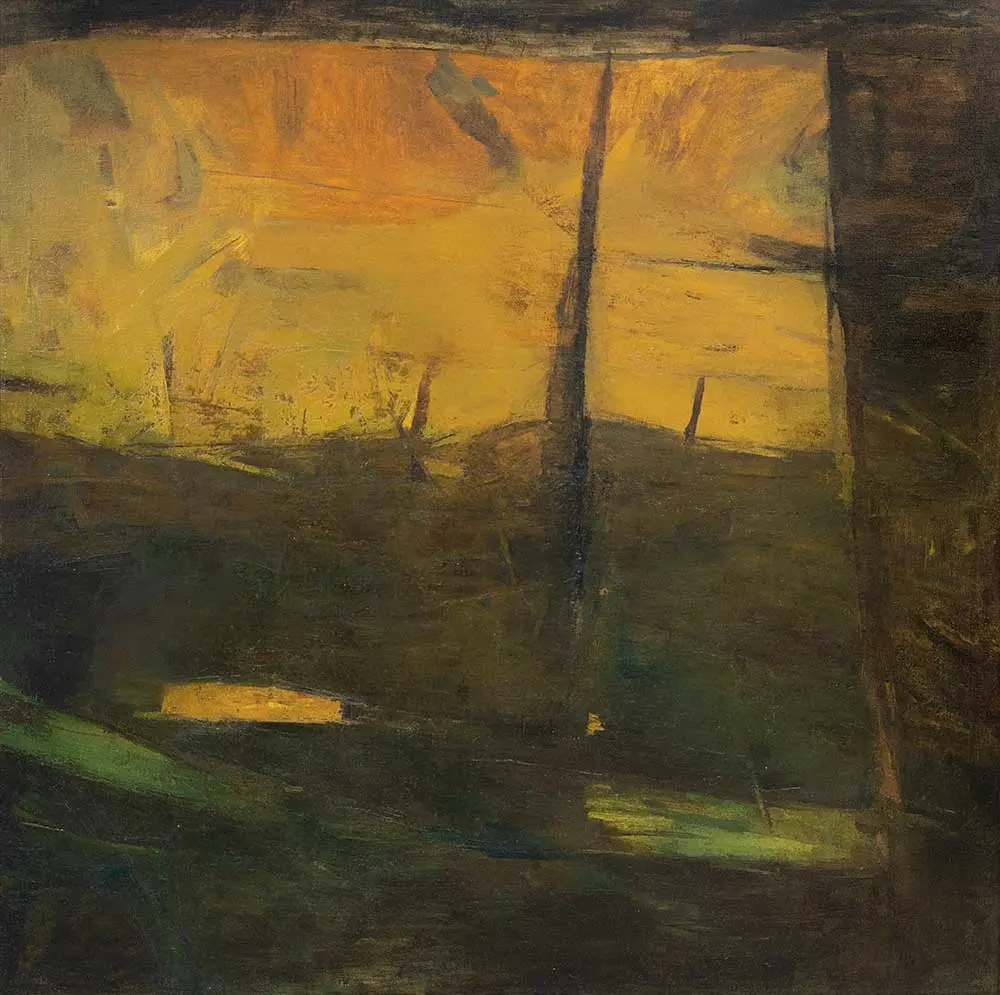
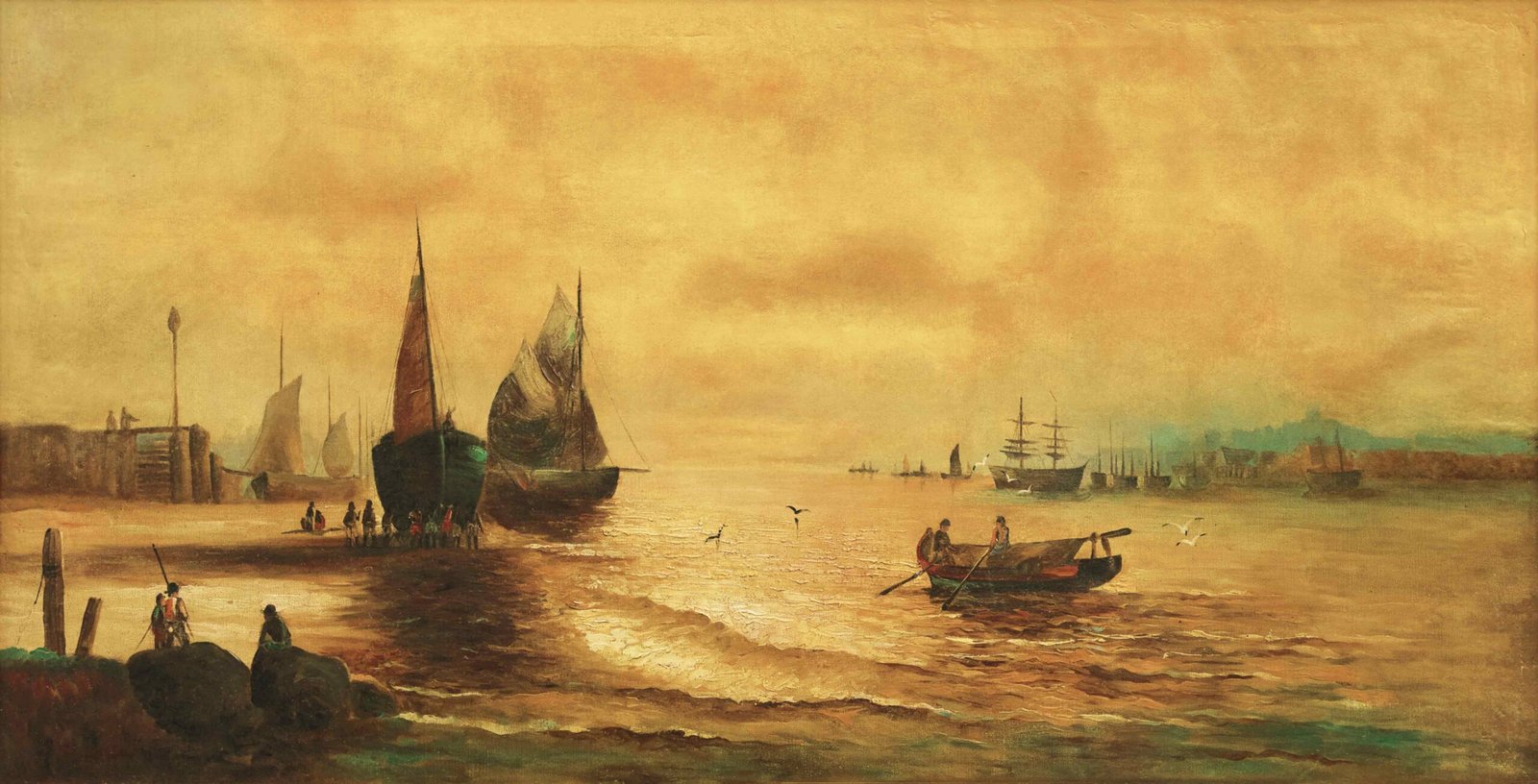
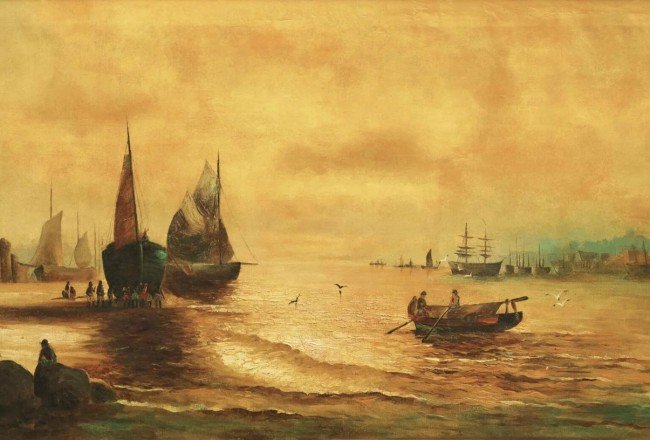
J.P. GANGOOLY | Untitled (Sunrise) | 23.5 x 47 in Oil on canvas | Sold in 2024 by AstaGuru for ₹2,62,60,085 ($276,421)

A watch makes time measurable. Art, however, approaches it differently. A painting captures a passing moment, yet invites the viewer to return, look closer and discover something previously overlooked. What appears to be a single instant can hold several meanings. This is the paradox of painting: it freezes time while expressing its passage.

A landscape at dusk, for instance, may suggest more than the end of a day. It can evoke a civilisation fading, a memory resurfacing or a historical order giving way to another. Across Modern and Contemporary Indian art, artists explore time through changing landscapes, urban unease, human solitude, sacred places and imagined futures.

When Time Becomes an Atmosphere

The most familiar expression of painted time is the hour of the day. Dawn, noon, dusk and night become atmospheres rather than measurements. In the landscapes of J.P. Gangooly, Paresh Maity, Vinod Sharma and Nicholas Roerich, light and landscape create moments that seem suspended between appearance and disappearance.

Gangooly’s landscapes hold the viewer in a state of stillness, while Maity transforms dawn and dusk through luminous colour. Vinod Sharma’s expansive fields of ochre and blue dwarf the human presence, creating a sense of scale and introspection. Roerich’s mountains evoke something more enduring, bringing together the geological, spiritual and sublime. In these works, time is experienced through the viewer’s encounter with nature.

Between the Sublime and the Uncanny

Yet the landscape can also become unsettling. In the works of Paramjit Singh and Sujith S.N., familiar temporal references begin to dissolve. Singh’s glittering, unfamiliar landscapes create a world that feels removed from ordinary experience. Sujith’s vast, often monochromatic expanses, occasionally interrupted by a small house or solitary figure, heighten this sense of distance and disproportion.

These paintings capture neither a clear beginning nor a definitive end. Instead, they hold the viewer within an unresolved interval: the moment before an event, or the quiet that follows one. Their landscapes become spaces of anticipation, where time cannot be measured but must be experienced.

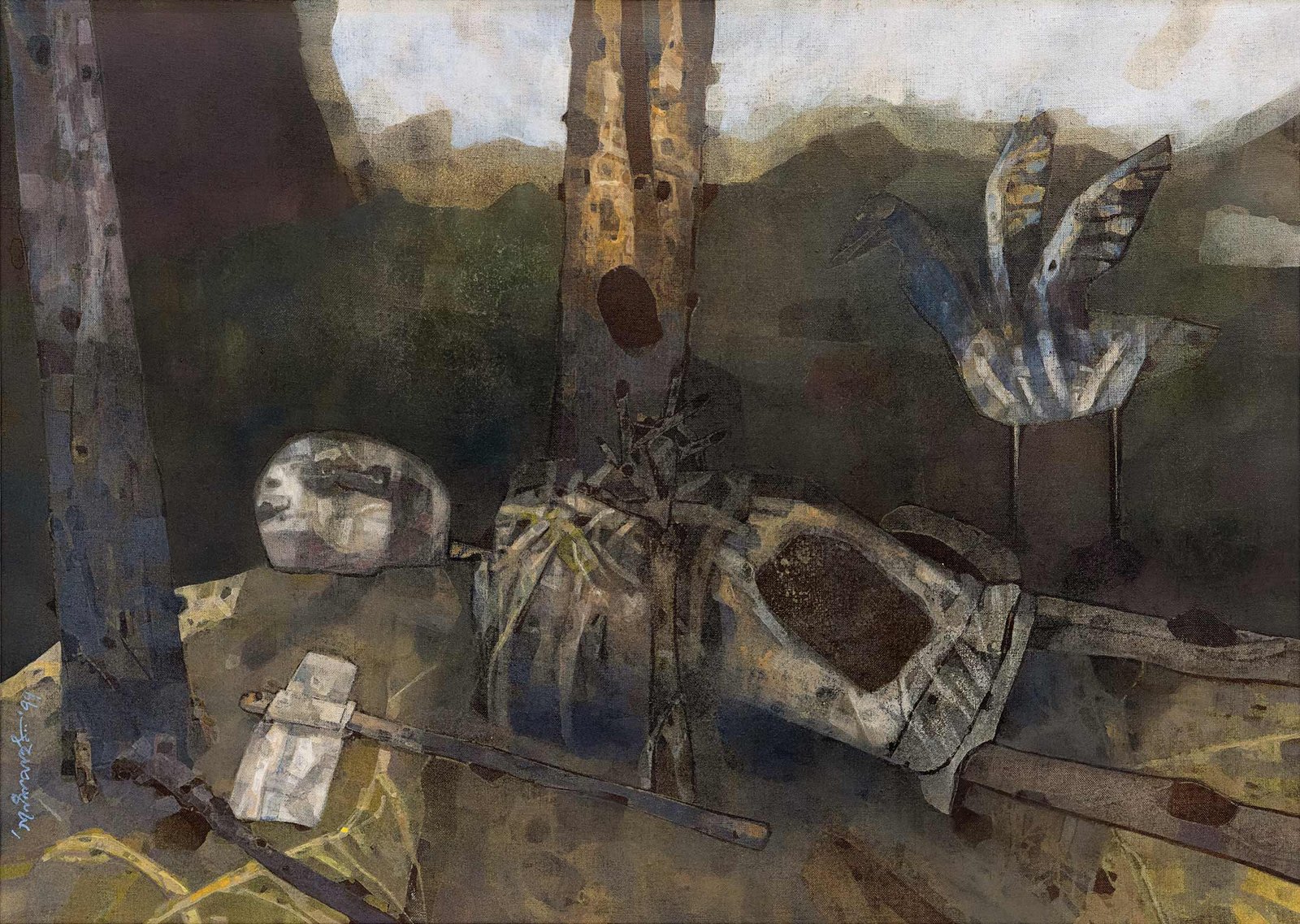
Ganesh Pyne | The Conversation | 19.5 x 27 in Tempera on canvas | Sold in 2026 by AstaGuru for ₹12,10,00,000 ($1,273,684)
The Enduring Appeal of Timeless Art

This relationship between atmosphere, memory and the passage of time also finds resonance in the auction market. Ganesh Pyne’s tempera-on-canvas work The Conversation sold through AstaGuru in 2026 for ₹12.10 crore ($1.27 million), demonstrating the appeal of works with enduring emotional depth.

At AstaGuru, works by artists exploring these ideas have also achieved results well above their estimates. Their appeal lies not simply in what they depict, but in the many ways they allow viewers to experience time.

Read the full story in the special ‘Horology Issue’ of LuxeTrope, on stands now.

From Motif To Movement

From Motif To Movement

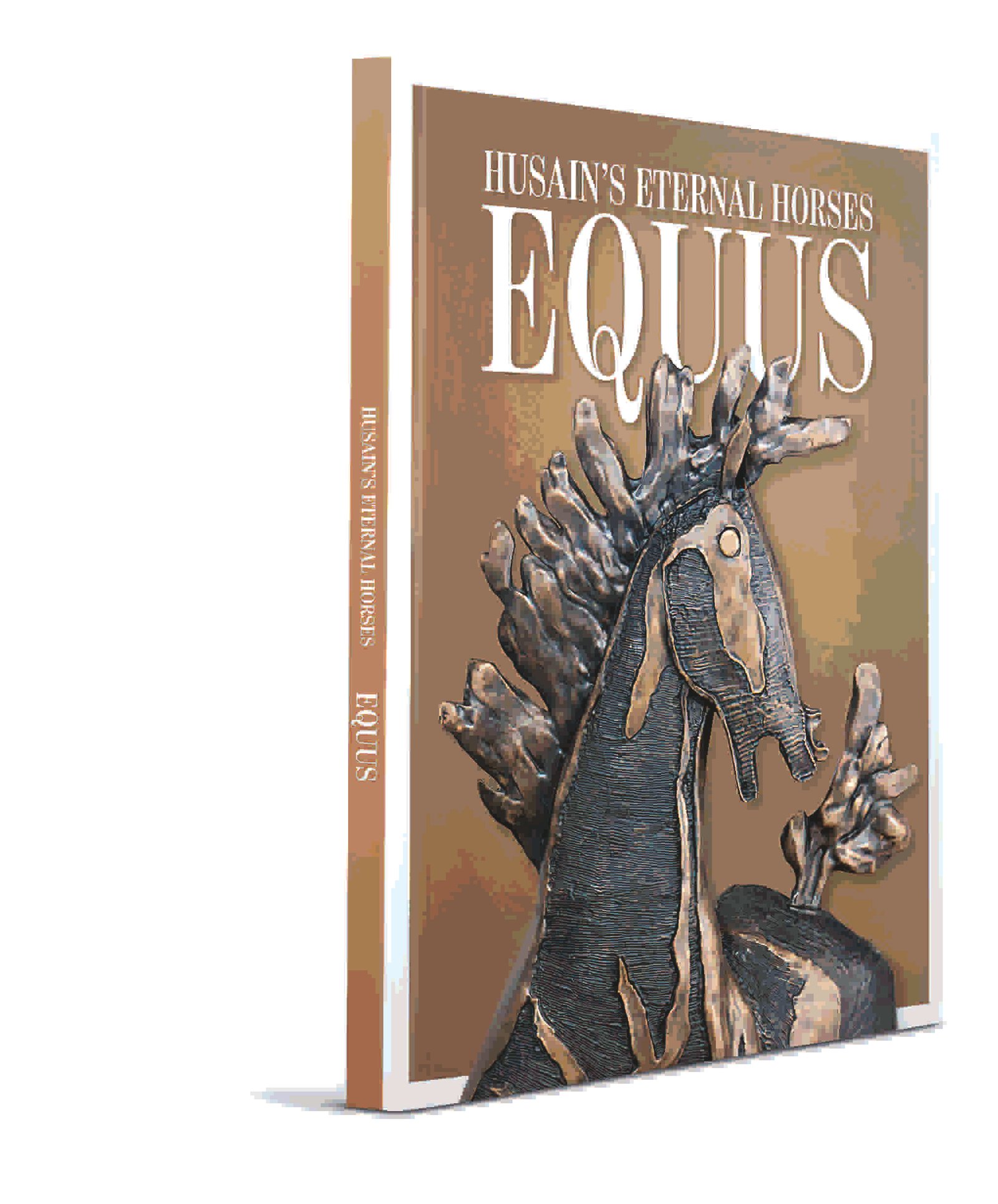
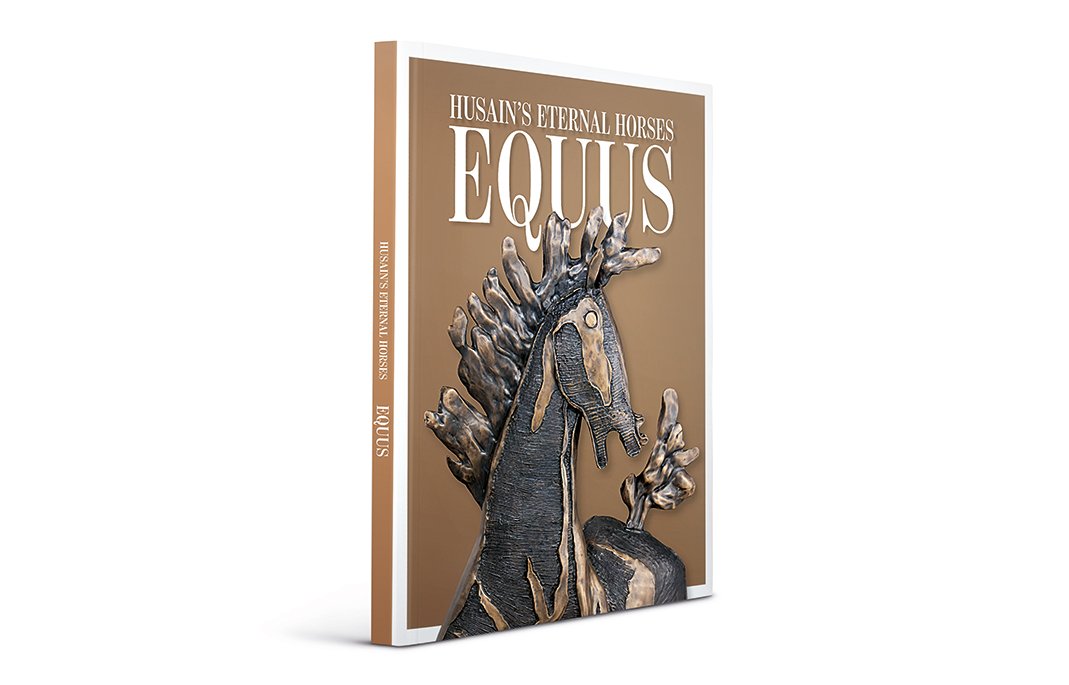
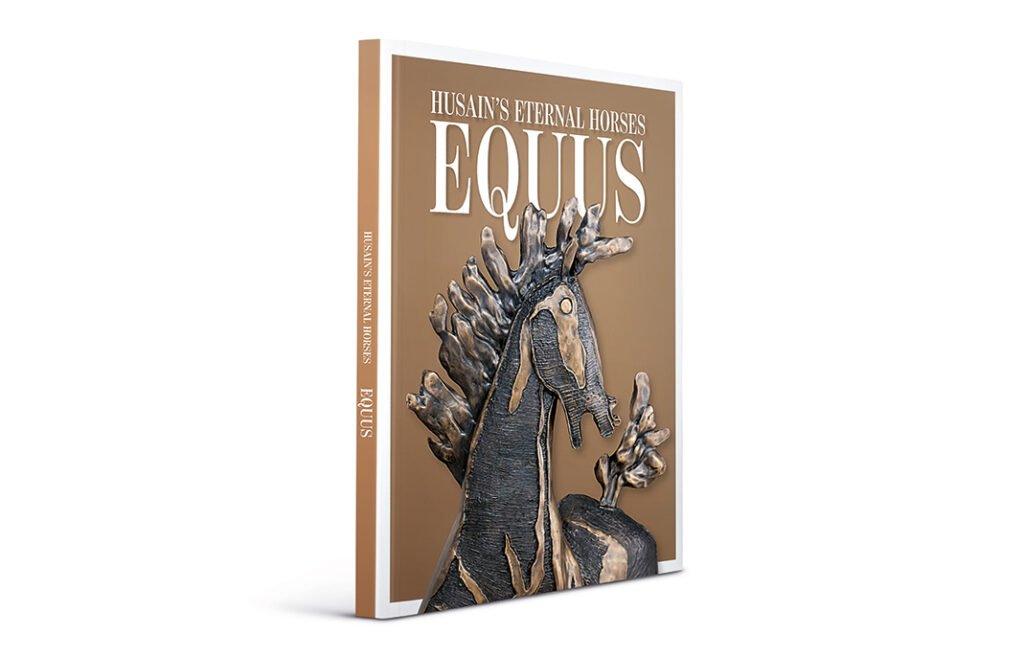
Equus: Husain’s Eternal Horses offers a closer look at how an image can be reimagined through sculpture, without losing the energy that made it iconic
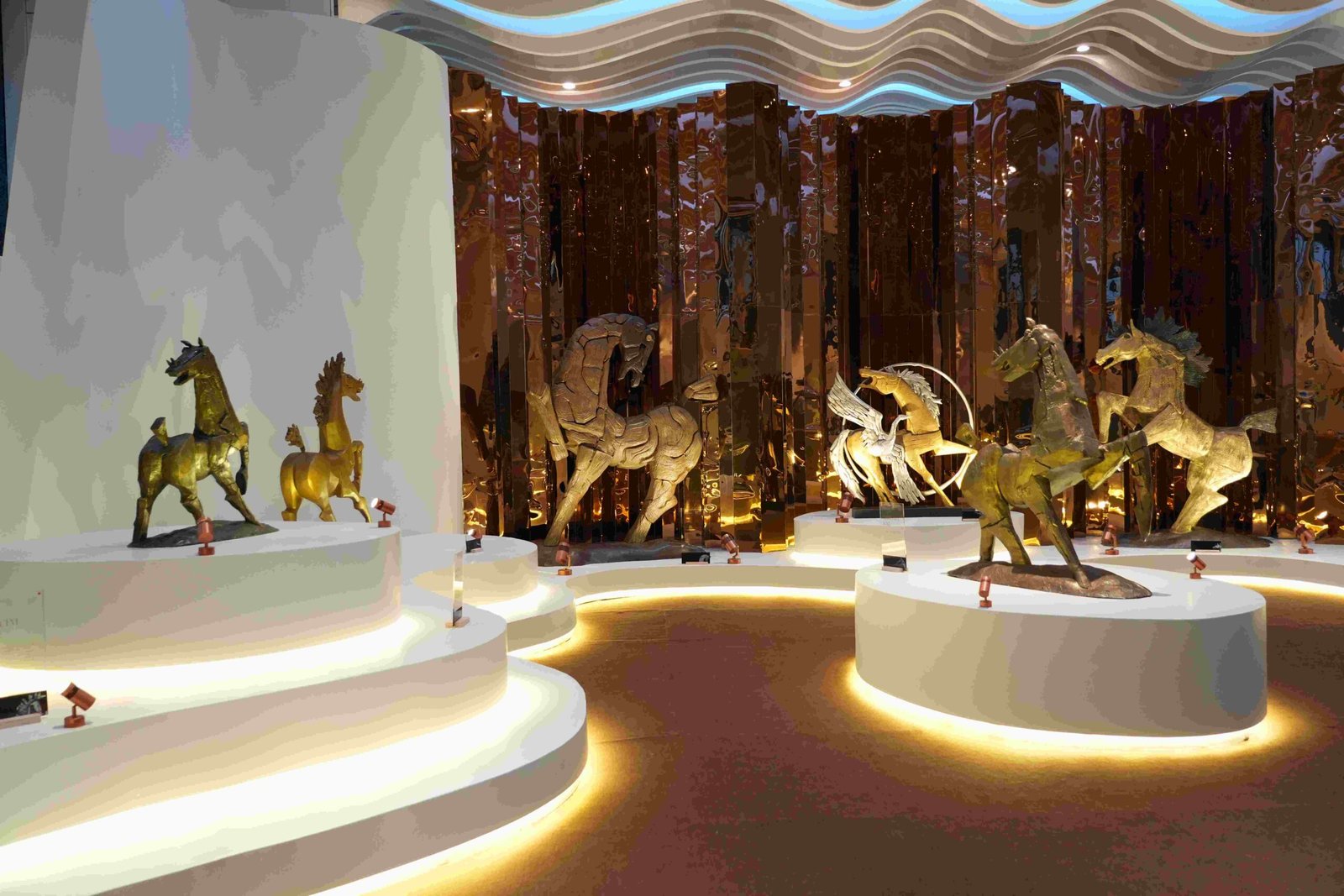
As a visual homage to the iconography that made him a household name, Equus: Husain’s Eternal Horses decodes the sculptural renditions of Tyche by AstaGuru. This series of limited edition sculptures underline M.F. Husain’s most enduring images. The book traces the horse’s journey from Husain’s canvases into three-dimensional form while bringing together the artistic, formal, and cultural dimensions that have made the motif so central to his practice.

Few subjects in Husain’s oeuvre carry the immediacy of the horse. Its presence can be traced to childhood memories of the ceremonial Duldul horse of Muharram processions in Indore, but engagement with art histories and visual traditions shaped its eventual form. 

Husain encountered the horse through European modernism, Chinese painting, Indian folk traditions and his own evolving pictorial language. For him, the horse was never simply an emblem of speed. It could embody instinct, desire, violence, power and vitality, shifting meaning according to the world around it. Its muscular presence and restless movement allowed him to negotiate the space between figuration and abstraction, while geometry provided a structure through which that movement could be controlled. 

In bronze, translating this language presents a distinct challenge. The implied movement must acquire actual physical volume. The sculptural renditions translate Husain’s abbreviated forms and kinetic tension into vivid objecture. The book documents this passage between mediums, showing how Husain’s most recognisable motif can leave the canvas, yet retain its vitality.

Published by The Arts Trust, in association with AstaGuru (price on request).

Read More

From the changing light to haunting landscapes, explore how Indian artists capture time beyond the clock

'Equus: Husain’s Eternal Horses' offers a closer look at how an image can be reimagined through sculpture, without losing the energy that made it iconic

India's art market has grown nearly 200-fold in 25 years, fuelled by record-breaking auctions and rising collector confidence
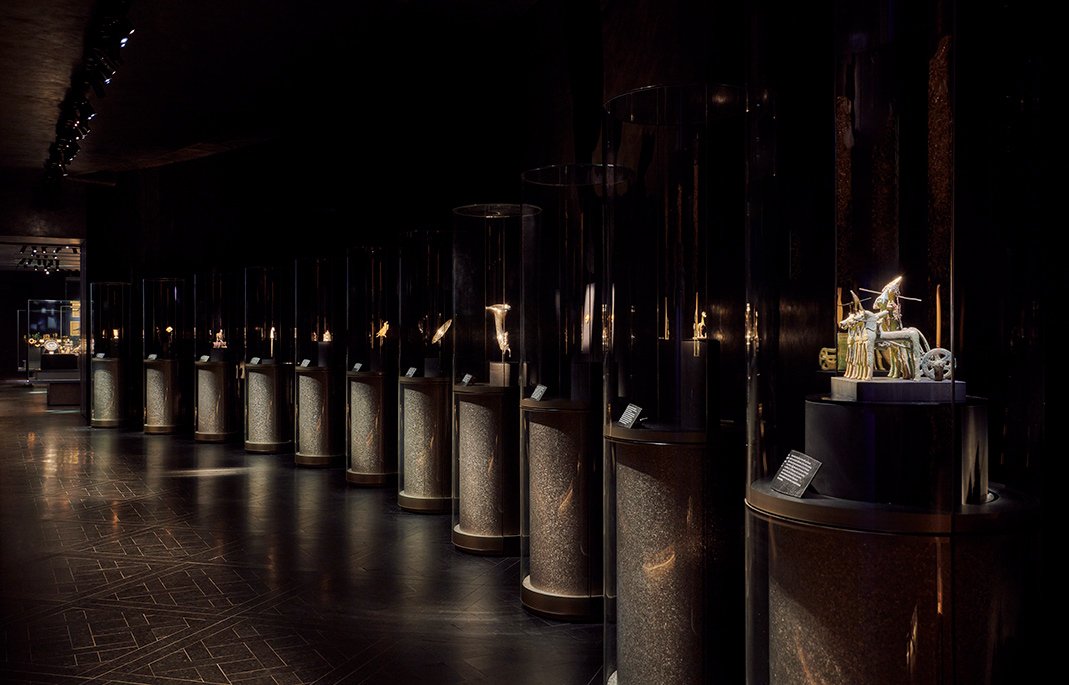
From Mughal jewels to ancient sculptures, 'Animalia' explores humanity's enduring fascination with the animal kingdom through rare works from The Al Thani Collection​

While India's iconic Progressives continue to dominate the market, a new wave of artists is rewriting auction records
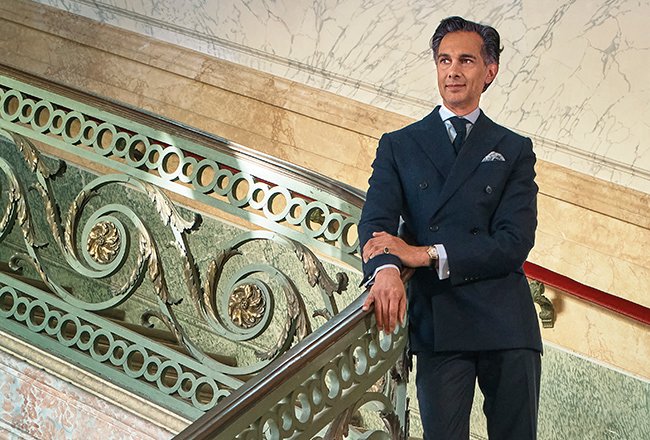
Art historian, curator, and director of The Al Thani Collection, Dr. Amin Jaffer believes great collections are built on stories that connect cultures across time
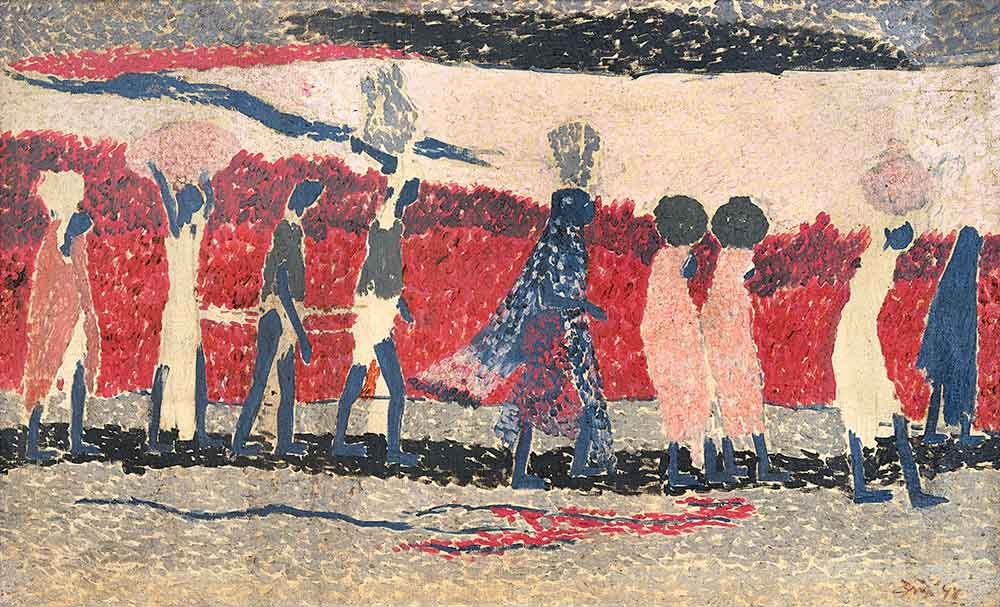
The State of Art Report 2026

The State of Art Report 2026

India's art market has grown nearly 200-fold in 25 years, fuelled by record-breaking auctions and rising collector confidence

N.S. BENDRE | Homeward Bound | 24 x 39 in | Oil on canvas | Sold in 2025 by AstaGuru for ₹3,22,10,200 ($339,054)

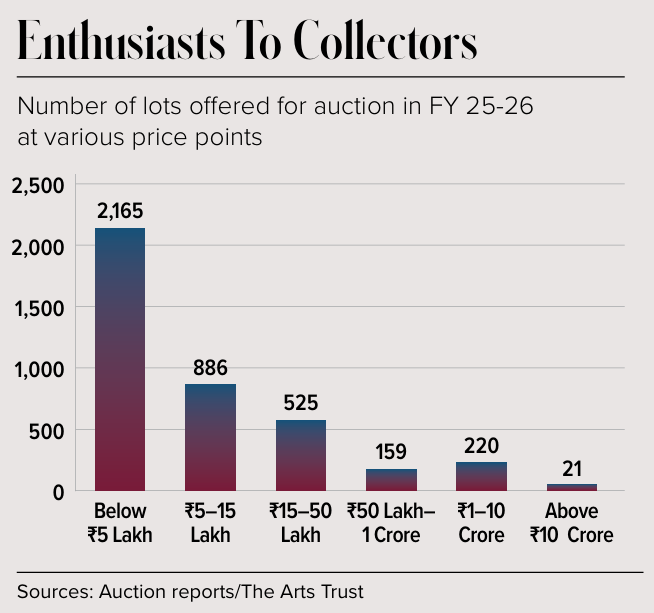
The Indian Art story is, not so quietly, unfurling into what many experts call a fairy tale. Consider this: in FY 2000-01, India’s fine art auction market was estimated at around ₹13 crore ($1.37 million). In FY 2025-26, it crossed ₹2,600 crore ($274 million), nearly two hundred times its size a quarter century earlier. Few asset classes in India can claim a comparable trajectory. Fewer still can claim to have done so while keeping their investors delighted and consistently engaged.

The market took the better part of two decades to cross the ₹400 crore ($42 million) mark, reaching that threshold only around FY 2014-15. It then crossed ₹900 crore ($95 million) in FY 2020-21 and has since nearly tripled in the space of five years. What was once a modest corner of India’s cultural economy has evolved into a market of genuine scale and collector capital, buoyed by institutional attention and global interest. The artists once considered niche are now commanding prices that invite comparison with established global art markets. Works of F.N. Souza, Tyeb Mehta or Ramkinkar Baij are commanding prices that would have seemed extraordinary three years ago. Artists like Krishen Khanna and Arpita Singh are marking high auction prices by living Indian artists.


The FY 2025-26 was, by almost every measure, a landmark year. The market crossed ₹2,600 crore ($274 million) for the first time, with 3,622 lots sold, representing a growth of nearly 62 per cent over the previous financial year (see LuxeTrope’s previous issue for a detailed analysis). Average prices surged to ₹72.8 lakh ($76,631), based on auction data. Turnover generated by the market’s Top 50 lots grew by approximately three quarters year-on-year, a record by any standard. In fact, more than 200 artists established new auction price records. The numbers were extraordinary, yes, but what was equally exciting was the renewed interest in materiality and lesser-known masters.

Read the full story in the special ‘Joaillerie Market’ issue of LuxeTrope, on stands now.

Read More

From the changing light to haunting landscapes, explore how Indian artists capture time beyond the clock

'Equus: Husain’s Eternal Horses' offers a closer look at how an image can be reimagined through sculpture, without losing the energy that made it iconic

India's art market has grown nearly 200-fold in 25 years, fuelled by record-breaking auctions and rising collector confidence

From Mughal jewels to ancient sculptures, 'Animalia' explores humanity's enduring fascination with the animal kingdom through rare works from The Al Thani Collection​

While India's iconic Progressives continue to dominate the market, a new wave of artists is rewriting auction records

Art historian, curator, and director of The Al Thani Collection, Dr. Amin Jaffer believes great collections are built on stories that connect cultures across time
‘Animalia’ Brings 4,000 Years of Art to Paris

Animalia Brings 4,000 Years of Art to Paris

From Mughal jewels to ancient sculptures, Animalia explores humanity's enduring fascination with the animal kingdom through rare works from The Al Thani Collection​

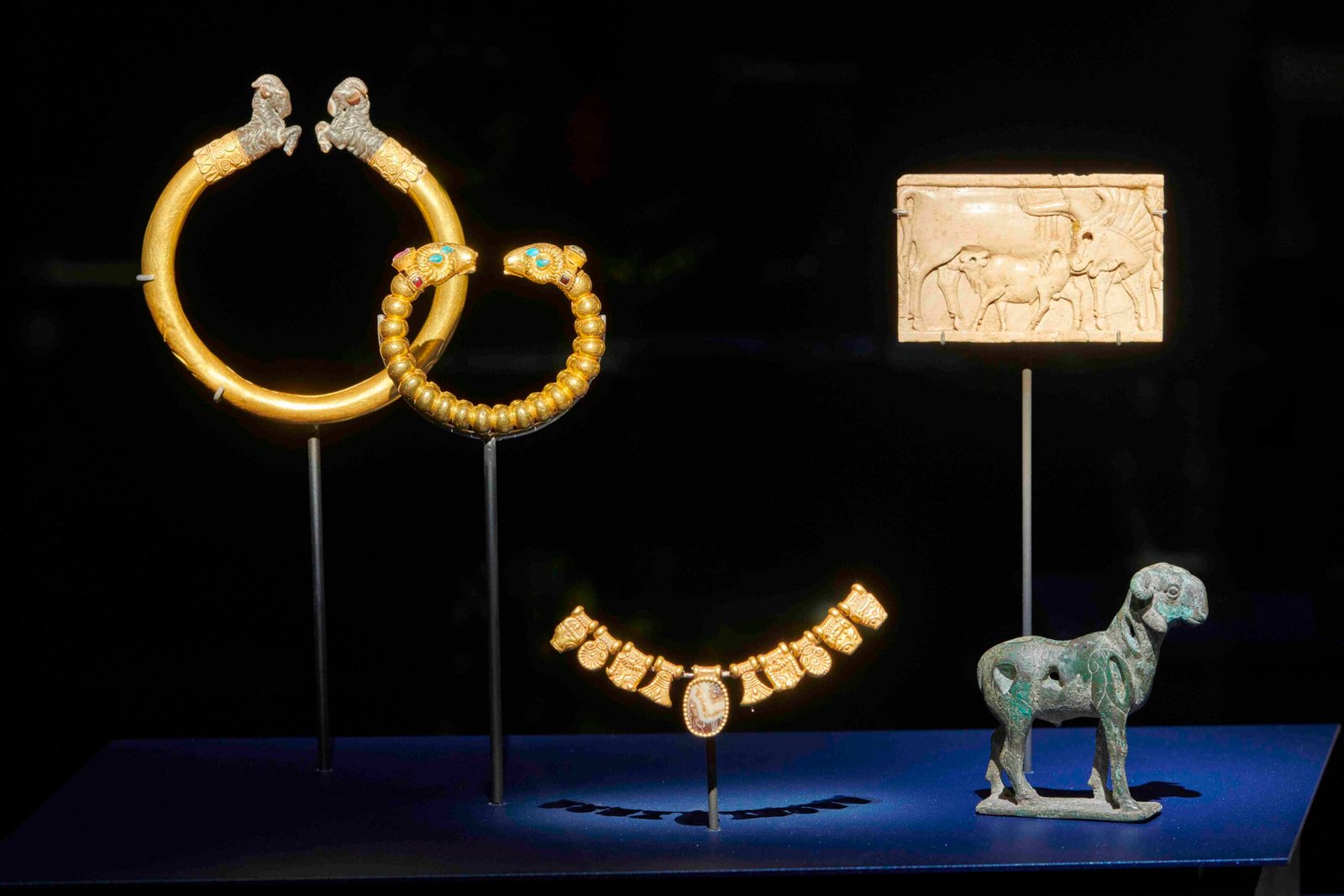
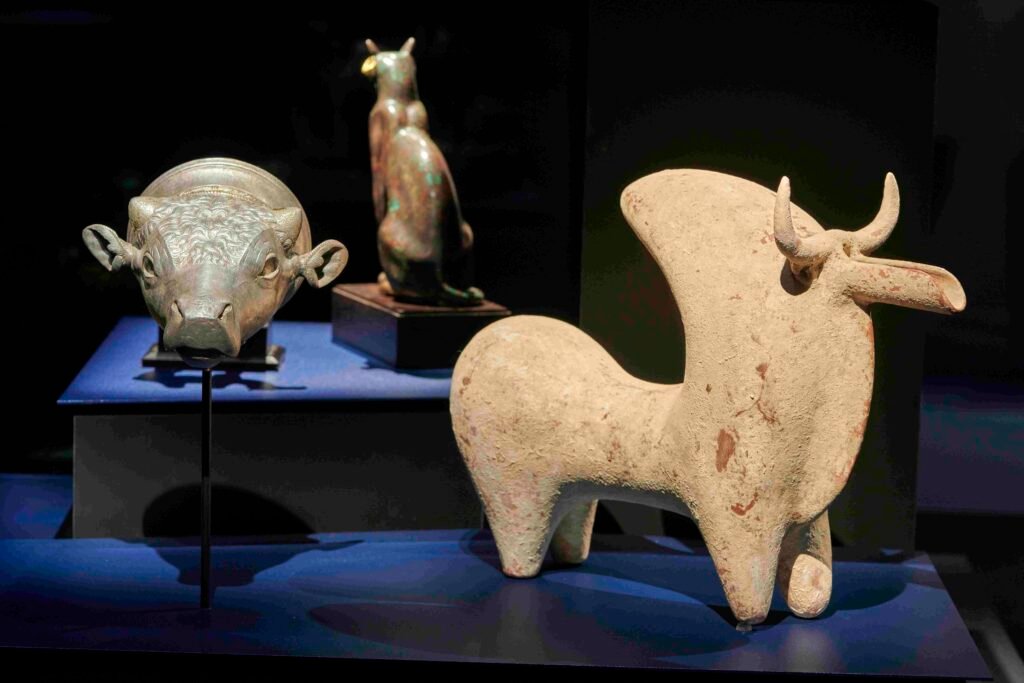
Images: Courtesy of The Al Thani Collection

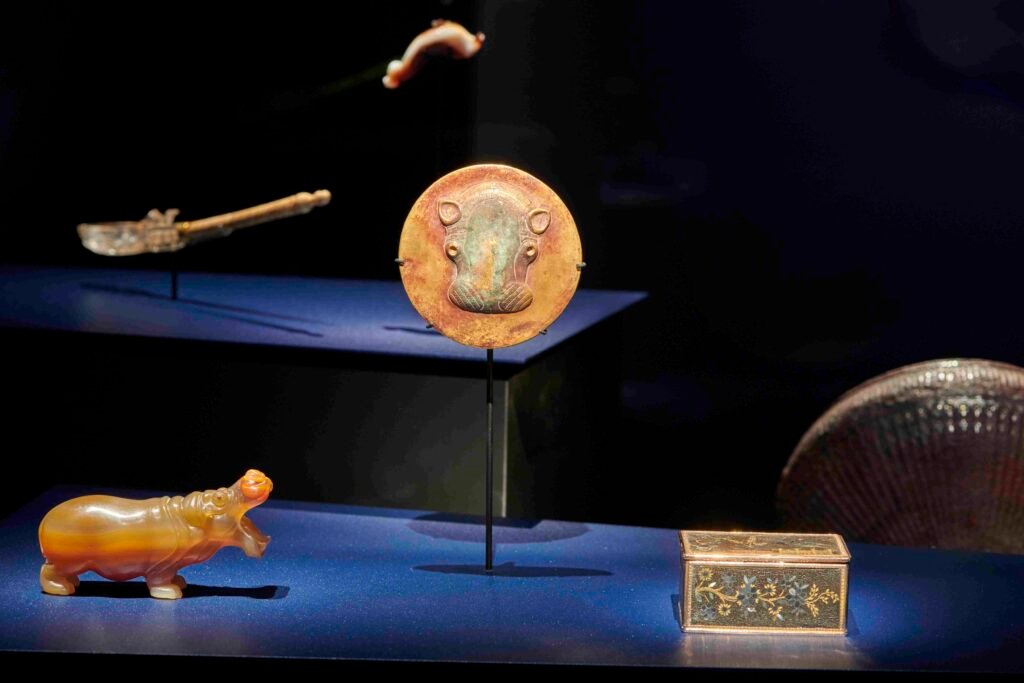
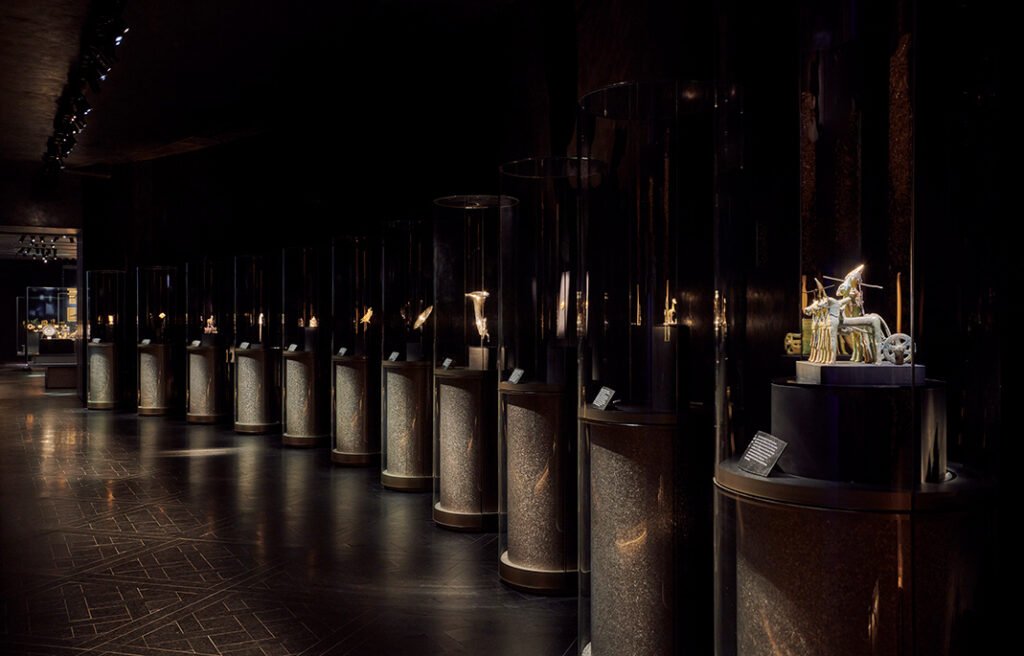
From prehistoric cave paintings to royal jewels, animals have long shaped humanity’s imagination. Now, Animalia: Bestiary from The Al Thani Collection brings together more than 120 extraordinary works that explore this enduring relationship across cultures, continents and millennia. Presented at the Hôtel de la Marine in Paris from July 1, 2026, to January 10, 2027, the exhibition is organised by The Al Thani Collection Foundation in collaboration with the Centre des monuments nationaux.

Drawn from The Al Thani Collection, the exhibition spans nearly 4,000 years, from the third millennium BC to the early-20th century. Many of the works are being shown in Paris for the first time, showcasing how civilisations from Asia, Europe, Africa and the Americas have celebrated, revered and interpreted animals through art.

Rather than arranging the objects chronologically, Animalia creates a dialogue between cultures. Across four galleries, visitors encounter masterpieces crafted for kings, emperors and aristocratic patrons in precious materials including gold, jade, rock crystal, bronze and gemstones. Together, these objects reveal striking parallels in how different societies associated animals with power, spirituality, mythology and identity.

Among the highlights is a rare Mughal gold pendant in the form of a bird, set with diamonds, rubies and emeralds, believed to have been made in the Deccan around 1700. A Timurid ram’s head carved from nephrite jade, a Fatimid chess piece depicting a king mounted on an elephant, and a Greek bronze mare dedicated to horse racing further illustrate the exhibition’s remarkable geographical and historical range.

The exhibition also examines the symbolic importance of specific animals. Horses emerge as enduring emblems of royalty, warfare and prestige, while felines—from Egyptian cats to Babylonian lions and Chinese tigers—reflect authority, protection and imperial power. Elsewhere, deer embody spiritual significance in Japan, birds feature prominently in ritual and ornament, and elephants, camels and rhinoceroses reveal the role of animals in trade, exploration and empire.

Curated by Dr. Amin Jaffer, Director of The Al Thani Collection, Animalia reflects the collection’s commitment to presenting art beyond cultural and geographical boundaries. More than a survey of remarkable objects, the exhibition demonstrates how animals have inspired artistic expression, religious belief, and scientific curiosity across centuries, offering visitors a compelling perspective on the universal bond between humans and the natural world.

Read More

From the changing light to haunting landscapes, explore how Indian artists capture time beyond the clock

'Equus: Husain’s Eternal Horses' offers a closer look at how an image can be reimagined through sculpture, without losing the energy that made it iconic

India's art market has grown nearly 200-fold in 25 years, fuelled by record-breaking auctions and rising collector confidence

From Mughal jewels to ancient sculptures, 'Animalia' explores humanity's enduring fascination with the animal kingdom through rare works from The Al Thani Collection​

While India's iconic Progressives continue to dominate the market, a new wave of artists is rewriting auction records

Art historian, curator, and director of The Al Thani Collection, Dr. Amin Jaffer believes great collections are built on stories that connect cultures across time
Indian Art Beyond the Progressives

Indian Art Beyond the Progressives

While India's iconic Progressives continue to dominate the market, a new wave of artists is rewriting auction records

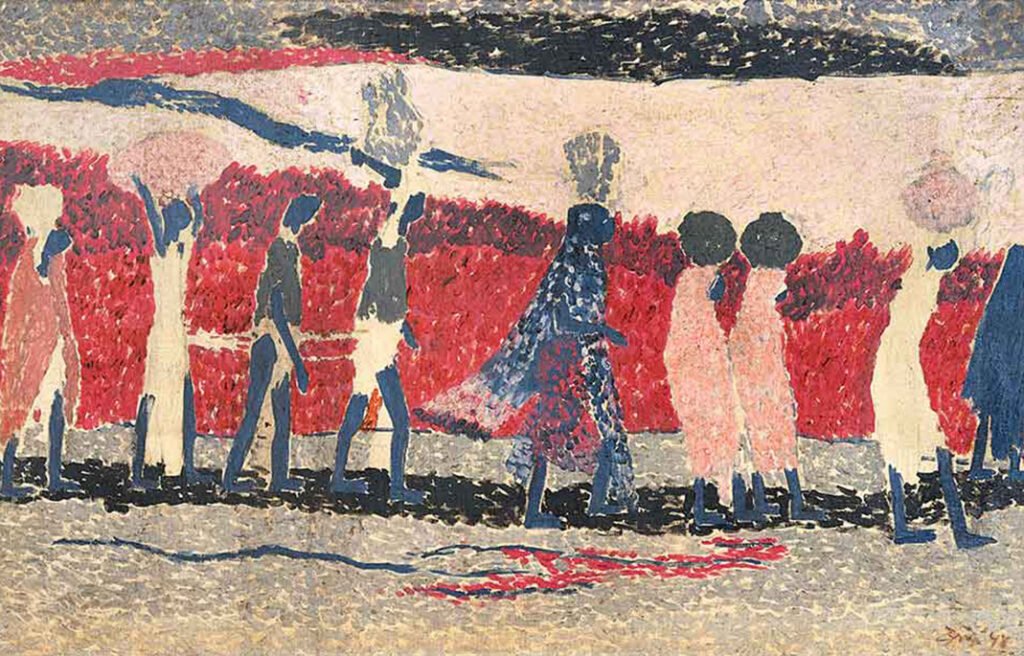
F.N. SOUZA | Garden City | 23.5 x 30 in | Oil on canvas | Sold in 2026 by AstaGuru for ₹6,27,68,567 ($660,721)

India’s strongest auction performers in FY 2025–26 reflected a market driven by scarcity, sustained collector demand and growing confidence across both established and emerging artists. While blue-chip names continued to command premium prices, several overlooked masters and contemporary artists experienced remarkable re-ratings.

The Progressive Artists’ Group remained the market’s undisputed powerhouse. Together, M.F. Husain, Tyeb Mehta, F.N. Souza, S.H. Raza and V.S. Gaitonde generated more than ₹1,400 crore in auction turnover, accounting for nearly 55% of the market’s total value. Their continued dominance reinforces the enduring appeal of India’s most celebrated modern masters.

Scarcity also proved to be a defining factor. Artists such as Tyeb Mehta, V.S. Gaitonde, Jehangir Sabavala, Rabindranath Tagore and Raja Ravi Varma achieved exceptional results despite limited supply, with collectors competing aggressively for museum-quality works.

At the same time, several artists witnessed significant market re-rating. Amrita Sher-Gil emerged as one of the year’s standout performers, achieving a perfect sell-through rate while recording substantial growth in both auction turnover and average prices. Artists including N.S. Bendre and K.G. Subramanyan also benefited from rising supply matched by sustained collector demand, resulting in sharply higher turnover.

The year’s momentum extended beyond established names. Rabindranath Tagore, Bhupen Khakhar, Reba Hore and Vivan Sundaram all recorded remarkable increases in average auction prices, reflecting growing recognition of their contribution to the Indian art landscape and a maturing collector base willing to look beyond traditional market favourites.

Read the full story in the special ‘Joaillerie Market’ issue of LuxeTrope, on stands now.

Read More

From the changing light to haunting landscapes, explore how Indian artists capture time beyond the clock

'Equus: Husain’s Eternal Horses' offers a closer look at how an image can be reimagined through sculpture, without losing the energy that made it iconic

India's art market has grown nearly 200-fold in 25 years, fuelled by record-breaking auctions and rising collector confidence

From Mughal jewels to ancient sculptures, 'Animalia' explores humanity's enduring fascination with the animal kingdom through rare works from The Al Thani Collection​

While India's iconic Progressives continue to dominate the market, a new wave of artists is rewriting auction records

Art historian, curator, and director of The Al Thani Collection, Dr. Amin Jaffer believes great collections are built on stories that connect cultures across time
Amin Jaffer: The Keeper of Memories

Amin Jaffer: The Keeper of Memories

Art historian, curator, and director of The Al Thani Collection, Dr. Amin Jaffer believes great collections are built on stories that connect cultures across time
Dr. Amin Jaffer photographed by Antonio Martinelli

A true custodian of global culture, Dr. Amin Jaffer has shaped projects at the Victoria and Albert Museum (V&A), curated the Islamic Arts Biennale in 2025, and now the acclaimed India Pavilion at the 61st Venice Biennale. His impact on the world of art is profound, given that he has chronicled history through many brilliant books. Today, as director of The Al Thani Collection—a repository of over 5,000 artefacts spanning millennia—Jaffer continues his lifelong journey of bringing world heritage to those who treasure it most.

Before we delve into The Al Thani Collection, we have to ask: what was the idea behind the theme ‘Geographies of Distance: Remembering Home’ at the Venice Biennale’s India Pavilion?

The Biennale’s theme, ‘In Minor Keys’, invited a quiet, introspective response, leading me to reflect on the idea of home at a moment when India is changing at an unparalleled pace. Across the country, cities and communities are being transformed, while globally millions of Indians continue to live and work far from their places of origin. ‘Geographies of Distance: Remembering Home’ explores the idea that home is not simply a physical place, but something we carry within us through memory, ritual, relationships and material culture. It’s a theme rooted in the Indian experience, but with universal resonance. 

How did you build a cohesive story for The Al Thani Collection, given that it spans antiquity to the present?

The Al Thani Collection represents the vision of its founder, His Highness Sheikh Hamad bin Abdullah Al Thani. We work closely with His Highness in presenting the Collection; the stories reflect his collecting vision. With more than 5,000 objects spanning periods and geographies, there are many stories we can tell about civilisation, and this is exactly what we aim to do at the Collection’s museum space at the Hôtel de la Marine in Paris.

The jewels in The Al Thani Collection are historically significant. What essential qualities must a piece possess to merit a place?

The Al Thani Collection is very much a reflection of the encyclopaedic vision of its founder. I can say that works of art tend to be selected based on their form, the skill, mastery, and proficiency of their creator, as well as their provenance and ability to evoke history, bridge cultures, and promote cultural exchange.

Read the full story in the special ‘Joaillerie Market’ issue of LuxeTrope, on stands now.

Read More

From the changing light to haunting landscapes, explore how Indian artists capture time beyond the clock

'Equus: Husain’s Eternal Horses' offers a closer look at how an image can be reimagined through sculpture, without losing the energy that made it iconic

India's art market has grown nearly 200-fold in 25 years, fuelled by record-breaking auctions and rising collector confidence

From Mughal jewels to ancient sculptures, 'Animalia' explores humanity's enduring fascination with the animal kingdom through rare works from The Al Thani Collection​

While India's iconic Progressives continue to dominate the market, a new wave of artists is rewriting auction records

Art historian, curator, and director of The Al Thani Collection, Dr. Amin Jaffer believes great collections are built on stories that connect cultures across time
10 Highlights from AstaGuru’s ‘Iconic Masters’ Auction

10 Highlights from AstaGuru’s ‘Iconic Masters’ Auction

The auction brought together leading names in Modern Indian art, with several works achieving standout prices

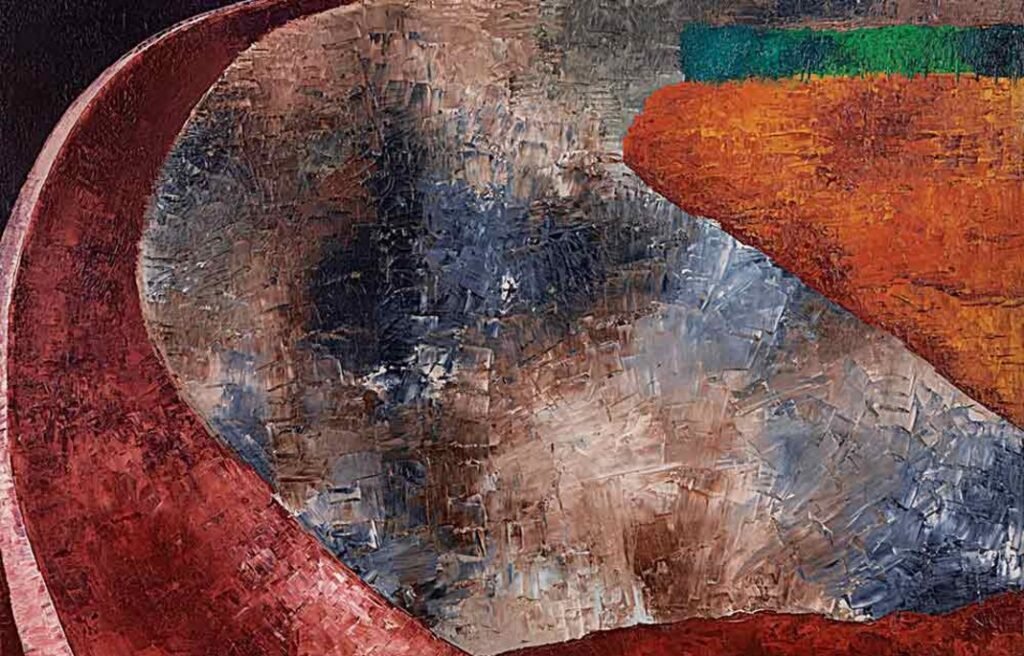
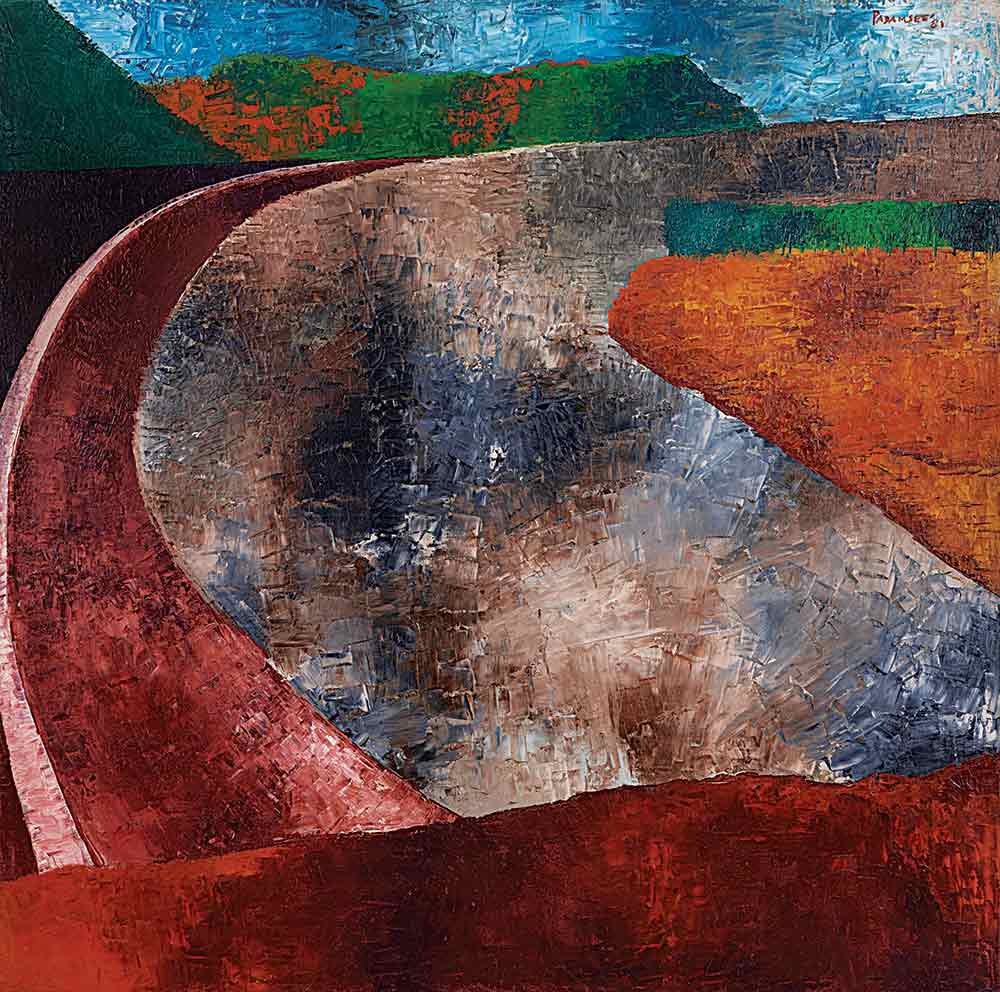
Akbar Padamsee | Untitled (Metascape) | Oil on canvas | 1981 | Sold for £850,349

AstaGuru’s ‘Iconic Masters’ auction, held on August 11-12, 2026, brought together works by some of the most influential names in Indian Modern art. The sale realised a total of ₹117.87 crore, with established masters commanding the strongest results and demonstrating the continued appetite for significant works from the Modern Indian canon.

At the top of the sale was Akbar Padamsee’s Untitled (Metascape), which sold for £850,349 through AstaGuru UK. The work led a selection that brought together artists whose practices have played a defining role in shaping Indian Modernism, from abstraction and landscape to figurative and expressionist traditions.

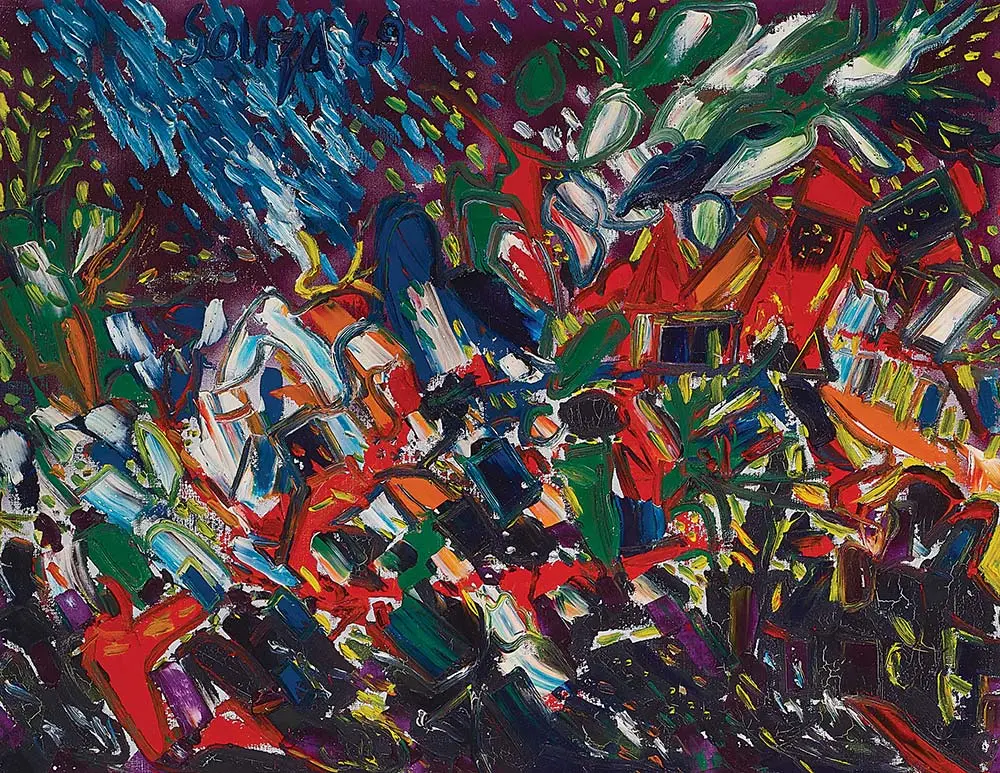
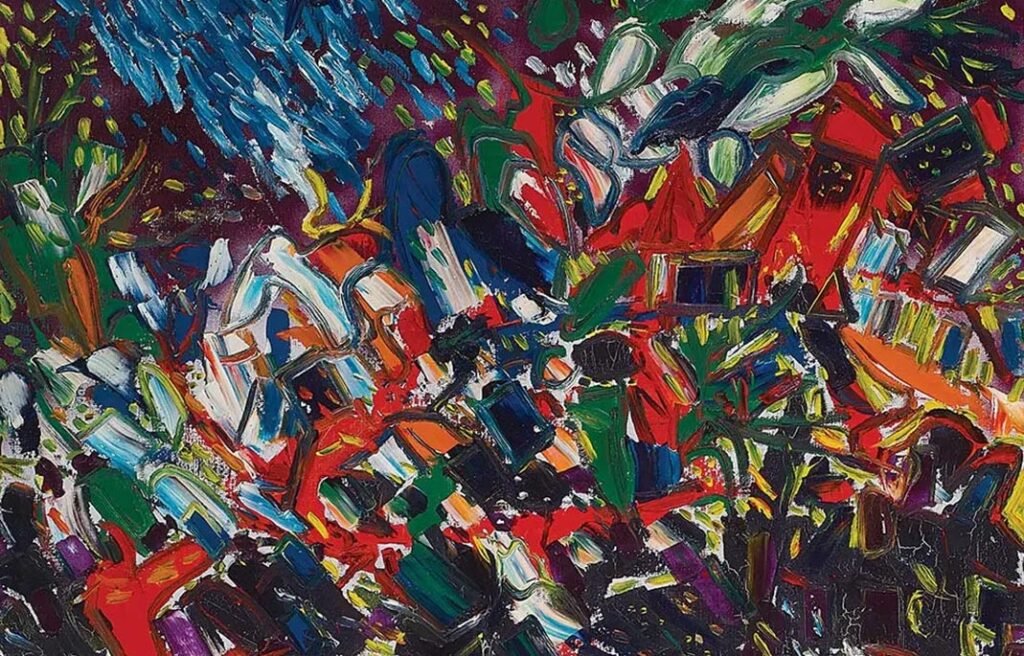
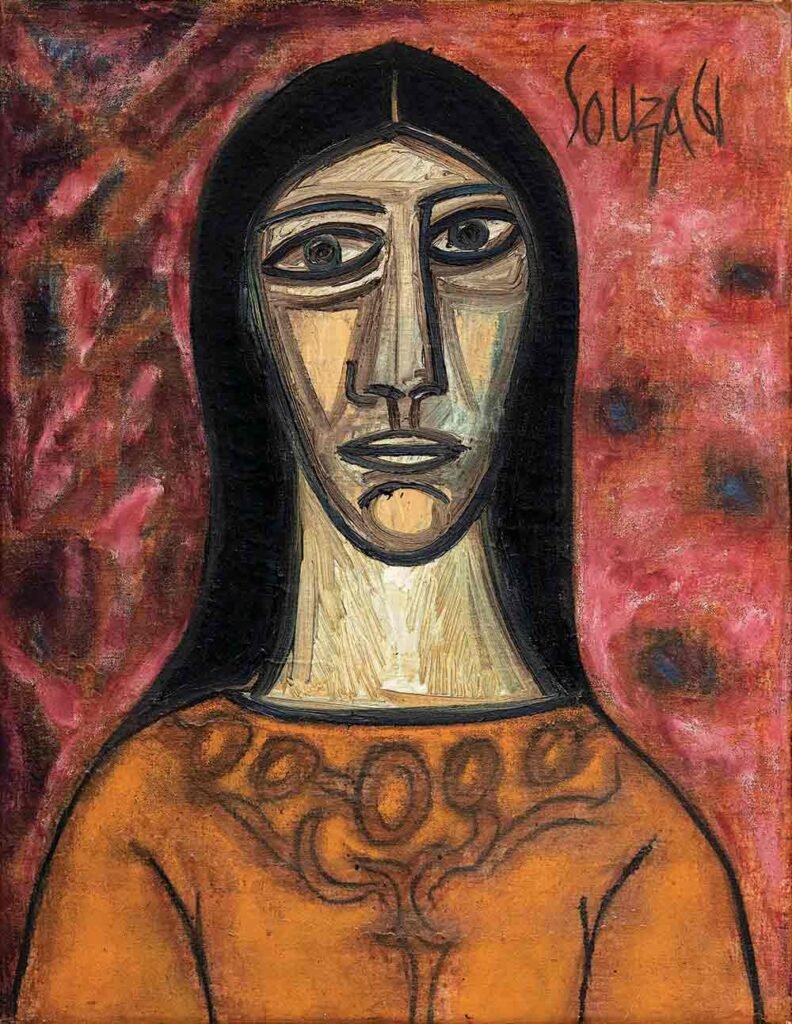
F.N. Souza | Head Of A Women | Oil on canvas | 1961 | Sold for ₹9,98,25,000

F.N. Souza also made a strong showing, with Head Of A Women selling for ₹9,98,25,000. The result places Souza among the highest-valued works of the auction, reflecting the sustained interest in one of the most recognisable figures of the Indian Modernist movement.

S.H. Raza | Jala Bindu | Acrylic on canvas | 1990 | Sold for £773,045

Close behind was S.H. Raza’s Jala Bindu, which realised £773,045, reinforcing the enduring demand for the artist’s works.

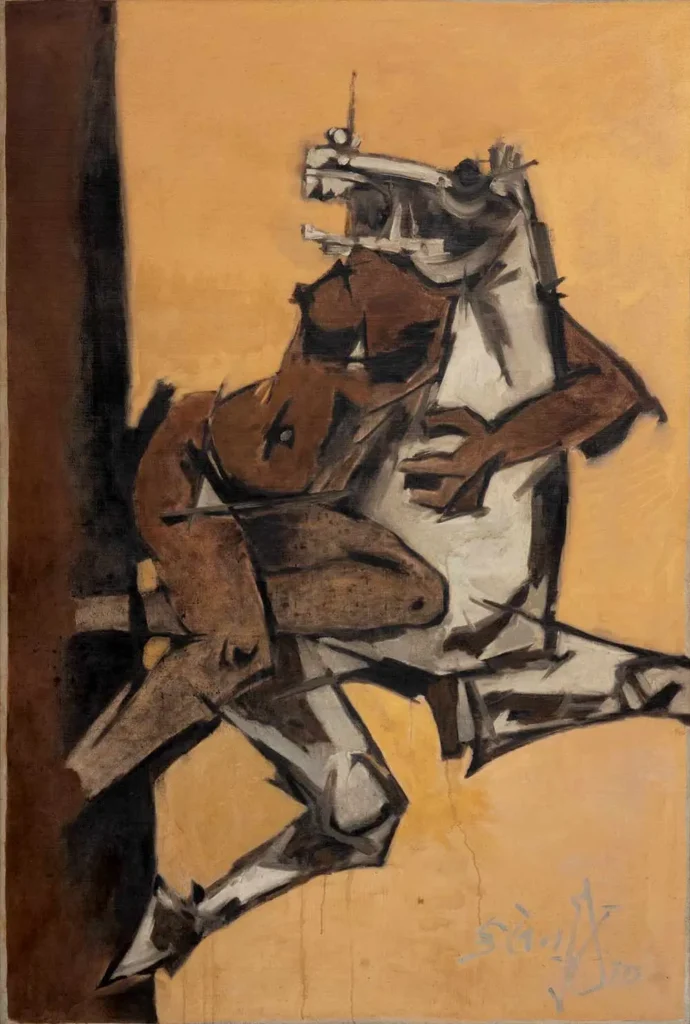
M.F. Husain | Untitled | Oil on canvas | 1970 | Sold for ₹7,08,62,440

M.F. Husain’s Untitled followed at ₹7,08,62,440. The artist appeared twice among the leading lots, with another Untitled work sold through AstaGuru UK for £351,384.

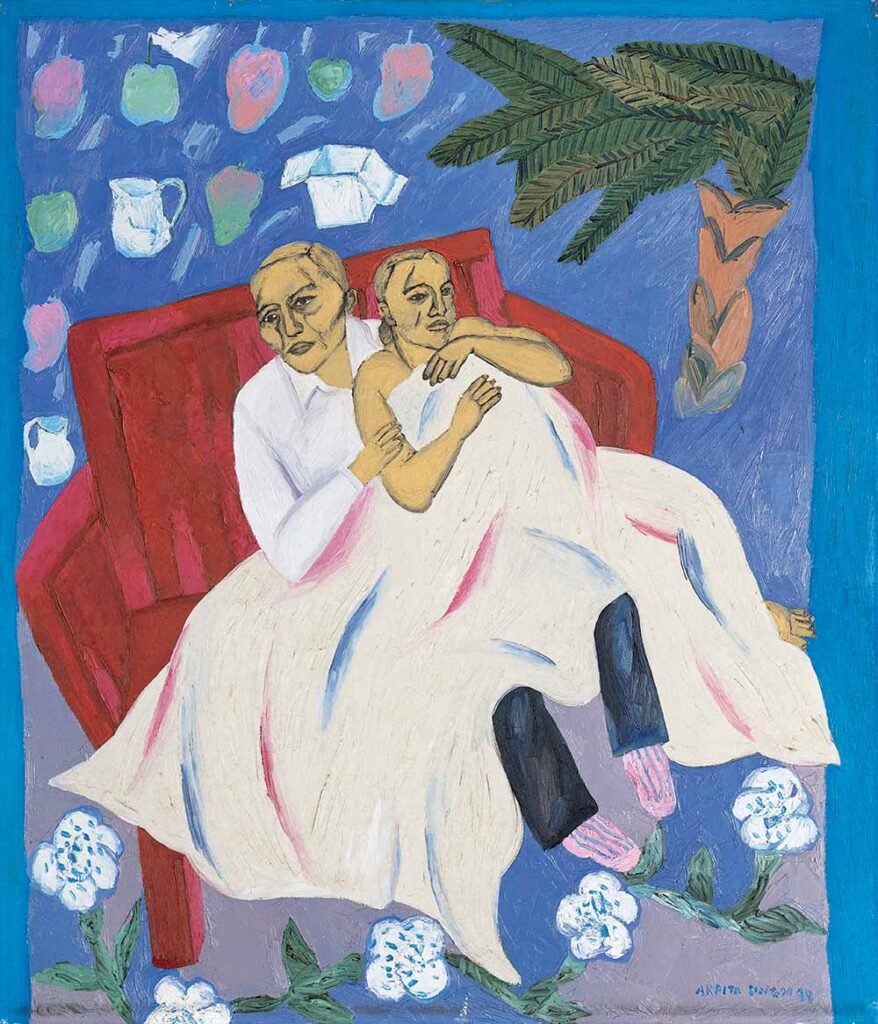
Arpita Singh | Untitled | Oil on canvas | 1999 | Sold for ₹5,89,92,981

The sale also highlighted the continued strength of artists beyond the most established Modernist names. Arpita Singh’s Untitled achieved ₹5,89,92,981, adding a significant result for a later generation of Indian artists to an auction otherwise led by major Modernist figures.

S.H. Raza | Origin | Acrylic on canvas | 2000 | Sold for ₹4,71,58,954

Another important result came from S.H. Raza’s Origin, which sold for ₹4,71,58,954. The work further demonstrated the sustained demand for Raza’s oeuvre at auction.

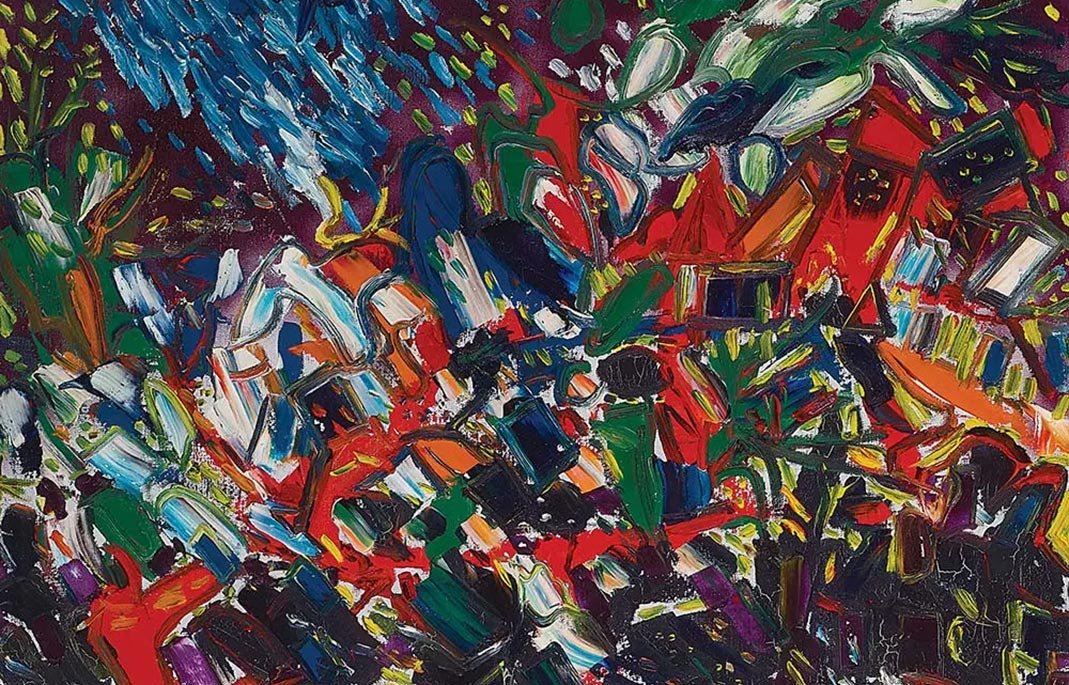
Ram Kumar | Untitled | Oil on canvas | 1970 | Sold for ₹4,71,58,954

Ram Kumar’s Untitled also realised ₹4,71,58,954,  adding to the auction’s strong showing for artists associated with the evolution of abstraction and modernist visual language in India.

Manjit Bawa | Untitled | Oil on canvas | 1997 | Sold for £377,272

Manjit Bawa’s Untitled sold for £377,272, while J. Swaminathan’s Untitled (Bird, Tree And Mountain Series) achieved £354,312 through AstaGuru UK. Both results underline the continued collector interest in artists who developed distinctive visual vocabularies within Indian Modernism.

J. Swaminathan | Untitled (Bird, Tree And Mountain Series) | Oil on canvas | 1986 | Sold for £354,312

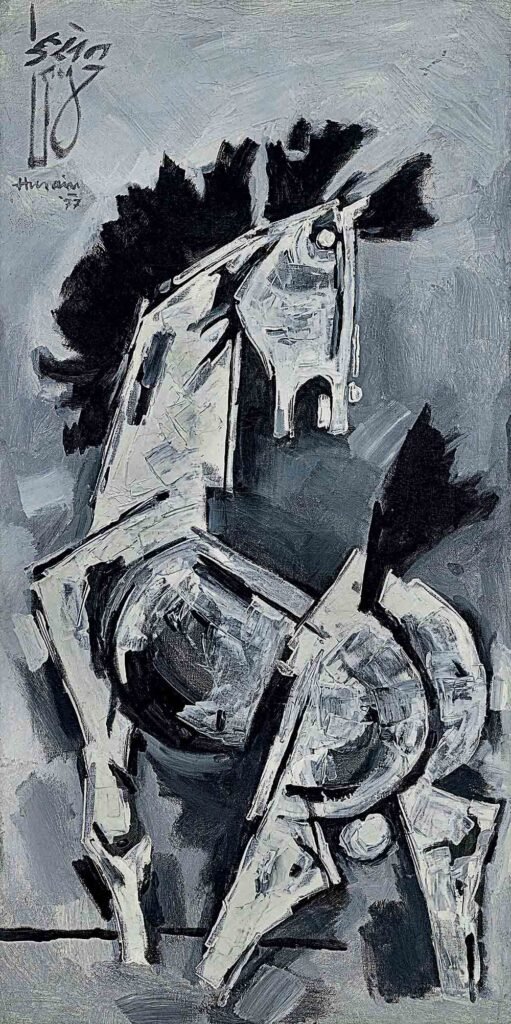
Rounding out the leading results was a second work by M.F. Husain, with Untitled selling for £351,384. Together, the ten leading lots reflected the breadth of the auction, spanning established masters, different generations and varied approaches to modern Indian art.

M.F. Husain | Untitled | Acrylic on canvas | 1977 | Sold for £351,384

Taken together, the results of Iconic Masters point to the continued strength of the Indian Modern art market. With 50 lots sold and a total sale value of ₹117.87 crore, the auction demonstrated how works by historically significant artists continue to attract substantial collector attention, while the presence of names such as Arpita Singh and Manjit Bawa shows the market’s broader appetite for important works across generations.

Read More

From the changing light to haunting landscapes, explore how Indian artists capture time beyond the clock

'Equus: Husain’s Eternal Horses' offers a closer look at how an image can be reimagined through sculpture, without losing the energy that made it iconic

India's art market has grown nearly 200-fold in 25 years, fuelled by record-breaking auctions and rising collector confidence

From Mughal jewels to ancient sculptures, 'Animalia' explores humanity's enduring fascination with the animal kingdom through rare works from The Al Thani Collection​

While India's iconic Progressives continue to dominate the market, a new wave of artists is rewriting auction records

Art historian, curator, and director of The Al Thani Collection, Dr. Amin Jaffer believes great collections are built on stories that connect cultures across time
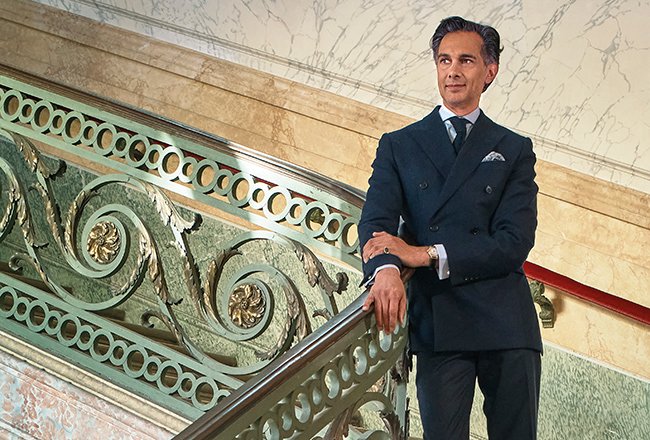
How Painted Jewellery Brings Indian Art to Life

How Painted Jewellery Brings Indian Art to Life

Ornamentation in Indian art tells stories of power, identity and cultural memory

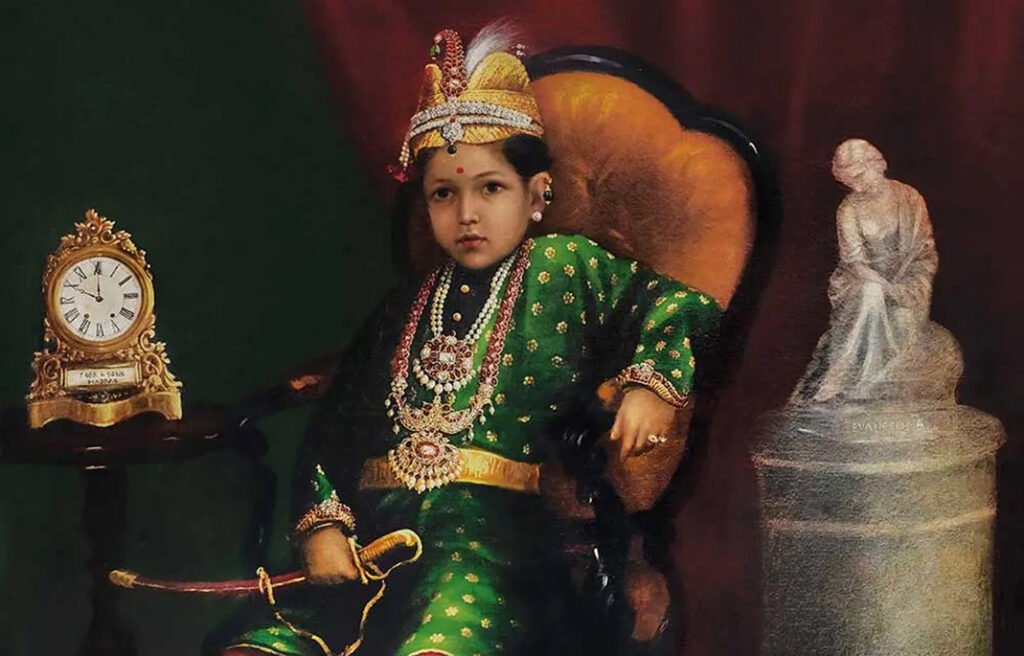
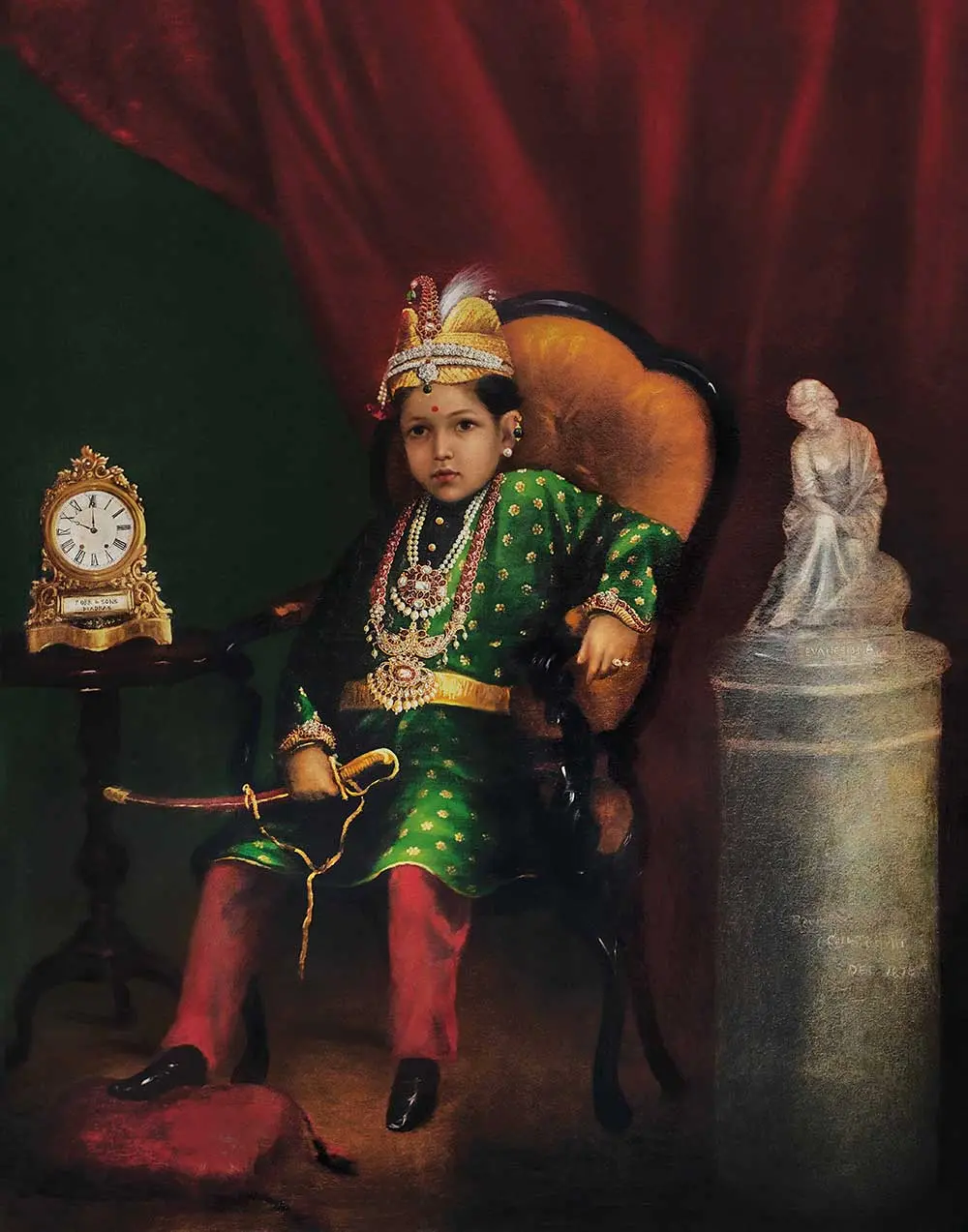
Raja Ravi Varma’s 'Little Prince Of Courage' sold in 2026 by AstaGuru for ₹30,88,60,139 ($3.25 million), featured brilliantly detailed royal jewels from the Tondaiman family of Pudukkottai

A jewelled sarpech adorning a Mughal ruler, delicate pearl strands in a Raja Ravi Varma painting, or shimmering ornaments in the works of Hemendranath Mazumdar are not simply artistic details. They are visual symbols that communicate status, tradition and emotion, transforming paintings into rich narratives of India’s cultural heritage.

In Indian courtly art, jewellery served as a language of authority. Turban ornaments, layered necklaces, armlets and waistbands signified imperial power and royal lineage, making them integral to portraits of kings, queens and nobility. Today, that fascination continues, with heavily ornamented artworks commanding strong demand at auction as collectors seek works that embody both artistic excellence and historical significance.

One remarkable example is Raja Ravi Varma’s ‘Little Prince of Courage’, which achieved ₹30.88 crore at auction, its meticulously painted royal jewels adding to the work’s enduring appeal. Across Indian art, ornamentation continues to enhance not only visual beauty but also the stories embedded within each masterpiece.

A similar sense of luxury is found in the paintings of Hemendranath Mazumdar, where luminous fabrics and delicately rendered jewellery work together to create an atmosphere of intimate opulence. His elegant compositions capture the refinement of another era, demonstrating how jewellery can shape mood as much as identity.

Far beyond embellishment, ornament remains one of the defining visual languages of Indian art—bridging history, craftsmanship and culture while continuing to captivate collectors around the world.

Read the full story in the special ‘Joaillerie Market’ issue of LuxeTrope, on stands now.

Read More

From the changing light to haunting landscapes, explore how Indian artists capture time beyond the clock

'Equus: Husain’s Eternal Horses' offers a closer look at how an image can be reimagined through sculpture, without losing the energy that made it iconic

India's art market has grown nearly 200-fold in 25 years, fuelled by record-breaking auctions and rising collector confidence

From Mughal jewels to ancient sculptures, 'Animalia' explores humanity's enduring fascination with the animal kingdom through rare works from The Al Thani Collection​

While India's iconic Progressives continue to dominate the market, a new wave of artists is rewriting auction records

Art historian, curator, and director of The Al Thani Collection, Dr. Amin Jaffer believes great collections are built on stories that connect cultures across time
The Collectors’ Cove 2026: A Landmark Celebration of Luxury Collecting

The Collectors' Cove 2026: A Landmark Celebration of Luxury Collecting

The inaugural edition of The Collectors' Cove brought together exceptional art, jewellery, haute horology and collectible design

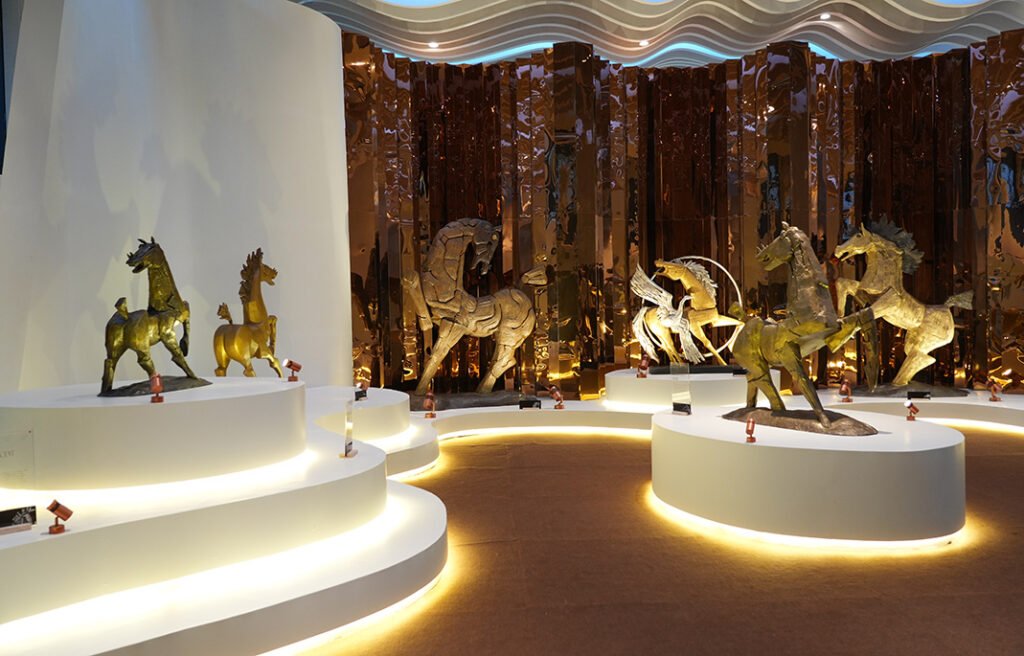
The Husain Experience, showcased by AstaGuru

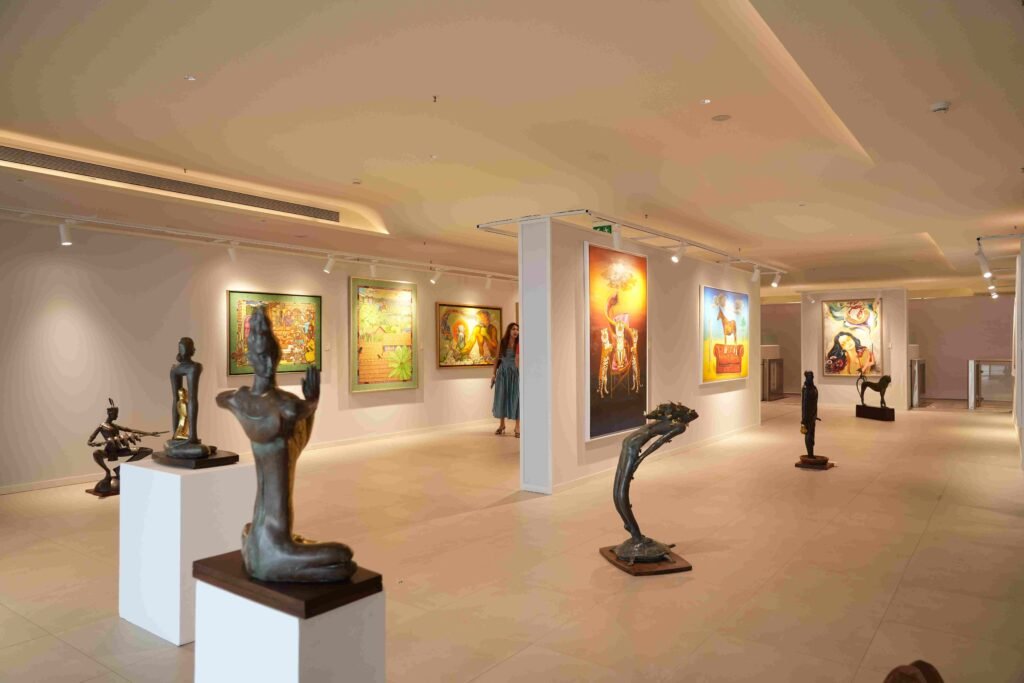
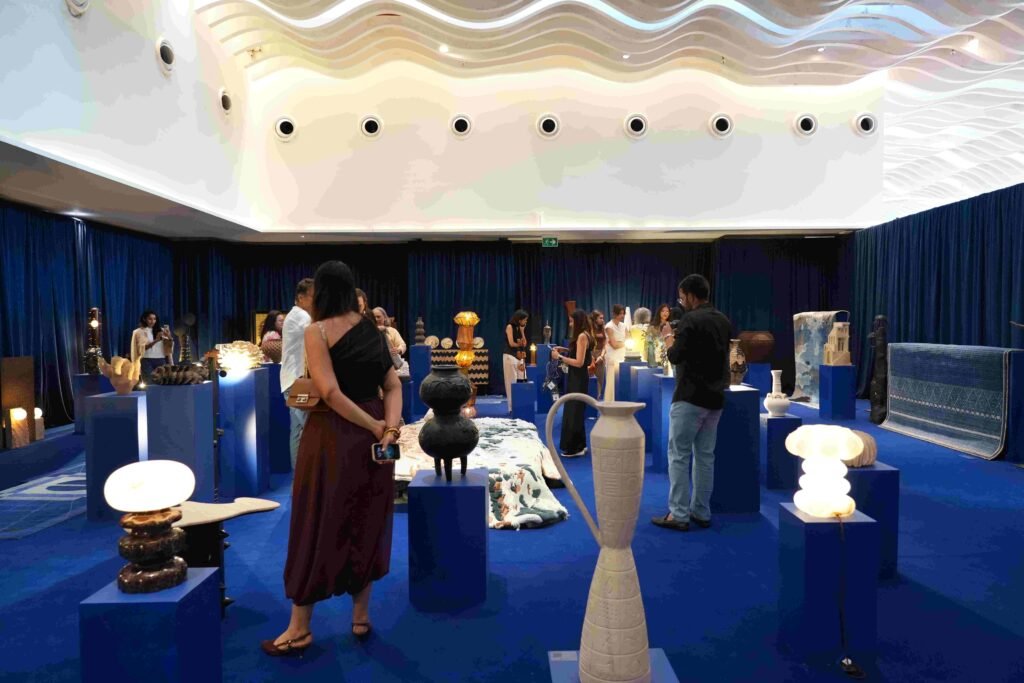
The inaugural edition of The Collectors’ Cove 2026 marked a defining moment for India’s luxury collecting ecosystem. Presented by Giftex.in, in association with HSBC, the invitation-only event brought together collectors, patrons, and connoisseurs for a curated celebration of exceptional craftsmanship, rare objects and cultural heritage. More than an exhibition, it offered an immersive experience that reflected the evolving tastes of India’s discerning luxury audience.

Held on August 1 and 2 at Mumbai’s Ballard Pier Downtown Experience Centre, the event transformed over 80,000 square feet of waterfront space into an experiential destination inspired by the journey of collecting. The venue encouraged visitors to discover art, design and luxury through thoughtfully curated spaces that blended architecture, storytelling and emotion.

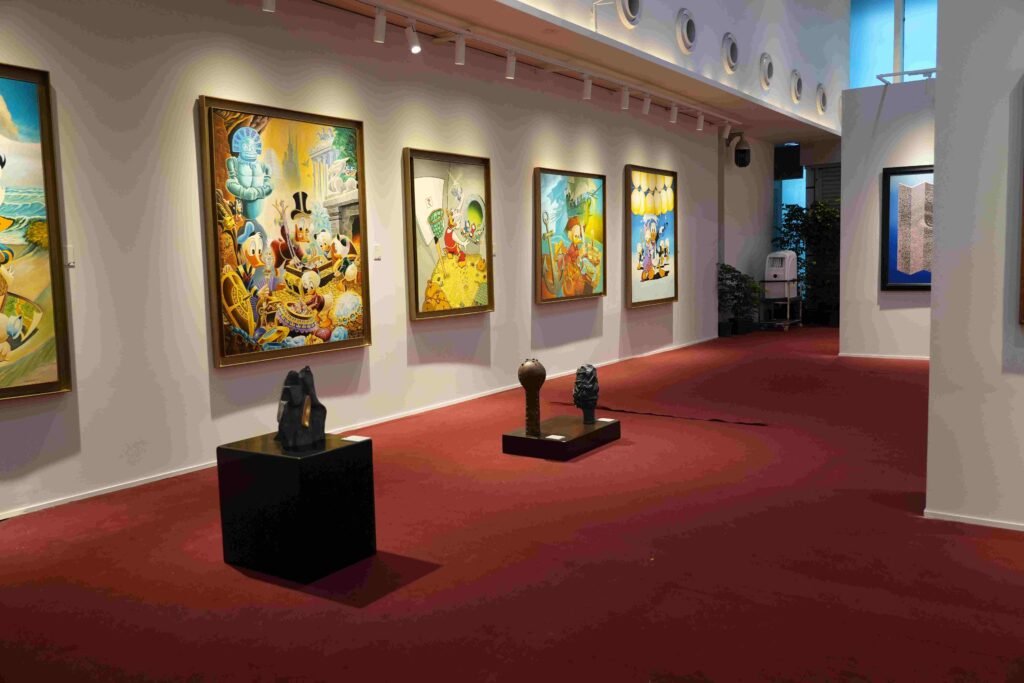
Among the defining highlights was an immersive tribute to M.F. Husain. The multi-sensory installation reimagined the legendary artist’s iconic horse paintings through animated canvases and collectible design pieces, offering visitors a fresh perspective on one of India’s greatest creative visionaries.

Contemporary art at Giftex.in
A focus on decor and interiors

The Collectors’ Cove also brought together an exceptional curation spanning fine art, high jewellery, independent Swiss watchmaking, collectible design and luxury interiors. International maisons, celebrated Indian jewellers and independent watchmakers showcased museum-worthy creations that underscored the importance of rarity, provenance and craftsmanship in today’s luxury landscape.

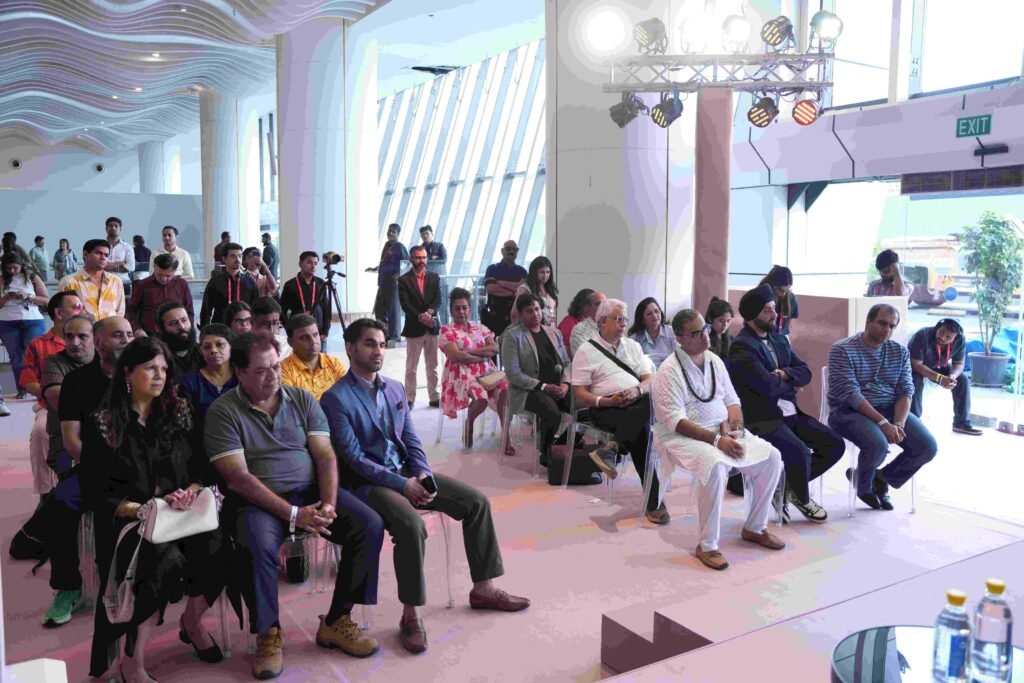
Beyond the remarkable objects on display, the event created opportunities for meaningful engagement through private walkthroughs, collector-led tours, expert advisory sessions, panel discussions, workshops, and curated culinary experiences. These interactions transformed the event into a meeting ground for collectors, designers, entrepreneurs and cultural patrons united by a shared appreciation for exceptional craftsmanship.

The success of The Collectors’ Cove reflected the growing sophistication of India’s luxury collecting landscape. By bringing together art, jewellery, horology and design within a thoughtfully curated cultural platform, it demonstrated that collecting today is as much about experience, community and storytelling as it is about acquiring extraordinary objects.

Modern & Contemporary Art at the Giftex.in gallery
A panel on luxury in progress

Read More

From the changing light to haunting landscapes, explore how Indian artists capture time beyond the clock

'Equus: Husain’s Eternal Horses' offers a closer look at how an image can be reimagined through sculpture, without losing the energy that made it iconic

India's art market has grown nearly 200-fold in 25 years, fuelled by record-breaking auctions and rising collector confidence

From Mughal jewels to ancient sculptures, 'Animalia' explores humanity's enduring fascination with the animal kingdom through rare works from The Al Thani Collection​

While India's iconic Progressives continue to dominate the market, a new wave of artists is rewriting auction records

Art historian, curator, and director of The Al Thani Collection, Dr. Amin Jaffer believes great collections are built on stories that connect cultures across time
Sojourn: A Journey in Colour and Consciousness

Sojourn: A Journey in Colour and Consciousness

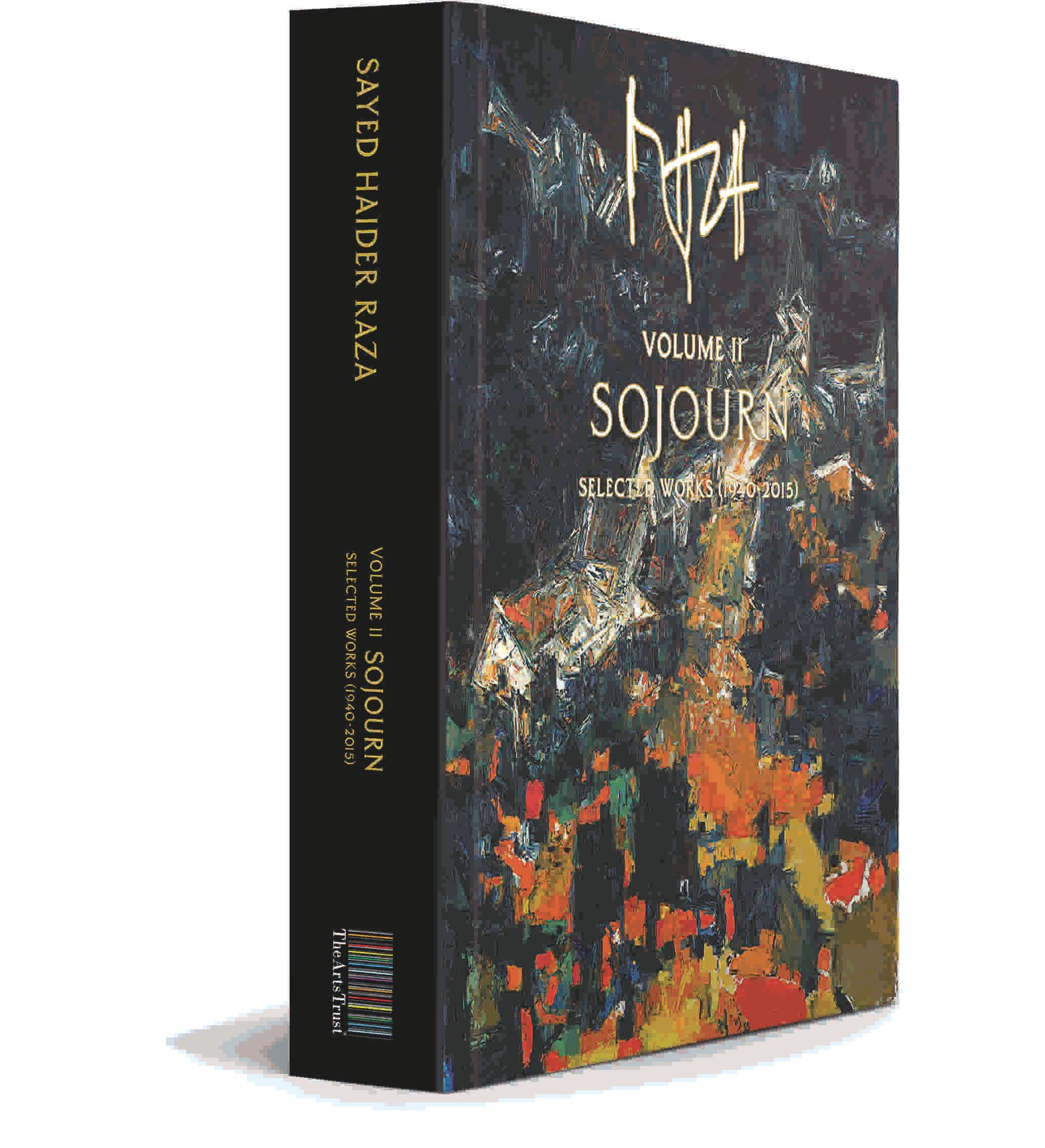
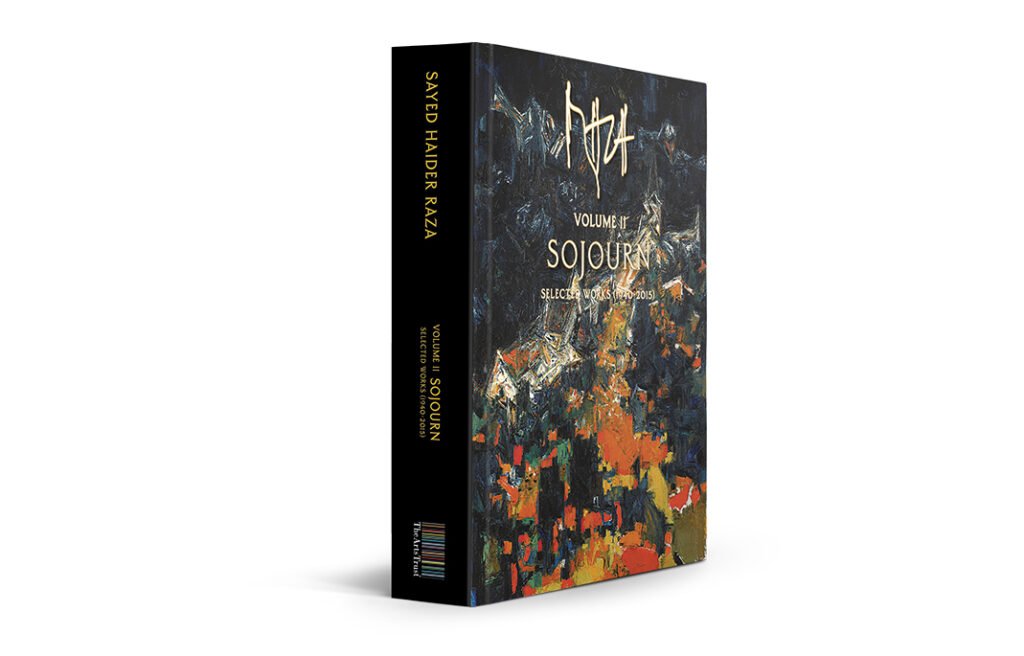
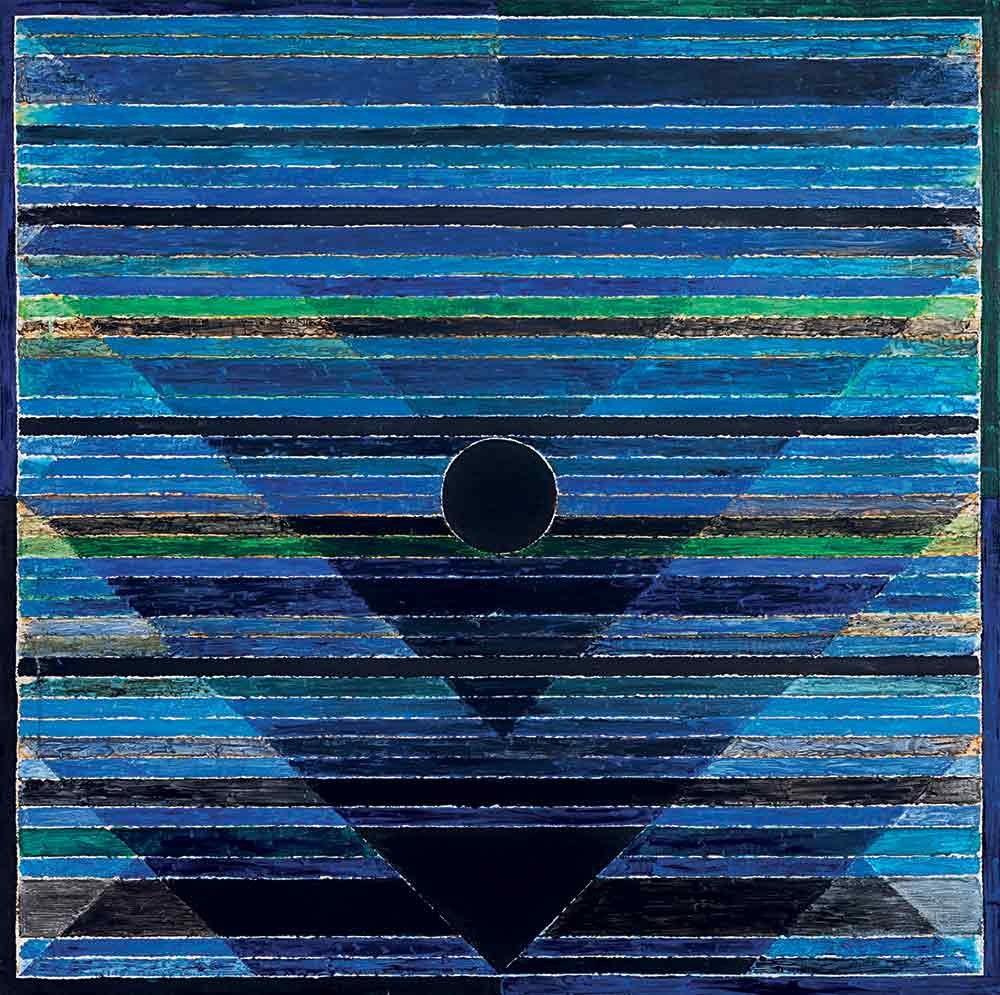
Sojourn: Selected Works (1940–2015) Volume II traces the extraordinary artistic evolution of Modern Master S.H. Raza

Sayed Haider Raza never painted landscapes alone, he painted memory, emotion and philosophy. From the forests of Madhya Pradesh to the artistic circles of Paris, every phase of his life found expression on canvas, evolving from lyrical landscapes into the powerful geometric abstractions that redefined Indian Modernism.

His iconic Bindu became far more than a simple dot. It emerged as a symbol of creation, energy and the universe itself, inspired by Indian philosophy and years of introspection. Alongside celebrated works such as Jaipur, Tree and his abstract compositions, volume two of Sojourn: Selected Works (1940–2015) also revisits his early figurative watercolours, expressive townscapes, and the pivotal years that shaped his visual language—from his role as a founding member of the Progressive Artists’ Group to his transformative years in France.

Sojourn: Selected Works (1940–2015) Volume II presents a richly documented journey through Raza’s creative life. Featuring rare archival photographs, personal anecdotes and meticulously catalogued artworks, it offers an in-depth look at one of India’s most influential Modern artists and the ideas that shaped his enduring legacy.

It’s an exploration of an artist’s lifelong search for harmony, balance and spiritual truth—revealing how colour, geometry and memory came together to create one of the most recognisable visual languages in Indian art.

Published by The Arts Trust, in association with AstaGuru.

Read More

From the changing light to haunting landscapes, explore how Indian artists capture time beyond the clock

'Equus: Husain’s Eternal Horses' offers a closer look at how an image can be reimagined through sculpture, without losing the energy that made it iconic

India's art market has grown nearly 200-fold in 25 years, fuelled by record-breaking auctions and rising collector confidence

From Mughal jewels to ancient sculptures, 'Animalia' explores humanity's enduring fascination with the animal kingdom through rare works from The Al Thani Collection​

While India's iconic Progressives continue to dominate the market, a new wave of artists is rewriting auction records

Art historian, curator, and director of The Al Thani Collection, Dr. Amin Jaffer believes great collections are built on stories that connect cultures across time