luxetrope.com

Prashant Tulsyan Believes that True Collectors Should Look for Art that Excites Them

Prashant Tulsyan

Prashant Tulsyan Believes that True Collectors Should Look for Art that Excites Them

He also emphasises that a good work must evoke a strong, lasting feeling

Prashant Tulsyan

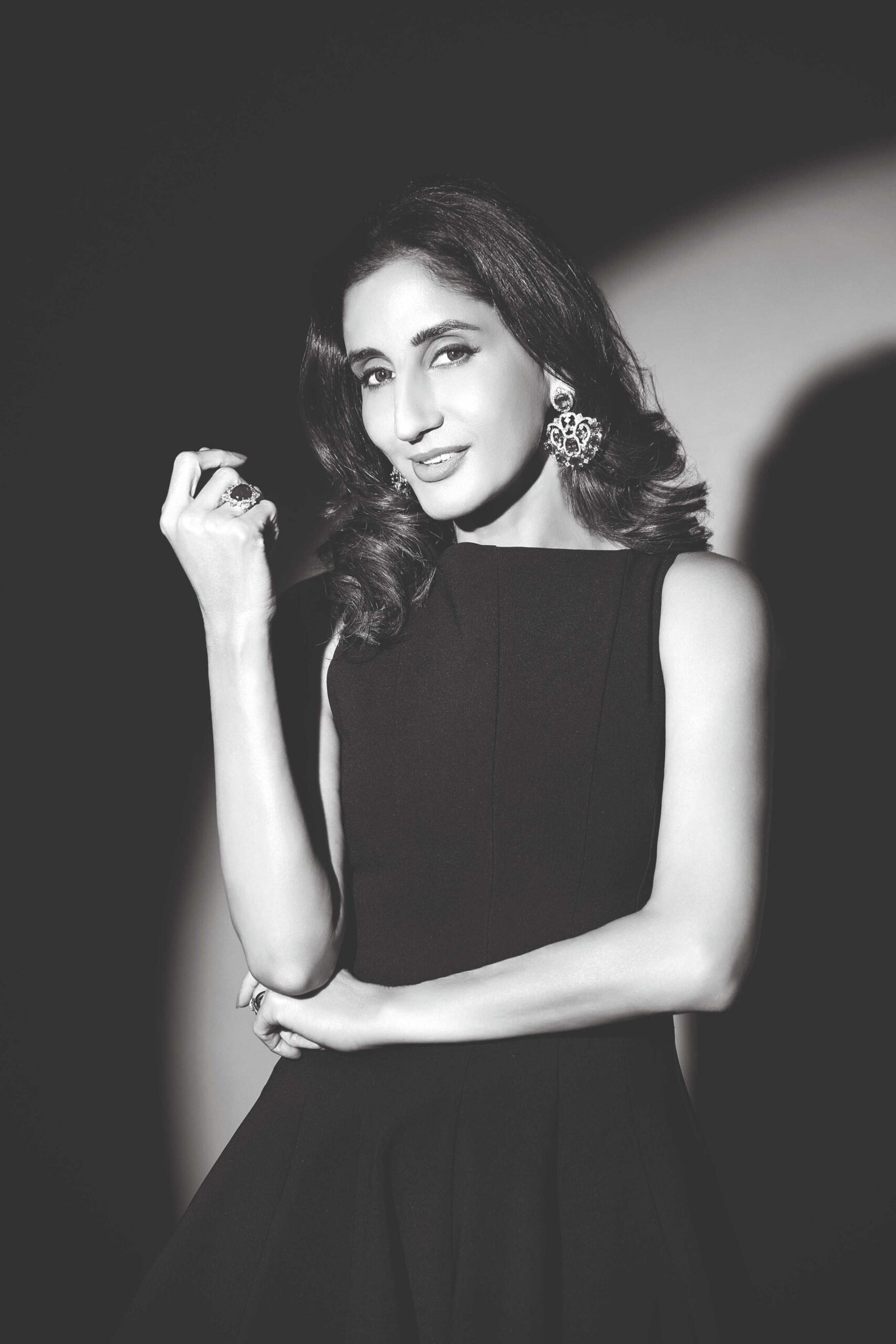
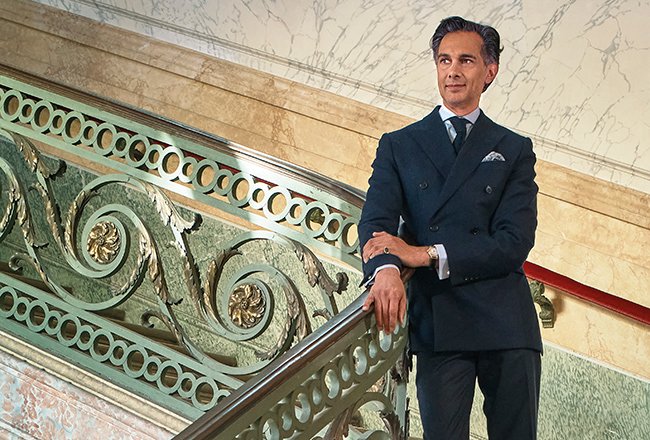
Collecting art is much more than ownership—it’s an intimate pursuit that’s equal parts instinct and knowledge. One collects art  and, often, it ends up owning one, and not the other way around. Living with all that beauty, one can’t help but respond to it. For Prashant Tulsyan, art has always been a relentless chase for enjoyment and passion. Nearly 90 per cent of his buying decisions come from the heart—it’s no wonder that he encourages new collectors to trust their emotional response to an artwork first.

For him, the thrill of acquiring an artwork is hard-wired and he admits that his one regret in the earlier years of collecting was not looking beyond Bengali artists. “My biggest mistake was not buying art from outside Bengal,” he says, adding, “But one should not just dwell on the mistakes; one should also consider all the correct decisions one has made.”

While his art education made him lean more towards Bengal art, he emphasises the importance of appreciating other art movements and forms as well.

Cherished artists, acquisitions and acquaintances
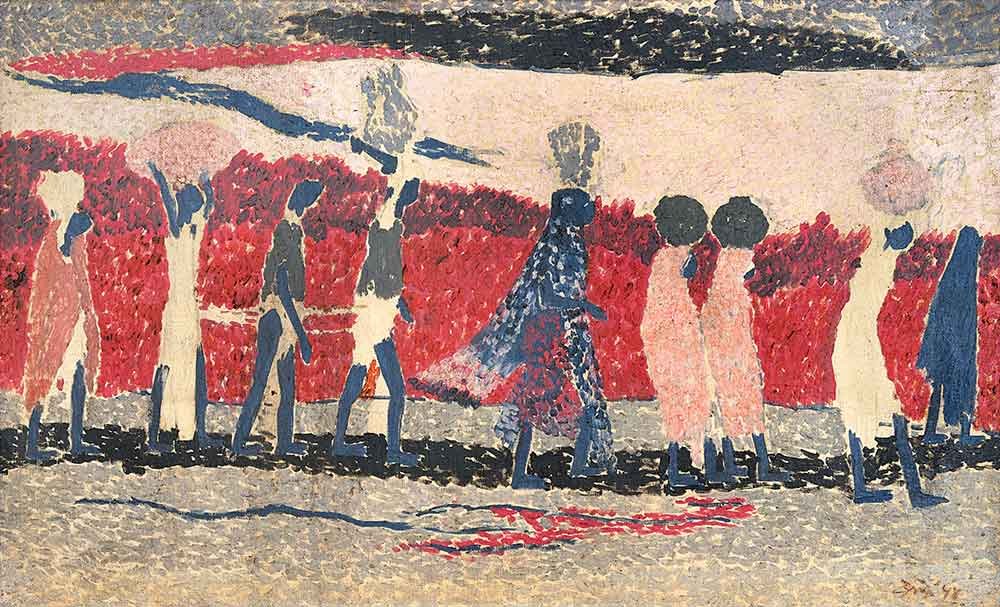
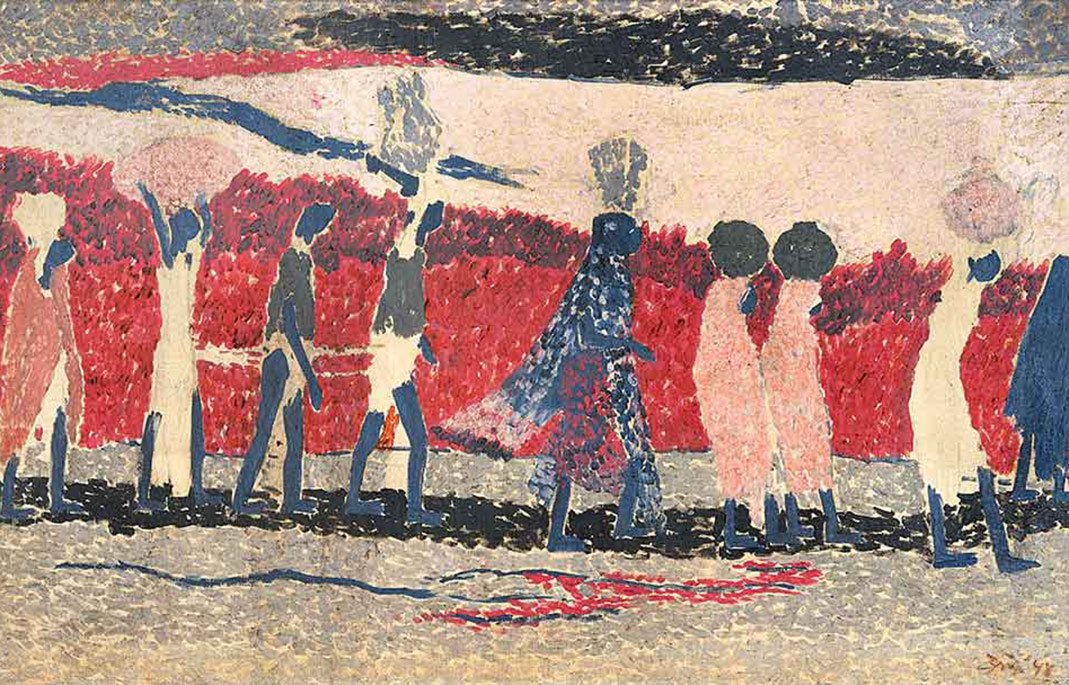
Some of Tulsyan’s most valued artworks have been challenging acquisitions—especially those held within old families’ collections. Among his longest acquisitions were a rare Hemendranath Mazumdar figurative and a large Jamini Roy work that he eventually acquired after agreeing to a very high price. For Tulsyan, however, artists such as Raja Ravi Varma, Hemen, Amrita Sher-Gil and Nicholas Roerich are, quite simply, gods—artists who transcend borders and time.

Read the full story in the premiere issue of LuxeTrope, on stands now.
Read More

Prashant Tulsyan

He also emphasises that a good work must evoke a strong, lasting feeling

As wealth preferences evolve, HNIs are increasingly turning to art and alternative collectibles

Himmat Shah’s work combines material sensitivity, quiet force and enduring collector appeal

The collector and space designer talks about her collecting philosophy

A steady rise in turnover over five years underscores sustained demand and strong collector confidence

Giftex.in’s Modern & Contemporary Art Auction delivered strong results; here are the top lots that surpassed estimates

What HNIs Are Buying in the New Art Economy

What HNIs Are Buying in the New Art Economy

As wealth preferences evolve, HNIs are increasingly turning to art and alternative collectibles

High-net-worth individuals are widening their view of collectability, with art emerging as one of the most compelling alternative assets in their portfolios. Paintings continue to dominate demand, but interest is also rising across sculptures, paper works, installations, textile art, prints and digital art, reflecting a more experimental and globally informed collector base. The range of buying now reflects not just taste, but a more nuanced understanding of value.

What is especially notable is that today’s HNIs are not buying art only for appreciation in the visual sense. They are also responding to provenance, rarity, artist recognition and market transparency. Online auction platforms and a growing ecosystem of private museums have made collecting more accessible, helping younger buyers enter the market with greater confidence.

Modern Masters still command the strongest attention, with names such as M.F. Husain, Raja Ravi Varma, Amrita Sher-Gil, Tyeb Mehta, F.N. Souza and S.H. Raza continuing to shape market benchmarks. Yet the current wave of buying is not confined to canonical paintings alone. Sculptures, installations and textile-based works are finding traction among collectors who want pieces with material presence and contemporary relevance.

Offbeat categories are also gaining ground. Paper works offer a more accessible entry point for first-time collectors, while large-scale sculptures and culturally significant archives are increasingly viewed as legacy assets. For many HNIs, the appeal lies in building a collection that reflects personal taste as much as financial foresight.

Across this shifting landscape, art is being positioned less as a speculative purchase and more as a durable store of value. In that sense, what HNIs are buying today is not just art, but identity, legacy and cultural capital.

Read the full story in the premiere issue of LuxeTrope, on stands now.
Read More

Prashant Tulsyan

He also emphasises that a good work must evoke a strong, lasting feeling

As wealth preferences evolve, HNIs are increasingly turning to art and alternative collectibles

Himmat Shah’s work combines material sensitivity, quiet force and enduring collector appeal

The collector and space designer talks about her collecting philosophy

A steady rise in turnover over five years underscores sustained demand and strong collector confidence

Giftex.in’s Modern & Contemporary Art Auction delivered strong results; here are the top lots that surpassed estimates

Himmat Shah’s Auction Highlights: Top 5 Lots Between 2021-25

Himmat Shah’s Auction Highlights: Top 5 Lots Between 2021-25

Himmat Shah’s work combines material sensitivity, quiet force and enduring collector appeal

UNTITLED (CHRIST) (ED: 2-5) | Sold for ₹1,01,67,601 ($115,540)

Himmat Shah’s market has continued to gather strength through a body of work that balances material experimentation with sculptural restraint. His five highest-selling lots between 2021 and 2025 show just how strongly collectors respond to that language.

Leading the list is Untitled (Christ) (Ed: 2-5), which sold for ₹1,01,67,601 ($115,540). As his top-performing auction lot, it captures the appeal of Shah’s ability to distil presence into a pared-down sculptural vocabulary.

MAN FROM MOON | Sold for ₹79,99,653 ($90,905)

In second place is Man from Moon, which realised ₹79,99,653 ($90,905). One of his most recognisable works, it exemplifies the elemental quality that runs through his practice and continues to draw strong collector interest.

UNTITLED | Sold for ₹71,87,100 ($81,671)

The third-highest result is an Untitled work that sold for ₹71,87,100 ($81,671), followed by another Untitled sculpture at ₹65,38,605 ($74,302). Completing the top five is Tirthankar, which fetched ₹60,02,277 ($68,207). Together, these results reveal a consistent preference for Shah’s bronzes and sculptural forms, especially those that balance abstraction with an unmistakably human presence.

UNTITLED | Sold for ₹65,38,605 ($74,302)

What is notable across these top lots is their coherence. Each work reflects Shah’s commitment to quiet monumentality, whether through archetypal heads, torso-like forms or figures that appear suspended between abstraction and recognition. The market response suggests that collectors value not just the objects themselves, but the atmosphere they hold.

These results also underline Shah’s growing stature in the auction market. His top five lots are supported by a wider pattern of demand, with more than 74 works sold in the last two years alone and a 2025 turnover of ₹8.18 crore ($929,545). For a sculptor whose practice has long privileged patience over spectacle, the market’s response is strikingly consistent.

TIRTHANKAR | Sold for ₹60,02,277 ($68,207)

Read the full story in the premiere issue of LuxeTrope, on stands now.
Read More

Prashant Tulsyan

He also emphasises that a good work must evoke a strong, lasting feeling

As wealth preferences evolve, HNIs are increasingly turning to art and alternative collectibles

Himmat Shah’s work combines material sensitivity, quiet force and enduring collector appeal

The collector and space designer talks about her collecting philosophy

A steady rise in turnover over five years underscores sustained demand and strong collector confidence

Giftex.in’s Modern & Contemporary Art Auction delivered strong results; here are the top lots that surpassed estimates

In Minor Keys: Venice Biennale 2026 Focuses on Reflection and Restoration

In Minor Keys: Venice Biennale 2026 Focuses on Reflection and Restoration

This year’s exhibition celebrates tender undertones and slow, reflective artistry

Image: Courtesy of La Biennale di Venezia/(@jacopo_salvi)

Every two years, Venice transforms into the beating heart of the global art world. This May, the 61st International Art Exhibition opened its doors under the title In Minor Keys, a phrase borrowed from music, where minor keys carry notes of melancholy but also of hope, resilience, and quiet joy. Spread across the Giardini, the Arsenale, and historic venues throughout the city, the show runs through November 22 and is already being spoken of as one of the most significant editions in recent memory.

At the heart of it all is a story of loss. The exhibition was shaped by Koyo Kouoh, the Cameroonian-Swiss curator who became the first African woman appointed to lead the Biennale, before passing away unexpectedly in May 2025. Her team carried her vision forward with care, assembling a show that spans over 110 artists and 100 national pavilions. Seven countries, among them Qatar, Vietnam, and Somalia are participating for the very first time.

Image: Courtesy of La Biennale di Venezia/(@jacopo_salvi)

India returns to Venice this year after a seven-year absence, and its pavilion has been one of the most warmly received of the edition. Titled Geographies of Distance: Remembering Home, the show brings together five contemporary Indian artists, Alwar Balasubramaniam, Ranjani Shettar, Sumakshi Singh, Skarma Sonam Tashi, and Asim Waqif working with materials rooted in Indian tradition, including thread, bamboo, clay, and papier-mâché, to ask what home means in a world of constant change. Curated by Amin Jaffer and backed by India’s Ministry of Culture in partnership with the Nita Mukesh Ambani Cultural Centre, it is India’s first return to the Biennale since 2019.

Equally unmissable is veteran Indian artist Nalini Malani’s Of Woman Born, an official Collateral Event presented by the Kiran Nadar Museum of Art at the historic Magazzini del Sale. The installation transforms the 15th-century salt warehouse into an immersive animation chamber,  projecting over 33,000 hand-drawn images across nine channels onto crumbling brick walls, drawing on Greek mythology to ask urgent questions about war, justice, and the women history leaves behind.

Once inside, the art demands full attention, from Florentina Holzinger’s visceral Seaworld Venice at the Austrian Pavilion, to Wangechi Mutu’s monumental sculpture rising from the Giardini ground. With over half a million visitors expected before November, In Minor Keys is shaping up to be one of the most unforgettable Biennales in living memory.

Read More

Prashant Tulsyan

He also emphasises that a good work must evoke a strong, lasting feeling

As wealth preferences evolve, HNIs are increasingly turning to art and alternative collectibles

Himmat Shah’s work combines material sensitivity, quiet force and enduring collector appeal

The collector and space designer talks about her collecting philosophy

A steady rise in turnover over five years underscores sustained demand and strong collector confidence

Giftex.in’s Modern & Contemporary Art Auction delivered strong results; here are the top lots that surpassed estimates

The Fine Art Of Timing It Right

The Fine Art Of Timing It Right

Collector, connoisseur, and patron, Manoj Israni has curated his extensive art collection with genuine passion

Manoj Israni

A man who willingly trades in a Mercedes for an artwork is, without question, a true connoisseur. For Manoj Israni, who’s intensely passionate about art and determined to line the walls of his home with masterpieces, a luxury car seemed like a small price to pay. Having redefined ‘luxury living’ as surrounding himself with art and beloved companions—specifically his dogs, Edward and Oliver— Israni seeks to highlight how a creative outlook to life can be the foundation of creating a priceless collection.

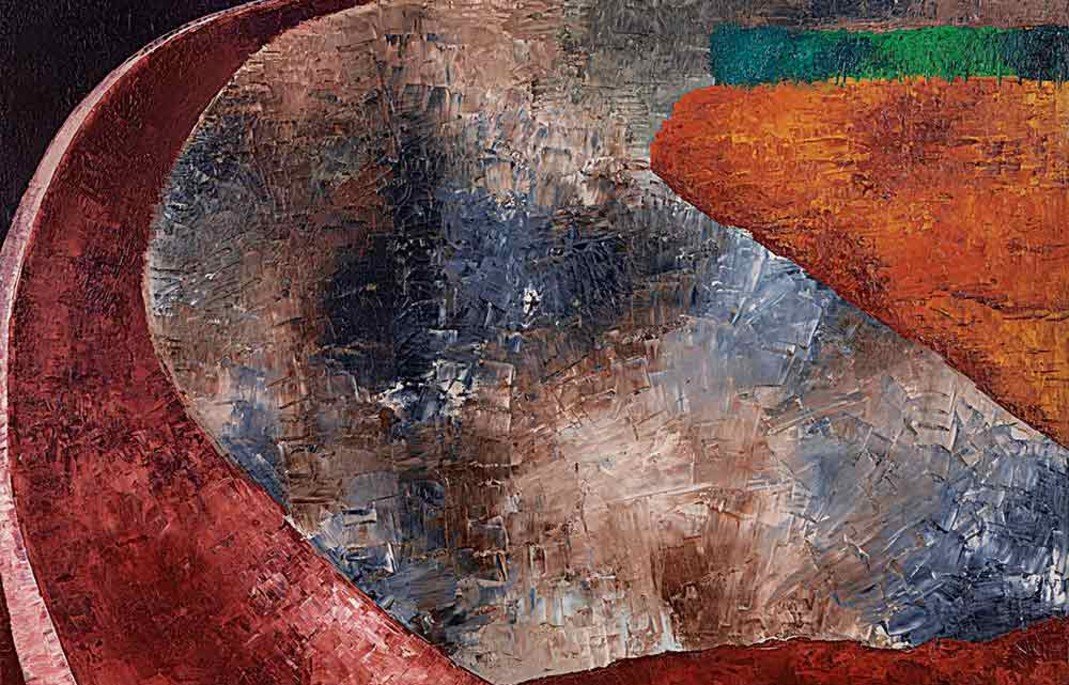
While Israni is a renowned collector today, his entry into the world of art was quite fortuitous. “Art is something that came out of the blue. I run a pharma company,” he says, adding that he was raised in an environment where art and creativity were valued. But his interest in collecting was sparked by a simple need: furnishing his new home. Driven by a desire to recreate the atmosphere of his childhood home—headlined by a massive M.F. Husain painting placed front and centre—he began a hunt for his own masterpieces. “I bought a smaller Husain painting because I didn’t have enough space for a big one. Three months later, the person I bought it from asked me if I wanted to sell it back. I agreed and she gave me nine times the price for it, which I thought was interesting,” he recalls.

Israni feels that you need a do-your-own-research approach to collecting. He says he’s read almost every book on Indian art and this knowledge makes the process of acquiring art exciting, not challenging. “Collecting art is something that grew on me. I was always clear about what I wanted to buy and when. I don’t buy art from dealers or artists, I prefer auctions,” he says.

With a rise in disposable income and an expanding collector base in India, there has been a surge in buying art mainly as a form of investment. And that, Israni says, is a dangerous road to take. “You must like art first. I wouldn’t take the route of buying art solely as an investment. I do consign works to auction but that’s only because I want to upgrade,” he says, adding that he also doesn’t know anyone who buys art merely for its financial potential. “It’s like buying a diamond set for investment purposes. You don’t have a clue about diamonds; you don’t know where you’re putting your money. I know people who want to keep their art for generations and those who buy it as an investment, but they also know about art.”

Read the full story in the premiere issue of LuxeTrope, on stands now.
Read More

Prashant Tulsyan

He also emphasises that a good work must evoke a strong, lasting feeling

As wealth preferences evolve, HNIs are increasingly turning to art and alternative collectibles

Himmat Shah’s work combines material sensitivity, quiet force and enduring collector appeal

The collector and space designer talks about her collecting philosophy

A steady rise in turnover over five years underscores sustained demand and strong collector confidence

Giftex.in’s Modern & Contemporary Art Auction delivered strong results; here are the top lots that surpassed estimates

Kavita Singh Shares Her Essentials of Building an Elegant Art Collection

Kavita Singh Shares Her Essentials of Building an Elegant Art Collection

The space designer talks about her collecting philosophy

Kavita Singh

Anyone who knows of Kavita Singh knows she is all about elegance and confidence. A veteran designer, passionate art collector, and former model, Singh’s eye for style is unmatched. When it comes down to it, she believes that a house without art has no soul. “Without art, it’s just empty rooms,” she says, adding, “Art becomes part of the overall vibe, so it’s very much an essential aspect of decorating a home.”

Does her personal sense of style—layered and nuanced—influence the kind of art she acquires? It’s a 50:50. Mostly, she acquires what she likes. She says, “I just have an eye for it, but that’s something that I’ve picked up over the years. It’s not consciously done, just something that comes to me.”

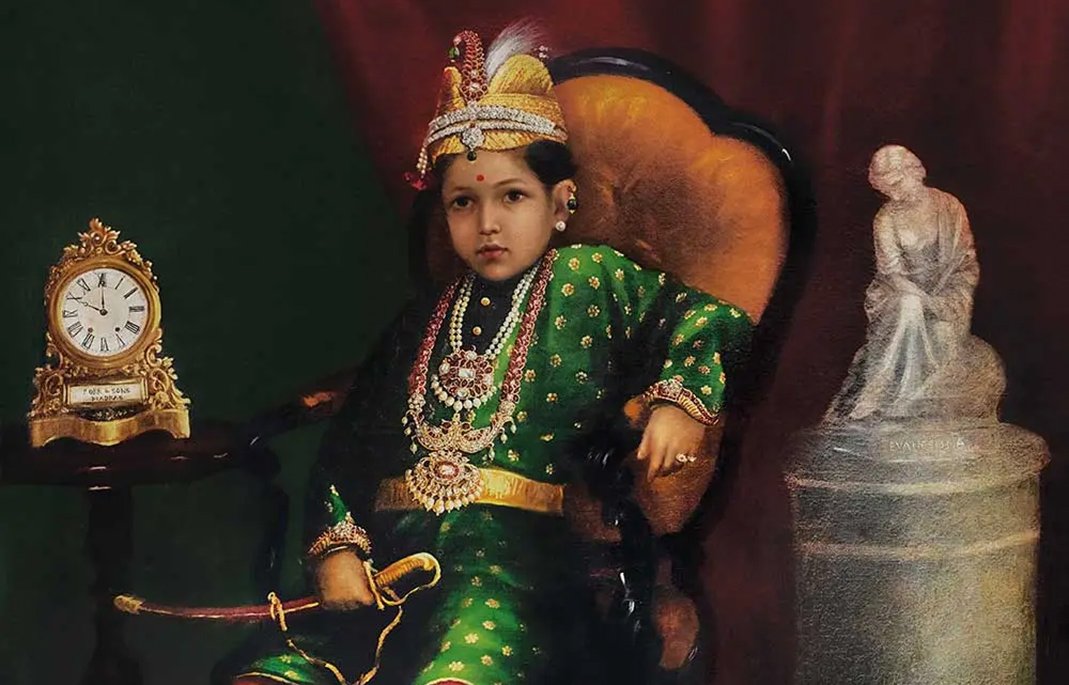
Singh is of the belief that in any house, or on anybody for that matter, a colour should not scream—everything should be in harmony. “Everything that you see in my house just blends into each other,” she says. Of the artists that she holds dear in her celebrated collection, Raja Ravi Varma has had the strongest impact on her. “I love Ravi Varma’s works because I like the detailing, and how emotions show through his subject’s eyes. You can see every little detail in a Ravi Varma artwork—you see the nails, the hair—it’s very minutely done. That is what I always marvel at, how this artist could have done all this, and how real the artworks seem.”

Whether it’s high jewellery or paintings, objects with a hefty price tag are rarely just expenses; they are assets that tend to appreciate over time. Does Singh ever think about an artist’s or artwork’s investment potential?

Read the full story in the premiere issue of LuxeTrope, on stands now.
Read More

Prashant Tulsyan

He also emphasises that a good work must evoke a strong, lasting feeling

As wealth preferences evolve, HNIs are increasingly turning to art and alternative collectibles

Himmat Shah’s work combines material sensitivity, quiet force and enduring collector appeal

The collector and space designer talks about her collecting philosophy

A steady rise in turnover over five years underscores sustained demand and strong collector confidence

Giftex.in’s Modern & Contemporary Art Auction delivered strong results; here are the top lots that surpassed estimates

Art As The Ultimate Alternative Asset

Art As The Ultimate Alternative Asset

As younger investors up the game by diversifying their asset portfolios, the fine art and luxury collectibles market is emerging as a major choice

Art as an asset

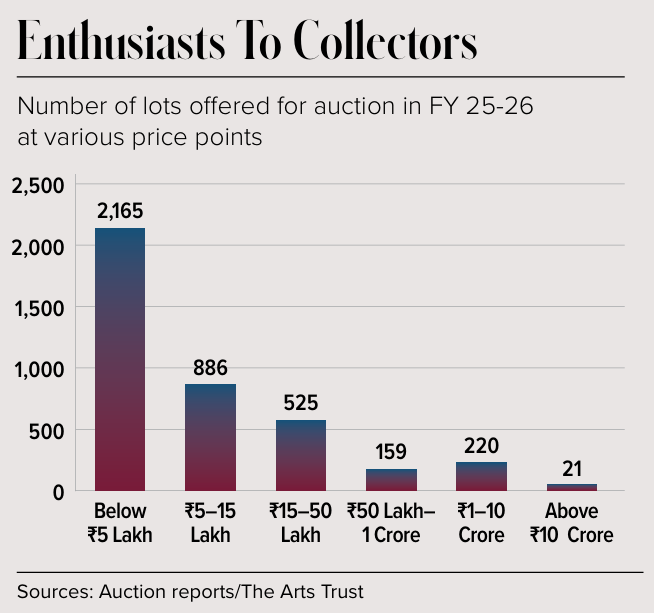
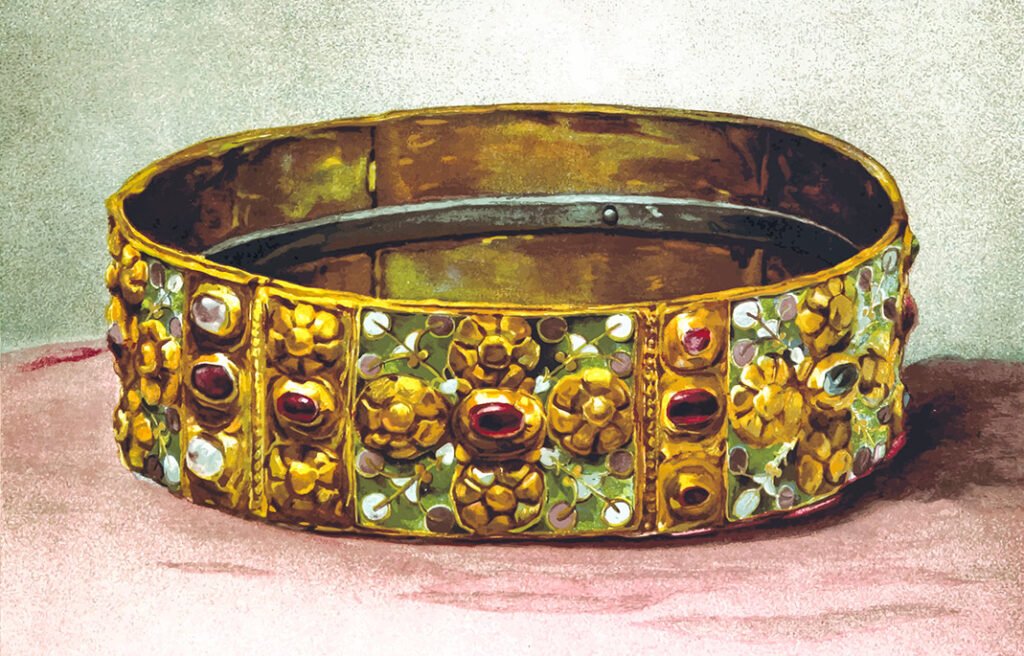
There’s a quiet but impactful revolution in the world of wealth—new and seasoned investors in India are including fine art and collectibles such as rare books, watches, silverware, antiquities, jewellery, and limited-edition prints in their portfolios. While the most significant share for auctions worldwide still constitutes paintings, many in the business are realising the potential of including a diverse range of collectibles within the fold.

A SILENT DIVERSIFICATION
In 2025, fine art performed at a high level, achieving many records, most notably for the Progressive Artists’ Group. According to the Deloitte-ArtTactic 2025 report, luxury collectibles is one of the fastest-growing segments in the auction world. It’s growing by 2 to 6 per cent year-on-year. Another 2025 report by Art Basel and UBS highlighted the same, and most auction houses are seeing a growth of 20 to 25 per cent in the category.

RETHINK THE ‘HEDGE’
Analysts and experts agree that art can be seen as an ‘inflation hedge’, as works of art appreciate in value over time, getting recognised not only for the financial value but also for the artist’s provenance, the rarity of the work, the emotional resonance of the artwork, and the artist’s journey, among other aspects. That said, there’s no denying that art continues to attract attention—in India, textile art, for instance, is gaining prominence among collectors, as is tribal art.

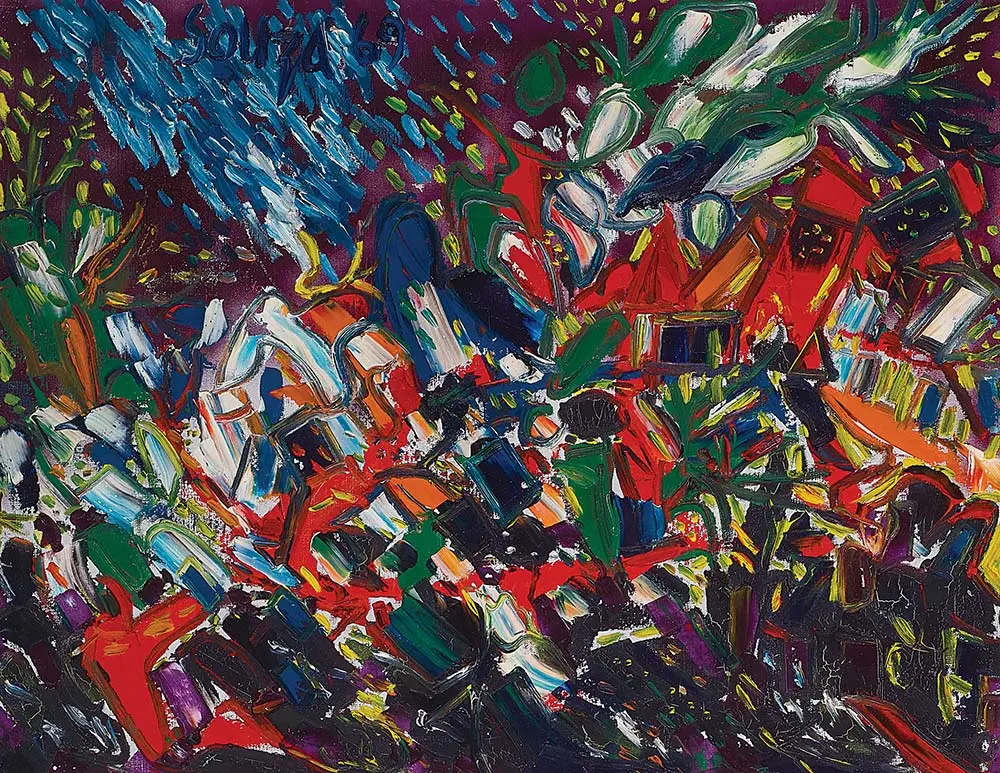
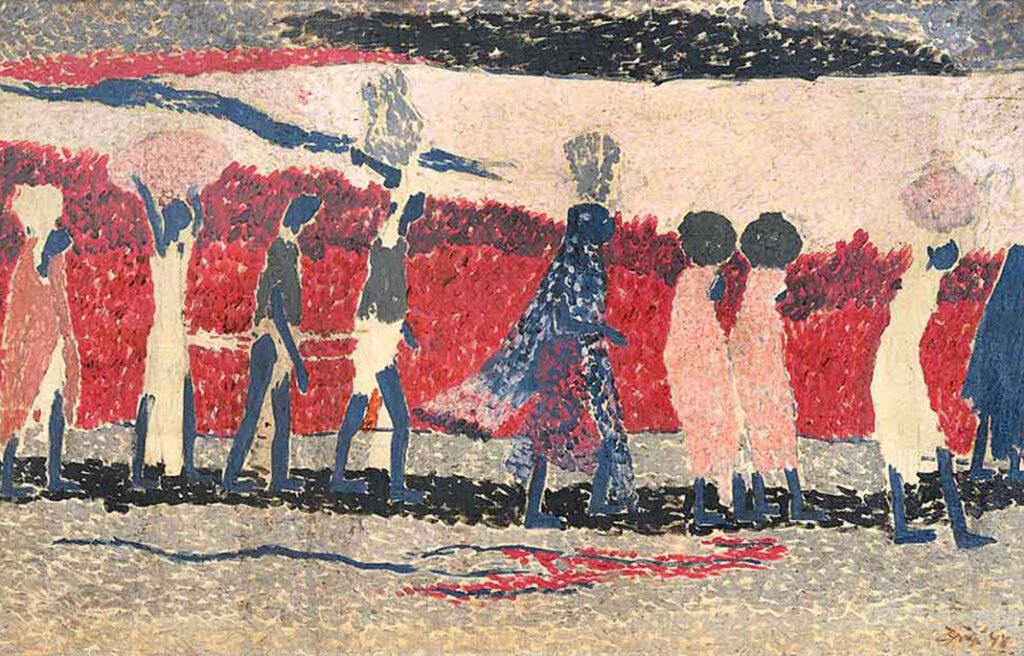
Art is also an asset class given that many are passing on their prized collections within the family to future generations. To illustrate: the college-going daughter of a celebrity recently got an F.N. Souza paperwork from the 1960s as a birthday gift from her father, in a bid to start building a collection. Ditto for an earlier auction where a phone bidder bought Gogi Saroj Pal’s 1980s work to gift it to his mother on her birthday.

Read the full story in the premiere issue of LuxeTrope, on stands now.
Read More

Prashant Tulsyan

He also emphasises that a good work must evoke a strong, lasting feeling

As wealth preferences evolve, HNIs are increasingly turning to art and alternative collectibles

Himmat Shah’s work combines material sensitivity, quiet force and enduring collector appeal

The collector and space designer talks about her collecting philosophy

A steady rise in turnover over five years underscores sustained demand and strong collector confidence

Giftex.in’s Modern & Contemporary Art Auction delivered strong results; here are the top lots that surpassed estimates

S.H. Raza’s Market Momentum: 567 Lots Sold in 5 Years

S.H. Raza’s Market Momentum: 567 Lots Sold in 5 Years

From 87 lots in 2021 to 105 in 2025, Raza’s market shows consistent volume growth

JAGRAT | 58.5 x 58.5 in | Acrylic on canvas | 2004 | Sold in 2023 by AstaGuru for ₹6,83,60,669 ($776,825)

S.H. Raza’s auction market thrives on volume as much as value, with a steady stream of works finding buyers year after year. Between 2021 and 2025, a total of 567 lots were sold, reflecting broad accessibility and reliable demand across his diverse output.

The annual numbers tell a story of consistency with upward momentum: 87 lots in 2021, 93 in 2022, peaking at 136 in 2023, rising to 146 in 2024, and settling to 105 in 2025. This flow keeps his market active, drawing collectors at every level.

Raza lots sold graph

Price-point data over the full period highlights the spread. A total of 204 lots sold for up to ₹10 lakh, 178 between ₹10 lakh and ₹50 lakh, 56 from ₹50 lakh to ₹1 crore, and 120 in the ₹1 crore to ₹10 crore range. Notably, nine lots exceeded ₹10 crore, adding firepower to the top end.

Raza’s range—from drawings and paper works to major canvases—fuels this volume, making his market welcoming for new and established collectors alike. The consistent lot movement underscores his blue-chip reliability.

Read the full story in the premiere issue of LuxeTrope, on stands now.
Read More

Prashant Tulsyan

He also emphasises that a good work must evoke a strong, lasting feeling

As wealth preferences evolve, HNIs are increasingly turning to art and alternative collectibles

Himmat Shah’s work combines material sensitivity, quiet force and enduring collector appeal

The collector and space designer talks about her collecting philosophy

A steady rise in turnover over five years underscores sustained demand and strong collector confidence

Giftex.in’s Modern & Contemporary Art Auction delivered strong results; here are the top lots that surpassed estimates

A Round-Up of Giftex.in’s Modern & Contemporary Art Auction

A Round-Up of Giftex.in’s Modern & Contemporary Art Auction

Giftex.in’s Modern & Contemporary Art Auction delivered strong results; here are the top lots that surpassed estimates

A. A. RAIBA | Untitled | 22 x 32 in | Oil on canvas | 1998 | Sold by Giftex.in for ₹57,63,317

The top lots from Giftex’s Modern and Contemporary Art Auction (26–27 April 2026) collectively underscored a market that is not only buoyant but also evolving in sophistication and depth. Exceptional results for artists such as Jitish Kallat, Sakti Burman, Badri Narayan, A. A. Raiba, Arpana Caur, K. Laxma Goud, T. Vaikuntam, G. R. Iranna, and Krishen Khanna reveal a clear pattern of works dramatically exceeding estimates, in some cases by several multiples. 

JITISH KALLAT | Island Worship | 59.5 x 82.5 in | Mixed media on canvas | 1999 | Sold by Giftex.in for ₹67,21,573

For instance, Kallat’s Island Worship achieved over ₹67 lakh, significantly surpassing its estimate of ₹20 lakh, while Burman’s Untitled (Divine Delights) realised ₹30.93 lakh, nearly ten times its higher estimate. Badri Narayan’s still life crossed ₹40 lakh, and A. A. Raiba’s 1998 work soared past expectations to achieve over ₹57 lakh, each result reinforcing strong demand. Similarly, works by Krishen Khanna, including a female nude paper work that reached ₹61 lakh, demonstrate how even departures from his iconic Bandwalla imagery can command competitive bidding. Including both the estimates and final realised prices in such cases clearly illustrates the widening gap between expectation and outcome, highlighting an increasingly confident and competitive collector base.

KRISHEN KHANNA | Untitled | 29.5 x 21.5 in | Conte on paper | Circa 1990 | Sold by Giftex.in for ₹61,26,037

Equally significant is what these sales reveal about evolving collector priorities. There is a marked preference for works that engage with layered narratives, whether rooted in mythology, memory, or socio-political realities. Kallat’s meditation on the pressures of urban life, Burman’s poetic, myth-inflected imagery, and Caur’s reinterpretation of folk narratives all point to a renewed interest in storytelling as a critical driver of value. At the same time, quieter genres such as still life and landscape, as seen in Narayan and Raiba, are being re-evaluated through the lens of symbolism and rarity, while artists like Iranna bring existential and corporeal tensions to the fore. 

BADRI NARAYAN | Untitled | 35 x 45 in | Watercolour on paper | Sold by Giftex.in for ₹40,73,681

The strong performance of Krishen Khanna beyond his signature Bandwalla imagery further suggests that the market is expanding its understanding of artistic identity, rewarding diversity within an artist’s practice. Collectively, these results signal a maturing ecosystem, one that values conceptual depth, narrative richness, and distinctive visual languages, driving a sustained and high-value growth trajectory in the Indian art market.

T VAIKUNTAM | Untitled | 25 x 16 x 24 in | Patinated bronze | Sold by Giftex.in for ₹37,94,153

Read More

Prashant Tulsyan

He also emphasises that a good work must evoke a strong, lasting feeling

As wealth preferences evolve, HNIs are increasingly turning to art and alternative collectibles

Himmat Shah’s work combines material sensitivity, quiet force and enduring collector appeal

The collector and space designer talks about her collecting philosophy

A steady rise in turnover over five years underscores sustained demand and strong collector confidence

Giftex.in’s Modern & Contemporary Art Auction delivered strong results; here are the top lots that surpassed estimates

How M.F. Husain Personifies the Pinnacle of Modern Indian Art

How M.F. Husain Personifies the Pinnacle of Modern Indian Art

In a global art economy increasingly driven by narratives and numbers, Husain remains one of India’s most bankable names

VOICES | 53 x 226 in | Oil on canvas | 1958 | Sold in 2020 by AstaGuru for ₹18,47,47,500 ($2,099,403)

Legendary cultural icon M.F. Husain occupies a singular position in the realm of Indian art. In fact, if one observes closely, few artists across the world have left a legacy as complex and resilient as Husain. Even in terms of the market, his presence has not only endured but has significantly intensified, revealing how cultural capital, controversy and craftsmanship converge in the business of art.

Husain’s market performance over the last few years has been nothing short of emphatic, and the numbers speak for themselves, reflecting consistent and significant growth. For instance, the revenue generated from his works in the last five years has continually risen. The annual turnover at auction, which stood at ₹73.75 crore ($8.38 million) in 2021, grew to an astounding ₹412.28 crore ($46.85 million) in 2025. What makes this more interesting is that the number of lots offered did not see such a drastic change, remaining around 150 and 200 each year. Moreover, between 2021 and 2025, 209 works were sold in the ₹1 to ₹10 crore price bracket, while six lots breached the ₹10 crore ($1.14 million) mark.

What is striking is not just the scale of the numbers, but their trajectory. An analysis of the last two years perfectly illustrates how much the market for Husain is thriving. In 2024, the sale of 209 works generated a total turnover of ₹170.51 crore ($19.38 million). The most expensive work sold that year was Untitled (Reincarnation), which was sold for $3.22 million (₹28.3 crore) at auction. These results positioned Husain in the second spot in the list of Indian Modernists in terms of turnover in 2024. Within the span of merely a year, the total turnover more than doubled to ₹412.28 crore ($46.85 million), pushing him to the top of the chart.

Read the full story in the premiere issue of LuxeTrope, on stands now.

Read More

Prashant Tulsyan

He also emphasises that a good work must evoke a strong, lasting feeling

As wealth preferences evolve, HNIs are increasingly turning to art and alternative collectibles

Himmat Shah’s work combines material sensitivity, quiet force and enduring collector appeal

The collector and space designer talks about her collecting philosophy

A steady rise in turnover over five years underscores sustained demand and strong collector confidence

Giftex.in’s Modern & Contemporary Art Auction delivered strong results; here are the top lots that surpassed estimates