luxetrope.com

How India’s Wealth Base is Expanding

How India’s Wealth Base is Expanding

The impact of wealth creation is becoming increasingly visible in the art market

India’s luxury and art markets are benefiting from a rapid rise in wealth creation. The country now has 191 billionaires, compared with just seven in 2019. Moreover, 26 new billionaires emerged in 2024 alone. At the same time, India’s high-net-worth individual (HNWI) population grew by 6 per cent to 85,698 and is expected to approach 94,000 within the next three years.

This trend is significant because HNWIs are the primary consumers of luxury goods and experiences. Their spending drives demand for art, watches, jewellery, premium real estate and bespoke services. In India, HNWIs are defined as individuals with assets exceeding $10 million, or roughly ₹88 crore.

Several factors are contributing to this growth. Entrepreneurial activity remains strong, global integration continues to expand, and new industries are creating fresh opportunities for wealth generation. Importantly, many of India’s newest millionaires are first-generation entrepreneurs from tier-2 and tier-3 cities rather than traditional metropolitan centres.

As a result, the impact of wealth creation is becoming increasingly visible in the art market. In 2024, sales by the country’s Top 50 artists reached ₹301 crore, representing a 19 per cent increase from 2023. Meanwhile, the cumulative value of the Top 50 artworks climbed to ₹252.61 crore, up from ₹82.57 crore in 2021. This threefold increase highlights the growing depth and maturity of the market.

The rising value of leading artists further reflects this momentum. The entry threshold for the Top 25 artists increased from ₹35 lakh in 2021 to ₹1.9 crore in 2024. Similarly, the threshold for the Top 10 artists rose from ₹1.99 crore to ₹7.70 crore during the same period.

Beyond art, this expanding wealth base is reshaping luxury consumption across categories. Today’s affluent buyers are more informed, more experience-driven and increasingly willing to collect across multiple luxury segments. They are not only purchasing products, but also investing in culture, heritage, and long-term value.

Consequently, India’s luxury economy is evolving. What was once a market dominated by a small elite is becoming broader and more confident. As disposable incomes rise and more entrepreneurs climb the wealth ladder, a new generation of collectors is helping define the future of luxury in India.

Read the full story in the premiere issue of LuxeTrope, on stands now.

Read More

From Jangarh Singh Shyam to Lado Bai, once-overlooked voices now thrive in museums and auctions.

As wealth preferences evolve, HNIs are increasingly turning to art and alternative collectibles

Himmat Shah’s work combines material sensitivity, quiet force and enduring collector appeal

A mix of legacy, transparency and new collector behaviour is driving the art market’s expansion

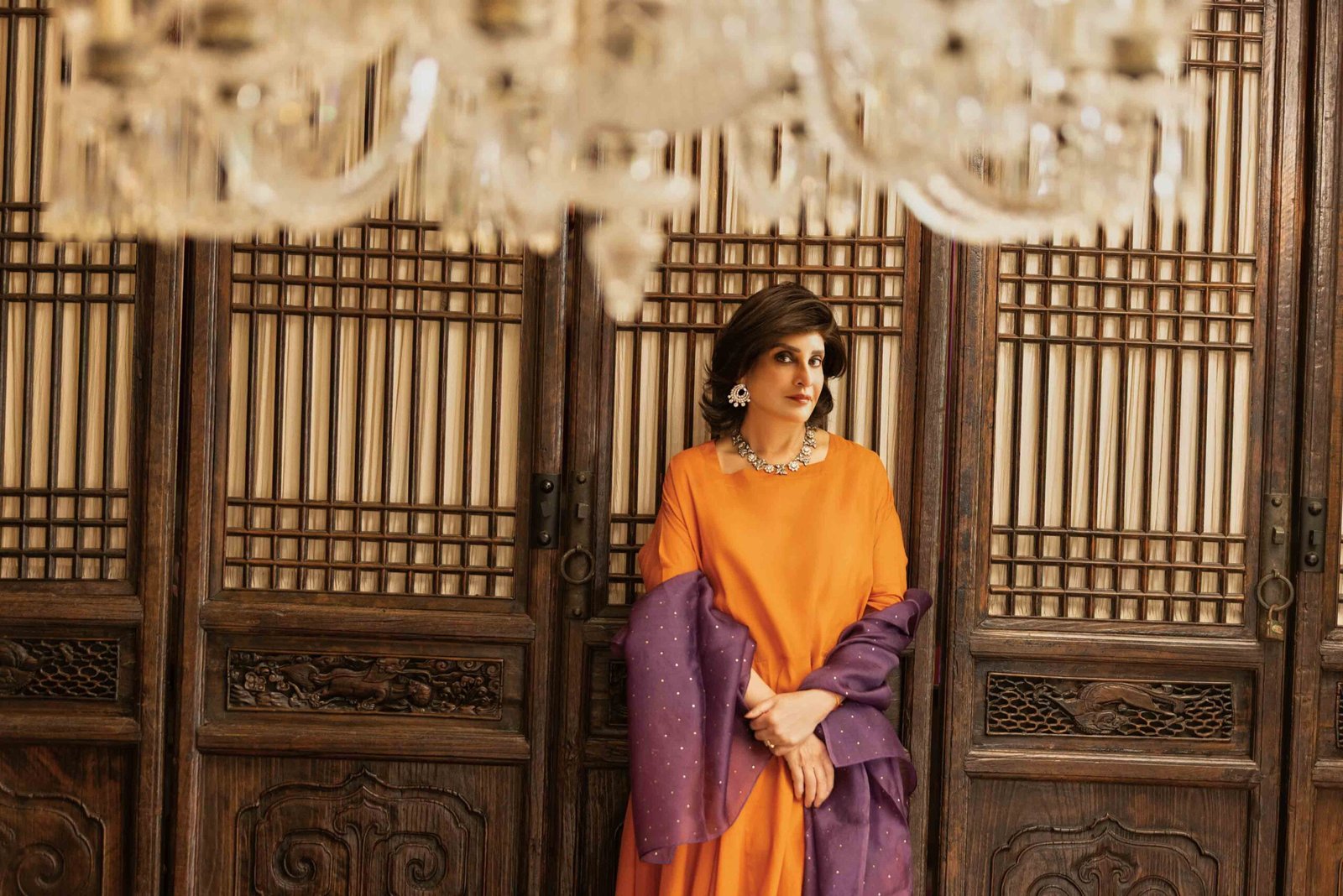
The collector and space designer talks about her collecting philosophy

A steady rise in turnover over five years underscores sustained demand and strong collector confidence

How Tom Vattakuzhy Shapes the Poetics of Contemporary Indian Painting

How Tom Vattakuzhy Shapes the Poetics of Contemporary Indian Painting

In an art world often drawn to spectacle, Vattakuzhy stands apart for the quiet intensity of his vision

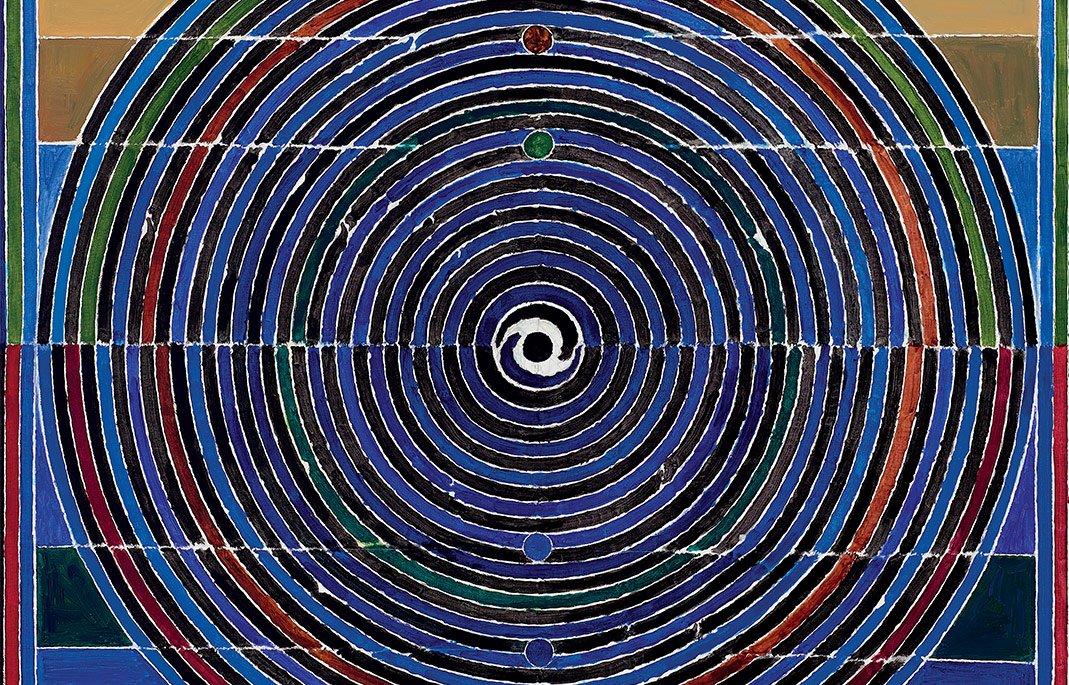
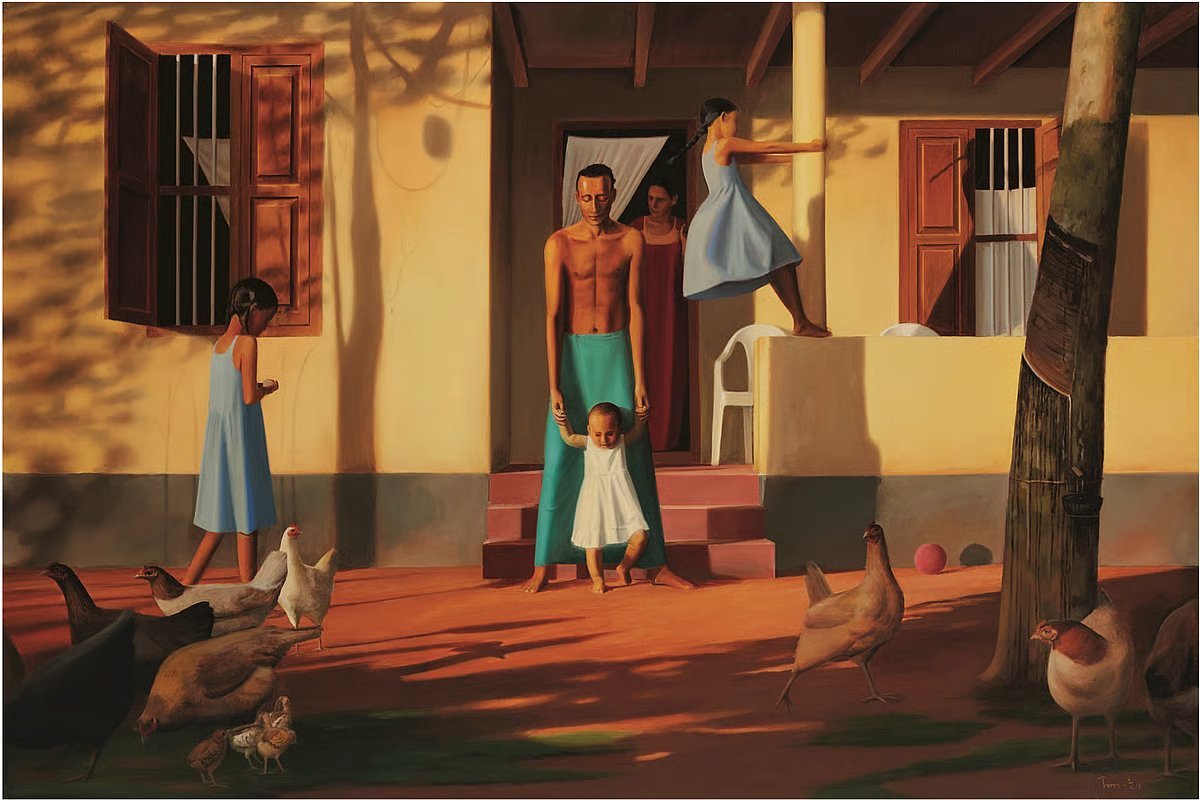
LESSONS OF LIFE-5 | 72 x 108 in | Oil on canvas | 2024

Tom Vattakuzhy occupies a distinctive place in Contemporary Indian art, one defined by restraint, observation and psychological nuance. Trained at Kala Bhavana, Santiniketan, and later at the Faculty of Fine Arts, M.S. University, Baroda, he developed a practice shaped as much by literature and lived experience as by formal painting traditions. Over time, this sensibility has given rise to a body of work that feels intimate, humane and deeply rooted in Kerala’s social and emotional landscape.

His early years as an illustrator for Malayalam publications such as Mathrubhumi and Bhashaposhini were formative, sharpening a visual language that would later evolve into what he calls “story paintings.” In his mature works, realism becomes a language of subtlety. Domestic interiors, verandas, courtyards and thresholds recur as settings where inner life quietly surfaces. Figures are often shown in suspended moments, animated by light, gesture and the delicate interplay of presence and absence.

The emotional strength of his work lies in its ability to find significance in ordinary moments. Children, animals and small details of domestic life often act as anchors of vitality, grounding the paintings in lived experience rather than abstraction.

Projects such as The Shadows of Absence and his inclusion in Edam at the 6th Kochi-Muziris Biennale have further affirmed his growing institutional relevance. While still absent from auction, Vattakuzhy’s work continues to attract collectors drawn to its restraint, emotional intelligence and enduring visual force.

Read the full story in the premiere issue of LuxeTrope, on stands now.

Read More

From Jangarh Singh Shyam to Lado Bai, once-overlooked voices now thrive in museums and auctions.

As wealth preferences evolve, HNIs are increasingly turning to art and alternative collectibles

Himmat Shah’s work combines material sensitivity, quiet force and enduring collector appeal

A mix of legacy, transparency and new collector behaviour is driving the art market’s expansion

The collector and space designer talks about her collecting philosophy

A steady rise in turnover over five years underscores sustained demand and strong collector confidence

The Global Art Market in 2025

The Global Art Market in 2025

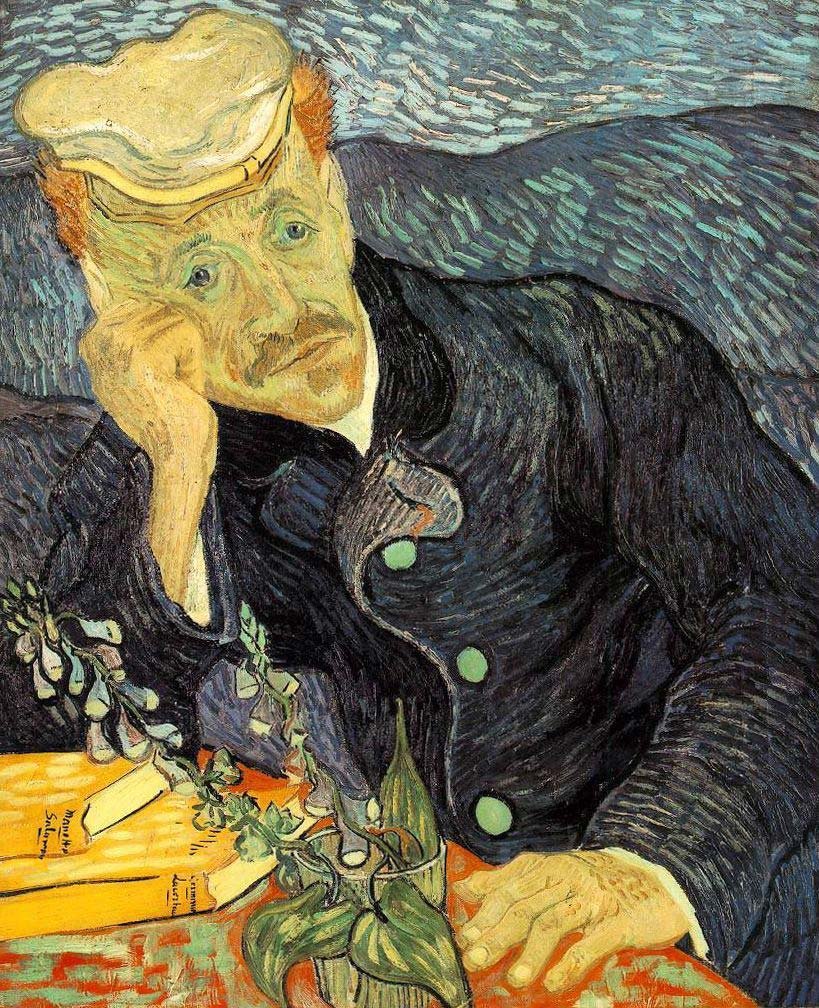
The landscape continues to spotlight a mix of historic Masters and Contemporary icons. In 2025, the world saw a new approach and an upward trajectory that beat expectations. In 2026, will the buoyancy sustain?

VINCENT VAN GOGH | Portrait of Dr. Gachet | 23.4 in x 22 in | Oil on canvas | 1890 Sold for $82.5 million (₹726 crore)

In November 2024, a crypto billionaire named Justin Sun paid $6.2 million (₹54.56 crore) for Maurizio Cattelan’s provocative work—a duct-taped banana—titled Comedian. A few days later, Sun famously ate the banana in front of the media. While the world debated the absurdity of it all, experts and specialists saw a much deeper narrative at play, the intersection of traditional art, internet memes, and the rising influence of digital native wealth. According to the Artprice Contemporary Art Market Report 2025, this is the new reality of a “transvertical” market where barriers between mediums, periods, and even asset classes are rapidly dissolving. In fact, many are calling it “a new reality.”

In 2025, the global art world navigated—and continues to—what is described as a “transforming market” rather than a “shrinking” one. The overarching data from the Art Basel & UBS Global Art Market 2026 report and the Deloitte-ArtTactic Art & Finance Report 2025 describes an ecosystem undergoing a profound structural recalibration. While aggregate global sales fell by 12 per cent in 2024 to an estimated $57.5 billion (₹5.06 lakh crore), the underlying frequency of transactions reached a historic peak of 146,000 lots. It seems the global art market is moving away from a top-heavy structure that’s reliant on a few blue-chip trophies to a broader, higher volume-based market where new collectors—loaded with rising wealth—will play a big role.

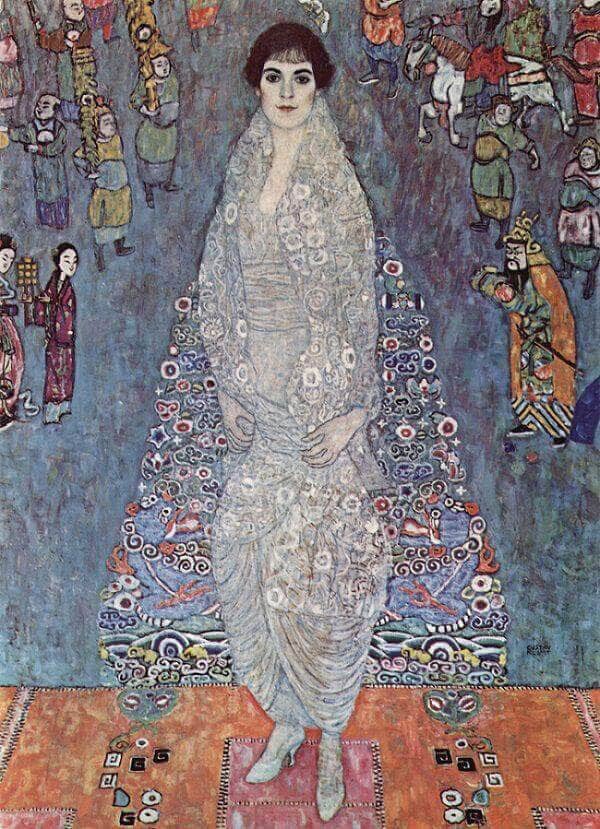
GUSTAV KLIMT | Portrait of Elisabeth Lederer | 71 in x 51.4 in | Oil on canvas | 1914–1916 Sold for $236.4 million (₹2,080.32 crore)

THE TOP SELLERS
A handful of legendary artists continued to dominate the auction market, with collectors still placing big bets on names such as Pablo Picasso, Claude Monet, and Vincent van Gogh, among others. The 2025 auction year was defined by historic sales, with Gustav Klimt emerging as the world’s most valuable artist. Klimt swept the Top Three global spots, led by the $236.4 million (₹2,080.32 crore) sale of Portrait of Elisabeth Lederer—now the most expensive Modern work ever sold. His dominance continued with Blumenwiese (Blooming Meadow) at $86 million (₹756.8 crore) and Waldabhang bei Unterach am Attersee at $68.3 million (₹601.04 crore). Vincent van Gogh followed closely, with his 1887 still life Piles de Romans Parisiens et Roses dans une Verre fetching $62.7 million (₹551.76 crore).

Read the full story in the premiere issue of LuxeTrope, on stands now.

Read More

From Jangarh Singh Shyam to Lado Bai, once-overlooked voices now thrive in museums and auctions.

As wealth preferences evolve, HNIs are increasingly turning to art and alternative collectibles

Himmat Shah’s work combines material sensitivity, quiet force and enduring collector appeal

A mix of legacy, transparency and new collector behaviour is driving the art market’s expansion

The collector and space designer talks about her collecting philosophy

A steady rise in turnover over five years underscores sustained demand and strong collector confidence

Top 50 Artists Generate Over ₹2,226 Crore

Power Players: Top 50 Artists Generate Over ₹2,226 Crore

A total of 1,881 lots sold at auction mark a robust 2025 for Indian art’s elite

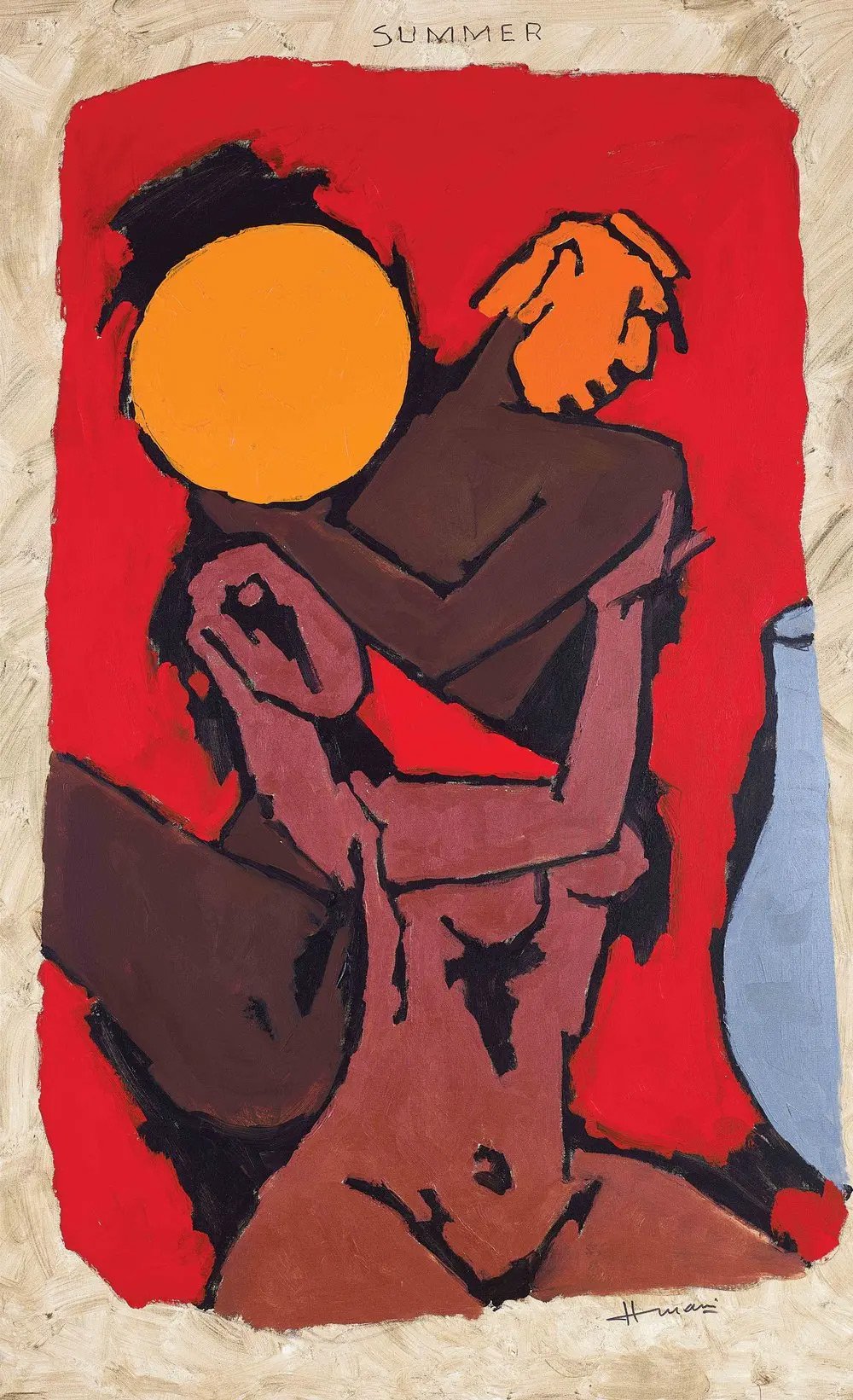
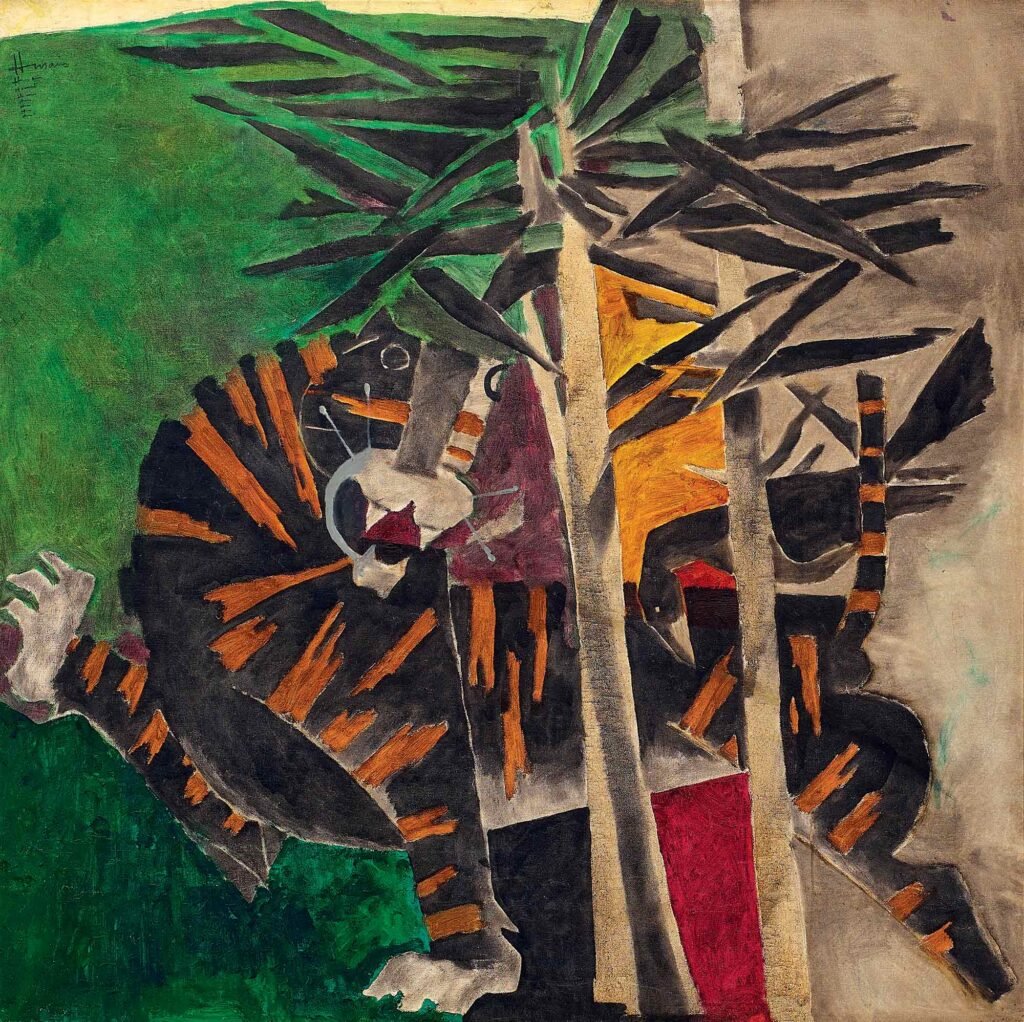
M.F. HUSAIN | Summer | 61 x 38 in | Acrylic on canvas | Sold in 2024 by AstaGuru for ₹2,33,23,113 ($265,035)

In a rising market, the Top 50 Indian artists generated a total turnover of ₹2,226.8 crore at auction in 2025, re-staking their claim toward the $1 billion mark. They sold 1,881 total lots, achieving an average price of ₹1.18 crore per work.

Topping the leaderboard was M.F. Husain at ₹465.8 crore, followed by Tyeb Mehta at ₹305.4 crore, F.N. Souza at ₹268.1 crore, S.H. Raza at ₹142.1 crore, and V.S. Gaitonde at ₹110.1 crore. The Top 3 alone accounted for ₹1,039.3 crore.

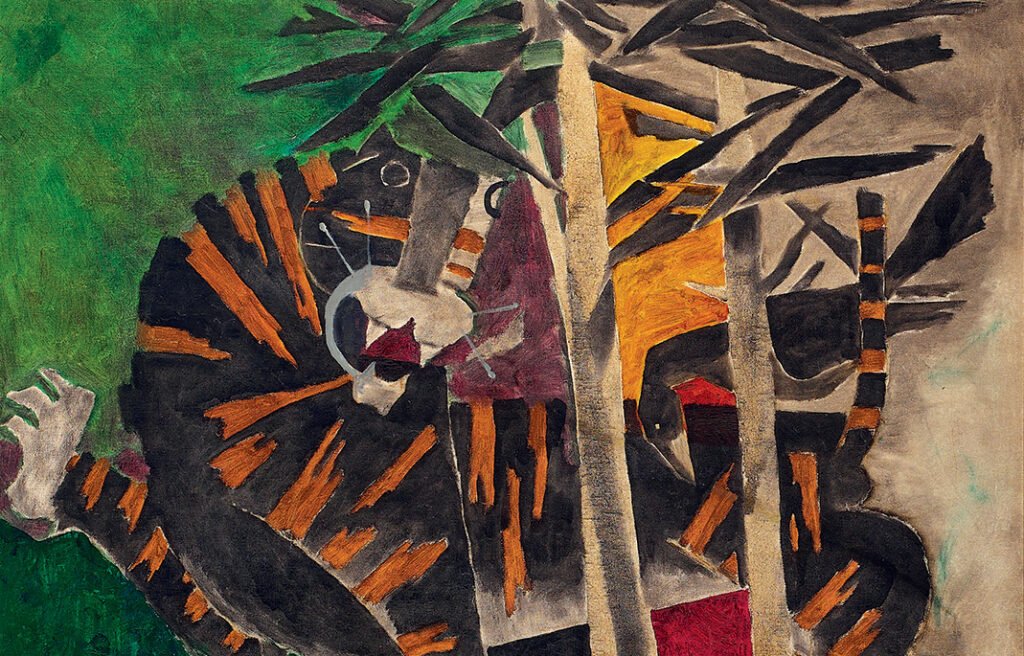
Further down, Jehangir Sabavala reached ₹92.3 crore, J. Swaminathan ₹85.2 crore, Krishen Khanna ₹59.6 crore, Ram Kumar ₹50.3 crore, and Manjit Bawa ₹49.7 crore. Amrita Sher-Gil hit ₹44.7 crore, Bhupen Khakhar ₹34.3 crore, Akbar Padamsee ₹33.8 crore, Anish Kapoor ₹31.1 crore, and N.S. Bendre ₹31.0 crore.

The list continued with Raja Ravi Varma at ₹23.1 crore, Rabindranath Tagore ₹22.6 crore, Ganesh Pyne ₹19.8 crore, and others like K.H. Ara, Arpita Singh, Thota Vaikuntam, Nalini Malani, Somnath Hore, Jamini Roy, and more down to Subodh Gupta.

This scale signals structural robustness, with Modern art leading despite Contemporary growth.

Read the full story in the premiere issue of LuxeTrope, on stands now.

Read More

From Jangarh Singh Shyam to Lado Bai, once-overlooked voices now thrive in museums and auctions.

As wealth preferences evolve, HNIs are increasingly turning to art and alternative collectibles

Himmat Shah’s work combines material sensitivity, quiet force and enduring collector appeal

A mix of legacy, transparency and new collector behaviour is driving the art market’s expansion

The collector and space designer talks about her collecting philosophy

A steady rise in turnover over five years underscores sustained demand and strong collector confidence

Prashant Tulsyan Believes that True Collectors Should Look for Art that Excites Them

Prashant Tulsyan Believes that True Collectors Should Look for Art that Excites Them

He also emphasises that a good work must evoke a strong, lasting feeling

Prashant Tulsyan

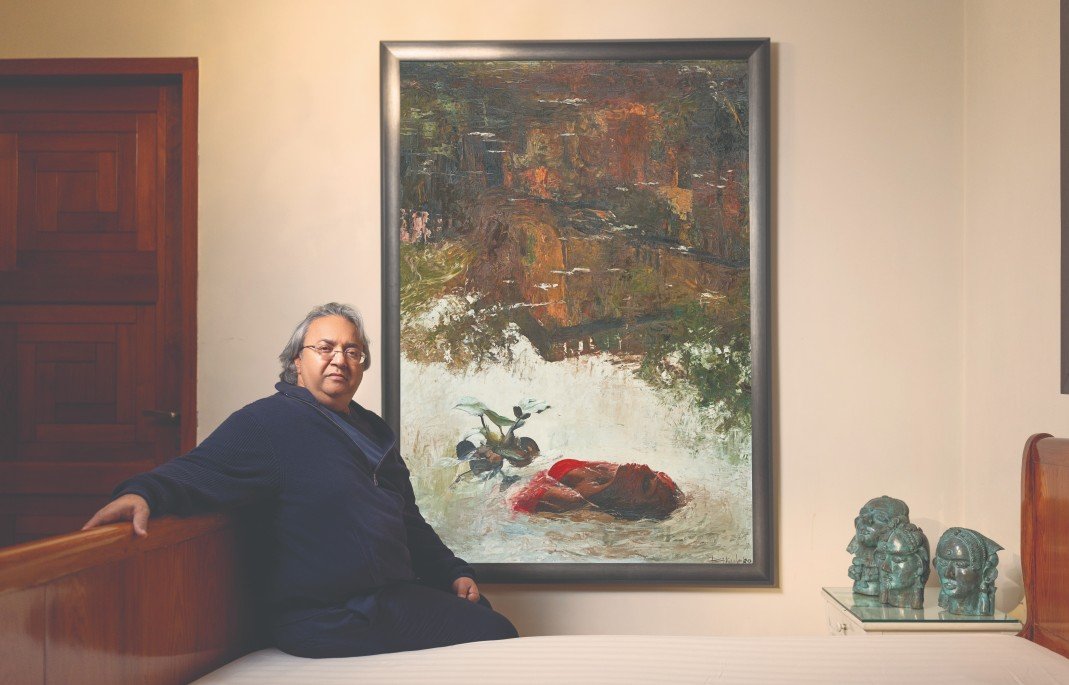
Collecting art is much more than ownership—it’s an intimate pursuit that’s equal parts instinct and knowledge. One collects art  and, often, it ends up owning one, and not the other way around. Living with all that beauty, one can’t help but respond to it. For Prashant Tulsyan, art has always been a relentless chase for enjoyment and passion. Nearly 90 per cent of his buying decisions come from the heart—it’s no wonder that he encourages new collectors to trust their emotional response to an artwork first.

For him, the thrill of acquiring an artwork is hard-wired and he admits that his one regret in the earlier years of collecting was not looking beyond Bengali artists. “My biggest mistake was not buying art from outside Bengal,” he says, adding, “But one should not just dwell on the mistakes; one should also consider all the correct decisions one has made.”

While his art education made him lean more towards Bengal art, he emphasises the importance of appreciating other art movements and forms as well.

Cherished artists, acquisitions and acquaintances
Some of Tulsyan’s most valued artworks have been challenging acquisitions—especially those held within old families’ collections. Among his longest acquisitions were a rare Hemendranath Mazumdar figurative and a large Jamini Roy work that he eventually acquired after agreeing to a very high price. For Tulsyan, however, artists such as Raja Ravi Varma, Hemen, Amrita Sher-Gil and Nicholas Roerich are, quite simply, gods—artists who transcend borders and time.

Read the full story in the premiere issue of LuxeTrope, on stands now.

Read More

From Jangarh Singh Shyam to Lado Bai, once-overlooked voices now thrive in museums and auctions.

As wealth preferences evolve, HNIs are increasingly turning to art and alternative collectibles

Himmat Shah’s work combines material sensitivity, quiet force and enduring collector appeal

A mix of legacy, transparency and new collector behaviour is driving the art market’s expansion

The collector and space designer talks about her collecting philosophy

A steady rise in turnover over five years underscores sustained demand and strong collector confidence

Prashant Tulsyan

How to Sell Art at Auction

How to Sell Art at Auction

A primer for beginners on the art of selling your collection at auction

M.F. HUSAIN | Untitled | 58 x 58 in | Oil on canvas | Sold in 2023 by AstaGuru for ₹5,64,41,933 ($641,385)

Consigning an artwork means giving it to an auction company like AstaGuru to sell on the collector’s behalf. For many collectors and enthusiasts, it is less about financial urgency and more about refining portfolios, collections, and legacies with care.

The process begins with valuation, which determines the right price for a work of art and is often offered as a complementary service by reputed auction houses. Rarity, provenance, and other unique details about the artist or artwork can shape that valuation. Preliminary photographs, along with size, medium, provenance, and dimensions, help assess the prospects of the work.

Auction houses can take two main routes with a consigned piece: they may place it in a public auction or sell it privately. Works valued at a certain threshold may also be exhibited before auction so interested viewers can see them in person. Private sales are handled through trusted advisors, without public auction or exhibition, allowing for bespoke negotiations and greater confidentiality.

The contract is another critical part of the process, covering the reserve price, duration of the deal, marketing responsibilities, and procedures for unforeseen events. It also sets out insurance responsibility, especially important when artworks are physically moved and handled.

Read the full story in the premiere issue of LuxeTrope, on stands now.

Read More

From Jangarh Singh Shyam to Lado Bai, once-overlooked voices now thrive in museums and auctions.

As wealth preferences evolve, HNIs are increasingly turning to art and alternative collectibles

Himmat Shah’s work combines material sensitivity, quiet force and enduring collector appeal

A mix of legacy, transparency and new collector behaviour is driving the art market’s expansion

The collector and space designer talks about her collecting philosophy

A steady rise in turnover over five years underscores sustained demand and strong collector confidence

Top Female Artists and Their Record-Setting Totals at Auction

Top Female Artists and Their Record-Setting Totals at Auction

From folk-inspired aesthetics to meditative abstractions, women artists are claiming elite ranks among collectors

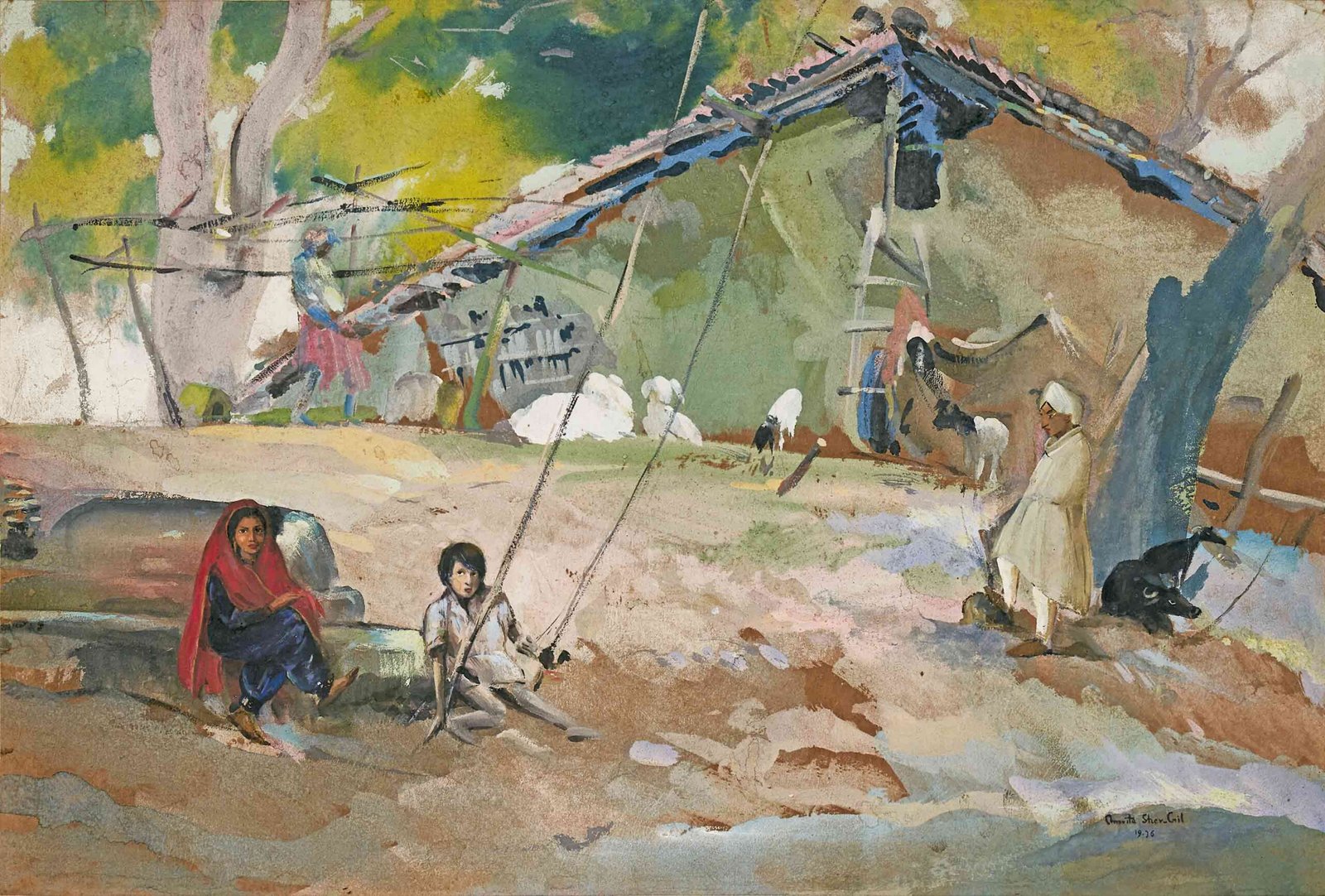
AMRITA SHER-GIL | Untitled | 14 x 20 in | Watercolour on paper | Sold in 2020 by AstaGuru for ₹81,49,181 ($92,604)

For decades, the art world’s narrative was told through a narrow lens, with female artists often categorised as exceptions to the rule rather than the rule itself. However, as we moved through 2025, that narrative saw a fundamental shift. The presence of women in the Indian art market is no longer just a conversation about representation, it’s a conversation about market leadership, financial dominance, and cultural permanence. The past year demonstrated that the female perspective is a cornerstone of the market’s stability, with women driving some of the most competitive bidding. At auction, the contributions of women artists, from distinguished Modernists to Contemporary figures, are being recognised with high interest.

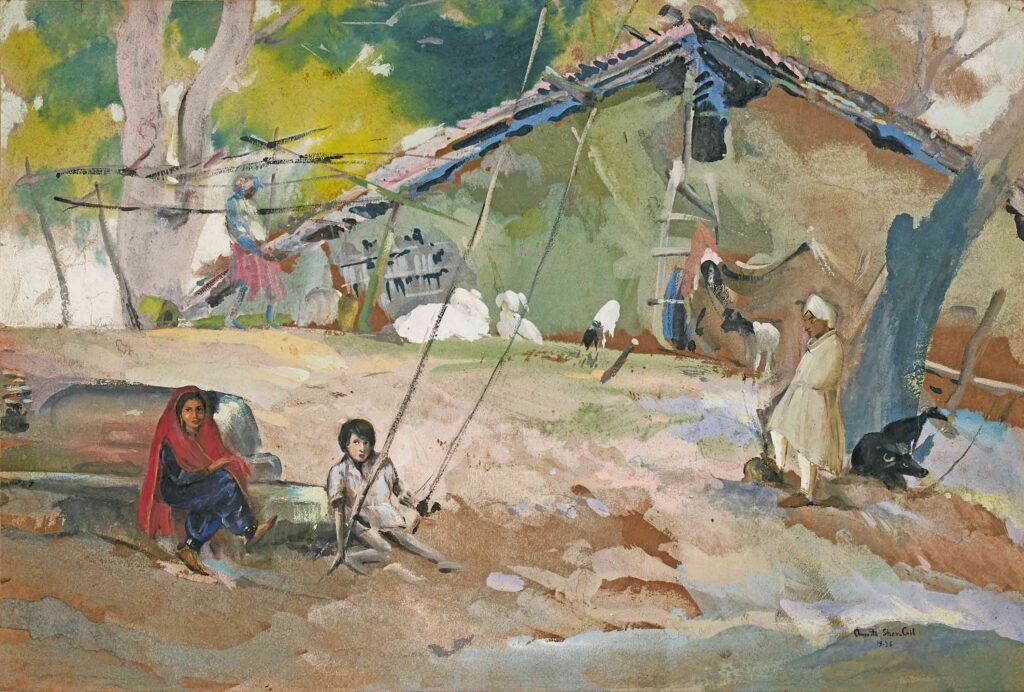
From the vivid canvases of Arpana Caur to the intricate palette knife of Shraddha More, the market is moving to a consistent demand for Contemporary women artists. But if there’s a single figure who embodies the strength and prestige of the 2025 market, it remains Amrita Sher-Gil. Her legacy as a foundational figure of Indian Modern art has only grown. In 2025, Sher-Gil maintained her position at the very top of the auction hierarchy, achieving a total turnover of ₹37.52 crore ($4.26 million) from 25 lots sold. The year’s most significant highlight occurred during AstaGuru’s November 2025 auction—her masterpiece, Portrait of Mother, sold for ₹12.10 crore ($1.38 million). This sale served as a definitive testament to the deep-rooted strength of the Modern segment and confirmed that Sher-Gil remains a blue-chip standard. The consistent demand for her work across 25 different lots, be it canvas or paper, indicates her importance.

While some artists find success through high trading volume, the 2025 market also highlighted the value found in rarity. Arpita Singh is a prime example. Despite only six lots sold last year, her work generated a turnover of ₹17.25 crore ($1.96 million). This indicates high interest for her complex, narrative-heavy compositions. Following a similar trajectory of uniqueness is Nasreen Mohamedi. Known for her minimalist and deeply philosophical works, Mohamedi is perhaps the most exclusive female artist on the 2025 list.

Read the full story in the premiere issue of LuxeTrope, on stands now.

Read More

From Jangarh Singh Shyam to Lado Bai, once-overlooked voices now thrive in museums and auctions.

As wealth preferences evolve, HNIs are increasingly turning to art and alternative collectibles

Himmat Shah’s work combines material sensitivity, quiet force and enduring collector appeal

A mix of legacy, transparency and new collector behaviour is driving the art market’s expansion

The collector and space designer talks about her collecting philosophy

A steady rise in turnover over five years underscores sustained demand and strong collector confidence

From Margins to Mainstream: Indian Folk Art Takes Centre Stage

From Margins to Mainstream: Indian Folk Art Takes Centre Stage

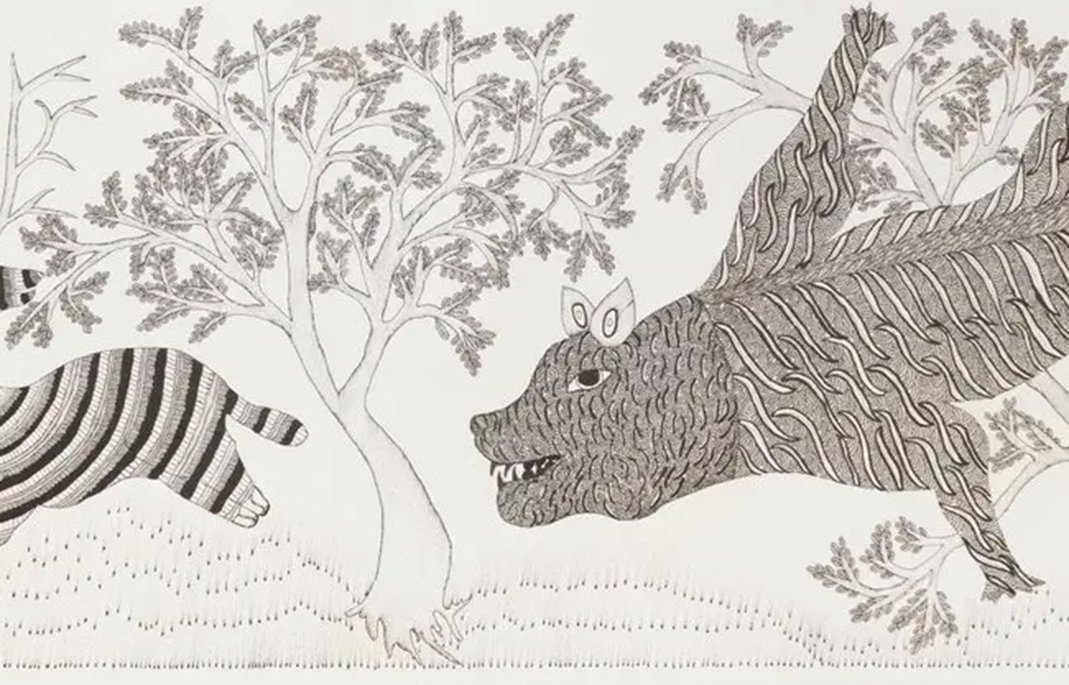
From Jangarh Singh Shyam to Lado Bai, once-overlooked voices now thrive in museums and auctions

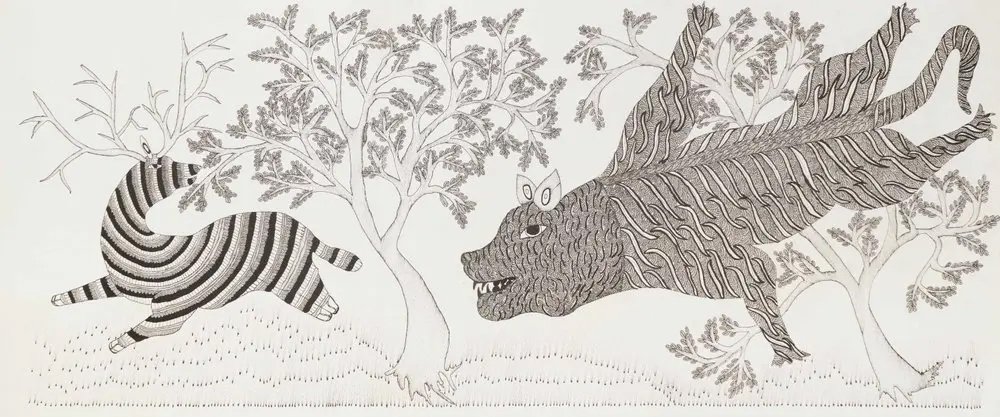
JANGARH SINGH SHYAM | Untitled | 24 x 58 in | Acrylic on canvas | Sold in 2025 by AstaGuru for ₹51,87,484 ($58,948)

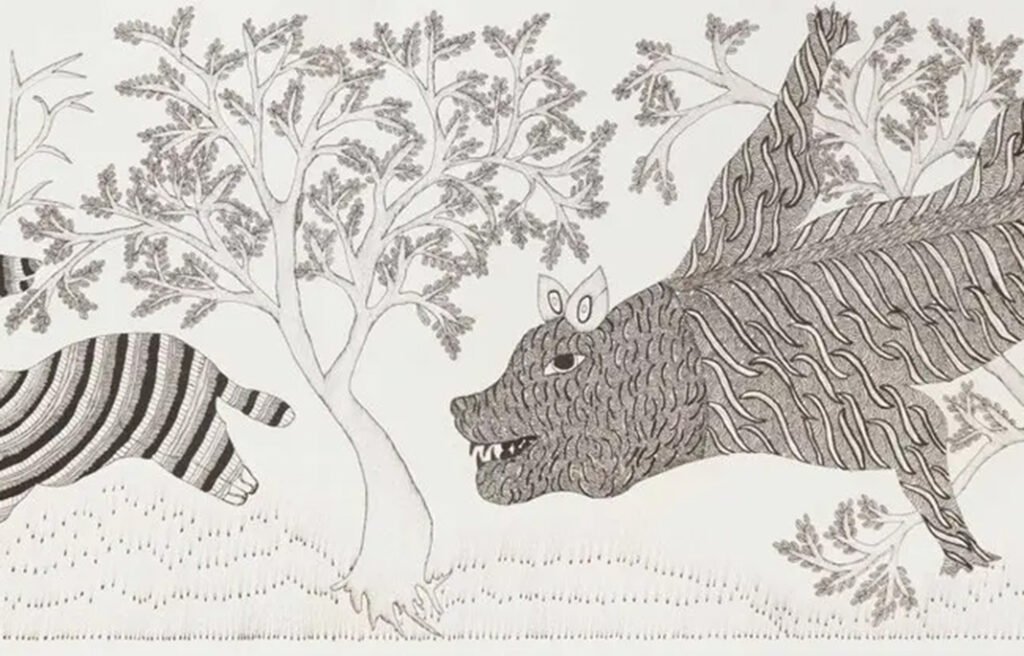
Indian tribal artists have transitioned from mud walls and forest homes to museum collections, galleries, and auction catalogues. Jangarh Singh Shyam, a Pardhan Gond artist, developed ‘Jangarh Kalam’, translating oral songs, myths, and musical rhythms into dense visual constellations of dots and lines. In 2025, his auction turnover reached just over ₹4.81 crore ($546,303) across 22 lots. At AstaGuru, his untitled acrylic from 1997 sold for ₹51.87 lakh ($58,943), another untitled canvas from 1992 fetched ₹26.57 lakh ($30,193), and a 1989 work on paper realised ₹10.45 lakh ($11,875). 

Bhuri Bai is the defining voice of Bhil art. She arrived at Bharat Bhavan as a construction labourer earning ₹6 a day and became one of the most important Bhil artists. In 2025, her auction turnover stood at ₹79.36 lakh ($90,181) across nine lots. Bhuri Bai was the first from her community to shift from clay walls to paper and canvas, using acrylic without abandoning traditional form. Her dense, multicoloured dot in-filling is her signature.

Jodhaiya Bai Baiga, born in 1938 in Umaria district, began painting after her husband’s death in her forties. Her work draws from Baiga cosmology: sacred mahua trees, forest animals, village deities. She received a Nari Shakti Puraskar in 2022 and Padma Shri in 2023. In 2025, Bholenath, Nandi, Devotees In Jungle sold for ₹9.66 lakh ($10,980) at AstaGuru, Sita Haran fetched ₹7.98 lakh ($9,068), Durga Mata realised ₹1.47 lakh ($1,670) at Giftex.in, and her turnover reached ₹72.66 lakh ($82,568) across five lots.

Lado Bai started painting to unwind while labouring at Bharat Bhavan. Her talent was spotted by Swaminathan. Her rhythmic dots form wave-like patterns of flora and fauna. In late 2025 at Giftex.in, Bharadi 2022 sold for ₹4.60 lakh ($5,227), with other works between ₹1.39 lakh ($1,579) and ₹1.85 lakh ($2,102). Her auction turnover for the year stood at ₹7.75 lakh ($8,806).

Read the full story in the premiere issue of LuxeTrope, on stands now.

Read More

From Jangarh Singh Shyam to Lado Bai, once-overlooked voices now thrive in museums and auctions.

As wealth preferences evolve, HNIs are increasingly turning to art and alternative collectibles

Himmat Shah’s work combines material sensitivity, quiet force and enduring collector appeal

A mix of legacy, transparency and new collector behaviour is driving the art market’s expansion

The collector and space designer talks about her collecting philosophy

A steady rise in turnover over five years underscores sustained demand and strong collector confidence

What HNIs Are Buying in the New Art Economy

What HNIs Are Buying in the New Art Economy

As wealth preferences evolve, HNIs are increasingly turning to art and alternative collectibles

High-net-worth individuals are widening their view of collectability, with art emerging as one of the most compelling alternative assets in their portfolios. Paintings continue to dominate demand, but interest is also rising across sculptures, paper works, installations, textile art, prints and digital art, reflecting a more experimental and globally informed collector base. The range of buying now reflects not just taste, but a more nuanced understanding of value.

What is especially notable is that today’s HNIs are not buying art only for appreciation in the visual sense. They are also responding to provenance, rarity, artist recognition and market transparency. Online auction platforms and a growing ecosystem of private museums have made collecting more accessible, helping younger buyers enter the market with greater confidence.

Modern Masters still command the strongest attention, with names such as M.F. Husain, Raja Ravi Varma, Amrita Sher-Gil, Tyeb Mehta, F.N. Souza and S.H. Raza continuing to shape market benchmarks. Yet the current wave of buying is not confined to canonical paintings alone. Sculptures, installations and textile-based works are finding traction among collectors who want pieces with material presence and contemporary relevance.

Offbeat categories are also gaining ground. Paper works offer a more accessible entry point for first-time collectors, while large-scale sculptures and culturally significant archives are increasingly viewed as legacy assets. For many HNIs, the appeal lies in building a collection that reflects personal taste as much as financial foresight.

Across this shifting landscape, art is being positioned less as a speculative purchase and more as a durable store of value. In that sense, what HNIs are buying today is not just art, but identity, legacy and cultural capital.

Read the full story in the premiere issue of LuxeTrope, on stands now.

Read More

From Jangarh Singh Shyam to Lado Bai, once-overlooked voices now thrive in museums and auctions.

As wealth preferences evolve, HNIs are increasingly turning to art and alternative collectibles

Himmat Shah’s work combines material sensitivity, quiet force and enduring collector appeal

A mix of legacy, transparency and new collector behaviour is driving the art market’s expansion

The collector and space designer talks about her collecting philosophy

A steady rise in turnover over five years underscores sustained demand and strong collector confidence

Himmat Shah’s Auction Highlights: Top 5 Lots Between 2021-25

Himmat Shah’s Auction Highlights: Top 5 Lots Between 2021-25

Himmat Shah’s work combines material sensitivity, quiet force and enduring collector appeal

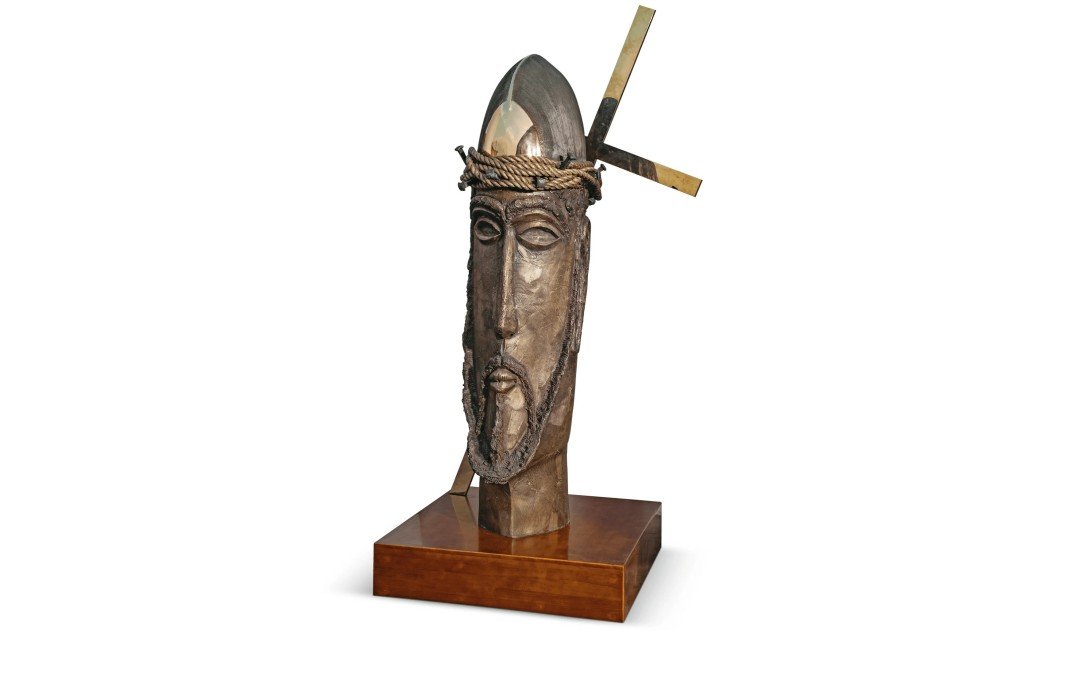
UNTITLED (CHRIST) (ED: 2-5) | Sold for ₹1,01,67,601 ($115,540)

Himmat Shah’s market has continued to gather strength through a body of work that balances material experimentation with sculptural restraint. His five highest-selling lots between 2021 and 2025 show just how strongly collectors respond to that language.

Leading the list is Untitled (Christ) (Ed: 2-5), which sold for ₹1,01,67,601 ($115,540). As his top-performing auction lot, it captures the appeal of Shah’s ability to distil presence into a pared-down sculptural vocabulary.

MAN FROM MOON | Sold for ₹79,99,653 ($90,905)

In second place is Man from Moon, which realised ₹79,99,653 ($90,905). One of his most recognisable works, it exemplifies the elemental quality that runs through his practice and continues to draw strong collector interest.

UNTITLED | Sold for ₹71,87,100 ($81,671)

The third-highest result is an Untitled work that sold for ₹71,87,100 ($81,671), followed by another Untitled sculpture at ₹65,38,605 ($74,302). Completing the top five is Tirthankar, which fetched ₹60,02,277 ($68,207). Together, these results reveal a consistent preference for Shah’s bronzes and sculptural forms, especially those that balance abstraction with an unmistakably human presence.

UNTITLED | Sold for ₹65,38,605 ($74,302)

What is notable across these top lots is their coherence. Each work reflects Shah’s commitment to quiet monumentality, whether through archetypal heads, torso-like forms or figures that appear suspended between abstraction and recognition. The market response suggests that collectors value not just the objects themselves, but the atmosphere they hold.

These results also underline Shah’s growing stature in the auction market. His top five lots are supported by a wider pattern of demand, with more than 74 works sold in the last two years alone and a 2025 turnover of ₹8.18 crore ($929,545). For a sculptor whose practice has long privileged patience over spectacle, the market’s response is strikingly consistent.

TIRTHANKAR | Sold for ₹60,02,277 ($68,207)

Read the full story in the premiere issue of LuxeTrope, on stands now.

Read More

From Jangarh Singh Shyam to Lado Bai, once-overlooked voices now thrive in museums and auctions.

As wealth preferences evolve, HNIs are increasingly turning to art and alternative collectibles

Himmat Shah’s work combines material sensitivity, quiet force and enduring collector appeal

A mix of legacy, transparency and new collector behaviour is driving the art market’s expansion

The collector and space designer talks about her collecting philosophy

A steady rise in turnover over five years underscores sustained demand and strong collector confidence