India’s luxury and art markets are benefiting from a rapid rise in wealth creation. The country now has 191 billionaires, compared with just seven in 2019. Moreover, 26 new billionaires emerged in 2024 alone. At the same time, India’s high-net-worth individual (HNWI) population grew by 6 per cent to 85,698 and is expected to approach 94,000 within the next three years.
This trend is significant because HNWIs are the primary consumers of luxury goods and experiences. Their spending drives demand for art, watches, jewellery, premium real estate and bespoke services. In India, HNWIs are defined as individuals with assets exceeding $10 million, or roughly ₹88 crore.
Several factors are contributing to this growth. Entrepreneurial activity remains strong, global integration continues to expand, and new industries are creating fresh opportunities for wealth generation. Importantly, many of India’s newest millionaires are first-generation entrepreneurs from tier-2 and tier-3 cities rather than traditional metropolitan centres.
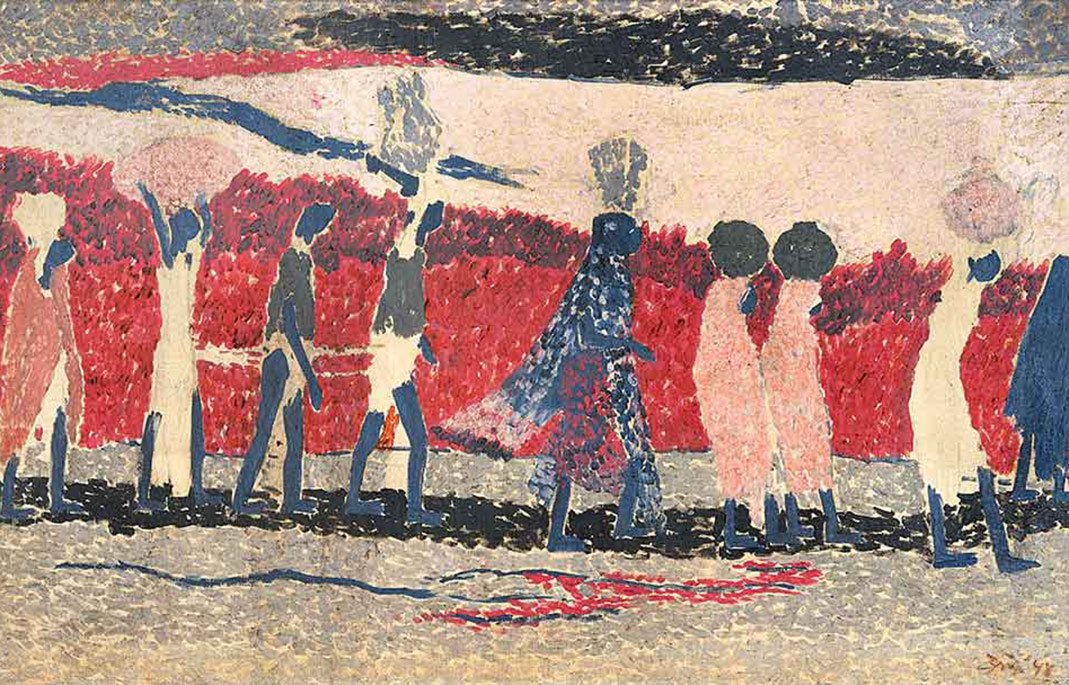
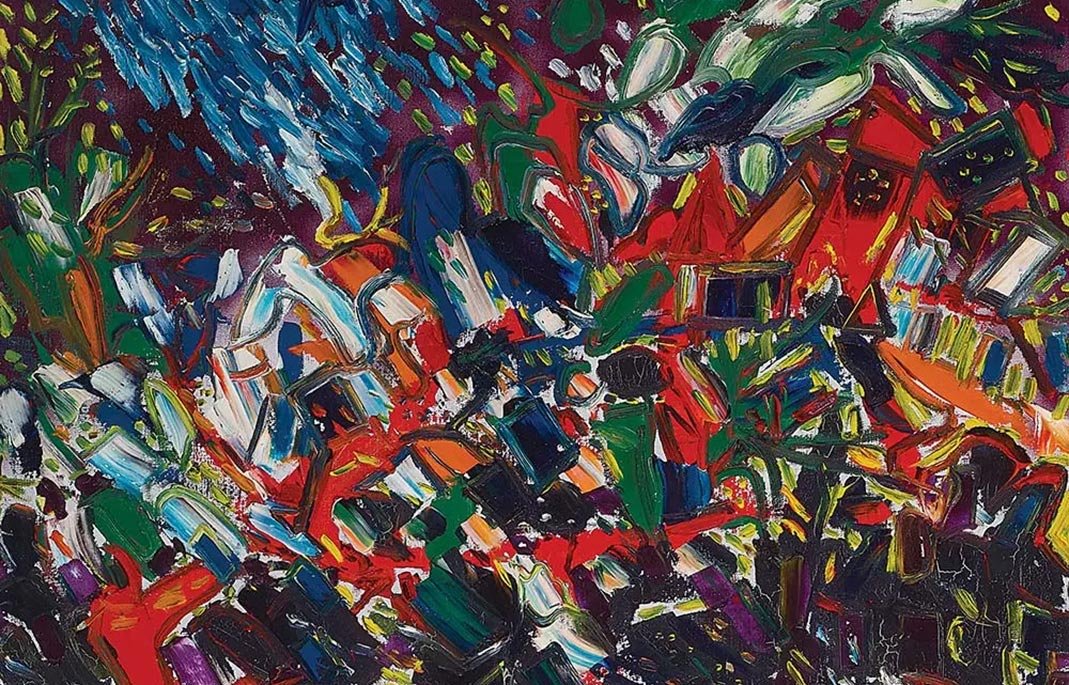
As a result, the impact of wealth creation is becoming increasingly visible in the art market. In 2024, sales by the country’s Top 50 artists reached ₹301 crore, representing a 19 per cent increase from 2023. Meanwhile, the cumulative value of the Top 50 artworks climbed to ₹252.61 crore, up from ₹82.57 crore in 2021. This threefold increase highlights the growing depth and maturity of the market.
The rising value of leading artists further reflects this momentum. The entry threshold for the Top 25 artists increased from ₹35 lakh in 2021 to ₹1.9 crore in 2024. Similarly, the threshold for the Top 10 artists rose from ₹1.99 crore to ₹7.70 crore during the same period.
Beyond art, this expanding wealth base is reshaping luxury consumption across categories. Today’s affluent buyers are more informed, more experience-driven and increasingly willing to collect across multiple luxury segments. They are not only purchasing products, but also investing in culture, heritage, and long-term value.
Consequently, India’s luxury economy is evolving. What was once a market dominated by a small elite is becoming broader and more confident. As disposable incomes rise and more entrepreneurs climb the wealth ladder, a new generation of collectors is helping define the future of luxury in India.
Read the full story in the premiere issue of LuxeTrope, on stands now.