luxetrope.com

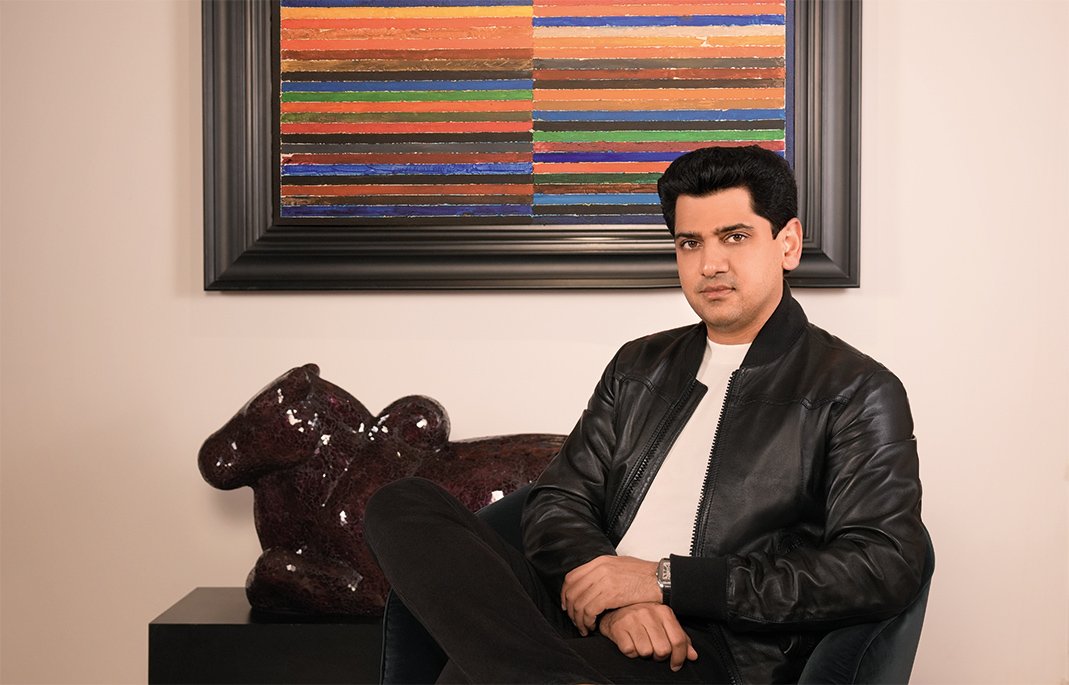
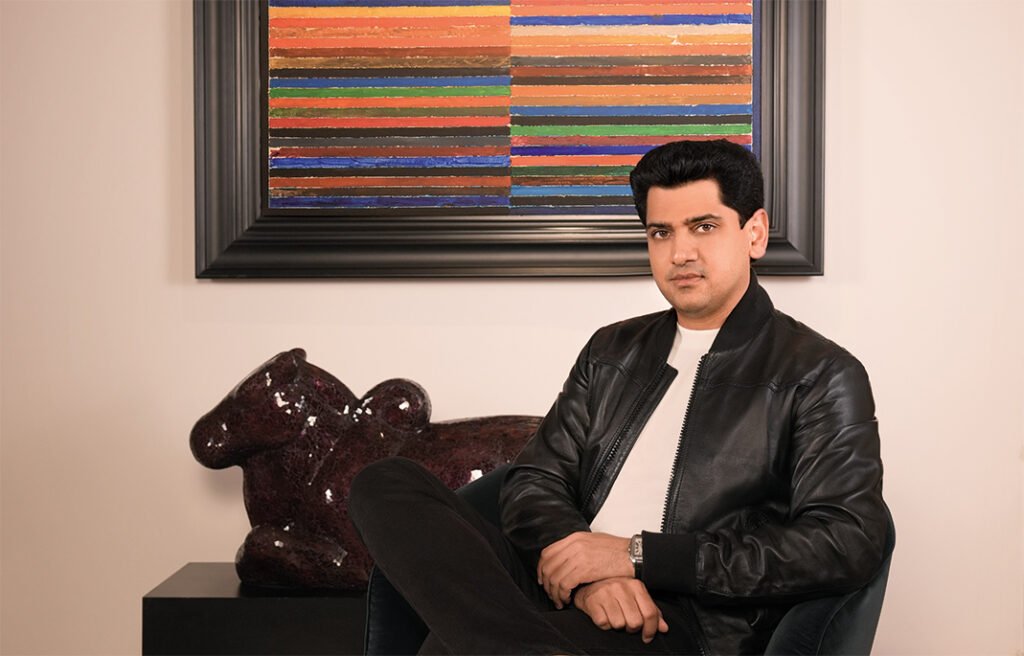
For Nakul Sachdeva, Collecting Art is All About the Pursuit of Joy and Aesthetic Delight

For Nakul Sachdeva, Collecting Art is All About the Pursuit of Joy

Sachdeva's philosophy is simple: don’t treat your walls like a portfolio—the real value lies in the joy of living with art that speaks to you

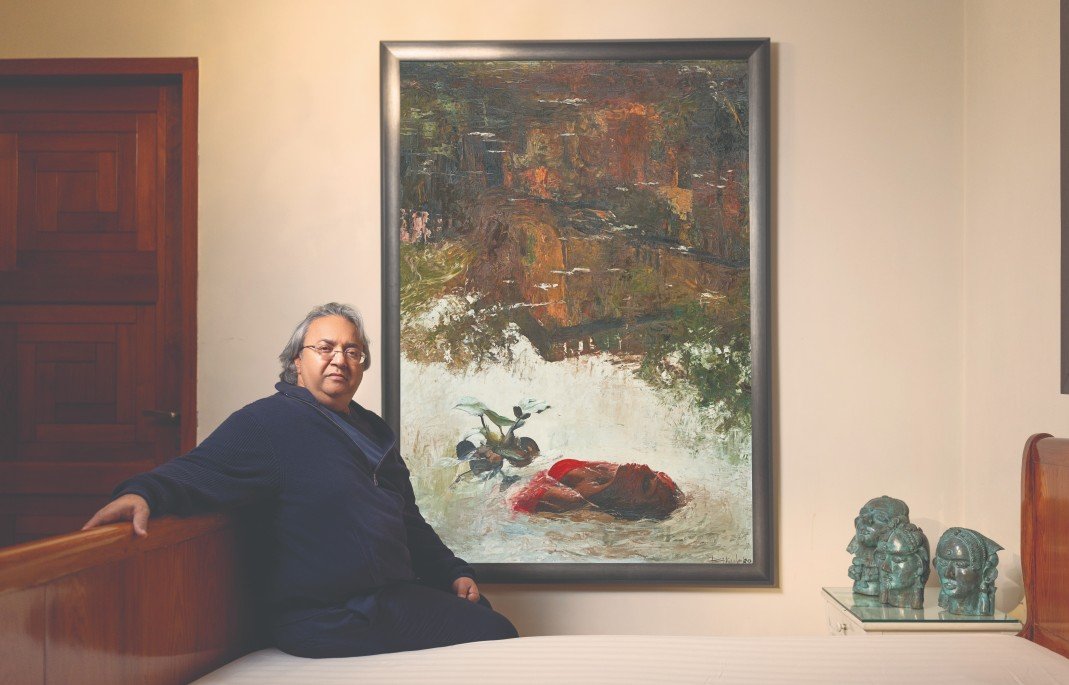
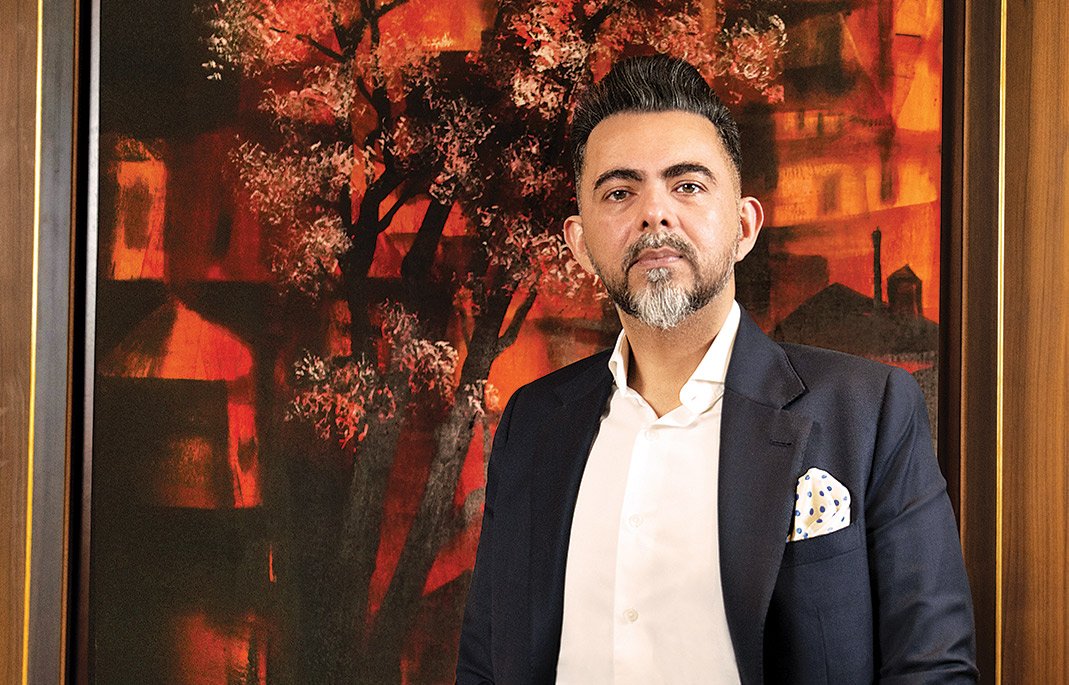
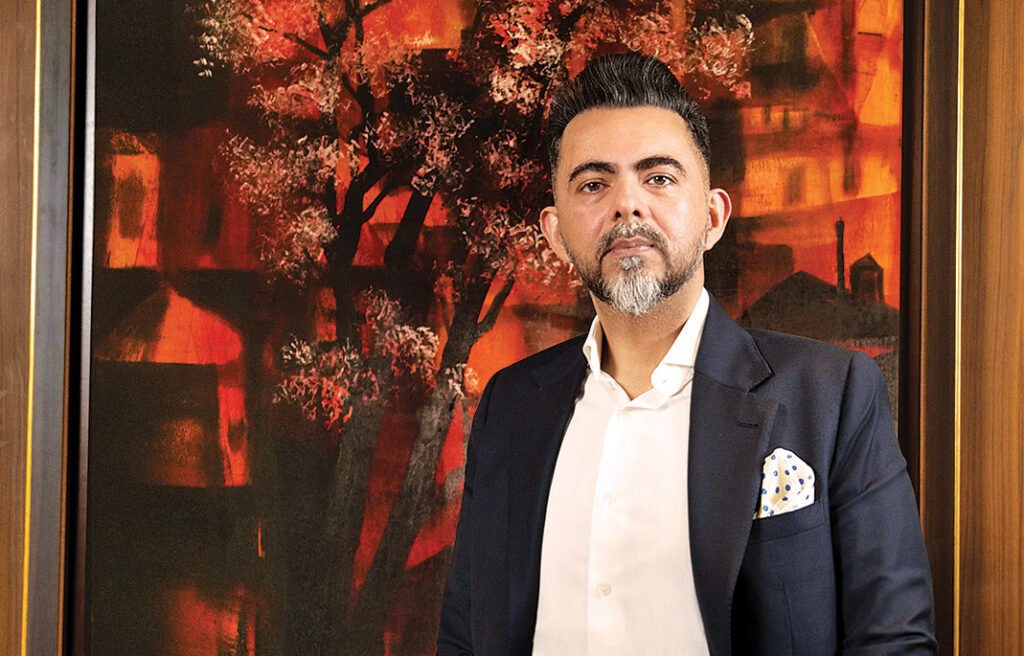
Life in law is often demanding and stressful, says Nakul Sachdeva, but he finds a sense of calm in art. It’s a way for him to slow down and take a momentary step away from an otherwise hectic professional life, immersing himself into the creative side of his personality. His journey into art collecting began quietly, with the sole aim of bringing home the kind of art that he knew he would enjoy looking at for a long time. For Sachdeva, collecting has always been a process led by his heart, for the simple pleasure of living with art that he loves. As the Indian art market gains traction, his philosophy remains crystal clear: buy the art you love and let it bring you joy. Everything else, he feels, is incidental.

“My collecting journey started a decade ago, roughly in 2015-16. But I purchased my most significant artwork much later, in 2021,” he says, adding, “Looking at it from another angle, every purchase right from 2016 has been significant as it has added to my journey of collecting thus far. My primary aim of collecting was to display and enjoy art.” As a dispute resolution advocate with a gruelling schedule, art has been a vital anchor in his life—the point where chaos ends and serenity begins. He says, “Taking a break from work to enjoy the whole process of collecting, including attending shows, exhibitions, auctions and fairs, and reading about the artist, indeed works as an escape route.”

Acquiring artworks has always been an instinctive decision for Sachdeva—he has never sought out a piece merely for its investment potential. “I collect art to put up on my walls and enjoy it, so the decision to buy is always based on that objective. Having said that, the price point does make a difference,” he says.

The growing inclination of some collectors to buy art solely as an investment is not something Sachdeva endorses. “There are other pure capital assets like equities and precious metals for investment purposes. I treat art as something that is meant to be enjoyed, rather than purchasing it for investment. I find that the monetary value, while important, is secondary.”

Read the full story in the premiere issue of LuxeTrope, on stands now.

Read More

In an art world often drawn to spectacle, Vattakuzhy stands apart for the quiet intensity of his vision

The landscape continues to spotlight a mix of historic Masters and Contemporary icons.

1,881 lots sold at ₹1.18 cr average price mark a robust 2025 for Indian art's elite.

He also emphasises that a good work must evoke a strong, lasting feeling

A primer for beginners on the art of selling your collection at auction

From folk-inspired aesthetics to meditative abstractions, women artists are claiming elite ranks among collectors

Top Contemporary Artists in the Indian Art Market

Top Contemporary Artists in the Indian Art Market

Contemporary Indian art is gaining fresh momentum, with a new generation of collectors driving stronger auction results

Bharti Kher | Untitled | 23.5 x 47.5 in | Acrylic on canvas | 1993 | Sold by in 2025 by AstaGuru for ₹ 24,20,000

The market is no longer led only by Modern Masters; it is increasingly being shaped by Contemporary names whose works combine institutional relevance, market depth and a strong visual identity.

Among the standout Contemporary artists is Anish Kapoor, who reclaimed the top spot in the segment with a turnover of ₹31.1 crore at auction in 2025. His sustained market strength reflects the global appeal of his sculptural and conceptual practice, which continues to attract serious collectors. Bharti Kher and Anju Dodiya also feature prominently, underscoring how women artists are gaining stronger visibility in the auction space.

Nataraj Sharma has also emerged as an important name, with auction performance that reflects the steady rise of artists whose work has matured within the contemporary market over time. Alongside him, artists such as Subodh Gupta and Jitish Kallat continue to remain central to the broader Indian art conversation, supported by institutional recognition and collector interest. Their presence signals how Contemporary art is becoming a more stable and trusted category for buyers.

What is especially notable is that the segment is benefiting from greater transparency, stronger valuation discipline and the rise of online auctions. This has expanded access for younger collectors, many of whom are entering the market with more research and confidence than previous generations. As a result, Contemporary art is no longer seen as a speculative side category, but as an essential part of the Indian auction ecosystem.

The segment’s growth is likely to continue, with more artists from this group playing a central role in shaping the market in the coming years. With the democratisation of access and a broader appetite for new voices, Contemporary Indian art is emerging as one of the most dynamic areas in the country’s art economy.

Read the full story in the premiere issue of LuxeTrope, on stands now.
Read More

In an art world often drawn to spectacle, Vattakuzhy stands apart for the quiet intensity of his vision

The landscape continues to spotlight a mix of historic Masters and Contemporary icons.

1,881 lots sold at ₹1.18 cr average price mark a robust 2025 for Indian art's elite.

He also emphasises that a good work must evoke a strong, lasting feeling

A primer for beginners on the art of selling your collection at auction

From folk-inspired aesthetics to meditative abstractions, women artists are claiming elite ranks among collectors

Suryakant Lokhande Drives Steady Growth with 31 Lot Sales

Suryakant Lokhande Drives Steady Growth with 31 Lot Sales

Lokhande’s auction trail from 2021 to 2025 shows a gradual build

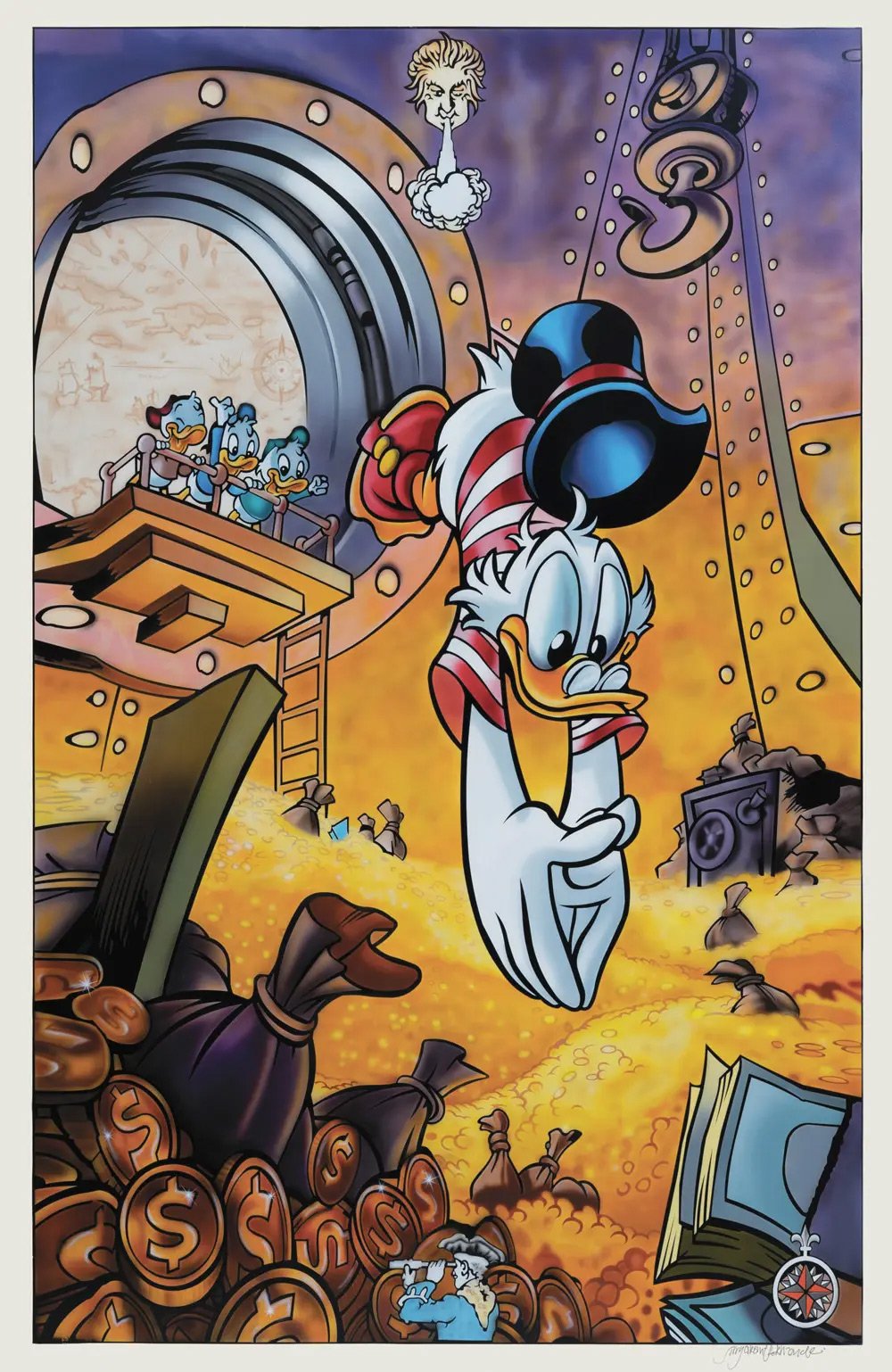
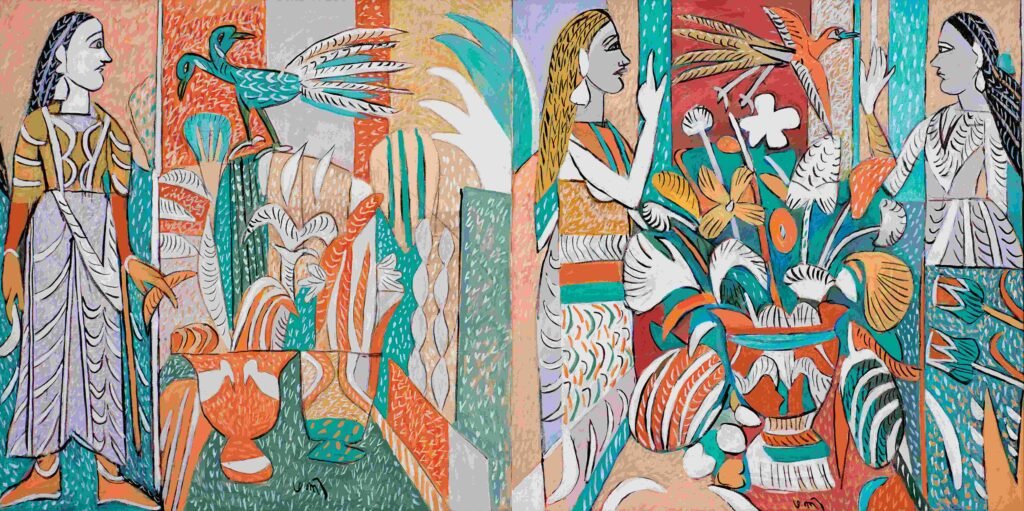
DUCK’S DIVE FOR TREASURE | 72 x 48 in | High gloss automobile paint on ACP board | Sold in 2024 by AstaGuru for ₹15,54,874 ($17,669)

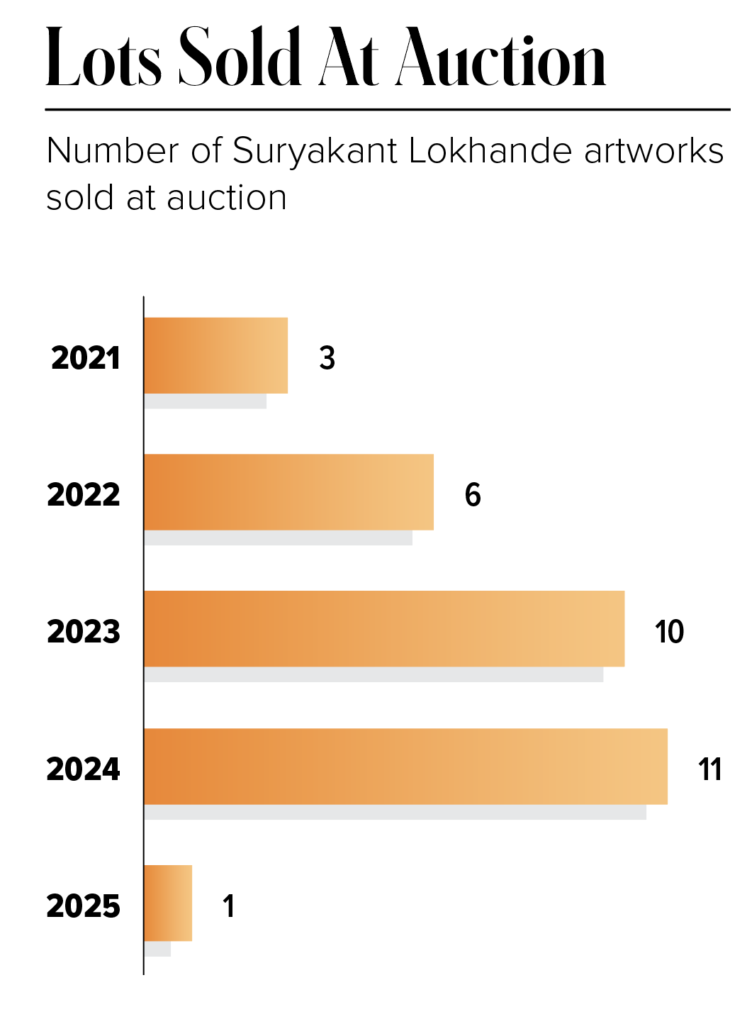
Suryakant Lokhande’s auction story from 2021 to 2025 is defined by a steady rise in volume. Across the five-year span, he sold 31 lots at auction.

The yearly count moved from 3 lots in 2021 to 6 in 2022, then climbed to 10 in 2023 and 11 in 2024.

That shift makes the five-year pattern especially clear: Lokhande built momentum through 2024, with 2024 emerging as his strongest year for volume, before the pace slowed in 2025. Even so, the overall total still reflects a consistent auction presence over the period.

The lot count sits alongside a practice that has drawn attention for its bright, pop-inflected surfaces and layered narratives. In pure market terms, the numbers tell a simple story.

Read the full story in the premiere issue of LuxeTrope, on stands now.
Read More

In an art world often drawn to spectacle, Vattakuzhy stands apart for the quiet intensity of his vision

The landscape continues to spotlight a mix of historic Masters and Contemporary icons.

1,881 lots sold at ₹1.18 cr average price mark a robust 2025 for Indian art's elite.

He also emphasises that a good work must evoke a strong, lasting feeling

A primer for beginners on the art of selling your collection at auction

From folk-inspired aesthetics to meditative abstractions, women artists are claiming elite ranks among collectors

Anshuman Mohta on How Living With Art Reshaped His Outlook

Anshuman Mohta on How Living With Art Reshaped His Outlook

The collector believes art is an asset in more ways than one—it offers aesthetic pleasure and the potential for long-term appreciation

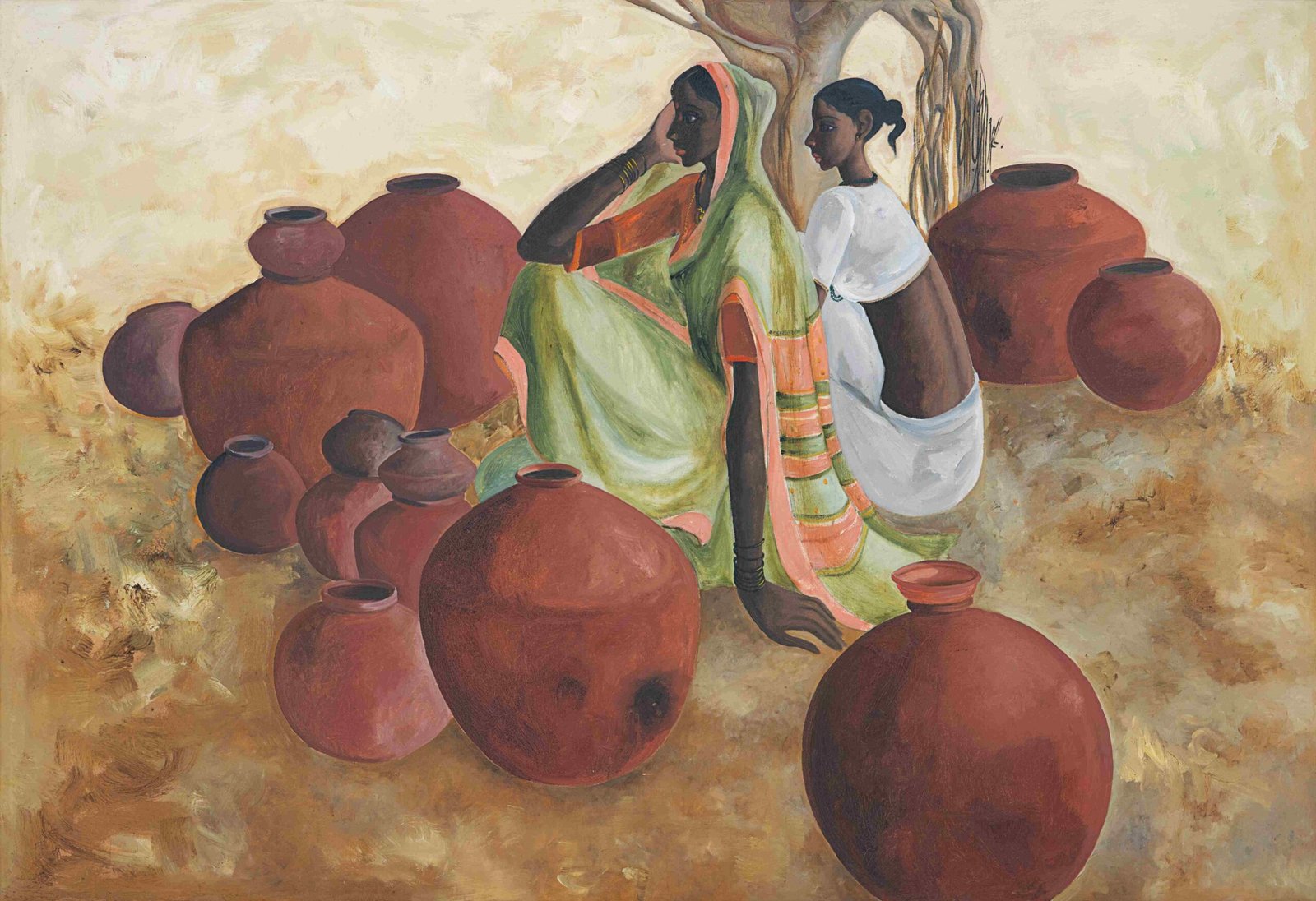
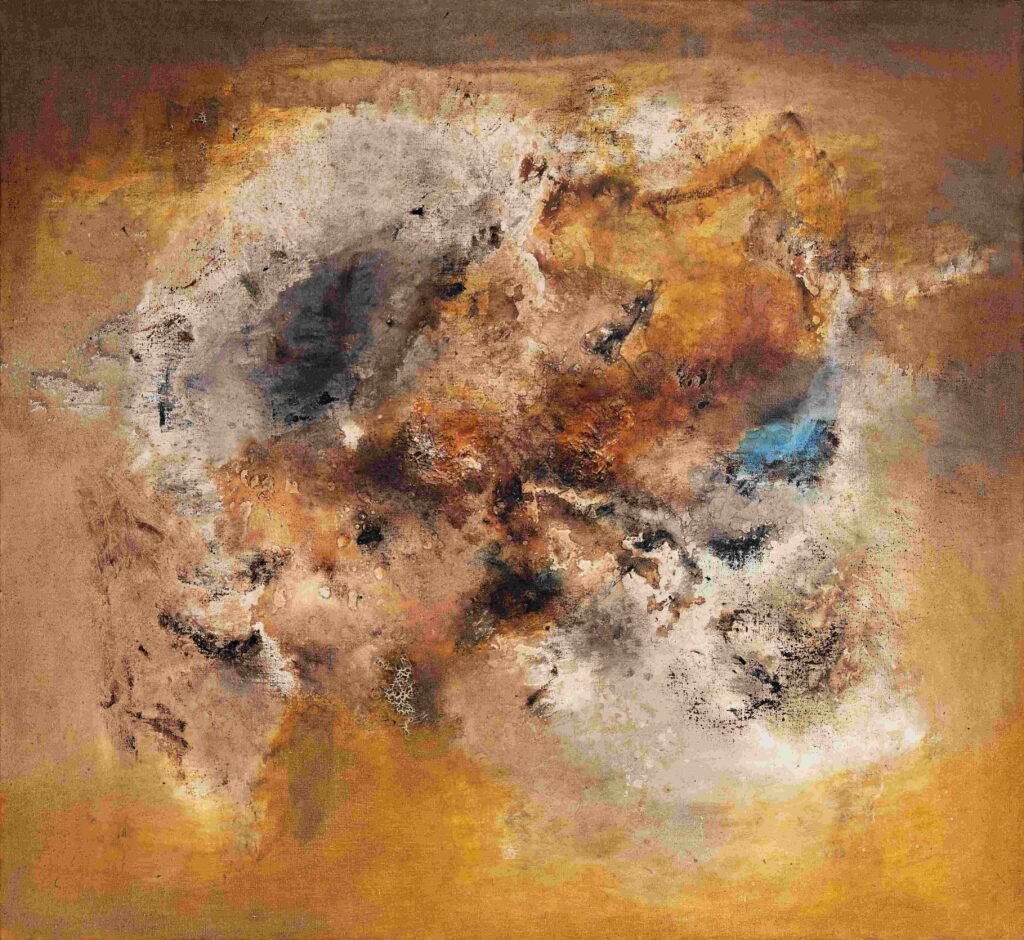
Growing up surrounded by the vibrant canvases of Masters M.F. Husain, B. Prabha, and Hemendranath Mazumdar in his family homes, Anshuman Mohta developed an innate appreciation for art in his earliest years. It’s fair to say that basking in the glory of great artists invites you into a world where art is not just present, but central. “Whenever I would visit a friend’s home, a beautiful painting or sculpture would always catch my attention, and I could recognise some artists’ works by just looking at them from a distance. I always had an eye for art, and, in a way, it called out to me. My first purchase was a Paresh Maity that I bought in 2011,” he says.

THE ART OF DOING BUSINESS
Passion and patience—these two words have guided Mohta’s quest to find the kind of art that speaks to his soul. He firmly believes that collecting the ‘right’ art, much like building a solid business or enterprise, requires time. “Unless you’re passionate about what you do, you’re not driven—the same goes for art. You must go the extra mile to find good quality works.”

Similarly, Mohta feels that an enviable art collection can only be built over time. He says, “Some businesses take time to blossom and there’s a gestation period before you break even. An art collection, too, must be built over time, and you need to be patient in finding the right works.”

Being exposed to art from a young age has another advantage—it has influenced the way Mohta looks at leadership and creativity in business. “It has encouraged me to think out of the box as artistic activities promote imaginative solutions and breakthrough ideas. Art has also helped foster innovation and helped me develop a new perspective by seeing challenges from multiple viewpoints.”

Read the full story in the premiere issue of LuxeTrope, on stands now.
Read More

In an art world often drawn to spectacle, Vattakuzhy stands apart for the quiet intensity of his vision

The landscape continues to spotlight a mix of historic Masters and Contemporary icons.

1,881 lots sold at ₹1.18 cr average price mark a robust 2025 for Indian art's elite.

He also emphasises that a good work must evoke a strong, lasting feeling

A primer for beginners on the art of selling your collection at auction

From folk-inspired aesthetics to meditative abstractions, women artists are claiming elite ranks among collectors

S.H. Raza’s Top 5 Auction Lots Breach ₹150 Crore Mark

S.H. Raza’s Top 5 Auction Lots Breach ₹150 Crore Mark

Leading with Gestation at ₹45 crore, Raza’s elite sales showcase his powerhouse market from 2021 to 2025

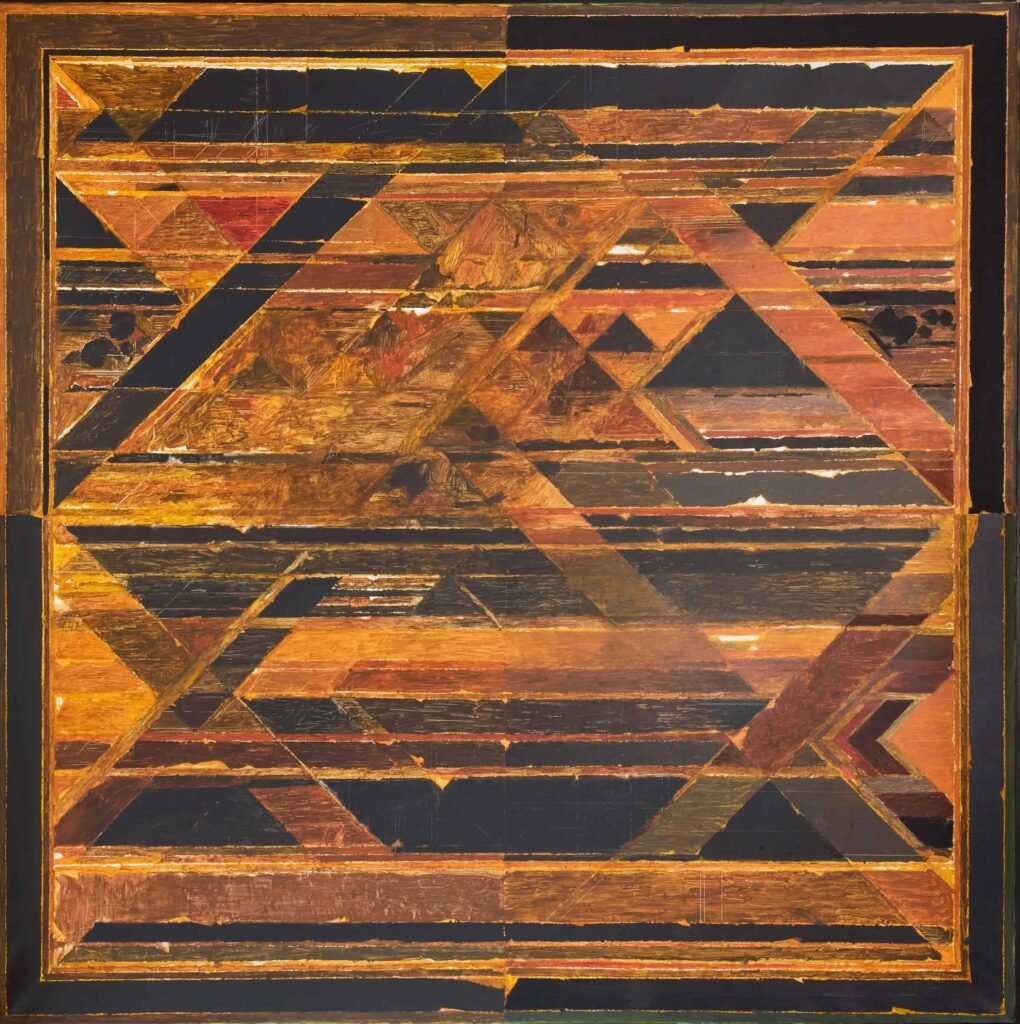
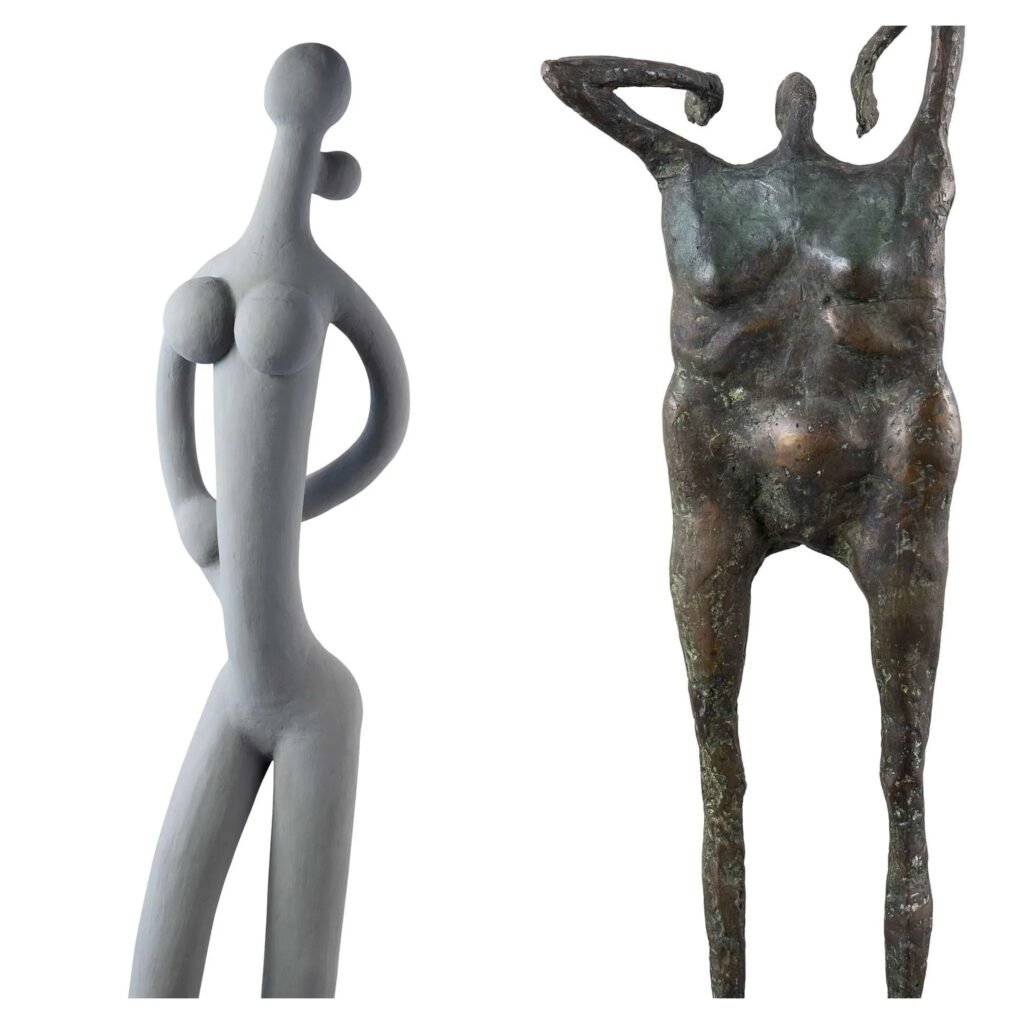
GESTATION | Sold for ₹44,99,20,027 ($5,112,727)

S.H. Raza’s top auction lots from 2021 to 2025 pack a serious punch, proving why he’s a cornerstone of the Indian art market. These five standouts racked up massive hammer prices, drawing collectors to his geometric masterpieces.

Gestation tops the list at ₹44,99,20,027 ($5,112,727), a blockbuster that highlights Raza’s commanding presence.

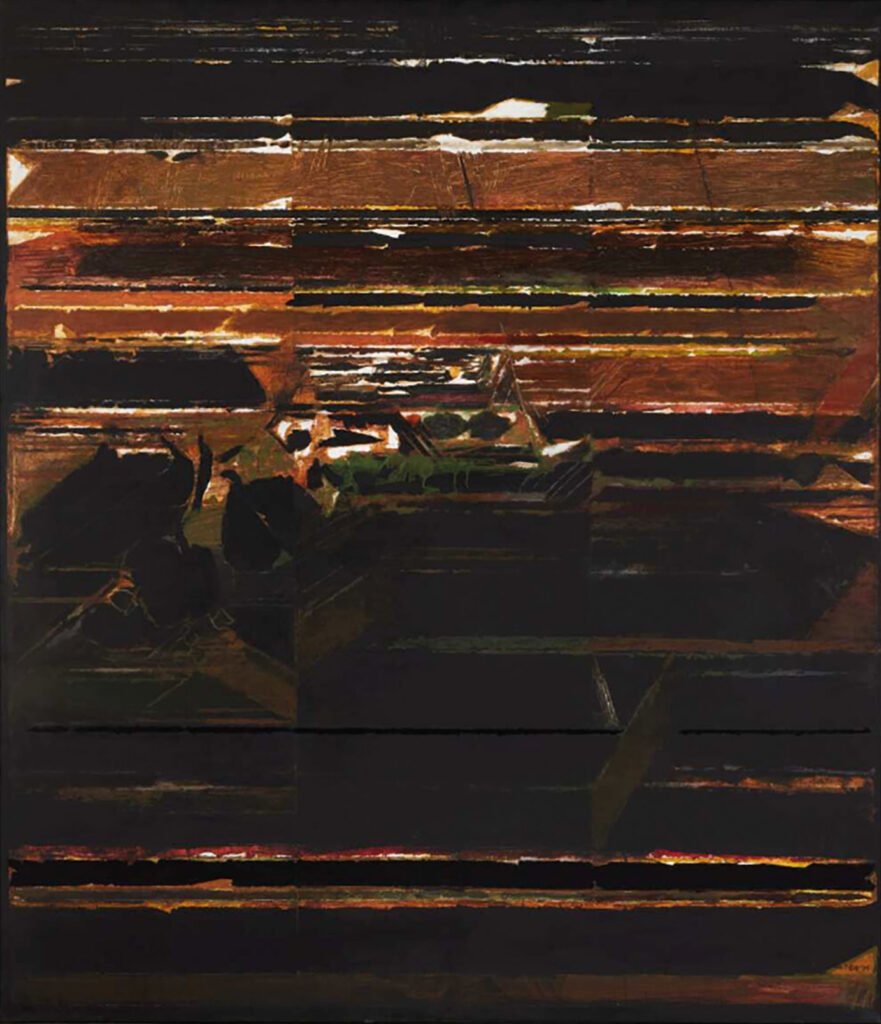
KALLISTÉ | Sold for ₹38,14,59,949 ($4,334,772)

Close behind is Kallisté with ₹38,14,59,949 ($4,334,772), followed by La Terre at ₹29,27,14,540 ($3,326,301). These works underscore the premium placed on his abstract explorations.

LA TERRE | Sold for ₹29,27,14,540 ($3,326,301)

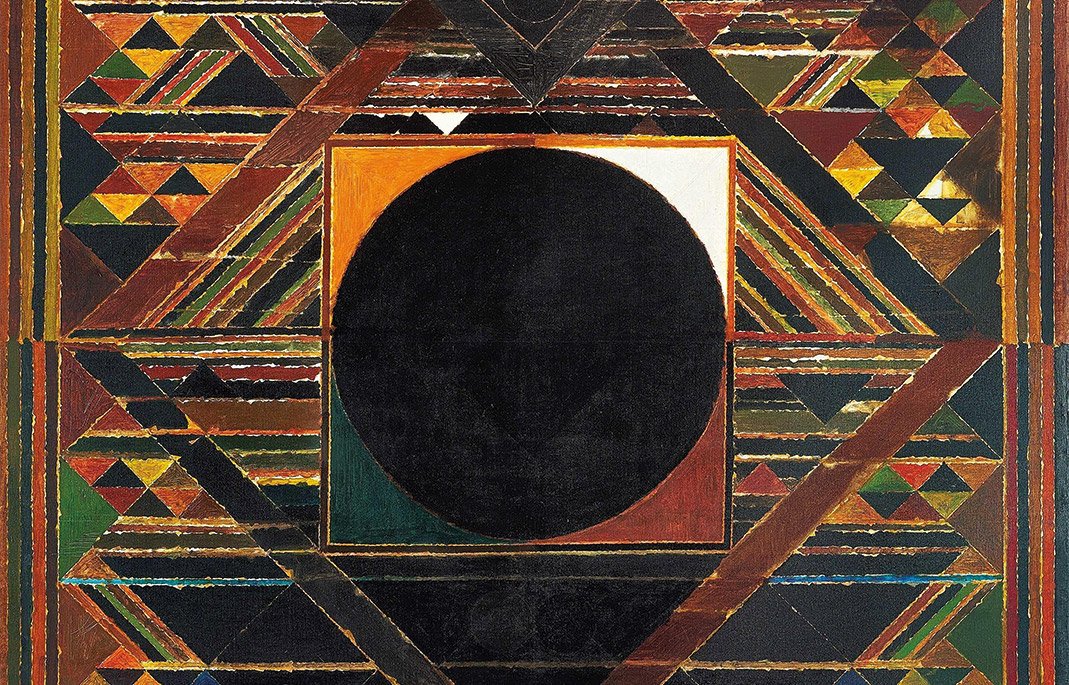
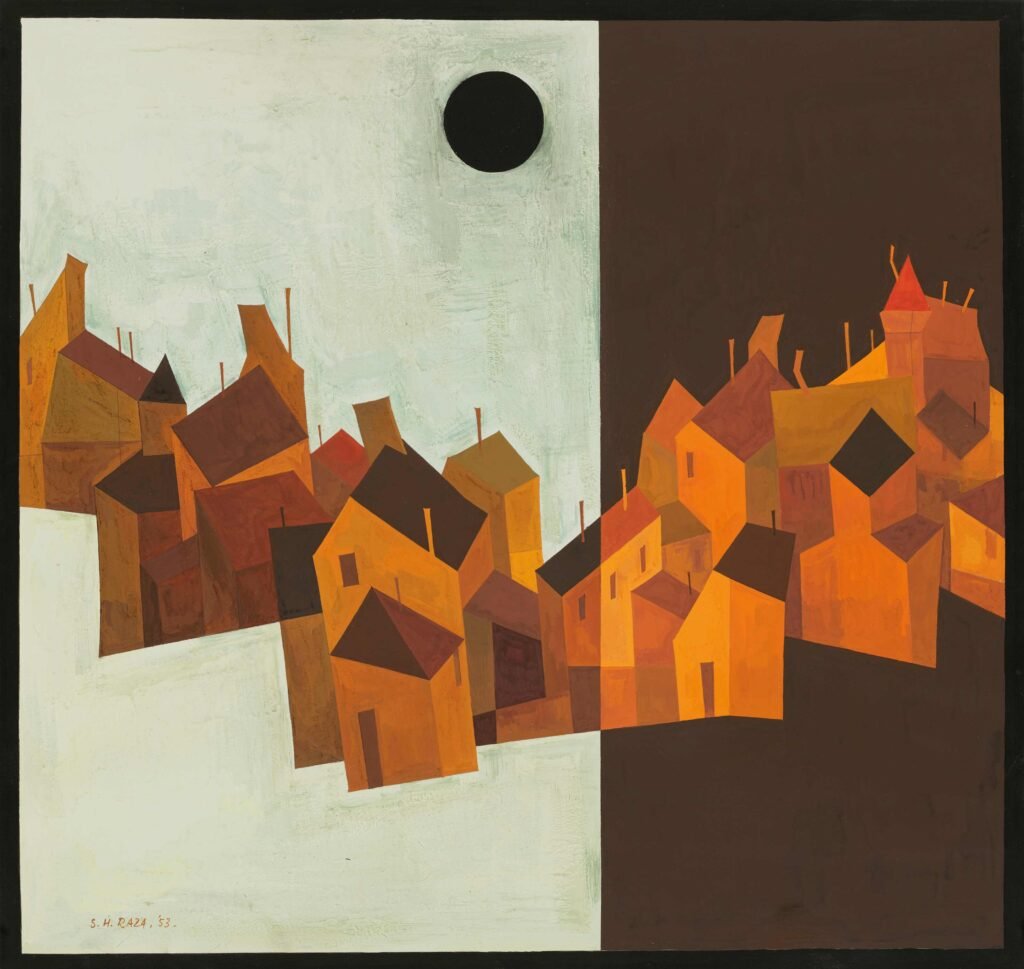
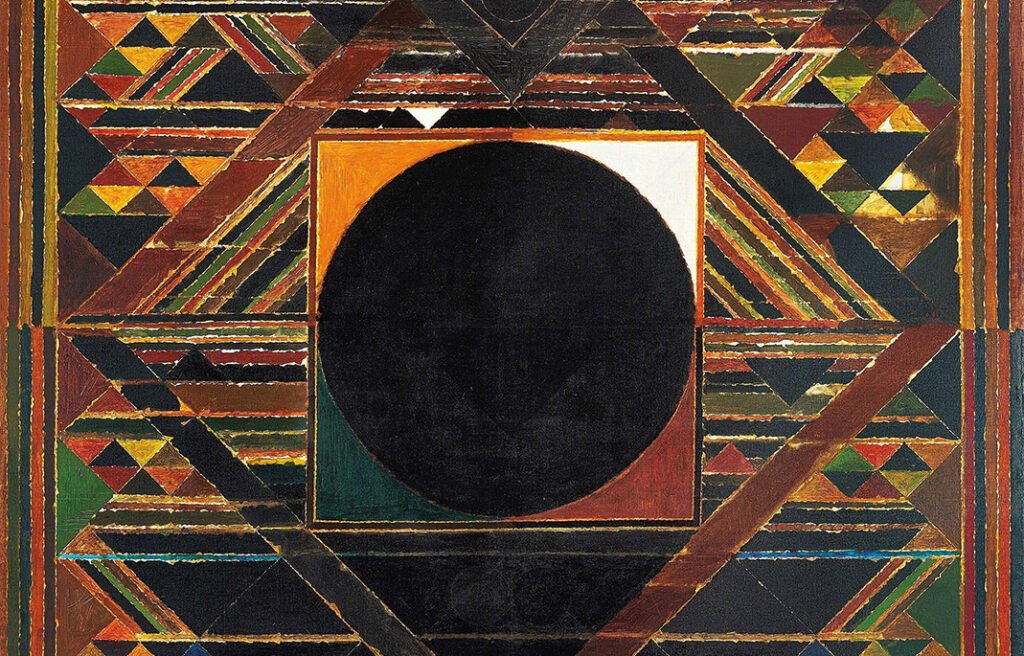
Rounding out the top tier, Terra Amata fetched ₹23,56,15,225 ($2,677,445), while Black Sun (Le Soleil Noir) brought in ₹16,47,79,686 ($1,872,496). Together, they represent the high end of Raza’s market, where major canvases routinely shatter expectations.

TERRA AMATA | Sold for ₹23,56,15,225 ($2,677,445)

These sales come amid 567 total lots sold over the period, with nine exceeding ₹10 crore. Raza’s diversity—from Bindu series to landscapes—keeps his appeal broad, but these elites show what happens when his best hits the block.

BLACK SUN (LE SOLEIL NOIR) | Sold for ₹16,47,79,686 ($1,872,496)

Read the full story in the premiere issue of LuxeTrope, on stands now.
Read More

In an art world often drawn to spectacle, Vattakuzhy stands apart for the quiet intensity of his vision

The landscape continues to spotlight a mix of historic Masters and Contemporary icons.

1,881 lots sold at ₹1.18 cr average price mark a robust 2025 for Indian art's elite.

He also emphasises that a good work must evoke a strong, lasting feeling

A primer for beginners on the art of selling your collection at auction

From folk-inspired aesthetics to meditative abstractions, women artists are claiming elite ranks among collectors

GESTATION | Sold for ₹44,99,20,027 ($5,112,727)

The Great Wealth Transfer and a Multi-Speed Art Market

The Great Wealth Transfer and a Multi-Speed Art Market

A generational shift in wealth is reshaping the art market, opening the door to a more layered landscape

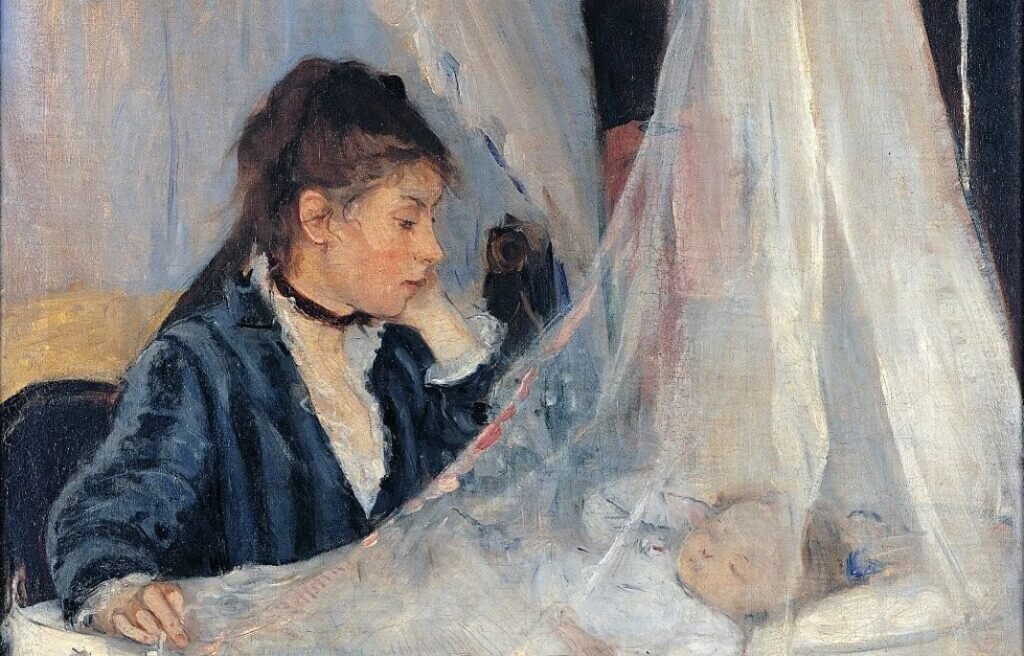
Berthe Morisot | The Cradle | 22 in x 18 in | Oil on canvas | 1872

The global art market is being reshaped by two powerful forces: the great wealth transfer and a multi-speed structure that rewards both trophy works and accessible lower-priced segments. In 2025, the market was not defined simply by volatility or contraction, but by a deeper recalibration in how collectors buy, what they value and where wealth is moving.

Over the next two decades, around $83.5 trillion is expected to change hands globally, with roughly $1 trillion tied specifically to art and collectibles. That shift is already visible in the collector base, where nearly three-quarters of active high-net-worth collectors now belong to the millennial and Gen Z generations. For these younger buyers, art is not a passive luxury; it is part of financial planning, identity and long-term wealth management.

This generational change is expanding the market beyond traditional blue-chip collecting. Younger collectors are drawn to Surrealists, women artists and contemporary figures such as Jean-Michel Basquiat, KAWS and Banksy. Female collectors are also playing a bigger role, spending significantly more on average than male buyers and building collections with a higher share of works by women artists. The result is a broader and more diverse market than the one dominated by Old Masters in previous decades.

At the same time, the art world is operating as a multi-speed market. While the top end remains powerful, sales above $10 million fell sharply in 2025 as sellers waited for better conditions. Yet the base of the market widened, with works under $5,000 accounting for the majority of contemporary auction results. The mid-market, particularly works priced between $50,000 and $1 million, is now emerging as the most stable and promising segment, supported by rising numbers of collectors with investable assets.

Technology and art-secured lending are further strengthening this shift, making collections more liquid and more closely tied to active capital. Together, these trends show a market that is no longer dependent on a few headline sales, but increasingly driven by breadth, access and generational change.

Read the full story in the premiere issue of LuxeTrope, on stands now.
Read More

In an art world often drawn to spectacle, Vattakuzhy stands apart for the quiet intensity of his vision

The landscape continues to spotlight a mix of historic Masters and Contemporary icons.

1,881 lots sold at ₹1.18 cr average price mark a robust 2025 for Indian art's elite.

He also emphasises that a good work must evoke a strong, lasting feeling

A primer for beginners on the art of selling your collection at auction

From folk-inspired aesthetics to meditative abstractions, women artists are claiming elite ranks among collectors

The Fine Art Of Timing It Right

The Fine Art Of Timing It Right

Collector, connoisseur, and patron, Manoj Israni has curated his extensive art collection with genuine passion

Manoj Israni

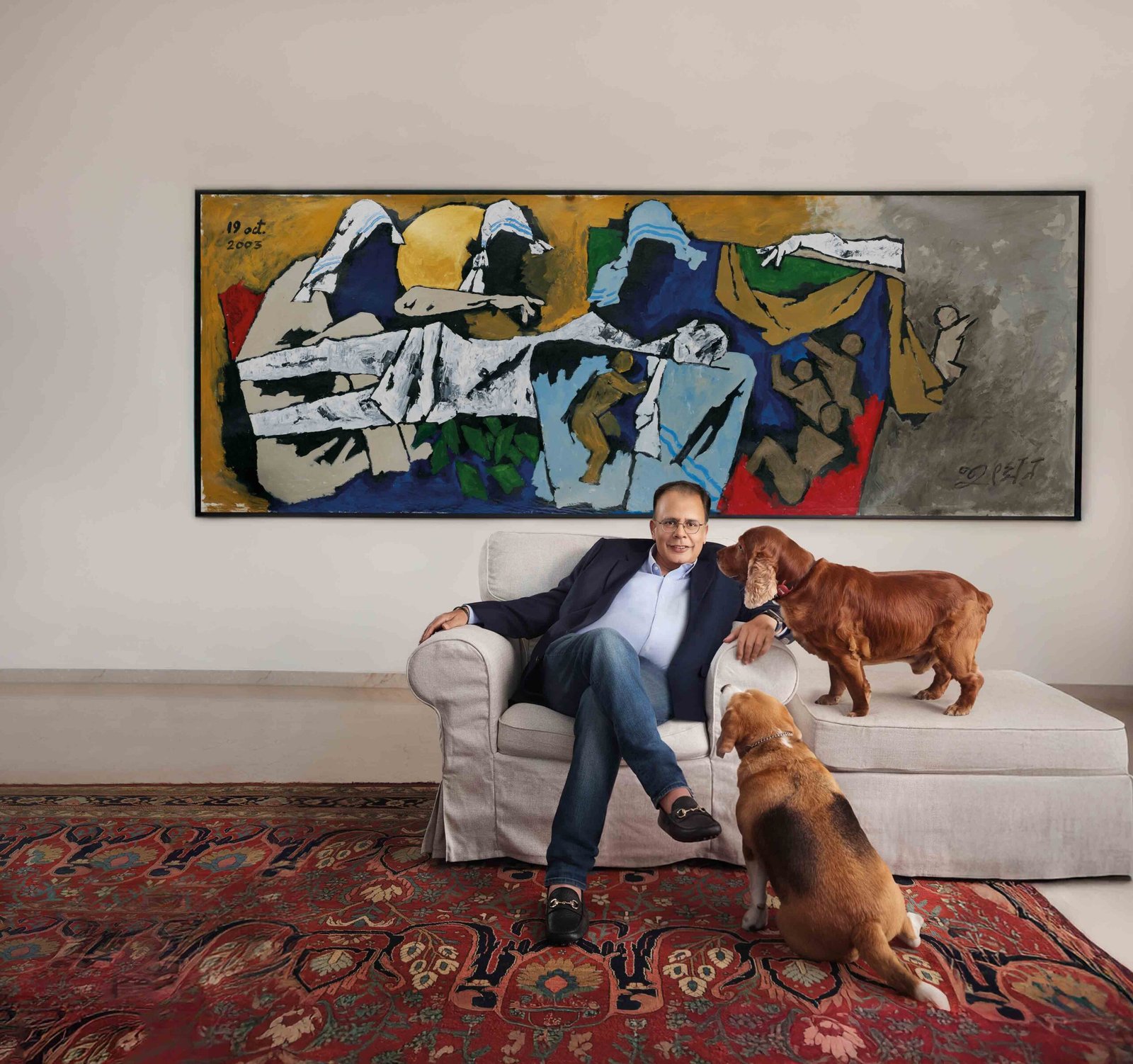
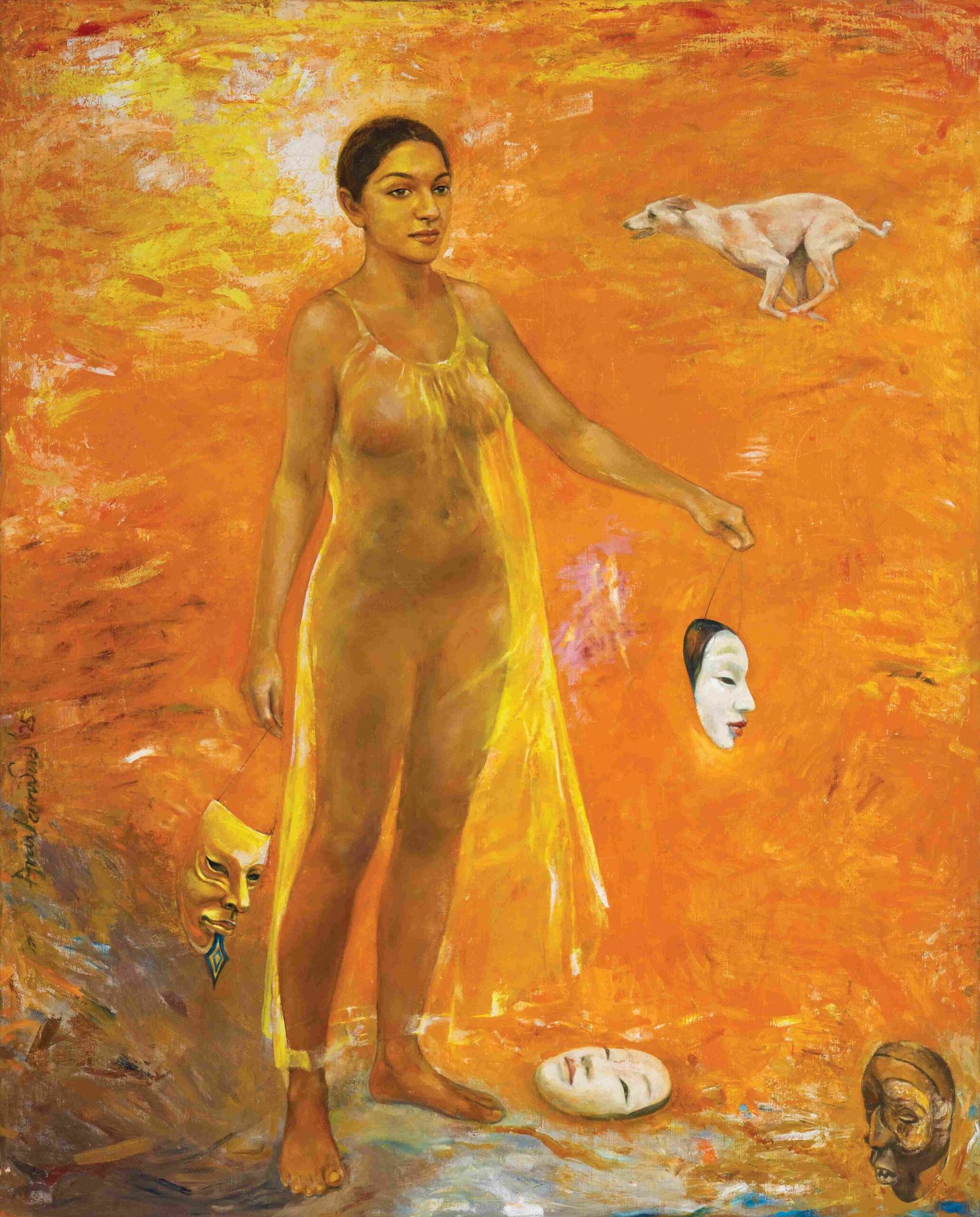
A man who willingly trades in a Mercedes for an artwork is, without question, a true connoisseur. For Manoj Israni, who’s intensely passionate about art and determined to line the walls of his home with masterpieces, a luxury car seemed like a small price to pay. Having redefined ‘luxury living’ as surrounding himself with art and beloved companions—specifically his dogs, Edward and Oliver— Israni seeks to highlight how a creative outlook to life can be the foundation of creating a priceless collection.

While Israni is a renowned collector today, his entry into the world of art was quite fortuitous. “Art is something that came out of the blue. I run a pharma company,” he says, adding that he was raised in an environment where art and creativity were valued. But his interest in collecting was sparked by a simple need: furnishing his new home. Driven by a desire to recreate the atmosphere of his childhood home—headlined by a massive M.F. Husain painting placed front and centre—he began a hunt for his own masterpieces. “I bought a smaller Husain painting because I didn’t have enough space for a big one. Three months later, the person I bought it from asked me if I wanted to sell it back. I agreed and she gave me nine times the price for it, which I thought was interesting,” he recalls.

Israni feels that you need a do-your-own-research approach to collecting. He says he’s read almost every book on Indian art and this knowledge makes the process of acquiring art exciting, not challenging. “Collecting art is something that grew on me. I was always clear about what I wanted to buy and when. I don’t buy art from dealers or artists, I prefer auctions,” he says.

With a rise in disposable income and an expanding collector base in India, there has been a surge in buying art mainly as a form of investment. And that, Israni says, is a dangerous road to take. “You must like art first. I wouldn’t take the route of buying art solely as an investment. I do consign works to auction but that’s only because I want to upgrade,” he says, adding that he also doesn’t know anyone who buys art merely for its financial potential. “It’s like buying a diamond set for investment purposes. You don’t have a clue about diamonds; you don’t know where you’re putting your money. I know people who want to keep their art for generations and those who buy it as an investment, but they also know about art.”

Read the full story in the premiere issue of LuxeTrope, on stands now.
Read More

In an art world often drawn to spectacle, Vattakuzhy stands apart for the quiet intensity of his vision

The landscape continues to spotlight a mix of historic Masters and Contemporary icons.

1,881 lots sold at ₹1.18 cr average price mark a robust 2025 for Indian art's elite.

He also emphasises that a good work must evoke a strong, lasting feeling

A primer for beginners on the art of selling your collection at auction

From folk-inspired aesthetics to meditative abstractions, women artists are claiming elite ranks among collectors

Inside India’s Luxury Jewellery Boom

Inside India’s Luxury Jewellery Boom

Luxury jewellery is evolving from occasion-led indulgence into a more everyday expression of taste and value

High-end jewellery is emerging as one of the strongest growth stories in India’s luxury economy, supported by rising wealth, changing purchase habits and a deeper appreciation for craftsmanship. What was once mainly associated with weddings and milestone occasions is now being embraced as both a style statement and a collectible asset.

India’s jewellery market is benefiting from strong demand across both branded and auction channels. The country already accounts for about $85 billion of the global $400 billion jewellery sector, making India one of the most important markets in the world. At the same time, the retail jewellery market is projected to nearly double from about $80 billion in 2024 to $150 billion by 2033, underscoring the scale of opportunity ahead.

A major shift is the growing acceptance of high jewellery as a regular purchase, not just a ceremonial one. Buyers are increasingly choosing pieces to mark birthdays, anniversaries and personal milestones. This shift has helped brands such as Cartier, Chaumet, Bvlgari and Messika deepen their India strategies, while homegrown names like Zoya, Sunita Shekhawat and Raniwala 1881 continue to expand their presence.

The auction market is also playing a bigger role in shaping demand. AstaGuru’s sale of a Colombian emerald and diamond choker for ₹2.51 crore in December 2024 highlights the appetite for rare, certified and visually striking pieces. Auction revenue for top jewellery companies grew 5.94 per cent year on year from FY 2023-24 to FY 2024-25, reflecting healthy collector interest.

What is especially notable is how the market is broadening. Men’s jewellery is gaining traction, branded bracelets and bangles are finding enthusiastic buyers, and heritage styles such as jadau necklaces, chandbaalis and temple jewellery remain highly desirable. In a market where provenance, design and exclusivity matter more than ever, luxury jewellery is proving to be both emotionally resonant and commercially resilient.

Read the full story in the premiere issue of LuxeTrope, on stands now.

Read More

In an art world often drawn to spectacle, Vattakuzhy stands apart for the quiet intensity of his vision

The landscape continues to spotlight a mix of historic Masters and Contemporary icons.

1,881 lots sold at ₹1.18 cr average price mark a robust 2025 for Indian art's elite.

He also emphasises that a good work must evoke a strong, lasting feeling

A primer for beginners on the art of selling your collection at auction

From folk-inspired aesthetics to meditative abstractions, women artists are claiming elite ranks among collectors

The Market of Luxury Automobiles in India

The Market of Luxury Automobiles in India

Luxury cars are no longer just about ownership; they are becoming part of a wider ecosystem

Luxury cars in India are increasingly being shaped by rising wealth, stronger demand from HNIs, and a fast-growing secondary market. What was once a narrow, metro-led category has expanded into a broader luxury ecosystem, with buyers in their 30s and 40s showing a strong appetite for premium SUVs, high-spec sedans and performance models.

Luxury automakers are seeing robust traction even when the wider car market slows. Mercedes-Benz India posted its highest-ever sales in 2024, rising 12.4 per cent, while BMW crossed 15,000 units and saw an 8 per cent rise in sales of its top model, the X7. Analysts expect luxury car sales to cross 1,00,000 units a year within the next five years, up from 48,500 last year, signalling how quickly the segment is scaling.

What is especially notable is the role of the secondary market. Sales of pre-owned luxury cars reached around 80,000 units in 2024, exceeding new luxury car sales by a wide margin. For many buyers, this route offers a more accessible entry point into luxury ownership, with average pre-owned prices hovering around ₹40–42 lakh, roughly half the cost of buying the same model fresh off the showroom floor. That price gap has made the used-luxury segment a serious business rather than a fallback option.

The secondary market is also benefiting from changing ownership patterns. Buyers are no longer acquiring luxury cars purely for utility; they are drawn to the status, experience and long-term value associated with premium brands. At the same time, lenders are helping expand access through easier financing, while luxury manufacturers continue to introduce bespoke features and premium trims to appeal to a more discerning clientele.

Together, the primary and secondary markets are reinforcing one another. New car sales create aspiration, while the used market widens access and keeps demand flowing. In that sense, luxury cars are no longer just products of consumption; they are becoming part of a larger, more fluid luxury economy.

Read the full story in the premiere issue of LuxeTrope, on stands now.
Read More

In an art world often drawn to spectacle, Vattakuzhy stands apart for the quiet intensity of his vision

The landscape continues to spotlight a mix of historic Masters and Contemporary icons.

1,881 lots sold at ₹1.18 cr average price mark a robust 2025 for Indian art's elite.

He also emphasises that a good work must evoke a strong, lasting feeling

A primer for beginners on the art of selling your collection at auction

From folk-inspired aesthetics to meditative abstractions, women artists are claiming elite ranks among collectors

An Ultimate Art Calendar

Artinerary: Your Ultimate Art Calendar

Here’s a guide to the most creative luxury events across the world in 2026

Diriyah Contemporary Art Biennale
When: January 30-May 2, 2026
Where: JAX District – Diriyah/Riyadh
The event features more than 70 artists from over 37 nations, including commissions spanning visual art, music, film, architecture, and writing.

Biennale of Sydney
When:
March 14-June 14, 2026
Where: Multiple locations including White Bay Power Station, Art Gallery of New South Wales, Penrith Regional Gallery
A global platform for contemporary visual arts, the Biennale of Sydney is known for presenting thought-provoking art from Australia and the world.

Art Basel Hong Kong
When: March 27-29, 2026
Where: Hong Kong Convention and Exhibition Centre, Wan Chai
Art Basel Hong Kong connects artists and galleries from Asia and beyond, creating an exciting fusion of East and West.

ShowKeen
When: March 14-15, 2026 | April 11-12, 2026
Where: Bikaner House, New Delhi | Nehru Centre, Mumbai
ShowKeen is an annual exhibition curated by AstaGuru for art and design enthusiasts, and seasoned collectors. Last year’s exhibition showcased rare works of Modern and Contemporary Indian artists, alongside international artists. This edition brings together some exceptional names.

Frieze New York
When: May 13-17, 2026
Where: The Shed, 545 W 30th St
Featuring approximately 70 galleries, this event collaborates with nonprofit organisations and showcases works from international artists, fostering creativity and dialogue within the global art community.

La Biennale di Venezia (Venice Biennale)
When: May 9-November 22, 2026
Where: Giardini Della Biennale and Arsenale Exhibition Spaces
A major event in the global art calendar, this is known for its diversity. The event’s theme this year is titled In Minor Keys, conceived by the late curator Koyo Kouoh, and also presents a special India pavilion curated by Amin Jaffer.

Art Basel
When: June 18-21, 2026
Where: Messe Basel, Switzerland
Art Basel is renowned for its cutting-edge art, from emerging talents to iconic figures across media. It features over 200 leading galleries and more than 4,000 artists from five continents.

Frieze Seoul
When: September 2-5, 2026
Where: COEX Convention & Exhibition Center, Gangnam
A dynamic addition to the Frieze art fair series, the Seoul edition will bring together international and local galleries and audiences. It aims to highlight the rich cultural scene of Seoul while fostering connections between artists, collectors, and curators.

Toronto Biennial of Art 2026
When: September 26-December 20, 2026
Where: Art Museum at the University of Toronto and the Art Gallery of Ontario
Curated by Allison Glenn, the biennial features free, accessible and inclusive city-wide exhibitions exploring Toronto’s diverse history and an understanding of contemporary art practices.

Frieze London
When: October 14-18, 2026
Where: The Regent’s Park
Frieze London champions younger galleries from across the globe, bringing contemporary art and a dynamic cultural atmosphere to the heart of the city, thus attracting a mix of iconic and emerging artists.

Art Basel Paris
When: October 23-25, 2026
Where: Grand Palais, Avenue Winston Churchill
Held in the heart of the French capital, Art Basel Paris showcases the world’s most influential artists in one of the most fashionable cities.

Artissima Turin
When: October 30-November 1, 2026
Where: Oval Lingotto Fiere, Torino, Italy
Established in 1994, Artissima is Italy’s most important contemporary art fair, which stands out for its focus on experimentation and research. Galleries from around the world participate in this event every year.

Art Cologne
When: November 5-8, 2026
Where: Koelnmesse GmbH, Messeplatz 1
The world’s oldest art fair, Art Cologne offers a mix of Modern and Contemporary art, drawing collectors and art lovers alike

ART X Lagos
When: November 5-8, 2026
Where: The Federal Palace, Victoria Island
West Africa’s premier
international art fair, ART X Lagos is a celebration of contemporary art from Africa and the diaspora.

Art Basel Miami Beach
When: December 4-6, 2026
Where: Miami Beach Convention Center
One of the biggest art shows in the Americas, this event blends high-end Contemporary art with a South Beach vibe.

Read More

In an art world often drawn to spectacle, Vattakuzhy stands apart for the quiet intensity of his vision

The landscape continues to spotlight a mix of historic Masters and Contemporary icons.

1,881 lots sold at ₹1.18 cr average price mark a robust 2025 for Indian art's elite.

He also emphasises that a good work must evoke a strong, lasting feeling

A primer for beginners on the art of selling your collection at auction

From folk-inspired aesthetics to meditative abstractions, women artists are claiming elite ranks among collectors