luxetrope.com

Why Art Deco Silver Is Back

Why Art Deco Silver Is Back

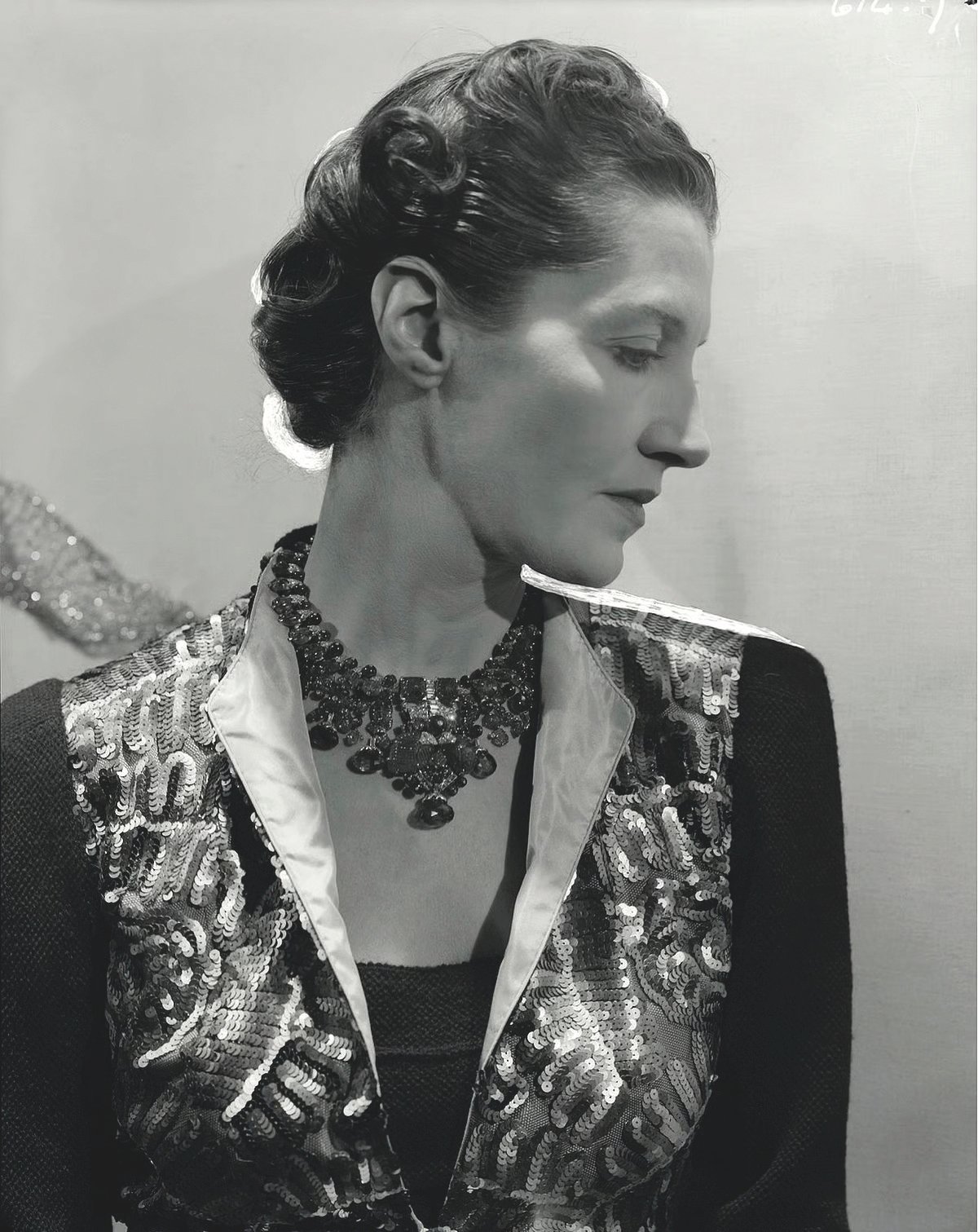
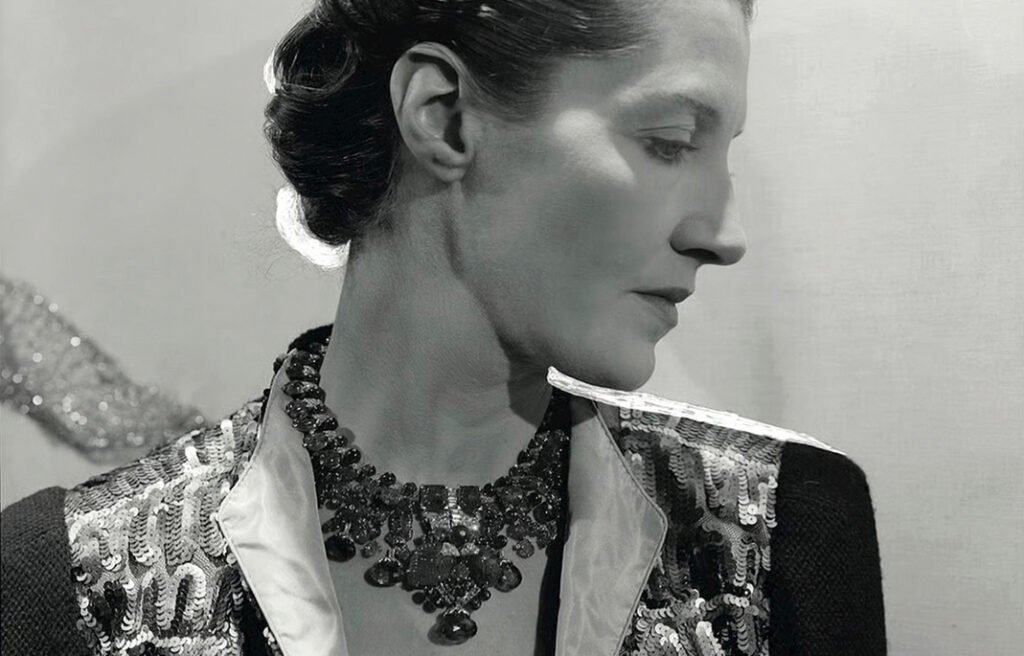
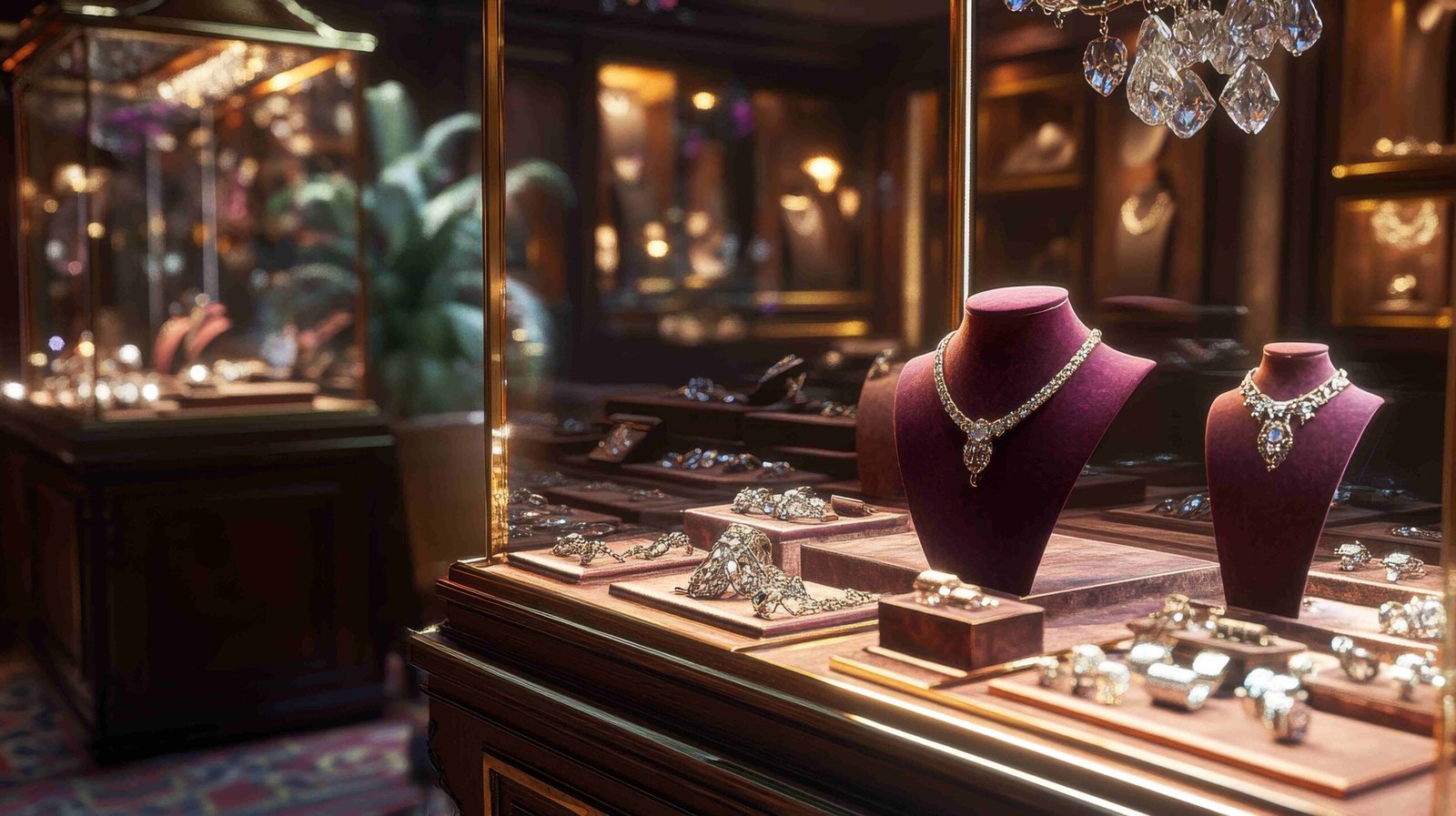
Once prized for its clean lines and timeless elegance, Art Deco silver is enjoying a strong revival as collectors embrace vintage design, craftsmanship and long-term value.

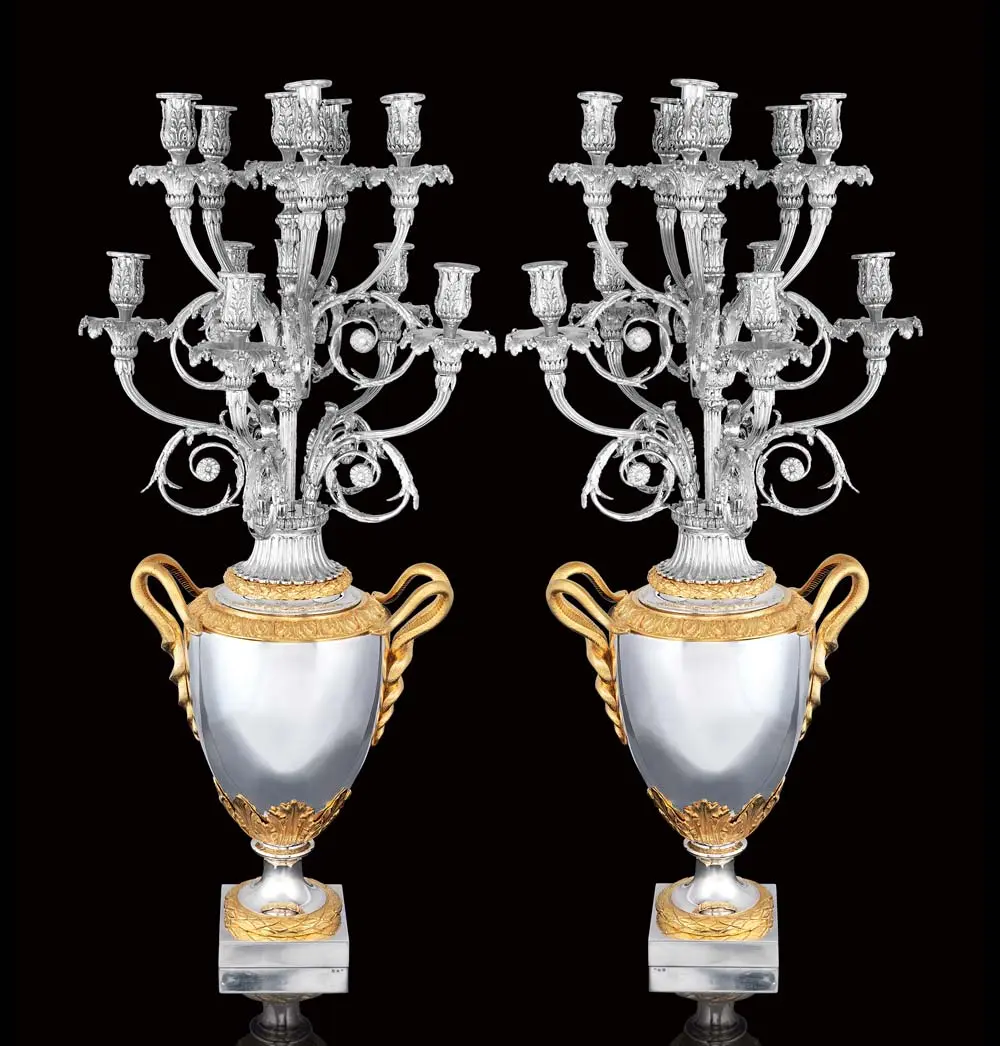
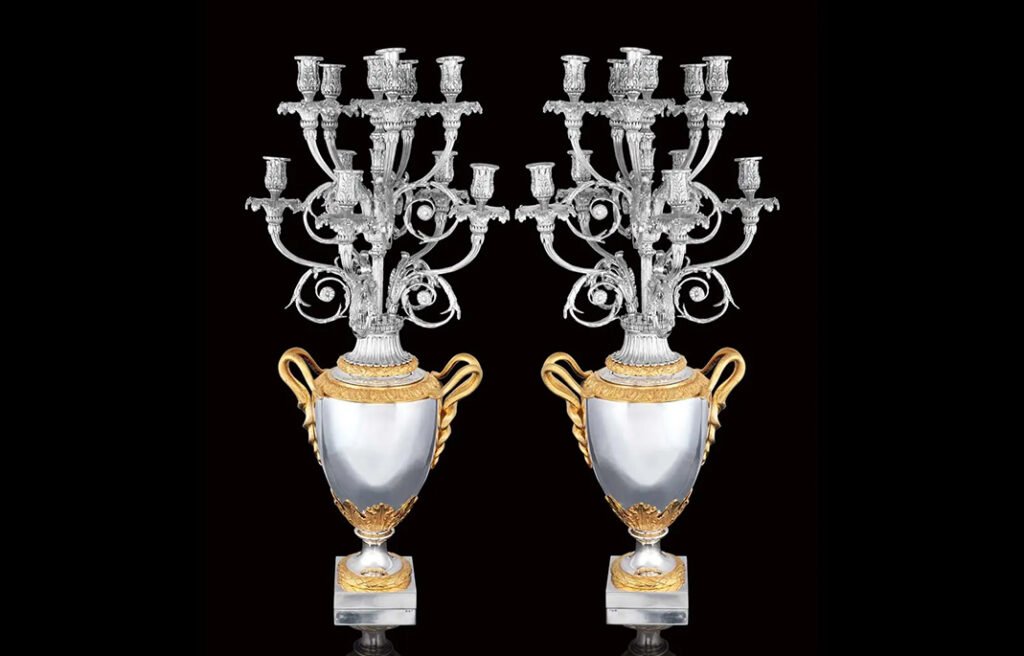
Art Deco silver has emerged as one of the fastest-growing segments in the collectibles market, driven by a renewed appreciation for heirloom-quality objects. Auction houses in India and abroad are reporting rising demand for vintage silverware, from cocktail shakers and tea services to decorative bowls by celebrated makers such as Tiffany & Co. and Georg Jensen.

The auction results tell the story. In 2024, AstaGuru sold a pair of Tiffany & Co. Art Deco silver fruit dishes for an impressive ₹89.3 lakh, while another pair of Tiffany fruit bowls realised nearly ₹40 lakh in 2026. A 20th-century Art Deco silver serving set also achieved almost ₹12 lakh in 2025, highlighting sustained demand for exceptional European silver in the Indian market.

The trend reflects a broader shift in collecting. Globally, vintage collectibles account for an estimated 38% of the market, making them the largest category ahead of contemporary, modern and ancient works. Buyers are increasingly seeking pieces that combine artistic significance with everyday functionality, creating a new generation of collectors who value both design and heritage.

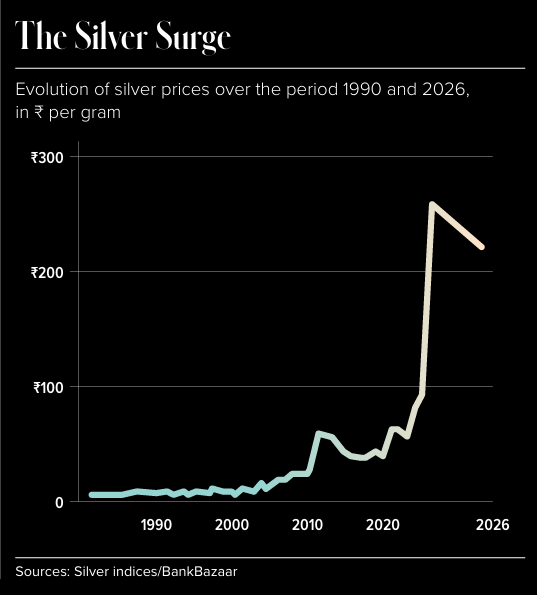
Supporting this momentum is the wider silver market itself. According to industry estimates, the global silver market was valued at $95.7 billion in 2025 and is projected to reach $223 billion by 2034. Growth is being fuelled by industrial demand in electronics, solar energy and electric vehicles, alongside renewed interest in jewellery and luxury silverware.

For collectors, Art Deco silver offers something increasingly rare—a blend of history, craftsmanship and lasting value. Whether displayed as decorative art or passed down through generations, these elegant creations continue to prove that great design never goes out of style.

Discover more stories on luxury collecting, design and investment in the latest issue of Luxetrope—India’s premier luxury intelligence magazine.

Read More

Contemporary Indian art is gaining fresh momentum, with a new generation of collectors driving stronger auction results

Lokhande’s auction trail from 2021 to 2025 shows a gradual build

The collector believes art is an asset in more ways than one—it offers aesthetic pleasure and the potential for long-term appreciation

Leading with Gestation at ₹45 crore, Raza’s elite sales showcase his powerhouse market from 2021 to 2025

A generational shift in wealth is reshaping the art market, opening the door to a more layered landscape

The impact of wealth creation is becoming increasingly visible in the art market

The Royal Legacy of the Sarpech

The Royal Legacy of the Sarpech

Once reserved for emperors and princes, the sarpech remains one of India's most iconic royal ornaments, finding new life through auctions, collectors and contemporary bridal fashion.

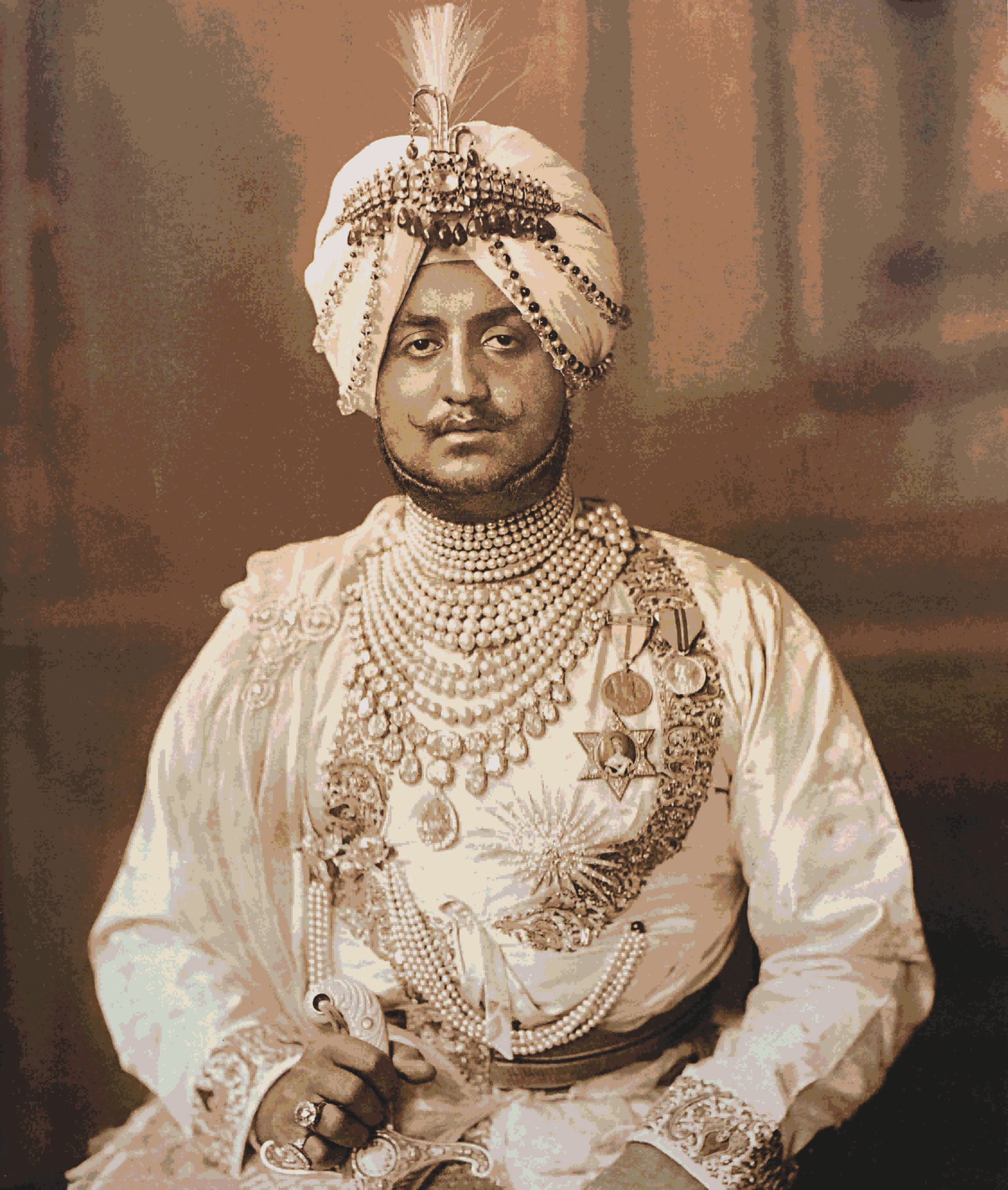
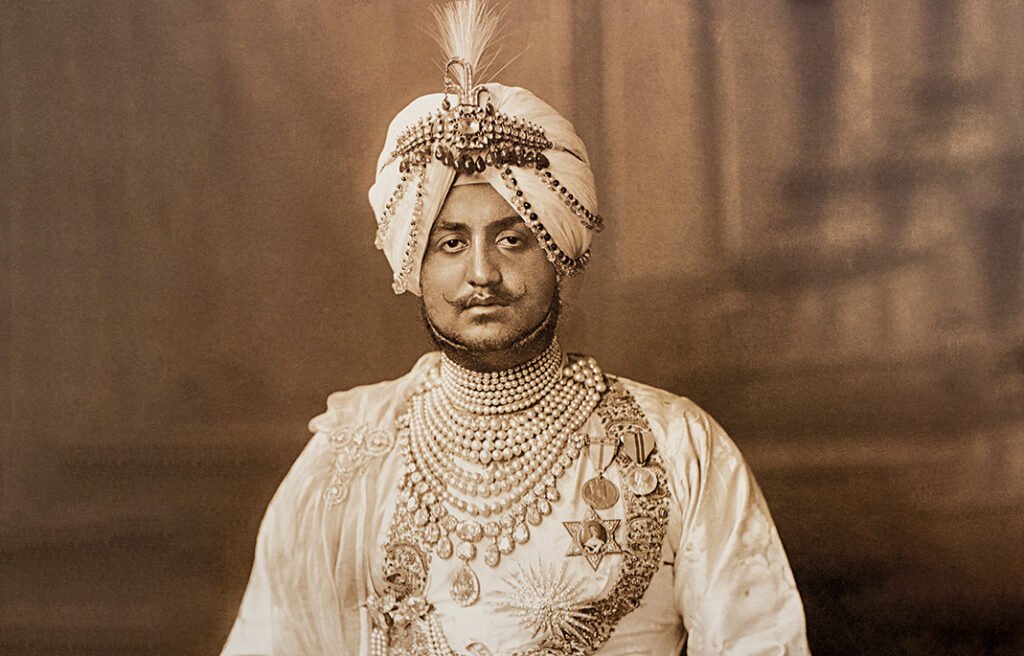
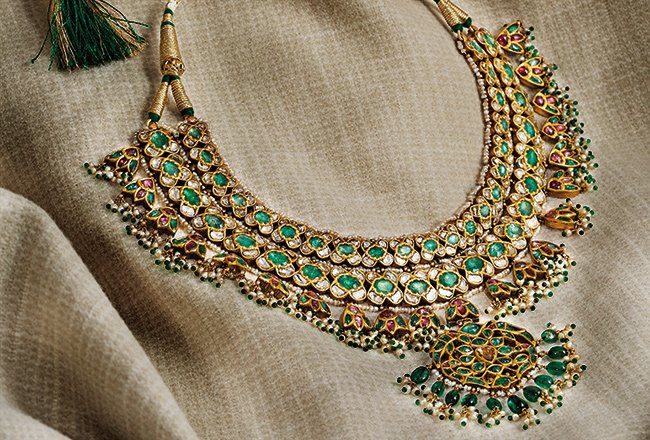
For centuries, the sarpech, a jewelled turban ornament worn by royalty across India, Persia and Turkey stood as a symbol of power, prestige and military honour. Popularised during the Mughal era by emperors such as Akbar and Shah Jahan, it became an essential part of royal attire, often bestowed as a mark of distinction for exceptional service.

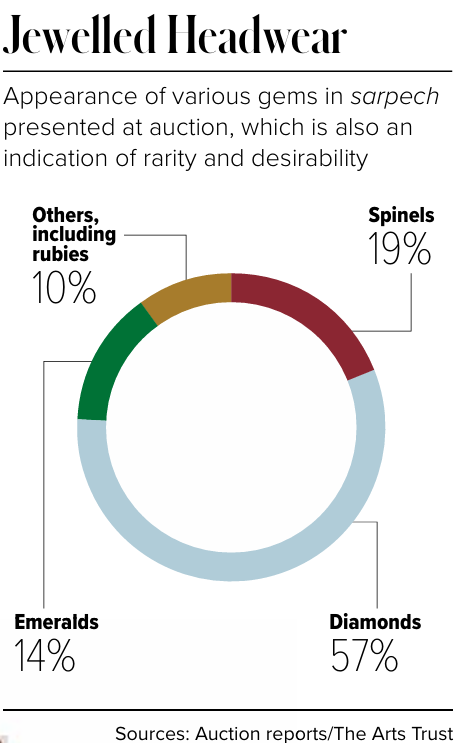
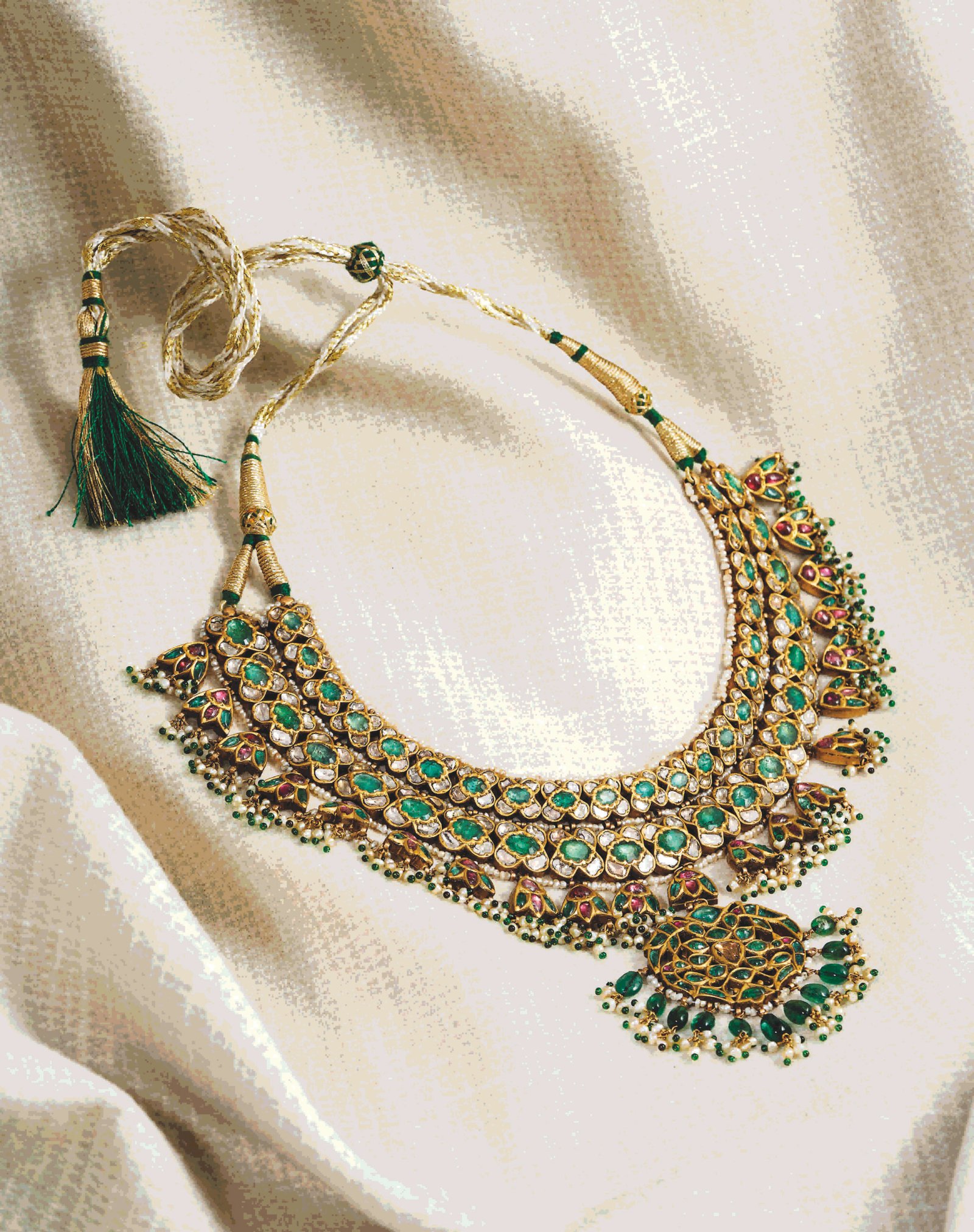
Beyond its regal history, the sarpech is celebrated for its extraordinary craftsmanship. Master artisans from Jaipur, Delhi and Lucknow combined techniques such as kundan and meenakari with emeralds, spinels and diamonds to create intricate pieces that reflected both Indian and Persian influences. Today, diamonds remain the most common gemstone seen in sarpech designs, followed by spinels and emeralds.

Although the ornament faded from everyday use after the princely era, it has made a remarkable comeback. Historic films, luxury weddings and a growing appreciation for heritage jewellery have renewed interest in these rare creations, while collectors continue to compete for exceptional examples at auction.

That demand is reflected in the numbers. Sarpechs and kalgis enjoy an estimated 96% sell-through rate at auction, with some pieces achieving prices several times above their estimates. In 2024, a vintage diamond and spinel sarpech sold for over ₹1 crore, while historic Mughal and royal examples continue to command international attention.

Today, the sarpech is more than a royal ornament—it’s a lasting symbol of India’s artistic heritage, where history, craftsmanship and provenance come together in a single masterpiece.

Explore more fascinating stories from the world of jewellery, heritage and collecting in the latest issue of Luxetrope—India’s premier luxury intelligence magazine.

Read More

Contemporary Indian art is gaining fresh momentum, with a new generation of collectors driving stronger auction results

Lokhande’s auction trail from 2021 to 2025 shows a gradual build

The collector believes art is an asset in more ways than one—it offers aesthetic pleasure and the potential for long-term appreciation

Leading with Gestation at ₹45 crore, Raza’s elite sales showcase his powerhouse market from 2021 to 2025

A generational shift in wealth is reshaping the art market, opening the door to a more layered landscape

The impact of wealth creation is becoming increasingly visible in the art market

The Modern Face of Meenakari

The Modern Face of Meenakari

Designer Sunita Shekhawat has redefined Jaipur's centuries-old meenakari tradition, blending heritage craftsmanship with contemporary design to create jewellery that speaks across generations.

Inspired by Rajasthan’s vibrant colours, architecture and craftsmanship, Sunita Shekhawat has spent more than three decades transforming the ancient art of meenakari into a modern expression of luxury. By introducing softer enamel shades such as ivory, turquoise and mint, she challenged the traditional red-and-green palette while preserving the essence of the craft.

For Shekhawat, every jewel begins with a story. Ideas are translated into motifs before skilled artisans bring them to life using time-honoured techniques. The result is jewellery that balances tradition with innovation, creating heirlooms designed to be worn and treasured every day.

A defining moment in her journey came in 1999 when Rajmata Gayatri Devi inaugurated her boutique. Twenty-five years later, receiving an award named after the royal icon became a full-circle milestone. Shekhawat credits the Rajmata’s encouragement as a lasting influence, saying her legacy continues to inspire the preservation and reinterpretation of India’s rich jewellery heritage.

Beyond design, Shekhawat is committed to safeguarding the future of meenakari. Through Jaipur’s Museum of Meenakari Heritage (MOMH), she hopes to celebrate the artistry of master craftsmen while ensuring the centuries-old tradition continues to inspire future generations.

Discover more inspiring stories of India’s master jewellers and luxury visionaries in the latest issue of Luxetrope—India’s premier luxury intelligence magazine.

Read More

Contemporary Indian art is gaining fresh momentum, with a new generation of collectors driving stronger auction results

Lokhande’s auction trail from 2021 to 2025 shows a gradual build

The collector believes art is an asset in more ways than one—it offers aesthetic pleasure and the potential for long-term appreciation

Leading with Gestation at ₹45 crore, Raza’s elite sales showcase his powerhouse market from 2021 to 2025

A generational shift in wealth is reshaping the art market, opening the door to a more layered landscape

The impact of wealth creation is becoming increasingly visible in the art market

India’s Gems and Jewellery Market is Booming

India's Gems and Jewellery Market is Booming

It's being powered by rising demand for branded jewellery, bigger retail stores and consumers willing to spend more on fine jewellery

Long regarded as a safe investment, jewellery continues to shine despite economic uncertainty. India’s gems and jewellery market is expected to grow significantly by 2030, driven by strong domestic demand and healthy exports.

The biggest shift is towards organised retail. Jewellery stores are becoming larger, more immersive destinations, offering everything from bridal lounges to AI-powered virtual try-ons. Consumers are increasingly choosing trusted brands that combine quality, design and transparency.

The Industry’s Biggest Winners

Leading names such as Tanishq, Malabar Gold & Diamonds and Kalyan Jewellers have delivered strong financial performances, supported by store expansion, digital innovation and robust wedding demand. Other brands, including CaratLane, BlueStone, Senco and Indriya, are also expanding rapidly as competition intensifies.

From online consultations to virtual try-ons and omnichannel shopping, jewellery brands are investing heavily in technology to improve the customer experience. Online jewellery purchases are steadily rising, particularly in Tier 2 and Tier 3 cities, helping brands reach new audiences.

Luxury Demand Remains Strong

Consumers are continuing to invest in premium jewellery despite higher gold prices. High-value purchases, exchange programmes and a growing preference for branded collections are keeping the market resilient. At the same time, certified and provenance-backed jewellery is attracting increasing interest in the secondary market.

India’s jewellery story is no longer just about tradition—it’s about innovation, organised retail and changing consumer aspirations. As brands expand their presence and shoppers embrace premium experiences, the industry’s growth story looks set to continue.

Read the full story in the special ‘Joaillerie Market’ issue of LuxeTrope, on stands now.

Read More

Contemporary Indian art is gaining fresh momentum, with a new generation of collectors driving stronger auction results

Lokhande’s auction trail from 2021 to 2025 shows a gradual build

The collector believes art is an asset in more ways than one—it offers aesthetic pleasure and the potential for long-term appreciation

Leading with Gestation at ₹45 crore, Raza’s elite sales showcase his powerhouse market from 2021 to 2025

A generational shift in wealth is reshaping the art market, opening the door to a more layered landscape

The impact of wealth creation is becoming increasingly visible in the art market

Jewels that Defined the Auction Season

Beyond the Sparkle: Jewels that Defined the Auction Season

These exceptional pieces proved that rarity, provenance and craftsmanship continue to command record prices at auction

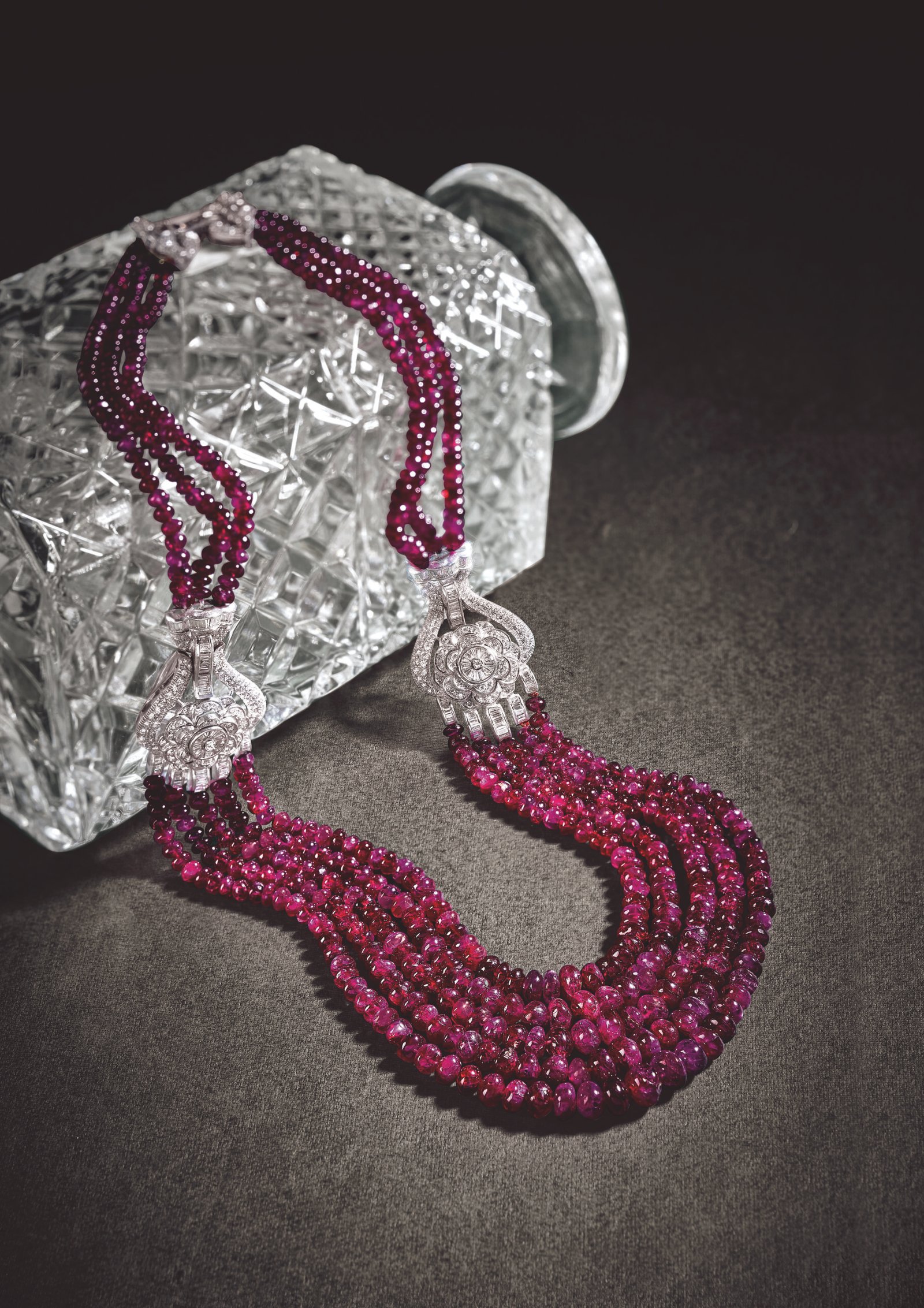
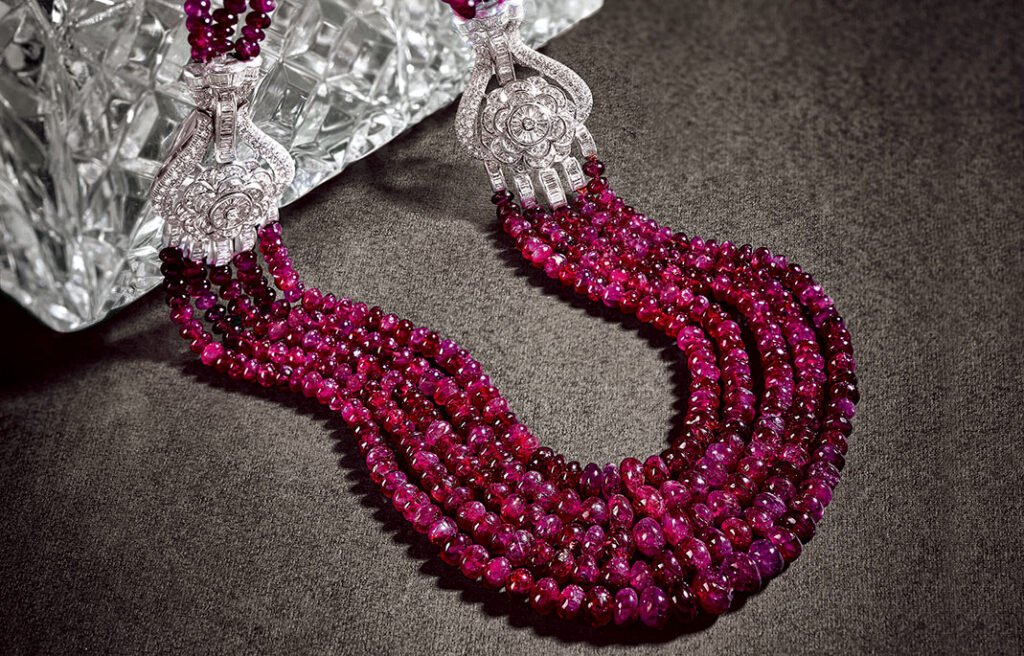
NATURAL BURMESE RUBY BEAD NECKLACE | Rubies: 833.30 cts/565 pcs | Diamonds: 8.40 cts/510 pcs | Sold in 2023 by AstaGuru for ₹76,96,628 ($81,017)

Some jewels are more than exquisite adornments, they are works of art with remarkable histories. These exceptional auction highlights showcase how rarity, provenance and master craftsmanship continue to captivate collectors.

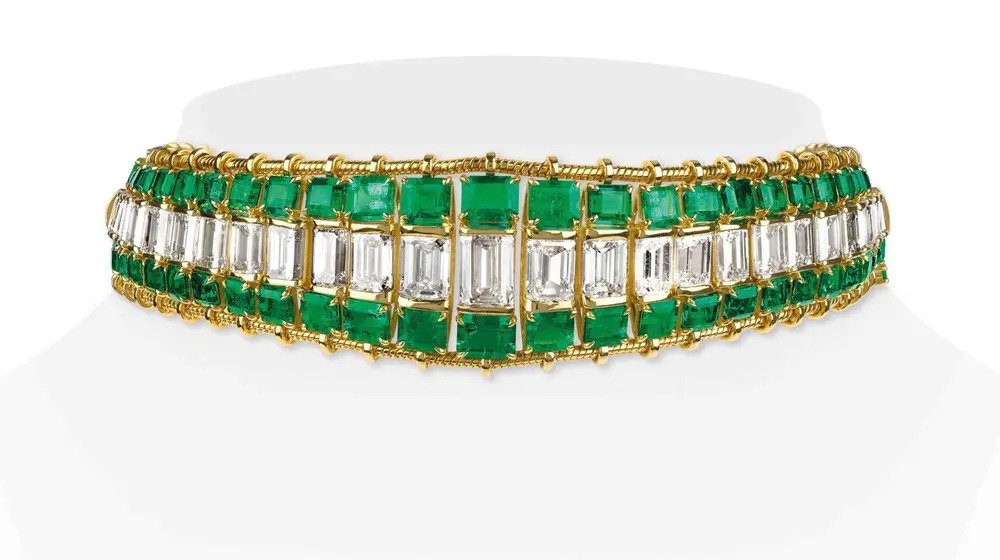
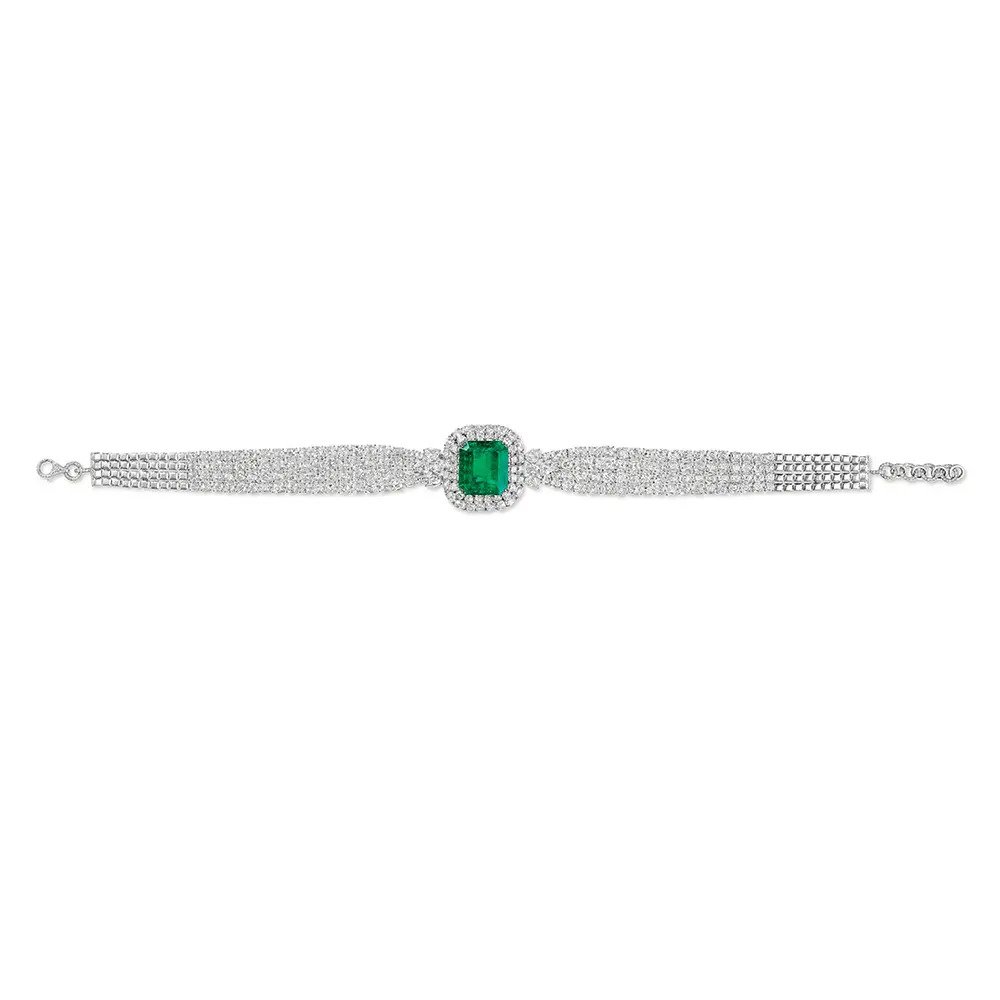
Colombian Emerald & Diamond Choker | Gross Weight: 91.826 g | Emeralds: 54.07 cts/246 pcs | Diamonds: 60.73 cts/207 pcs | Sold in 2024 by AstaGuru for ₹2,51,16,300 ($264,382)

The highest-selling lot on the list, this 18k yellow gold choker pairs 246 precision-matched Colombian emeralds with over 60 carats of diamonds. Its ingenious design allows it to transform into a bracelet, making it as versatile as it is valuable.

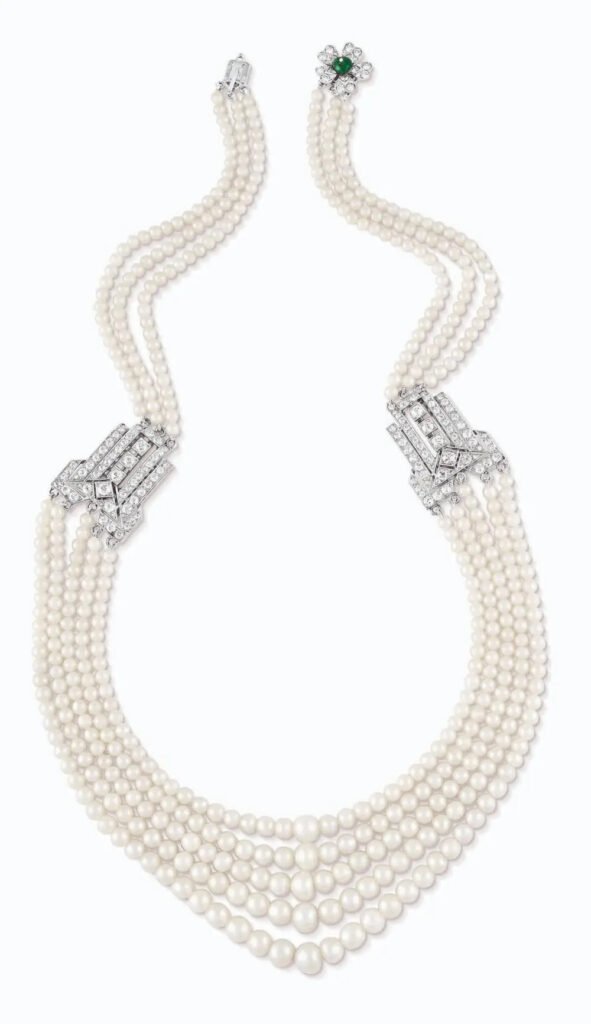
Vintage Natural Pearl Necklace | Natural Pearls: 346.60 chau (424.23 cts)/501 pcs | Diamonds: 11.75 cts/170 pcs | Emerald: 0.60 cts/1 pc | Sold in 2024 by AstaGuru for ₹2,04,88,421 ($215,667)

Five elegant strands of natural pearls meet the glamour of the Art Deco era. Finished with platinum terminals, old-cut diamonds and a striking emerald clasp, this necklace is a rare example of timeless craftsmanship.

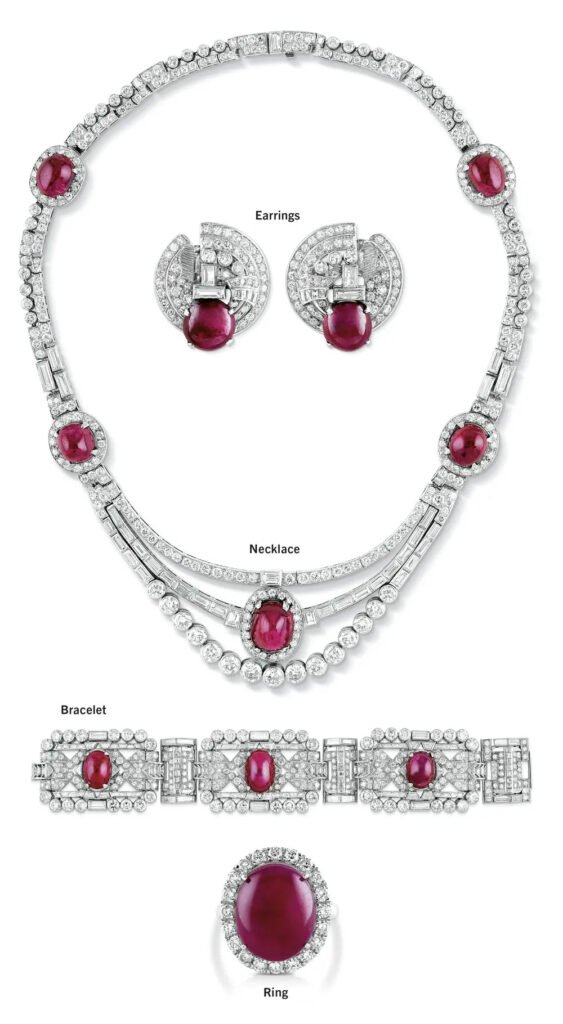
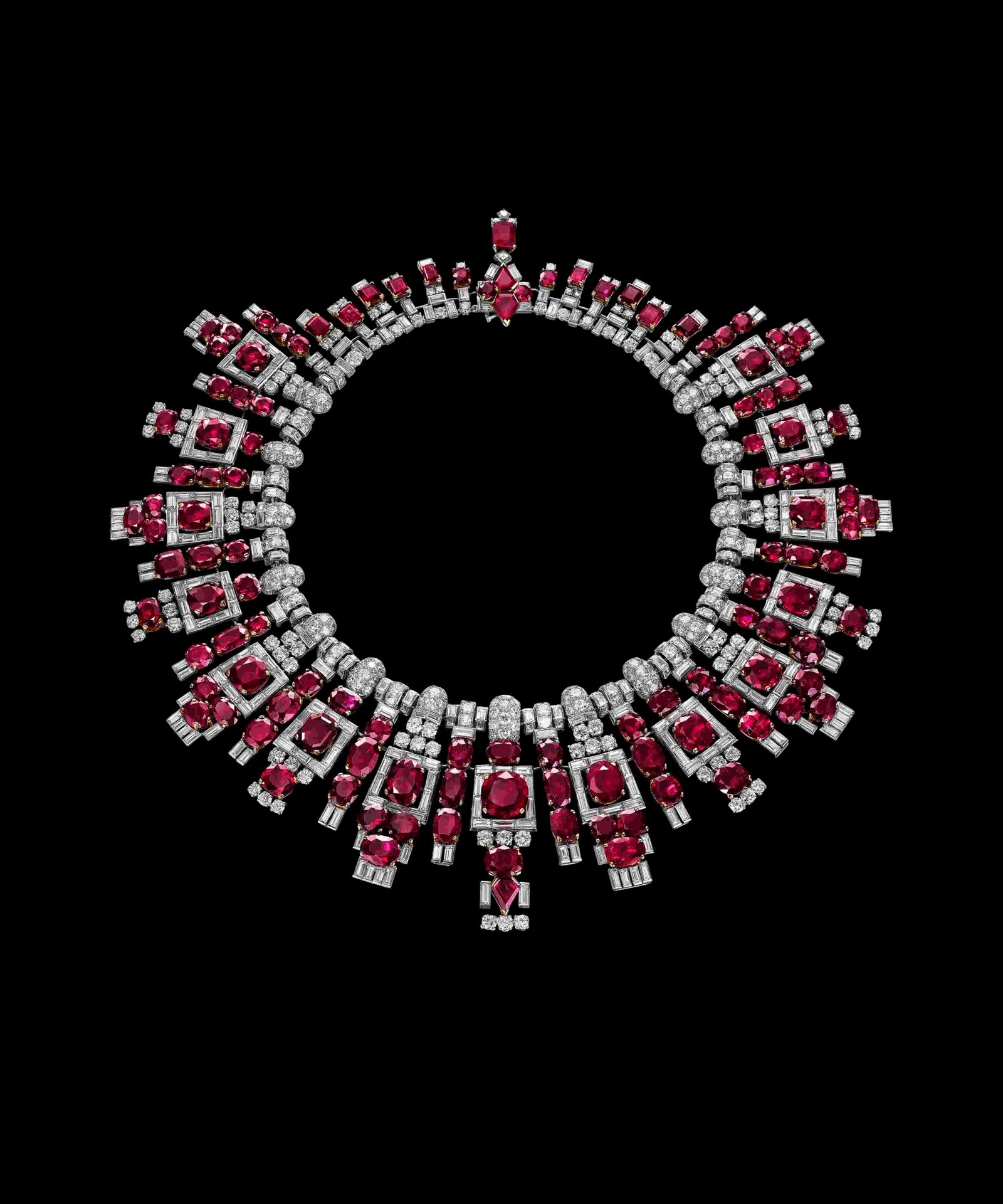
Art Deco Platinum Jewellery Suite | Gross Weight: 240.930 g | Burmese Rubies: 135.00 cts/11 pcs | Diamonds: 145.00 cts/858 pcs | Sold in 2024 by AstaGuru for ₹1,86,91,200 ($196,749)

A complete haute joaillerie suite featuring a necklace, bracelet, ear clips and matching ring, this spectacular set combines rich Burmese ruby cabochons with 145 carats of old European and baguette-cut diamonds.

Colombian Emerald & Diamond Choker | Gross Weight: 83.620 g | Emerald: 32.06 cts/1 pc | Diamonds: 82.17 cts/509 pcs | Sold in 2026 by AstaGuru for ₹1,73,88,910 ($183,041)

Centred around a magnificent 32.06-carat Colombian emerald, this white gold choker is framed by more than 82 carats of brilliant-cut diamonds, creating one of the most impressive contemporary auction highlights.

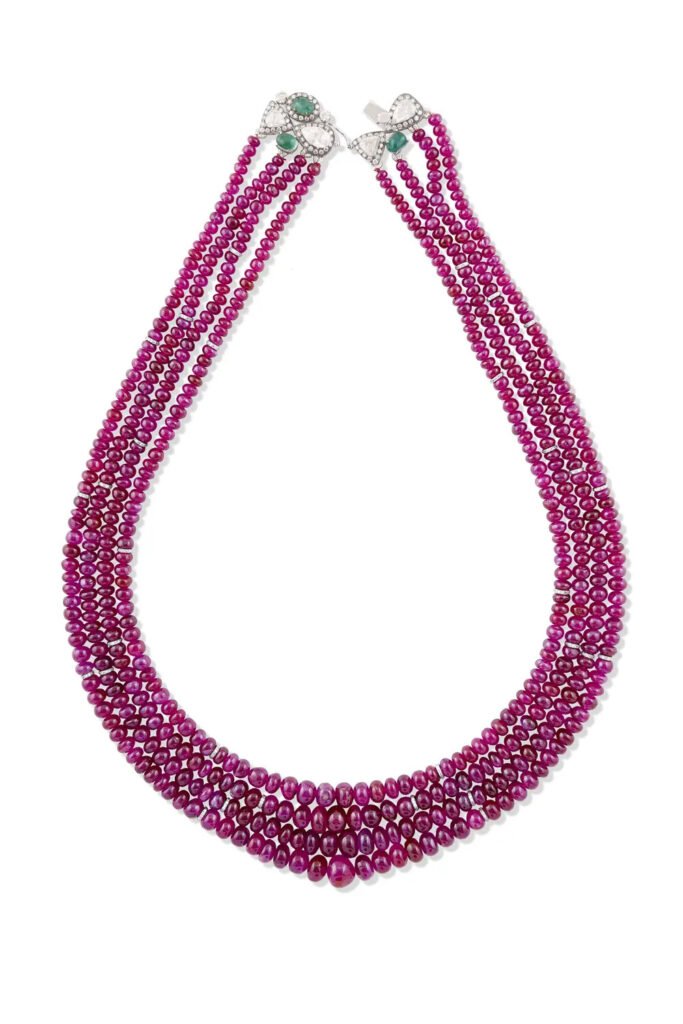
Ruby Bead Necklace | Rubies: 1119.94 cts/548 pcs | Round Diamonds: 5.00 cts/434 pcs | Rose-Cut Diamonds: 2.20 cts/4 pcs | Emeralds: 6.00 cts/3 pcs | Sold in 2022 by AstaGuru for ₹1,71,91,350 ($180,961)

Featuring 548 Burmese ruby beads sourced from the legendary Mogok mines, this regal four-row necklace is accented with diamonds and emeralds. Its exceptional gemstones and royal aesthetic make it one of the finest ruby jewels ever offered at auction.

These remarkable sales highlight the growing appetite for museum-worthy jewellery, where exceptional gemstones, heritage and craftsmanship continue to drive demand among collectors worldwide.

Read the full story in the special ‘Joaillerie Market’ issue of LuxeTrope, on stands now.
Read More

Contemporary Indian art is gaining fresh momentum, with a new generation of collectors driving stronger auction results

Lokhande’s auction trail from 2021 to 2025 shows a gradual build

The collector believes art is an asset in more ways than one—it offers aesthetic pleasure and the potential for long-term appreciation

Leading with Gestation at ₹45 crore, Raza’s elite sales showcase his powerhouse market from 2021 to 2025

A generational shift in wealth is reshaping the art market, opening the door to a more layered landscape

The impact of wealth creation is becoming increasingly visible in the art market

India’s Jewellery Market Shines Brighter​

India's Jewellery Market Shines Brighter

From royal heirlooms to modern collectors, India's luxury jewellery market is growing as buyers seek rare pieces with history, craftsmanship and long-term value.

The value of fine jewellery is no longer defined only by diamonds or precious stones. Today, provenance, rarity and craftsmanship are driving demand, with collectors willing to pay a premium for pieces that carry a story. Historic jewels linked to royalty and heritage continue to command global attention, making auctions an increasingly important part of the luxury market.

The Rise of the Secondary Market

Auction houses are witnessing strong interest in vintage and heirloom jewellery, where exceptional craftsmanship and documented history often matter as much as the gemstone itself. Rare Indian pieces, from polki necklaces to traditional bracelets, are attracting competitive bidding from collectors who see them as both wearable art and investment assets.

At the same time, jewellery exchange programmes are transforming the retail market. With gold prices remaining high, more consumers are trading in existing jewellery to fund fresh purchases, giving pre-owned pieces a renewed life while supporting continued market growth.

A New Generation of Collectors

Millennials and Gen Z are reshaping luxury buying habits. They value authenticity, sustainability and distinctive design, making vintage and pre-owned jewellery increasingly desirable. Combined with rising disposable incomes and growing interest in branded jewellery, these changing preferences are helping India’s jewellery market continue its remarkable growth.

Discover the complete story behind India’s evolving jewellery market in the latest issue of Luxetrope, in stands now.

Read More

Contemporary Indian art is gaining fresh momentum, with a new generation of collectors driving stronger auction results

Lokhande’s auction trail from 2021 to 2025 shows a gradual build

The collector believes art is an asset in more ways than one—it offers aesthetic pleasure and the potential for long-term appreciation

Leading with Gestation at ₹45 crore, Raza’s elite sales showcase his powerhouse market from 2021 to 2025

A generational shift in wealth is reshaping the art market, opening the door to a more layered landscape

The impact of wealth creation is becoming increasingly visible in the art market

How Collectibles Became the Ultimate Power Move

How Collectibles Became the Ultimate Power Move

As wealth expands among India’s Ultra-HNIs, collectibles are emerging as powerful markers of taste, cultural fluency and long-term value

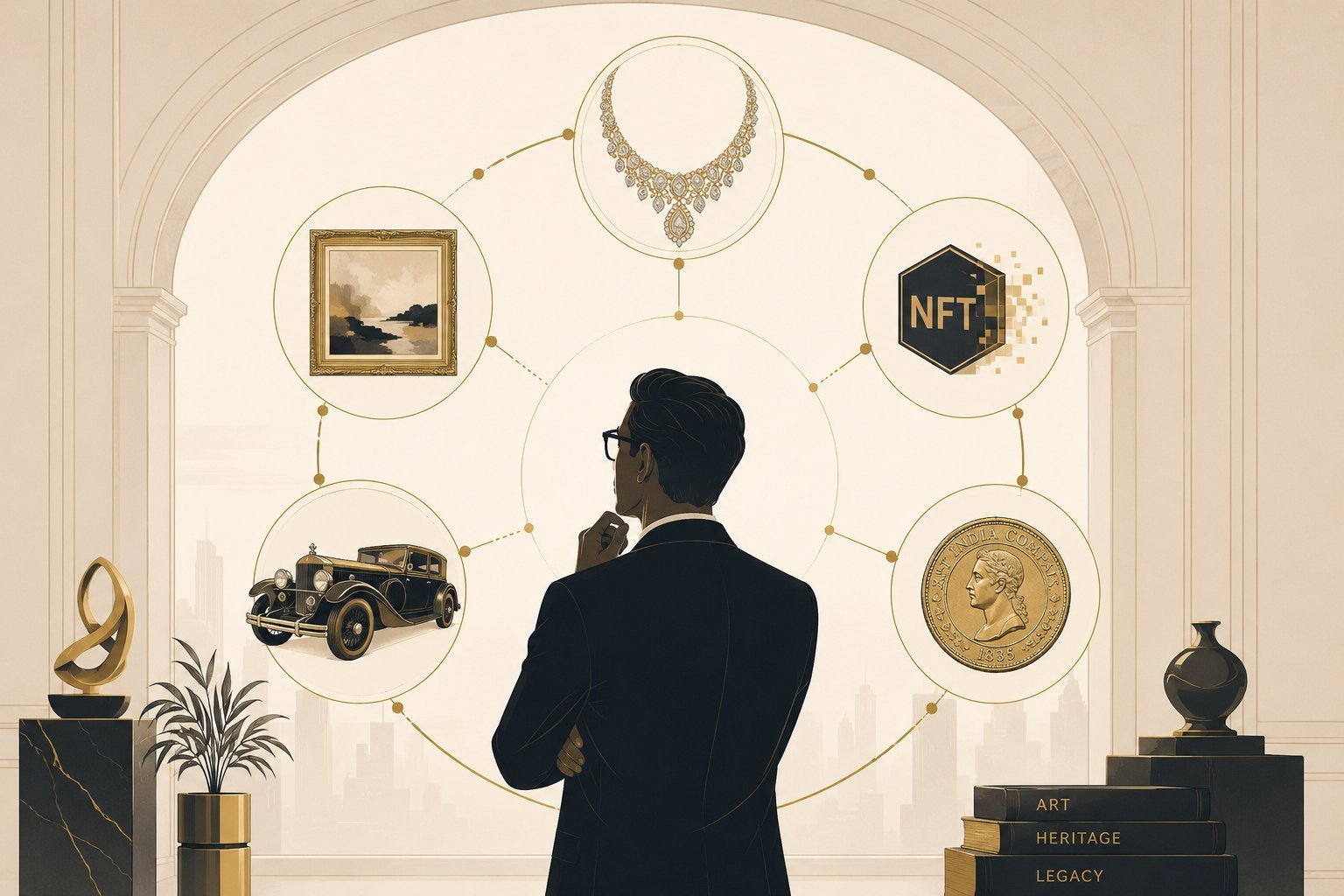
For India’s wealthiest families, the collectibles market is being shaped by a quieter but more meaningful shift in priorities. What was once defined by possession is now defined by selection, with collectors increasingly drawn to assets that combine emotional resonance, rarity and strategic relevance. According to Kotak Private’s ‘Top of the Pyramid’ report, this evolution reflects a broader recalibration in how affluent buyers think about wealth, heritage and legacy.

Jewellery remains the category at the centre of this shift. With 94% of Ultra-HNI collectors already owning it and 79% planning to buy more, it continues to command unmatched loyalty. Its strength lies in a rare combination of craftsmanship, portability and enduring significance, allowing it to function as adornment, heirloom and store of value at once.

Art follows closely, maintaining its position as a cornerstone of sophisticated collecting. With 73% ownership among collectors, it offers more than aesthetic reward. It provides cultural capital, intellectual depth and a place within a global market that continues to influence wealth, prestige and legacy.

Digital collectibles are adding another layer to the story. NFTs now form part of the portfolio for one-third of Ultra-HNIs in the collectibles space, while one in four intend to increase their exposure.

At the same time, collecting tastes are becoming more selective. Interest in handbags, antiques and sports bikes is easing, while vintage automobiles and collectible coins are gaining momentum. The shift suggests a move toward assets with stronger narratives, clearer scarcity and greater perceived endurance.

Together, these changes reveal a market that is becoming more discerning and more strategic. For India’s Ultra-HNIs, collectibles are no longer just discretionary purchases. They are carefully chosen expressions of wealth, identity and permanence.

Read More

Contemporary Indian art is gaining fresh momentum, with a new generation of collectors driving stronger auction results

Lokhande’s auction trail from 2021 to 2025 shows a gradual build

The collector believes art is an asset in more ways than one—it offers aesthetic pleasure and the potential for long-term appreciation

Leading with Gestation at ₹45 crore, Raza’s elite sales showcase his powerhouse market from 2021 to 2025

A generational shift in wealth is reshaping the art market, opening the door to a more layered landscape

The impact of wealth creation is becoming increasingly visible in the art market

A Beginner’s Guide to Collecting International Art

A Beginner’s Guide to Collecting International Art

For anyone entering the world of international art, the smartest first step is often the simplest one

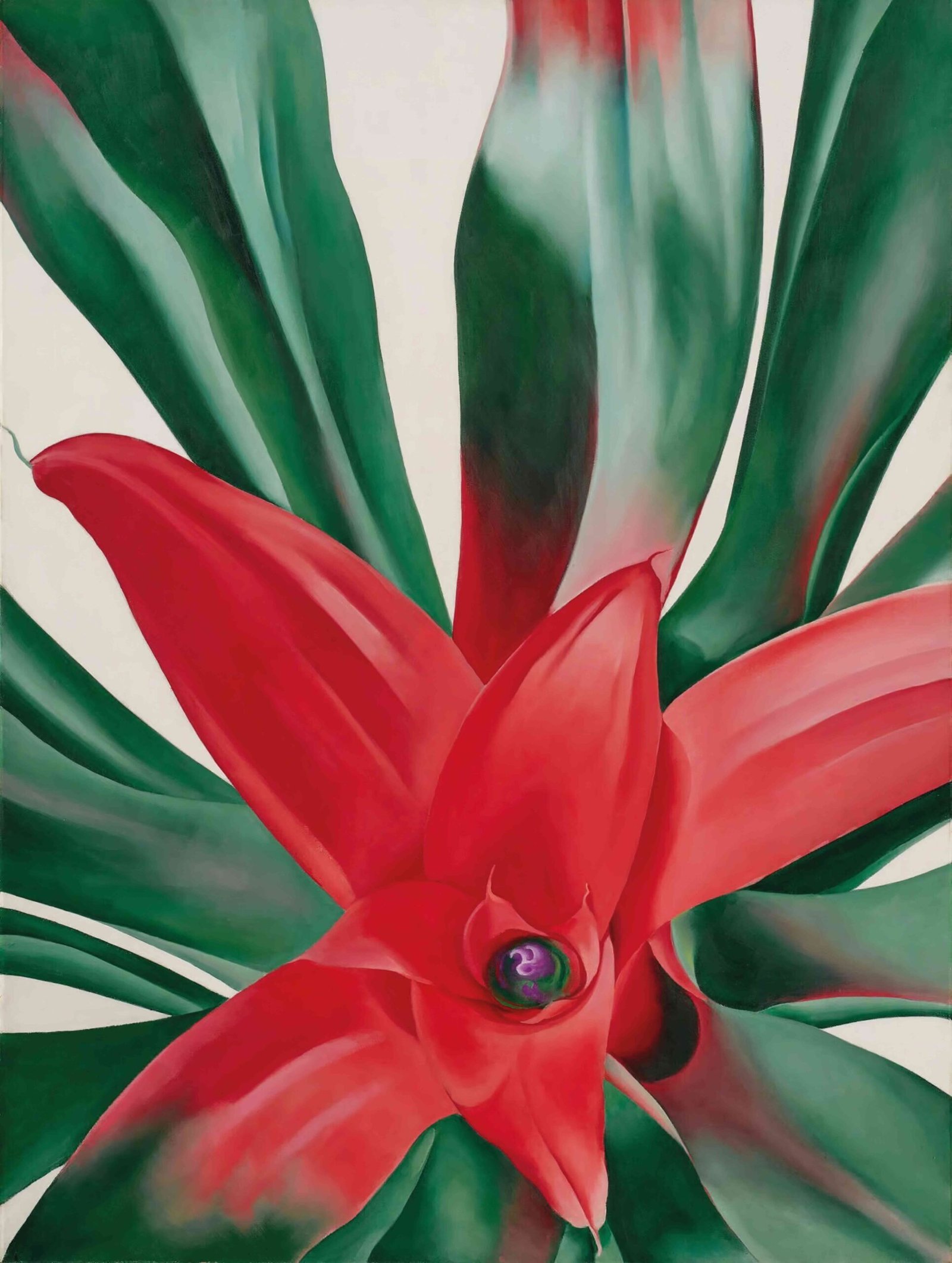
GEORGIA O’KEEFFE | Leaves of a Plant | 40 x 30 in | Oil on canvas | Sold for $13 million (₹114.4 crore)

Starting with international art does not have to feel intimidating. The best entry point is simple: begin small, stay curious, and let the market teach you as you go.

For a new collector, the first move is to keep an open mind toward emerging artists and support them as patrons. Buying their work at auction is a practical way to secure provenance and documentary transparency.

As your eye sharpens, you can move toward Masters whose works are expected to appreciate over time, along with artists who have already appeared in respected art publications and exhibitions. That next step comes from looking closely, learning steadily, and understanding what resonates with you.

Research matters just as much as instinct. Books, magazines, and industry leaders can help you understand art history, movements such as Impressionism, Surrealism, and Expressionism, and the paths international artists have taken. A professional art advisor can also help with international markets, logistics, and legalities.

Auction houses remain a strong starting point, especially when they offer works by established names and handle the practical details around sourcing international art. It is also important to keep the paperwork in order, including a Certificate of Authenticity, provenance, and an invoice.

Read the full story in the premiere issue of LuxeTrope, on stands now.
Read More

Contemporary Indian art is gaining fresh momentum, with a new generation of collectors driving stronger auction results

Lokhande’s auction trail from 2021 to 2025 shows a gradual build

The collector believes art is an asset in more ways than one—it offers aesthetic pleasure and the potential for long-term appreciation

Leading with Gestation at ₹45 crore, Raza’s elite sales showcase his powerhouse market from 2021 to 2025

A generational shift in wealth is reshaping the art market, opening the door to a more layered landscape

The impact of wealth creation is becoming increasingly visible in the art market

10 Record-Breakers at AstaGuru’s Collectors’ Choice Auction

10 Record-Breakers at AstaGuru’s Collectors’ Choice Auction

These artists established new auction records, with bidding pushing several works well beyond their estimates and previous market highs

B. PRABHA | Untitled (Potter Women) | Oil on canvas | 1988 | Sold for ₹2,19,68,998

AstaGuru’s Collectors’ Choice auction (June 22-23, 2026) proved to be a landmark sale, with 10 artists setting new auction benchmarks. The record-breakers ranged from celebrated Modernists such as B. Prabha and K.G. Subramanyan to sculptors like Dhanraj Bhagat and Sarbari Roy Chowdhury, as well as Contemporary artists including Anupam Sud and C.D. Mistry. Several of these works significantly outperformed their estimates, highlighting strong bidding across multiple segments of the Indian art market.

K.G. SUBRAMANYAN | Figures With Mystical Birds (Diptych) | Acrylic on canvas | 2015 | Sold for ₹2,79,51,000

The highest-valued new record belonged to K.G. Subramanyan, whose Figures With Mystical Birds (Diptych) realised ₹2.80 crore, narrowly surpassing his previous auction high. Close behind was Dhanraj Bhagat’s monumental concrete sculpture Standing Figure, which achieved ₹2.66 crore, establishing a new benchmark for the sculptor. B. Prabha also joined the list with Untitled (Potter Women) selling for ₹2.20 crore, comfortably eclipsing her previous record and continuing the strong market momentum for the artist’s distinctive portrayals of rural women.

LAXMAN SHRESTHA | Untitled | Oil on canvas | Sold for ₹1,00,91,251
DHANRAJ BHAGAT | Standing Figure | 70 x 18 x 17 in | Concrete | Sold for ₹2,66,20,000 | SARBARI ROY CHOWDHURY | Standing Woman (Ed: 2/9) | 34.5 x 8 x 8.5 in | Bronze | Sold for ₹21,96,150

Among the sale’s biggest surprises was Laxman Shrestha’s Untitled, which climbed from an estimate of ₹15–20 lakh to realise ₹1.01 crore, making it one of the auction’s strongest performances relative to estimate. Senaka Senanayake’s Sisters Of The Sun also crossed the crore mark at ₹1.46 crore, comfortably surpassing both its estimate and the artist’s previous auction record. Meanwhile, Anupam Sud’s A Veil Of Vice And Virture achieved ₹60.90 lakh against an estimate of ₹10–15 lakh, setting a new personal auction record and recording one of the largest estimate-to-price multiples among the record breakers.

ANUPAM SUD | A Veil Of Vice And Virture | Acrylic on canvas | 2025 | Sold for ₹60,89,560

The auction also produced new benchmarks for several artists whose markets have steadily developed in recent years. C.D. Mistry’s Beyond Control realised ₹48.40 lakh, establishing a new auction high for the artist. Niren Sengupta’s large-scale Celebration (Diptych) reached ₹39.93 lakh, while sculptor Sarbari Roy Chowdhury’s bronze Standing Woman (Ed: 2/9) sold for ₹21.96 lakh, nearly three times its upper estimate. Vidya Bhushan completed the list as Still Life With Blue Drape fetched ₹20.75 lakh, setting the highest auction price for the artist.

SENAKA SENANAYAKE | Sisters Of The Sun | Oil on canvas | Circa 1994 | Sold for ₹1,46,20,370
C. D. MISTRY | Beyond Control | Oil on canvas | 2000 | Sold for ₹48,40,000

Taken together, these ten new auction records were one of the defining features of AstaGuru’s June Collectors’ Choice sale. The results spanned paintings and sculpture, artists from different generations, and works ranging from the mid-twentieth century to contemporary practice. While several records were set by artists with well-established markets, others came from names that have historically appeared less frequently at auction, reflecting the broad range of collecting interests evident throughout the sale.

NIREN SENGUPTA | Celebration (Diptych) | Acrylic on canvas | 2016 | Sold for ₹39,93,000
VIDYA BHUSHAN | Still Life With Blue Drape | Oil on canvas | 1988 | Sold for ₹20,74,994

Read More

Contemporary Indian art is gaining fresh momentum, with a new generation of collectors driving stronger auction results

Lokhande’s auction trail from 2021 to 2025 shows a gradual build

The collector believes art is an asset in more ways than one—it offers aesthetic pleasure and the potential for long-term appreciation

Leading with Gestation at ₹45 crore, Raza’s elite sales showcase his powerhouse market from 2021 to 2025

A generational shift in wealth is reshaping the art market, opening the door to a more layered landscape

The impact of wealth creation is becoming increasingly visible in the art market

AstaGuru’s Collectors’ Choice Auction Achieves a Turnover of ₹134 Crore

AstaGuru’s Collectors’ Choice Auction Achieves a Turnover of ₹134 Crore

The auction saw competitive bidding across Indian masters; here are the top-performing lots

Raja Ravi Varma | Little Prince Of Courage | 53.5 x 42 in | Oil on canvas | 1878 | Sold for ₹30,88,60,139

AstaGuru’s Collectors’ Choice auction (22–23 June 2026) concluded with ₹134.11 crore in total sales across 82 lots sold, underscoring the continued strength of India’s blue-chip art market. Featuring landmark works by celebrated masters, the sale attracted strong bidding for rare, historically significant paintings with distinguished provenance.

https://www.astaguru.com/auctions/2026/collectors-choice-219/a-veil-of-vice-and-virture-18966

Leading the auction was Raja Ravi Varma’s Little Prince of Courage, which realised ₹30.88 crore, comfortably exceeding its estimate of ₹20–30 crore. The 1878 oil on canvas reaffirmed the enduring demand for Ravi Varma’s early royal portraits. Ganesh Pyne’s The Conversation emerged as another highlight, achieving ₹12.10 crore against an estimate of ₹3–5 crore, more than doubling its upper estimate and demonstrating the sustained appetite for the artist’s rare and evocative works.

J. Swaminathan | Untitled (Bird, Tree & Mountain) | 31.4 x 44.5 in | Oil on canvas | Circa 1980 | Sold for ₹5,65,90,744

Several other lots significantly outperformed expectations. J. Swaminathan’s Untitled (Bird, Tree & Mountain) realised ₹5.66 crore, more than twice its upper estimate of ₹2.5 crore. M. F. Husain’s Savani | Des (Diptych) sold for ₹5.44 crore, nearly reaching its upper estimate, while F. N. Souza’s 1994 Untitled surpassed expectations to achieve ₹4.51 crore.

M.F. Husain | Savani | Des (Diptych) | Oil on board | Circa 1960 | Sold for ₹5,44,50,000

The auction reflected a continued preference for museum-worthy works by India’s most influential artists. Collectors responded strongly to paintings that combine rarity, exceptional provenance and art historical significance, whether through Raja Ravi Varma’s academic realism, Ganesh Pyne’s poetic symbolism, J. Swaminathan’s iconic visual language, M.F. Husain’s modernist compositions or F.N. Souza’s powerful expressionism.

F.N. Souza | Untitled | Oil on canvas | 1994 | Sold for ₹4,50,94,280

With ₹134.11 crore achieved across 82 sold lots, the results reinforce the resilience of India’s high-end art market. The auction demonstrated that exceptional works by established masters continue to command premium prices, reflecting growing collector confidence and sustained demand for rare, investment-grade art.

Read More

Contemporary Indian art is gaining fresh momentum, with a new generation of collectors driving stronger auction results

Lokhande’s auction trail from 2021 to 2025 shows a gradual build

The collector believes art is an asset in more ways than one—it offers aesthetic pleasure and the potential for long-term appreciation

Leading with Gestation at ₹45 crore, Raza’s elite sales showcase his powerhouse market from 2021 to 2025

A generational shift in wealth is reshaping the art market, opening the door to a more layered landscape

The impact of wealth creation is becoming increasingly visible in the art market