luxetrope.com

‘Animalia’ Brings 4,000 Years of Art to Paris

Animalia Brings 4,000 Years of Art to Paris

From Mughal jewels to ancient sculptures, Animalia explores humanity's enduring fascination with the animal kingdom through rare works from The Al Thani Collection​

Images: Courtesy of The Al Thani Collection

From prehistoric cave paintings to royal jewels, animals have long shaped humanity’s imagination. Now, Animalia: Bestiary from The Al Thani Collection brings together more than 120 extraordinary works that explore this enduring relationship across cultures, continents and millennia. Presented at the Hôtel de la Marine in Paris from July 1, 2026, to January 10, 2027, the exhibition is organised by The Al Thani Collection Foundation in collaboration with the Centre des monuments nationaux.
Drawn from The Al Thani Collection, the exhibition spans nearly 4,000 years, from the third millennium BC to the early-20th century. Many of the works are being shown in Paris for the first time, showcasing how civilisations from Asia, Europe, Africa and the Americas have celebrated, revered and interpreted animals through art.

Rather than arranging the objects chronologically, Animalia creates a dialogue between cultures. Across four galleries, visitors encounter masterpieces crafted for kings, emperors and aristocratic patrons in precious materials including gold, jade, rock crystal, bronze and gemstones. Together, these objects reveal striking parallels in how different societies associated animals with power, spirituality, mythology and identity.

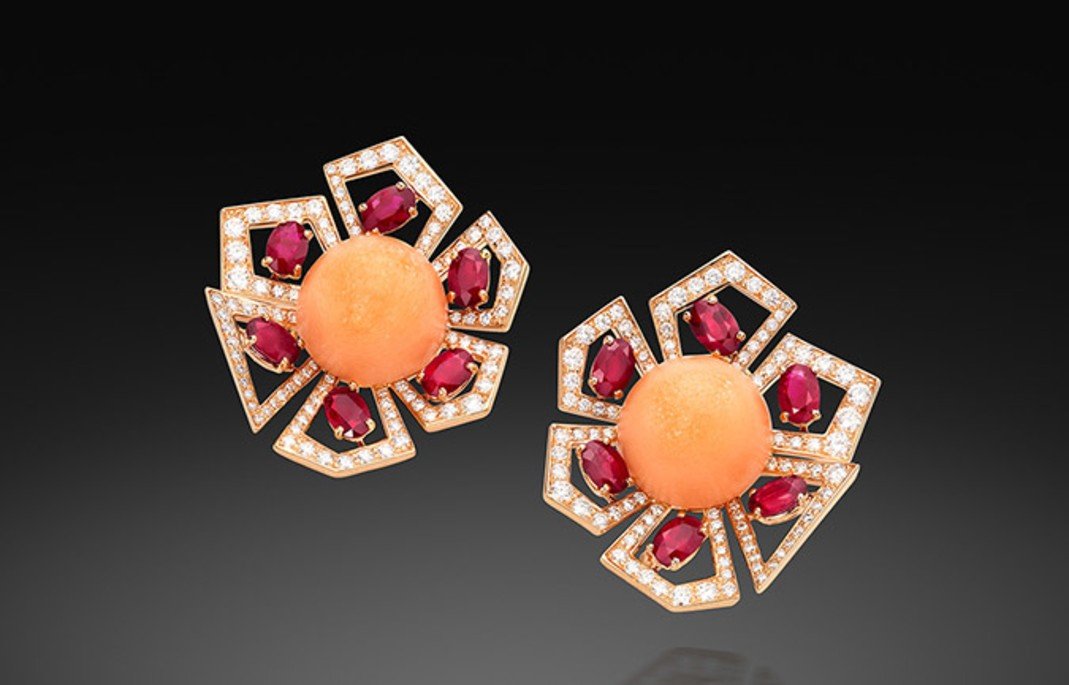
Among the highlights is a rare Mughal gold pendant in the form of a bird, set with diamonds, rubies and emeralds, believed to have been made in the Deccan around 1700. A Timurid ram’s head carved from nephrite jade, a Fatimid chess piece depicting a king mounted on an elephant, and a Greek bronze mare dedicated to horse racing further illustrate the exhibition’s remarkable geographical and historical range.

The exhibition also examines the symbolic importance of specific animals. Horses emerge as enduring emblems of royalty, warfare and prestige, while felines—from Egyptian cats to Babylonian lions and Chinese tigers—reflect authority, protection and imperial power. Elsewhere, deer embody spiritual significance in Japan, birds feature prominently in ritual and ornament, and elephants, camels and rhinoceroses reveal the role of animals in trade, exploration and empire.

Curated by Dr. Amin Jaffer, Director of The Al Thani Collection, Animalia reflects the collection’s commitment to presenting art beyond cultural and geographical boundaries. More than a survey of remarkable objects, the exhibition demonstrates how animals have inspired artistic expression, religious belief, and scientific curiosity across centuries, offering visitors a compelling perspective on the universal bond between humans and the natural world.

Read More

The inaugural edition of The Collectors' Cove brought together exceptional art, jewellery, haute horology and collectible design, setting a new benchmark for luxury collecting in India

Sojourn: Selected Works (1940–2015) Volume II traces the extraordinary artistic evolution of Modern Master S.H. Raza

For anyone entering the world of international art, the smartest first step is often the simplest one

Ten artists established new auction records, with bidding pushing several works well beyond their estimates and previous market highs

The auction saw competitive bidding across Indian masters; here are the top-performing lots

Sachdeva's philosophy is simple: don’t treat your walls like a portfolio—the real value lies in the joy of living with art that speaks to you

Collectors Tanuj Berry & Saman Malik Decode the Art Market

Collectors Tanuj Berry & Saman Malik Decode the Art Market

The duo speaks about the true reward of collecting, and how an “unemotional” approach towards art lets them truly enjoy their collections

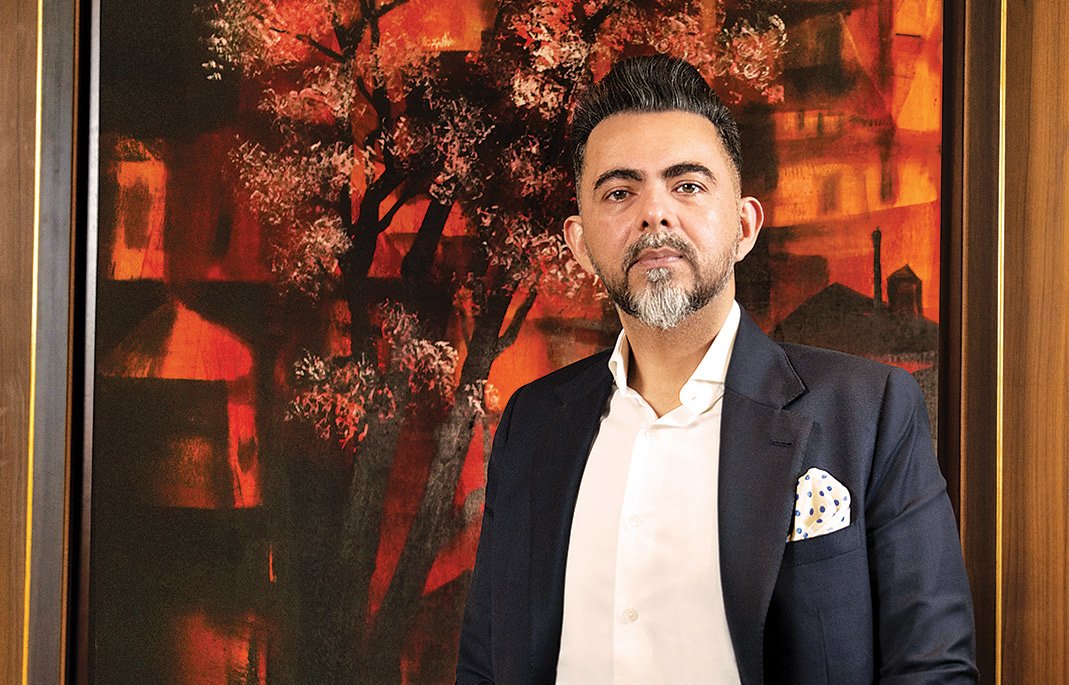
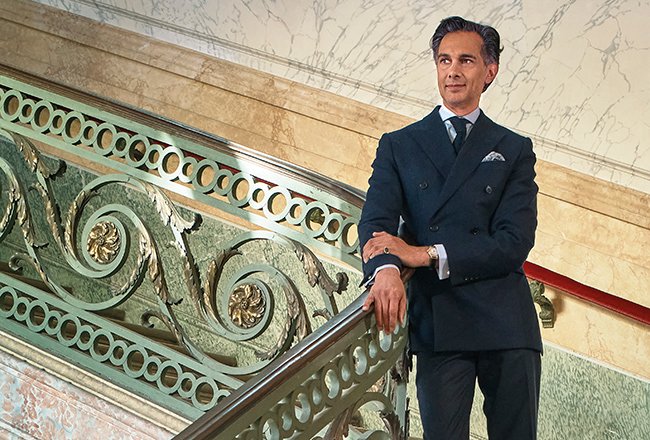
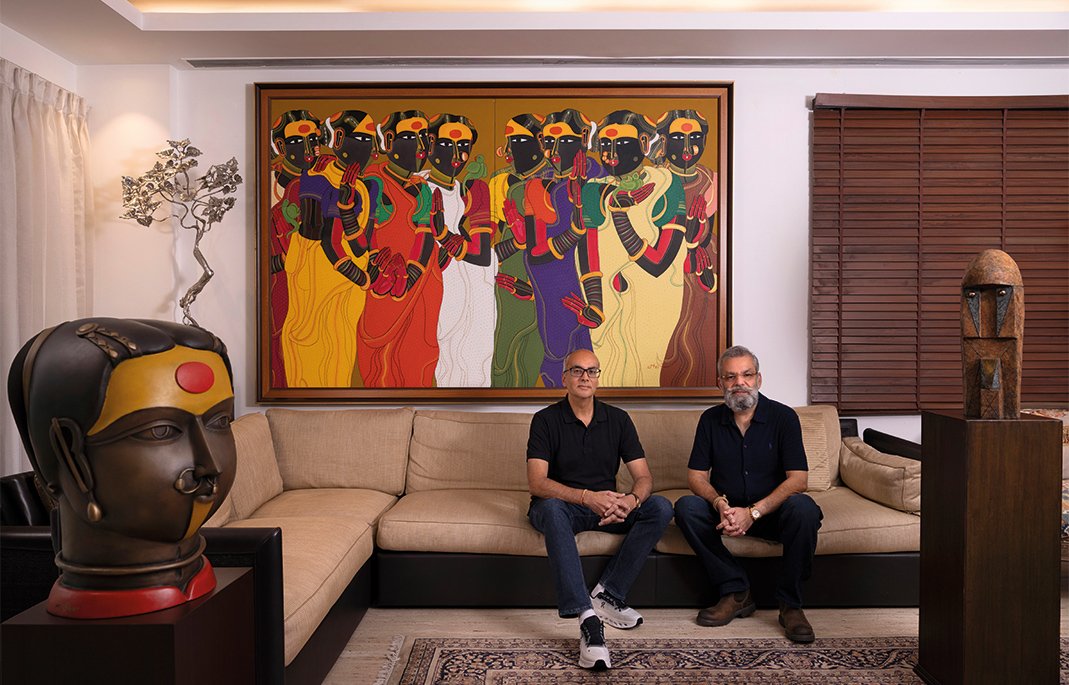
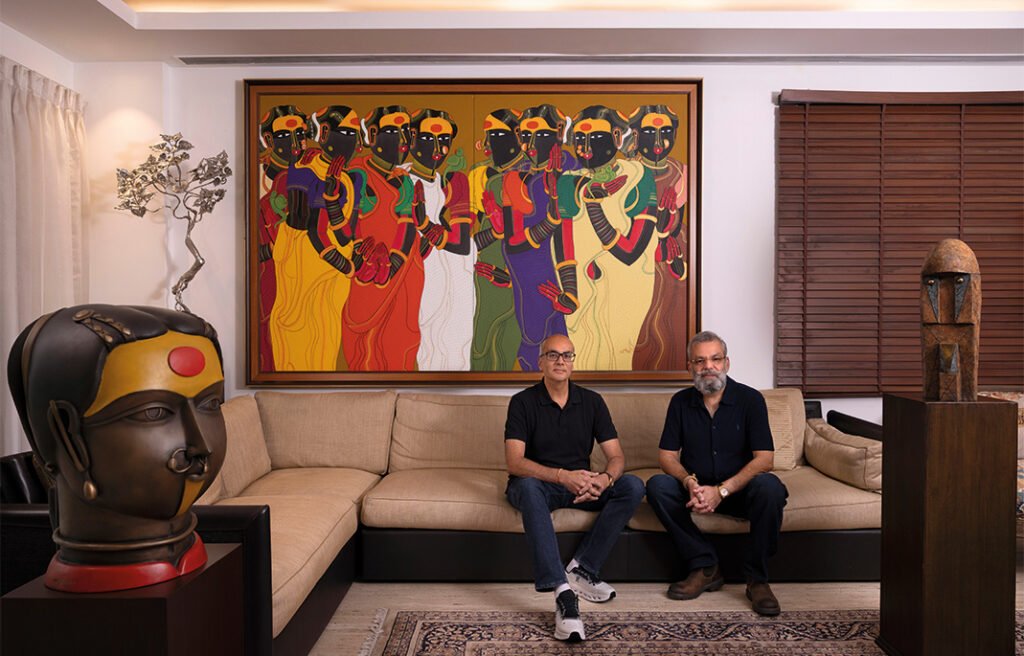
The vibrant scene of London’s auction houses in the 1990s set Tanuj Berry and Saman Malik on the path to appreciating art. For the two of them—who claim they’re not collectors per se—art has always been a matter of careful curation rather than impulse. They individually, and collectively, approach art with the precision of an investor, having built a philosophy that places their collections as both a store of value and a long-term asset. They have, through business and in their own way, also championed Contemporary Indian artists, who they feel hold true auction potential.

How did you start collecting, and what was the first piece you bought?
Berry: It was the concept, excitement and idea of prompt and transparent transactions at auctions that attracted me to auction rooms in London in the ’90s. Not that I bought anything at auction then, but it piqued my interest towards art. I began to look at Indian artists on my travels. The first artwork I bought was a K.M. Adimoolam on a visit to Chennai. I met the artist at his studio next to Cholamandal Artists’ Village. Over time, he became a dear friend and business associate like many other artists.

What’s your personal philosophy when it comes to collecting art?
Malik: Personally, I see art as an investment. Not taking anything away from its aesthetic value, but the reason for buying art then, and even today, is purely as investment. That may be why I’ve been able to sell works of art over time without having to dwell upon the idea of parting with them.

Were there any artworks that were particularly challenging to acquire?
Both: None; an unemotional approach removes most challenges in both buying and selling art.

You’ve spoken about choosing to invest in art rather than more conventional financial instruments. Does that still hold true?
Berry: It does. However, due to the larger entry and exit cost as compared to other assets, art does require a longer-term view. Even though some are able to speculate and trade for gains, art remains a long-term investment that also gives a recurring dividend of aesthetic pleasure to the buyer during the holding period.

You famously said you bought art in your children’s names. Why was that, and do you still do it?
Berry: Yes, it was something we started when our children were young. This way, we could hold some artworks in their name, so they stayed as long-term investments and allowed the children to unlock their value to further their education or career. We’ll continue to encourage our children to use this as an integral and important category for their investment strategy.

What are the biggest changes you’ve witnessed in the art market?
Malik: The consistency of auction houses in ensuring availability, reliability of authentication, and transparency in pricing is what has allowed the art market to thrive over the last few decades. Overall, awareness of Indian art and its acceptance as an important asset class has made it a more relevant and suitable investment.

Read the full story in the premiere issue of LuxeTrope, on stands now.

Read More

The inaugural edition of The Collectors' Cove brought together exceptional art, jewellery, haute horology and collectible design, setting a new benchmark for luxury collecting in India

Sojourn: Selected Works (1940–2015) Volume II traces the extraordinary artistic evolution of Modern Master S.H. Raza

For anyone entering the world of international art, the smartest first step is often the simplest one

Ten artists established new auction records, with bidding pushing several works well beyond their estimates and previous market highs

The auction saw competitive bidding across Indian masters; here are the top-performing lots

Sachdeva's philosophy is simple: don’t treat your walls like a portfolio—the real value lies in the joy of living with art that speaks to you

Why Vintage Jewellery is Winning Big

Why Vintage Jewellery is Winning Big

The secondary jewellery market is gaining momentum as collectors chase rare heirlooms

In the world of luxury jewellery, rarity and provenance have become just as important as diamonds and gemstones. Collectors are increasingly drawn to vintage creations with remarkable histories, transforming auctions into destinations where craftsmanship, heritage and storytelling command premium prices.

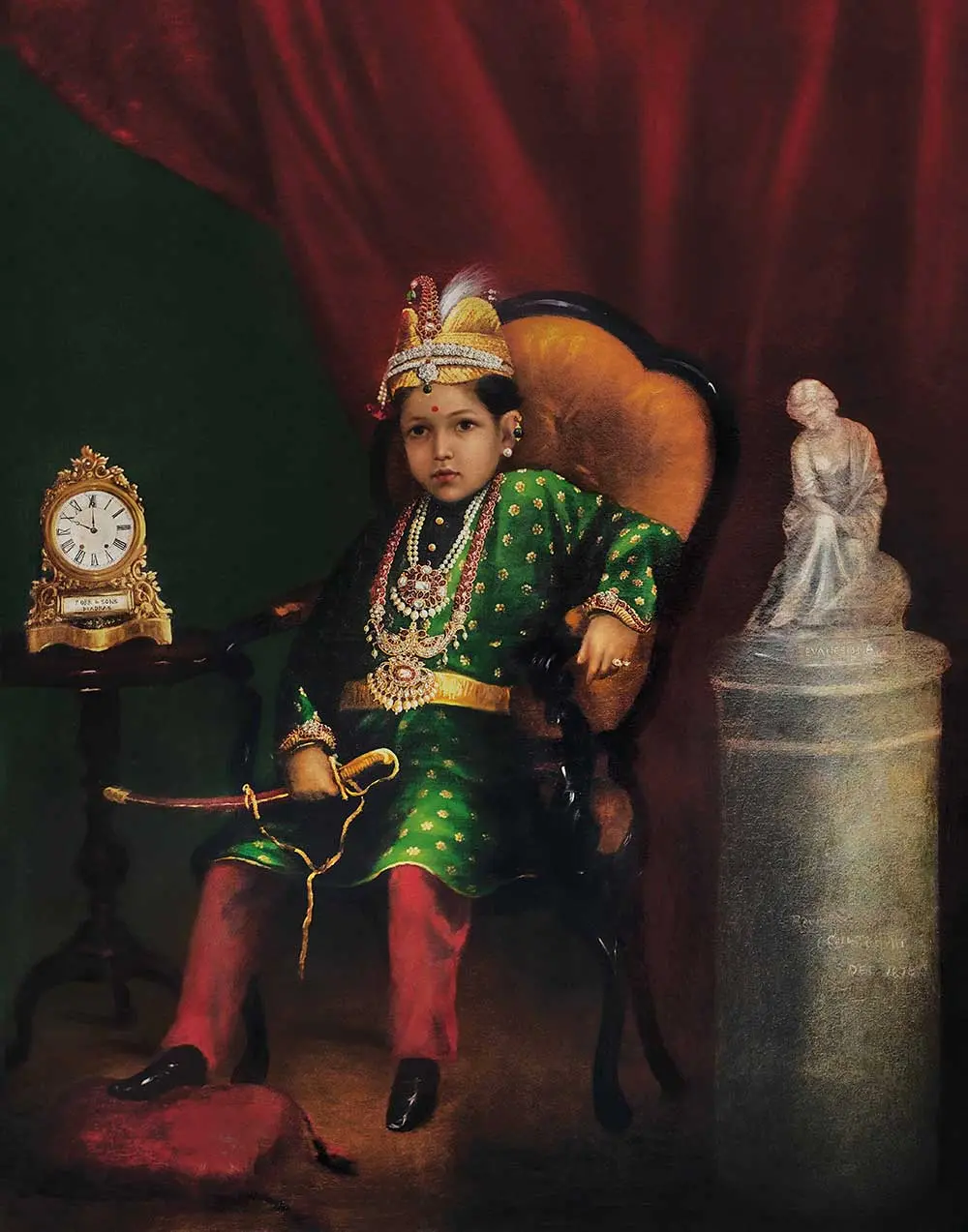
One of the biggest examples was the record-breaking sale of royal Indian jewels, featuring treasures from the Nizam of Hyderabad and the princely families of Jaipur, Baroda and Indore. Spanning centuries of craftsmanship, these heirlooms proved that history can be as valuable as the gemstones themselves.

The Auction Effect

This growing appetite is also visible closer to home. Rare vintage jewels—including meena gajra bracelets, a Rajasthani bodla and a kundan-set polki chand haar—generated intense bidding at recent AstaGuru auctions, reflecting rising demand for collectible Indian jewellery. Buyers today aren’t simply purchasing ornaments; they’re investing in pieces with enduring cultural and artistic significance.

Old Gold, New Opportunities

The boom isn’t limited to auction houses. Across India’s jewellery retail market, consumers are increasingly exchanging existing jewellery to finance fresh purchases. As gold prices remain elevated, exchange programmes have become a preferred way to upgrade collections without making entirely new investments.

The result is a thriving secondary market where heirloom jewellery finds new owners, while existing collections help fund modern acquisitions. Together, these trends are reshaping how Indians buy, sell and value fine jewellery.

Read the full story in the special ‘Joaillerie Market’ issue of LuxeTrope, on stands now.

Read More

The inaugural edition of The Collectors' Cove brought together exceptional art, jewellery, haute horology and collectible design, setting a new benchmark for luxury collecting in India

Sojourn: Selected Works (1940–2015) Volume II traces the extraordinary artistic evolution of Modern Master S.H. Raza

For anyone entering the world of international art, the smartest first step is often the simplest one

Ten artists established new auction records, with bidding pushing several works well beyond their estimates and previous market highs

The auction saw competitive bidding across Indian masters; here are the top-performing lots

Sachdeva's philosophy is simple: don’t treat your walls like a portfolio—the real value lies in the joy of living with art that speaks to you

The Collectors’ Cove 2026: A Landmark Celebration of Luxury Collecting

The Collectors' Cove 2026: A Landmark Celebration of Luxury Collecting

The inaugural edition of The Collectors' Cove brought together exceptional art, jewellery, haute horology and collectible design

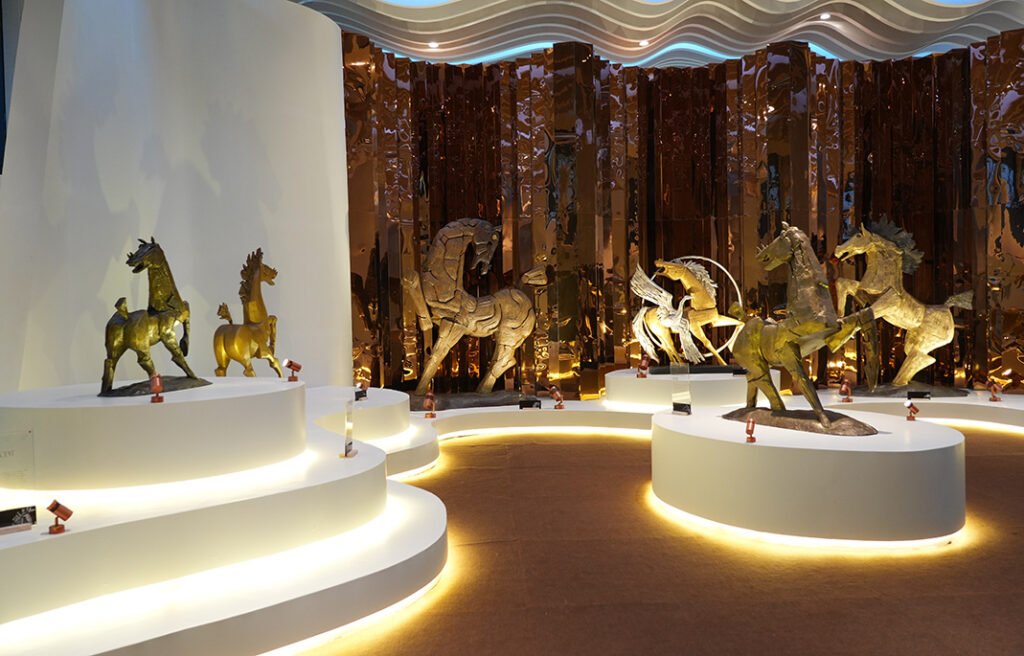
The Husain Experience, showcased by AstaGuru

The inaugural edition of The Collectors’ Cove 2026 marked a defining moment for India’s luxury collecting ecosystem. Presented by Giftex.in, in association with HSBC, the invitation-only event brought together collectors, patrons, and connoisseurs for a curated celebration of exceptional craftsmanship, rare objects and cultural heritage. More than an exhibition, it offered an immersive experience that reflected the evolving tastes of India’s discerning luxury audience.

Held on August 1 and 2 at Mumbai’s Ballard Pier Downtown Experience Centre, the event transformed over 80,000 square feet of waterfront space into an experiential destination inspired by the journey of collecting. The venue encouraged visitors to discover art, design and luxury through thoughtfully curated spaces that blended architecture, storytelling and emotion.

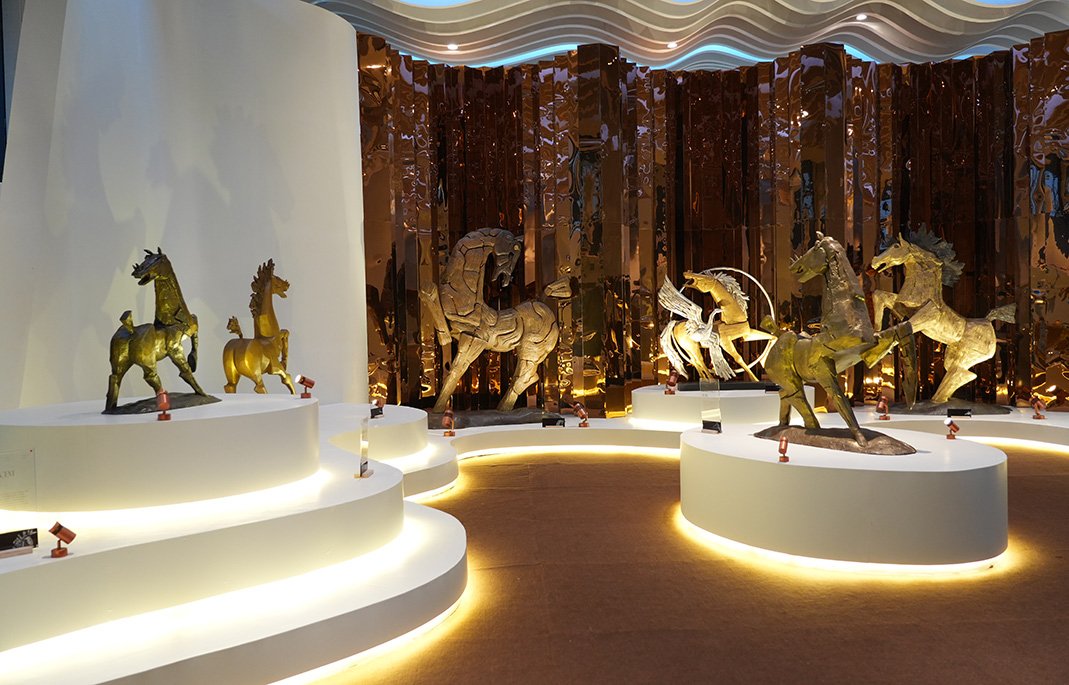
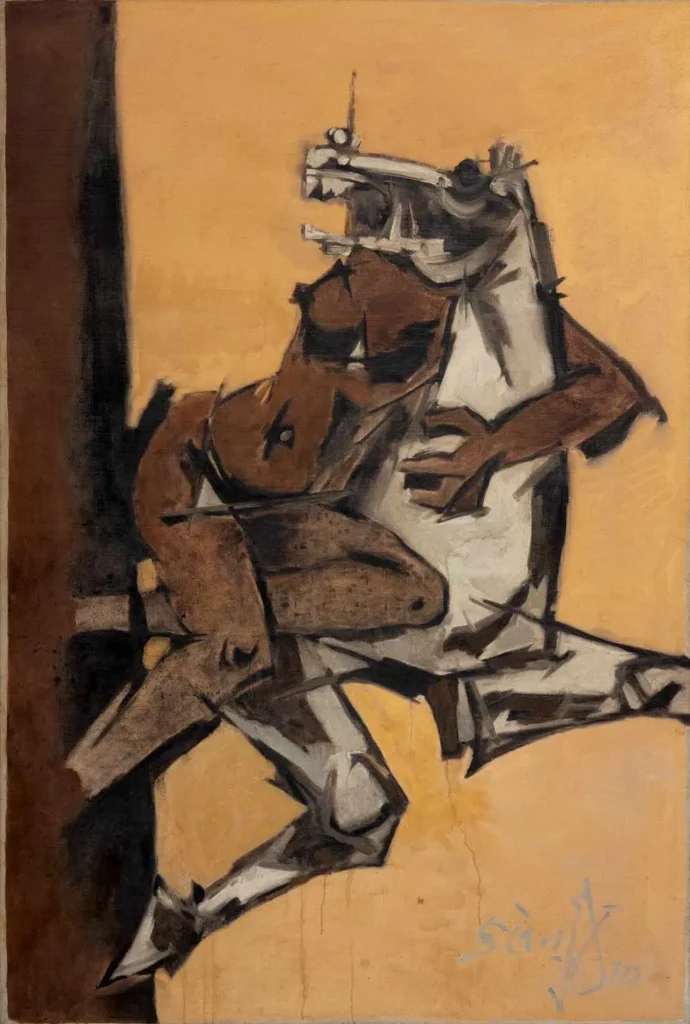
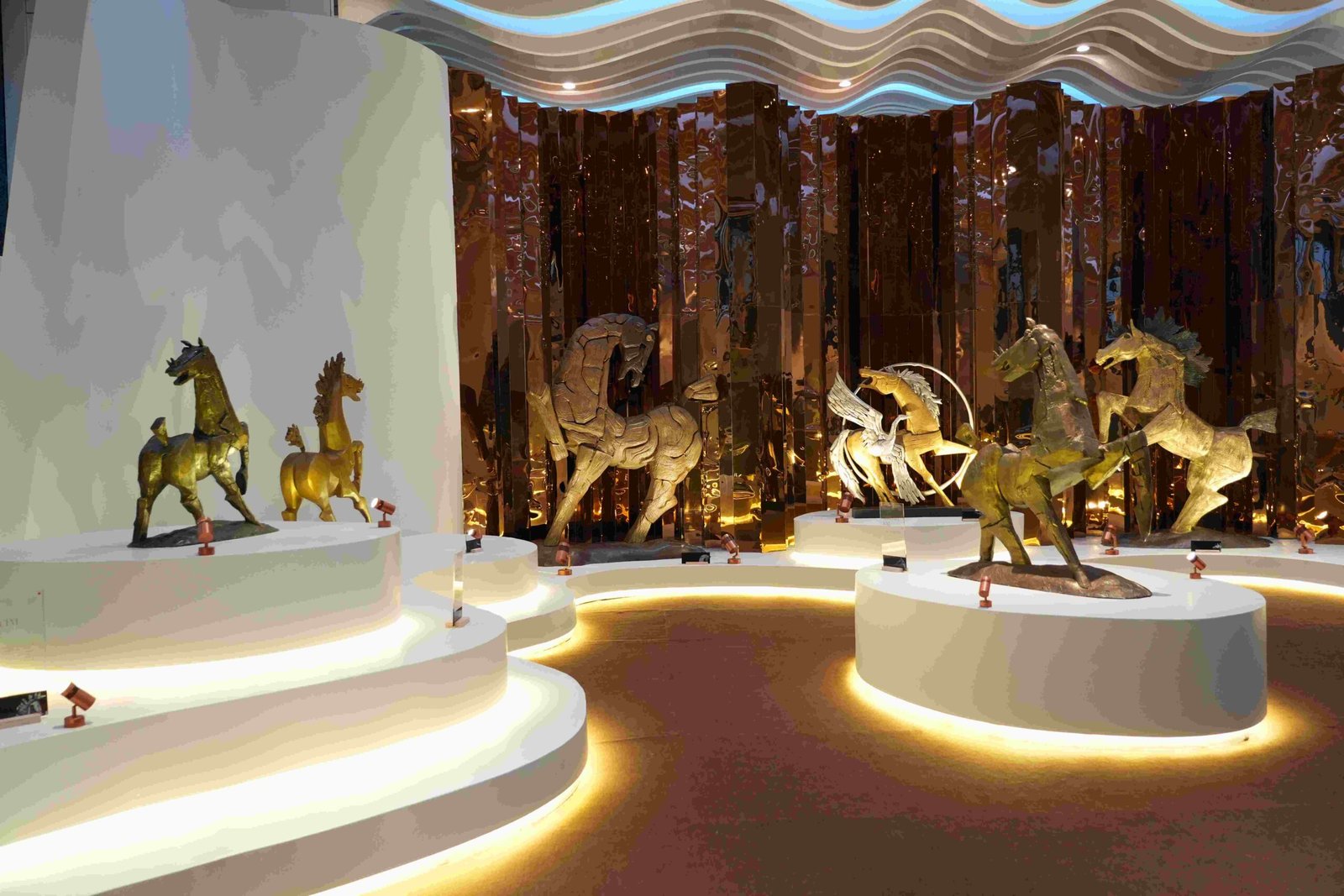
Among the defining highlights was an immersive tribute to M.F. Husain. The multi-sensory installation reimagined the legendary artist’s iconic horse paintings through animated canvases and collectible design pieces, offering visitors a fresh perspective on one of India’s greatest creative visionaries.

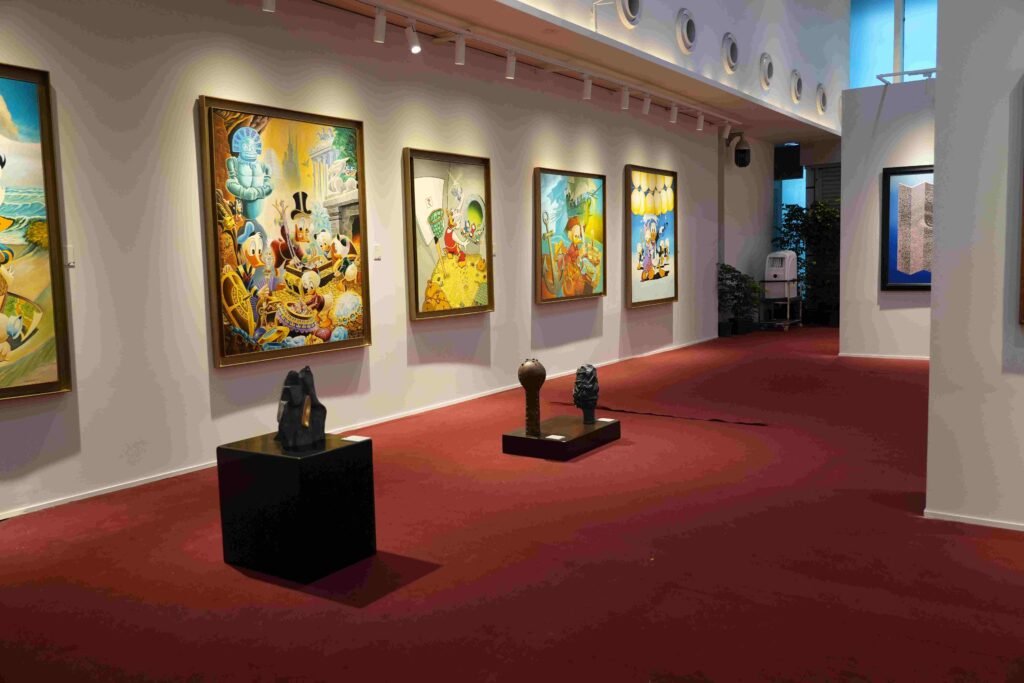
Contemporary art at Giftex.in
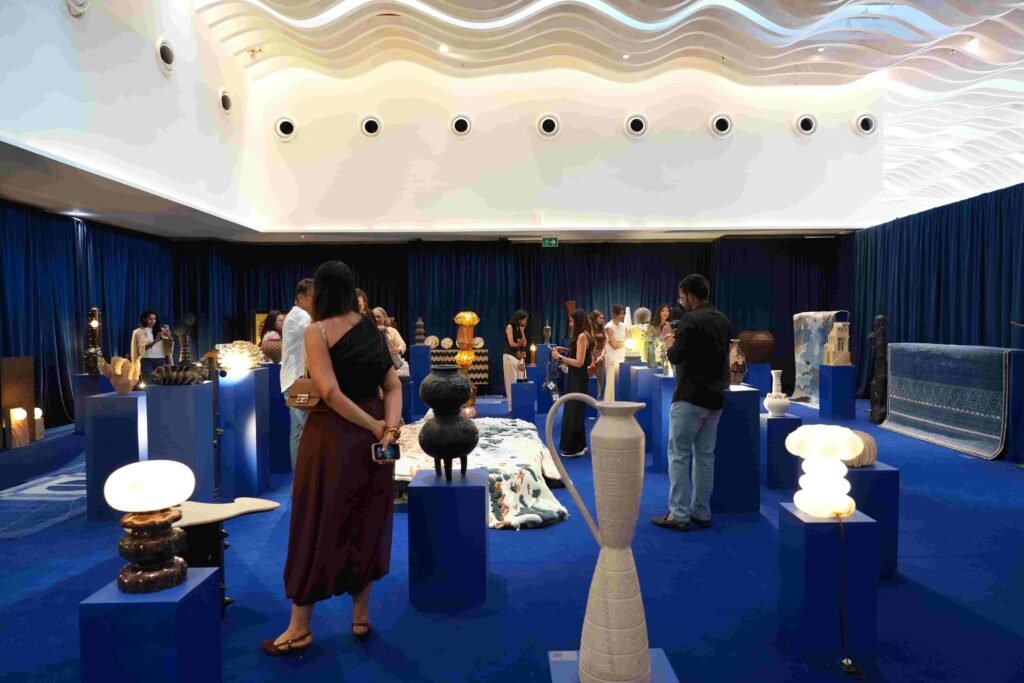
A focus on decor and interiors

The Collectors’ Cove also brought together an exceptional curation spanning fine art, high jewellery, independent Swiss watchmaking, collectible design and luxury interiors. International maisons, celebrated Indian jewellers and independent watchmakers showcased museum-worthy creations that underscored the importance of rarity, provenance and craftsmanship in today’s luxury landscape.

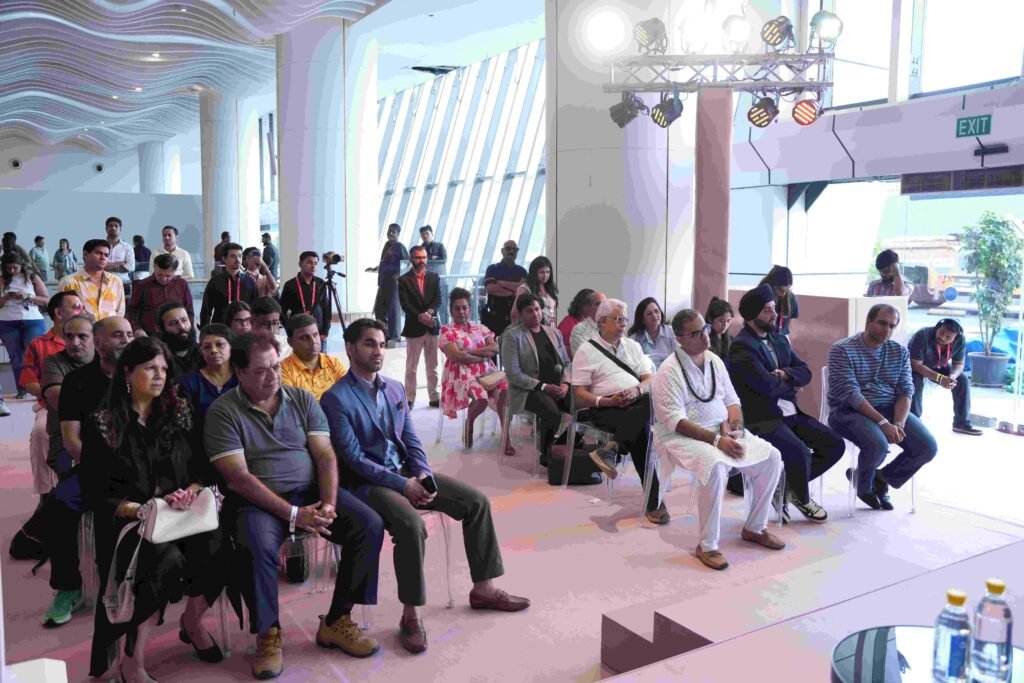
Beyond the remarkable objects on display, the event created opportunities for meaningful engagement through private walkthroughs, collector-led tours, expert advisory sessions, panel discussions, workshops, and curated culinary experiences. These interactions transformed the event into a meeting ground for collectors, designers, entrepreneurs and cultural patrons united by a shared appreciation for exceptional craftsmanship.

The success of The Collectors’ Cove reflected the growing sophistication of India’s luxury collecting landscape. By bringing together art, jewellery, horology and design within a thoughtfully curated cultural platform, it demonstrated that collecting today is as much about experience, community and storytelling as it is about acquiring extraordinary objects.

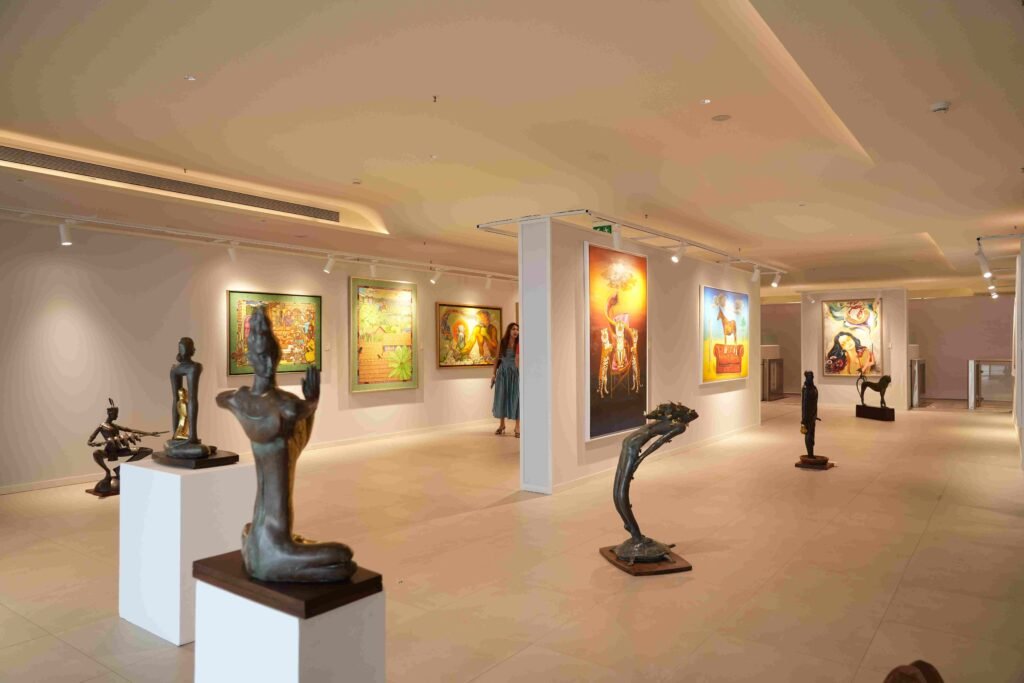
Modern & Contemporary Art at the Giftex.in gallery
A panel on luxury in progress

Read More

The inaugural edition of The Collectors' Cove brought together exceptional art, jewellery, haute horology and collectible design, setting a new benchmark for luxury collecting in India

Sojourn: Selected Works (1940–2015) Volume II traces the extraordinary artistic evolution of Modern Master S.H. Raza

For anyone entering the world of international art, the smartest first step is often the simplest one

Ten artists established new auction records, with bidding pushing several works well beyond their estimates and previous market highs

The auction saw competitive bidding across Indian masters; here are the top-performing lots

Sachdeva's philosophy is simple: don’t treat your walls like a portfolio—the real value lies in the joy of living with art that speaks to you

Sojourn: A Journey in Colour and Consciousness

Sojourn: A Journey in Colour and Consciousness

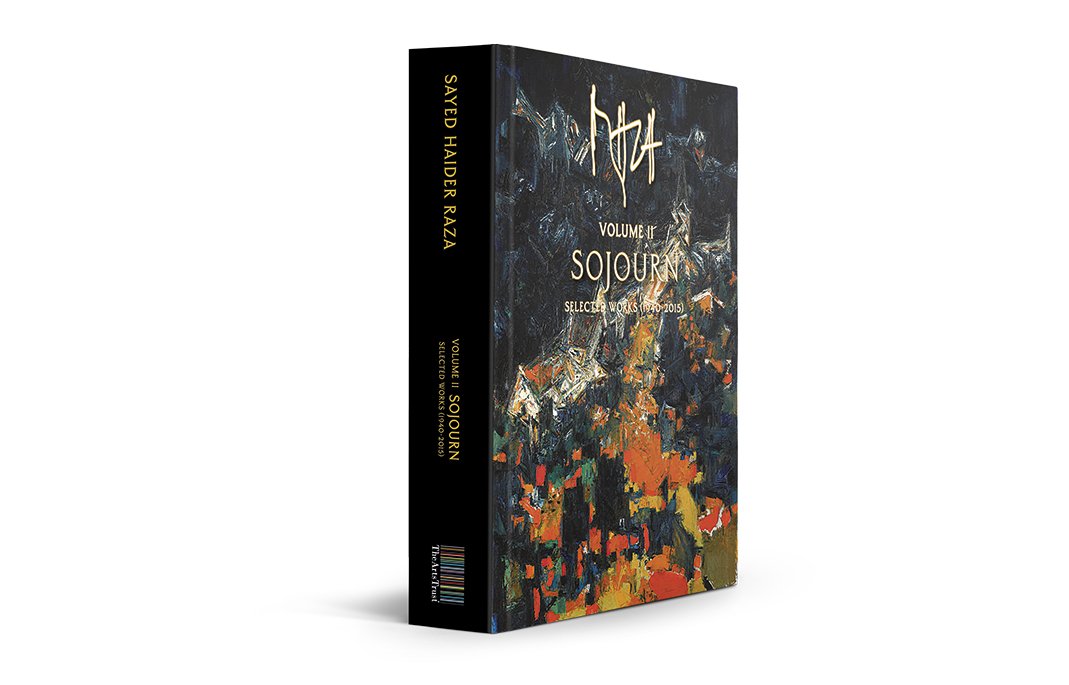
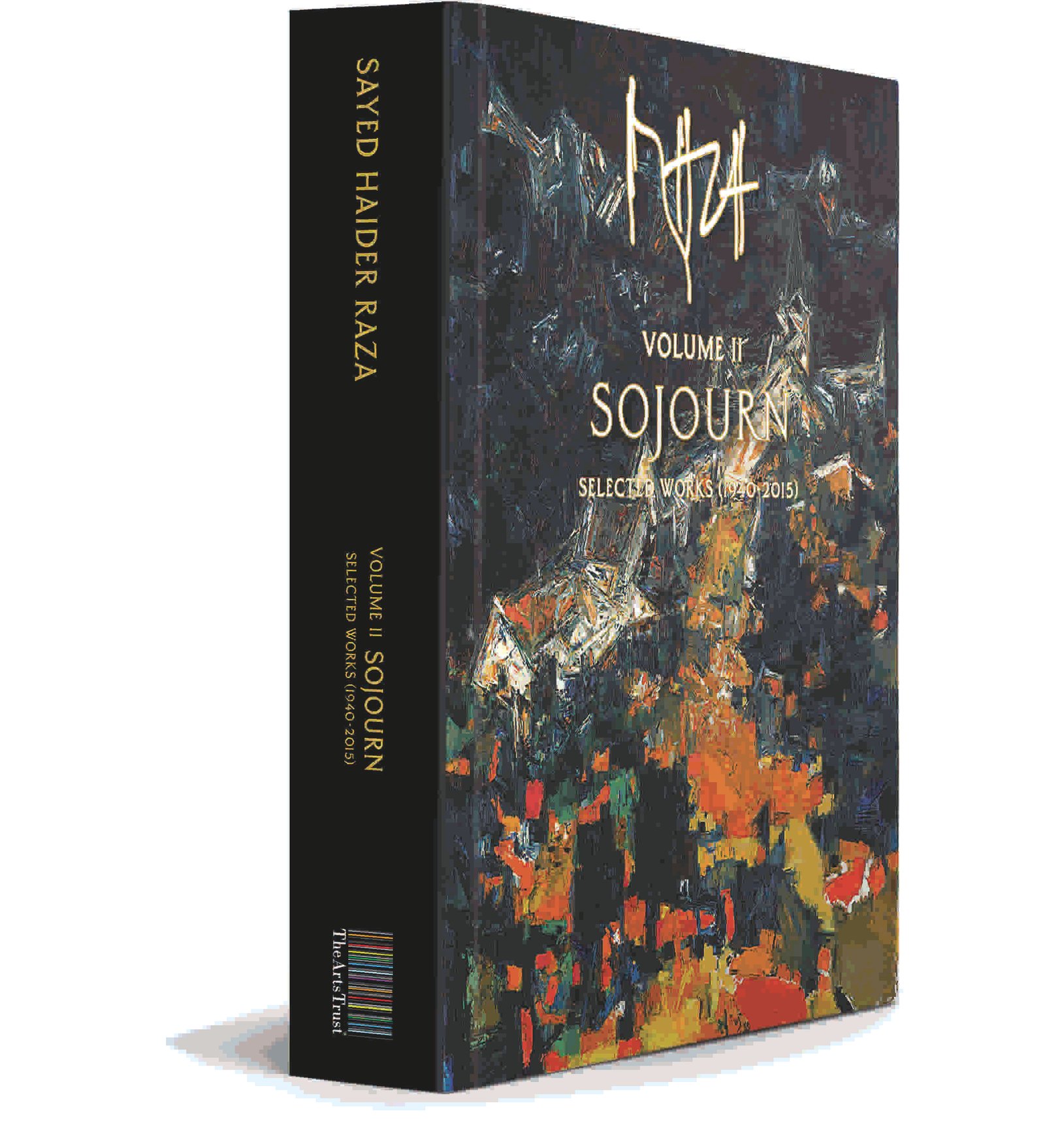
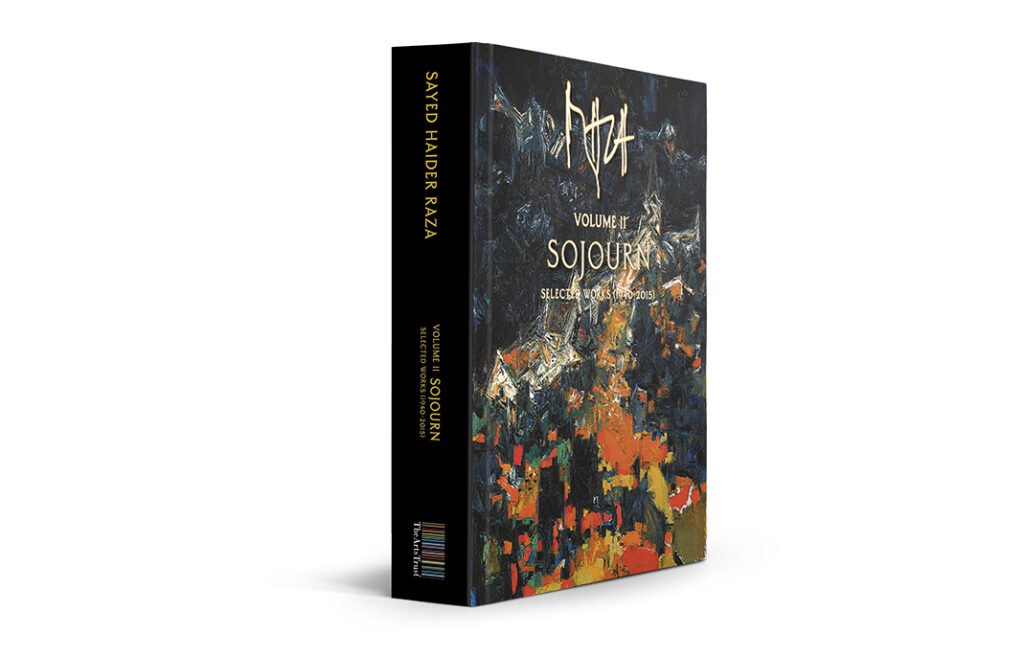
Sojourn: Selected Works (1940–2015) Volume II traces the extraordinary artistic evolution of Modern Master S.H. Raza

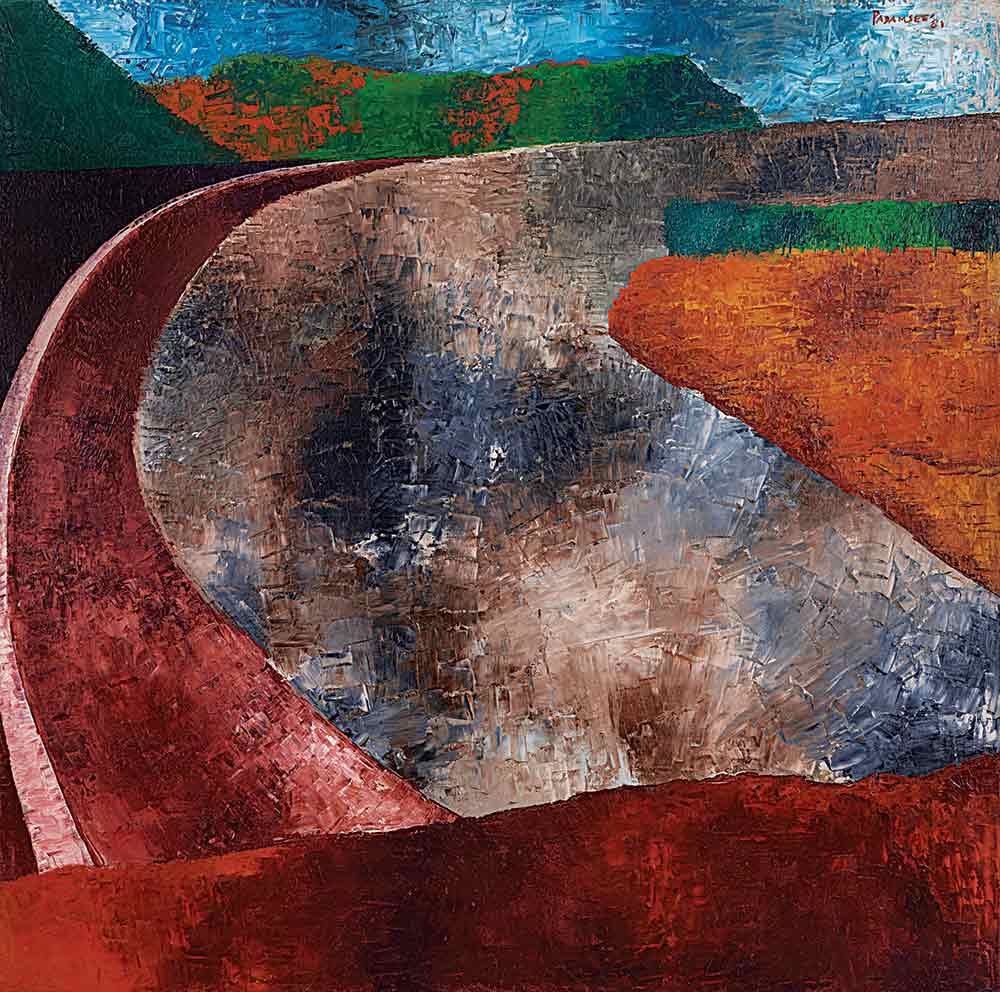
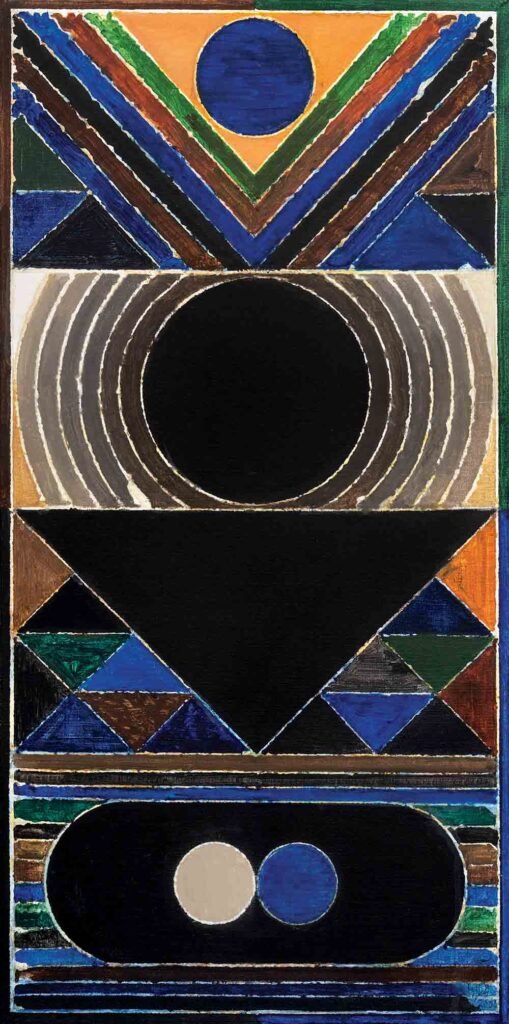
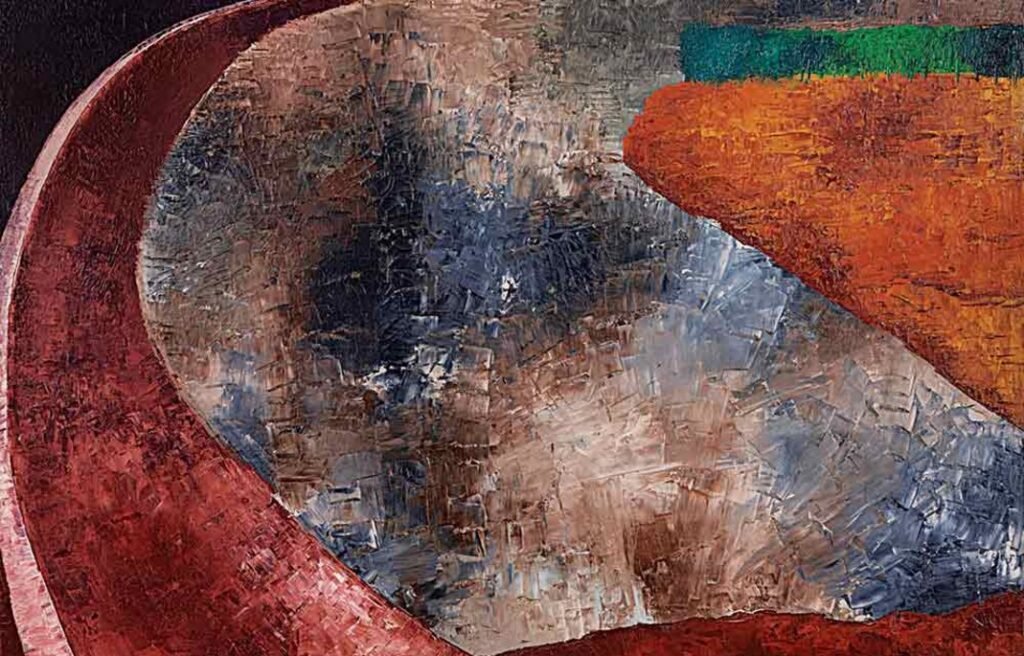
Sayed Haider Raza never painted landscapes alone, he painted memory, emotion and philosophy. From the forests of Madhya Pradesh to the artistic circles of Paris, every phase of his life found expression on canvas, evolving from lyrical landscapes into the powerful geometric abstractions that redefined Indian Modernism.

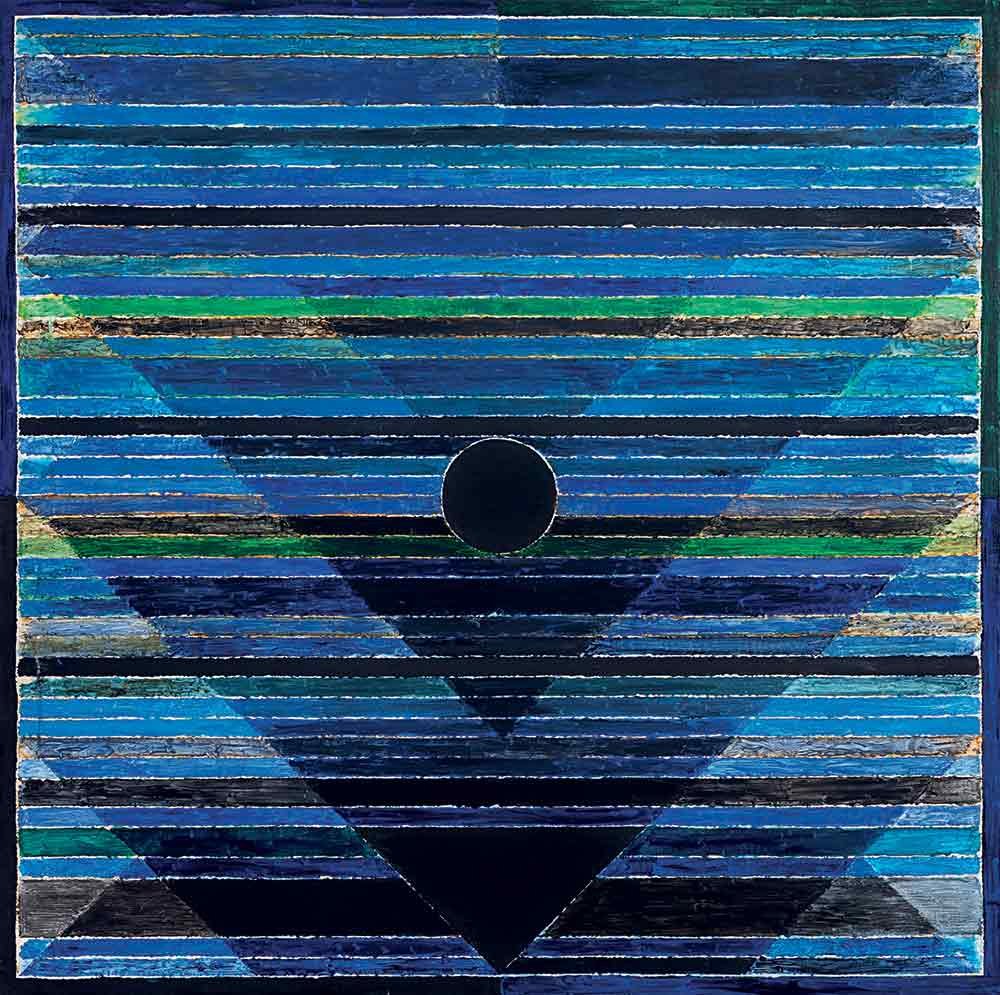
His iconic Bindu became far more than a simple dot. It emerged as a symbol of creation, energy and the universe itself, inspired by Indian philosophy and years of introspection. Alongside celebrated works such as Jaipur, Tree and his abstract compositions, volume two of Sojourn: Selected Works (1940–2015) also revisits his early figurative watercolours, expressive townscapes, and the pivotal years that shaped his visual language—from his role as a founding member of the Progressive Artists’ Group to his transformative years in France.

Sojourn: Selected Works (1940–2015) Volume II presents a richly documented journey through Raza’s creative life. Featuring rare archival photographs, personal anecdotes and meticulously catalogued artworks, it offers an in-depth look at one of India’s most influential Modern artists and the ideas that shaped his enduring legacy.

It’s an exploration of an artist’s lifelong search for harmony, balance and spiritual truth—revealing how colour, geometry and memory came together to create one of the most recognisable visual languages in Indian art.

Published by The Arts Trust, in association with AstaGuru.

Read More

The inaugural edition of The Collectors' Cove brought together exceptional art, jewellery, haute horology and collectible design, setting a new benchmark for luxury collecting in India

Sojourn: Selected Works (1940–2015) Volume II traces the extraordinary artistic evolution of Modern Master S.H. Raza

For anyone entering the world of international art, the smartest first step is often the simplest one

Ten artists established new auction records, with bidding pushing several works well beyond their estimates and previous market highs

The auction saw competitive bidding across Indian masters; here are the top-performing lots

Sachdeva's philosophy is simple: don’t treat your walls like a portfolio—the real value lies in the joy of living with art that speaks to you

Why Natural Diamonds Remain Timeless

Why Natural Diamonds Remain Timeless

Formed billions of years ago and shaped by nature's extraordinary forces, natural diamonds continue to captivate collectors

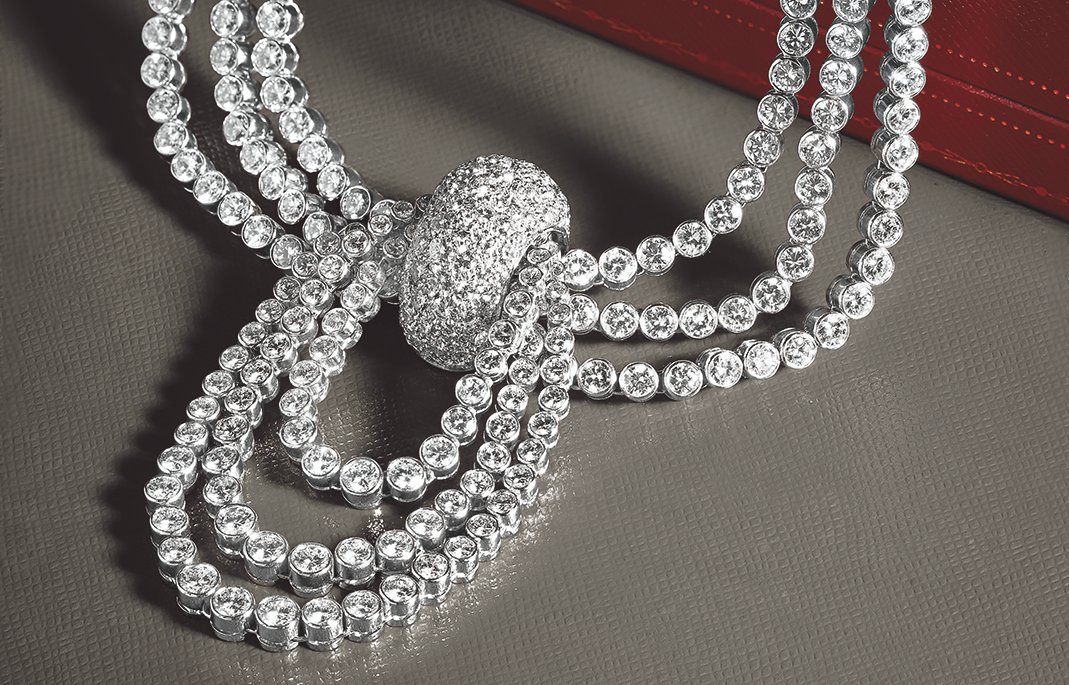
CARTIER DIAMOND NECKLACE | Gross weight: 113.730 g | Diamonds: 57.00 cts/426 pcs | Sold in 2022 by AstaGuru for ₹90,92,061 ($95,705)

Natural diamonds are among Earth’s oldest treasures, with some dating back as far as 3.5 billion years. Forged from crystallised carbon under immense heat and pressure deep beneath the Earth’s surface before being carried upward by volcanic activity, every natural diamond is the product of a remarkable geological journey.

Their rarity continues to make them one of the world’s most coveted gemstones. Russia holds the largest known diamond reserves, followed by Botswana, while countries including the Democratic Republic of the Congo, Angola, Canada and South Africa remain key contributors to global production.


A diamond’s value extends far beyond its size. Experts continue to regard the 4Cs—cut, clarity, colour and carat weight—as the universal benchmarks of quality, with the cut playing the most significant role in determining a stone’s brilliance. Legendary gems such as the Star of Golconda and the Mouawad Kimberley Star have become icons thanks to their exceptional craftsmanship and remarkable provenance.

That provenance is increasingly influencing buying decisions, particularly in the auction market. A standout example is AstaGuru’s sale of an Art Deco ring featuring a 10.01-carat Old European-cut diamond, which achieved ₹92.21 lakh. More than a beautiful jewel, the piece reflected the growing importance collectors place on certification, historical ownership and exceptional craftsmanship.

As buyers become increasingly discerning, provenance, superior cut and substantial carat weight continue to distinguish the most desirable natural diamonds, reinforcing their enduring appeal as heirlooms that combine rarity, history and lasting value.

Read the full story in the special ‘Joaillerie Market’ issue of LuxeTrope, on stands now.

Read More

The inaugural edition of The Collectors' Cove brought together exceptional art, jewellery, haute horology and collectible design, setting a new benchmark for luxury collecting in India

Sojourn: Selected Works (1940–2015) Volume II traces the extraordinary artistic evolution of Modern Master S.H. Raza

For anyone entering the world of international art, the smartest first step is often the simplest one

Ten artists established new auction records, with bidding pushing several works well beyond their estimates and previous market highs

The auction saw competitive bidding across Indian masters; here are the top-performing lots

Sachdeva's philosophy is simple: don’t treat your walls like a portfolio—the real value lies in the joy of living with art that speaks to you

From Heirloom to High Fashion: Why Brooches are Back in Style

From Heirloom to High Fashion: Why Brooches are Back in Style

Once created as practical fasteners, brooches have evolved into collectible works of art, blending heritage, craftsmanship and timeless elegance

An Exquisite Diamond Bow Brooch | Sold in 2026 by AstaGuru for ₹14,60,470

From Bronze Age fasteners to coveted auction treasures, brooches are reclaiming their place as wearable works of art that blend history, craftsmanship and timeless elegance.

Long before they became symbols of luxury, brooches served a practical purpose. Dating back to the Bronze Age, they were used to fasten cloaks and garments. Over centuries, however, they evolved into exquisite expressions of artistry, reflecting the design movements, craftsmanship and cultural influences of their time. Today, these versatile jewels are enjoying a remarkable revival, worn not only on lapels but also on dresses, hats, turbans and even as striking hair accessories.

The renewed interest has extended to the auction market, where collectors are seeking exceptional brooches that combine rarity with historical significance. Auction houses such as AstaGuru and Giftex.in have witnessed growing demand for vintage and contemporary brooches, making these intricate creations increasingly desirable as both statement accessories and heirloom investments.

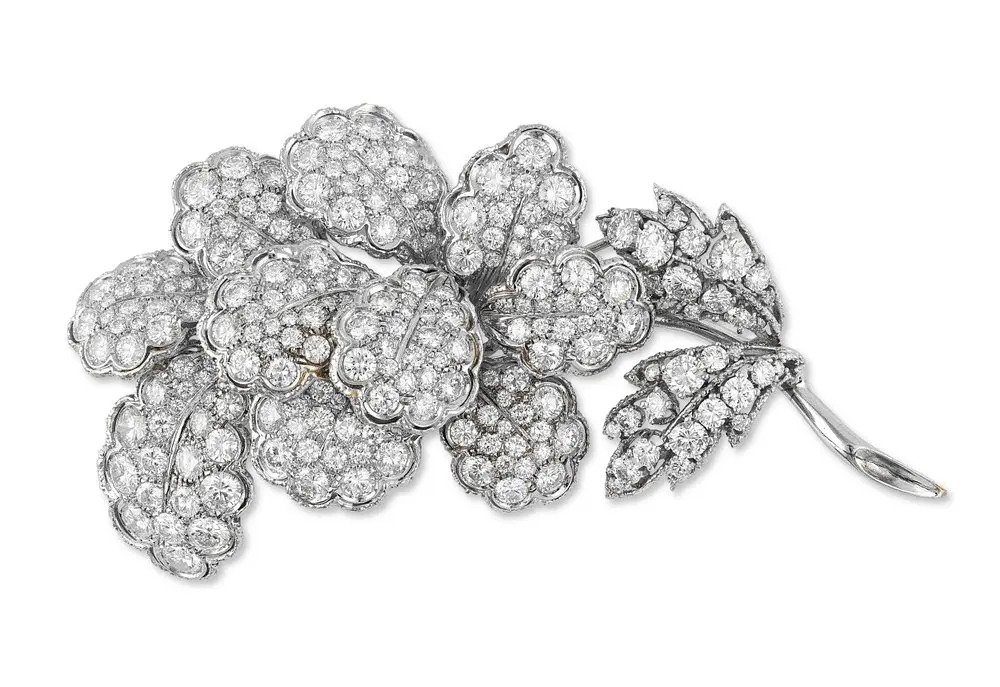
An Exceptional Diamond Bouquet Brooch | Sold in 2025 by AstaGuru for ₹38,72,000
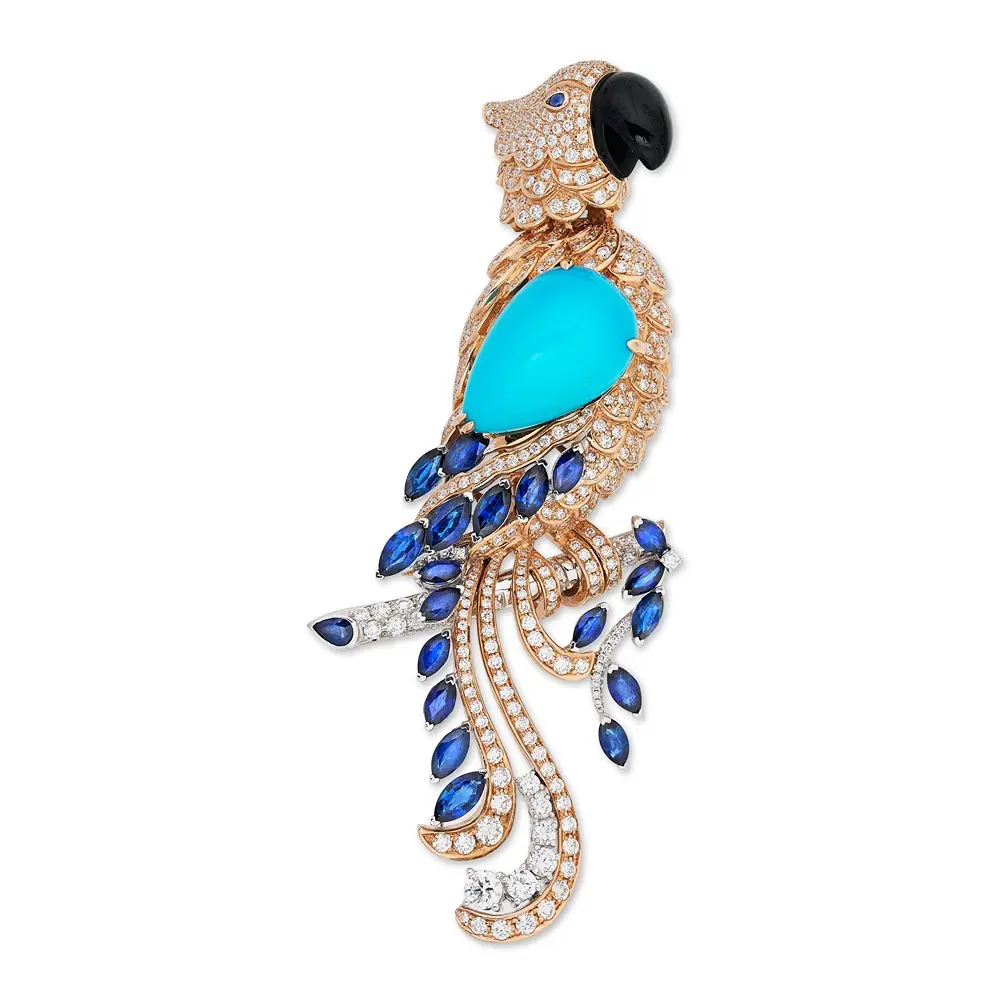
A Diamond & Sapphire Brooch | Sold in 2025 by Giftex.in for ₹12,26,053
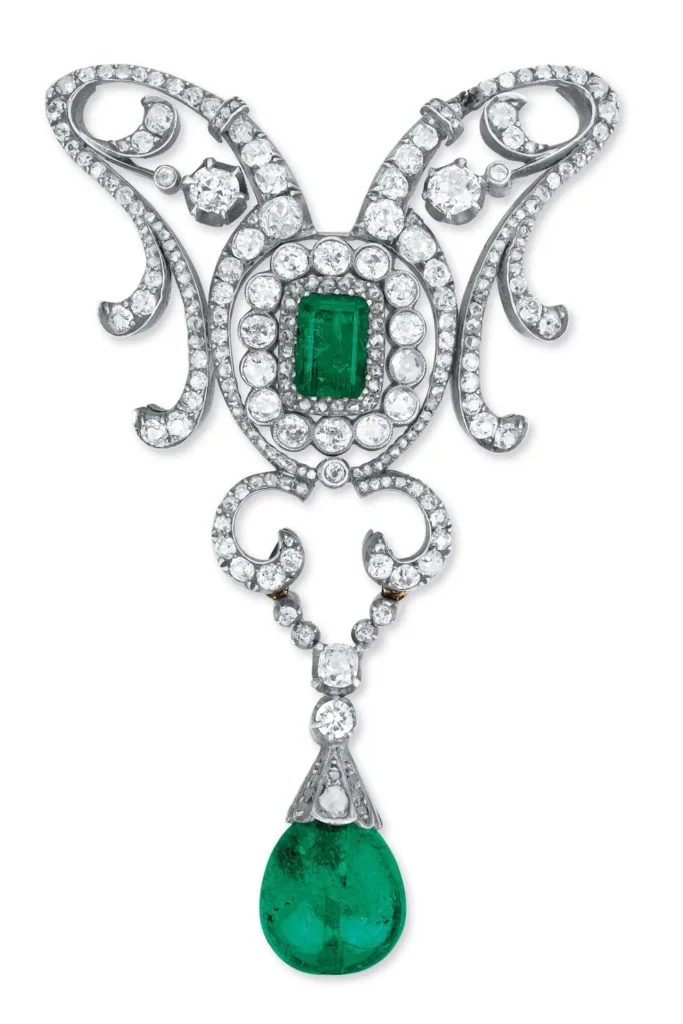
A Vintage Emerald & Diamond Brooch | Sold in 2024 by AstaGuru for ₹18,69,120

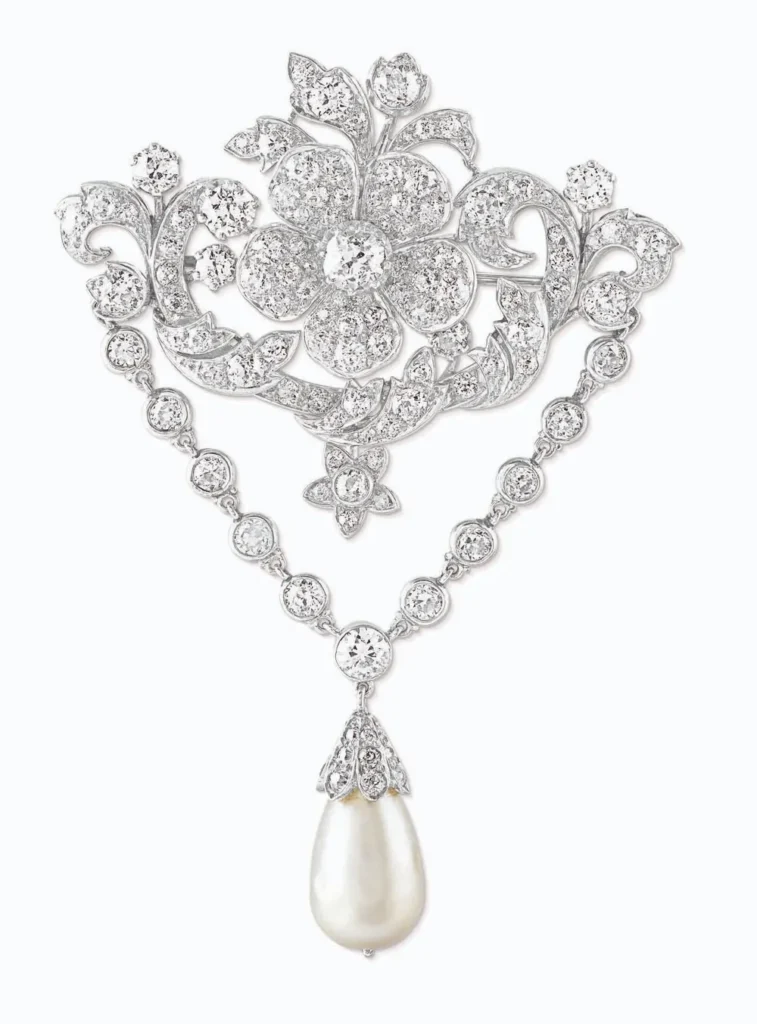
Among the standout examples is an Exceptional Bouquet Brooch, crafted with 242 VVS natural diamonds, which achieved ₹38.72 lakh at AstaGuru in 2025. Equally impressive is a Vintage Natural Pearl Brooch from the 1940s, featuring old European-cut diamonds and a natural pearl drop, which realised ₹32.70 lakh.

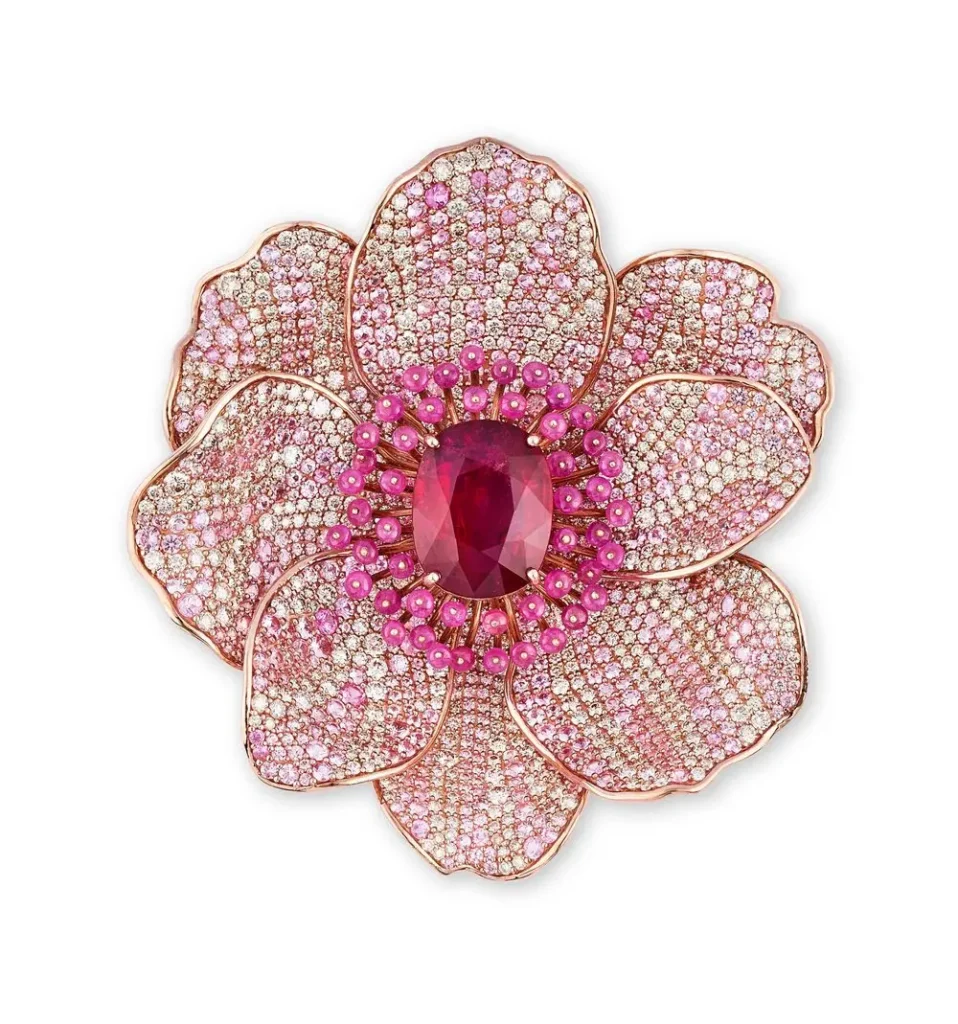
Nature-inspired designs continue to captivate collectors as well. A 1930s Emerald Drop Butterfly Brooch, set with Colombian emeralds and more than 200 old-cut diamonds, sold for ₹18.69 lakh, while a floral rose-gold brooch adorned with pink sapphires and rubellite tourmaline showcased the enduring appeal of colourful gemstone jewellery.

A Rubellite Tourmaline, Pink Sapphire & Diamond Flower Brooch | Sold by AstaGuru in 2025 for ₹11,85,800
A Vintage Diamond & Natural Pearl Brooch | Sold in 2024 by AstaGuru for ₹32,70,960
A Diamond & Sapphire Brooch | Sold by Giftex.in in 2025 for ₹12,66,012

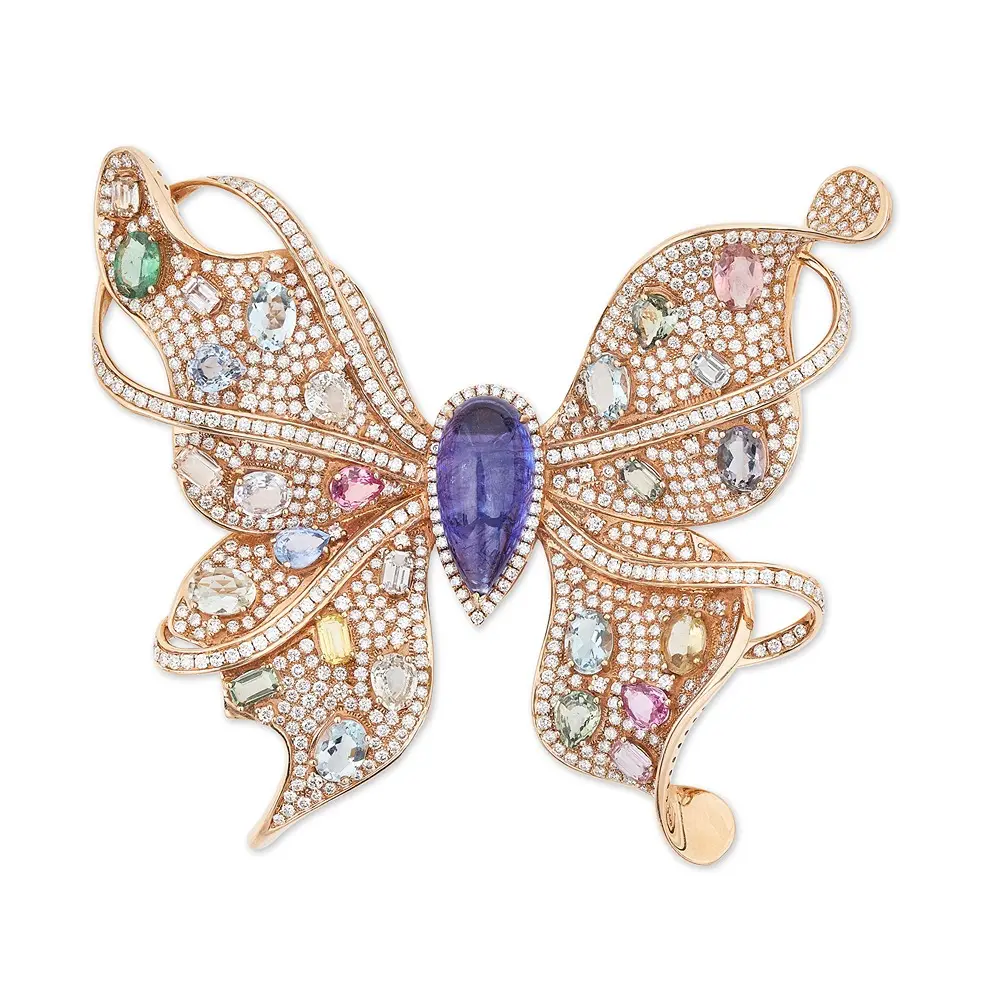
Modern interpretations are equally sought after. A playful Diamond & Sapphire Brooch accented with a turquoise cabochon and an Exquisite Butterfly Brooch featuring a tanzanite cabochon and multi-coloured sapphires demonstrate how contemporary craftsmanship continues to reinvent this centuries-old jewel.

Whether antique or modern, understated or extravagant, brooches have become much more than decorative accessories. They embody history, artistry and individuality—qualities that ensure these timeless jewels remain prized by collectors and cherished across generations.

Read More

The inaugural edition of The Collectors' Cove brought together exceptional art, jewellery, haute horology and collectible design, setting a new benchmark for luxury collecting in India

Sojourn: Selected Works (1940–2015) Volume II traces the extraordinary artistic evolution of Modern Master S.H. Raza

For anyone entering the world of international art, the smartest first step is often the simplest one

Ten artists established new auction records, with bidding pushing several works well beyond their estimates and previous market highs

The auction saw competitive bidding across Indian masters; here are the top-performing lots

Sachdeva's philosophy is simple: don’t treat your walls like a portfolio—the real value lies in the joy of living with art that speaks to you

Pixel Provenance: The Digital Narrative of Famous Jewellery Collections

Pixel Provenance: The Digital Narrative of Famous Jewellery Collections

Digital storytelling has transformed the luxury jewellery market, proving that a jewel's provenance can be just as valuable as the gemstone itself

The Nawanagar Ruby Necklace by Cartier (platinum, rubies and diamonds), sold for $3.6 million (₹34.2 crore) | Image: Courtesy of The Al Thani Collection

For generations, the value of high jewellery was measured by its carat weight, clarity and origin. But seasoned collectors have long known that a remarkable story can elevate a jewel far beyond the value of its precious stones. Pieces once owned by icons, royalty and celebrated collectors continue to command extraordinary prices because of the history they carry.

Today, that story has gone digital. Provenance is no longer confined to auction catalogues and printed records. Cinematic videos, social media and immersive online campaigns have reshaped how collectors discover and connect with exceptional jewellery, creating excitement long before the first bid is placed.

The shift began in the late 1990s with landmark auctions such as the Estate of Jacqueline Kennedy Onassis. Demand to view the collection was so overwhelming that thousands entered a lottery simply for a chance to attend the preview. One standout lot—the Lesotho III diamond ring by Harry Winston—was estimated at $500,000 to $600,000, but ultimately sold for an astonishing $2.6 million, demonstrating the immense value of provenance even before the digital era.

That success laid the foundation for today’s luxury auction market, where storytelling, emotion and history often influence bidding as much as rarity and craftsmanship.

Read the full story in the special ‘Joaillerie Market’ issue of LuxeTrope, on stands now.

Read More

The inaugural edition of The Collectors' Cove brought together exceptional art, jewellery, haute horology and collectible design, setting a new benchmark for luxury collecting in India

Sojourn: Selected Works (1940–2015) Volume II traces the extraordinary artistic evolution of Modern Master S.H. Raza

For anyone entering the world of international art, the smartest first step is often the simplest one

Ten artists established new auction records, with bidding pushing several works well beyond their estimates and previous market highs

The auction saw competitive bidding across Indian masters; here are the top-performing lots

Sachdeva's philosophy is simple: don’t treat your walls like a portfolio—the real value lies in the joy of living with art that speaks to you

The Icons That Defined High Jewellery

The Icons That Defined High Jewellery

From Cartier's royal commissions to Bvlgari's legendary Serpenti, these iconic creations have shaped the history of haute joaillerie and continue to inspire collectors around the world.

For generations, legendary maisons such as Cartier, Van Cleef & Arpels, Harry Winston, Bvlgari and Tiffany & Co. have set the benchmark for exceptional jewellery. Their creations are more than exquisite ornaments, they are milestones in design history that continue to command admiration decades after they were first conceived.

Among Cartier’s most celebrated masterpieces is the Tiger’s Eye Turban Ornament, created in 1937 for Maharaja Digvijaysinhji of Nawanagar. Inspired by the traditional Indian sarpech, the Art Deco creation combined a striking 61.56-carat diamond with Cartier’s unmistakable design language. Equally influential was the Collier Hindou, whose bold use of carved gemstones laid the foundation for what would later become the celebrated Tutti Frutti collection.

Another enduring icon is Bvlgari’s Serpenti. First introduced as a bracelet-watch in 1948, the collection evolved during the 1960s into the lifelike serpent motif that became synonymous with the Italian maison. Its flexible Tubogas construction, diamond-set details and unmistakable silhouette transformed it into one of the most recognisable jewellery designs ever created.

The Serpenti’s legendary status was cemented when Elizabeth Taylor wore the iconic bracelet-watch while filming Cleopatra in Rome. Her admiration for Bvlgari helped turn the collection into a global symbol of glamour, and today vintage Serpenti creations remain highly sought-after at auction.

From royal patrons to Hollywood legends, these masterpieces demonstrate how exceptional craftsmanship, bold design and remarkable provenance can transform jewellery into enduring icons of luxury.

Discover more stories celebrating the world’s greatest jewellery masterpieces in the latest issue of Luxetrope—India’s premier luxury intelligence magazine.

Read More

The inaugural edition of The Collectors' Cove brought together exceptional art, jewellery, haute horology and collectible design, setting a new benchmark for luxury collecting in India

Sojourn: Selected Works (1940–2015) Volume II traces the extraordinary artistic evolution of Modern Master S.H. Raza

For anyone entering the world of international art, the smartest first step is often the simplest one

Ten artists established new auction records, with bidding pushing several works well beyond their estimates and previous market highs

The auction saw competitive bidding across Indian masters; here are the top-performing lots

Sachdeva's philosophy is simple: don’t treat your walls like a portfolio—the real value lies in the joy of living with art that speaks to you

Silver’s Quiet Rise Is Catching Collectors’ Attention

Silver's Quiet Rise Is Catching Collectors' Attention

Powered by industrial demand, investment interest and rising auction activity, silver is emerging as one of the most compelling precious metals in today's collectibles market.

Silver’s global demand continues to be shaped by four key sectors, industry, investment, jewellery and décor which together account for more than 95% of annual consumption. While global silver demand eased slightly in 2025, mined supply increased by 3% year-on-year, setting the stage for a market supported by long-term fundamentals rather than short-term speculation.

India remains central to this momentum. As the world’s largest consumer of silver, the country imported a record $12 billion (₹1.14 lakh crore) worth of the precious metal in FY 2025–26. Demand has been fuelled by both investment buying and robust consumption across the jewellery and handicrafts sectors. Market forecasts also project 18% growth in silver coin and net bar demand in 2026, while expanding use in solar technology and electric vehicles continues to strengthen silver’s industrial relevance.

This renewed confidence is reflected in the auction market. During FY 2025–26, leading auction houses sold 3,261 silver lots, generating an estimated ₹320.81 crore in turnover. Collectors are increasingly recognising that antique and hallmarked silver offers value beyond its intrinsic metal price, with exceptional craftsmanship, provenance and rarity commanding significant premiums.

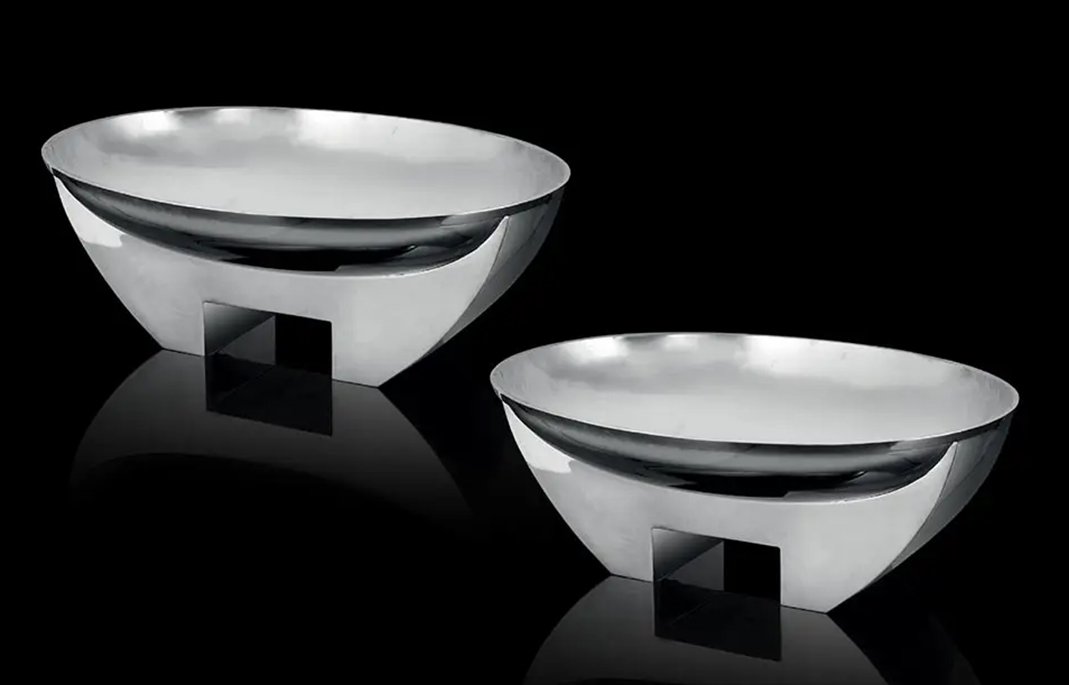
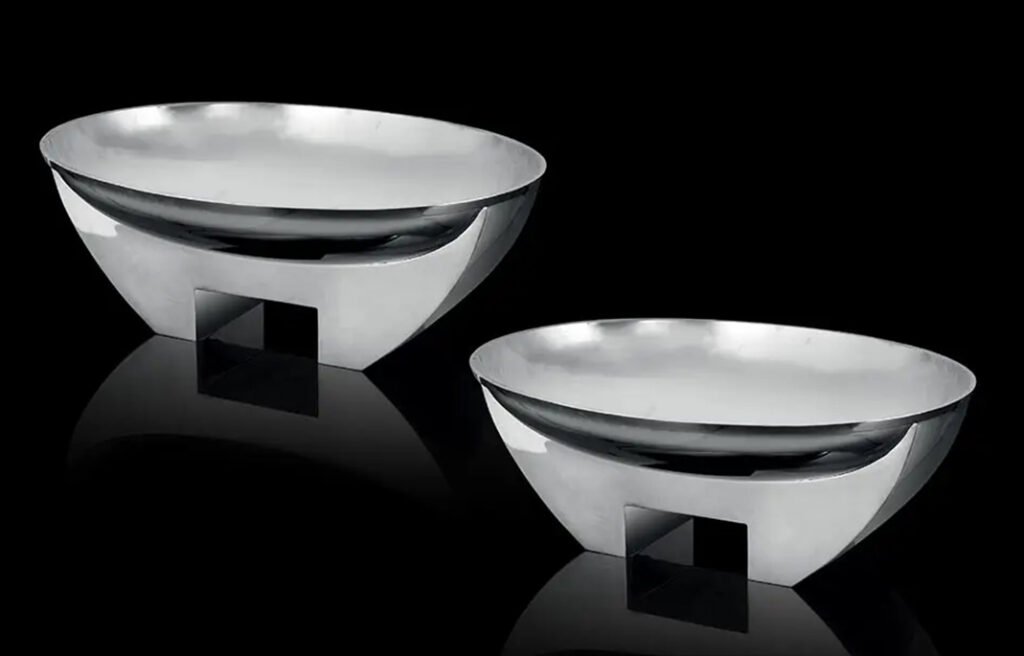
AstaGuru has recorded several standout sales that highlight this trend. An exceptional pair of vermeil girandoles by Ignaz Sebastian Würth realised ₹2.34 crore, well above its estimate, while a Roberts & Belk hallmarked silver dinner service, a German silver centrepiece by Mazzucato, a Puiforcat French silver soup tureen, and a pair of Art Deco Tiffany & Co. silver fruit dishes all significantly exceeded their pre-sale valuations.

As silver prices continue to strengthen, collectors are increasingly looking beyond bullion. The repricing of the metal has created renewed interest in vintage British and European silver, where historical craftsmanship and documented provenance are becoming just as valuable as the precious metal itself.

Discover more stories on collectibles, luxury markets and investment trends in the latest issue of Luxetrope—India’s premier luxury intelligence magazine.

Read More

The inaugural edition of The Collectors' Cove brought together exceptional art, jewellery, haute horology and collectible design, setting a new benchmark for luxury collecting in India

Sojourn: Selected Works (1940–2015) Volume II traces the extraordinary artistic evolution of Modern Master S.H. Raza

For anyone entering the world of international art, the smartest first step is often the simplest one

Ten artists established new auction records, with bidding pushing several works well beyond their estimates and previous market highs

The auction saw competitive bidding across Indian masters; here are the top-performing lots

Sachdeva's philosophy is simple: don’t treat your walls like a portfolio—the real value lies in the joy of living with art that speaks to you