luxetrope.com

The Fine Art Of Timing It Right

The Fine Art Of Timing It Right

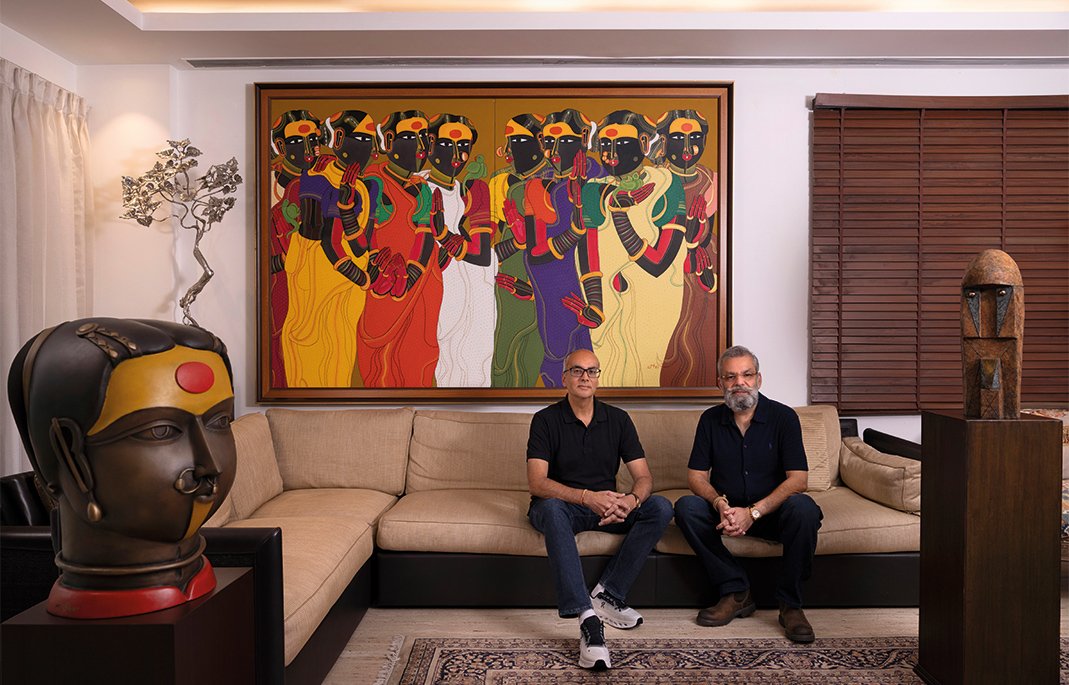
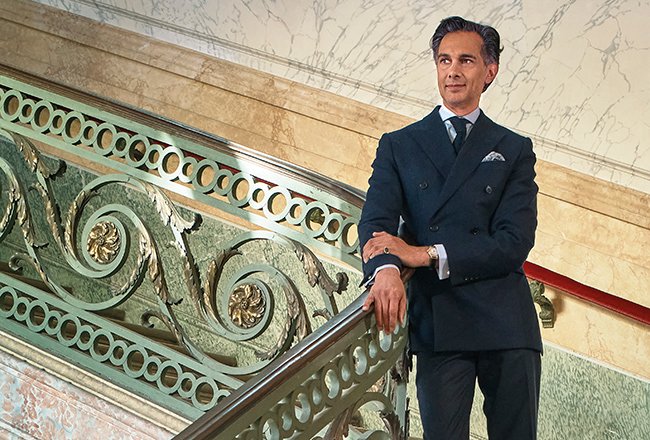
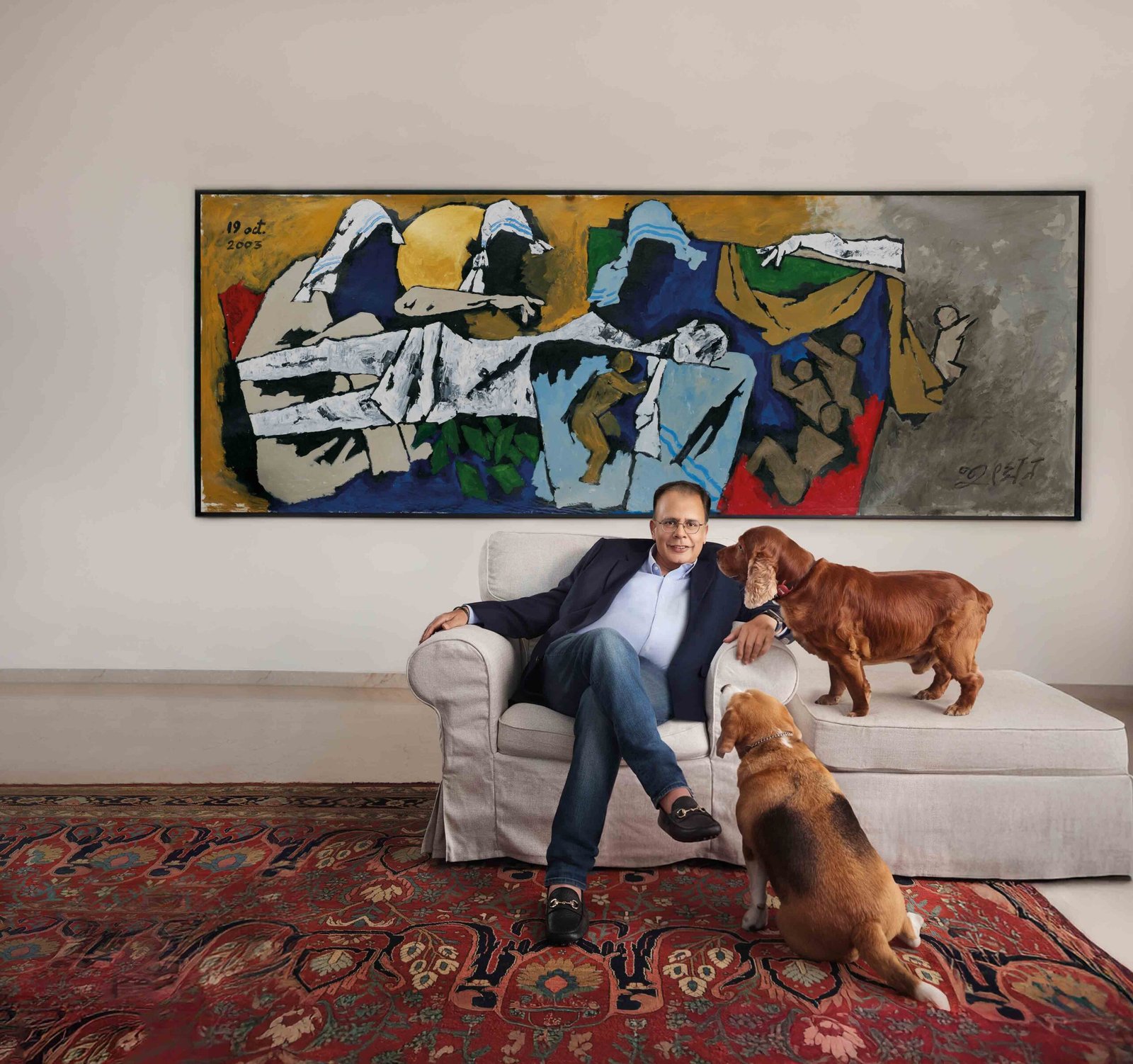
Collector, connoisseur, and patron, Manoj Israni has curated his extensive art collection with genuine passion

Manoj Israni

A man who willingly trades in a Mercedes for an artwork is, without question, a true connoisseur. For Manoj Israni, who’s intensely passionate about art and determined to line the walls of his home with masterpieces, a luxury car seemed like a small price to pay. Having redefined ‘luxury living’ as surrounding himself with art and beloved companions—specifically his dogs, Edward and Oliver— Israni seeks to highlight how a creative outlook to life can be the foundation of creating a priceless collection.

While Israni is a renowned collector today, his entry into the world of art was quite fortuitous. “Art is something that came out of the blue. I run a pharma company,” he says, adding that he was raised in an environment where art and creativity were valued. But his interest in collecting was sparked by a simple need: furnishing his new home. Driven by a desire to recreate the atmosphere of his childhood home—headlined by a massive M.F. Husain painting placed front and centre—he began a hunt for his own masterpieces. “I bought a smaller Husain painting because I didn’t have enough space for a big one. Three months later, the person I bought it from asked me if I wanted to sell it back. I agreed and she gave me nine times the price for it, which I thought was interesting,” he recalls.

Israni feels that you need a do-your-own-research approach to collecting. He says he’s read almost every book on Indian art and this knowledge makes the process of acquiring art exciting, not challenging. “Collecting art is something that grew on me. I was always clear about what I wanted to buy and when. I don’t buy art from dealers or artists, I prefer auctions,” he says.

With a rise in disposable income and an expanding collector base in India, there has been a surge in buying art mainly as a form of investment. And that, Israni says, is a dangerous road to take. “You must like art first. I wouldn’t take the route of buying art solely as an investment. I do consign works to auction but that’s only because I want to upgrade,” he says, adding that he also doesn’t know anyone who buys art merely for its financial potential. “It’s like buying a diamond set for investment purposes. You don’t have a clue about diamonds; you don’t know where you’re putting your money. I know people who want to keep their art for generations and those who buy it as an investment, but they also know about art.”

Read the full story in the premiere issue of LuxeTrope, on stands now.

Read More

Prashant Tulsyan

He also emphasises that a good work must evoke a strong, lasting feeling

As wealth preferences evolve, HNIs are increasingly turning to art and alternative collectibles

Himmat Shah’s work combines material sensitivity, quiet force and enduring collector appeal

The collector and space designer talks about her collecting philosophy

A steady rise in turnover over five years underscores sustained demand and strong collector confidence

Giftex.in’s Modern & Contemporary Art Auction delivered strong results; here are the top lots that surpassed estimates

Collectors Tanuj Berry & Saman Malik Decode the Art Market

Collectors Tanuj Berry & Saman Malik Decode the Art Market

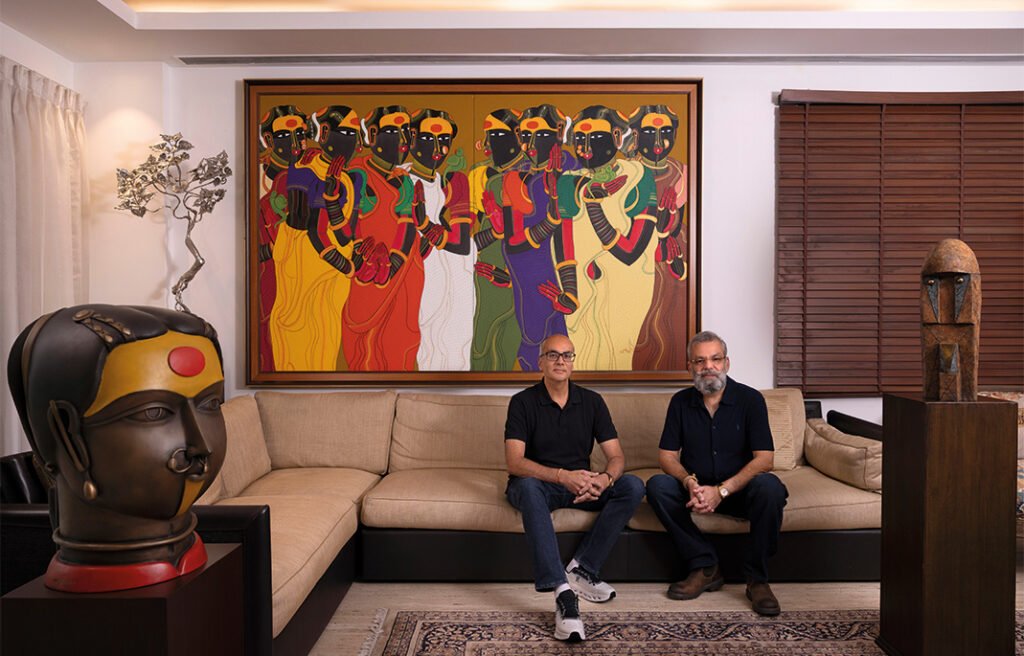
The duo speaks about the true reward of collecting, and how an “unemotional” approach towards art lets them truly enjoy their collections

The vibrant scene of London’s auction houses in the 1990s set Tanuj Berry and Saman Malik on the path to appreciating art. For the two of them—who claim they’re not collectors per se—art has always been a matter of careful curation rather than impulse. They individually, and collectively, approach art with the precision of an investor, having built a philosophy that places their collections as both a store of value and a long-term asset. They have, through business and in their own way, also championed Contemporary Indian artists, who they feel hold true auction potential.

How did you start collecting, and what was the first piece you bought?
Berry: It was the concept, excitement and idea of prompt and transparent transactions at auctions that attracted me to auction rooms in London in the ’90s. Not that I bought anything at auction then, but it piqued my interest towards art. I began to look at Indian artists on my travels. The first artwork I bought was a K.M. Adimoolam on a visit to Chennai. I met the artist at his studio next to Cholamandal Artists’ Village. Over time, he became a dear friend and business associate like many other artists.

What’s your personal philosophy when it comes to collecting art?
Malik: Personally, I see art as an investment. Not taking anything away from its aesthetic value, but the reason for buying art then, and even today, is purely as investment. That may be why I’ve been able to sell works of art over time without having to dwell upon the idea of parting with them.

Were there any artworks that were particularly challenging to acquire?
Both: None; an unemotional approach removes most challenges in both buying and selling art.

You’ve spoken about choosing to invest in art rather than more conventional financial instruments. Does that still hold true?
Berry: It does. However, due to the larger entry and exit cost as compared to other assets, art does require a longer-term view. Even though some are able to speculate and trade for gains, art remains a long-term investment that also gives a recurring dividend of aesthetic pleasure to the buyer during the holding period.

You famously said you bought art in your children’s names. Why was that, and do you still do it?
Berry: Yes, it was something we started when our children were young. This way, we could hold some artworks in their name, so they stayed as long-term investments and allowed the children to unlock their value to further their education or career. We’ll continue to encourage our children to use this as an integral and important category for their investment strategy.

What are the biggest changes you’ve witnessed in the art market?
Malik: The consistency of auction houses in ensuring availability, reliability of authentication, and transparency in pricing is what has allowed the art market to thrive over the last few decades. Overall, awareness of Indian art and its acceptance as an important asset class has made it a more relevant and suitable investment.

Read the full story in the premiere issue of LuxeTrope, on stands now.

Read More

Prashant Tulsyan

He also emphasises that a good work must evoke a strong, lasting feeling

As wealth preferences evolve, HNIs are increasingly turning to art and alternative collectibles

Himmat Shah’s work combines material sensitivity, quiet force and enduring collector appeal

The collector and space designer talks about her collecting philosophy

A steady rise in turnover over five years underscores sustained demand and strong collector confidence

Giftex.in’s Modern & Contemporary Art Auction delivered strong results; here are the top lots that surpassed estimates