luxetrope.com

Farah Khan Decodes the Business and Cultural Value of Jewellery

Farah Khan Decodes the Business and Cultural Value of Jewellery

For the veteran jewellery designer, emotion, meaning, and beauty are what make jewellery timeless

For jewellery maven Farah Khan, nature, architecture, and love serve as eternal muses, forming the core of her design sensibility. Be it high jewellery collections or her prêt line, every piece stands as an ode to the places, people, and experiences that have shaped her life. Now considered one of India’s foremost jewellery designers, Khan started her journey by studying gemstones at the Gemological Institute of America (GIA), Santa Monica—an experience that taught her every stone has its own personality, strengths, and limits. She topped her gemmology class, spent years apprenticing and crafting bespoke pieces, and officially launched her fine jewellery brand, Farah Khan Fine Jewellery, in 2004.

“Inspiration is rarely a sudden moment,” Khan says, when asked about what inspires her, adding, “It’s usually something that stays with me—a flower I notice while travelling, the symmetry of a Mughal archway, the movement of water, or even the way light falls on an old building. I collect these moments almost subconsciously.” For her, creating a piece of jewellery usually starts with observation and emotion rather than sketching. She explains, “I ask myself what it is about that image or experience that moved me. Was it the softness, the strength, the rhythm, the colour? Once I identify that feeling, I start translating it into form.”

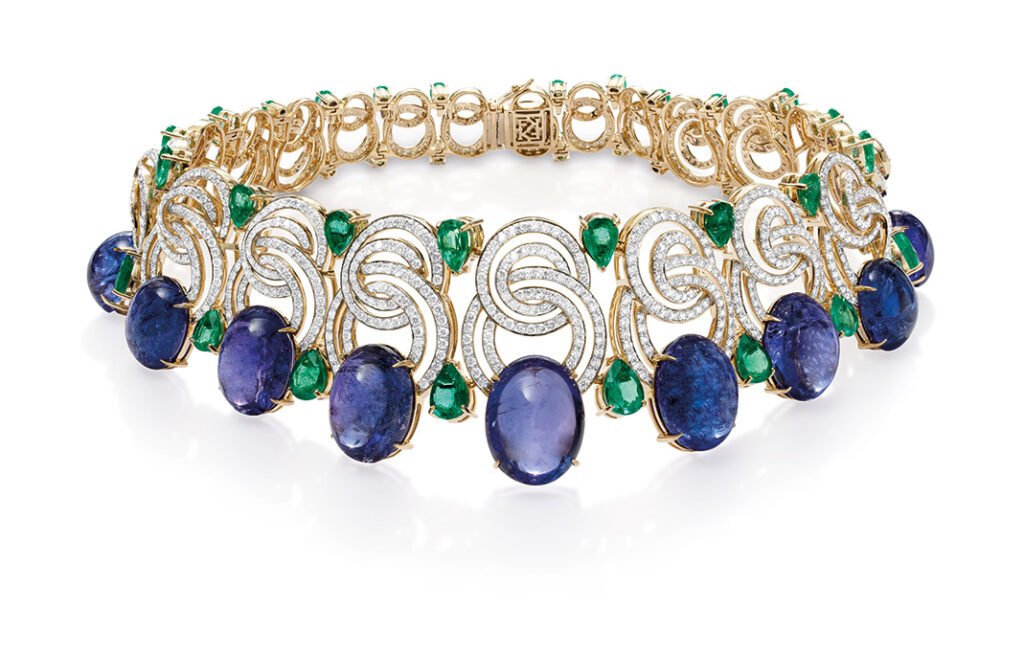
Ocean’s Embrace necklace, in 18k gold, blue cabochons, emeralds, diamonds

Khan understands that while jewellery needs to be beautiful, it must also be wearable. The challenge is to translate an object of inspiration into a thoughtfully crafted piece that can be worn frequently, rather than being stored away. So, sometimes a petal may become a diamond setting, or the fluidity of water may turn into an entire collection. Khan says that the final piece may not be an exact copy of the original inspiration, but it will always carry its essence.

A background in gemmology gave her the confidence to design around the unique characteristics of specific gemstones. Khan says, “When I begin designing, I never think of a gemstone as simply a decorative element. I look at its colour, cut, inclusions, brilliance, and character. The design must serve the gemstone, not compete with it.” Emeralds are her absolute favourite gemstone to work with. “There’s something incredibly soulful about them,” she says.

Read the full story in the special ‘Joaillerie Market’ issue of LuxeTrope, on stands now.

Read More

India's art market has grown nearly 200-fold in 25 years, fuelled by record-breaking auctions and rising collector confidence

From Mughal jewels to ancient sculptures, 'Animalia' explores humanity's enduring fascination with the animal kingdom through rare works from The Al Thani Collection​

While India's iconic Progressives continue to dominate the market, a new wave of artists is rewriting auction records

Art historian, curator, and director of The Al Thani Collection, Dr. Amin Jaffer believes great collections are built on stories that connect cultures across time

The auction brought together leading names in Modern Indian art, with several works achieving standout prices

Ornamentation in Indian art tells stories of power, identity and cultural memory

How Coloured Gemstones are Taking Centre Stage in the High Jewellery Market

How Coloured Gemstones are Taking Centre Stage in the Jewellery Market

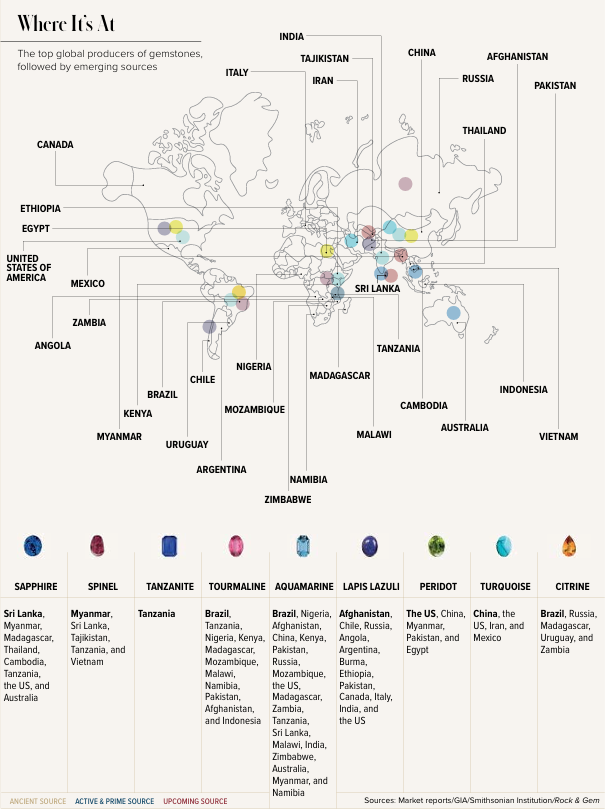
From Colombian emeralds to Burmese sapphires and rare spinels, coloured gemstones are emerging as prized collectibles

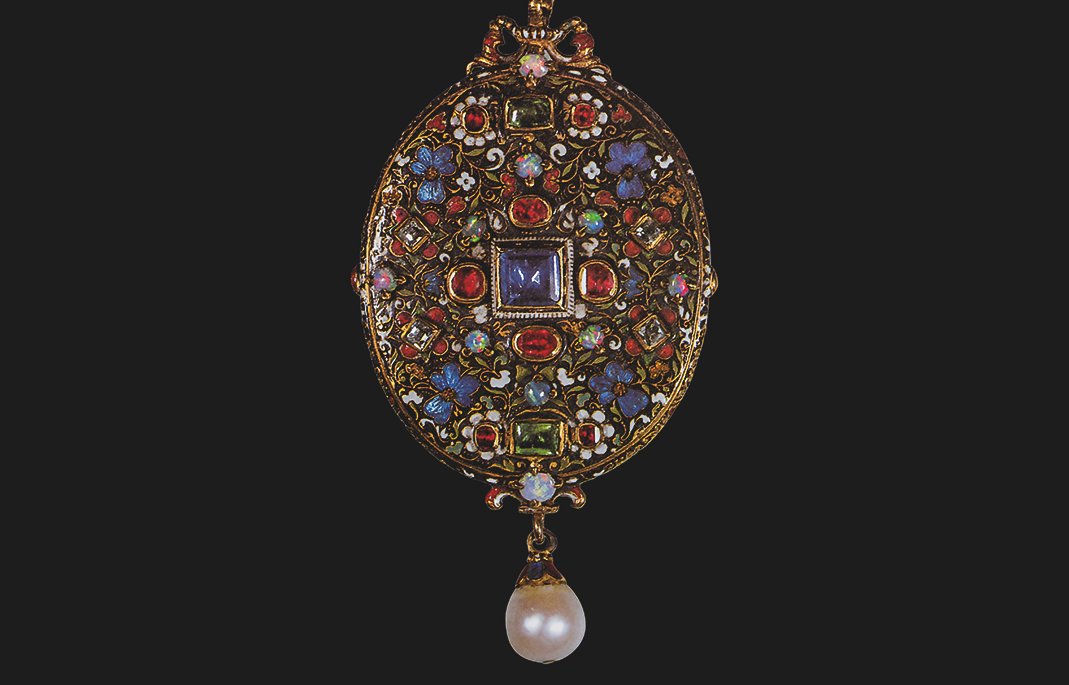
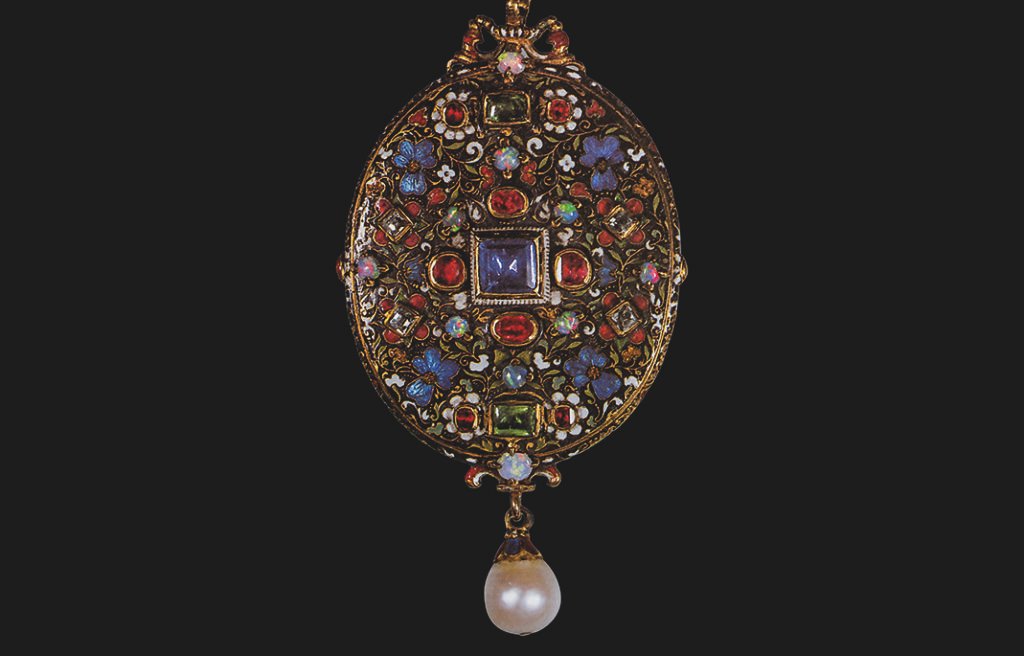
The ‘Grenville’ Jewel from the 1630s, a locket set with a dense carpet of flowers, with rubies, opals, emeralds, and more

Natural diamonds may remain timeless, but collectors are increasingly embracing coloured gemstones for their rarity, individuality and investment potential. Millennials and Gen Z are driving a shift towards expressive jewellery, favouring distinctive colours, unusual cuts and exceptional provenance over traditional diamond-centric designs.

This growing demand has strengthened the auction market, where gemstones from celebrated origins—such as Kashmiri sapphires, Colombian emeralds and Burmese rubies—are commanding premium prices. With finite natural supply and dwindling mining sources, these stones are increasingly viewed as scarce alternative assets that combine beauty with long-term value.

Collectors are also diversifying their portfolios by exploring stones ranging from Mahenge spinels to Burmese blue sapphires, recognising their resilience and rarity. The trend is reflected in the broader market, with the global coloured gemstones industry projected to grow at a 6.6% CAGR, while sapphires, pearls, rubies and emeralds accounted for 31% of jewellery lots sold at auction during 2025–26.

Auction houses continue to reinforce this momentum. At a major international sale in 2024, 90% of lots found buyers, with several coloured gemstones achieving prices far above their estimates. A record-setting 55.22-carat Estrela de Fura Ruby also demonstrated the market’s appetite for exceptional stones, establishing a new benchmark for Mozambique’s ruby industry.

India’s auction market reflects the same enthusiasm. AstaGuru has achieved standout results with coloured gemstone jewellery, including an uncut diamond and spinel sarpech that sold for ₹1.02 crore, a spinel and diamond necklace that realised ₹1.29 crore, a Burmese blue sapphire ring that fetched ₹24.53 lakh, and a pair of tanzanite and diamond ear clips that achieved ₹17.59 lakh. Together, these results highlight the growing confidence collectors have in exceptional coloured gemstones.

Read the full story in the special ‘Joaillerie Market’ issue of LuxeTrope, on stands now.

Read More

India's art market has grown nearly 200-fold in 25 years, fuelled by record-breaking auctions and rising collector confidence

From Mughal jewels to ancient sculptures, 'Animalia' explores humanity's enduring fascination with the animal kingdom through rare works from The Al Thani Collection​

While India's iconic Progressives continue to dominate the market, a new wave of artists is rewriting auction records

Art historian, curator, and director of The Al Thani Collection, Dr. Amin Jaffer believes great collections are built on stories that connect cultures across time

The auction brought together leading names in Modern Indian art, with several works achieving standout prices

Ornamentation in Indian art tells stories of power, identity and cultural memory

Viren Bhagat: A Life Beyond the Ordinary

Viren Bhagat: A Life Beyond the Ordinary

For iconic jeweller Viren Bhagat, the art and process of crafting one-of-a-kind precious pieces is an extension of his personality

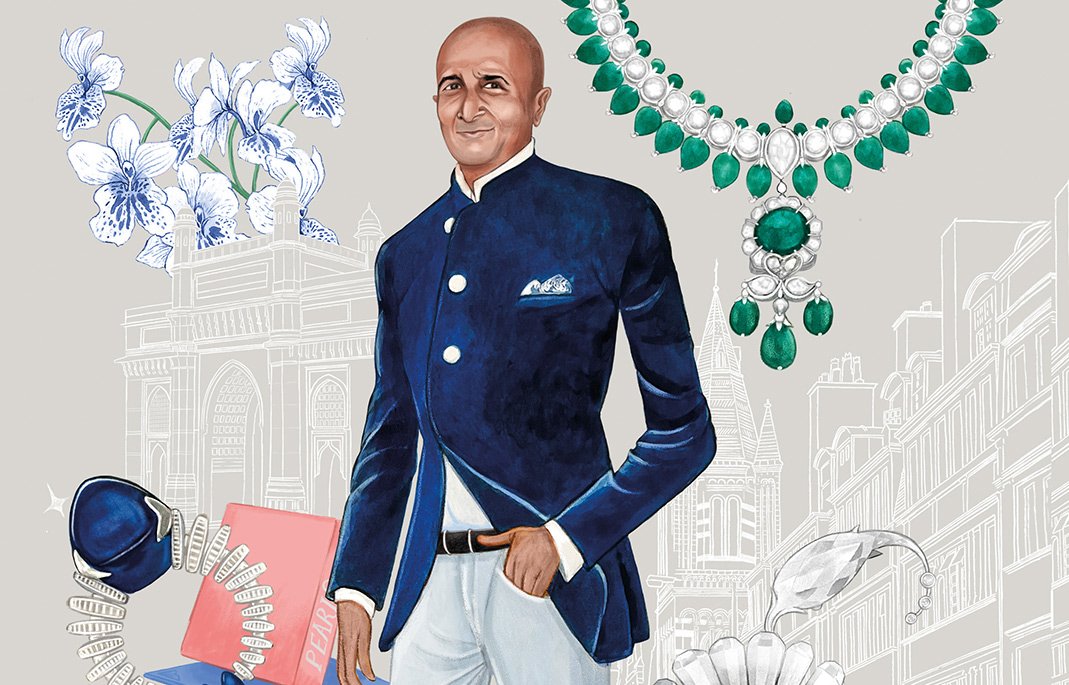
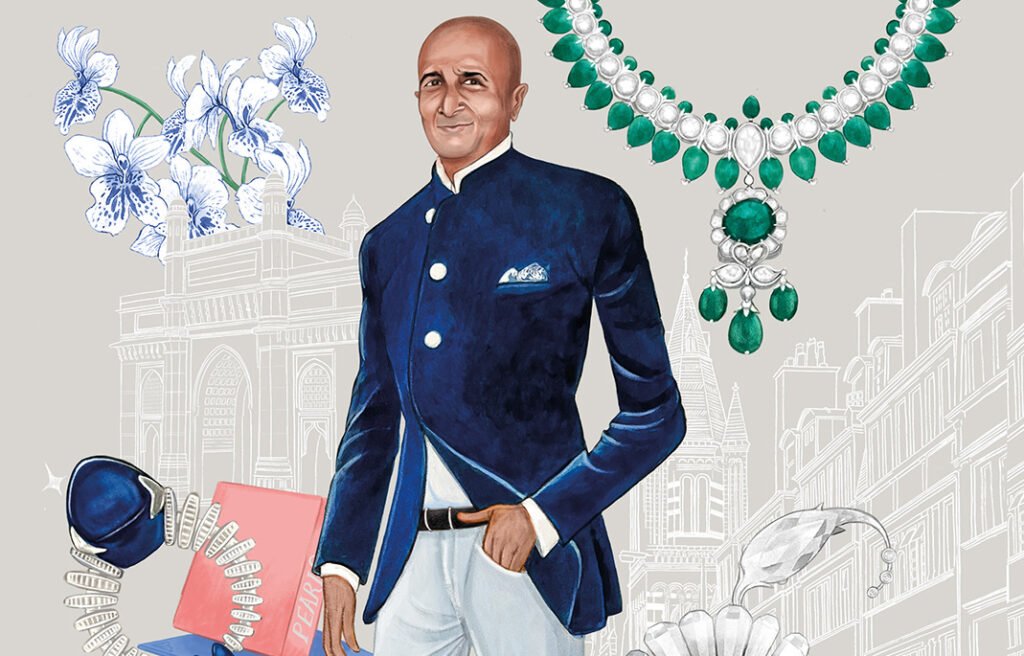
Words: Steve King; Illustration: Priya Kuriyan

I was introduced to Viren Bhagat in 2009 or 2010 by a mutual friend during one of my occasional visits to Bombay, now Mumbai. I’m a journalist, and I was there to write about something or other—not about Viren, in any case. So, this was a purely social introduction, a happy accident. We hit it off immediately. The conversation flowed easily. Naturally, we talked a lot about jewellery, but we talked about all kinds of other things as well—mainly Mumbai, which I love but know only superficially, and which he loves and knows deeply. Other meetings followed, in London and back in Mumbai. Eventually, in 2012, I wrote a longish story about him for the magazine I was working for at the time. Viren was already famous by then, a legend in the jewellery world, and his reputation has only continued to grow in the years since.

People often ask me what he’s like as a person and what I think of him as a jeweller.

As a jeweller, Viren’s one of the very best and, like all the very best, exists in a category of one. He’s often compared to JAR (Joel Arthur Rosenthal) or Jacques Cartier, and such comparisons are perfectly understandable—though I’d say they’re better understood not as comparisons, exactly, but rather as compliments, as a measure of brilliance and originality, not likeness. These jewellers have transcended the profession of precious craftsmanship to some extent, and have paved the way for collectors to reimagine what ‘jewellery’ actually means.

You could study photographs of Viren’s lean, expressive face and extrapolate from his eyes and features a combination of seriousness, soulfulness, and amusement.

This would be entirely accurate. And the amusement is, I think, crucial. He’s got a great sense of humour and, though he’s a kind, solicitous, and generous man, he occasionally enjoys a gentle practical joke. For example, on one of my trips to Mumbai, I joined Viren and his wife at a cocktail party at the Gymkhana…

Read the full story in the special ‘Joaillerie Market’ issue of LuxeTrope, on stands now.

Read More

India's art market has grown nearly 200-fold in 25 years, fuelled by record-breaking auctions and rising collector confidence

From Mughal jewels to ancient sculptures, 'Animalia' explores humanity's enduring fascination with the animal kingdom through rare works from The Al Thani Collection​

While India's iconic Progressives continue to dominate the market, a new wave of artists is rewriting auction records

Art historian, curator, and director of The Al Thani Collection, Dr. Amin Jaffer believes great collections are built on stories that connect cultures across time

The auction brought together leading names in Modern Indian art, with several works achieving standout prices

Ornamentation in Indian art tells stories of power, identity and cultural memory

High Jewellery’s Ultimate Secret: The Melo Melo Pearl

High Jewellery’s Ultimate Secret: The Melo Melo Pearl 

The fiery allure of Melo Melo pearls have enamoured collectors for decades, and they still remain the rarest gemmological phenomenon today

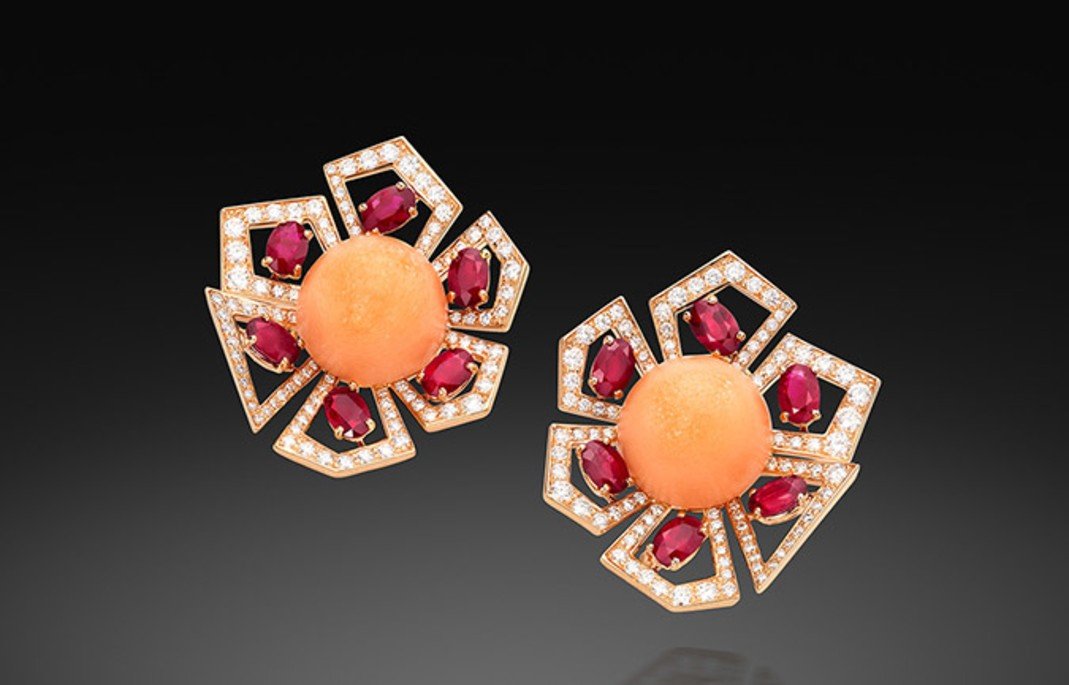
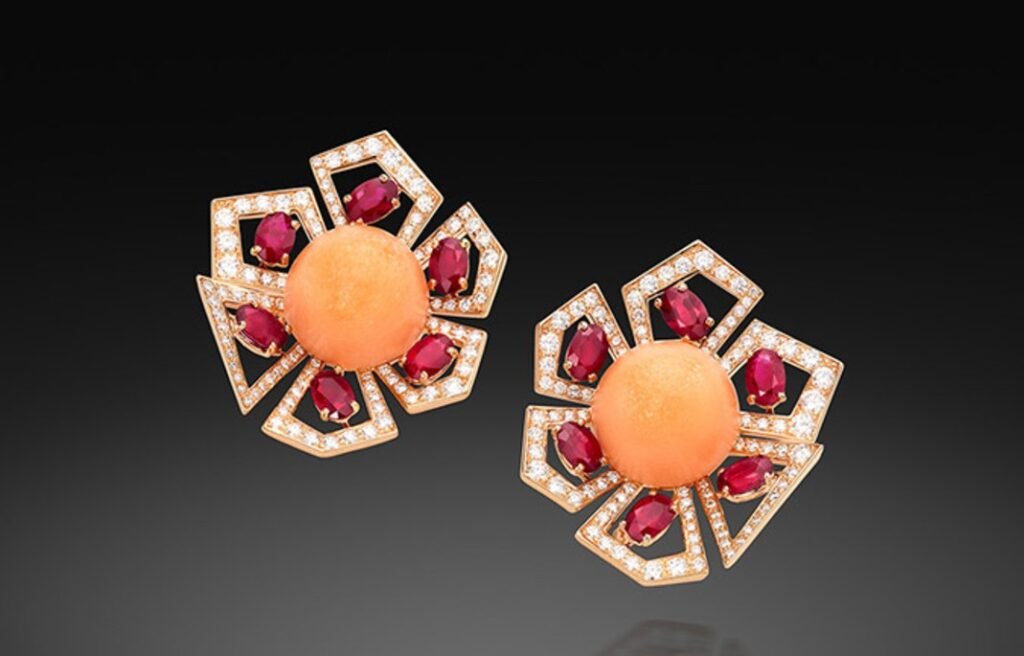
Melo Passion Natural Pearl, Ruby and Diamond Earrings; Image courtesy: Assael

Few natural treasures command the kind of reverence Melo Melo pearls inspire. Found deep within the waters of Southeast Asia—from the South China Sea to the Andaman Coast—these rare gems are produced not from oysters but from Melo Melo: a large predatory sea snail known as the Indian volute or bailer shell. 

Historically, these radiant pearls were incorporated into royal Asian folklore as “dragon pearls,” owing to their vibrant orange colour and flame-like patterns. Centuries later, they continue to be one of the most coveted treasures in high jewellery—appealing to the world’s most discerning collectors.

Unlike classic oysters or South Sea cultured pearls, Melo Melo pearls are completely non-nacreous and occur exclusively through natural phenomena. Standard pearls derive their sheen from layers of nacre; Melo Melo pearls are composed of calcite and aragonite, yielding a smooth, porcelain-like lustre. 

Their true magic lies in their flame-like chatoyancy—a phenomenon where fibrous structures beneath the surface reflect light, creating a shimmering effect similar to flickering flames. While colours range from soft tan to deep brown, it is the rich mandarin orange hue with visible flame patterns that defines the pinnacle of desirability. 

Why are these gems so rare? Simply put, Melo Melo pearls cannot be cultured. Every single specimen is 100 per cent natural, discovered purely by chance by regional fishermen. Additionally, only one in several thousand Melo snails will ever produce a pearl, and it takes decades for one to grow to a wearable size. Furthermore, only a small fraction of those harvested exhibit the fiery orange saturation and pattern that collectors demand.

Because Melo Melo pearls command prices scaling into hundreds of thousands of dollars, verifying provenance and lab certification is of utmost importance. Top gemmological laboratories such as GIA or SSEF issue precise reports verifying origin, composition, and absence of artificial enhancement or polishing. 

Without a reputable lab report confirming authenticity, a prospective Melo pearl should never be acquired. Instead, choose a reputable auction house or verified private estates. 

Given their zero-commercial supply, you will not find Melo Melo pearls in standard luxury retail boutiques or maisons. Blue-chip auction houses are the way to go as they periodically feature loose Melo Melo pearls or bespoke high jewellery settings in their auctions. Esteemed ateliers that specialise in rare natural pearls work directly with private collectors to source authentic loose specimens. 

For those patient enough to seek them out, acquiring a Melo Melo pearl is far more than an investment in fine jewellery—it is a rare chance to own a piece of nature’s unrepeatable magic.


Read More

India's art market has grown nearly 200-fold in 25 years, fuelled by record-breaking auctions and rising collector confidence

From Mughal jewels to ancient sculptures, 'Animalia' explores humanity's enduring fascination with the animal kingdom through rare works from The Al Thani Collection​

While India's iconic Progressives continue to dominate the market, a new wave of artists is rewriting auction records

Art historian, curator, and director of The Al Thani Collection, Dr. Amin Jaffer believes great collections are built on stories that connect cultures across time
The auction brought together leading names in Modern Indian art, with several works achieving standout prices

Ornamentation in Indian art tells stories of power, identity and cultural memory

Why Vintage Jewellery is Winning Big

Why Vintage Jewellery is Winning Big

The secondary jewellery market is gaining momentum as collectors chase rare heirlooms

In the world of luxury jewellery, rarity and provenance have become just as important as diamonds and gemstones. Collectors are increasingly drawn to vintage creations with remarkable histories, transforming auctions into destinations where craftsmanship, heritage and storytelling command premium prices.

One of the biggest examples was the record-breaking sale of royal Indian jewels, featuring treasures from the Nizam of Hyderabad and the princely families of Jaipur, Baroda and Indore. Spanning centuries of craftsmanship, these heirlooms proved that history can be as valuable as the gemstones themselves.

The Auction Effect

This growing appetite is also visible closer to home. Rare vintage jewels—including meena gajra bracelets, a Rajasthani bodla and a kundan-set polki chand haar—generated intense bidding at recent AstaGuru auctions, reflecting rising demand for collectible Indian jewellery. Buyers today aren’t simply purchasing ornaments; they’re investing in pieces with enduring cultural and artistic significance.

Old Gold, New Opportunities

The boom isn’t limited to auction houses. Across India’s jewellery retail market, consumers are increasingly exchanging existing jewellery to finance fresh purchases. As gold prices remain elevated, exchange programmes have become a preferred way to upgrade collections without making entirely new investments.

The result is a thriving secondary market where heirloom jewellery finds new owners, while existing collections help fund modern acquisitions. Together, these trends are reshaping how Indians buy, sell and value fine jewellery.

Read the full story in the special ‘Joaillerie Market’ issue of LuxeTrope, on stands now.

Read More

India's art market has grown nearly 200-fold in 25 years, fuelled by record-breaking auctions and rising collector confidence

From Mughal jewels to ancient sculptures, 'Animalia' explores humanity's enduring fascination with the animal kingdom through rare works from The Al Thani Collection​

While India's iconic Progressives continue to dominate the market, a new wave of artists is rewriting auction records

Art historian, curator, and director of The Al Thani Collection, Dr. Amin Jaffer believes great collections are built on stories that connect cultures across time

The auction brought together leading names in Modern Indian art, with several works achieving standout prices

Ornamentation in Indian art tells stories of power, identity and cultural memory

Why Natural Diamonds Remain Timeless

Why Natural Diamonds Remain Timeless

Formed billions of years ago and shaped by nature's extraordinary forces, natural diamonds continue to captivate collectors

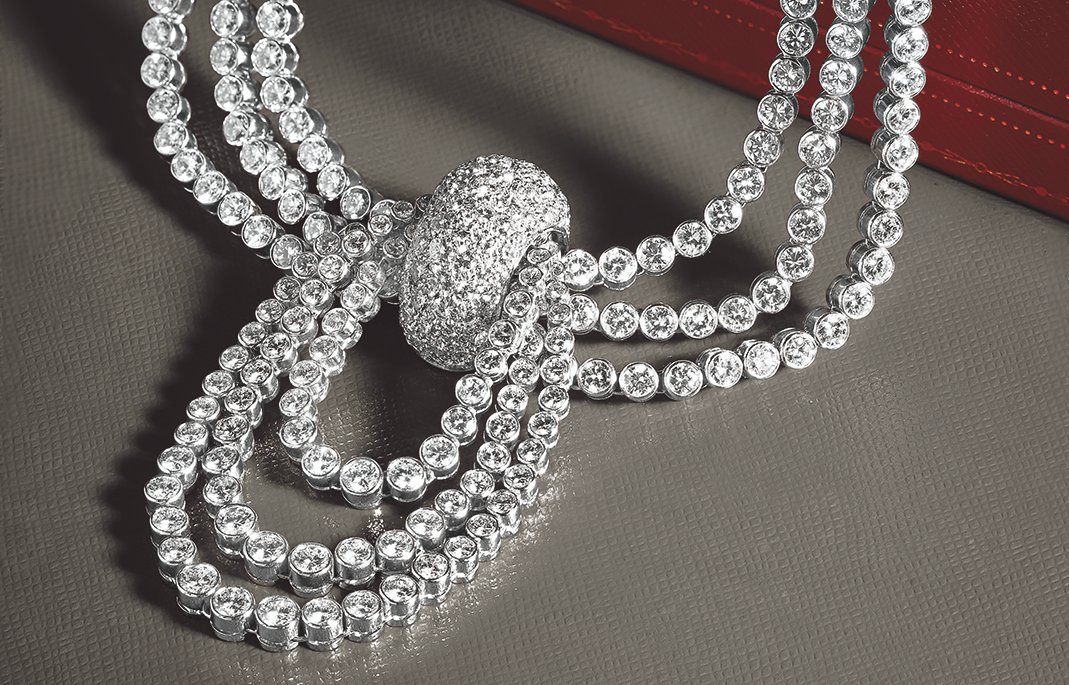
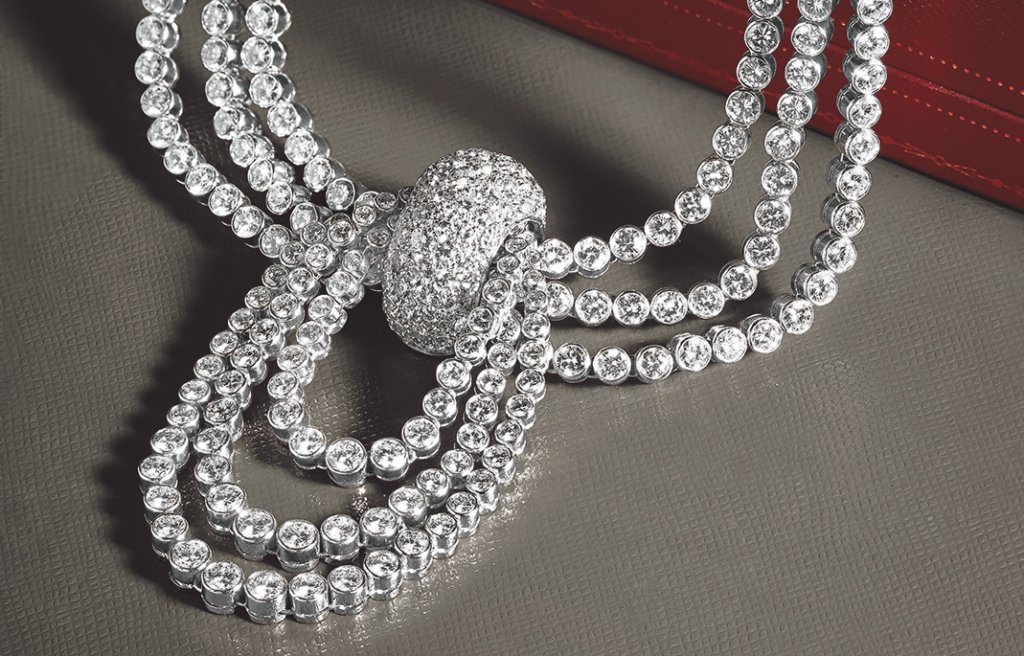
CARTIER DIAMOND NECKLACE | Gross weight: 113.730 g | Diamonds: 57.00 cts/426 pcs | Sold in 2022 by AstaGuru for ₹90,92,061 ($95,705)

Natural diamonds are among Earth’s oldest treasures, with some dating back as far as 3.5 billion years. Forged from crystallised carbon under immense heat and pressure deep beneath the Earth’s surface before being carried upward by volcanic activity, every natural diamond is the product of a remarkable geological journey.

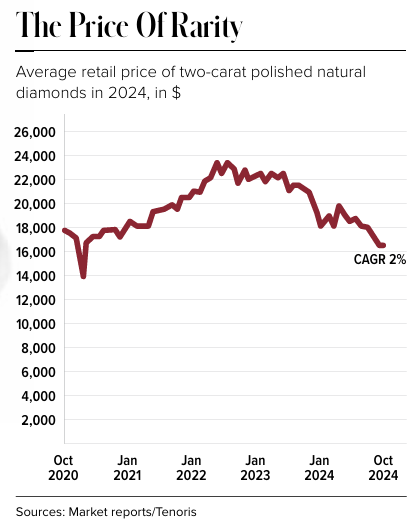
Their rarity continues to make them one of the world’s most coveted gemstones. Russia holds the largest known diamond reserves, followed by Botswana, while countries including the Democratic Republic of the Congo, Angola, Canada and South Africa remain key contributors to global production.


A diamond’s value extends far beyond its size. Experts continue to regard the 4Cs—cut, clarity, colour and carat weight—as the universal benchmarks of quality, with the cut playing the most significant role in determining a stone’s brilliance. Legendary gems such as the Star of Golconda and the Mouawad Kimberley Star have become icons thanks to their exceptional craftsmanship and remarkable provenance.

That provenance is increasingly influencing buying decisions, particularly in the auction market. A standout example is AstaGuru’s sale of an Art Deco ring featuring a 10.01-carat Old European-cut diamond, which achieved ₹92.21 lakh. More than a beautiful jewel, the piece reflected the growing importance collectors place on certification, historical ownership and exceptional craftsmanship.

As buyers become increasingly discerning, provenance, superior cut and substantial carat weight continue to distinguish the most desirable natural diamonds, reinforcing their enduring appeal as heirlooms that combine rarity, history and lasting value.

Read the full story in the special ‘Joaillerie Market’ issue of LuxeTrope, on stands now.

Read More

India's art market has grown nearly 200-fold in 25 years, fuelled by record-breaking auctions and rising collector confidence

From Mughal jewels to ancient sculptures, 'Animalia' explores humanity's enduring fascination with the animal kingdom through rare works from The Al Thani Collection​

While India's iconic Progressives continue to dominate the market, a new wave of artists is rewriting auction records

Art historian, curator, and director of The Al Thani Collection, Dr. Amin Jaffer believes great collections are built on stories that connect cultures across time

The auction brought together leading names in Modern Indian art, with several works achieving standout prices

Ornamentation in Indian art tells stories of power, identity and cultural memory

From Heirloom to High Fashion: Why Brooches are Back in Style

From Heirloom to High Fashion: Why Brooches are Back in Style

Once created as practical fasteners, brooches have evolved into collectible works of art, blending heritage, craftsmanship and timeless elegance

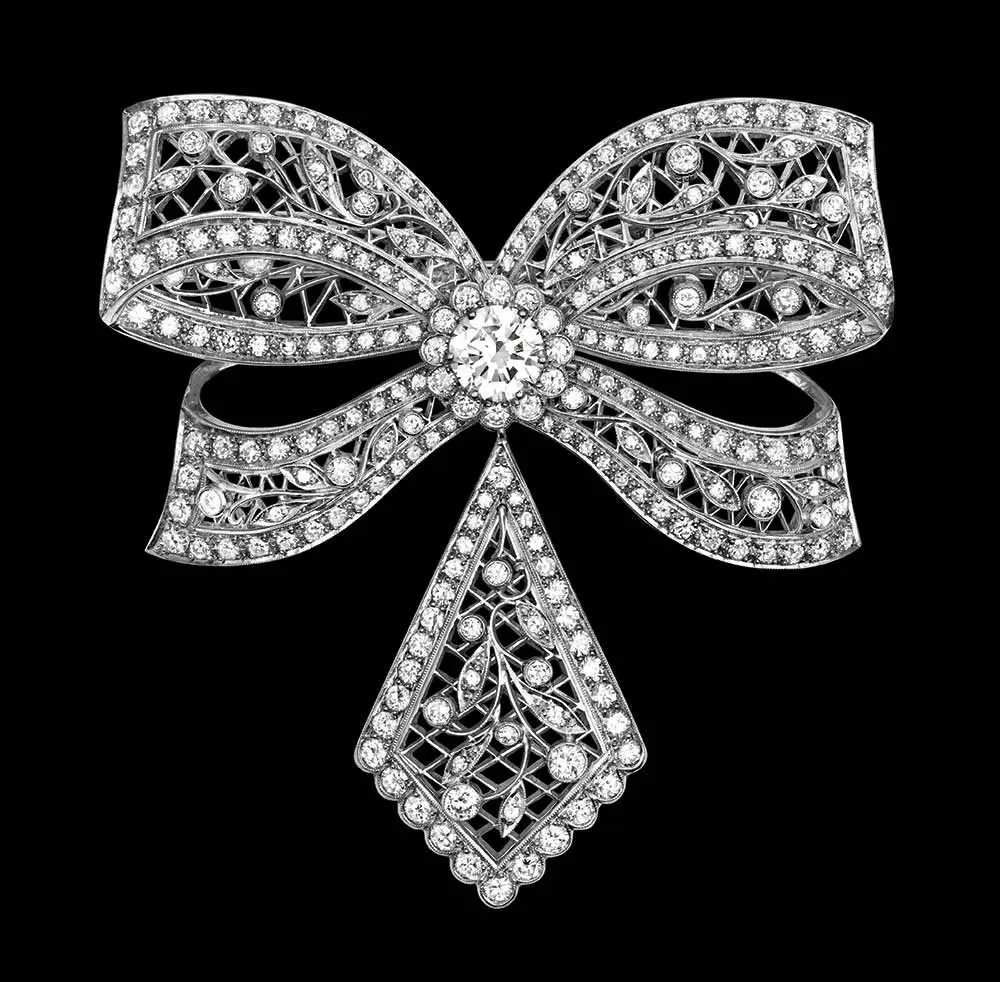
An Exquisite Diamond Bow Brooch | Sold in 2026 by AstaGuru for ₹14,60,470

From Bronze Age fasteners to coveted auction treasures, brooches are reclaiming their place as wearable works of art that blend history, craftsmanship and timeless elegance.

Long before they became symbols of luxury, brooches served a practical purpose. Dating back to the Bronze Age, they were used to fasten cloaks and garments. Over centuries, however, they evolved into exquisite expressions of artistry, reflecting the design movements, craftsmanship and cultural influences of their time. Today, these versatile jewels are enjoying a remarkable revival, worn not only on lapels but also on dresses, hats, turbans and even as striking hair accessories.

The renewed interest has extended to the auction market, where collectors are seeking exceptional brooches that combine rarity with historical significance. Auction houses such as AstaGuru and Giftex.in have witnessed growing demand for vintage and contemporary brooches, making these intricate creations increasingly desirable as both statement accessories and heirloom investments.

An Exceptional Diamond Bouquet Brooch | Sold in 2025 by AstaGuru for ₹38,72,000
A Diamond & Sapphire Brooch | Sold in 2025 by Giftex.in for ₹12,26,053
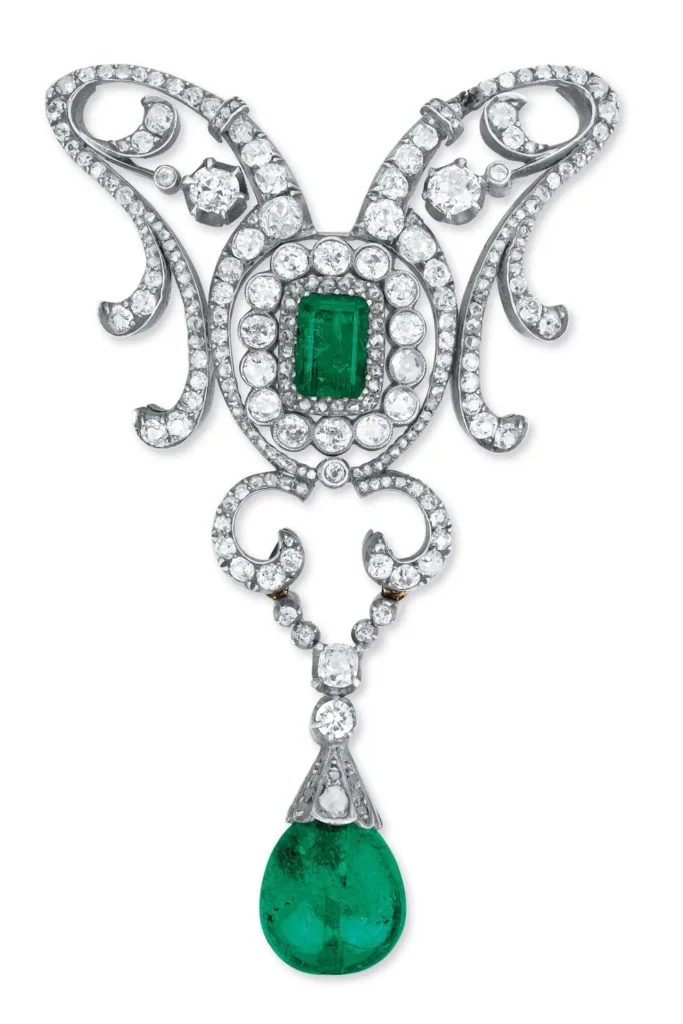
A Vintage Emerald & Diamond Brooch | Sold in 2024 by AstaGuru for ₹18,69,120

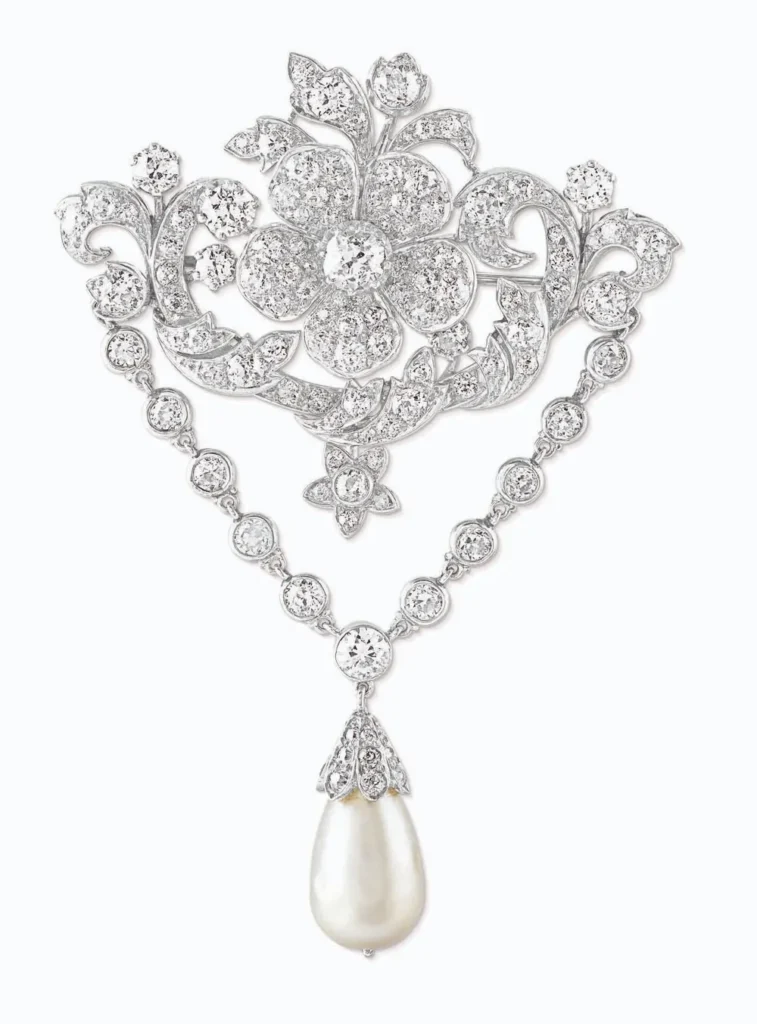
Among the standout examples is an Exceptional Bouquet Brooch, crafted with 242 VVS natural diamonds, which achieved ₹38.72 lakh at AstaGuru in 2025. Equally impressive is a Vintage Natural Pearl Brooch from the 1940s, featuring old European-cut diamonds and a natural pearl drop, which realised ₹32.70 lakh.

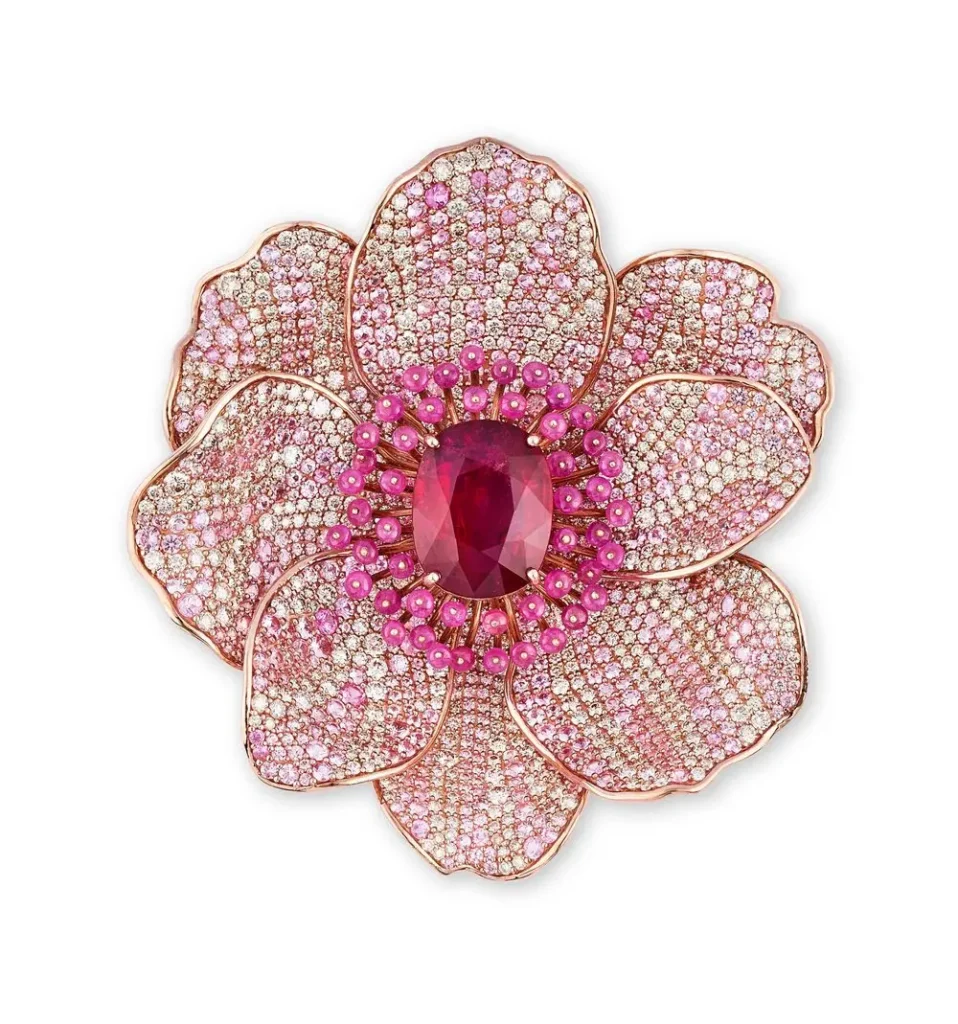
Nature-inspired designs continue to captivate collectors as well. A 1930s Emerald Drop Butterfly Brooch, set with Colombian emeralds and more than 200 old-cut diamonds, sold for ₹18.69 lakh, while a floral rose-gold brooch adorned with pink sapphires and rubellite tourmaline showcased the enduring appeal of colourful gemstone jewellery.

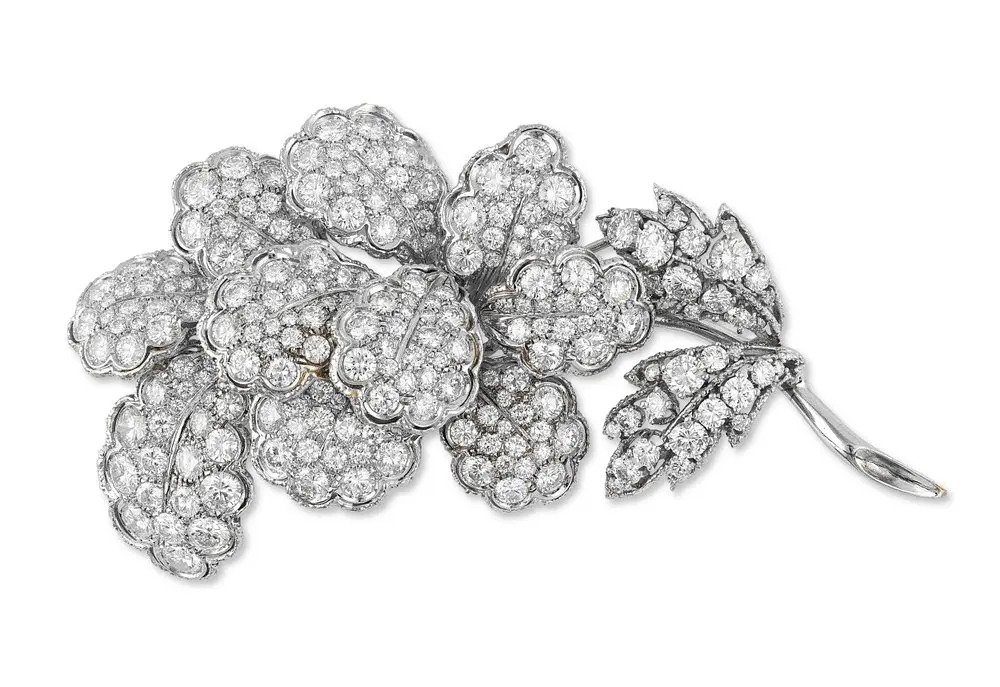
A Rubellite Tourmaline, Pink Sapphire & Diamond Flower Brooch | Sold by AstaGuru in 2025 for ₹11,85,800
A Vintage Diamond & Natural Pearl Brooch | Sold in 2024 by AstaGuru for ₹32,70,960
A Diamond & Sapphire Brooch | Sold by Giftex.in in 2025 for ₹12,66,012

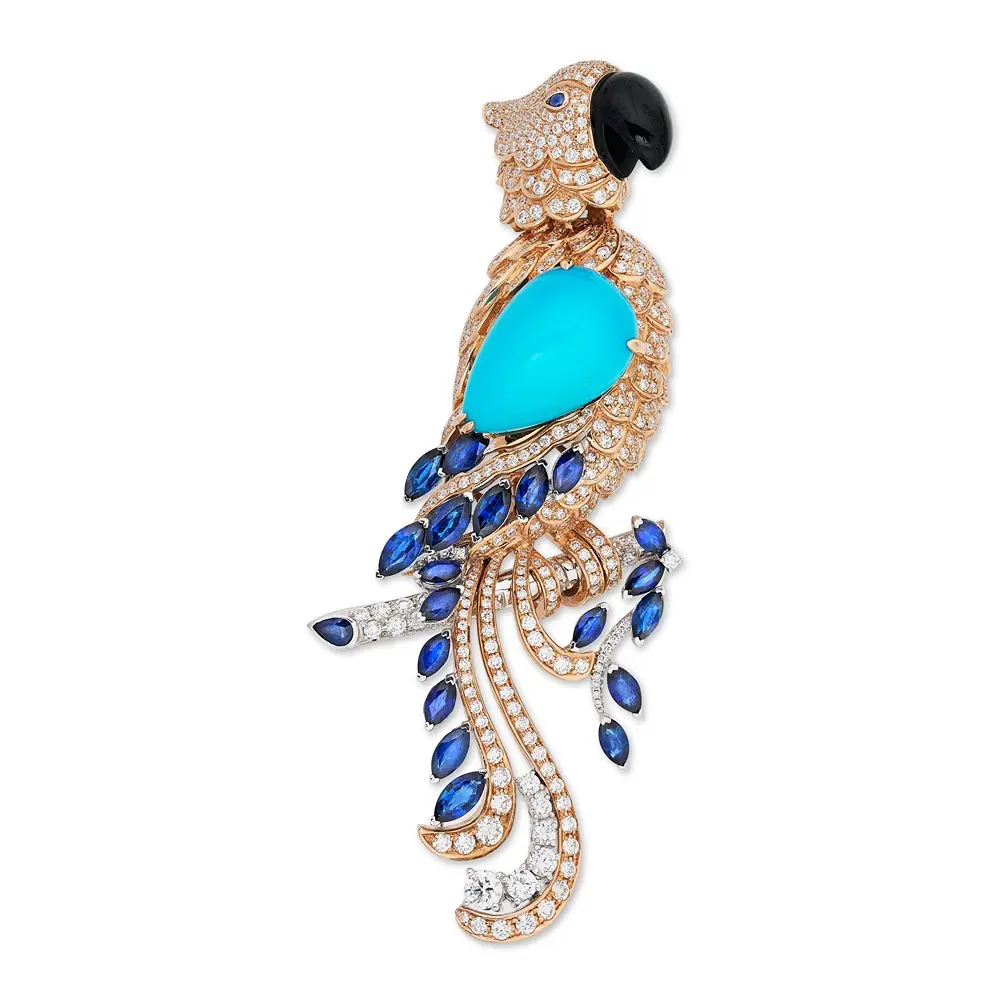
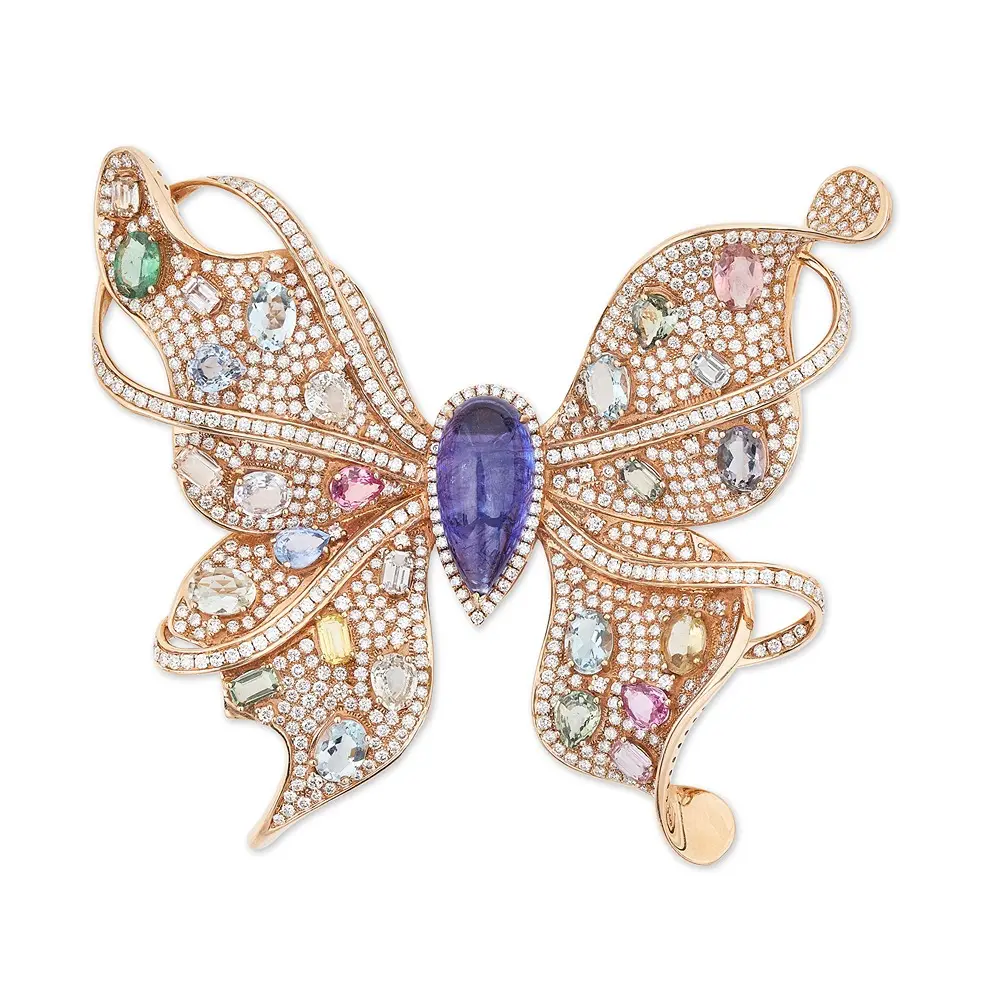
Modern interpretations are equally sought after. A playful Diamond & Sapphire Brooch accented with a turquoise cabochon and an Exquisite Butterfly Brooch featuring a tanzanite cabochon and multi-coloured sapphires demonstrate how contemporary craftsmanship continues to reinvent this centuries-old jewel.

Whether antique or modern, understated or extravagant, brooches have become much more than decorative accessories. They embody history, artistry and individuality—qualities that ensure these timeless jewels remain prized by collectors and cherished across generations.

Read More

India's art market has grown nearly 200-fold in 25 years, fuelled by record-breaking auctions and rising collector confidence

From Mughal jewels to ancient sculptures, 'Animalia' explores humanity's enduring fascination with the animal kingdom through rare works from The Al Thani Collection​

While India's iconic Progressives continue to dominate the market, a new wave of artists is rewriting auction records

Art historian, curator, and director of The Al Thani Collection, Dr. Amin Jaffer believes great collections are built on stories that connect cultures across time

The auction brought together leading names in Modern Indian art, with several works achieving standout prices

Ornamentation in Indian art tells stories of power, identity and cultural memory

Pixel Provenance: The Digital Narrative of Famous Jewellery Collections

Pixel Provenance: The Digital Narrative of Famous Jewellery Collections

Digital storytelling has transformed the luxury jewellery market, proving that a jewel's provenance can be just as valuable as the gemstone itself

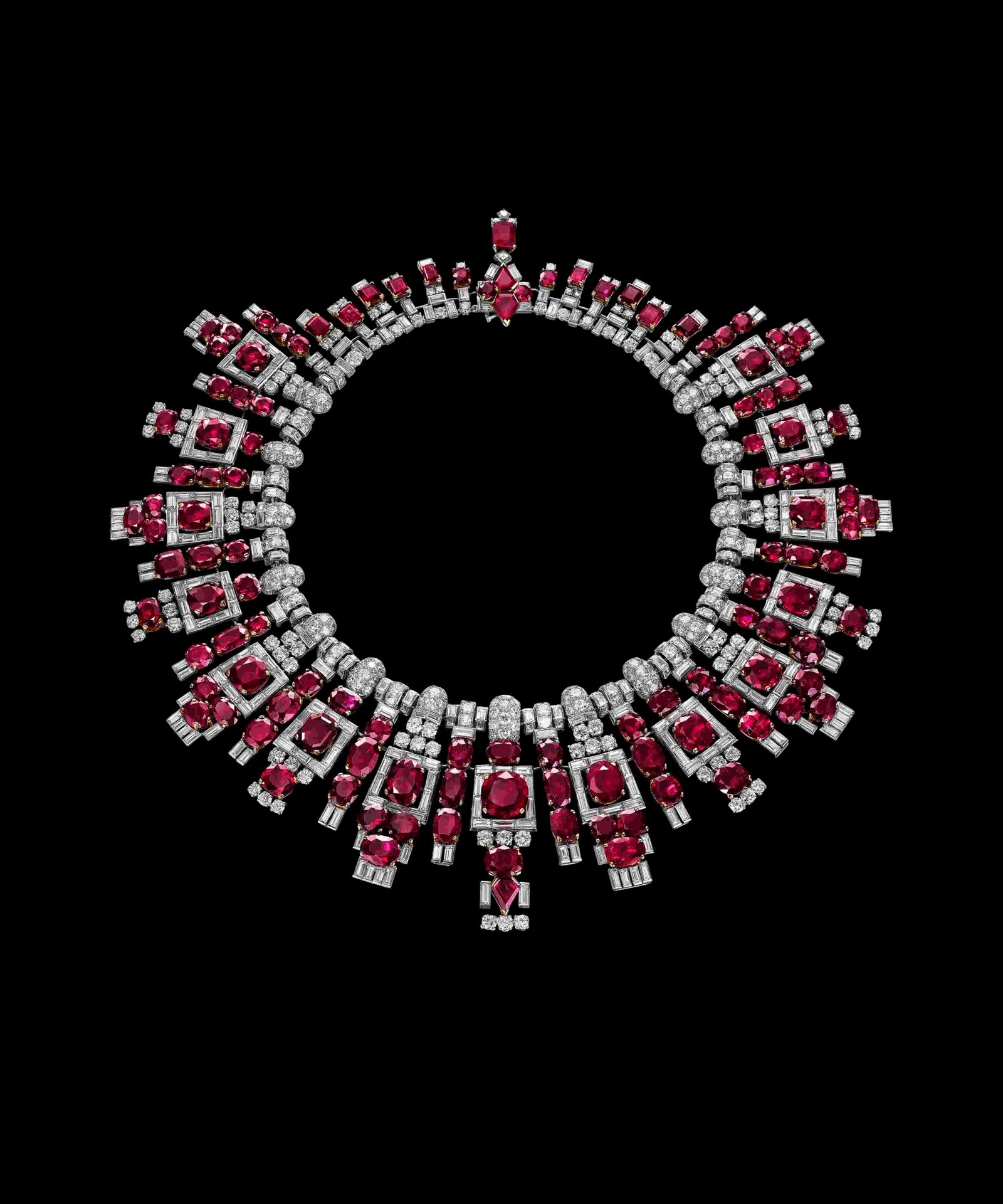
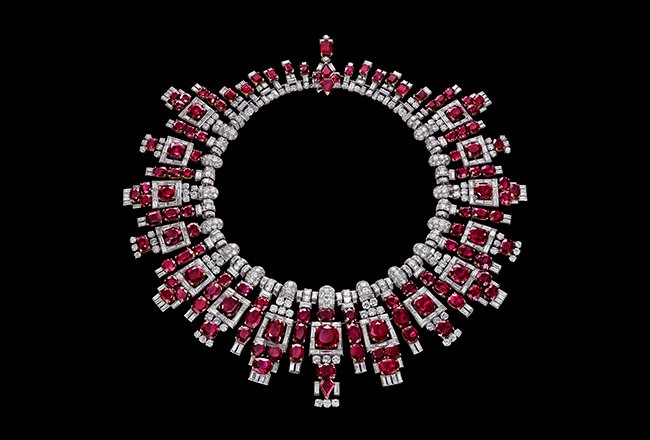
The Nawanagar Ruby Necklace by Cartier (platinum, rubies and diamonds), sold for $3.6 million (₹34.2 crore) | Image: Courtesy of The Al Thani Collection

For generations, the value of high jewellery was measured by its carat weight, clarity and origin. But seasoned collectors have long known that a remarkable story can elevate a jewel far beyond the value of its precious stones. Pieces once owned by icons, royalty and celebrated collectors continue to command extraordinary prices because of the history they carry.

Today, that story has gone digital. Provenance is no longer confined to auction catalogues and printed records. Cinematic videos, social media and immersive online campaigns have reshaped how collectors discover and connect with exceptional jewellery, creating excitement long before the first bid is placed.

The shift began in the late 1990s with landmark auctions such as the Estate of Jacqueline Kennedy Onassis. Demand to view the collection was so overwhelming that thousands entered a lottery simply for a chance to attend the preview. One standout lot—the Lesotho III diamond ring by Harry Winston—was estimated at $500,000 to $600,000, but ultimately sold for an astonishing $2.6 million, demonstrating the immense value of provenance even before the digital era.

That success laid the foundation for today’s luxury auction market, where storytelling, emotion and history often influence bidding as much as rarity and craftsmanship.

Read the full story in the special ‘Joaillerie Market’ issue of LuxeTrope, on stands now.

Read More

India's art market has grown nearly 200-fold in 25 years, fuelled by record-breaking auctions and rising collector confidence

From Mughal jewels to ancient sculptures, 'Animalia' explores humanity's enduring fascination with the animal kingdom through rare works from The Al Thani Collection​

While India's iconic Progressives continue to dominate the market, a new wave of artists is rewriting auction records

Art historian, curator, and director of The Al Thani Collection, Dr. Amin Jaffer believes great collections are built on stories that connect cultures across time

The auction brought together leading names in Modern Indian art, with several works achieving standout prices

Ornamentation in Indian art tells stories of power, identity and cultural memory

Jewels that Defined the Auction Season

Beyond the Sparkle: Jewels that Defined the Auction Season

These exceptional pieces proved that rarity, provenance and craftsmanship continue to command record prices at auction

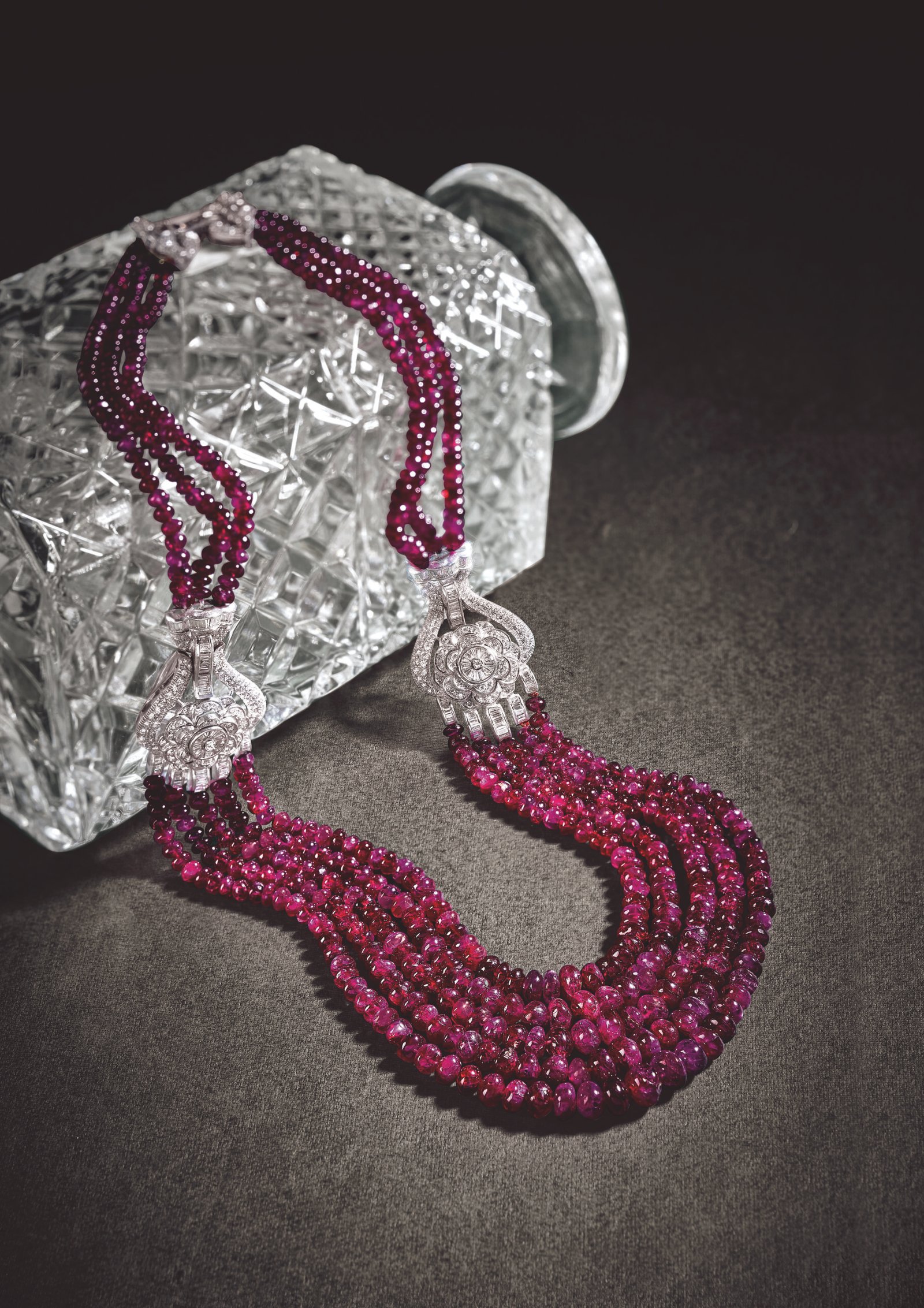
NATURAL BURMESE RUBY BEAD NECKLACE | Rubies: 833.30 cts/565 pcs | Diamonds: 8.40 cts/510 pcs | Sold in 2023 by AstaGuru for ₹76,96,628 ($81,017)

Some jewels are more than exquisite adornments, they are works of art with remarkable histories. These exceptional auction highlights showcase how rarity, provenance and master craftsmanship continue to captivate collectors.

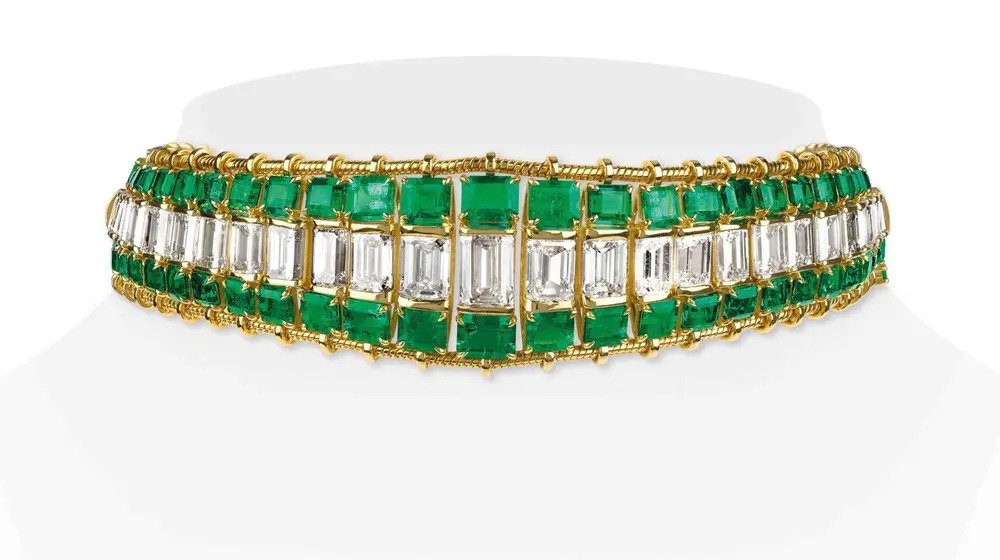
Colombian Emerald & Diamond Choker | Gross Weight: 91.826 g | Emeralds: 54.07 cts/246 pcs | Diamonds: 60.73 cts/207 pcs | Sold in 2024 by AstaGuru for ₹2,51,16,300 ($264,382)

The highest-selling lot on the list, this 18k yellow gold choker pairs 246 precision-matched Colombian emeralds with over 60 carats of diamonds. Its ingenious design allows it to transform into a bracelet, making it as versatile as it is valuable.

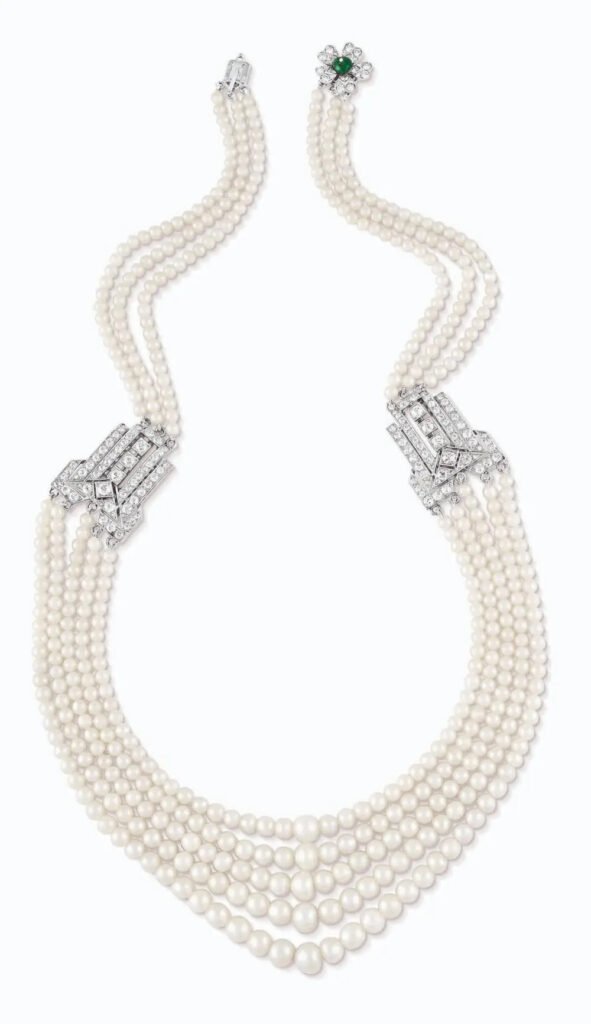
Vintage Natural Pearl Necklace | Natural Pearls: 346.60 chau (424.23 cts)/501 pcs | Diamonds: 11.75 cts/170 pcs | Emerald: 0.60 cts/1 pc | Sold in 2024 by AstaGuru for ₹2,04,88,421 ($215,667)

Five elegant strands of natural pearls meet the glamour of the Art Deco era. Finished with platinum terminals, old-cut diamonds and a striking emerald clasp, this necklace is a rare example of timeless craftsmanship.

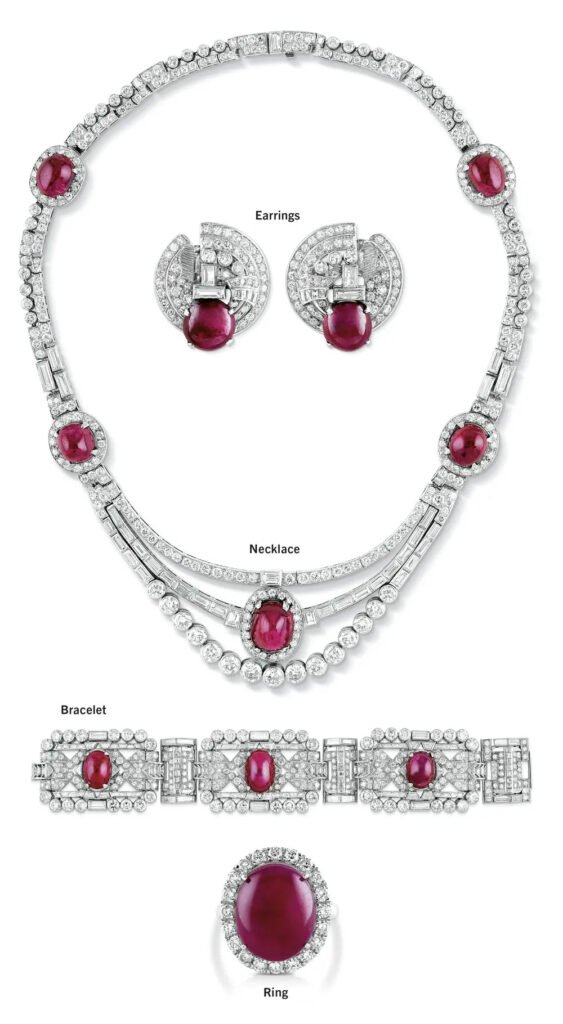
Art Deco Platinum Jewellery Suite | Gross Weight: 240.930 g | Burmese Rubies: 135.00 cts/11 pcs | Diamonds: 145.00 cts/858 pcs | Sold in 2024 by AstaGuru for ₹1,86,91,200 ($196,749)

A complete haute joaillerie suite featuring a necklace, bracelet, ear clips and matching ring, this spectacular set combines rich Burmese ruby cabochons with 145 carats of old European and baguette-cut diamonds.

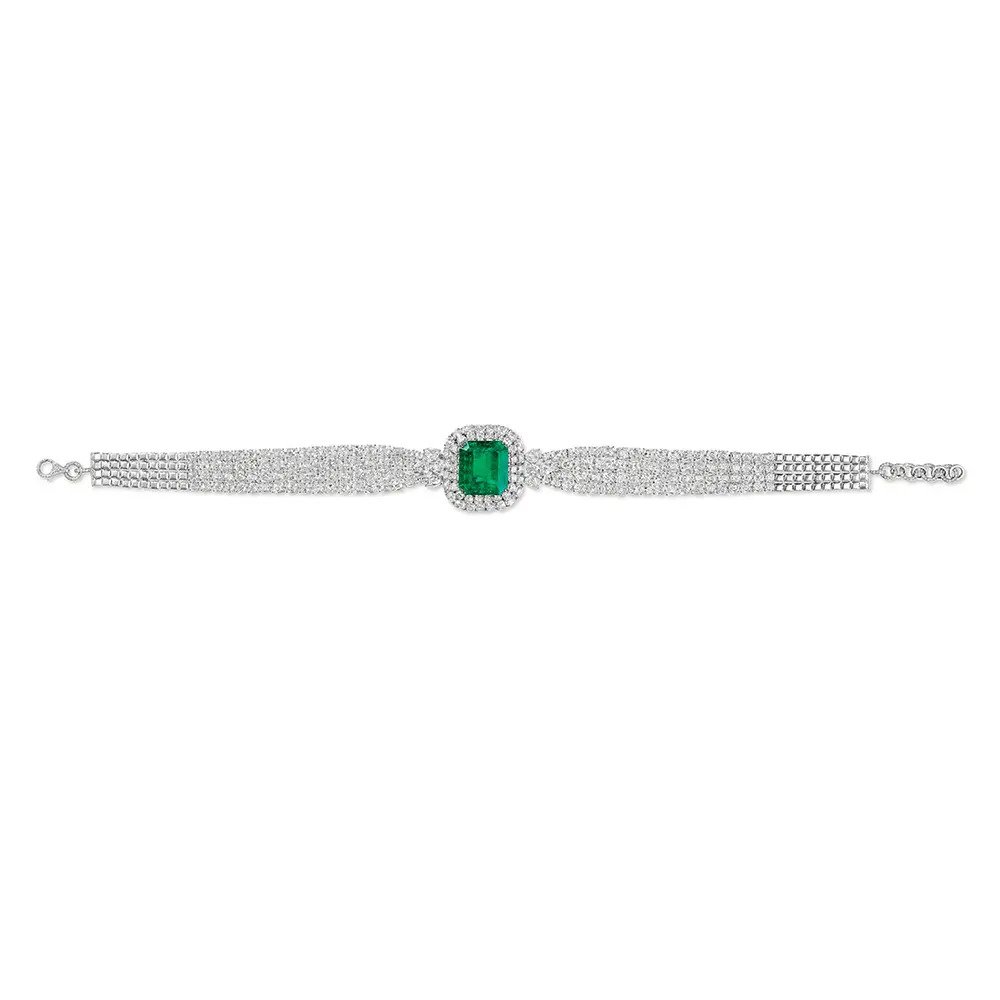
Colombian Emerald & Diamond Choker | Gross Weight: 83.620 g | Emerald: 32.06 cts/1 pc | Diamonds: 82.17 cts/509 pcs | Sold in 2026 by AstaGuru for ₹1,73,88,910 ($183,041)

Centred around a magnificent 32.06-carat Colombian emerald, this white gold choker is framed by more than 82 carats of brilliant-cut diamonds, creating one of the most impressive contemporary auction highlights.

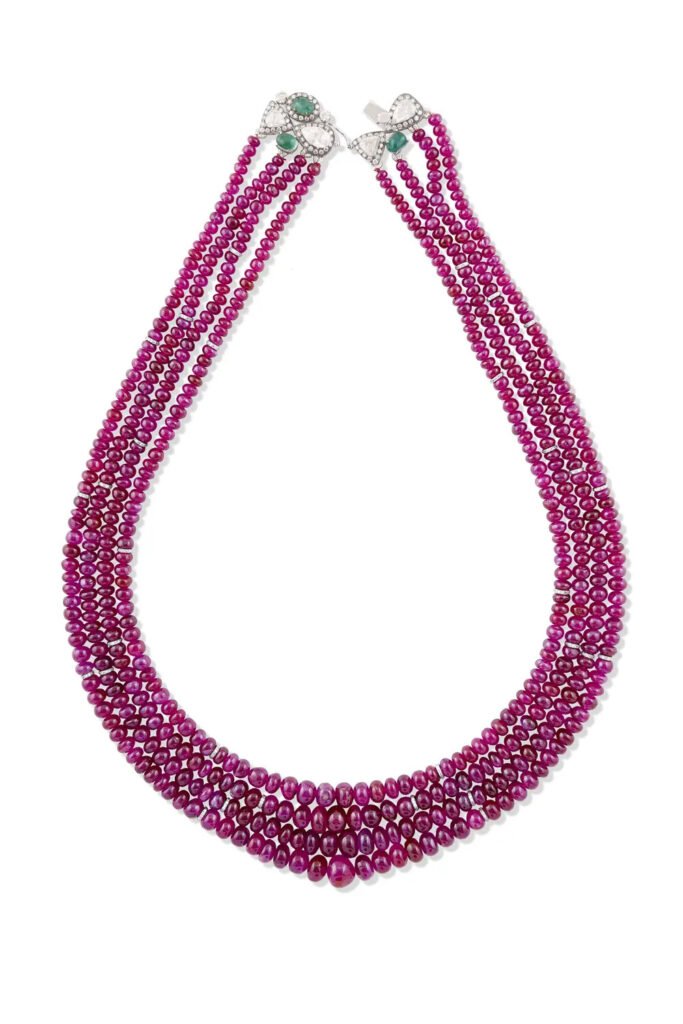
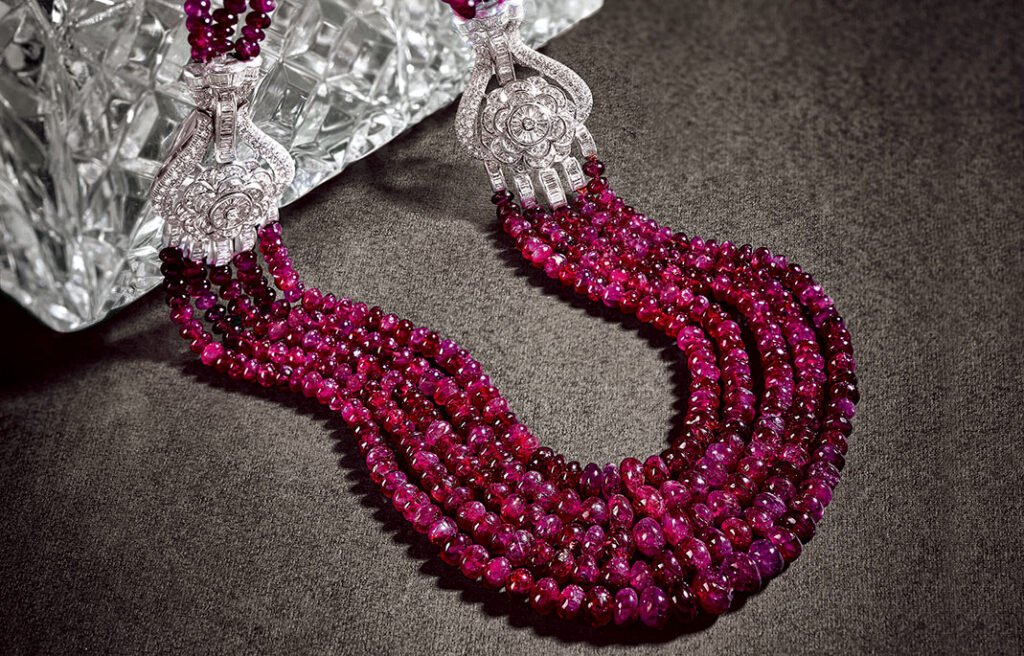
Ruby Bead Necklace | Rubies: 1119.94 cts/548 pcs | Round Diamonds: 5.00 cts/434 pcs | Rose-Cut Diamonds: 2.20 cts/4 pcs | Emeralds: 6.00 cts/3 pcs | Sold in 2022 by AstaGuru for ₹1,71,91,350 ($180,961)

Featuring 548 Burmese ruby beads sourced from the legendary Mogok mines, this regal four-row necklace is accented with diamonds and emeralds. Its exceptional gemstones and royal aesthetic make it one of the finest ruby jewels ever offered at auction.

These remarkable sales highlight the growing appetite for museum-worthy jewellery, where exceptional gemstones, heritage and craftsmanship continue to drive demand among collectors worldwide.

Read the full story in the special ‘Joaillerie Market’ issue of LuxeTrope, on stands now.

Read More

India's art market has grown nearly 200-fold in 25 years, fuelled by record-breaking auctions and rising collector confidence

From Mughal jewels to ancient sculptures, 'Animalia' explores humanity's enduring fascination with the animal kingdom through rare works from The Al Thani Collection​

While India's iconic Progressives continue to dominate the market, a new wave of artists is rewriting auction records

Art historian, curator, and director of The Al Thani Collection, Dr. Amin Jaffer believes great collections are built on stories that connect cultures across time

The auction brought together leading names in Modern Indian art, with several works achieving standout prices

Ornamentation in Indian art tells stories of power, identity and cultural memory

Epic New Releases: Top 10 Luxury Watches of 2026

Epic New Releases: Top 10 Luxury Watches of 2026

A look at standout novelties from Watches and Wonders Geneva

Mechanical watchmaking in 2026 is increasingly as much about emotion as engineering, crafting objects that feel sculptural, poetic and technically audacious all at once. From ultra-thin design evolutions to space‑ready tool watches and poetic moon-phase tableaux, these ten new references map where the highest tiers of watchmaking are headed next.

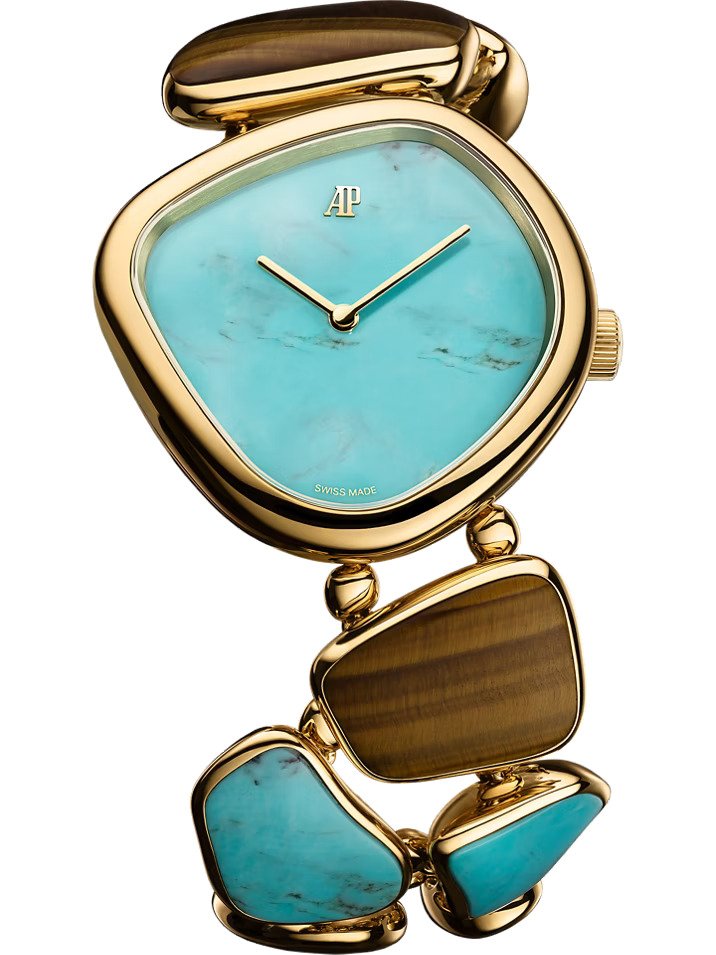
Audemars Piguet Établisseurs Galets

Inspired by the water‑smoothed stones of the Vallée de Joux, the Établisseurs Galets is a pebble‑shaped 31 mm bracelet watch in 18k yellow gold, with a natural stone dial and stone‑set gold links that drape fluidly around the wrist. Inside beats the ultra‑slim, hand‑wound Calibre 3098 adapted to follow the organic case shape, making this high‑jewellery object part of a trio of highly limited, atelier‑crafted pieces produced in very small numbers rather than as a large series.

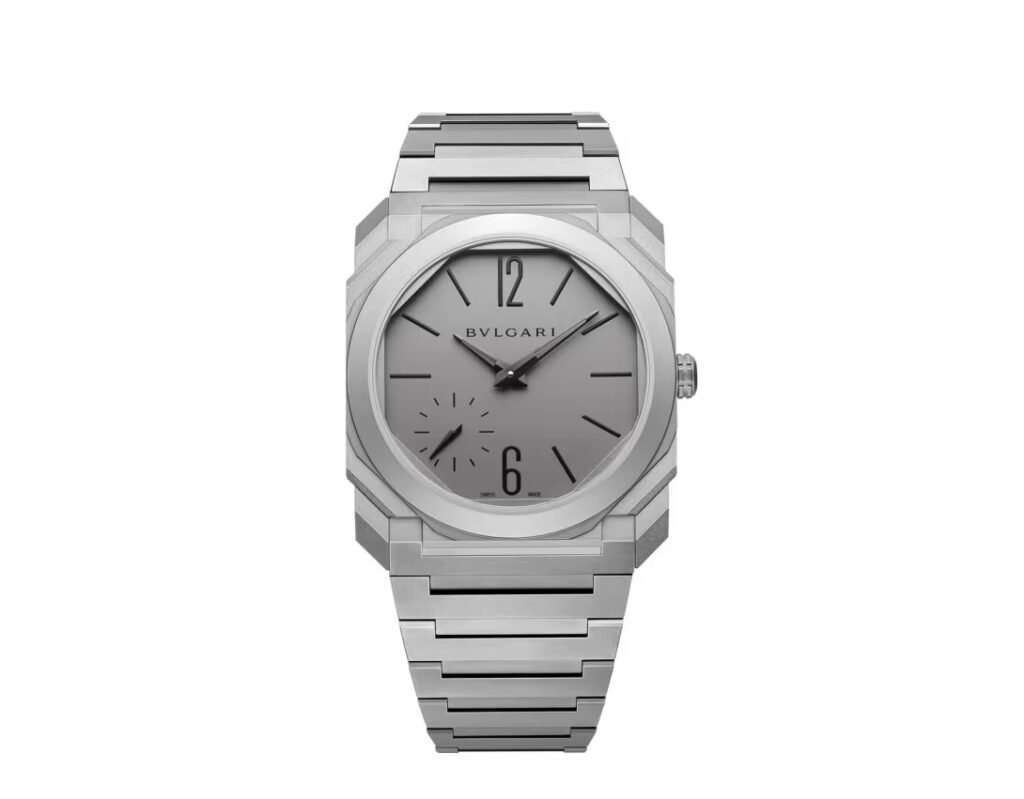
Bvlgari Octo Finissimo 37

Bvlgari’s new Octo Finissimo 37 mm refocuses the brand’s ultra‑thin icon with more compact proportions, offered in feather‑light titanium with either sandblasted or satin‑polished finishes instead of steel. It’s powered by the new in‑house automatic Calibre BVF 100—an ultra‑thin movement with a 72‑hour power reserve.

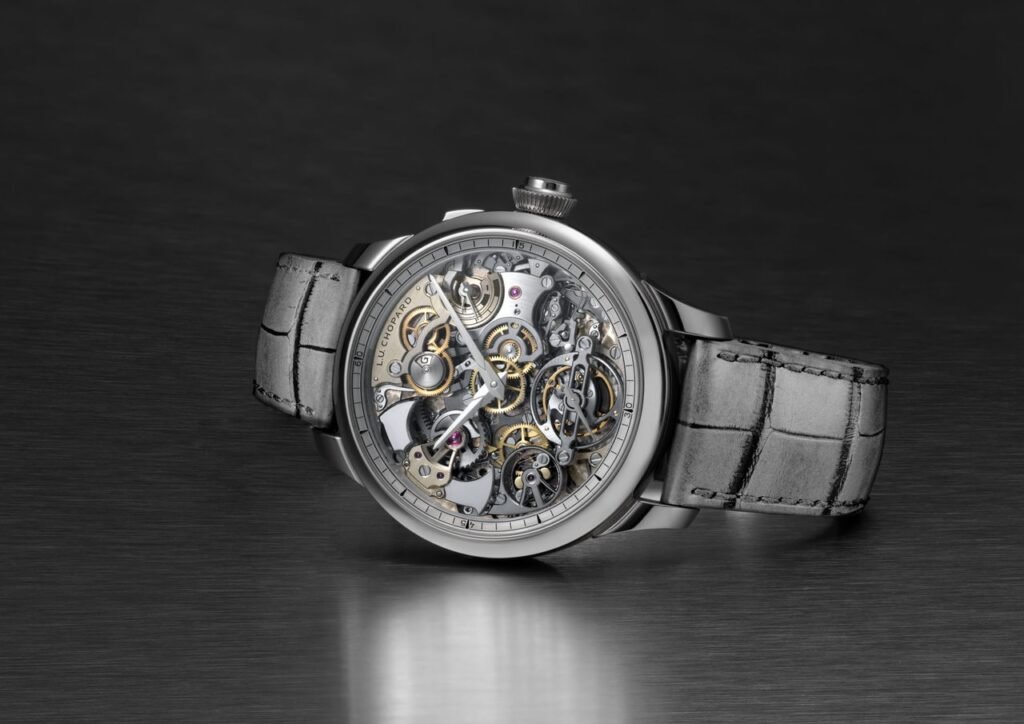
Chopard L.U.C Grand Strike

The L.U.C Grand Strike is Chopard’s most complex chiming watch to date, housed in an 18k ethical white‑gold case and showcasing grande and petite sonnerie, minute repeater and tourbillon functions on an openworked dial. At its heart is the hand‑wound L.U.C 08.03‑L calibre, a 686‑component movement with Chopard’s sapphire monobloc gong technology, positioning this as an ongoing haute horlogerie piece.

IWC Schaffhausen Pilot’s Venturer Vertical Drive

Engineered from the ground up for human spaceflight, the Pilot’s Venturer Vertical Drive pairs a white zirconium‑oxide ceramic case with a Ceratanium bezel and caseback, creating a highly robust, temperature‑resistant tool watch for orbital missions. It runs on the IWC‑manufactured automatic Calibre 32722 featuring a hybrid winding system controlled via an innovative rotating bezel.

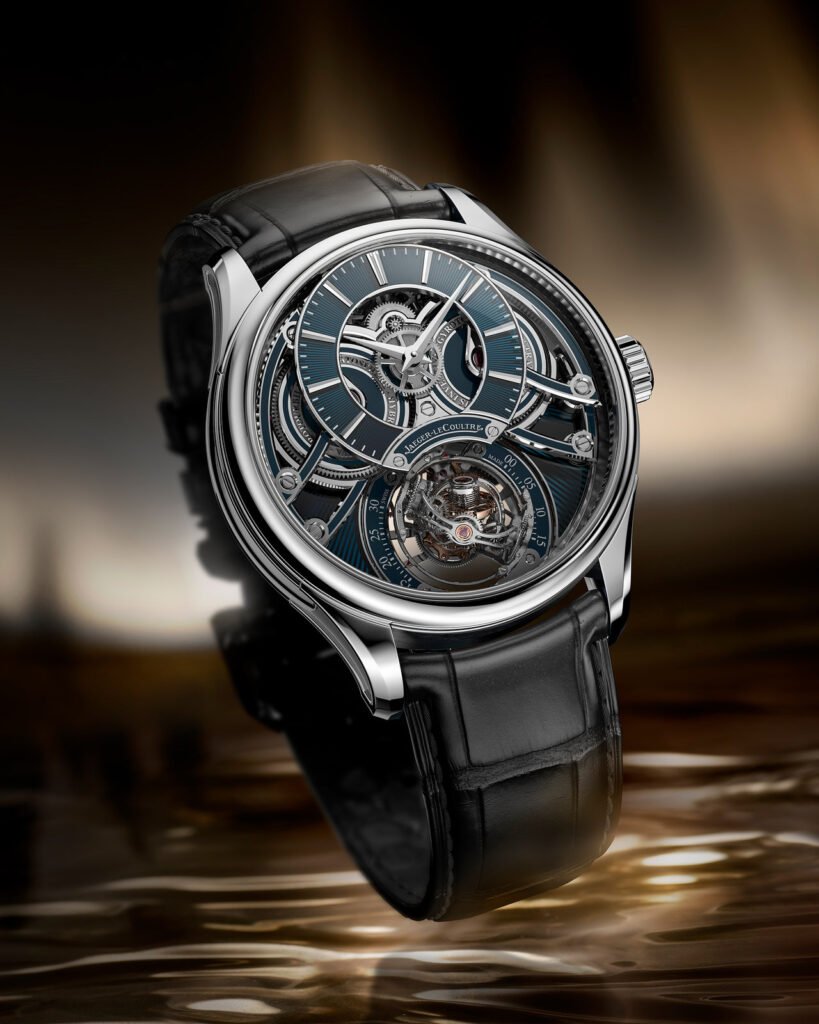
Jaeger‑LeCoultre Master Hybris Inventiva Gyrotourbillon à Stratosphère

Jaeger‑LeCoultre houses its latest triple‑axis tourbillon Calibre 178, inside a 42 mm platinum case, combining a 4 Hz regulating organ with a 72‑hour power reserve and extraordinary hand‑finishing. Decorated with 16 different types of finishing across plates and bridges, the movement anchors a strictly limited run of just 20 pieces, underscoring its status as the pinnacle of the brand’s “Hybris” high‑complication family.

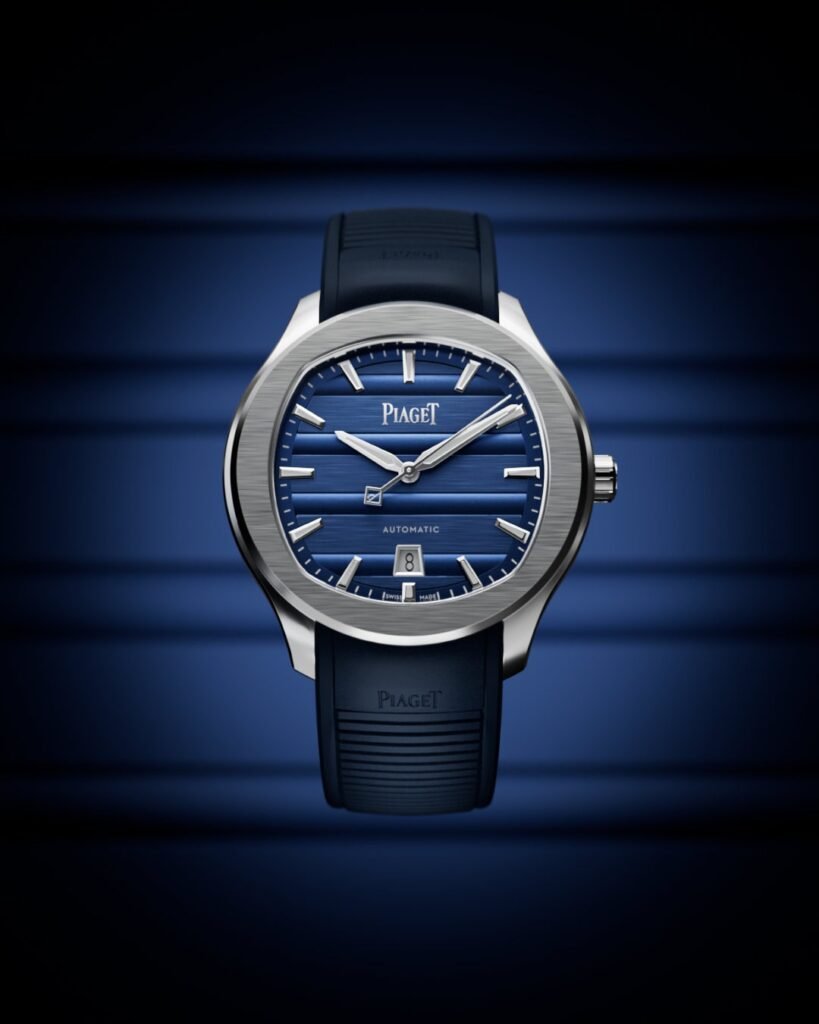
Piaget Polo Signature

Piaget’s 2026 evolution of the Polo 79 pairs a 38 mm white‑gold case and integrated bracelet with a gadroon‑pattern dial that fuses white gold elements and sodalite, highlighting the Maison’s love of rare stones. Inside, the ultra‑thin automatic Calibre 1200P with 22k yellow‑gold microrotor keeps the profile slim and refined, with this reference positioned as a regular but inherently exclusive precious‑metal Polo.

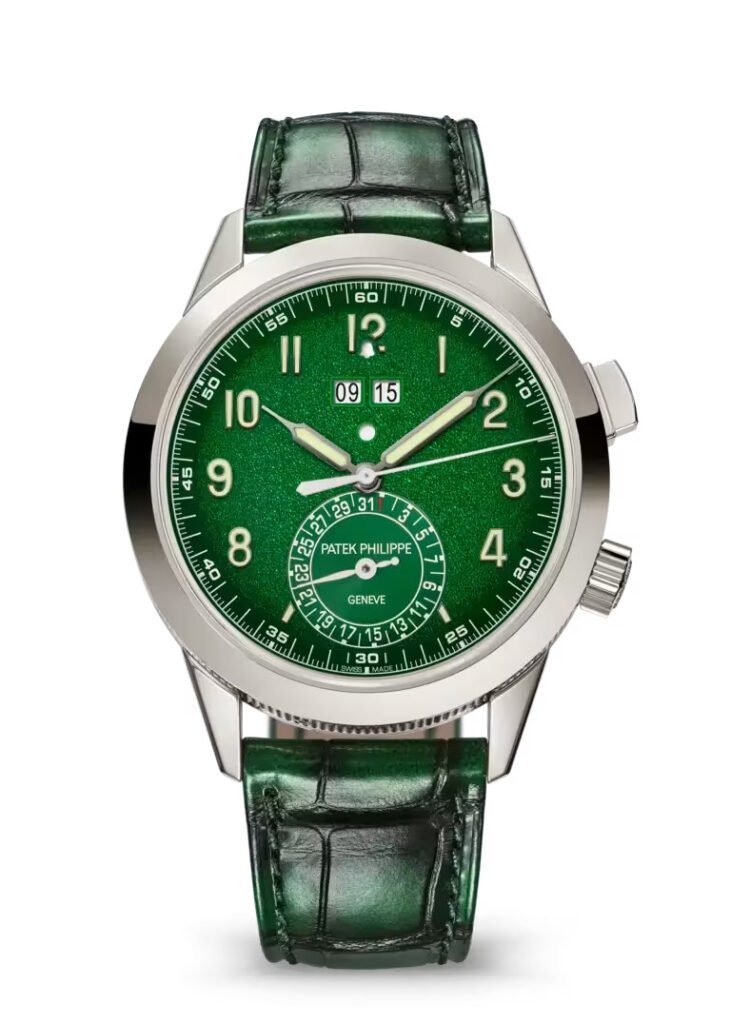
Patek Philippe REF. 5322G-010: 24h Alarm

This timepiece places a new 24‑hour alarm complication inside an 18k white‑gold Calatrava case, framed by a guilloché hobnail (Clous de Paris) pattern and a textured green lacquered dial. Its self‑winding AL 30‑660 S C calibre, comprising 524 components, drives time, date and a 24‑hour alarm on classic gongs.

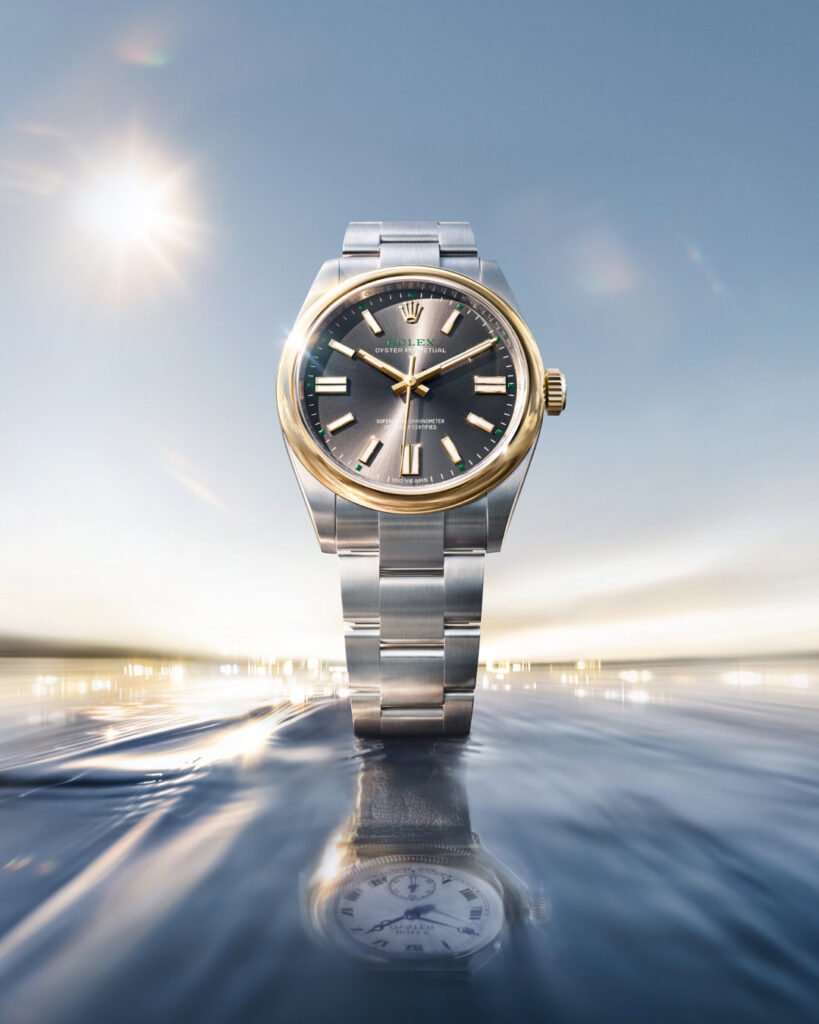
Rolex The Oyster Perpetual

To mark a century of the Oyster, Rolex introduces a new Oyster Perpetual 41 mm anniversary reference that returns to core codes: an Oystersteel and yellow‑gold Rolesor case, a slate‑grey dial with Chromalight lume and the timeless three‑hand layout. The watch is powered by the automatic Calibre 3230 with an approximately 70‑hour power reserve and Superlative Chronometer certification, joining the main Oyster Perpetual line.

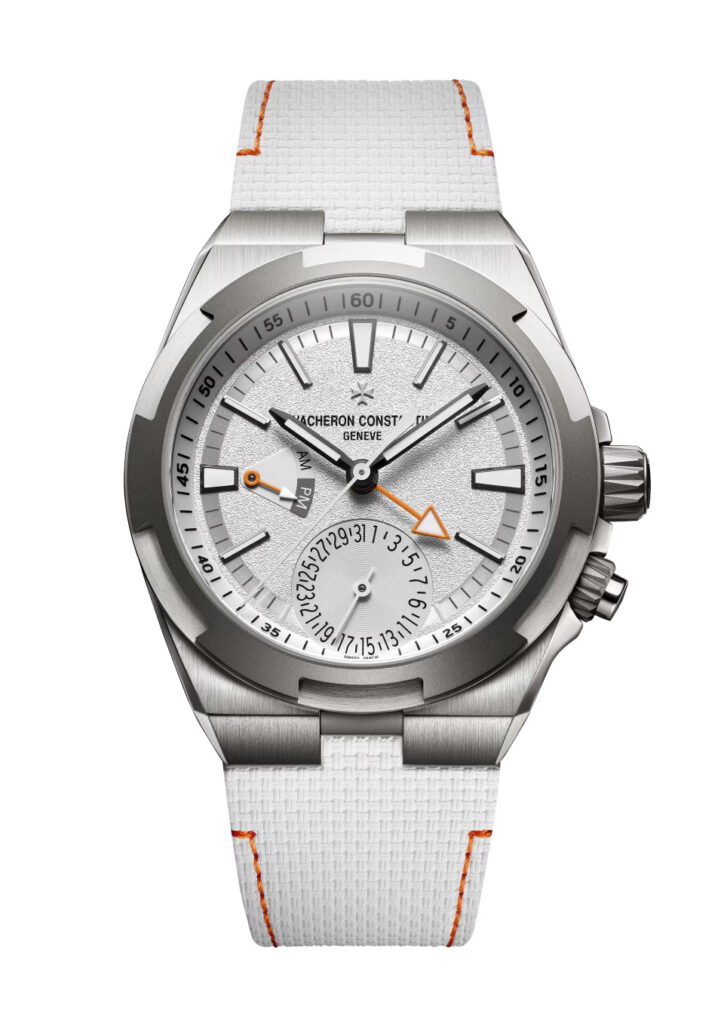
Vacheron Constantin Overseas Dual Time Cardinal Points

The Overseas Dual Time Cardinal Points marks 30 years of Vacheron Constantin’s travel collection with a fully titanium 41 mm case and integrated bracelet, paired with bold colour‑coded indications for local and home time. It is driven by the manufacture self‑winding Calibre 5110 DT/3 with dual‑time, day/night and date functions plus a 22k gold wind‑rose rotor.

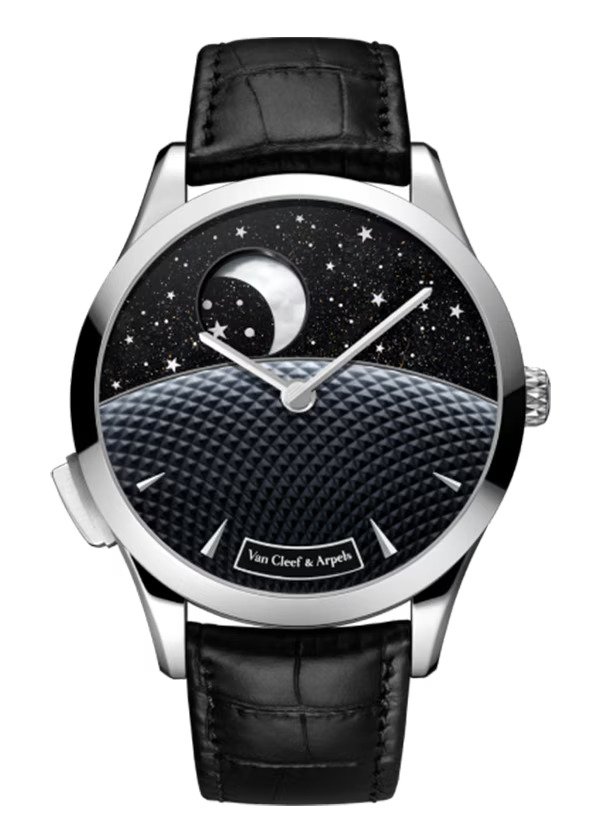
Van Cleef & Arpels Midnight Jour Nuit Phase de Lune

Van Cleef & Arpels expands its Jour Nuit line with the Midnight Jour Nuit Phase de Lune, a 42 mm white‑gold watch whose dial combines black Murano aventurine glass, guilloché yellow‑gold sun and layered mother‑of‑pearl moon imagery. An automatic mechanical movement drives both a poetic day/night display and realistic moon‑phase with animation on demand.

Read More

India's art market has grown nearly 200-fold in 25 years, fuelled by record-breaking auctions and rising collector confidence

From Mughal jewels to ancient sculptures, 'Animalia' explores humanity's enduring fascination with the animal kingdom through rare works from The Al Thani Collection​

While India's iconic Progressives continue to dominate the market, a new wave of artists is rewriting auction records

Art historian, curator, and director of The Al Thani Collection, Dr. Amin Jaffer believes great collections are built on stories that connect cultures across time

The auction brought together leading names in Modern Indian art, with several works achieving standout prices

Ornamentation in Indian art tells stories of power, identity and cultural memory