luxetrope.com

Beyond the Screen: Watches that Became Pop Culture Icons

Beyond the Screen: Watches that Became Pop Culture Icons

From James Bond’s Rolex Submariner to the Omega Speedmaster’s lunar legacy, discover the timepieces that became cultural icons through film and history

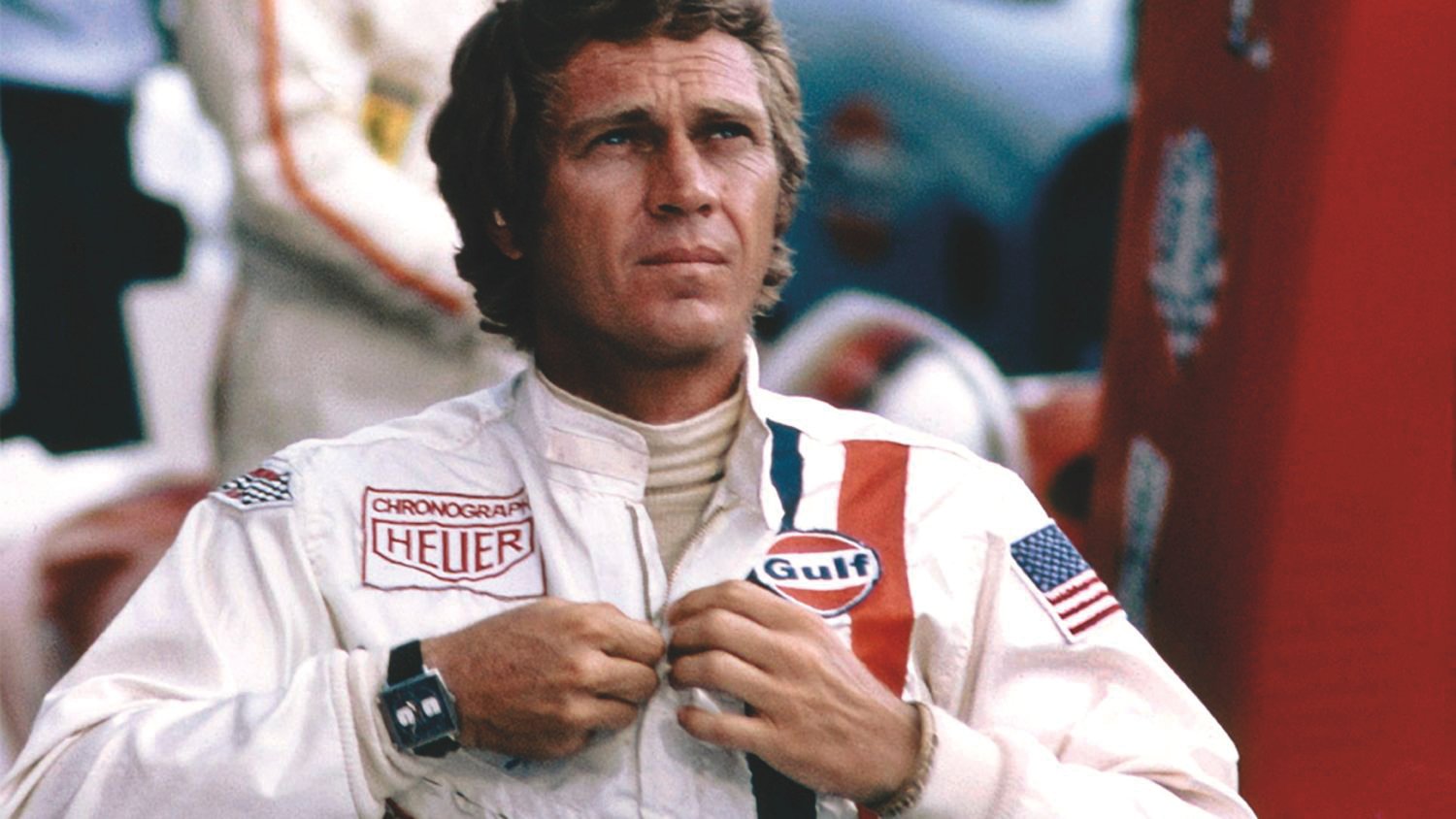
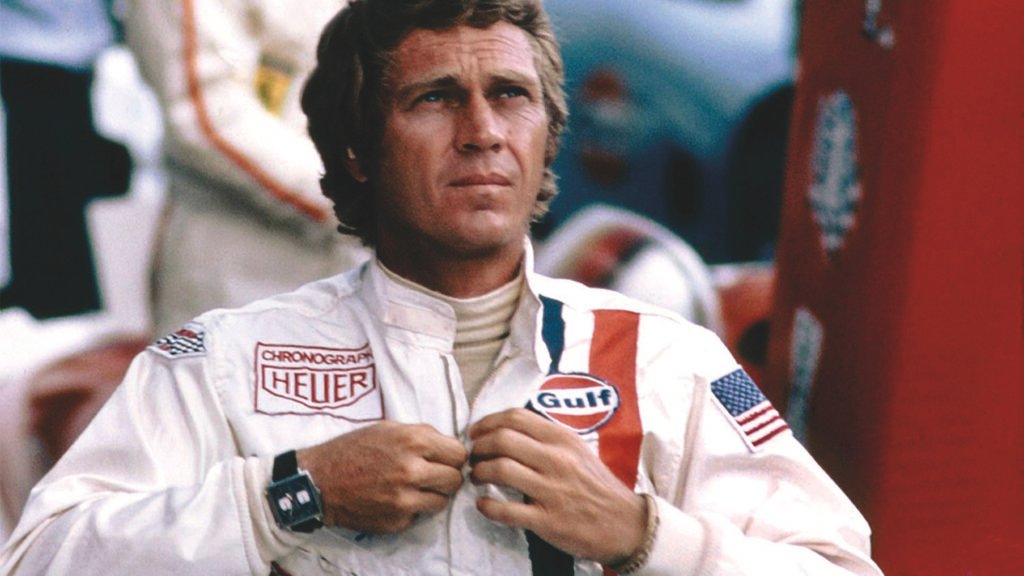
Steve McQueen in 'Le Mans' | Image: Courtesy of Mel Traxel

Some watches become legendary not just for their engineering, but for the stories they carry. From Hollywood films to historic space missions, certain timepieces have moved beyond watchmaking to become cultural icons. Their association with celebrated personalities and defining moments gives them a special place in the collector’s world, where provenance and history can be as compelling as mechanical excellence.

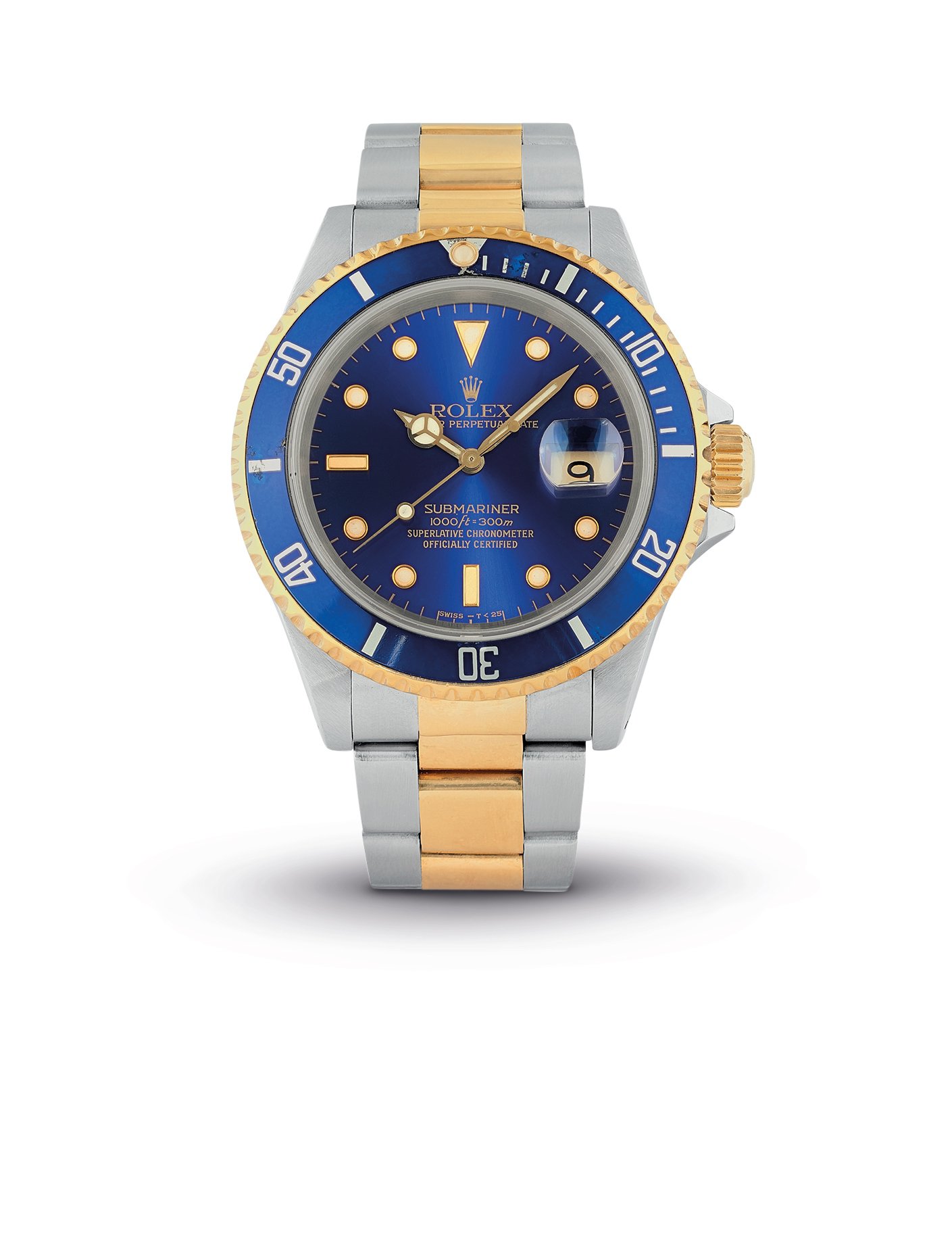
Rolex Submariner | Ref. 16613 | 40 mm | Sold in 2026 by AstaGuru for ₹9,68,000 ($10,189)
The Watches That Made Film History

Few watches have achieved the cultural status of the Rolex Submariner Ref. 6538. Worn by Sean Connery as James Bond in Dr. No (1962), From Russia With Love (1963) and Goldfinger (1964), the oversized-crown model helped transform the dive watch into a symbol of rugged elegance. Its appearance with Bond’s tailored suits established an enduring association between the Submariner and cinematic style. The model’s influence continues to shape collector interest, as reflected in AstaGuru’s 2026 sale of a Rolex Submariner Ref. 16613 for ₹9.68 lakh.

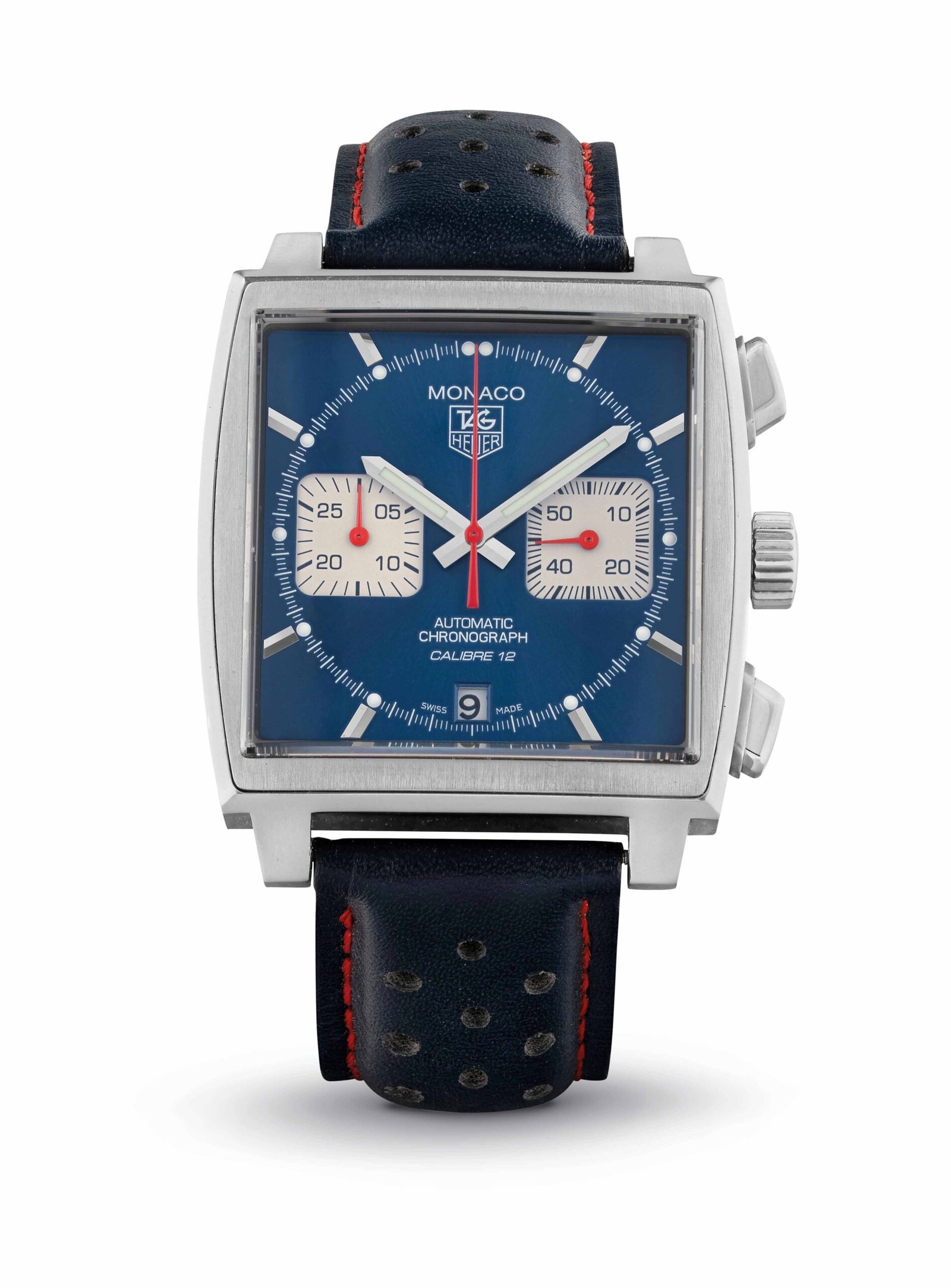
Steve McQueen gave the Heuer Monaco Ref. 1133 its racing credentials in Le Mans (1971). Its square case and striking blue dial stood apart from conventional designs. McQueen’s appearance helped turn an initially challenging commercial proposition into an enduring motorsport icon. In 2020, an original Monaco worn by the actor during filming sold for $2.2 million at auction.

Another celebrated screen appearance belongs to Panerai. Sylvester Stallone wore a Luminor in Daylight (1996), helping popularise oversized watches. His association with the brand coincided with Panerai’s emergence as a global name following its acquisition by the Vendôme Group in 1997. AstaGuru later sold a special-edition Luminor Rattrapante 8 Days Oro Rosa for ₹12.85 lakh in 2025.

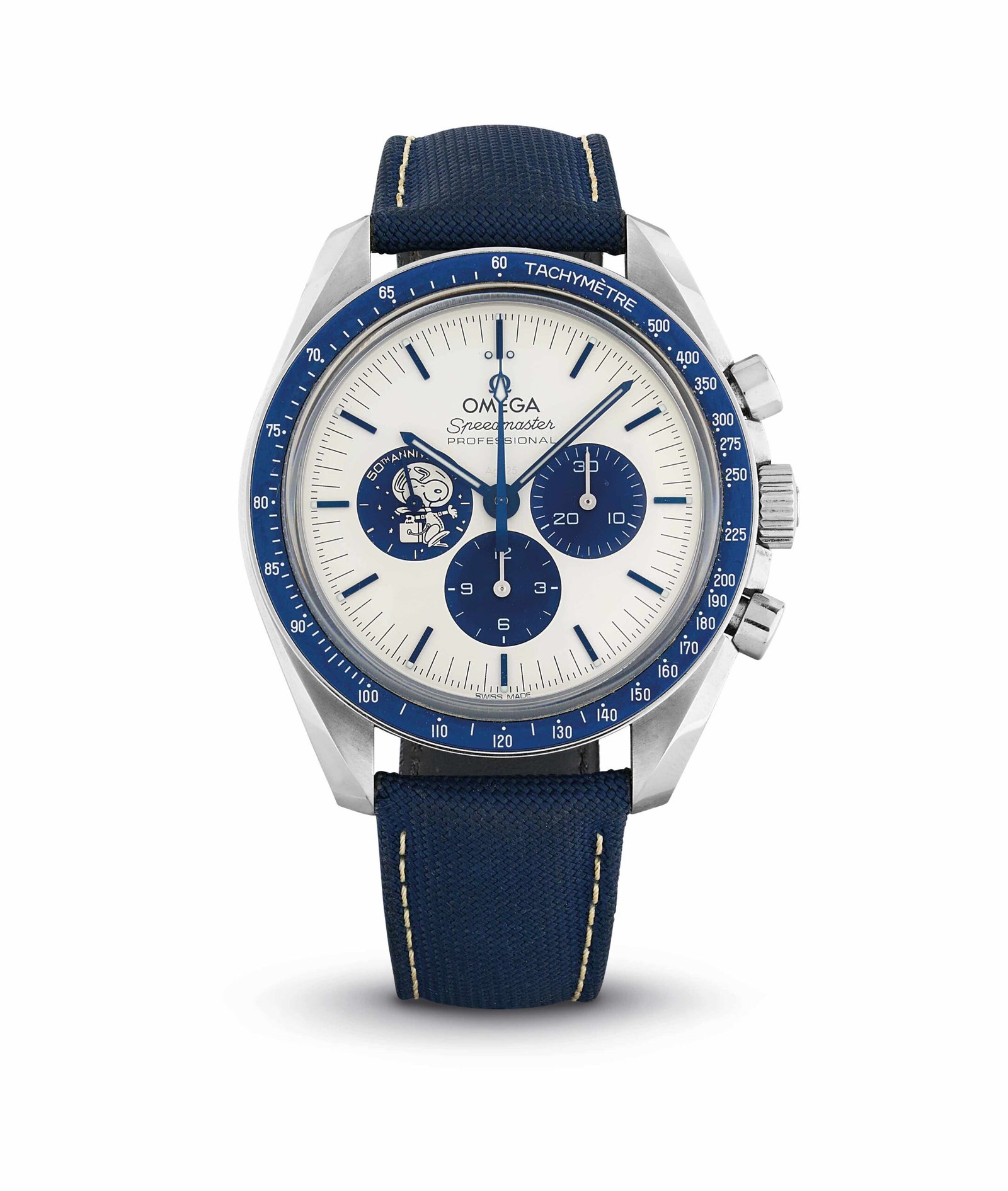
Omega Speedmaster Anniversary Series | 42 mm | Sold by AstaGuru for ₹15,90,750 ($16,744)
Tag Heuer Monaco (Steve McQueen Edition) | 39 x 39 mm | Sold in 2026 by Giftex.in for ₹4,27,160 ($4,496)
Beyond Hollywood

The Omega Speedmaster Professional earned its place in history during the Apollo 11 mission in 1969, when Buzz Aldrin wore one on the moon. Its reputation was reinforced by Apollo 13 (1995), which highlighted the watch’s role in timing a critical 14-second engine burn during the mission. AstaGuru’s sale of a ‘Silver Snoopy Award’ edition for ₹15.90 lakh reflects the continuing appeal of this spacefaring icon.

The Rolex Daytona Ref. 6239 became equally legendary through Paul Newman. His personal exotic-dial Daytona sold for $17.8 million in 2017, cementing its place among the most celebrated auction watches.

Even fictional agents have influenced watch culture. Bremont’s collaboration with Kingsman: The Secret Service (2015) brought its timepieces to the screen, demonstrating how film partnerships can introduce independent watchmakers to new audiences.

These watches endure because they carry stories that extend far beyond the wrist.

Read the full story in the special ‘Horology Issue’ of LuxeTrope, on stands now.

Your Ultimate Calendar to the Top Horological Events Across the World

Your Ultimate Calendar to the Top Horological Events Across the World

These events bring together collectors, enthusiasts and industry names to celebrate horology, craftsmanship and design

Watches and Wonders Geneva

GRAND PRIX D’HORLOGERIE DE GENÈVE – LONDON
Watches of Switzerland, Knightsbridge, Brompton Rd, London, England
November 19-23, 2026
A celebration of world-class watchmaking, the Grand Prix d’Horlogerie de Genève will make an exciting stop in London to honour the best in the industry.

THE ESCAPEMENT
T-Mobile Arena, Las Vegas, USA
February 5-7, 2027
Dedicated entirely to watch collectors, The Escapement is a first-of-its-kind interactive event that seamlessly blends horology, music, design, and curated conversations.

INHORGENTA MUNICH
Main entrance West, Am Messesee 2, Munich, Germany
February 19-22, 2027
Inhorgenta Munich is the leading international trade fair for watches, jewellery, and gemstones, offering a glimpse into the latest trends and designs.

ORIGINAL MIAMI BEACH ANTIQUE SHOW
Miami Beach Convention Center, Florida, USA
March 18-22, 2027
The ultimate haven for vintage watch lovers, OMBAS showcases exceptional antiques, drawing global dealers and collectors from every corner of the world.

WATCHES AND WONDERS GENEVA
Palexpo, Geneva, Switzerland
April 5-11, 2027
Watches and Wonders Geneva is the place to discover the next big thing in horology. It brings together prestigious watchmakers, unveiling the year’s most anticipated luxury timepieces.

TIME TO WATCHES
Villa Sarasin, Geneva, Switzerland
April 5-10, 2027
This watch event is the perfect place to discover and admire precious timepieces in a relaxed environment, and bring watch brands closer to the public.

THE WATCH & JEWELLERY MIDDLE EAST SHOW
Expo Centre Sharjah, UAE
April 28-May 2, 2027
A major event in the Middle East’s luxury calendar, this show offers the latest in high-end timepieces and exquisite jewellery.

SHOWKEEN
HITEX Exhibition Centre, Izzat Nagar, Hyderabad, India October 17-18, 2026
The debut edition of ShowKeen Hyderabad presents a curated showcase of Modern & Contemporary Indian Art, heirloom jewellery, and vintage timepieces.

Read the full story in the special ‘Horology Issue’ of LuxeTrope, on stands now.
How to Find the Right Buyer for Your Cherished Timepiece

How to Find the Right Buyer for Your Cherished Timepiece

A look at how consigning a watch for auction works, and why more collectors are choosing this route when it is time to sell

Ask any watch collector about a memorable purchase, and they are unlikely to talk about the price first. They will remember the hunt for a rare reference, an unpolished case or a well-aged tropical dial. But what about the person looking to sell a watch? How do they find the right buyer and get a fair price for a piece they may have owned for years?

Selling to a local dealer has long been the easiest option. But with India’s secondary watch market growing, more collectors are turning to auctions as a way to sell their timepieces.

The First Steps
The process usually begins with an enquiry to an auction house like AstaGuru. The owner shares photographs and basic details of the watch, including its brand, condition and whether the original box and papers are available. The auction house’s specialists then check its authenticity, condition and suitability for an upcoming sale. If it is accepted, they share an estimated value based on similar watches sold at auctions and current market demand. Once the owner agrees, a consignment agreement is signed. The watch then goes through a closer inspection by a watchmaker. The movement, case and dial are checked, along with any signs of wear or replaced parts. This helps establish the condition of the watch before it is put up for sale.

Follow The Path
A watch’s value depends on several things. The brand, rarity, condition and ownership history all play a part. Original boxes and papers can also make a difference, as can a documented history of previous owners. To arrive at an estimate, specialists look at prices achieved by similar watches at recent auctions, both in India and abroad. They then set a lower and upper estimate for the sale. The idea is to arrive at a range that works for the seller while also encouraging buyers to bid.

When a watch is sent for auction matters too. Interest in certain models can increase around brand anniversaries or when collectors begin looking at a particular period of watchmaking again. Owners are generally advised to submit their watches six to eight weeks before the auction. This gives the specialists enough time to inspect the piece and prepare it for the catalogue.

The Fine Print
The consignment agreement covers the commission, estimated price and responsibilities of both the owner and the auction house. It also sets out arrangements for packing, shipping and insurance while the watch is in transit. Once the watch is sold and the buyer’s payment is received, the seller is paid. If it does not sell, the agreement explains what happens next.

With more collectors exploring the secondary market, auctions have become an option worth considering. They give sellers access to a wider group of buyers and allow them to understand what their watch can fetch in the current market. For a collector parting with a timepiece, it is also a way of making sure it finds someone who will appreciate it as much as they did.

Read the full story in the special ‘Horology Issue’ of LuxeTrope, on stands now.
Preserving Time: The Art of Watch Care

Preserving Time: The Art of Watch Care

From careful storage to regular servicing, discover how to preserve a watch’s condition, character and value

A vintage watch tells a story through more than its movement. Its case, dial, hands, bracelet and documents all carry evidence of its age, use and history. For collectors, preserving these details matters as much as keeping the watch running. Over-polishing, for instance, can permanently remove the sharp bevels and edges that took decades to acquire their character. The aim of good watch care is not to make an old timepiece look new, but to preserve what makes it original.

The Foundations of Preservation

A watch’s environment plays a significant role in its condition. Humidity, temperature changes, dust, magnetic fields and physical shocks can all cause damage. When not in use, store a timepiece in a padded watch box. Keep its case and bracelet from rubbing against other objects, and consider silica gel packets to help manage humidity.

Handling and cleaning also require care. Mechanical watches should be wound and set according to the manufacturer’s instructions. Never force the crown. Water resistance can deteriorate as gaskets and seals age, so have it tested before wearing the watch underwater. A soft microfibre cloth is usually sufficient for everyday cleaning. Leather straps need particular attention, as water, perspiration and sunlight can accelerate ageing. For deeper cleaning, consult a professional.

Servicing Without Altering History

Servicing and restoration are not the same. A movement may need dismantling, cleaning and replacement of worn parts to function reliably. These are routine maintenance measures. Cosmetic restoration, however, can alter the features that make a vintage watch distinctive.

Original dials, bezels, case finishes and softened edges carry historical value. Fading and light wear can document a watch’s life rather than indicate damage. Hard winding, unexpected stoppages, unusual sounds, moisture beneath the crystal and significant timekeeping changes may signal the need for servicing. Regularly worn vintage watches may require servicing every three to five years, depending on age and condition.

Choosing the right specialist is equally important. Contemporary watches are generally suited to authorised service centres, while rare vintage pieces may benefit from independent specialists familiar with their period and movement. Always request a detailed service record and ask for removed original components to be returned.

Keep the Complete Record

A watch’s history extends beyond the timepiece itself. Original boxes, papers, warranty documents, certificates, invoices, spare links and previous auction records help establish provenance and completeness. Record reference and serial numbers, along with repairs and servicing.

At AstaGuru, specialists assess condition alongside authenticity, manufacturer and provenance before approving a watch for auction. Ultimately, thoughtful watch care preserves more than mechanical performance. It protects the originality, history and character that give a timepiece its lasting significance.

Time, Memory and the Canvas

Time, Memory and the Canvas

From the changing light to haunting landscapes, explore how Indian artists capture time beyond the clock

J.P. GANGOOLY | Untitled (Sunrise) | 23.5 x 47 in Oil on canvas | Sold in 2024 by AstaGuru for ₹2,62,60,085 ($276,421)

A watch makes time measurable. Art, however, approaches it differently. A painting captures a passing moment, yet invites the viewer to return, look closer and discover something previously overlooked. What appears to be a single instant can hold several meanings. This is the paradox of painting: it freezes time while expressing its passage.

A landscape at dusk, for instance, may suggest more than the end of a day. It can evoke a civilisation fading, a memory resurfacing or a historical order giving way to another. Across Modern and Contemporary Indian art, artists explore time through changing landscapes, urban unease, human solitude, sacred places and imagined futures.

When Time Becomes an Atmosphere

The most familiar expression of painted time is the hour of the day. Dawn, noon, dusk and night become atmospheres rather than measurements. In the landscapes of J.P. Gangooly, Paresh Maity, Vinod Sharma and Nicholas Roerich, light and landscape create moments that seem suspended between appearance and disappearance.

Gangooly’s landscapes hold the viewer in a state of stillness, while Maity transforms dawn and dusk through luminous colour. Vinod Sharma’s expansive fields of ochre and blue dwarf the human presence, creating a sense of scale and introspection. Roerich’s mountains evoke something more enduring, bringing together the geological, spiritual and sublime. In these works, time is experienced through the viewer’s encounter with nature.

Between the Sublime and the Uncanny

Yet the landscape can also become unsettling. In the works of Paramjit Singh and Sujith S.N., familiar temporal references begin to dissolve. Singh’s glittering, unfamiliar landscapes create a world that feels removed from ordinary experience. Sujith’s vast, often monochromatic expanses, occasionally interrupted by a small house or solitary figure, heighten this sense of distance and disproportion.

These paintings capture neither a clear beginning nor a definitive end. Instead, they hold the viewer within an unresolved interval: the moment before an event, or the quiet that follows one. Their landscapes become spaces of anticipation, where time cannot be measured but must be experienced.

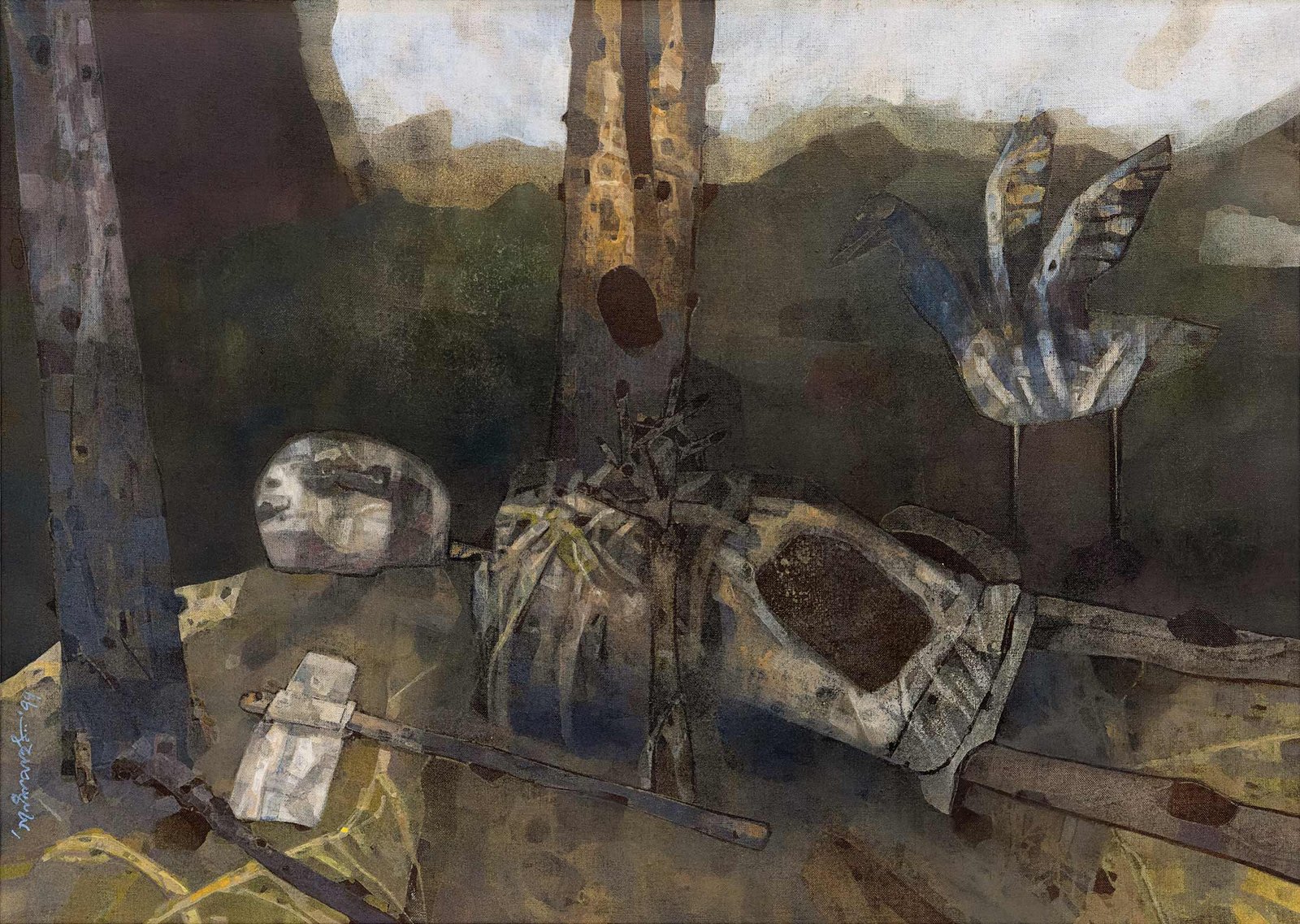
Ganesh Pyne | The Conversation | 19.5 x 27 in Tempera on canvas | Sold in 2026 by AstaGuru for ₹12,10,00,000 ($1,273,684)
The Enduring Appeal of Timeless Art

This relationship between atmosphere, memory and the passage of time also finds resonance in the auction market. Ganesh Pyne’s tempera-on-canvas work The Conversation sold through AstaGuru in 2026 for ₹12.10 crore ($1.27 million), demonstrating the appeal of works with enduring emotional depth.

At AstaGuru, works by artists exploring these ideas have also achieved results well above their estimates. Their appeal lies not simply in what they depict, but in the many ways they allow viewers to experience time.

Read the full story in the special ‘Horology Issue’ of LuxeTrope, on stands now.
Metrics of Materiality

Metrics of Materiality

Material innovation is transforming the design, durability and identity of luxury watches

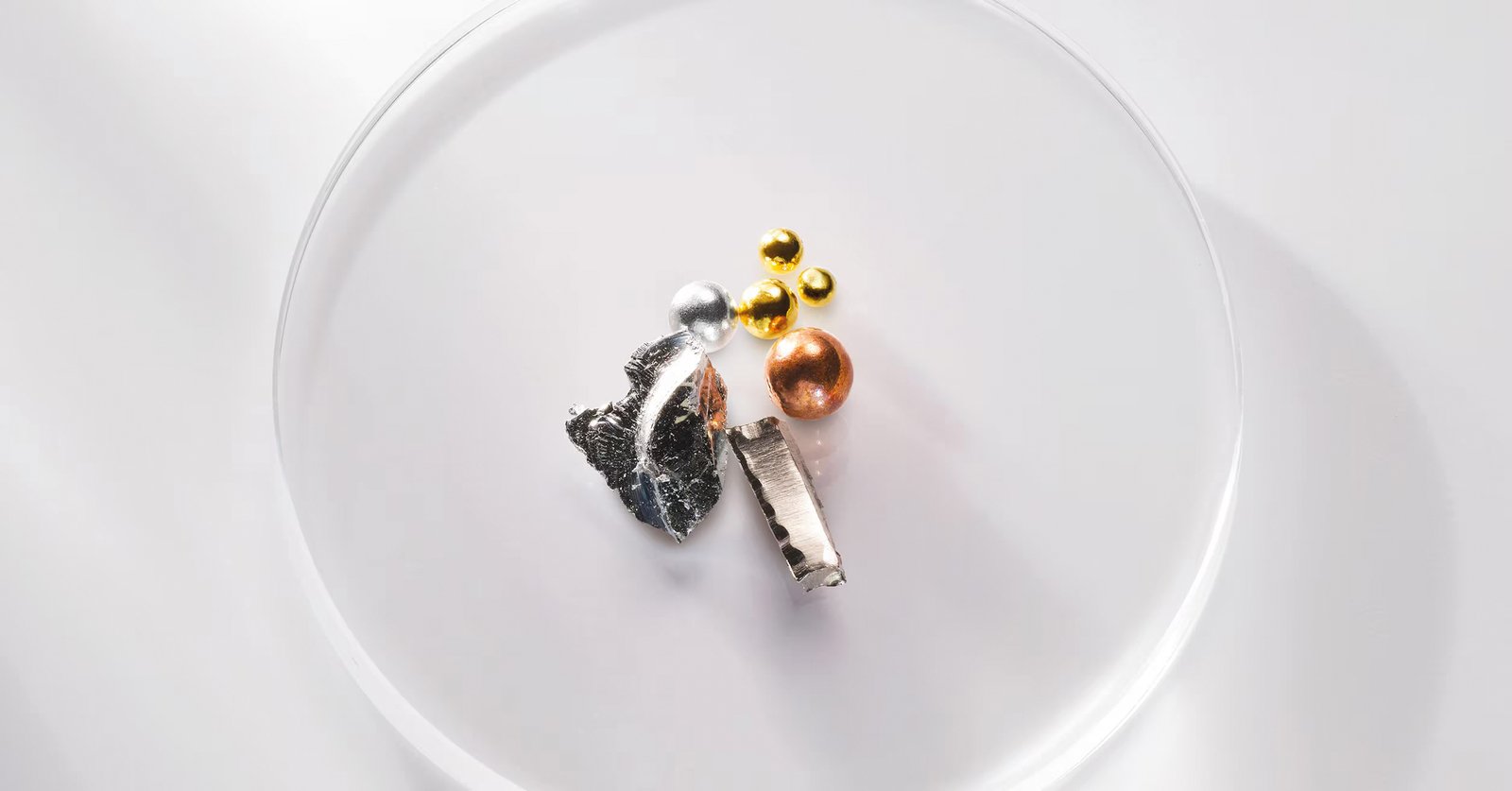
The Breguet gold alloy is composed of 75 per cent gold, silver, copper and palladium, which gives it a degree of resistance to discolouration over time

What defines a luxury watch: its movement or the material that houses it? For much of watchmaking history, mechanical innovation took centre stage. The movement represented the greatest technical achievement, while the case served primarily as protection and decoration. Today, however, materials have become an important part of a watch’s identity, combining engineering, aesthetics and brand innovation.

When Steel Redefined Luxury

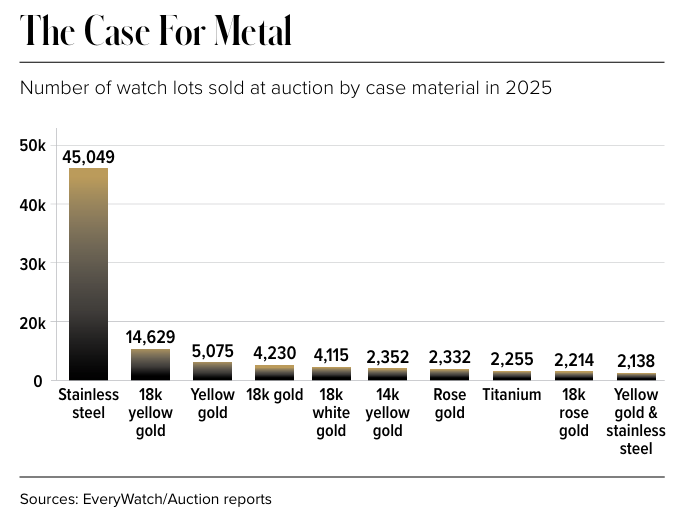
The shift began to take shape in 1972, when Audemars Piguet introduced the Royal Oak. Designed by Gérald Genta, it challenged traditional ideas of luxury with a stainless steel case and an unusually high price. At approximately CHF 3,300, it cost more than some gold watches of the period. Its complex construction and refined finishing demonstrated that steel could command the same prestige as precious metals.

This opened the door to a broader exploration of materials. Granite, wood, rubber, forged carbon, meteorite and specialised metal alloys gradually found their way into watchmaking. Choosing the right material involves more than appearance. Watchmakers must consider weight, flexibility, ductility, hardness and resistance to corrosion.

Traditional materials each present their own challenges. Gold offers prestige but remains relatively soft, which is why 18-karat alloys combine it with other metals to improve durability and achieve distinctive colours. Steel provides strength but carries less exclusivity, while platinum is prestigious yet difficult to work with. Titanium offers a combination of strength and lightness, alongside a distinctive finish and tactile character.

Omega’s gold variants, used across its range of watches
The Art of Material Innovation

Increasingly, watchmakers have moved beyond conventional alloys to develop proprietary materials. Rolex, for instance, controls the production of its gold alloys and has introduced materials including Everose, Jubilee Gold, Oystersteel and RLX Titanium. Omega’s Sedna Gold combines gold, copper and palladium to create its characteristic reddish hue. A. Lange & Söhne’s Honeygold offers another distinctive interpretation, sitting between traditional yellow and rose gold.

Engineering a New Kind of Gold

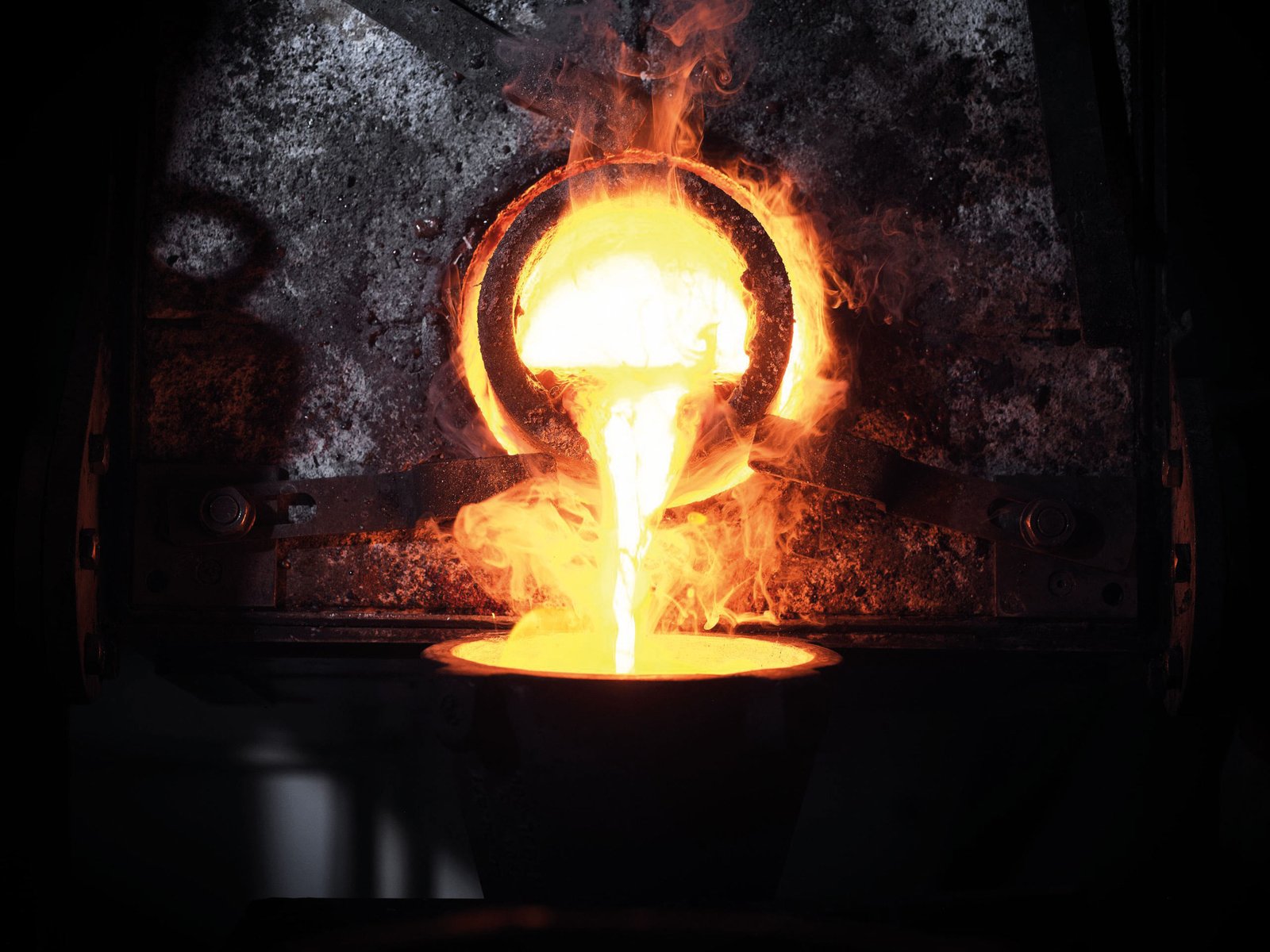
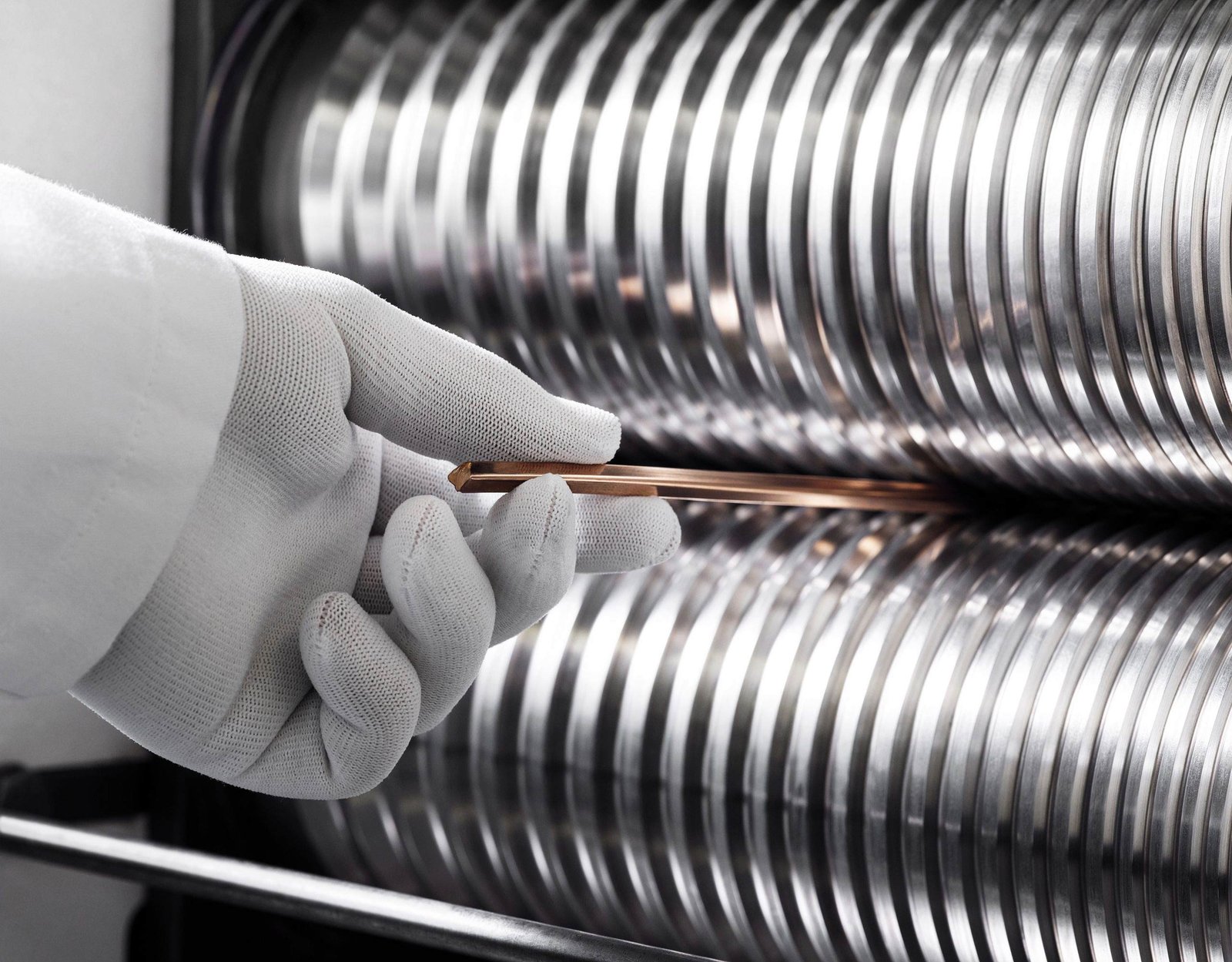
Hublot has taken material experimentation further with Magic Gold. Developed in collaboration with the Swiss Federal Institute of Technology Lausanne, it was introduced in 2011. The material combines 24-karat gold with boron carbide ceramic through a specialised manufacturing process. According to Hublot, Magic Gold is a scratch-resistant 18-karat gold alloy, reaching close to 1,000 Vickers of hardness, approximately 2.5 times that of conventional 18-karat gold.

These developments have changed the role of the watch case. It is no longer simply a housing for the movement. Through proprietary alloys and advanced material engineering, it has become a defining expression of a watchmaker’s identity, technical ambition and design philosophy.

Read the full story in the special ‘Horology Issue’ of LuxeTrope, on stands now.
Le Brassus Legends: Beyond the Royal Oak

Le Brassus Legends: Beyond the Royal Oak

Discover the heritage, craftsmanship and auction records behind one of horology’s most celebrated maisons

Some partnerships are destined to make history. In 1875, childhood friends Jules Louis Audemars and Edward Auguste Piguet brought their watchmaking heritage together to establish Audemars Piguet. Drawing on generations of craftsmanship, they set out to create exceptional handcrafted timepieces. Today, the maison remains one of the few major watchmakers owned and managed by its founding families.

Audemars Piguet made early horological history with the first minute repeater wristwatch movement in 1892 and a 19-complication pocket watch in 1899. However, its defining creation arrived in 1972: the Royal Oak. Designed by Gérald Genta, it challenged convention as the first luxury stainless-steel sports watch and became one of the most recognisable designs in modern horology.

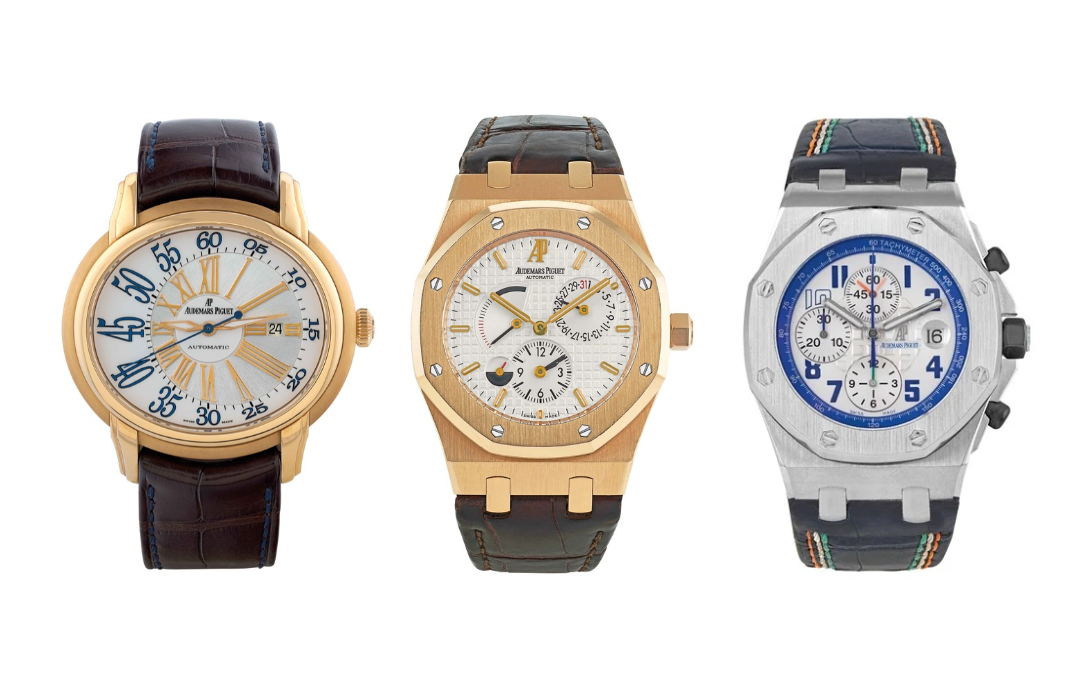
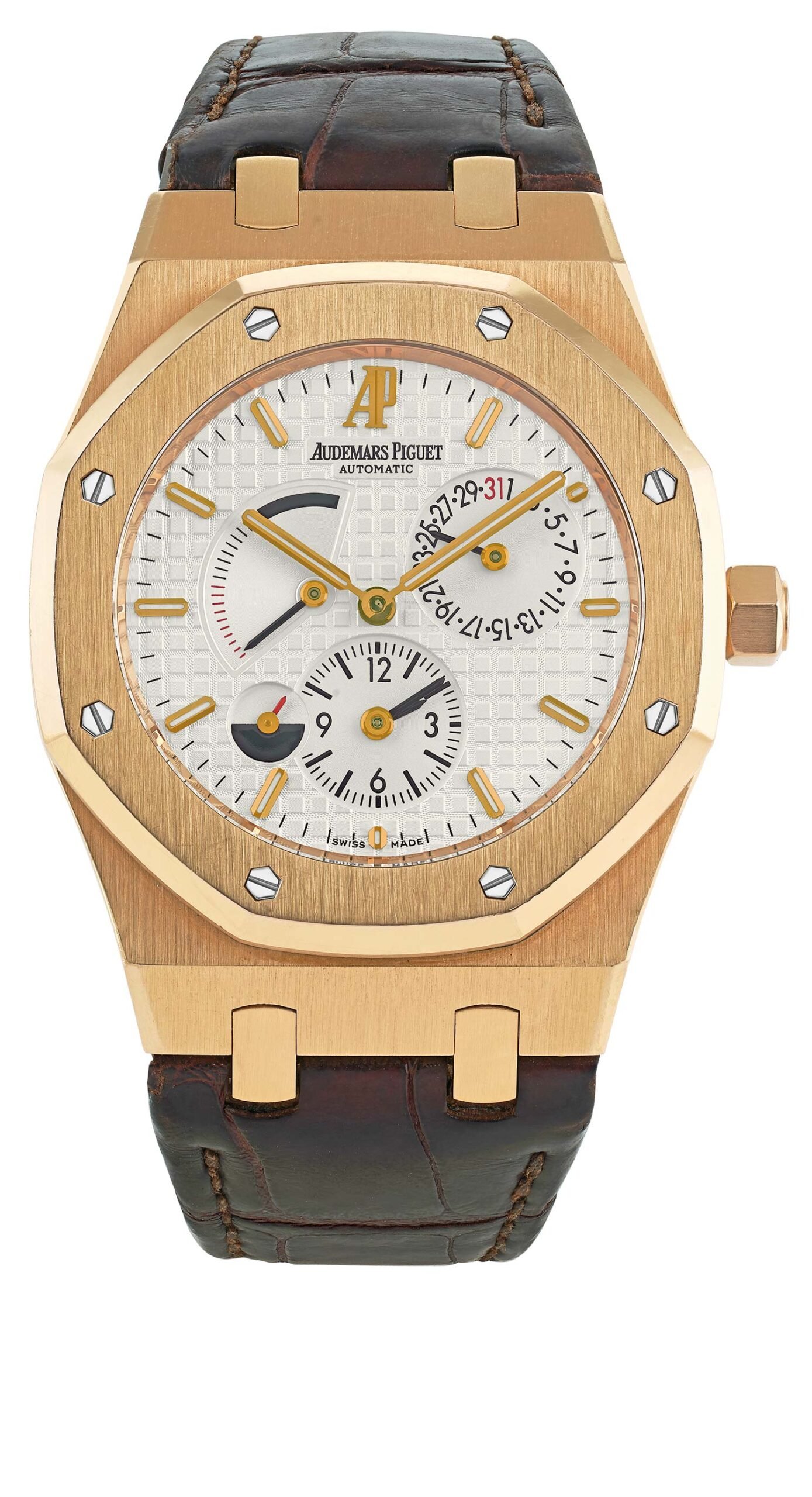
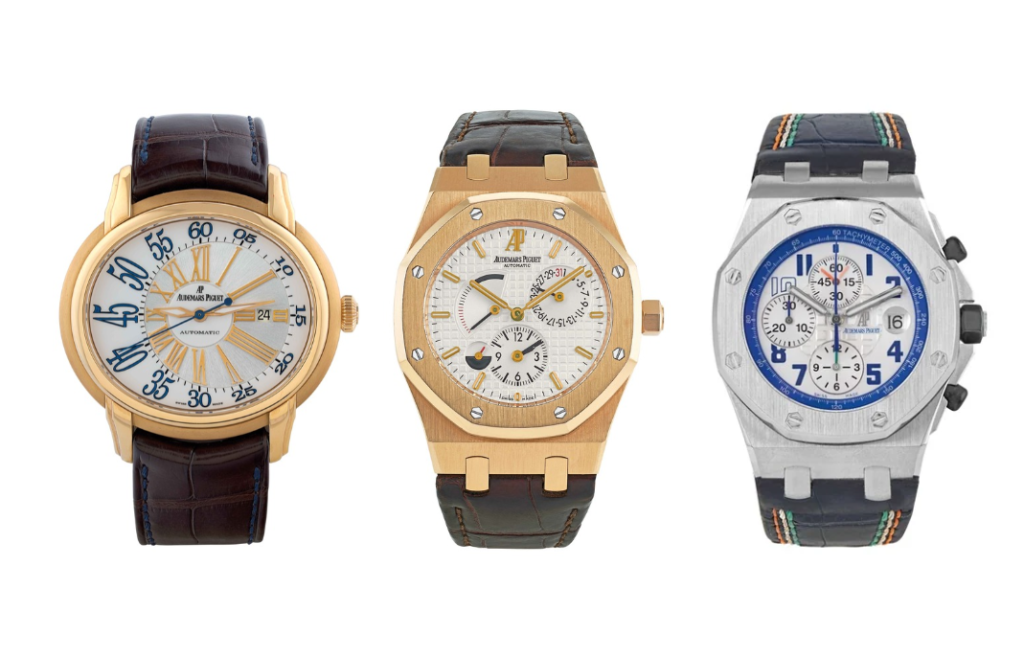
AUDEMARS PIGUET ROYAL OAK DUAL TIME Ref. 26120OR.OO.D088CR.01 18k rose gold | 39 mm Sold in 2024 by AstaGuru for ₹32,12,550 ($33,816)
A Legacy at Auction

Audemars Piguet continues to command strong interest in the secondary market. In 2026, the brand recorded a reported secondary market value of $983 million, representing 26.1 per cent year-on-year growth. Demand for the Royal Oak and Royal Oak Offshore remains a significant driver.

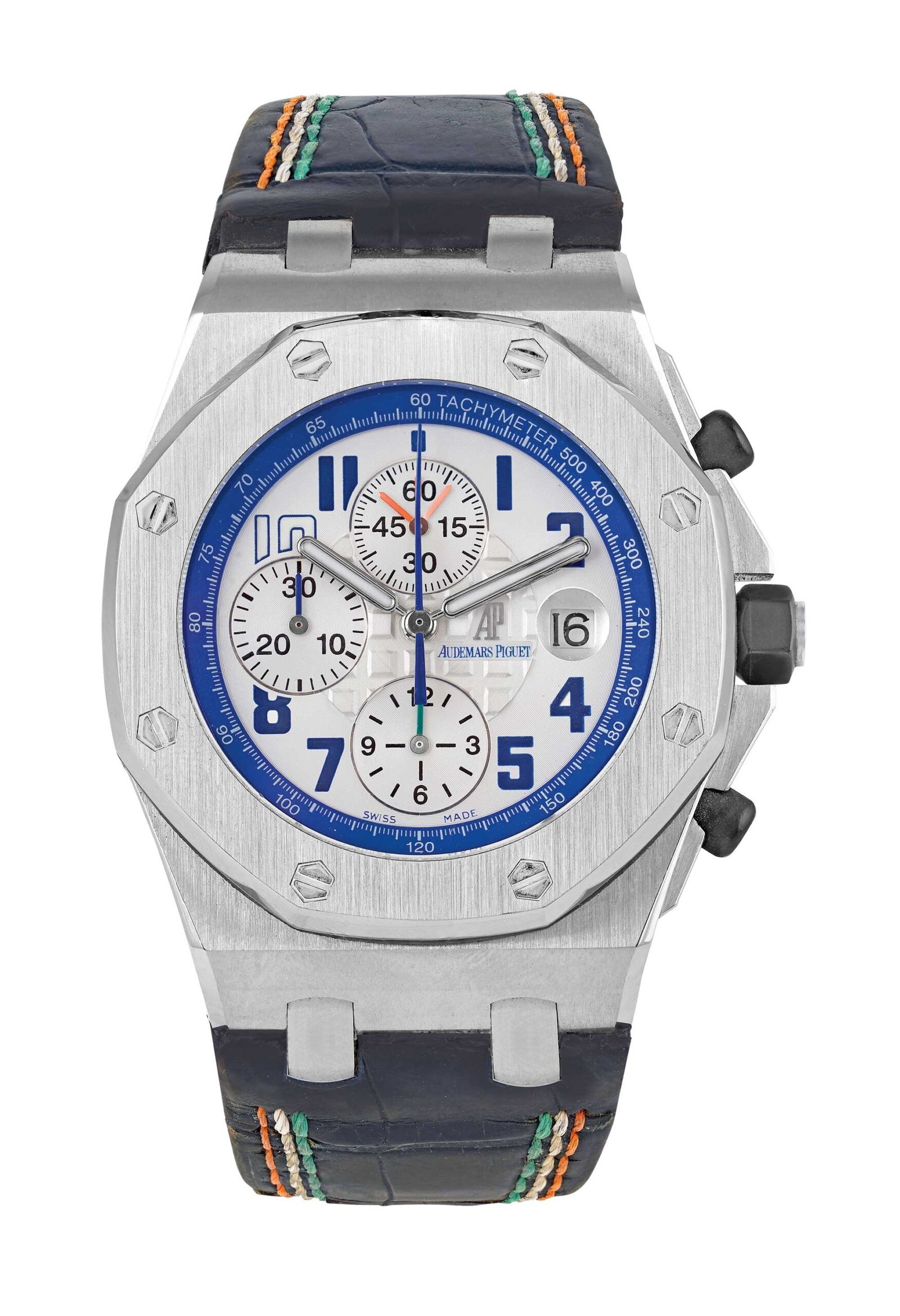
At AstaGuru, two notable Royal Oak references attracted collectors in 2024. An 18-karat rose-gold Royal Oak Dual Time sold for ₹32.12 lakh, while a stainless-steel Royal Oak Offshore ‘Vampire’ achieved ₹22.19 lakh.

Yet the maison’s most expensive auction result belongs to a pocket watch. The historic 1921 ‘Grosse Pièce’ No. 16869, featuring 19 complications, sold for $7.7 million in December 2025. Among its remarkable features are a one-minute tourbillon, minute repeater and astronomical chart calibrated to the London sky.

The Royal Oak ‘Jumbo’ Extra-Thin ranks among its most important wristwatches. A unique example sold for $3.3 million at the 2021 Only Watch charity auction. Other exceptional results include a rare 1930s ‘Coussin Tortue’ chronograph, which achieved over $2.7 million in 2026, and Gérald Genta’s personal Royal Oak Ref. 5402, which sold for $2.1 million.

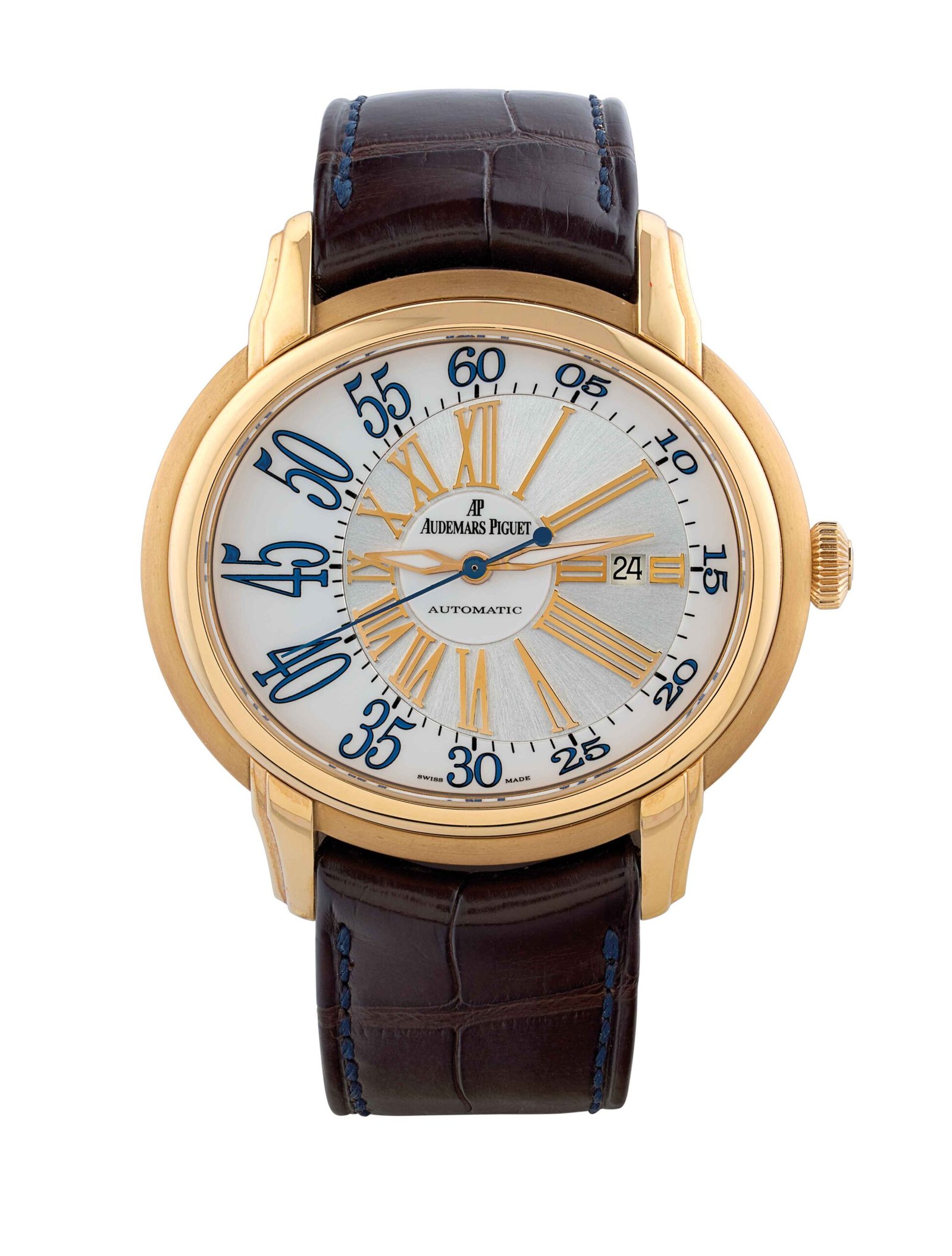
AUDEMARS PIGUET MILLENARY Ref. 15320/G21797 | 45 x 40 mm Sold in 2025 by AstaGuru for ₹15,54,874 ($16,367)
A Growing Following in India

Despite the absence of an Indian boutique until September 2026, Audemars Piguet has cultivated a strong collector following in the country. Cricket legend Sachin Tendulkar helped popularise the maison through two dedicated Royal Oak Offshore editions. A stainless-steel ‘Sachin Tendulkar’ limited edition sold through AstaGuru for ₹16.06 lakh in 2024.

For Indian collectors, auctions offer access to rare references beyond conventional retail collections. With its remarkable engineering, family heritage and distinctive designs, Audemars Piguet continues to occupy a special place on collectors’ wish lists. Its watches are not simply acquisitions; they are pieces of horological history to be treasured across generations.

Read the full story in the special ‘Horology Issue’ of LuxeTrope, on stands now.
AUDEMARS PIGUET ROYAL OAK (SACHIN TENDULKAR) LIMITED EDITION Ref. 26182ST.OO.D018CR.01 | 44 mm Sold in 2024 by AstaGuru for ₹16,06,275 ($16,908)

Cartier: The Maker of Shapes

Cartier: The Maker of Shapes

From the legendary London Crash to the Tank, Tortue and Cheich, explore how Cartier’s distinctive designs and rare references have captured collectors’ attention at auction

Cartier’s reputation in watchmaking rests on an exceptional ability to turn shapes into signatures. From the geometric elegance of the Tank to the unconventional curves of the Crash, the maison has created designs that transcend trends. At auction, these distinctive cases, combined with rarity and provenance, have made certain Cartier watches exceptionally desirable.

Founded in Paris in 1847 by Louis-François Cartier, the house gradually established its identity through bold design choices and technical innovation. Its early use of platinum helped reshape jewellery design, while its association with aviator Alberto Santos-Dumont contributed to the evolution of the wristwatch. By the 1960s, Cartier’s London branch, led by Jean-Jacques Cartier, was developing a creative identity of its own.

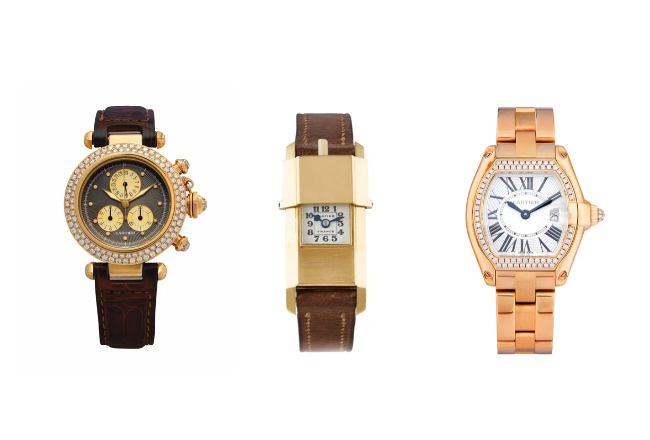
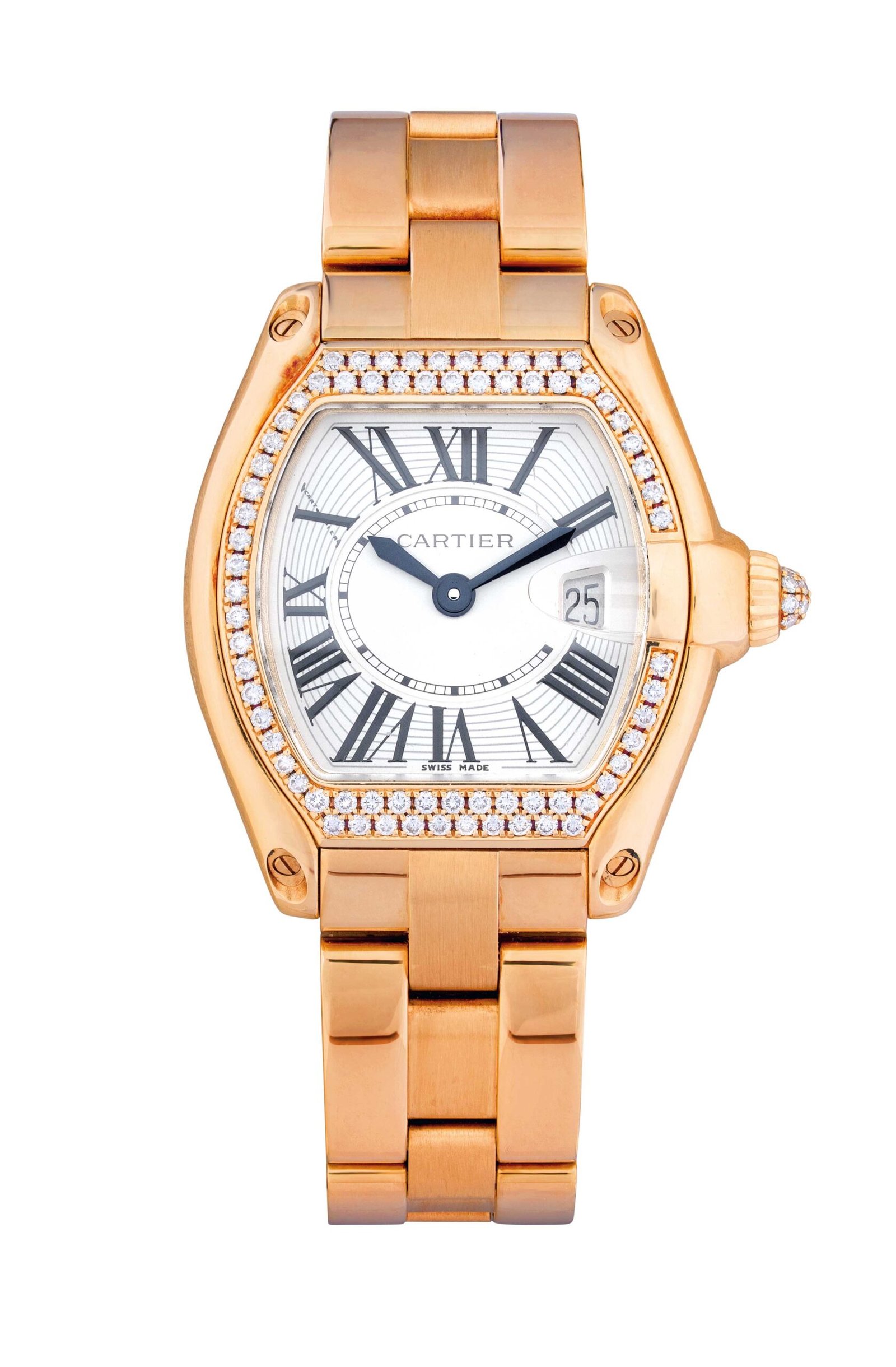
CARTIER ROADSTER Ref. WE5001X1 | 18k yellow gold 37 x 30 mm | Sold in 2026 by AstaGuru for ₹17,36,350 ($18,277)
The Crash and its Auction Legacy

The result was the Crash. Introduced in 1967, approximately 20 examples were made in yellow gold for the London boutique. Its distorted case became one of the most recognisable designs in watchmaking. Today, vintage London Crash watches dominate Cartier’s auction record. A 1990 example sold for CHF 1.585 million in May, while a rare 1987 variant achieved $1.99 million in 2026. An early 1967 example had previously sold for $1.65 million in 2022.

Cartier continued to experiment with the design. Its Crash Squelette replaced the conventional dial with bridges shaped into Roman numerals. A diamond-set platinum example, accompanied by its original documentation, sold for $1.17 million.

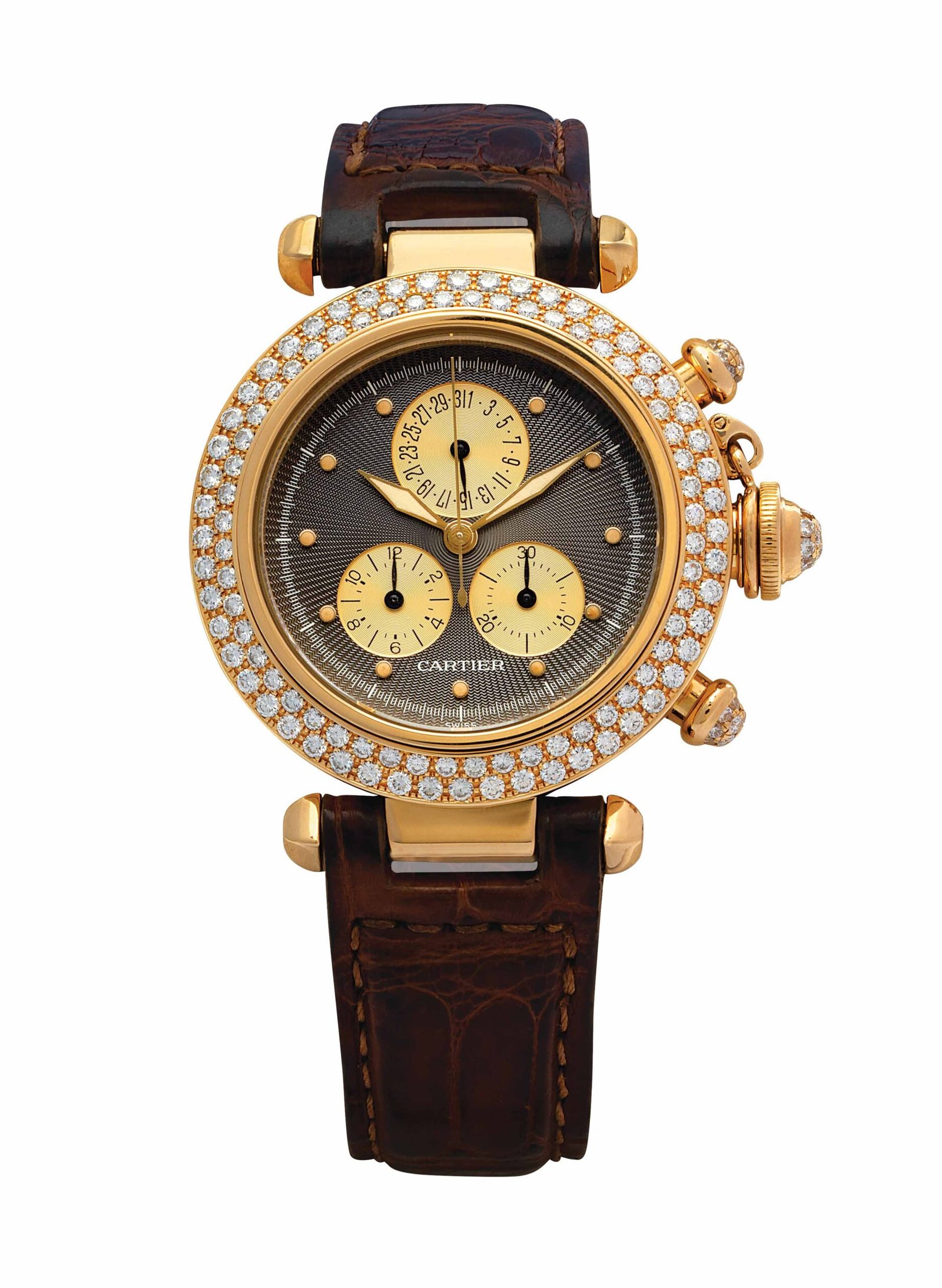
CARTIER PASHA Ref. 1354 1 | 18k rose gold 36 mm | Circa 1990 | Sold in 2024 by AstaGuru for ₹13,83,838 ($14,566)
Beyond the Crash: A Legacy of Design

Yet the Crash represents only one part of Cartier’s design legacy. The Tank, Santos, Panthère, Ballon Bleu, Pasha, Tonneau and Tortue each demonstrate the maison’s ability to give familiar forms a distinctive identity. Its unusual creations have also attracted collectors, including the limited-edition Cheich. Made in just four examples for the Paris-Dakar rally, one awarded to rally champion Gaston Rahier sold for $1 million.

The Indian auction market reflects the same appetite for rarity. A limited-edition Cartier Tortue with a hand-painted cloisonné enamel dial sold through AstaGuru for ₹44.39 lakh in 2024. A gold Roadster achieved ₹17.36 lakh in 2026, while a 1990 Pasha in rose gold sold for ₹13.83 lakh.

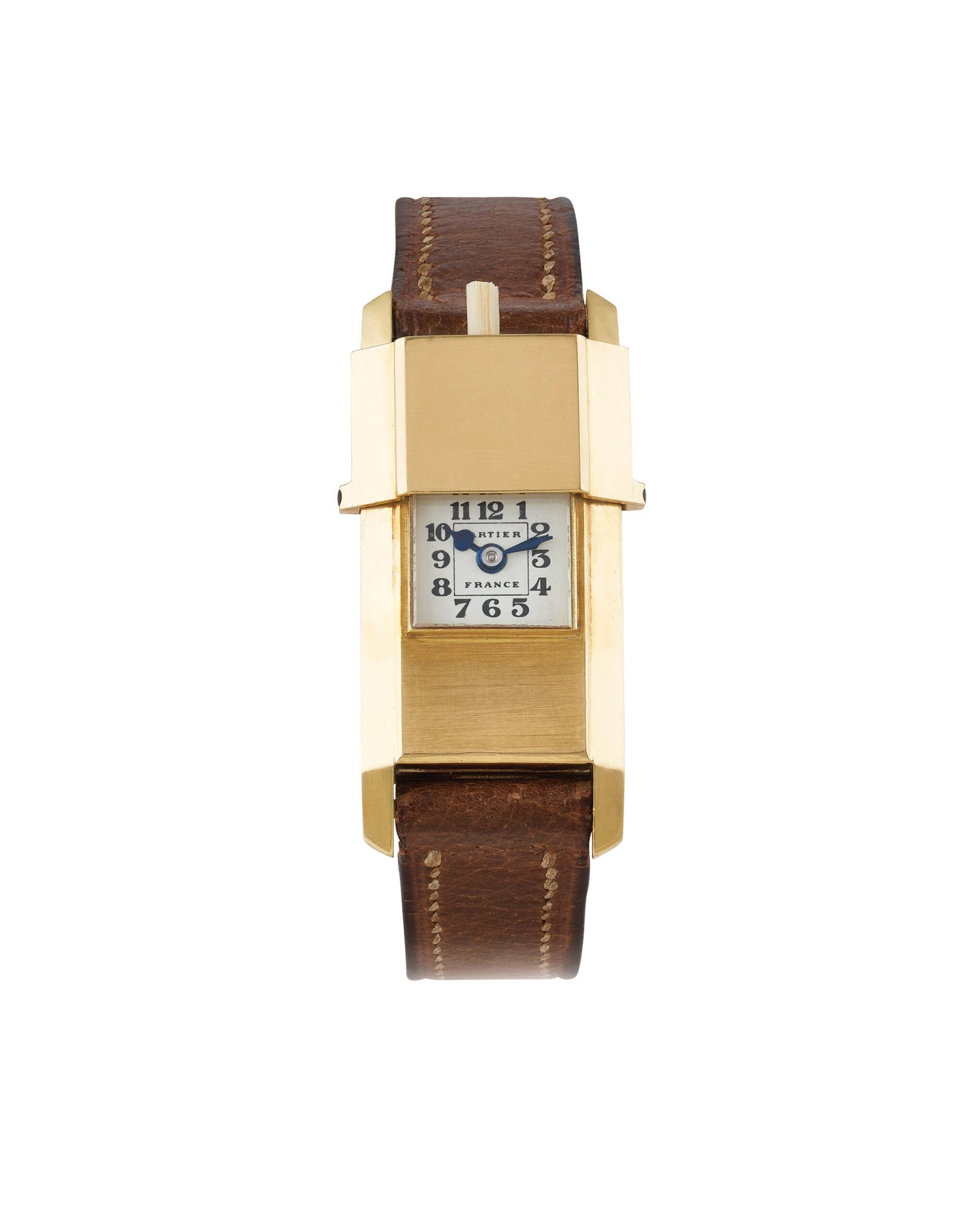
VINTAGE 1940s CARTIER 18k yellow gold | 34 x 14 mm Circa 1945 | Sold in 2024 by AstaGuru for ₹12,58,035 ($13,242)

Cartier’s appeal ultimately extends beyond precious metals and complications. Collectors value the design, the rarity and the history attached to each reference. With the right provenance and documentation, a distinctive case can become far more than a housing for a movement. It becomes the defining signature of a watch.

Read the full story in the special ‘Horology Issue’ of LuxeTrope, on stands now.

Peter Henlein: The Time Keeper

Peter Henlein: The Time Keeper

An imaginary interview with German locksmith and clockmaker Peter Henlein

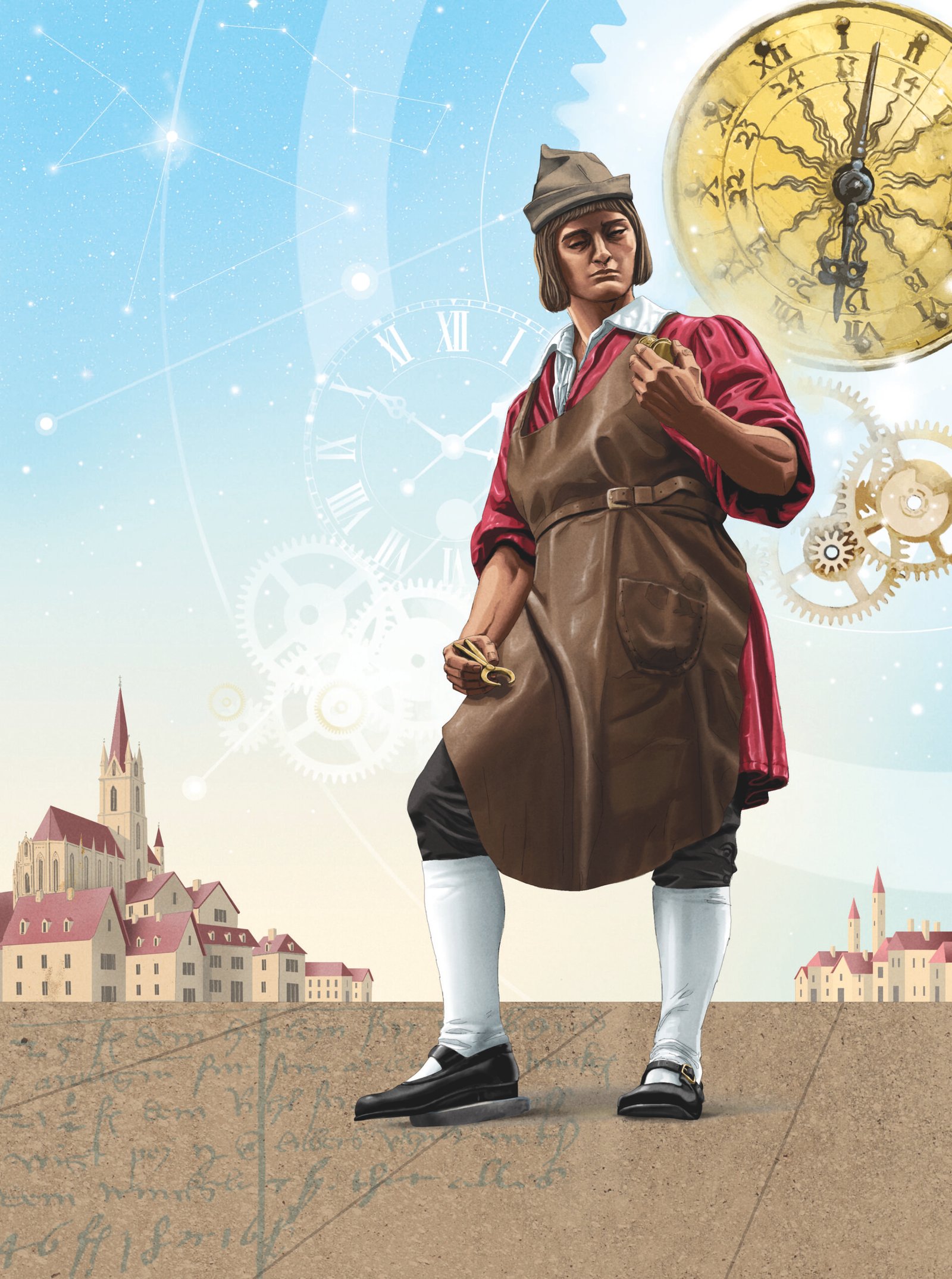
Illustration: Ashish Asthana

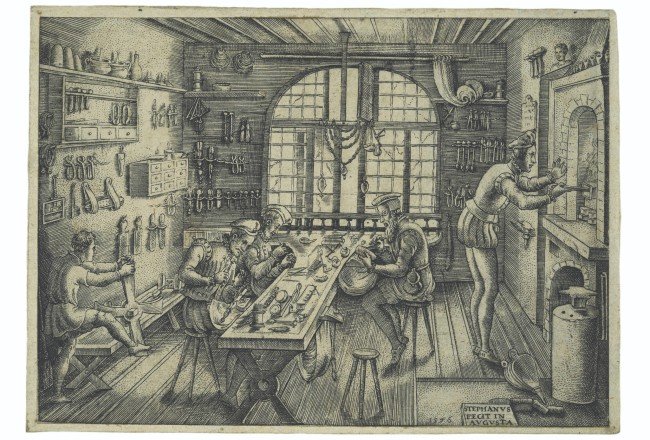
Long before Swiss watchmaking became synonymous with horological magic, there was Germany’s Nuremberg, a powerhouse of science, metalwork and craftsmanship. In the 16th century, Nuremberg acquired formidable heights of fame through the work of one local locksmith—Peter Henlein—a pioneer of pocket-sized, spring-driven clocks (among others). Through his innovations, Henlein freed humankind from the constrictions of stationary time. We turn back time to host an (imaginary) interview with the legendary locksmith.

Gott grüß euch, Meister Henlein. Before we speak about your watches, paint us a picture of what your Nuremberg was like?

It was a city obsessed with making things; Nuremberg was wealthy, commercially ambitious, and recognised the brilliance of the human mind. A technically refined place of innovation, it was one of the great manufacturing and trading centres of the Roman Empire. The air was thick with wood smoke, metal, leather, food and dye, which somehow defined the city with its tall towers, bustling streets, and incessant noise. Looming over them all, the Frauenkirche continues to awe as it did then, with its special astronomical clock, the Männleinlaufen or little men’s procession. At midday, the clock mechanism activates with a ringing bell followed by the trumpeters and drummer. Interestingly, this beautiful church replaced a synagogue that existed at the start of the 14th century; but the clock was made only between 1506 and 1509 by master metalworkers Jörg Heuss and coppersmith Sebastian Lindenast for a sum of 1,640 gulden.

Does your city garner fame just for its prowess in mechanics?
Nuremberg did possess a bit of an advantage, thanks to its geographic the middle of the then-empire, but Nuremberg sat on important trade routes, one being the Golden Road linking it to Prague. This encouraged our specialised metal fabrications to travel wide—our wares even had a name, Nürnberger Tand (Nuremberg Wares). During my time, Nuremberg’s close connections to mining and metalworking also fed a sophisticated tool-making culture. Fine files and other specialised tools encouraged craftsmen to work metal with remarkable precision. So, it was a manufacturing city… Not in the way you’d comprehend manufacturing. We made things with our hands. Instead of machines, masters and apprentices existed. A piece of metal was worked by several men of craft before transforming into a treasure worth collecting. There were no sterile workshops; just spaces that were noisy and intensely manual. We were pioneers of what you would probably refer to as kinetic art. We made machines that captured the dance of the heavens into movement inside metal. It was what enabled us to change the way humans interacted with time, instead of relying on daylight and sunset.

Why is that relevant?
Because the smaller you make something, the higher the degree of precision it requires. A large clock is much more forgiving than its smaller counterpart. By the mid 16th century, wearing a Nuremberg portable watch was the ultimate status symbol. It told the world that its wearer had the means to invest in their own private telling of time and the sophistication to appreciate the maths and mechanical ingenuity hidden inside.

So, your horological wonders were just a status symbol, then?
Vielmehr, they played a much bigger role as instruments of diplomacy. Instead of gold, our leaders gifted people in power—kings, emperors and high-ranking bureaucrats—with automated clocks, globes and pomander watches.

Read the full story in the special ‘Horology Issue’ of LuxeTrope, on stands now.
Bernhard Lederer: Artist, Tinkerer, Machinist, Scholar

Bernhard Lederer: Artist, Tinkerer, Machinist, Scholar

From restoring historic timepieces to developing complex escapements, Lederer reflects on the experiences that have shaped his approach to horology

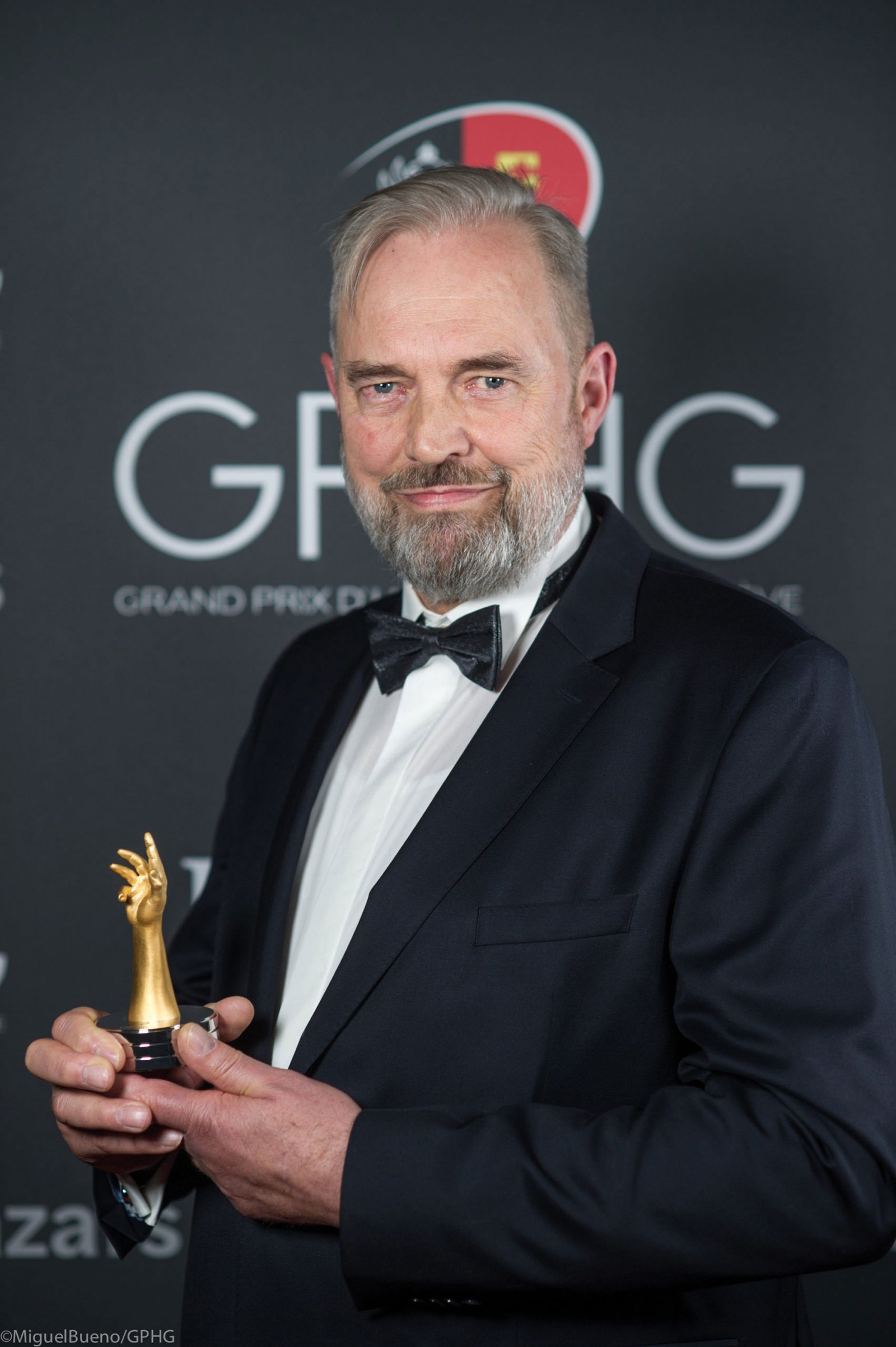
Image: Courtesy of Lederer Timepieces/AHCI

When the AHCI was conceived by Svend Andersen and Vincent Calabrese in 1985, the ultimate goal was to ‘preserve the traditions of watchmaking’. As the community grew, the organisation became the spiritual home of independent watchmaking and, today, has more than 40 members. Bernhard Lederer has been a member since 1985, and has helped lead the charge with singular focus on innovation and the spirit of brotherhood. Among the most respected professionals in the industry, Lederer delves into his journey, and how the AHCI continues to put horology first, and how its members stay connected. 

How did your journey into watchmaking begin, because it often takes time to find one’s passion? 

I don’t think a single event led me to this métier. It happened more gradually; it probably began with a curious child and his grandfather’s pocket watch. First, I was fascinated with the sound of the movement and the mechanism behind it, which led me to seek out books on watchmaking, which led to my trips to the flea markets and, eventually, there was even a rain-soaked hitchhiking trip to London. Looking back, it was more of a cascade, with each incident fuelling my curiosity even more. 

Your early days were spent restoring historic timepieces at the Wuppertal Watch Museum. Can you tell us more about that time and the valuable lessons it taught you? 

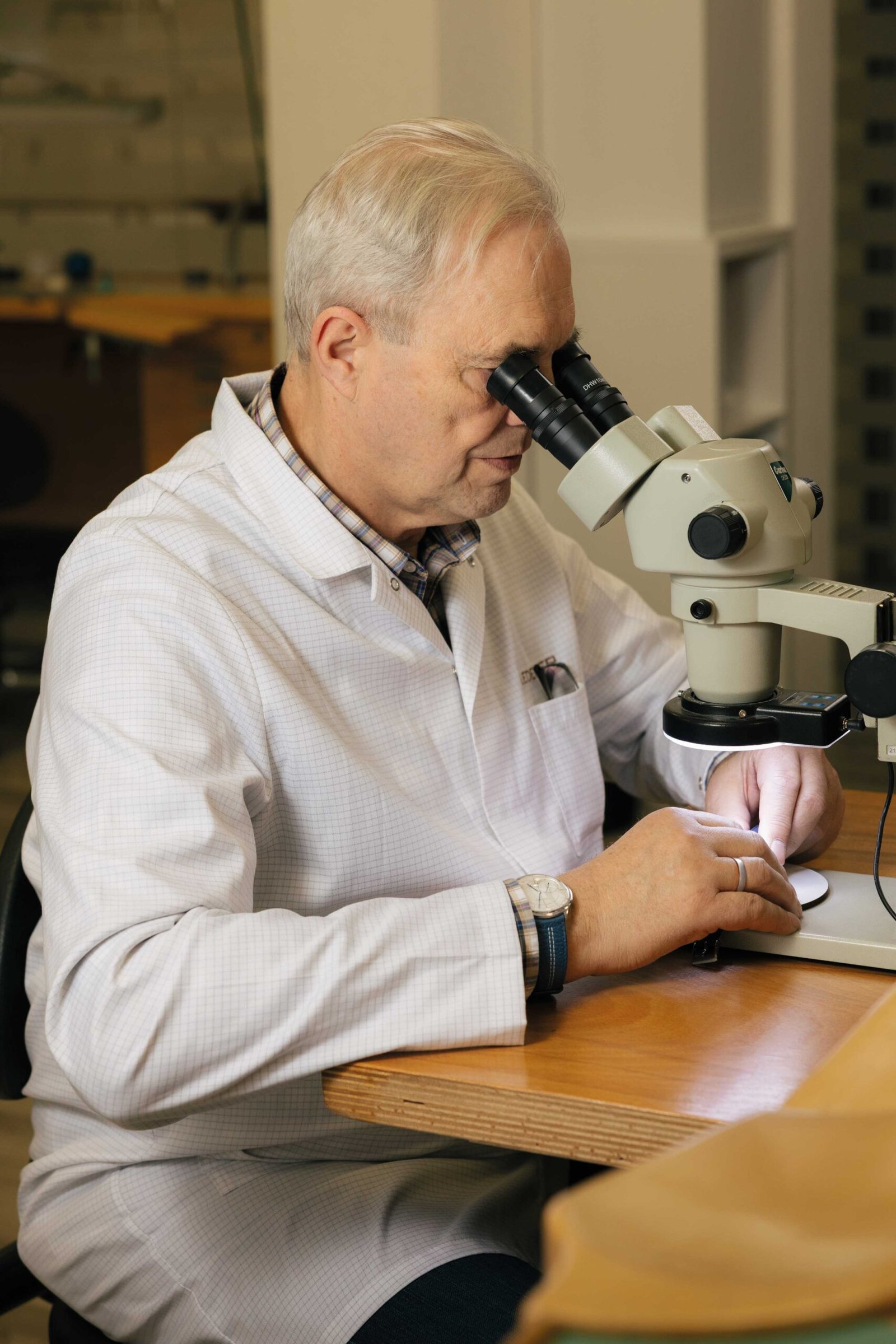
My apprenticeship at the Wuppertal Watch Museum was an interesting period in my life. I was away from home discovering what freedom truly means, had a master watchmaker who had no interest in teaching me anything, and lived on a barely livable salary. Because I was trained in a museum workshop, I wasn’t restoring watches from a single brand or focused on a single watchmaker. This gave me exposure to different craft techniques, materials and design languages. Restoration also became important as it forced me to understand why something had been made a particular way and not another. You cannot simply repair a historical mechanism by looking at the final product; first you must understand the logic behind it. 

Image: Courtesy of Lederer Timepieces/AHCI
You have often mentioned that curiosity is what keeps you going. Four decades into your craft, how has your relationship with that curiosity changed? 

Curiosity has been there from the beginning, and in that sense, it has not changed very much. What has changed is what I do with it. When I initially took up this profession, curiosity meant looking for answers. I would find a book, find a mechanism, open something, and try to understand it. Over time, it became more demanding. I became interested not only in how something works, but whether October-December 2026 Luxury Intelligence 115 it could work differently, or whether an older idea could be understood and adapted to today’s needs. So, curiosity is still the starting point, but it is no longer enough on its own. Finding an answer requires work, discipline, repetition, and a lot of patience. 

You’ve worked on some of watchmaking’s most complex escapements. Which one comes closest to perfection? 

The moment you call something perfect, you also suggest that there’s nothing more to examine. I don’t believe that. Each escapement I have worked on is an answer to a particular set of questions. I’m more interested in understanding its limitations and finding out whether something can be evolved further.

Read the full story in the special ‘Horology Issue’ of LuxeTrope, on stands now.