luxetrope.com

‘Animalia’ Brings 4,000 Years of Art to Paris

Animalia Brings 4,000 Years of Art to Paris

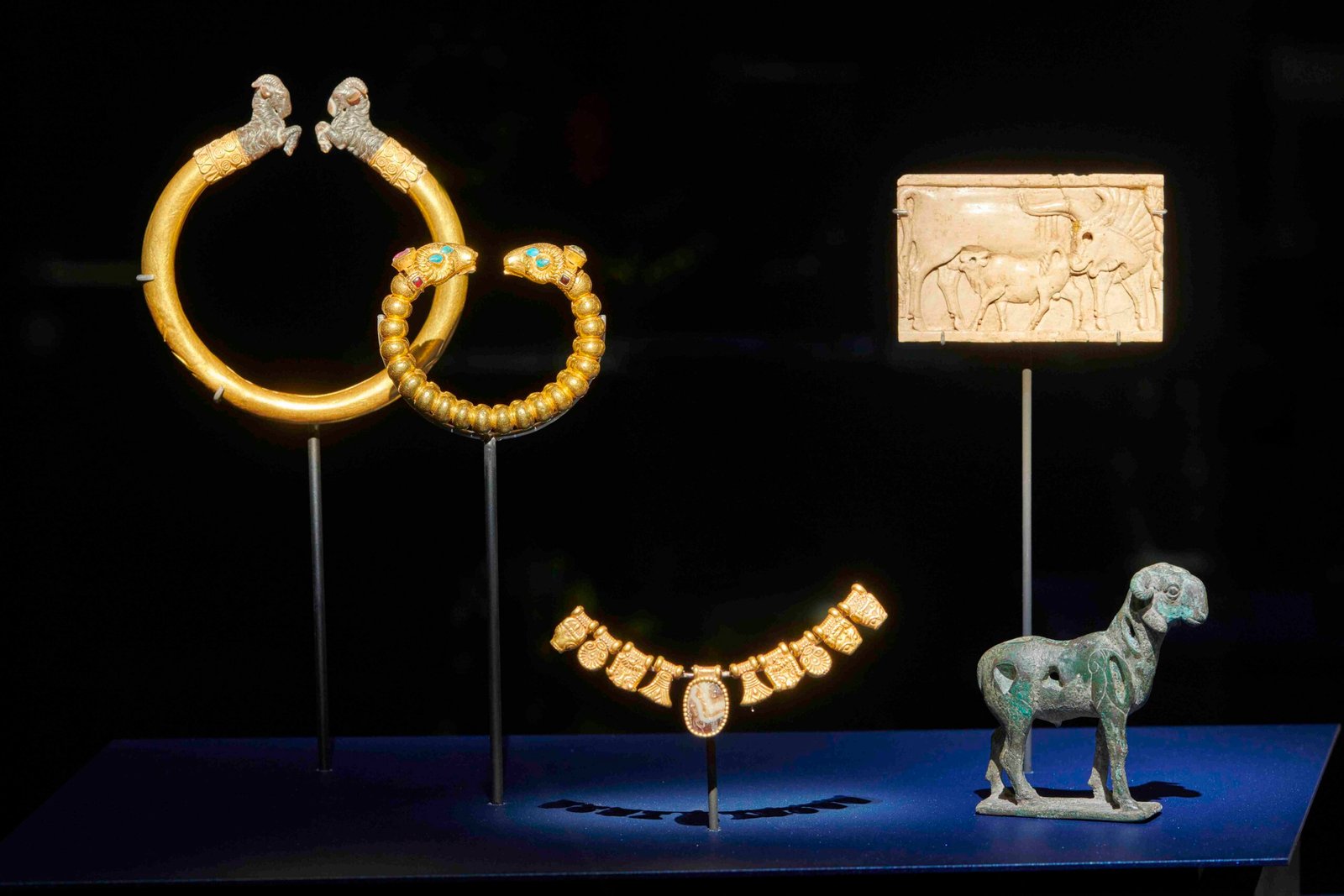
From Mughal jewels to ancient sculptures, Animalia explores humanity's enduring fascination with the animal kingdom through rare works from The Al Thani Collection​

Images: Courtesy of The Al Thani Collection

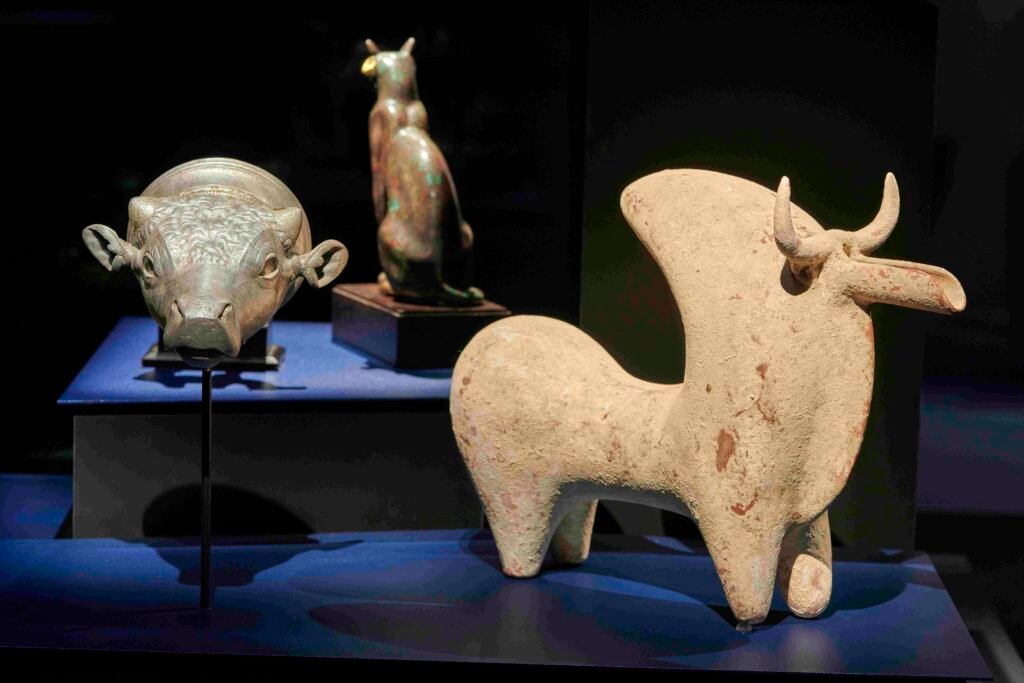
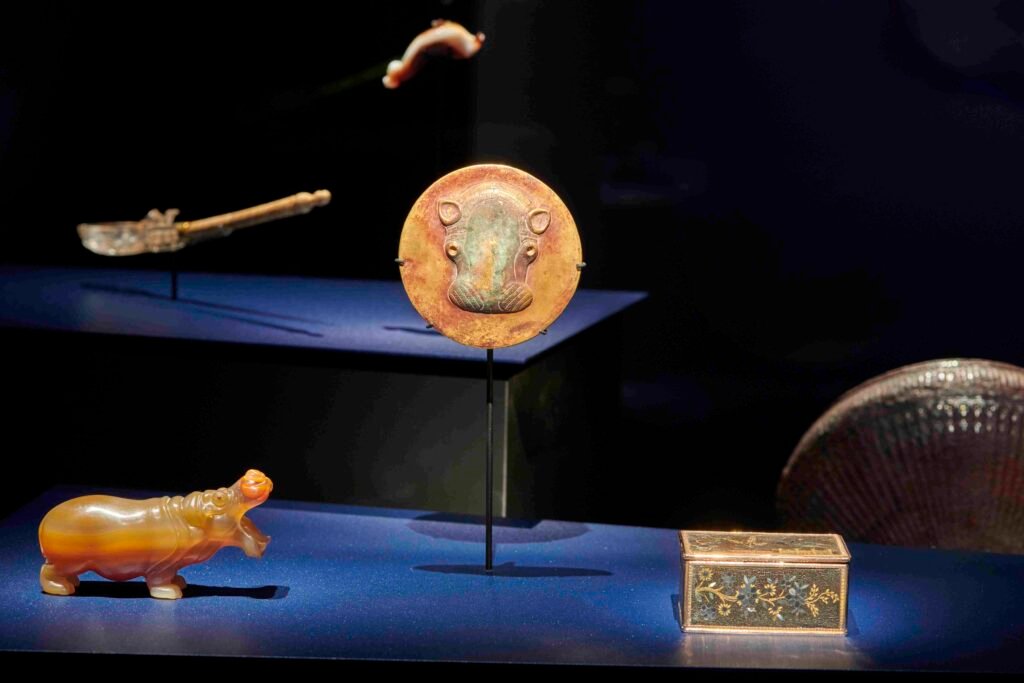
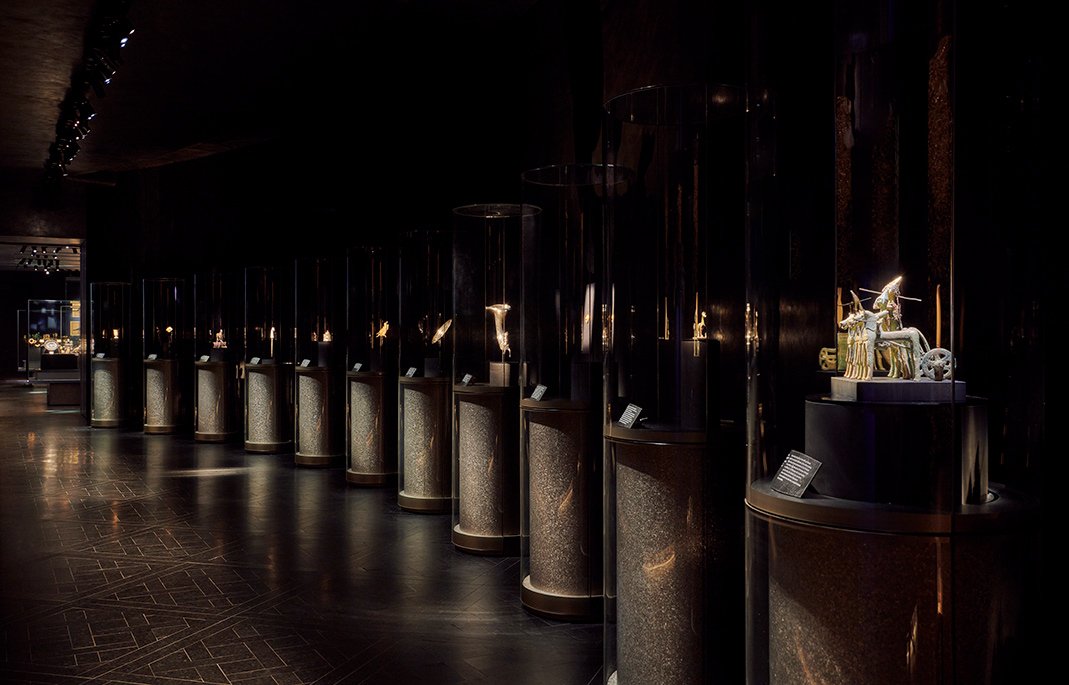
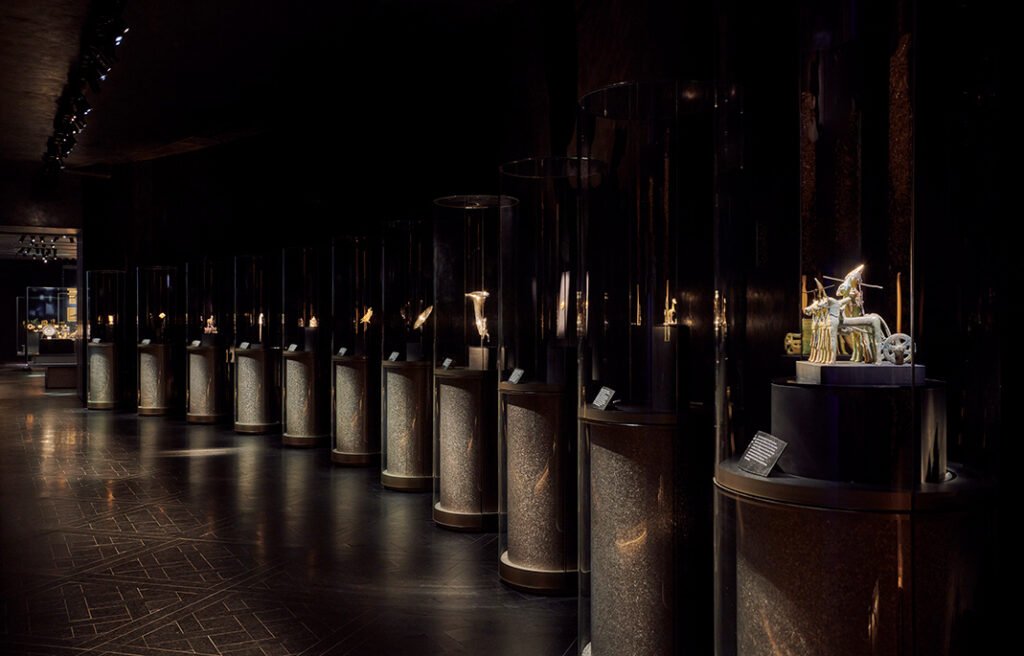
From prehistoric cave paintings to royal jewels, animals have long shaped humanity’s imagination. Now, Animalia: Bestiary from The Al Thani Collection brings together more than 120 extraordinary works that explore this enduring relationship across cultures, continents and millennia. Presented at the Hôtel de la Marine in Paris from July 1, 2026, to January 10, 2027, the exhibition is organised by The Al Thani Collection Foundation in collaboration with the Centre des monuments nationaux.

Drawn from The Al Thani Collection, the exhibition spans nearly 4,000 years, from the third millennium BC to the early-20th century. Many of the works are being shown in Paris for the first time, showcasing how civilisations from Asia, Europe, Africa and the Americas have celebrated, revered and interpreted animals through art.

Rather than arranging the objects chronologically, Animalia creates a dialogue between cultures. Across four galleries, visitors encounter masterpieces crafted for kings, emperors and aristocratic patrons in precious materials including gold, jade, rock crystal, bronze and gemstones. Together, these objects reveal striking parallels in how different societies associated animals with power, spirituality, mythology and identity.

Among the highlights is a rare Mughal gold pendant in the form of a bird, set with diamonds, rubies and emeralds, believed to have been made in the Deccan around 1700. A Timurid ram’s head carved from nephrite jade, a Fatimid chess piece depicting a king mounted on an elephant, and a Greek bronze mare dedicated to horse racing further illustrate the exhibition’s remarkable geographical and historical range.

The exhibition also examines the symbolic importance of specific animals. Horses emerge as enduring emblems of royalty, warfare and prestige, while felines—from Egyptian cats to Babylonian lions and Chinese tigers—reflect authority, protection and imperial power. Elsewhere, deer embody spiritual significance in Japan, birds feature prominently in ritual and ornament, and elephants, camels and rhinoceroses reveal the role of animals in trade, exploration and empire.

Curated by Dr. Amin Jaffer, Director of The Al Thani Collection, Animalia reflects the collection’s commitment to presenting art beyond cultural and geographical boundaries. More than a survey of remarkable objects, the exhibition demonstrates how animals have inspired artistic expression, religious belief, and scientific curiosity across centuries, offering visitors a compelling perspective on the universal bond between humans and the natural world.

Read More

India's art market has grown nearly 200-fold in 25 years, fuelled by record-breaking auctions and rising collector confidence

From Mughal jewels to ancient sculptures, 'Animalia' explores humanity's enduring fascination with the animal kingdom through rare works from The Al Thani Collection​

While India's iconic Progressives continue to dominate the market, a new wave of artists is rewriting auction records

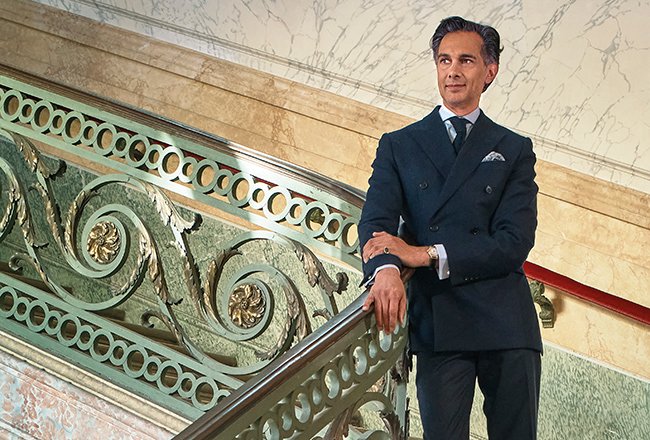
Art historian, curator, and director of The Al Thani Collection, Dr. Amin Jaffer believes great collections are built on stories that connect cultures across time

The auction brought together leading names in Modern Indian art, with several works achieving standout prices

Ornamentation in Indian art tells stories of power, identity and cultural memory

High Jewellery’s Ultimate Secret: The Melo Melo Pearl

High Jewellery’s Ultimate Secret: The Melo Melo Pearl 

The fiery allure of Melo Melo pearls have enamoured collectors for decades, and they still remain the rarest gemmological phenomenon today

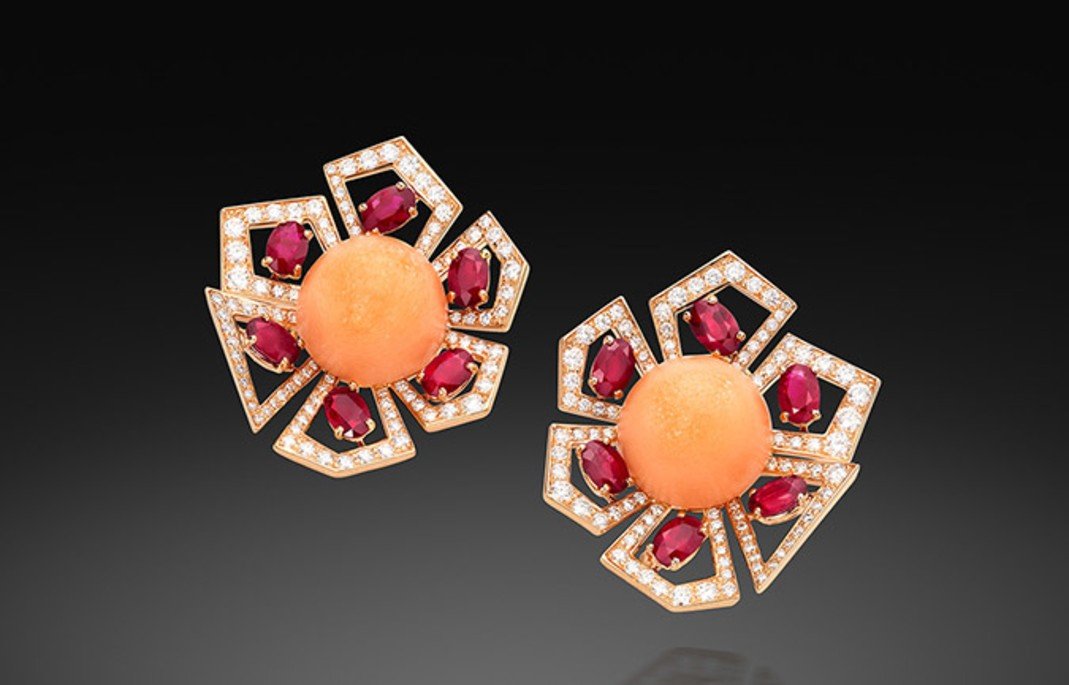
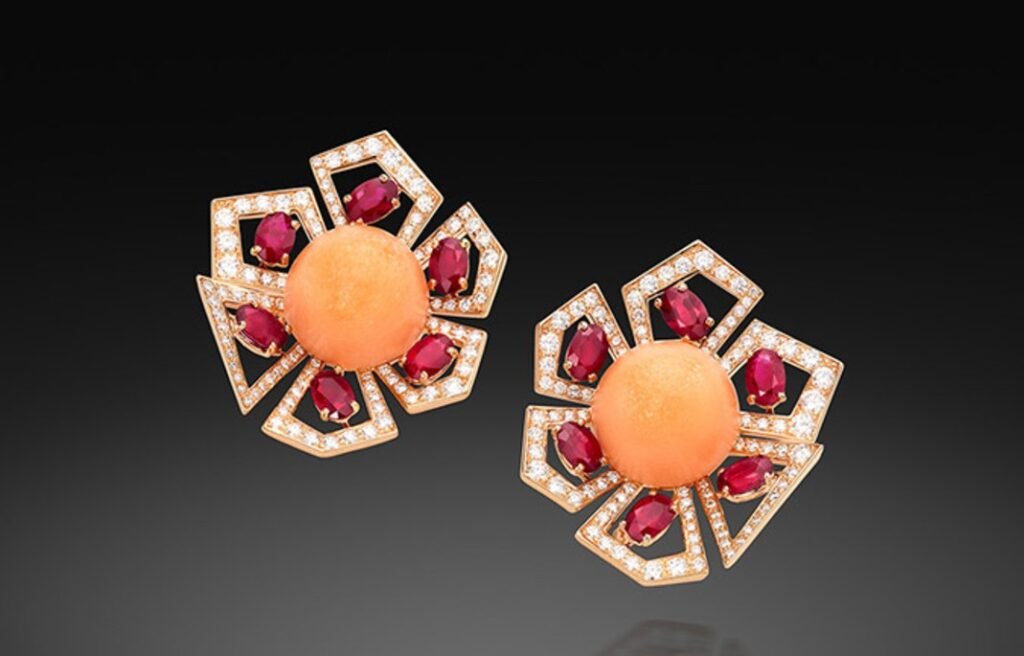
Melo Passion Natural Pearl, Ruby and Diamond Earrings; Image courtesy: Assael

Few natural treasures command the kind of reverence Melo Melo pearls inspire. Found deep within the waters of Southeast Asia—from the South China Sea to the Andaman Coast—these rare gems are produced not from oysters but from Melo Melo: a large predatory sea snail known as the Indian volute or bailer shell. 

Historically, these radiant pearls were incorporated into royal Asian folklore as “dragon pearls,” owing to their vibrant orange colour and flame-like patterns. Centuries later, they continue to be one of the most coveted treasures in high jewellery—appealing to the world’s most discerning collectors.

Unlike classic oysters or South Sea cultured pearls, Melo Melo pearls are completely non-nacreous and occur exclusively through natural phenomena. Standard pearls derive their sheen from layers of nacre; Melo Melo pearls are composed of calcite and aragonite, yielding a smooth, porcelain-like lustre. 

Their true magic lies in their flame-like chatoyancy—a phenomenon where fibrous structures beneath the surface reflect light, creating a shimmering effect similar to flickering flames. While colours range from soft tan to deep brown, it is the rich mandarin orange hue with visible flame patterns that defines the pinnacle of desirability. 

Why are these gems so rare? Simply put, Melo Melo pearls cannot be cultured. Every single specimen is 100 per cent natural, discovered purely by chance by regional fishermen. Additionally, only one in several thousand Melo snails will ever produce a pearl, and it takes decades for one to grow to a wearable size. Furthermore, only a small fraction of those harvested exhibit the fiery orange saturation and pattern that collectors demand.

Because Melo Melo pearls command prices scaling into hundreds of thousands of dollars, verifying provenance and lab certification is of utmost importance. Top gemmological laboratories such as GIA or SSEF issue precise reports verifying origin, composition, and absence of artificial enhancement or polishing. 

Without a reputable lab report confirming authenticity, a prospective Melo pearl should never be acquired. Instead, choose a reputable auction house or verified private estates. 

Given their zero-commercial supply, you will not find Melo Melo pearls in standard luxury retail boutiques or maisons. Blue-chip auction houses are the way to go as they periodically feature loose Melo Melo pearls or bespoke high jewellery settings in their auctions. Esteemed ateliers that specialise in rare natural pearls work directly with private collectors to source authentic loose specimens. 

For those patient enough to seek them out, acquiring a Melo Melo pearl is far more than an investment in fine jewellery—it is a rare chance to own a piece of nature’s unrepeatable magic.

Read More

India's art market has grown nearly 200-fold in 25 years, fuelled by record-breaking auctions and rising collector confidence

From Mughal jewels to ancient sculptures, 'Animalia' explores humanity's enduring fascination with the animal kingdom through rare works from The Al Thani Collection​

While India's iconic Progressives continue to dominate the market, a new wave of artists is rewriting auction records

Art historian, curator, and director of The Al Thani Collection, Dr. Amin Jaffer believes great collections are built on stories that connect cultures across time
The auction brought together leading names in Modern Indian art, with several works achieving standout prices

Ornamentation in Indian art tells stories of power, identity and cultural memory

10 Highlights from AstaGuru’s ‘Iconic Masters’ Auction

10 Highlights from AstaGuru’s ‘Iconic Masters’ Auction

The auction brought together leading names in Modern Indian art, with several works achieving standout prices

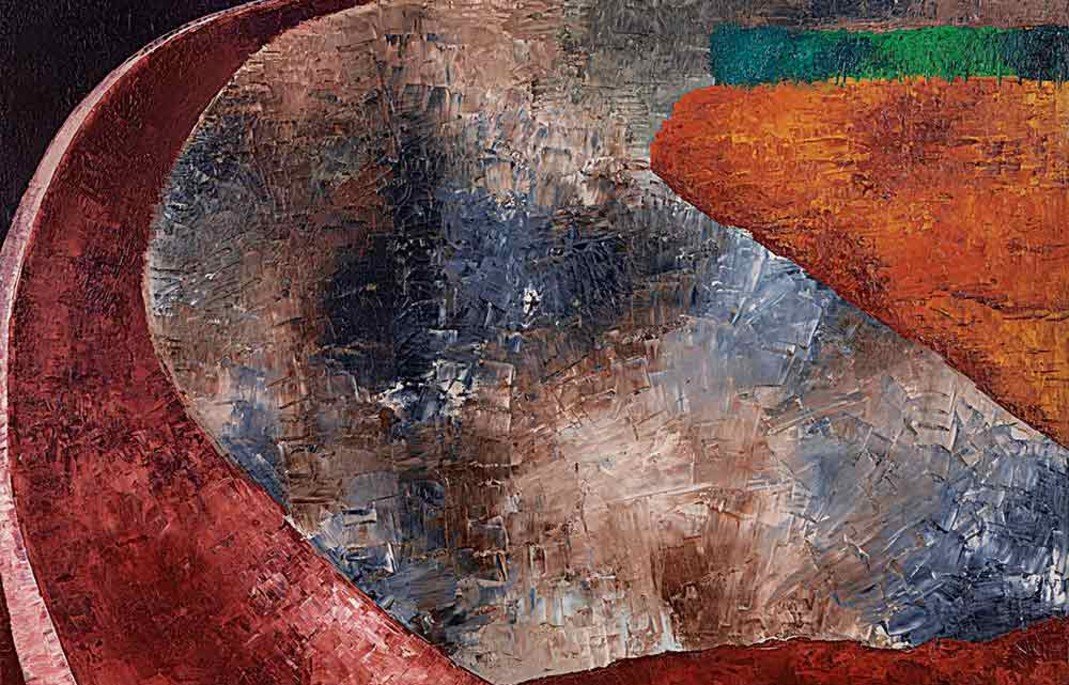
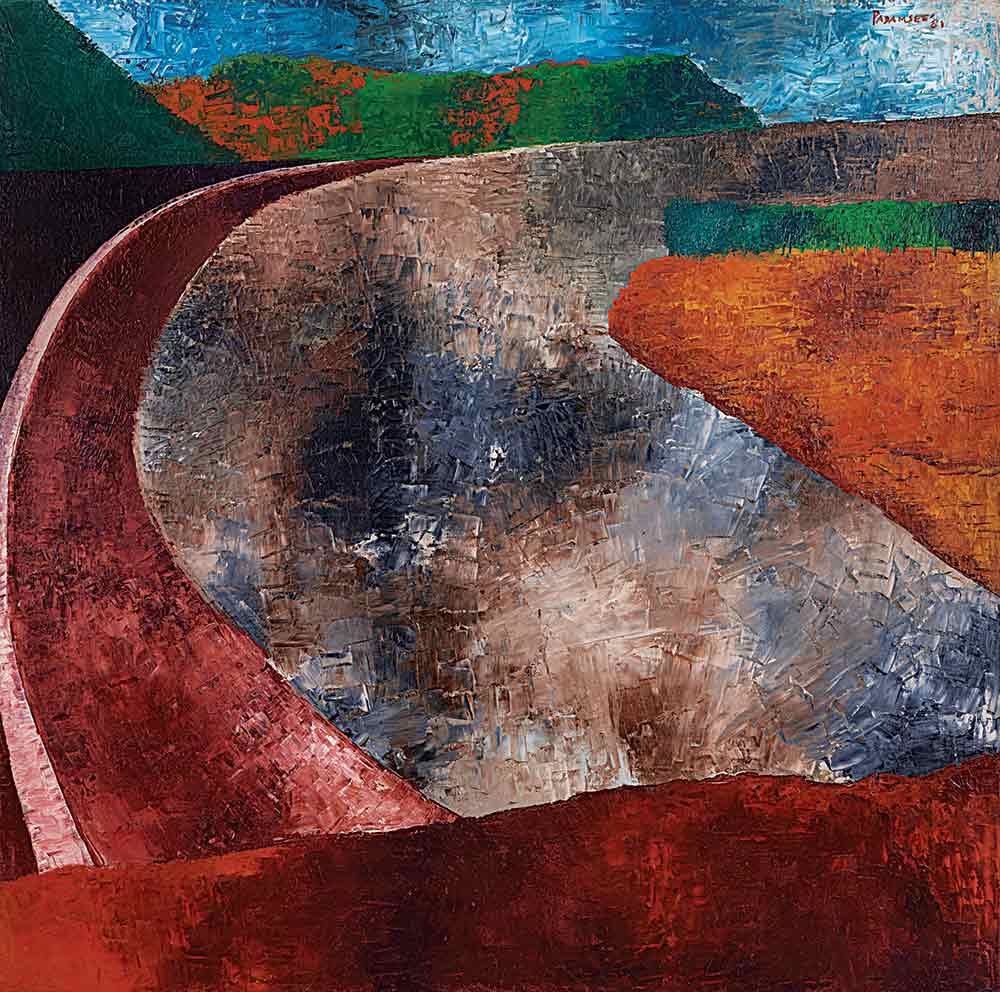
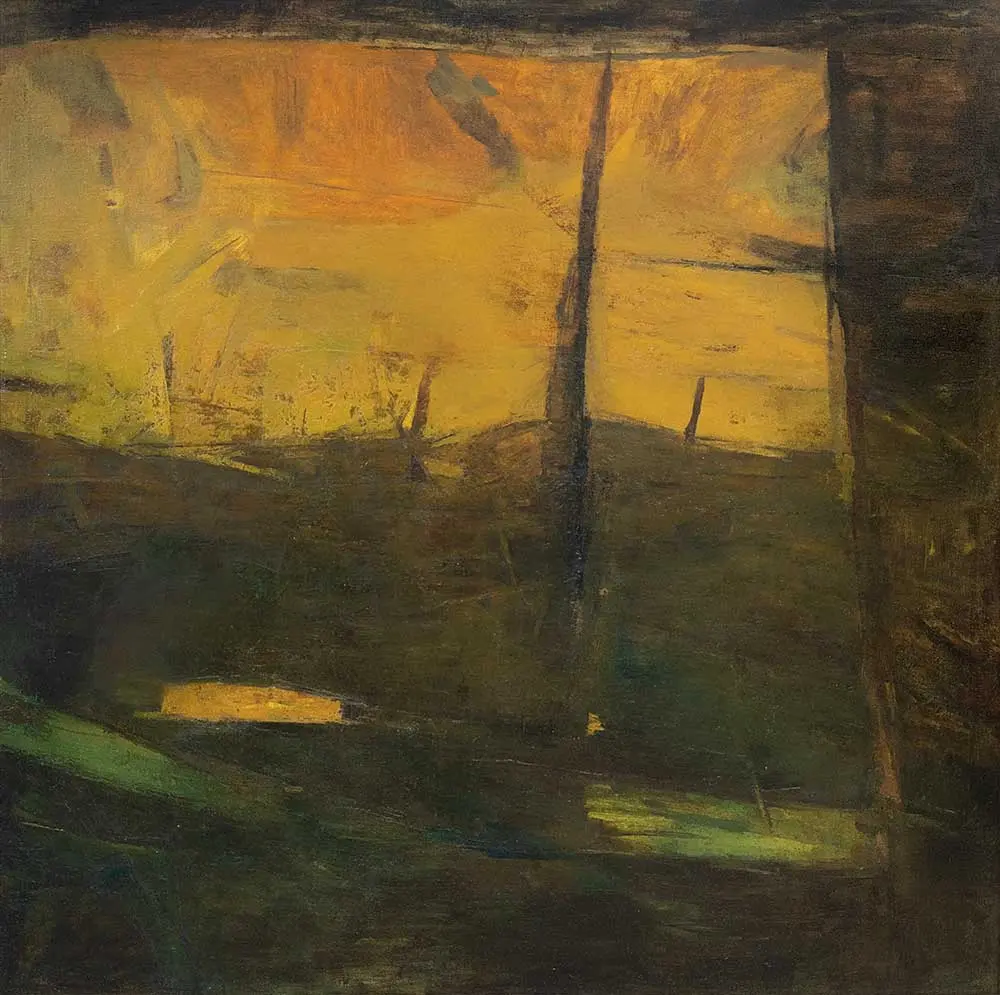
Akbar Padamsee | Untitled (Metascape) | Oil on canvas | 1981 | Sold for £850,349

AstaGuru’s ‘Iconic Masters’ auction, held on August 11-12, 2026, brought together works by some of the most influential names in Indian Modern art. The sale realised a total of ₹117.87 crore, with established masters commanding the strongest results and demonstrating the continued appetite for significant works from the Modern Indian canon.

At the top of the sale was Akbar Padamsee’s Untitled (Metascape), which sold for £850,349 through AstaGuru UK. The work led a selection that brought together artists whose practices have played a defining role in shaping Indian Modernism, from abstraction and landscape to figurative and expressionist traditions.

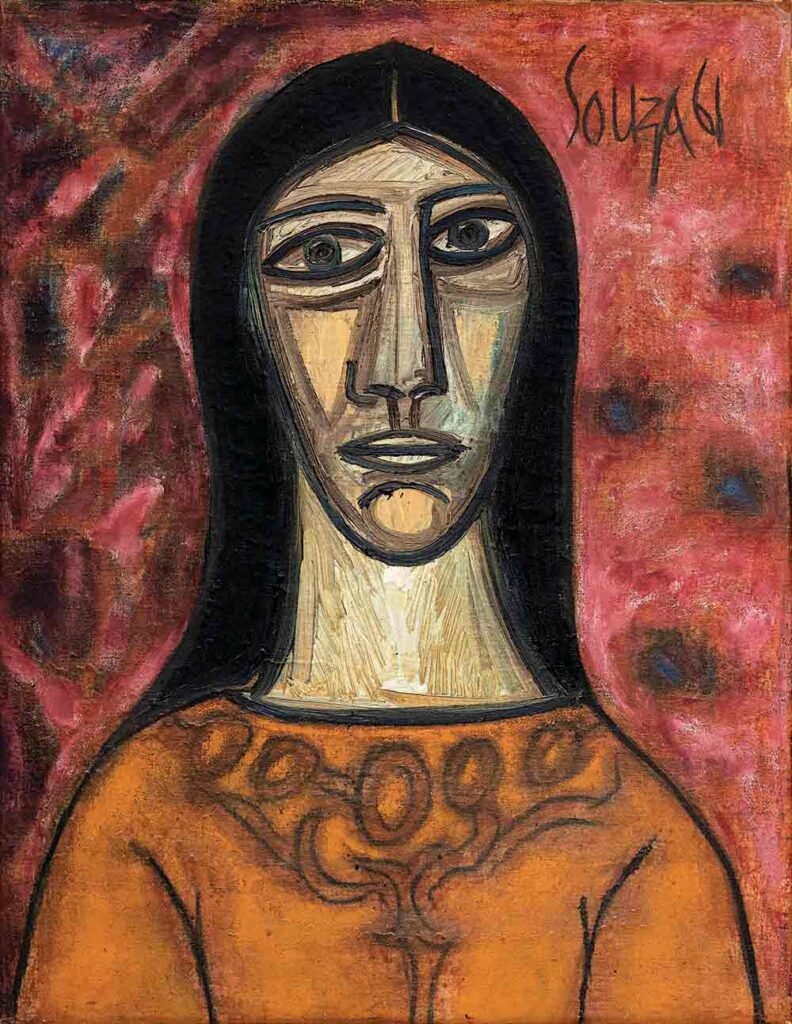
F.N. Souza | Head Of A Women | Oil on canvas | 1961 | Sold for ₹9,98,25,000

F.N. Souza also made a strong showing, with Head Of A Women selling for ₹9,98,25,000. The result places Souza among the highest-valued works of the auction, reflecting the sustained interest in one of the most recognisable figures of the Indian Modernist movement.

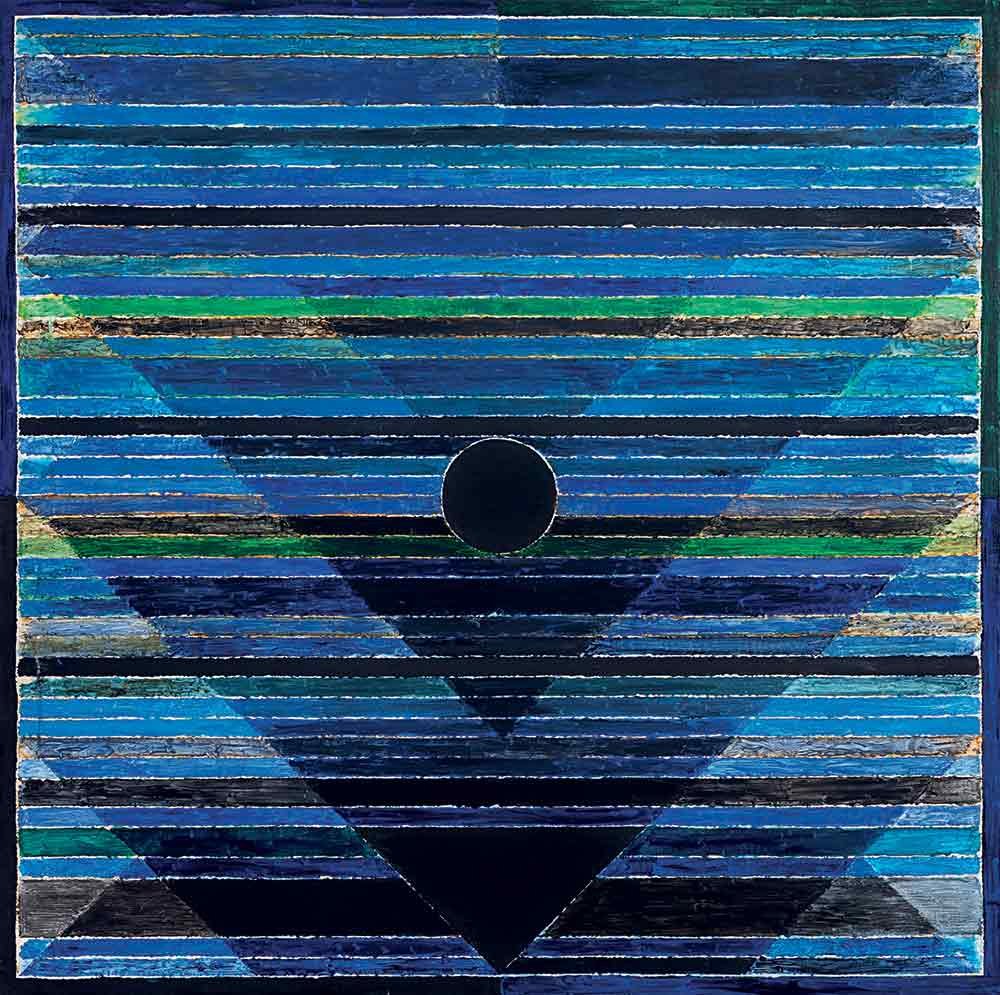
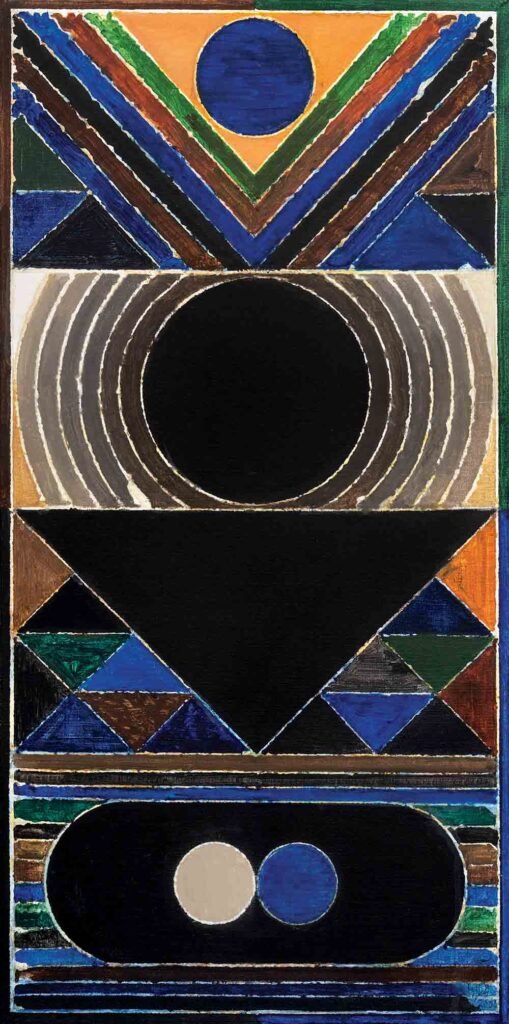
S.H. Raza | Jala Bindu | Acrylic on canvas | 1990 | Sold for £773,045

Close behind was S.H. Raza’s Jala Bindu, which realised £773,045, reinforcing the enduring demand for the artist’s works.

M.F. Husain | Untitled | Oil on canvas | 1970 | Sold for ₹7,08,62,440

M.F. Husain’s Untitled followed at ₹7,08,62,440. The artist appeared twice among the leading lots, with another Untitled work sold through AstaGuru UK for £351,384.

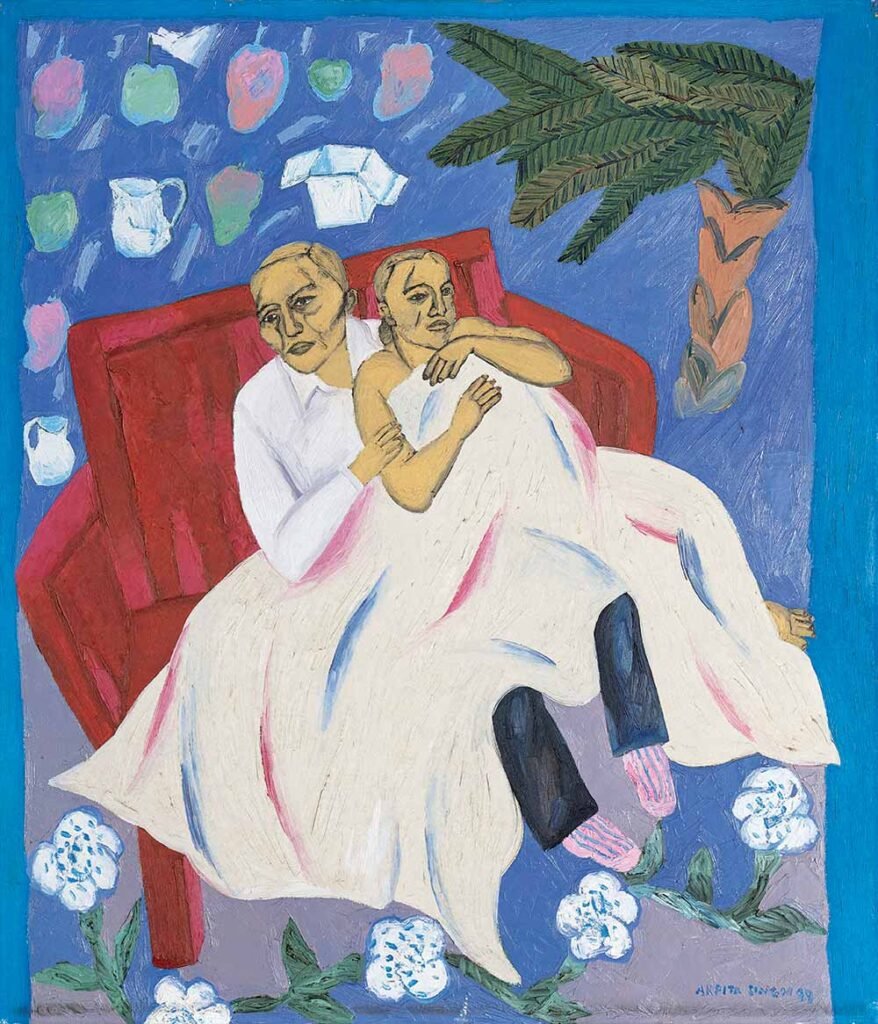
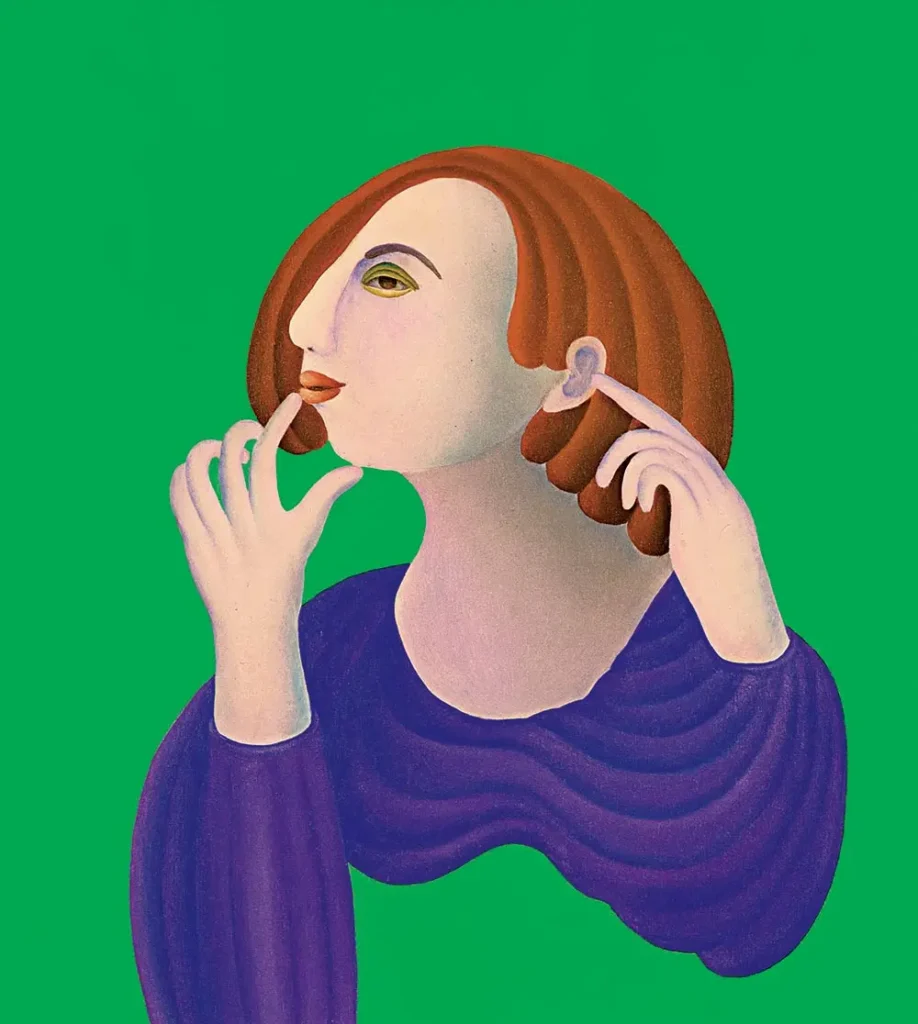
Arpita Singh | Untitled | Oil on canvas | 1999 | Sold for ₹5,89,92,981

The sale also highlighted the continued strength of artists beyond the most established Modernist names. Arpita Singh’s Untitled achieved ₹5,89,92,981, adding a significant result for a later generation of Indian artists to an auction otherwise led by major Modernist figures.

S.H. Raza | Origin | Acrylic on canvas | 2000 | Sold for ₹4,71,58,954

Another important result came from S.H. Raza’s Origin, which sold for ₹4,71,58,954. The work further demonstrated the sustained demand for Raza’s oeuvre at auction.

Ram Kumar | Untitled | Oil on canvas | 1970 | Sold for ₹4,71,58,954

Ram Kumar’s Untitled also realised ₹4,71,58,954,  adding to the auction’s strong showing for artists associated with the evolution of abstraction and modernist visual language in India.

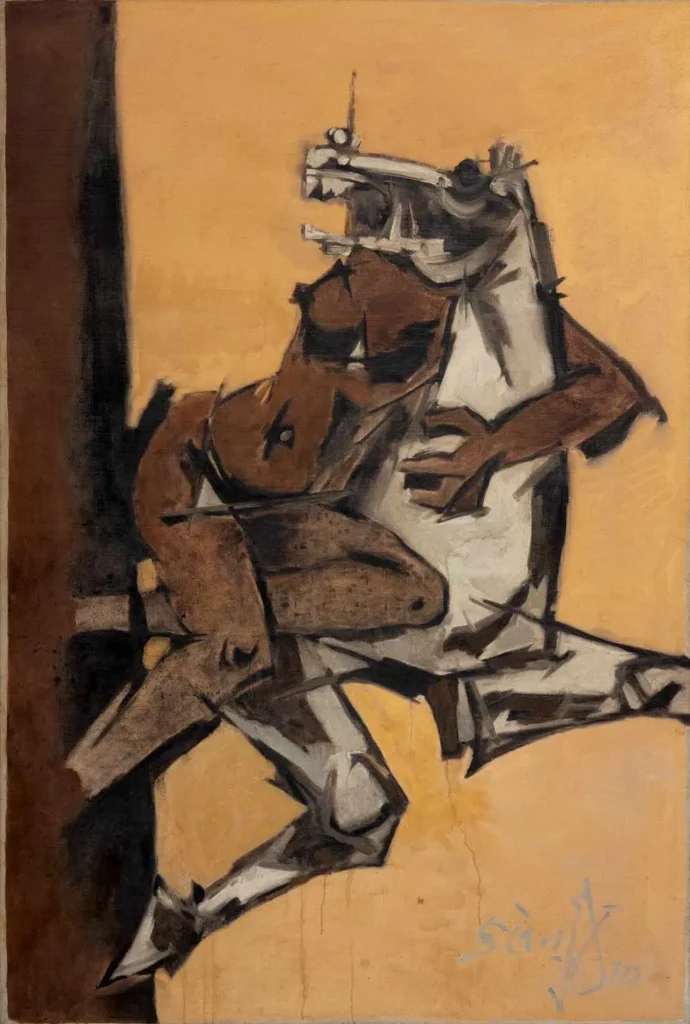
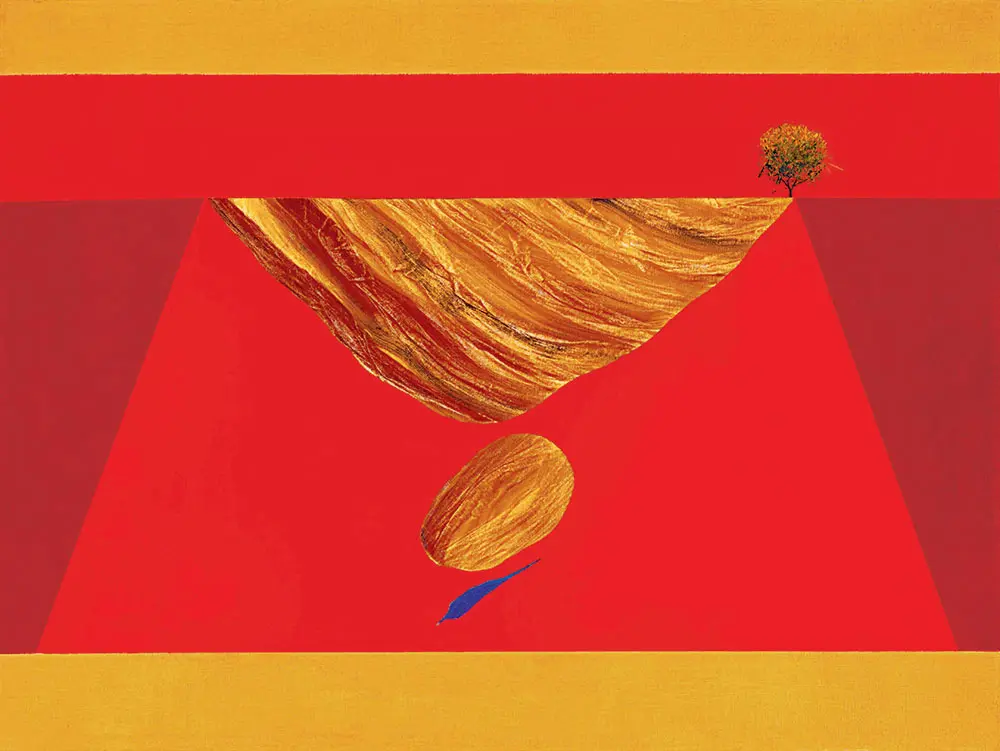
Manjit Bawa | Untitled | Oil on canvas | 1997 | Sold for £377,272

Manjit Bawa’s Untitled sold for £377,272, while J. Swaminathan’s Untitled (Bird, Tree And Mountain Series) achieved £354,312 through AstaGuru UK. Both results underline the continued collector interest in artists who developed distinctive visual vocabularies within Indian Modernism.

J. Swaminathan | Untitled (Bird, Tree And Mountain Series) | Oil on canvas | 1986 | Sold for £354,312

Rounding out the leading results was a second work by M.F. Husain, with Untitled selling for £351,384. Together, the ten leading lots reflected the breadth of the auction, spanning established masters, different generations and varied approaches to modern Indian art.

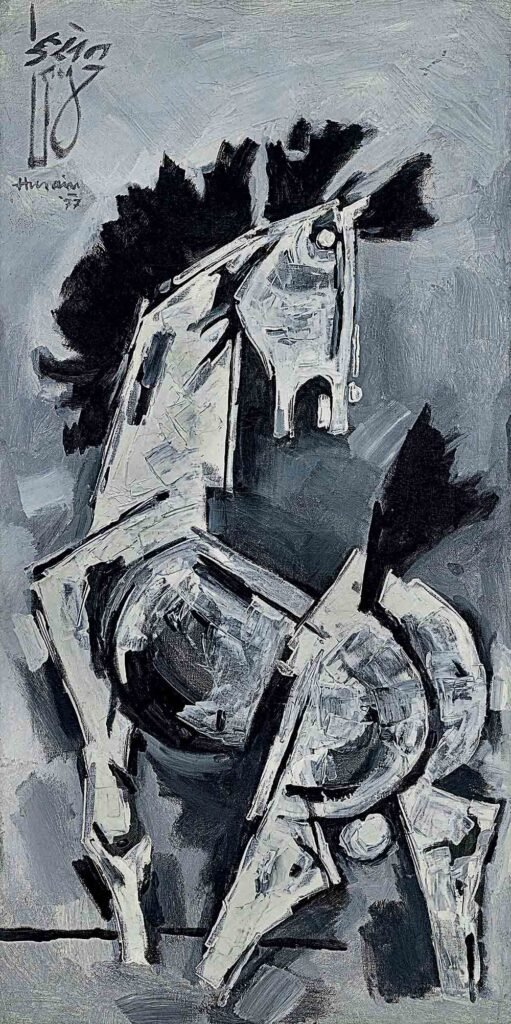
M.F. Husain | Untitled | Acrylic on canvas | 1977 | Sold for £351,384

Taken together, the results of Iconic Masters point to the continued strength of the Indian Modern art market. With 50 lots sold and a total sale value of ₹117.87 crore, the auction demonstrated how works by historically significant artists continue to attract substantial collector attention, while the presence of names such as Arpita Singh and Manjit Bawa shows the market’s broader appetite for important works across generations.

Read More

India's art market has grown nearly 200-fold in 25 years, fuelled by record-breaking auctions and rising collector confidence

From Mughal jewels to ancient sculptures, 'Animalia' explores humanity's enduring fascination with the animal kingdom through rare works from The Al Thani Collection​

While India's iconic Progressives continue to dominate the market, a new wave of artists is rewriting auction records

Art historian, curator, and director of The Al Thani Collection, Dr. Amin Jaffer believes great collections are built on stories that connect cultures across time

The auction brought together leading names in Modern Indian art, with several works achieving standout prices

Ornamentation in Indian art tells stories of power, identity and cultural memory

The Collectors’ Cove 2026: A Landmark Celebration of Luxury Collecting

The Collectors' Cove 2026: A Landmark Celebration of Luxury Collecting

The inaugural edition of The Collectors' Cove brought together exceptional art, jewellery, haute horology and collectible design

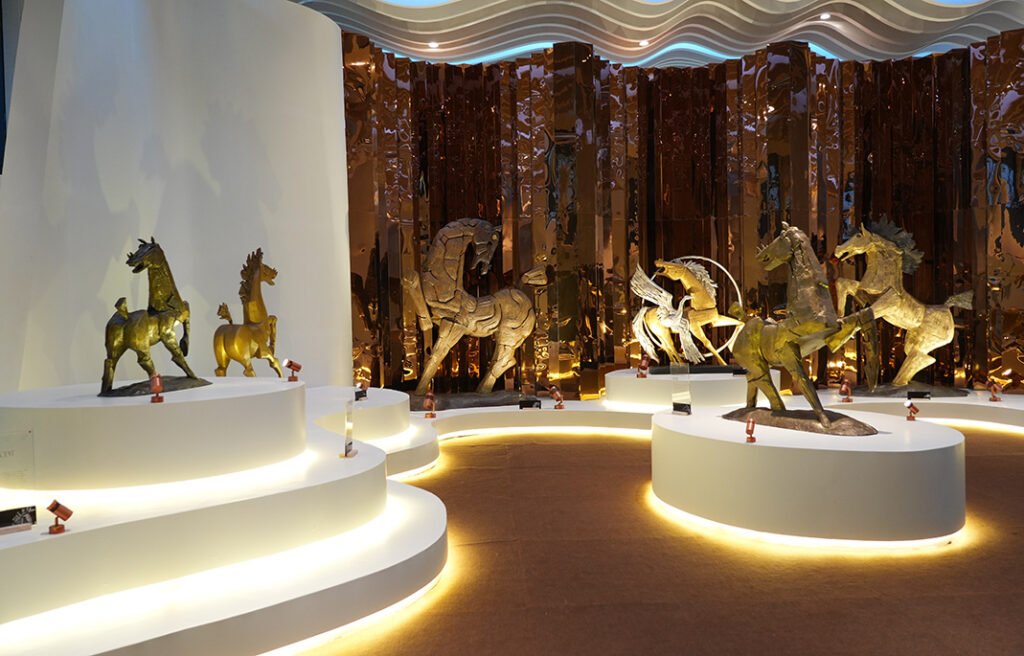
The Husain Experience, showcased by AstaGuru

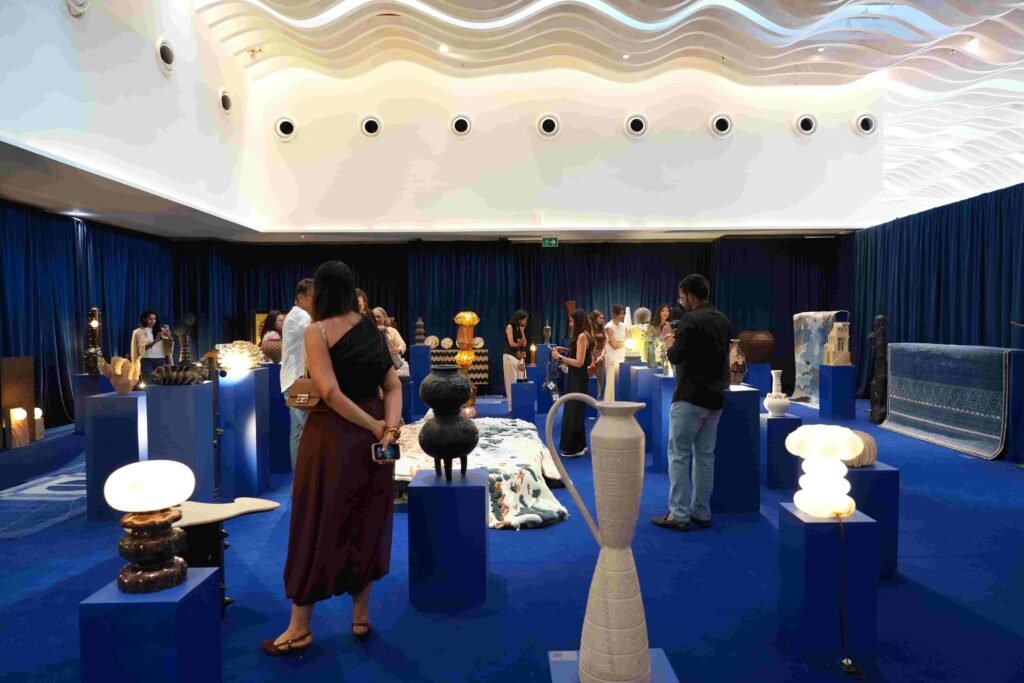
The inaugural edition of The Collectors’ Cove 2026 marked a defining moment for India’s luxury collecting ecosystem. Presented by Giftex.in, in association with HSBC, the invitation-only event brought together collectors, patrons, and connoisseurs for a curated celebration of exceptional craftsmanship, rare objects and cultural heritage. More than an exhibition, it offered an immersive experience that reflected the evolving tastes of India’s discerning luxury audience.

Held on August 1 and 2 at Mumbai’s Ballard Pier Downtown Experience Centre, the event transformed over 80,000 square feet of waterfront space into an experiential destination inspired by the journey of collecting. The venue encouraged visitors to discover art, design and luxury through thoughtfully curated spaces that blended architecture, storytelling and emotion.

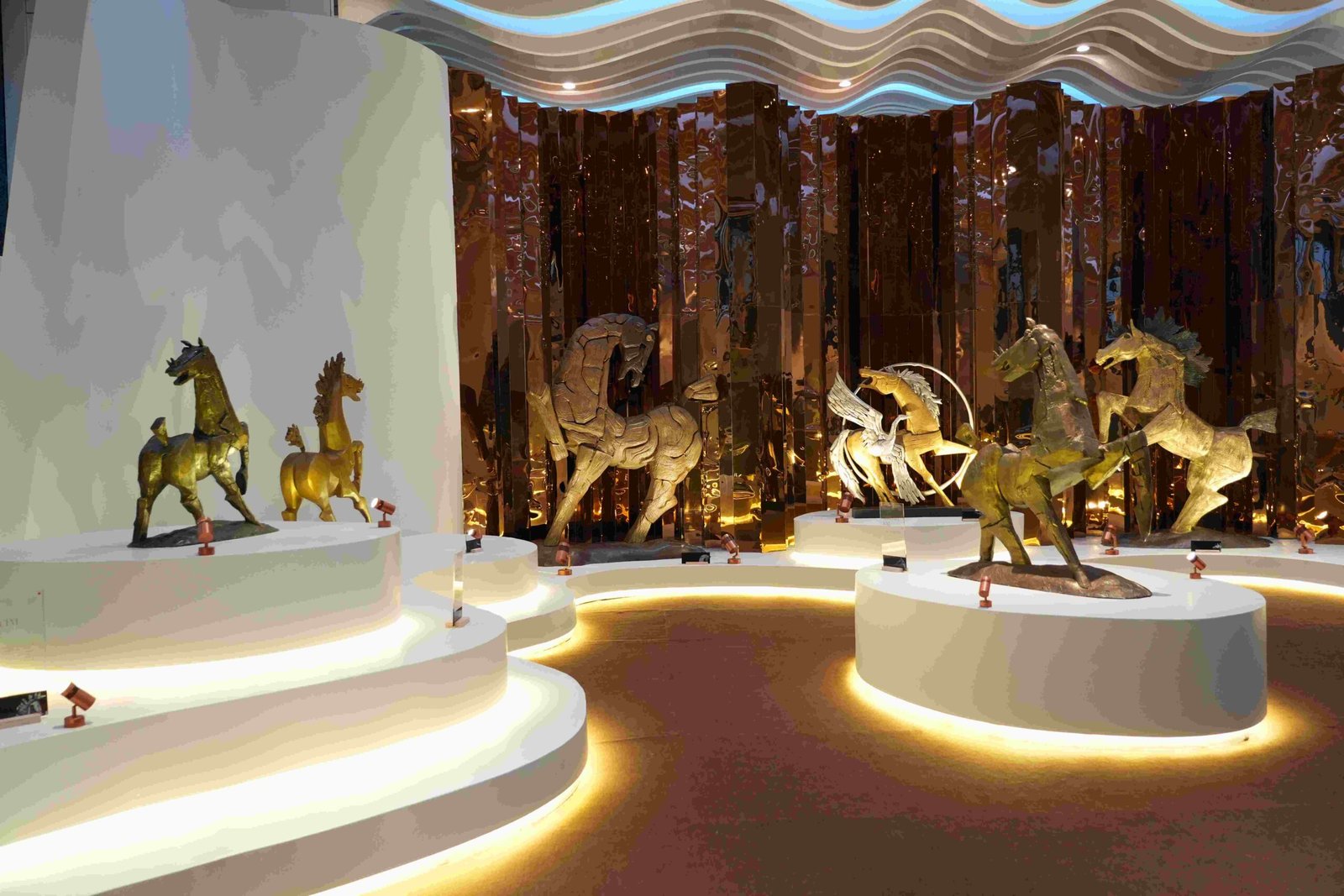
Among the defining highlights was an immersive tribute to M.F. Husain. The multi-sensory installation reimagined the legendary artist’s iconic horse paintings through animated canvases and collectible design pieces, offering visitors a fresh perspective on one of India’s greatest creative visionaries.

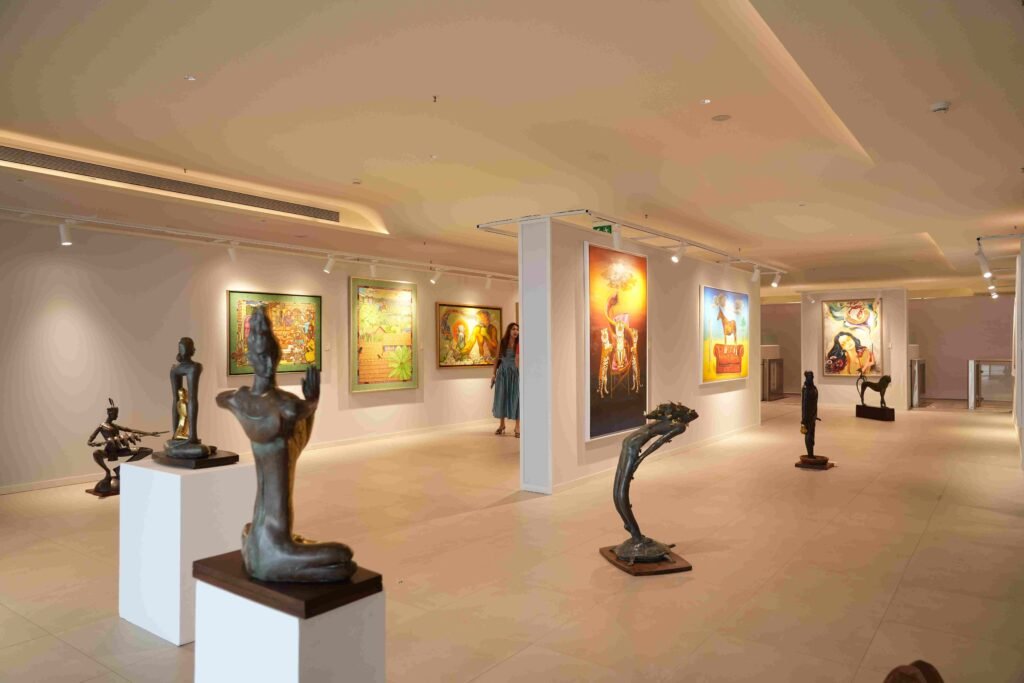
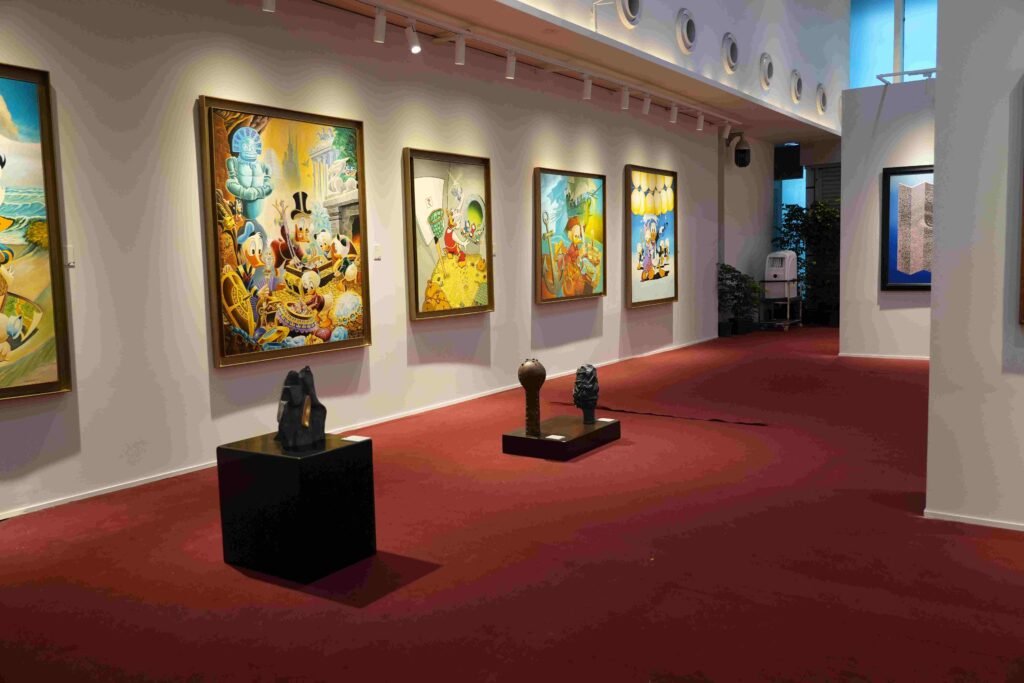
Contemporary art at Giftex.in
A focus on decor and interiors

The Collectors’ Cove also brought together an exceptional curation spanning fine art, high jewellery, independent Swiss watchmaking, collectible design and luxury interiors. International maisons, celebrated Indian jewellers and independent watchmakers showcased museum-worthy creations that underscored the importance of rarity, provenance and craftsmanship in today’s luxury landscape.

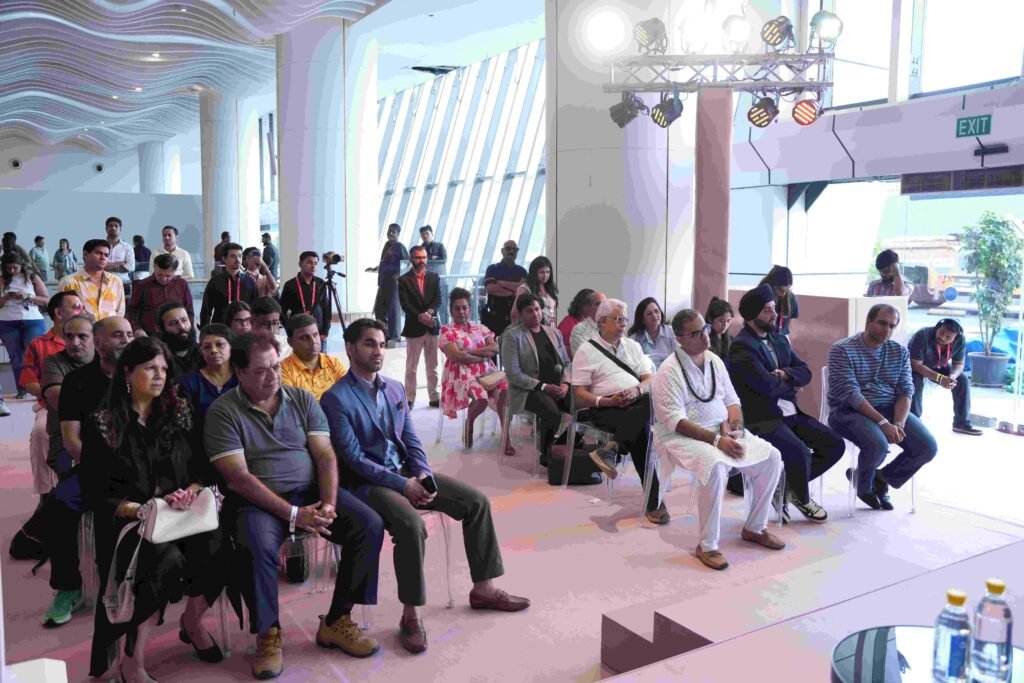
Beyond the remarkable objects on display, the event created opportunities for meaningful engagement through private walkthroughs, collector-led tours, expert advisory sessions, panel discussions, workshops, and curated culinary experiences. These interactions transformed the event into a meeting ground for collectors, designers, entrepreneurs and cultural patrons united by a shared appreciation for exceptional craftsmanship.

The success of The Collectors’ Cove reflected the growing sophistication of India’s luxury collecting landscape. By bringing together art, jewellery, horology and design within a thoughtfully curated cultural platform, it demonstrated that collecting today is as much about experience, community and storytelling as it is about acquiring extraordinary objects.

Modern & Contemporary Art at the Giftex.in gallery
A panel on luxury in progress

Read More

India's art market has grown nearly 200-fold in 25 years, fuelled by record-breaking auctions and rising collector confidence

From Mughal jewels to ancient sculptures, 'Animalia' explores humanity's enduring fascination with the animal kingdom through rare works from The Al Thani Collection​

While India's iconic Progressives continue to dominate the market, a new wave of artists is rewriting auction records

Art historian, curator, and director of The Al Thani Collection, Dr. Amin Jaffer believes great collections are built on stories that connect cultures across time

The auction brought together leading names in Modern Indian art, with several works achieving standout prices

Ornamentation in Indian art tells stories of power, identity and cultural memory

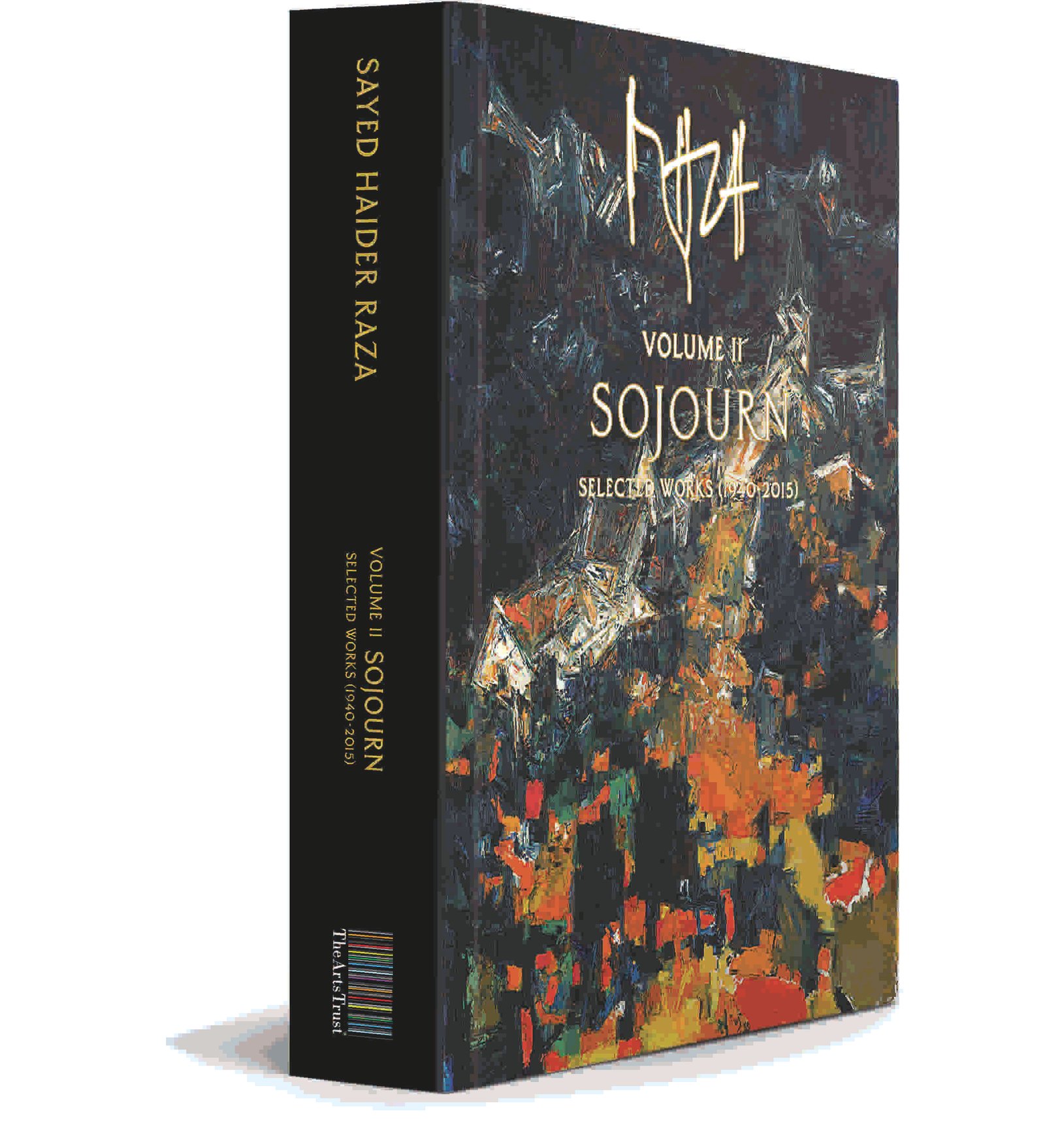
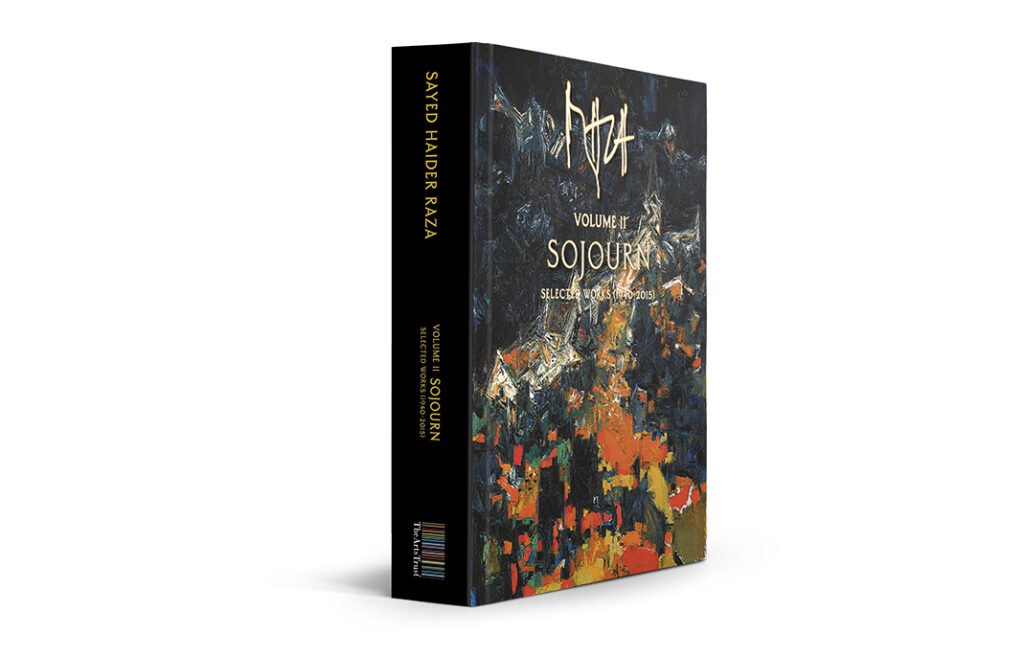
Sojourn: A Journey in Colour and Consciousness

Sojourn: A Journey in Colour and Consciousness

Sojourn: Selected Works (1940–2015) Volume II traces the extraordinary artistic evolution of Modern Master S.H. Raza

Sayed Haider Raza never painted landscapes alone, he painted memory, emotion and philosophy. From the forests of Madhya Pradesh to the artistic circles of Paris, every phase of his life found expression on canvas, evolving from lyrical landscapes into the powerful geometric abstractions that redefined Indian Modernism.

His iconic Bindu became far more than a simple dot. It emerged as a symbol of creation, energy and the universe itself, inspired by Indian philosophy and years of introspection. Alongside celebrated works such as Jaipur, Tree and his abstract compositions, volume two of Sojourn: Selected Works (1940–2015) also revisits his early figurative watercolours, expressive townscapes, and the pivotal years that shaped his visual language—from his role as a founding member of the Progressive Artists’ Group to his transformative years in France.

Sojourn: Selected Works (1940–2015) Volume II presents a richly documented journey through Raza’s creative life. Featuring rare archival photographs, personal anecdotes and meticulously catalogued artworks, it offers an in-depth look at one of India’s most influential Modern artists and the ideas that shaped his enduring legacy.

It’s an exploration of an artist’s lifelong search for harmony, balance and spiritual truth—revealing how colour, geometry and memory came together to create one of the most recognisable visual languages in Indian art.

Published by The Arts Trust, in association with AstaGuru.

Read More

India's art market has grown nearly 200-fold in 25 years, fuelled by record-breaking auctions and rising collector confidence

From Mughal jewels to ancient sculptures, 'Animalia' explores humanity's enduring fascination with the animal kingdom through rare works from The Al Thani Collection​

While India's iconic Progressives continue to dominate the market, a new wave of artists is rewriting auction records

Art historian, curator, and director of The Al Thani Collection, Dr. Amin Jaffer believes great collections are built on stories that connect cultures across time

The auction brought together leading names in Modern Indian art, with several works achieving standout prices

Ornamentation in Indian art tells stories of power, identity and cultural memory

From Heirloom to High Fashion: Why Brooches are Back in Style

From Heirloom to High Fashion: Why Brooches are Back in Style

Once created as practical fasteners, brooches have evolved into collectible works of art, blending heritage, craftsmanship and timeless elegance

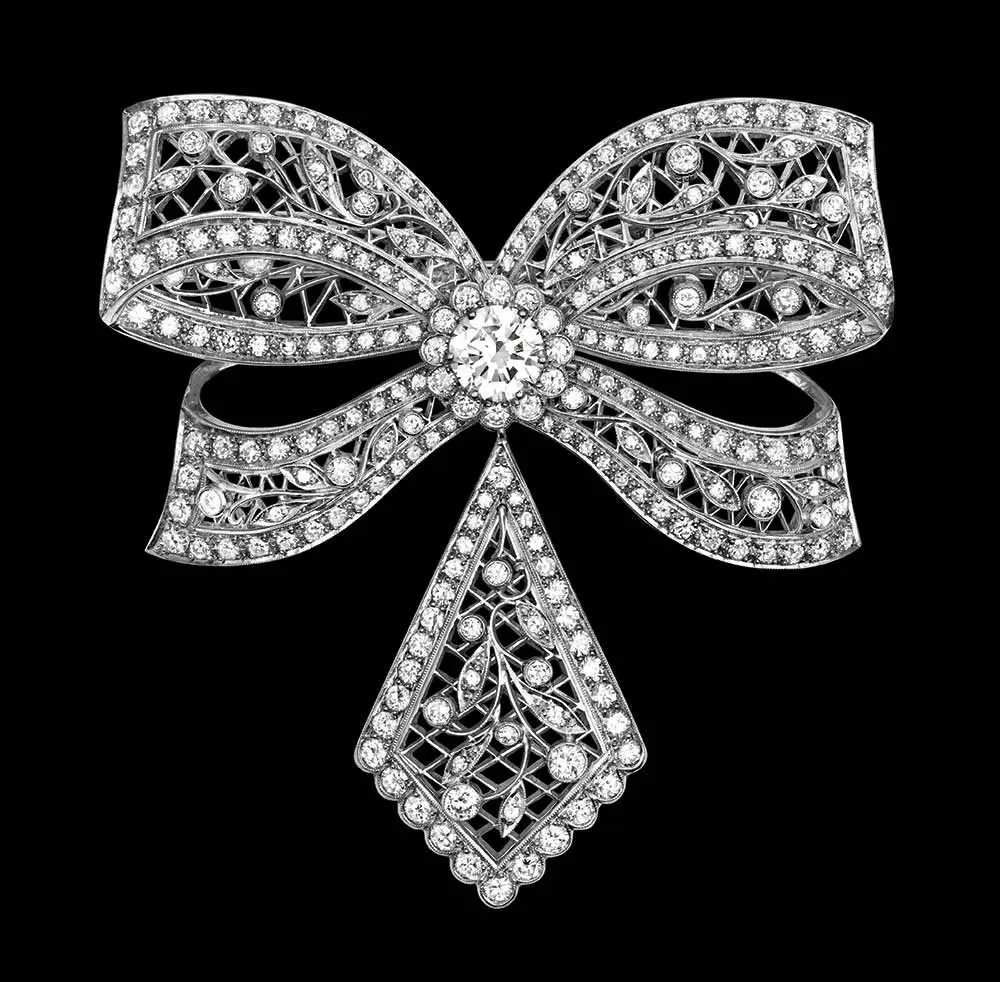
An Exquisite Diamond Bow Brooch | Sold in 2026 by AstaGuru for ₹14,60,470

From Bronze Age fasteners to coveted auction treasures, brooches are reclaiming their place as wearable works of art that blend history, craftsmanship and timeless elegance.

Long before they became symbols of luxury, brooches served a practical purpose. Dating back to the Bronze Age, they were used to fasten cloaks and garments. Over centuries, however, they evolved into exquisite expressions of artistry, reflecting the design movements, craftsmanship and cultural influences of their time. Today, these versatile jewels are enjoying a remarkable revival, worn not only on lapels but also on dresses, hats, turbans and even as striking hair accessories.

The renewed interest has extended to the auction market, where collectors are seeking exceptional brooches that combine rarity with historical significance. Auction houses such as AstaGuru and Giftex.in have witnessed growing demand for vintage and contemporary brooches, making these intricate creations increasingly desirable as both statement accessories and heirloom investments.

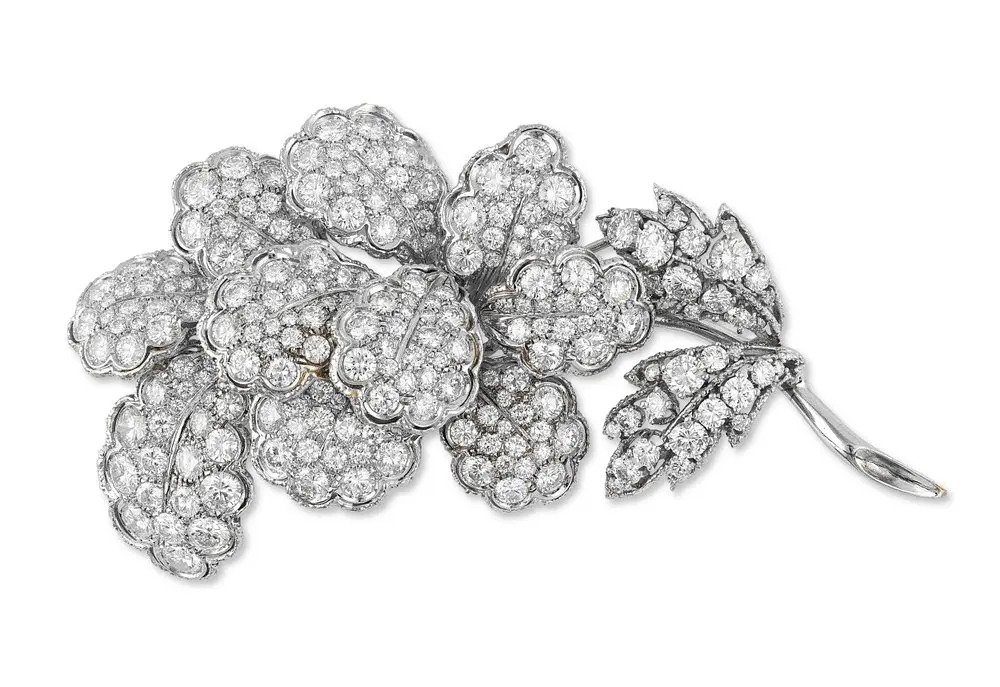
An Exceptional Diamond Bouquet Brooch | Sold in 2025 by AstaGuru for ₹38,72,000
A Diamond & Sapphire Brooch | Sold in 2025 by Giftex.in for ₹12,26,053
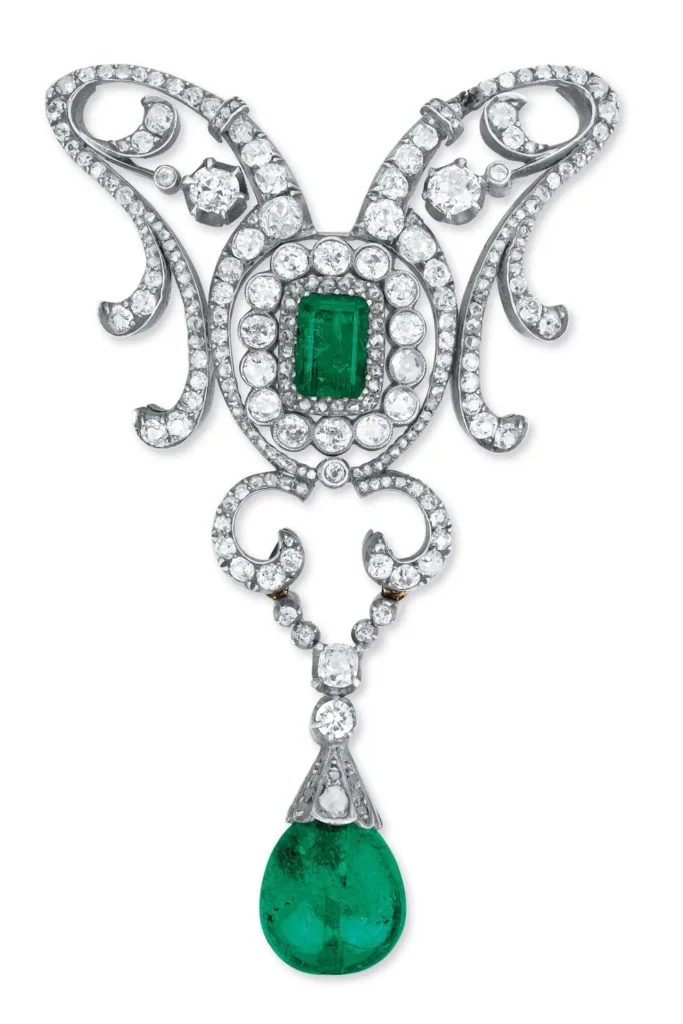
A Vintage Emerald & Diamond Brooch | Sold in 2024 by AstaGuru for ₹18,69,120

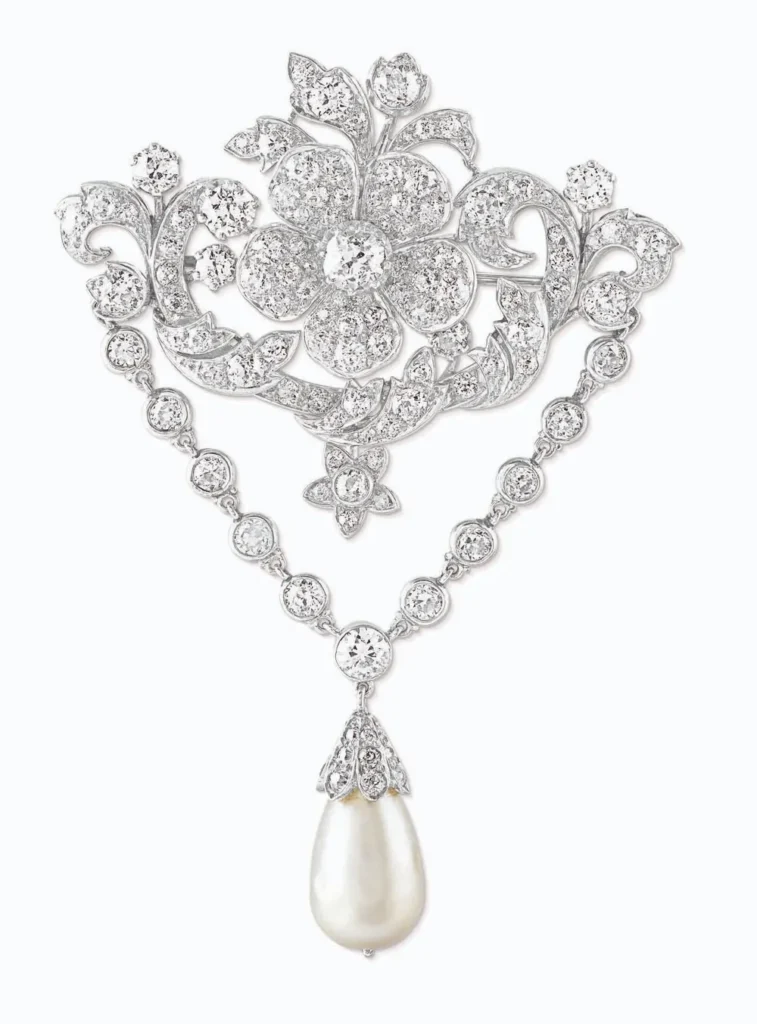
Among the standout examples is an Exceptional Bouquet Brooch, crafted with 242 VVS natural diamonds, which achieved ₹38.72 lakh at AstaGuru in 2025. Equally impressive is a Vintage Natural Pearl Brooch from the 1940s, featuring old European-cut diamonds and a natural pearl drop, which realised ₹32.70 lakh.

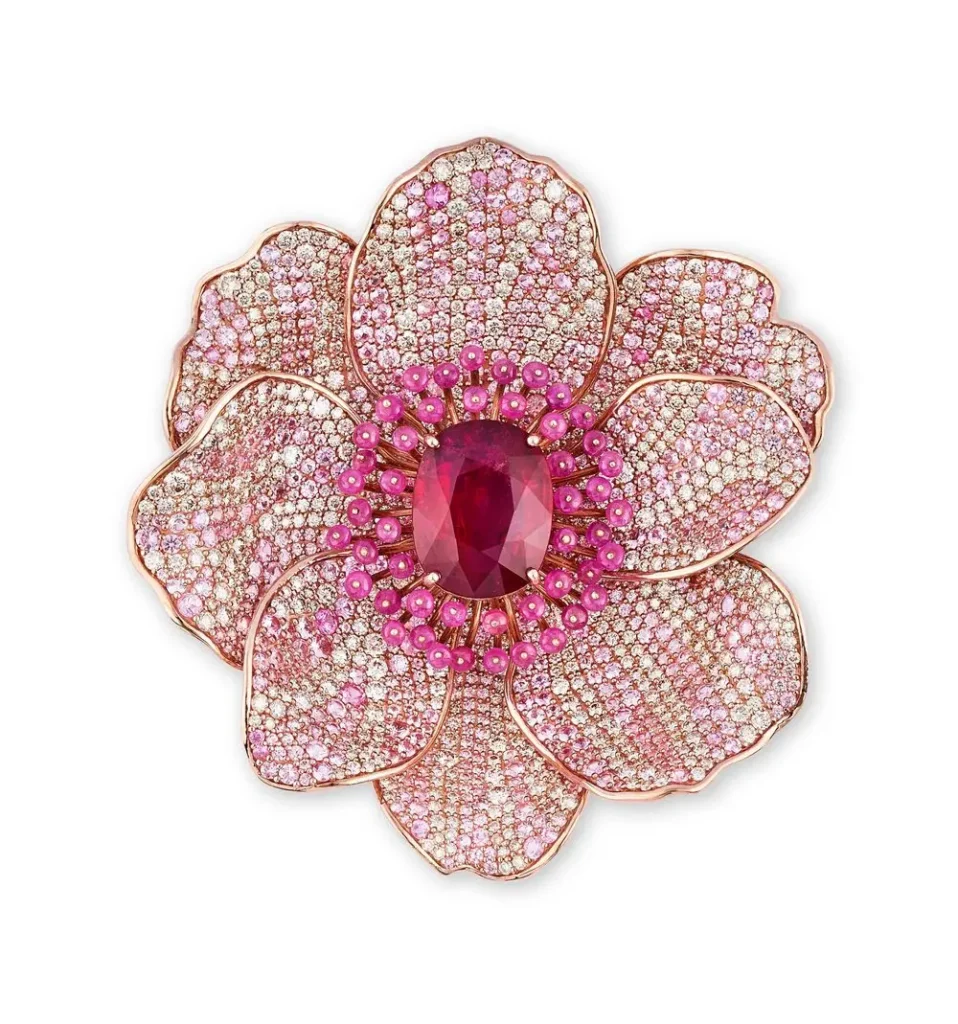
Nature-inspired designs continue to captivate collectors as well. A 1930s Emerald Drop Butterfly Brooch, set with Colombian emeralds and more than 200 old-cut diamonds, sold for ₹18.69 lakh, while a floral rose-gold brooch adorned with pink sapphires and rubellite tourmaline showcased the enduring appeal of colourful gemstone jewellery.

A Rubellite Tourmaline, Pink Sapphire & Diamond Flower Brooch | Sold by AstaGuru in 2025 for ₹11,85,800
A Vintage Diamond & Natural Pearl Brooch | Sold in 2024 by AstaGuru for ₹32,70,960
A Diamond & Sapphire Brooch | Sold by Giftex.in in 2025 for ₹12,66,012

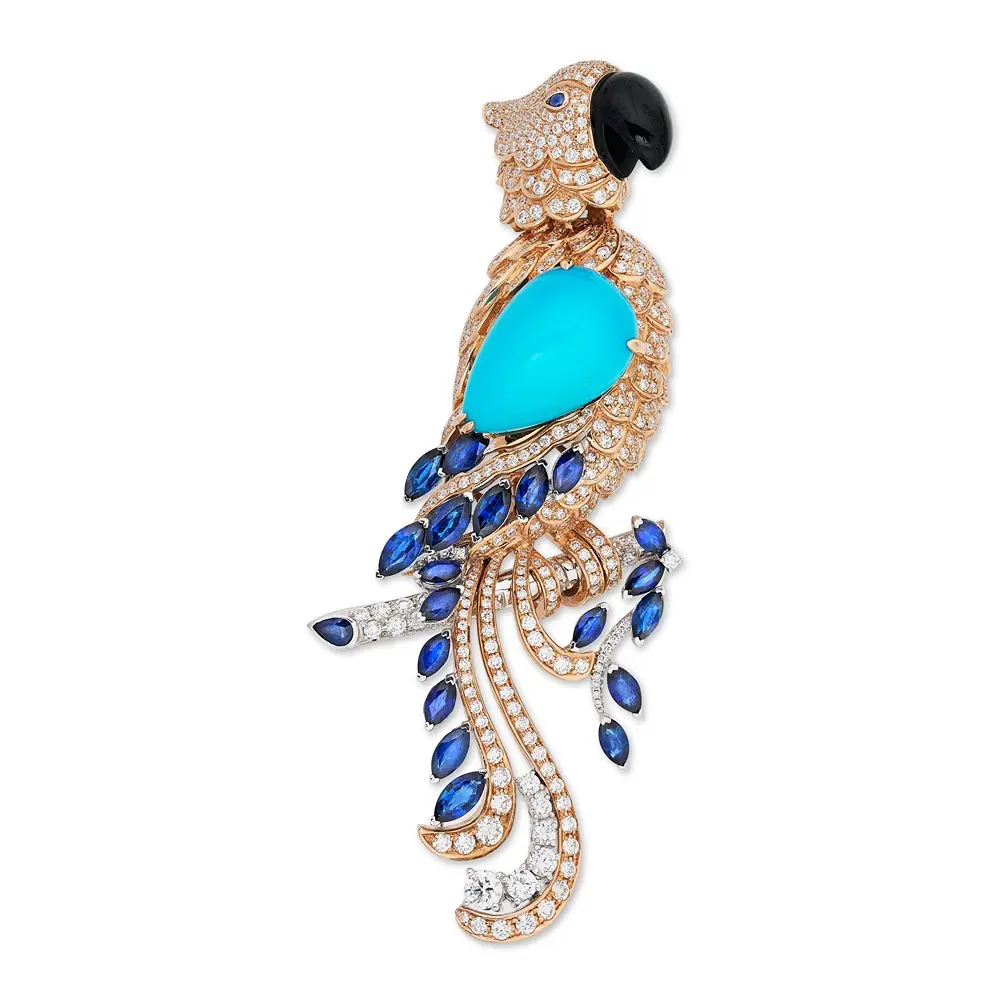
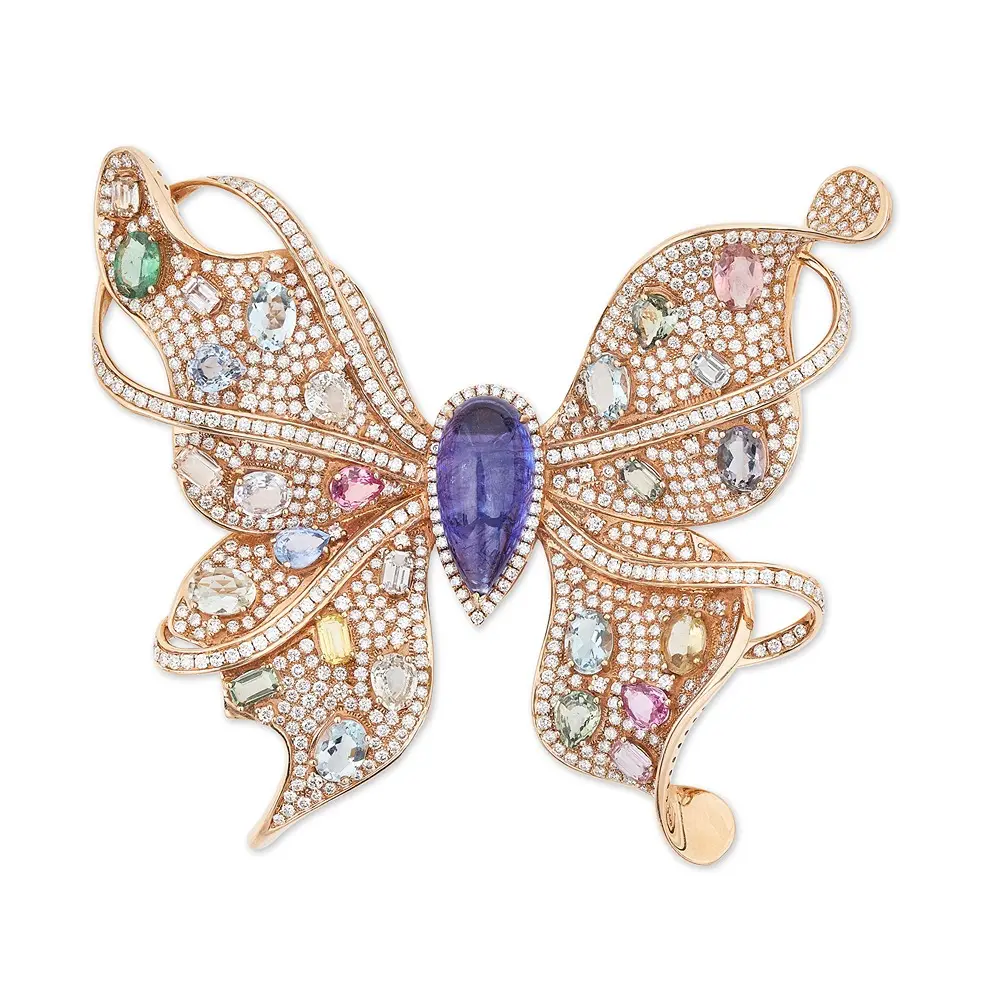
Modern interpretations are equally sought after. A playful Diamond & Sapphire Brooch accented with a turquoise cabochon and an Exquisite Butterfly Brooch featuring a tanzanite cabochon and multi-coloured sapphires demonstrate how contemporary craftsmanship continues to reinvent this centuries-old jewel.

Whether antique or modern, understated or extravagant, brooches have become much more than decorative accessories. They embody history, artistry and individuality—qualities that ensure these timeless jewels remain prized by collectors and cherished across generations.

Read More

India's art market has grown nearly 200-fold in 25 years, fuelled by record-breaking auctions and rising collector confidence

From Mughal jewels to ancient sculptures, 'Animalia' explores humanity's enduring fascination with the animal kingdom through rare works from The Al Thani Collection​

While India's iconic Progressives continue to dominate the market, a new wave of artists is rewriting auction records

Art historian, curator, and director of The Al Thani Collection, Dr. Amin Jaffer believes great collections are built on stories that connect cultures across time

The auction brought together leading names in Modern Indian art, with several works achieving standout prices

Ornamentation in Indian art tells stories of power, identity and cultural memory