Colour and case size no longer decide whether a watch is made for men or women. Watchmakers are now creating pieces that focus on personal style, design and craftsmanship. Women are also moving beyond traditional ladies’ watches and building collections of their own.
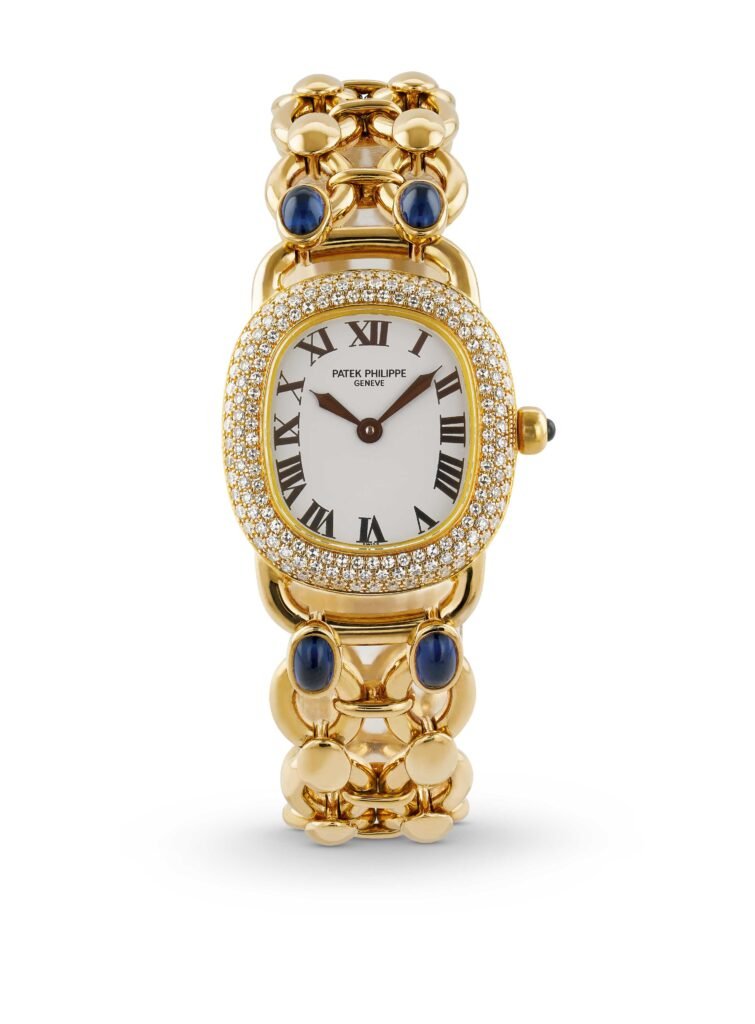
In 1868, Countess Koscowicz, a Hungarian noblewoman, commissioned Patek Philippe to create a watch that could be worn on the wrist instead of carried. Historians consider it the first true wristwatch. By 1916, Patek Philippe had also made its first complicated ladies’ wristwatch, a five-minute repeater in a very small case.
Wristwatches were largely considered women’s accessories until World War I, when soldiers began wearing them because they were easier to use than pocket watches. Around 1912, Jacqueline Hermès also had a pocket watch adapted with a small leather strap so she could wear it while riding.
The 1920s brought a new look to watches, with Art Deco designs introducing cleaner shapes and less decoration. This was also the period that gave us the Cartier Tank. One of its most famous owners was Jacqueline Kennedy, who wore hers for nearly three decades. When it went up for auction, it sold for $379,500 against an estimate of $120,000.
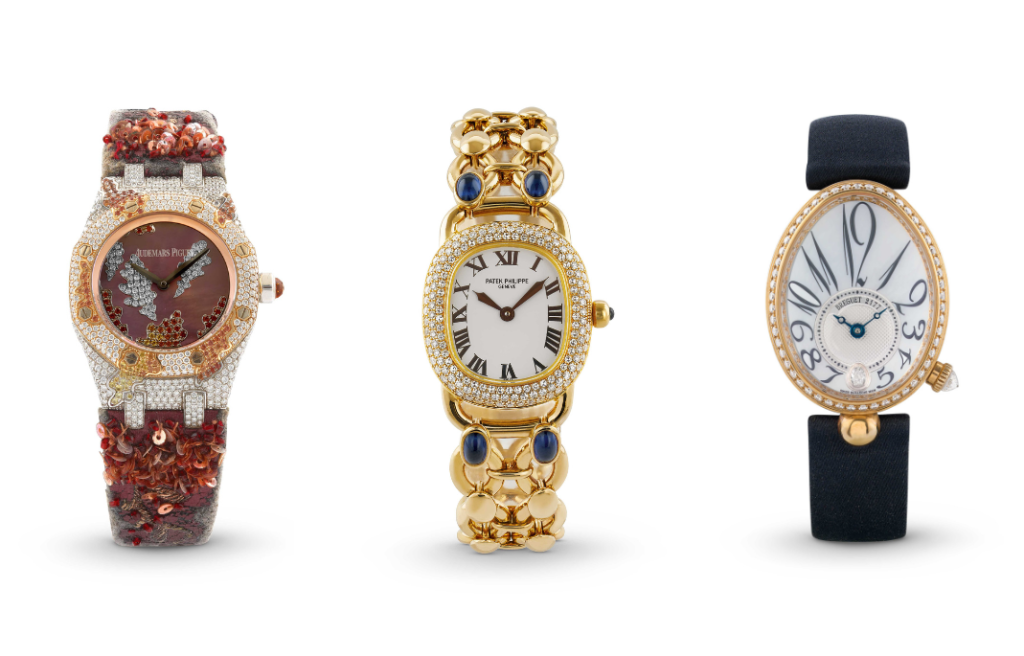
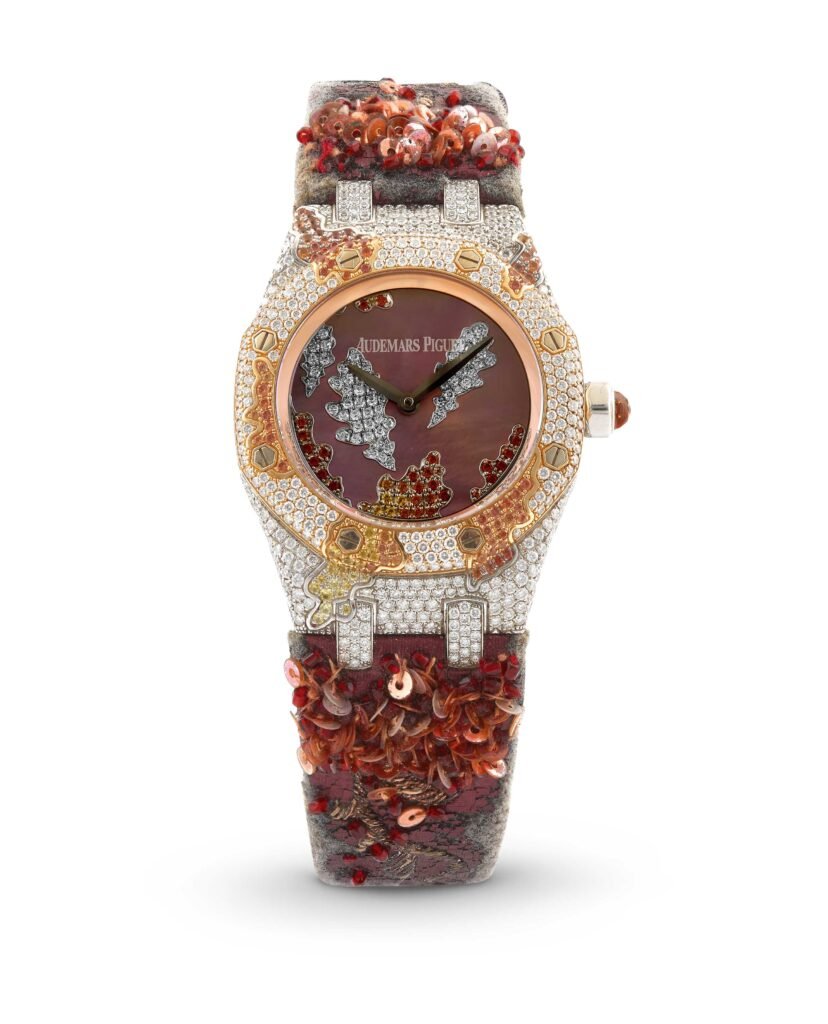
Other important examples include the Audemars Piguet Royal Oak, launched in 1972, and Bvlgari’s Serpenti, introduced in 1948. The latter became especially well known after Elizabeth Taylor wore a diamond Serpenti while filming Cleopatra in 1962.
Women are no longer just buying a single watch for an occasion. They are building collections. Deloitte’s 2025 Swiss Watch Industry Study found that female buyers account for 35 per cent of total luxury watch sales. A 2024 study by Watch Femme also found that women ranked design and value for money among their most important buying factors.
AstaGuru has seen this change in its auctions too. Its women’s watch category recorded a turnover of ₹1.68 crore in 2025, compared to ₹1.61 crore in 2022.
AstaGuru’s auction results since 2015 show that women’s watches are bought by men and women alike. Women account for 30 per cent of buyers, while 17.4 per cent of purchases are in the unisex category.
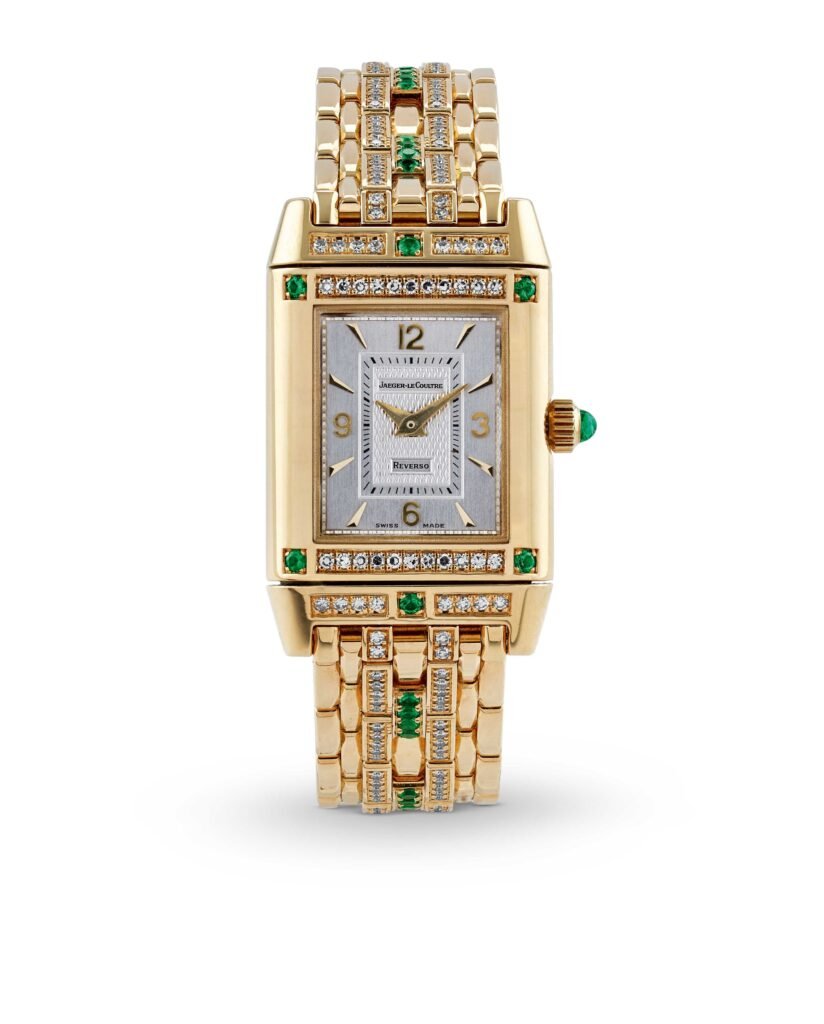
Some notable sales include an Audemars Piguet Royal Oak Oak Leaves, which sold for over ₹27 lakh in 2017, and a Jaeger-LeCoultre Reverso for ₹18.21 lakh in 2022. In 2023, a Bvlgari Serpenti sold for ₹17.8 lakh.
Today, watches are not simply bought as gifts or for special occasions. More women are choosing them for themselves, looking at their history, design and craftsmanship before deciding which pieces are worth adding to their collections.