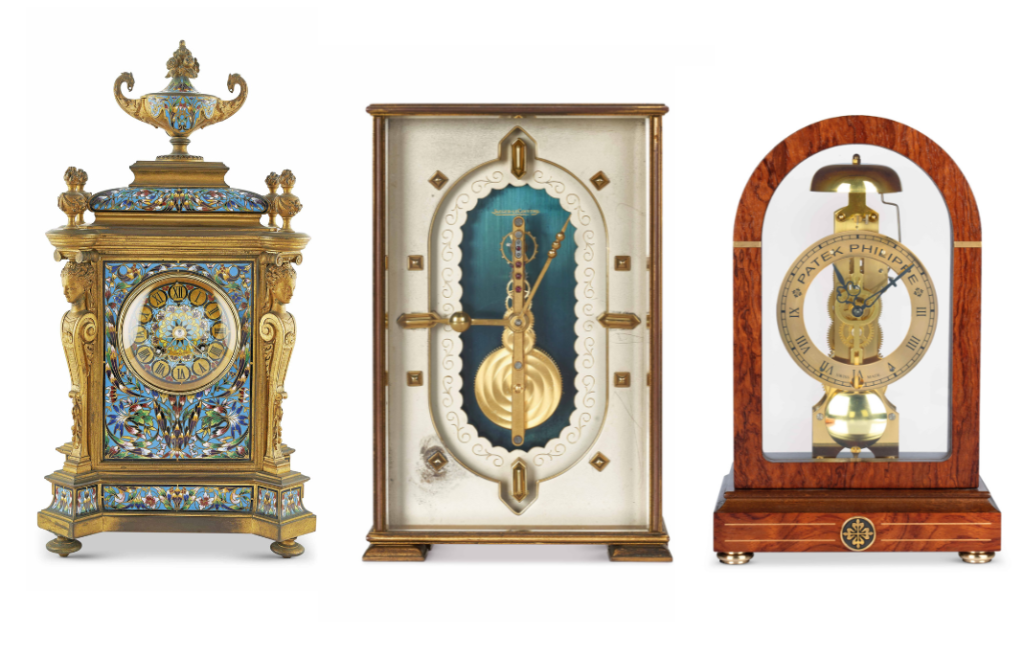
Once created to mark the hours, mantel and table clocks have evolved into decorative objects that reflect craftsmanship, design and collecting tastes. From gilt-bronze cases to contemporary geometric forms, their appeal lies as much in their appearance as in their mechanisms.
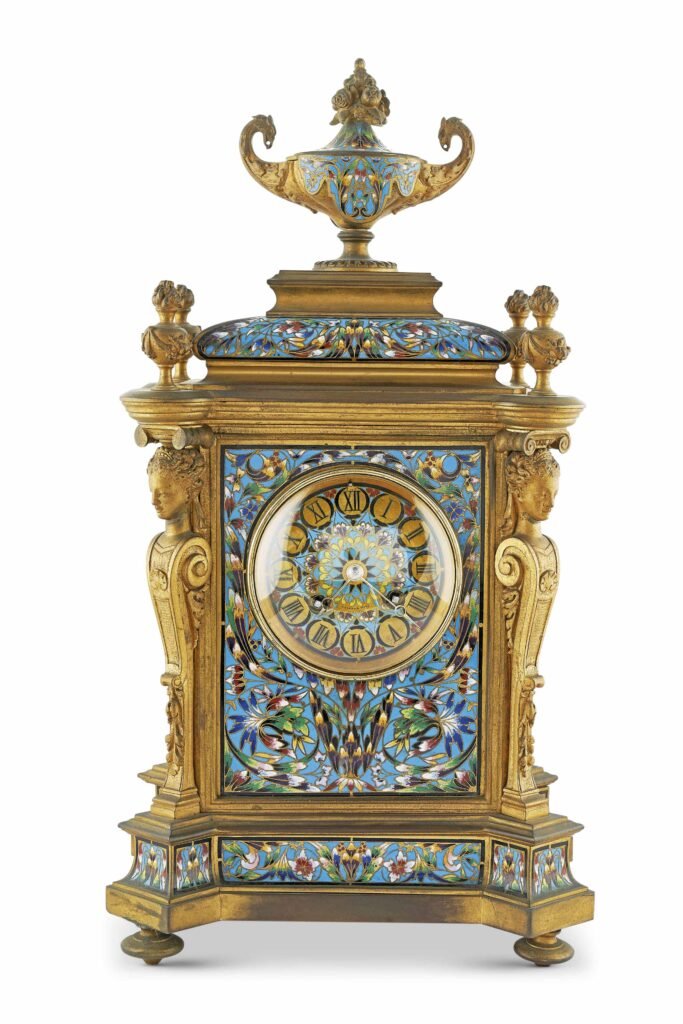
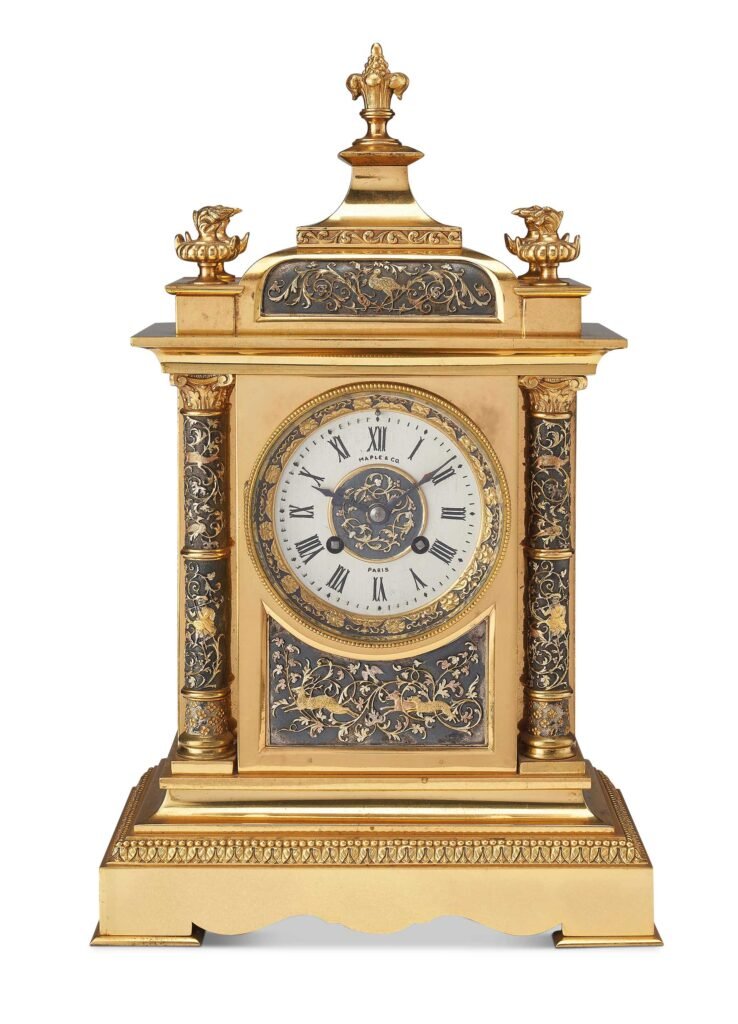
European clockmakers historically collaborated with cabinetmakers and bronziers to create elaborate clocks in bronze and porcelain. Art Nouveau introduced flowing, botanical forms, while Art Deco favoured geometry and striking material contrasts.
The Maisons Behind the Market
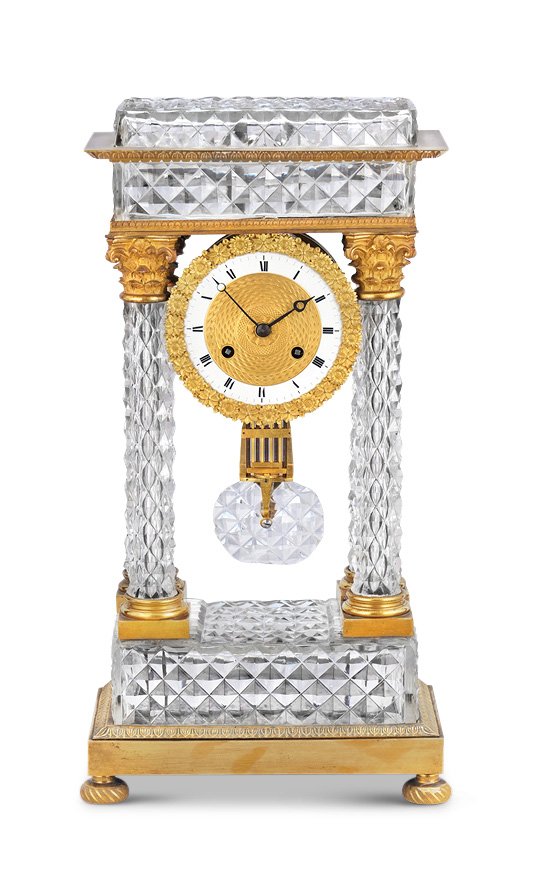
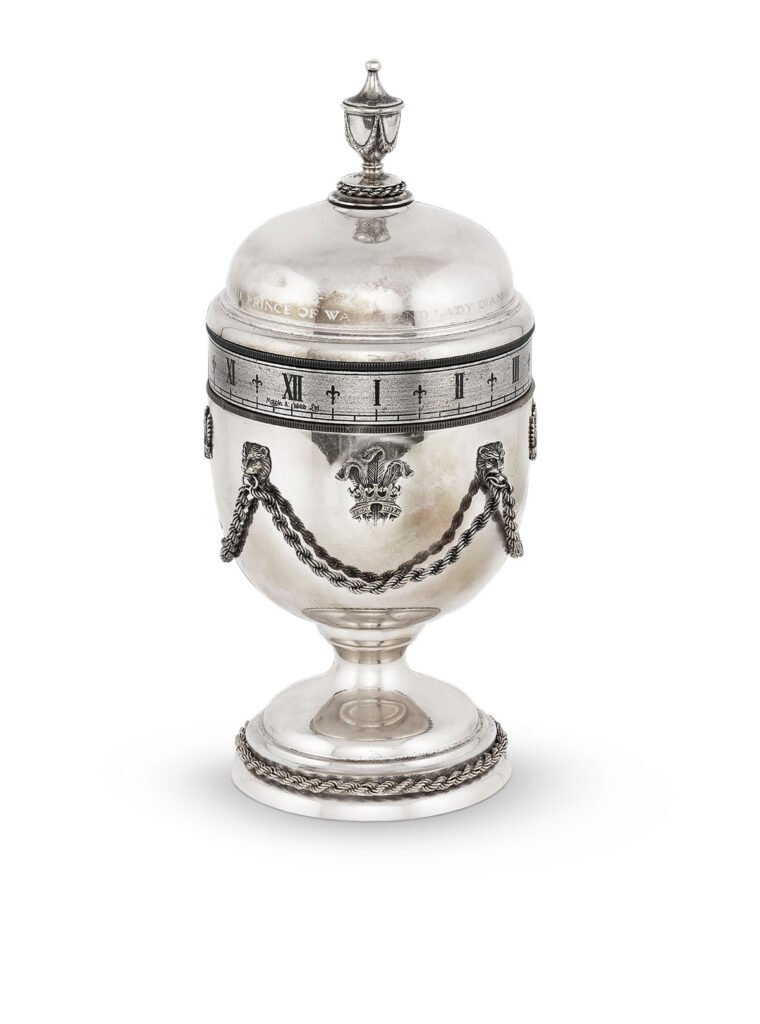
Luxury houses have brought their own traditions to clockmaking. Baccarat translated its expertise in crystal into decorative table clocks, while silversmith Mappin & Webb drew on sterling silver and ceremonial detailing. Tiffany & Co. explored bronze, enamel and ornate floral motifs.
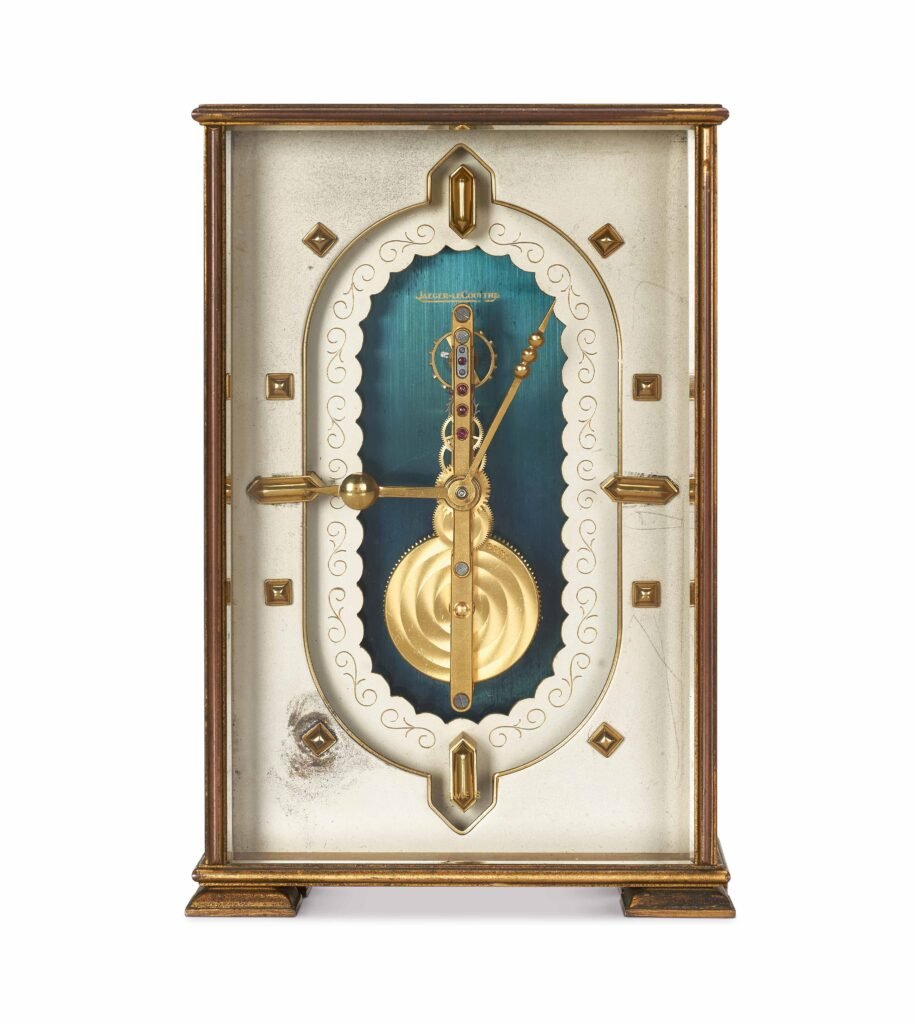
Jaeger-LeCoultre combined decorative cases with mechanical sophistication. Its mid-century table clocks often featured manual-winding movements and jewelled calibres. Chopard, meanwhile, adapted designs from collections such as Happy Sport and Ice Cube into contemporary clock forms.
Recent auction results highlight continued interest in these pieces. At Giftex.in in 2026, a Baccarat crystal-and-brass clock and a Mappin & Webb sterling silver clock each sold for ₹4.72 lakh. A Chopard Classic Racing table clock fetched ₹1.40 lakh, while an Ice Cube model sold for ₹1.33 lakh. A Tiffany & Co. clock achieved ₹5.50 lakh at an AstaGuru auction in 2021.
What Determines a Clock’s Value?
Collectors consider several factors when assessing a clock. Design, craftsmanship, movement quality, rarity, provenance and condition all influence its appeal. Complications such as striking mechanisms, perpetual calendars and repeating functions can add further interest. Original components and a functioning movement also matter.
Limited editions, unusual materials and documented histories can make individual pieces particularly desirable. However, an elaborate mechanism alone does not guarantee a strong auction result; the design and condition can be equally important.
Collectors Look Beyond Time
Today, collectible clocks occupy a space between horology and decorative art. They serve as timekeepers, sculptural accents and conversation pieces, reflecting a growing appreciation for objects with history and character.
Unlike a wristwatch, a mantel clock belongs to a home. It remains in one setting as generations pass, gathering memories along the way. Eventually, its significance can extend beyond its original purpose: it becomes part of the story of the room itself.