High jewellery watches have always occupied a distinctive place at the intersection of fine art, mechanical ingenuity, and personal adornment. Across centuries, heritage maisons have transformed the wristwatch from a functional instrument into an expression of craftsmanship, cultural memory, and design. Along the way, they have set trends, helped upgrade techniques and propel innovation.
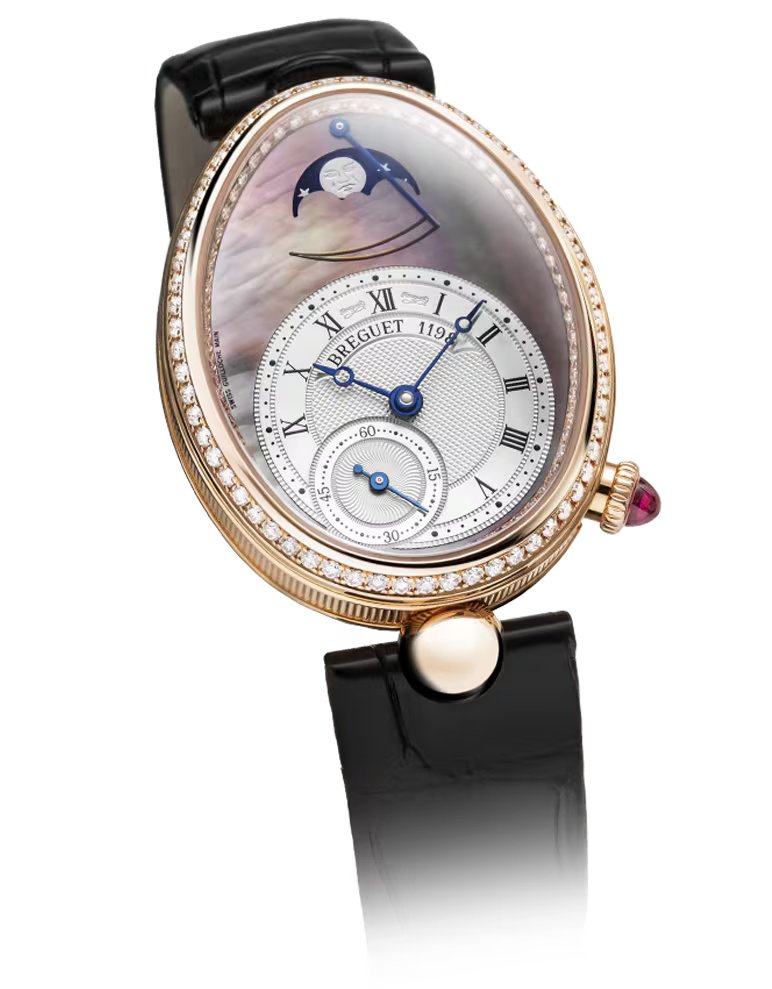
BREGUET NO. 2639 WRISTWATCH, 1810
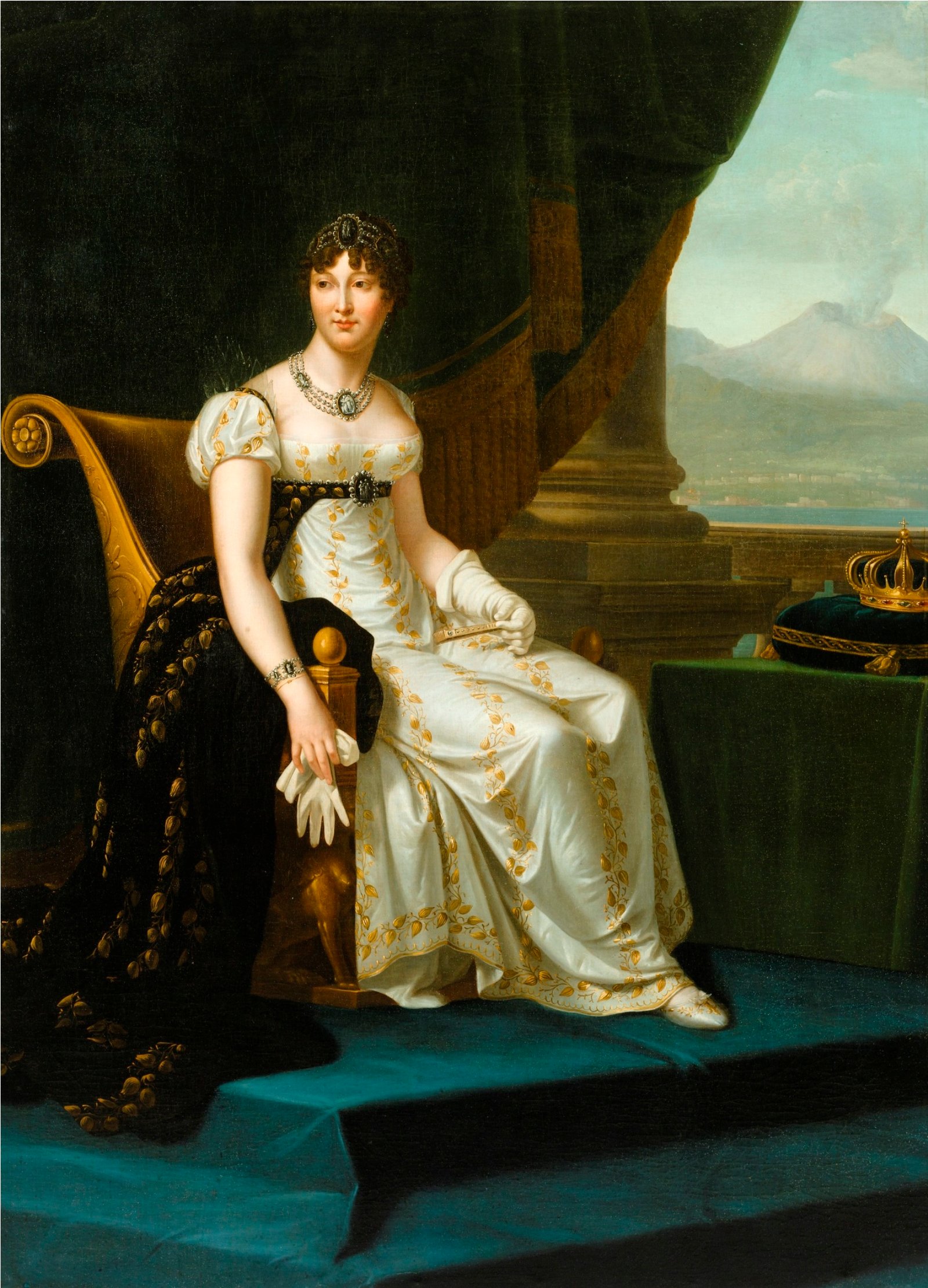
At a time when watches were predominantly carried in pockets, the design of this piece represented a significant shift. Commissioned in 1810 by Caroline Murat, the Queen of Naples and sister of Napoleon Bonaparte, Breguet No. 2639 is regarded as one of the first known wristwatches. Completed in 1812, the unusual creation featured an elongated case, a quarter-repeater, a thermometer and a bracelet made from hair entwined with gold thread. The original watch, or its blueprint, is no longer known to exist, but its influence survives through Breguet’s Reine de Naples collection, introduced in 2002. It remains a popular collector choice today. At AstaGuru’s May 2025 auction, a Reine de Naples Ref. 8918 sold for ₹14.13 lakh ($14,874), demonstrating the continuing interest in the maison’s craftsmanship and jewellery detailing.
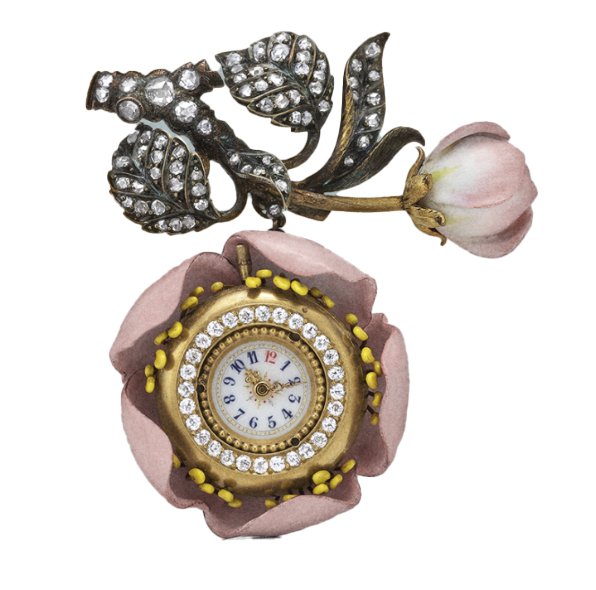
TIFFANY & CO. APPLE BLOSSOM LAPEL WATCH, 1889
Created during the late-19th century, this piece is associated with the work of designer Paulding Farnham, its floral form reflecting the period’s fascination with naturalistic jewellery and botanical motifs. The apple blossom design allows the timepiece to function as a decorative brooch or lapel ornament, concealing the practical object. This approach was characteristic of an era when watches were frequently incorporated into jewellery. Each of these watches reflects the aesthetic language of its era, from Art Deco geometry to sculptural serpents, concealed dials and intricate floral forms. They reveal how the watch can become far more than an instrument for measuring time: in the right hands, it can be a lasting expression of design.
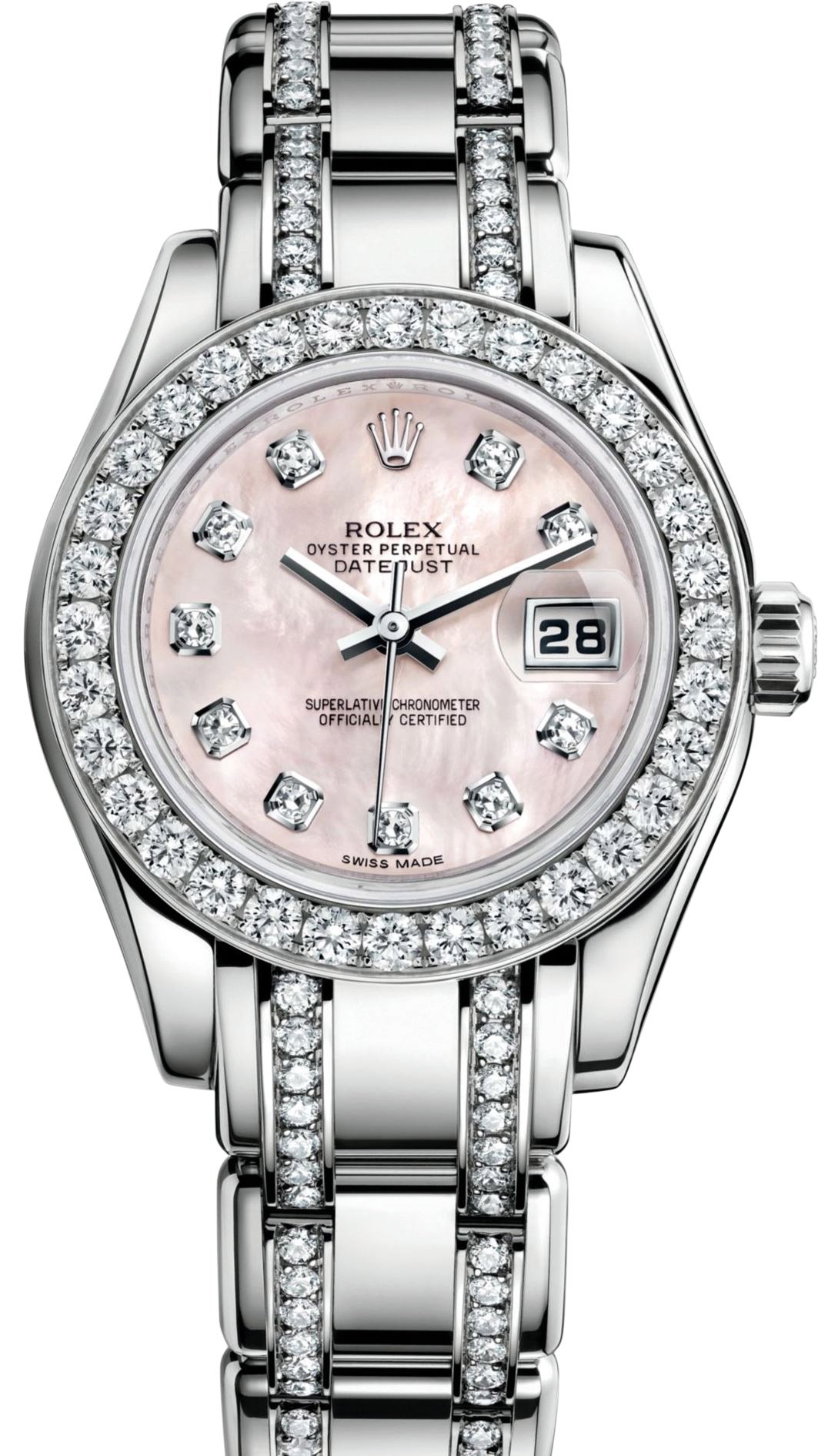
ROLEX PEARLMASTER, 1992
This iconic piece brought the brand’s established watchmaking expertise into a more explicitly jewellery-focused expression. Its most recognisable feature is the rounded five-piece bracelet link, which gives the watch a softer and more fluid appearance. Produced in precious metals, the Pearlmaster has also appeared in gem-set versions, with the setting across the case and bracelet creating a continuous surface of light. The collection is significant because it demonstrates how a maison, known primarily for precision, durability and technical performance, can translate those qualities into a decorative format. Since this series has been discontinued, the only way to acquire a Pearlmaster now is through reputed auction houses such as AstaGuru, which sold one Ref. 80299 in 2023 for ₹18.10 lakh ($19,053), and another Ref. 80319 in 2022 for ₹9.10 lakh (9,579).
Read the full story in the special ‘Horology Issue’ of LuxeTrope, on stands now.