What defines a luxury watch: its movement or the material that houses it? For much of watchmaking history, mechanical innovation took centre stage. The movement represented the greatest technical achievement, while the case served primarily as protection and decoration. Today, however, materials have become an important part of a watch’s identity, combining engineering, aesthetics and brand innovation.
When Steel Redefined Luxury
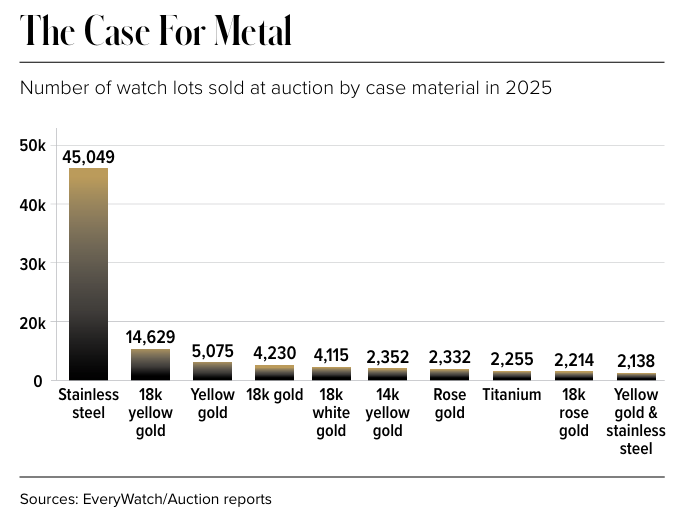
The shift began to take shape in 1972, when Audemars Piguet introduced the Royal Oak. Designed by Gérald Genta, it challenged traditional ideas of luxury with a stainless steel case and an unusually high price. At approximately CHF 3,300, it cost more than some gold watches of the period. Its complex construction and refined finishing demonstrated that steel could command the same prestige as precious metals.
This opened the door to a broader exploration of materials. Granite, wood, rubber, forged carbon, meteorite and specialised metal alloys gradually found their way into watchmaking. Choosing the right material involves more than appearance. Watchmakers must consider weight, flexibility, ductility, hardness and resistance to corrosion.
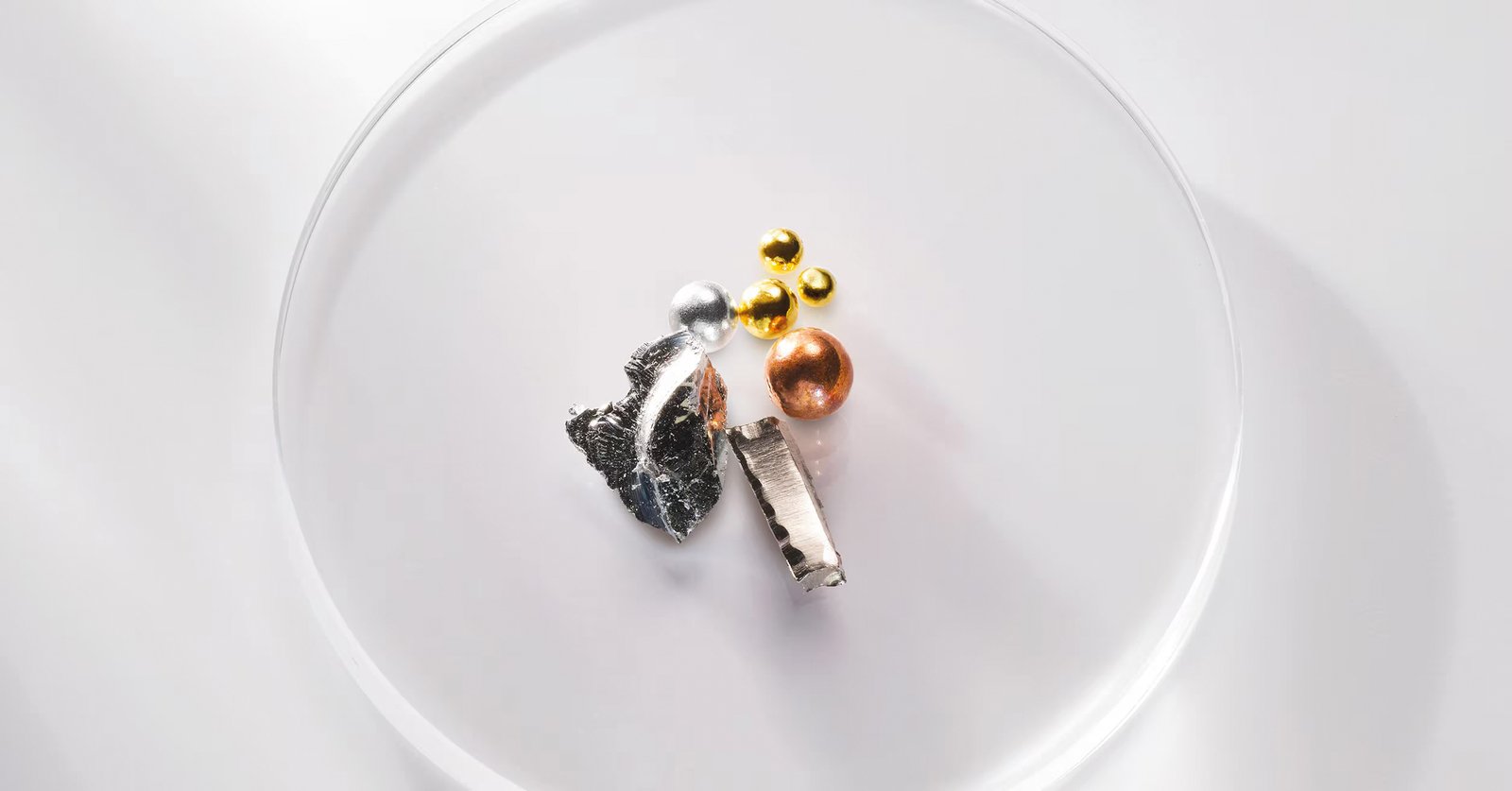
Traditional materials each present their own challenges. Gold offers prestige but remains relatively soft, which is why 18-karat alloys combine it with other metals to improve durability and achieve distinctive colours. Steel provides strength but carries less exclusivity, while platinum is prestigious yet difficult to work with. Titanium offers a combination of strength and lightness, alongside a distinctive finish and tactile character.
The Art of Material Innovation
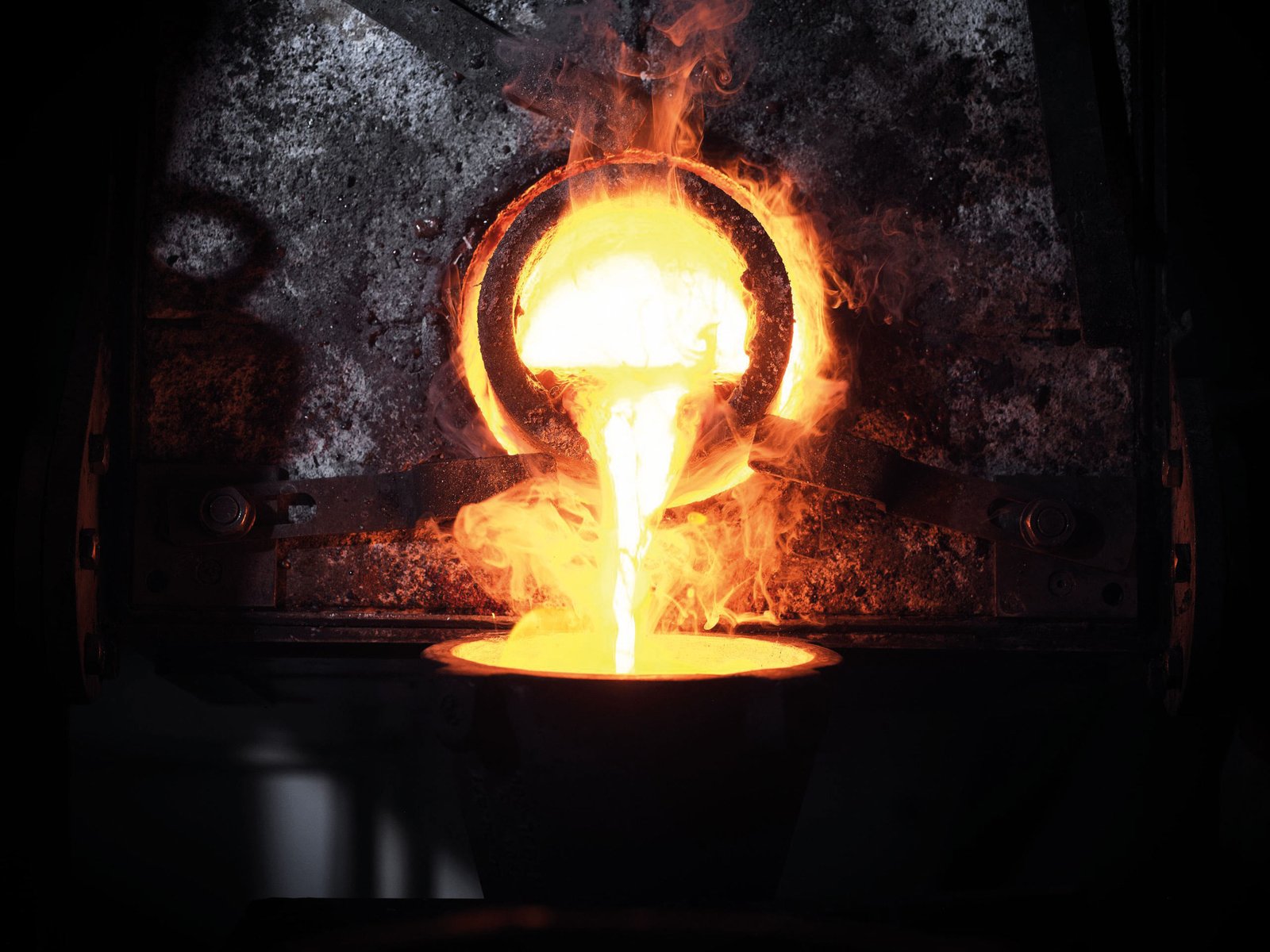
Increasingly, watchmakers have moved beyond conventional alloys to develop proprietary materials. Rolex, for instance, controls the production of its gold alloys and has introduced materials including Everose, Jubilee Gold, Oystersteel and RLX Titanium. Omega’s Sedna Gold combines gold, copper and palladium to create its characteristic reddish hue. A. Lange & Söhne’s Honeygold offers another distinctive interpretation, sitting between traditional yellow and rose gold.
Engineering a New Kind of Gold
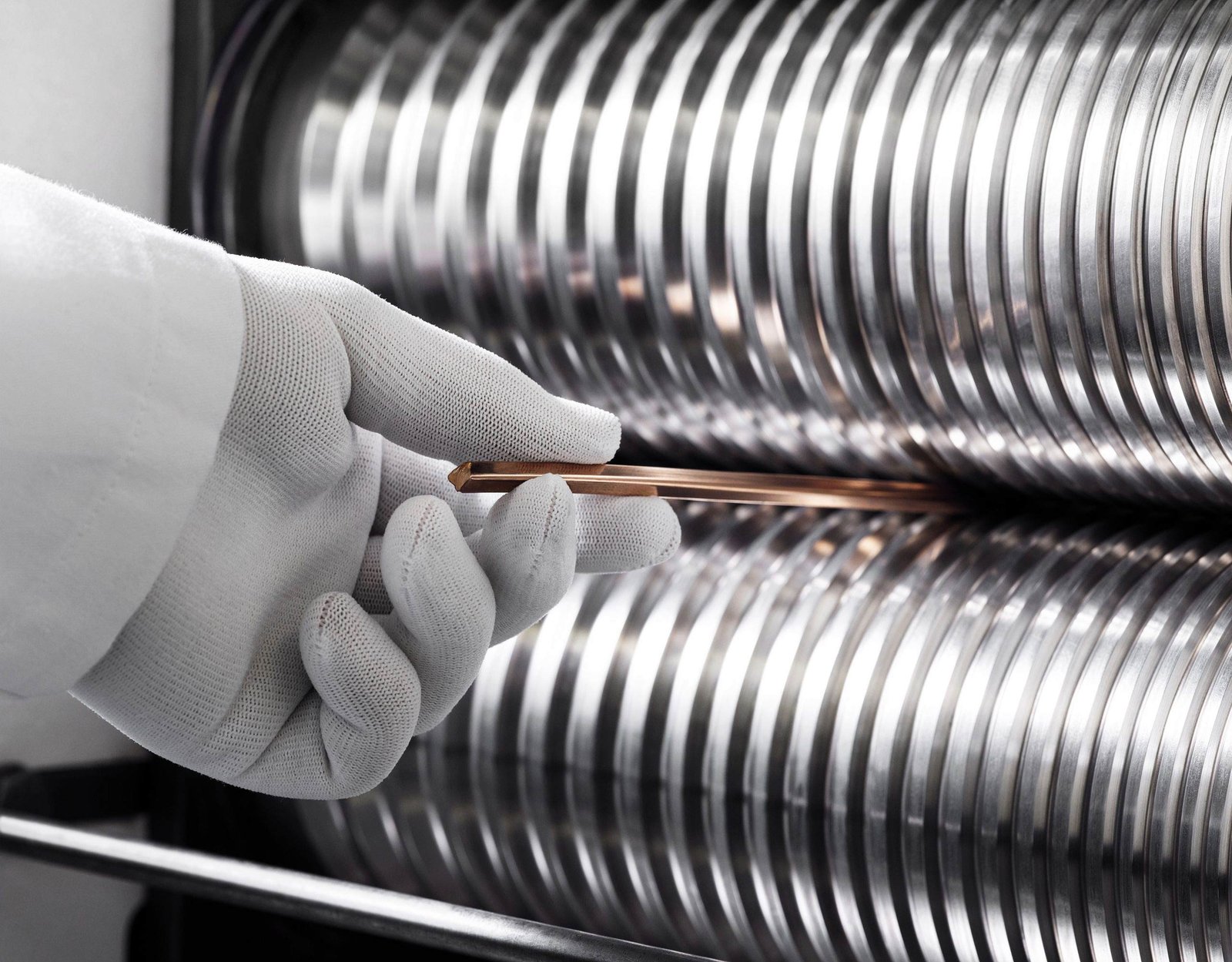
Hublot has taken material experimentation further with Magic Gold. Developed in collaboration with the Swiss Federal Institute of Technology Lausanne, it was introduced in 2011. The material combines 24-karat gold with boron carbide ceramic through a specialised manufacturing process. According to Hublot, Magic Gold is a scratch-resistant 18-karat gold alloy, reaching close to 1,000 Vickers of hardness, approximately 2.5 times that of conventional 18-karat gold.
These developments have changed the role of the watch case. It is no longer simply a housing for the movement. Through proprietary alloys and advanced material engineering, it has become a defining expression of a watchmaker’s identity, technical ambition and design philosophy.
Read the full story in the special ‘Horology Issue’ of LuxeTrope, on stands now.