A watch makes time measurable. Art, however, approaches it differently. A painting captures a passing moment, yet invites the viewer to return, look closer and discover something previously overlooked. What appears to be a single instant can hold several meanings. This is the paradox of painting: it freezes time while expressing its passage.
A landscape at dusk, for instance, may suggest more than the end of a day. It can evoke a civilisation fading, a memory resurfacing or a historical order giving way to another. Across Modern and Contemporary Indian art, artists explore time through changing landscapes, urban unease, human solitude, sacred places and imagined futures.
When Time Becomes an Atmosphere
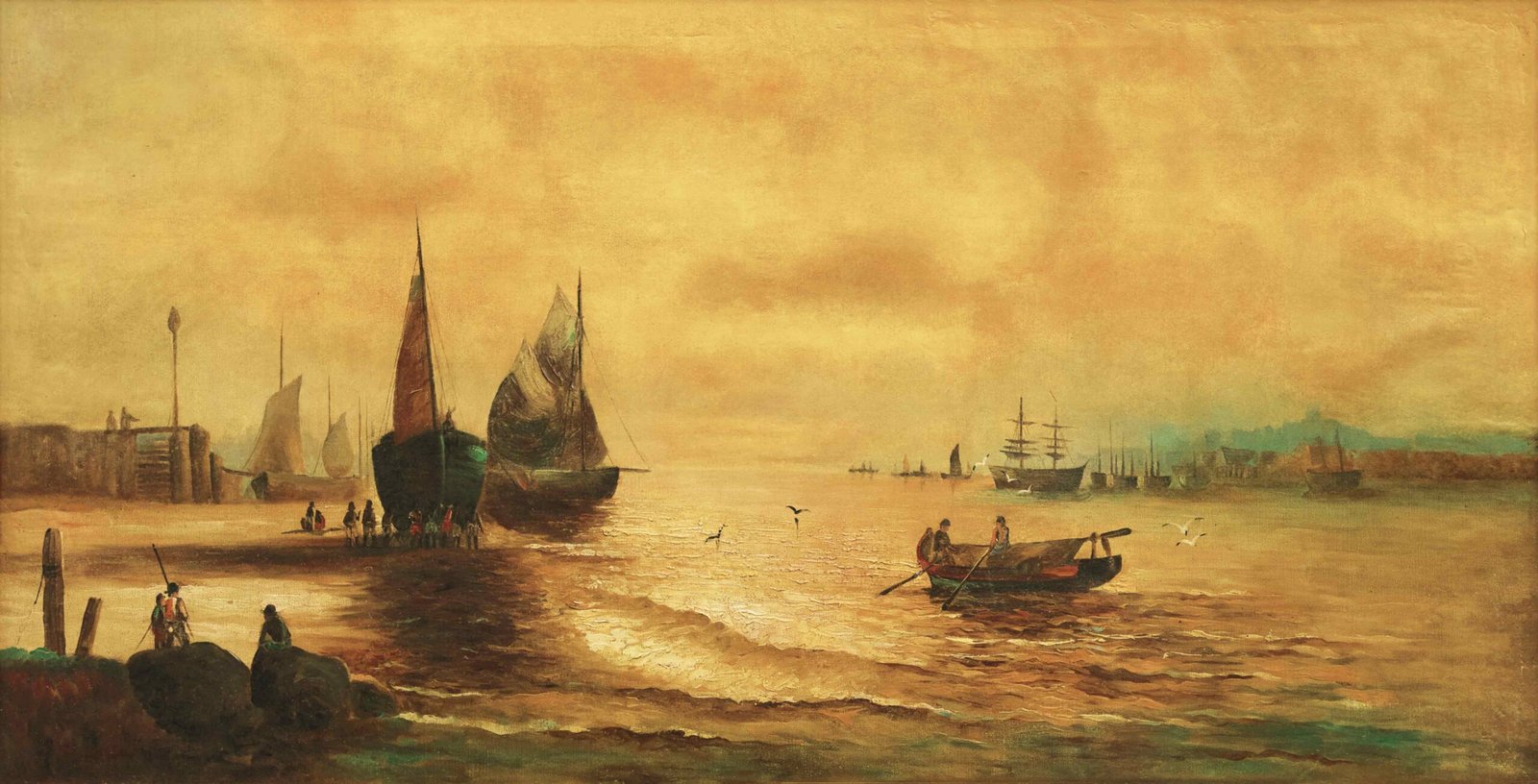
The most familiar expression of painted time is the hour of the day. Dawn, noon, dusk and night become atmospheres rather than measurements. In the landscapes of J.P. Gangooly, Paresh Maity, Vinod Sharma and Nicholas Roerich, light and landscape create moments that seem suspended between appearance and disappearance.
Gangooly’s landscapes hold the viewer in a state of stillness, while Maity transforms dawn and dusk through luminous colour. Vinod Sharma’s expansive fields of ochre and blue dwarf the human presence, creating a sense of scale and introspection. Roerich’s mountains evoke something more enduring, bringing together the geological, spiritual and sublime. In these works, time is experienced through the viewer’s encounter with nature.
Between the Sublime and the Uncanny
Yet the landscape can also become unsettling. In the works of Paramjit Singh and Sujith S.N., familiar temporal references begin to dissolve. Singh’s glittering, unfamiliar landscapes create a world that feels removed from ordinary experience. Sujith’s vast, often monochromatic expanses, occasionally interrupted by a small house or solitary figure, heighten this sense of distance and disproportion.
These paintings capture neither a clear beginning nor a definitive end. Instead, they hold the viewer within an unresolved interval: the moment before an event, or the quiet that follows one. Their landscapes become spaces of anticipation, where time cannot be measured but must be experienced.
The Enduring Appeal of Timeless Art
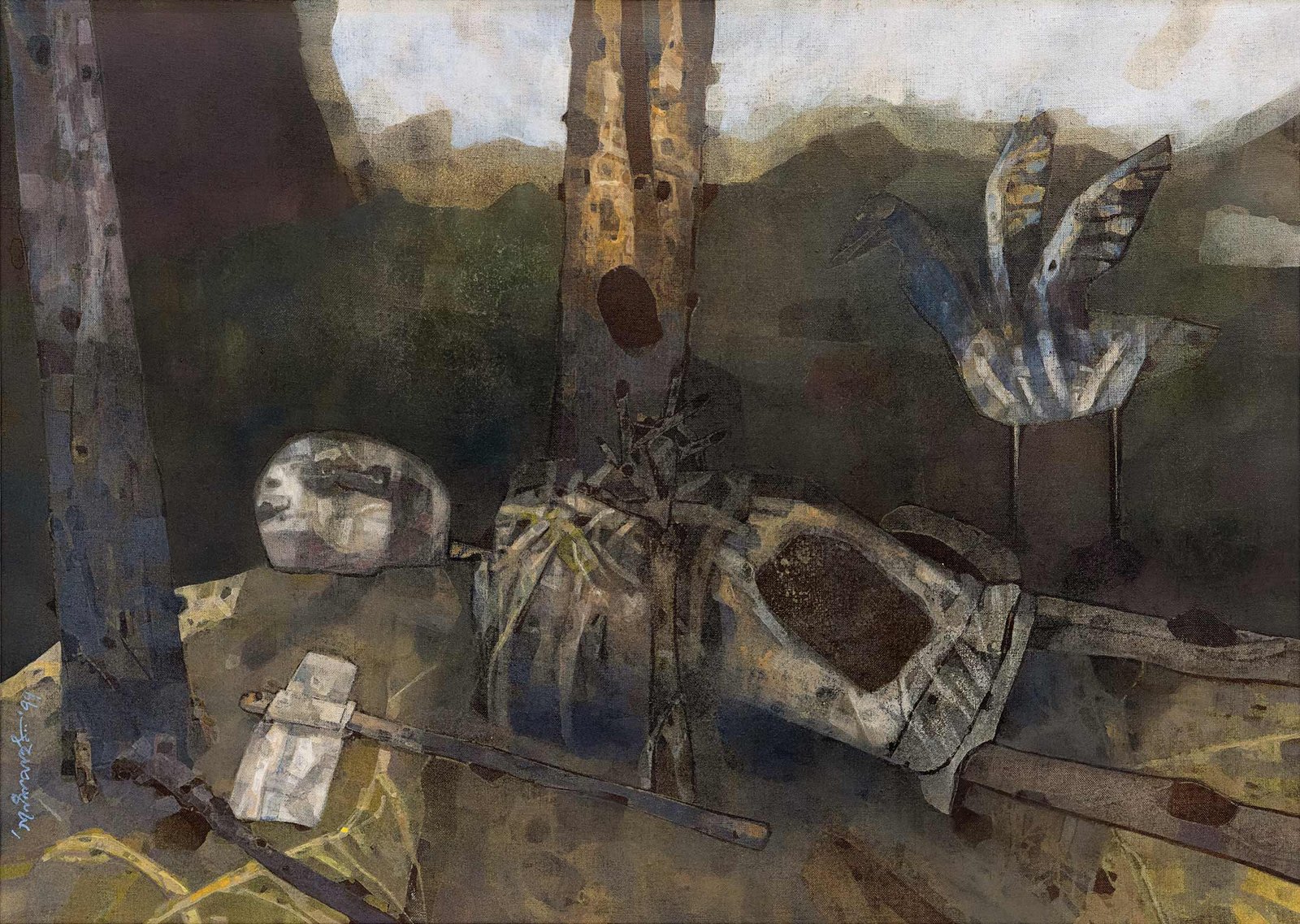
This relationship between atmosphere, memory and the passage of time also finds resonance in the auction market. Ganesh Pyne’s tempera-on-canvas work The Conversation sold through AstaGuru in 2026 for ₹12.10 crore ($1.27 million), demonstrating the appeal of works with enduring emotional depth.
At AstaGuru, works by artists exploring these ideas have also achieved results well above their estimates. Their appeal lies not simply in what they depict, but in the many ways they allow viewers to experience time.
Read the full story in the special ‘Horology Issue’ of LuxeTrope, on stands now.