
Bernhard Lederer: Artist, Tinkerer, Machinist, Scholar
From restoring historic timepieces to developing complex escapements, Lederer reflects on the experiences that have shaped his approach to horology
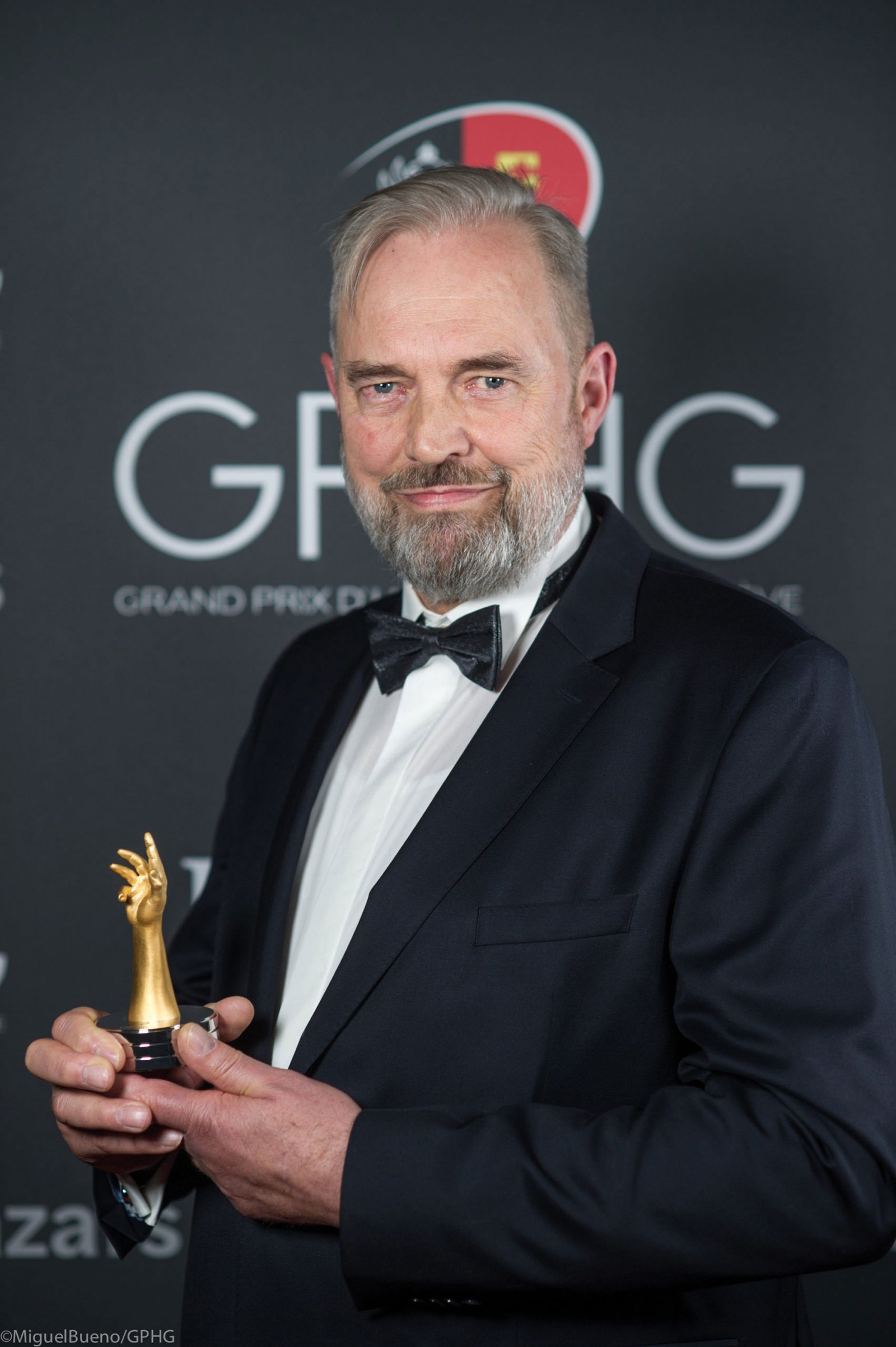
When the AHCI was conceived by Svend Andersen and Vincent Calabrese in 1985, the ultimate goal was to ‘preserve the traditions of watchmaking’. As the community grew, the organisation became the spiritual home of independent watchmaking and, today, has more than 40 members. Bernhard Lederer has been a member since 1985, and has helped lead the charge with singular focus on innovation and the spirit of brotherhood. Among the most respected professionals in the industry, Lederer delves into his journey, and how the AHCI continues to put horology first, and how its members stay connected.
How did your journey into watchmaking begin, because it often takes time to find one’s passion?
I don’t think a single event led me to this métier. It happened more gradually; it probably began with a curious child and his grandfather’s pocket watch. First, I was fascinated with the sound of the movement and the mechanism behind it, which led me to seek out books on watchmaking, which led to my trips to the flea markets and, eventually, there was even a rain-soaked hitchhiking trip to London. Looking back, it was more of a cascade, with each incident fuelling my curiosity even more.
Your early days were spent restoring historic timepieces at the Wuppertal Watch Museum. Can you tell us more about that time and the valuable lessons it taught you?
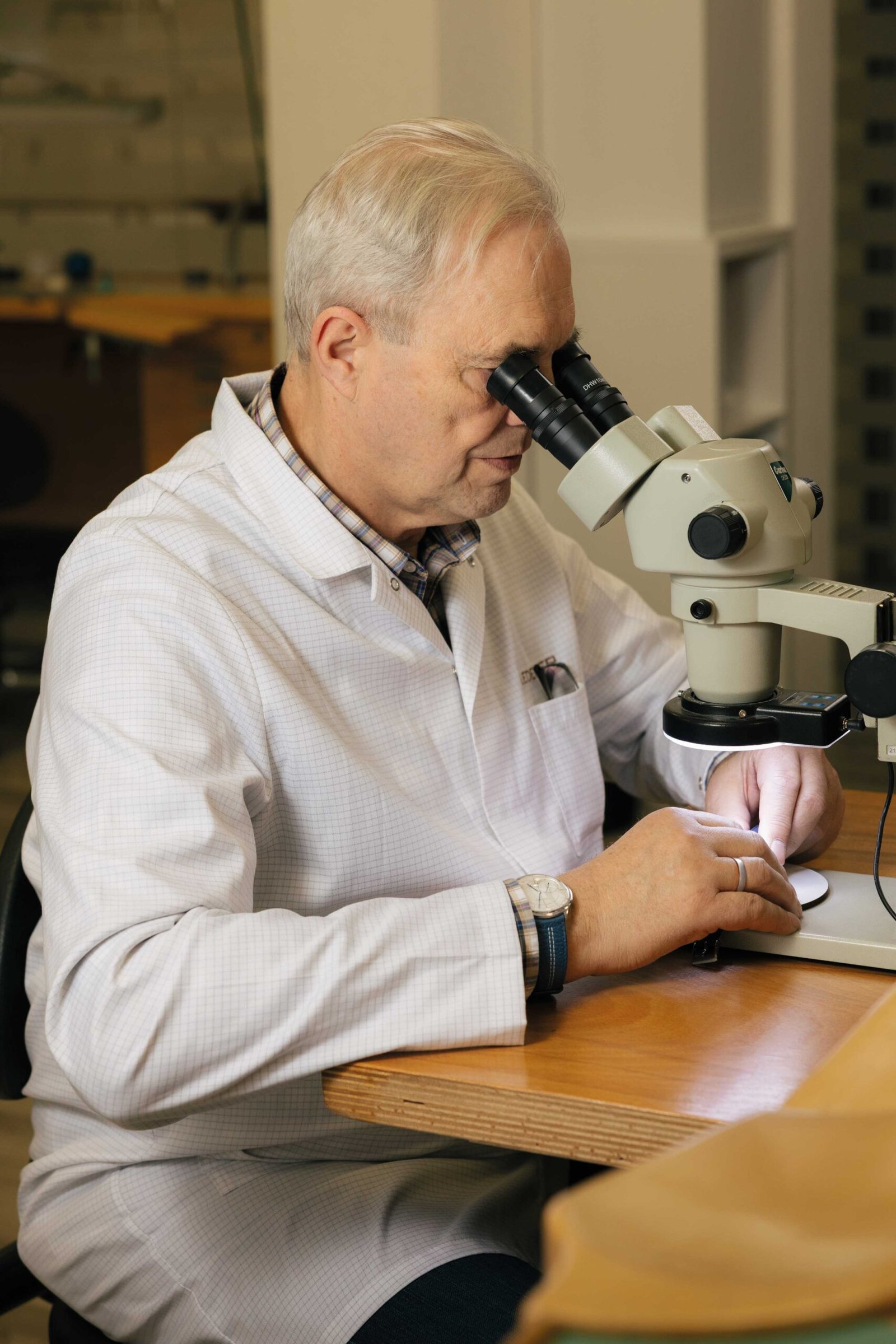
My apprenticeship at the Wuppertal Watch Museum was an interesting period in my life. I was away from home discovering what freedom truly means, had a master watchmaker who had no interest in teaching me anything, and lived on a barely livable salary. Because I was trained in a museum workshop, I wasn’t restoring watches from a single brand or focused on a single watchmaker. This gave me exposure to different craft techniques, materials and design languages. Restoration also became important as it forced me to understand why something had been made a particular way and not another. You cannot simply repair a historical mechanism by looking at the final product; first you must understand the logic behind it.
You have often mentioned that curiosity is what keeps you going. Four decades into your craft, how has your relationship with that curiosity changed?
Curiosity has been there from the beginning, and in that sense, it has not changed very much. What has changed is what I do with it. When I initially took up this profession, curiosity meant looking for answers. I would find a book, find a mechanism, open something, and try to understand it. Over time, it became more demanding. I became interested not only in how something works, but whether October-December 2026 Luxury Intelligence 115 it could work differently, or whether an older idea could be understood and adapted to today’s needs. So, curiosity is still the starting point, but it is no longer enough on its own. Finding an answer requires work, discipline, repetition, and a lot of patience.
You’ve worked on some of watchmaking’s most complex escapements. Which one comes closest to perfection?
The moment you call something perfect, you also suggest that there’s nothing more to examine. I don’t believe that. Each escapement I have worked on is an answer to a particular set of questions. I’m more interested in understanding its limitations and finding out whether something can be evolved further.
Read the full story in the special ‘Horology Issue’ of LuxeTrope, on stands now.