
Preserving Time: The Art of Watch Care
From careful storage to regular servicing, discover how to preserve a watch’s condition, character and value
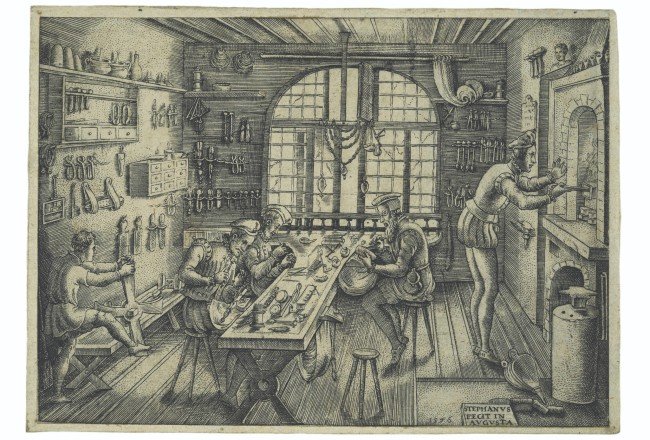
A vintage watch tells a story through more than its movement. Its case, dial, hands, bracelet and documents all carry evidence of its age, use and history. For collectors, preserving these details matters as much as keeping the watch running. Over-polishing, for instance, can permanently remove the sharp bevels and edges that took decades to acquire their character. The aim of good watch care is not to make an old timepiece look new, but to preserve what makes it original.
The Foundations of Preservation
A watch’s environment plays a significant role in its condition. Humidity, temperature changes, dust, magnetic fields and physical shocks can all cause damage. When not in use, store a timepiece in a padded watch box. Keep its case and bracelet from rubbing against other objects, and consider silica gel packets to help manage humidity.
Handling and cleaning also require care. Mechanical watches should be wound and set according to the manufacturer’s instructions. Never force the crown. Water resistance can deteriorate as gaskets and seals age, so have it tested before wearing the watch underwater. A soft microfibre cloth is usually sufficient for everyday cleaning. Leather straps need particular attention, as water, perspiration and sunlight can accelerate ageing. For deeper cleaning, consult a professional.
Servicing Without Altering History
Servicing and restoration are not the same. A movement may need dismantling, cleaning and replacement of worn parts to function reliably. These are routine maintenance measures. Cosmetic restoration, however, can alter the features that make a vintage watch distinctive.
Original dials, bezels, case finishes and softened edges carry historical value. Fading and light wear can document a watch’s life rather than indicate damage. Hard winding, unexpected stoppages, unusual sounds, moisture beneath the crystal and significant timekeeping changes may signal the need for servicing. Regularly worn vintage watches may require servicing every three to five years, depending on age and condition.
Choosing the right specialist is equally important. Contemporary watches are generally suited to authorised service centres, while rare vintage pieces may benefit from independent specialists familiar with their period and movement. Always request a detailed service record and ask for removed original components to be returned.
Keep the Complete Record
A watch’s history extends beyond the timepiece itself. Original boxes, papers, warranty documents, certificates, invoices, spare links and previous auction records help establish provenance and completeness. Record reference and serial numbers, along with repairs and servicing.
At AstaGuru, specialists assess condition alongside authenticity, manufacturer and provenance before approving a watch for auction. Ultimately, thoughtful watch care preserves more than mechanical performance. It protects the originality, history and character that give a timepiece its lasting significance.