luxetrope.com

The Royal Legacy of the Sarpech

Once reserved for emperors and princes, the sarpech remains one of India's most iconic royal ornaments, finding new life through auctions, collectors and contemporary bridal fashion.

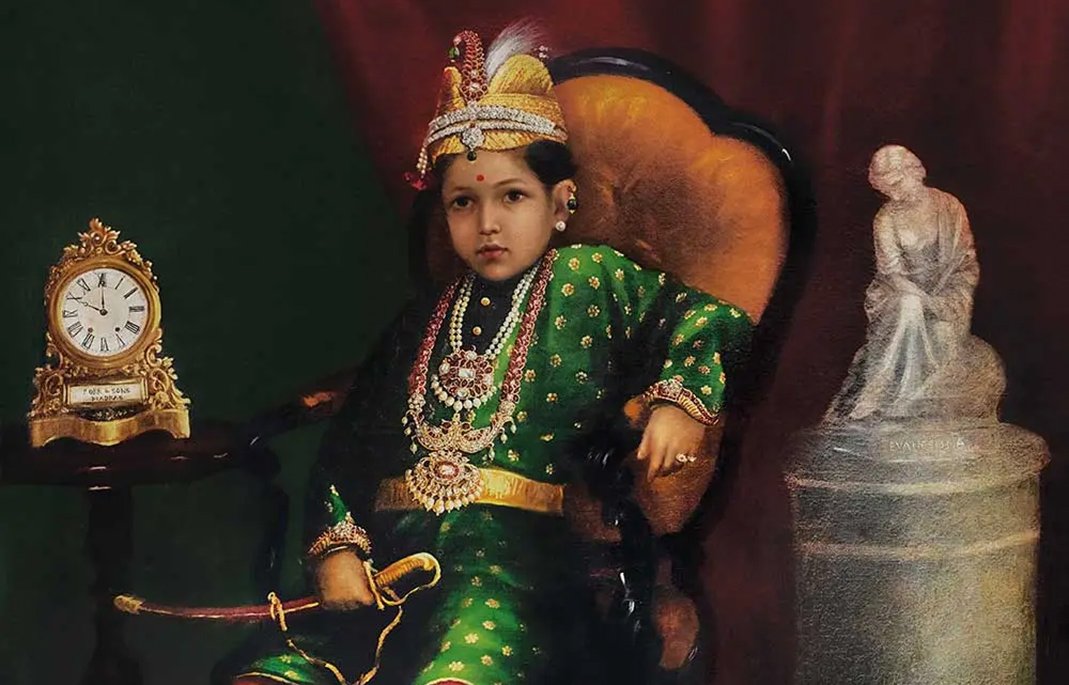
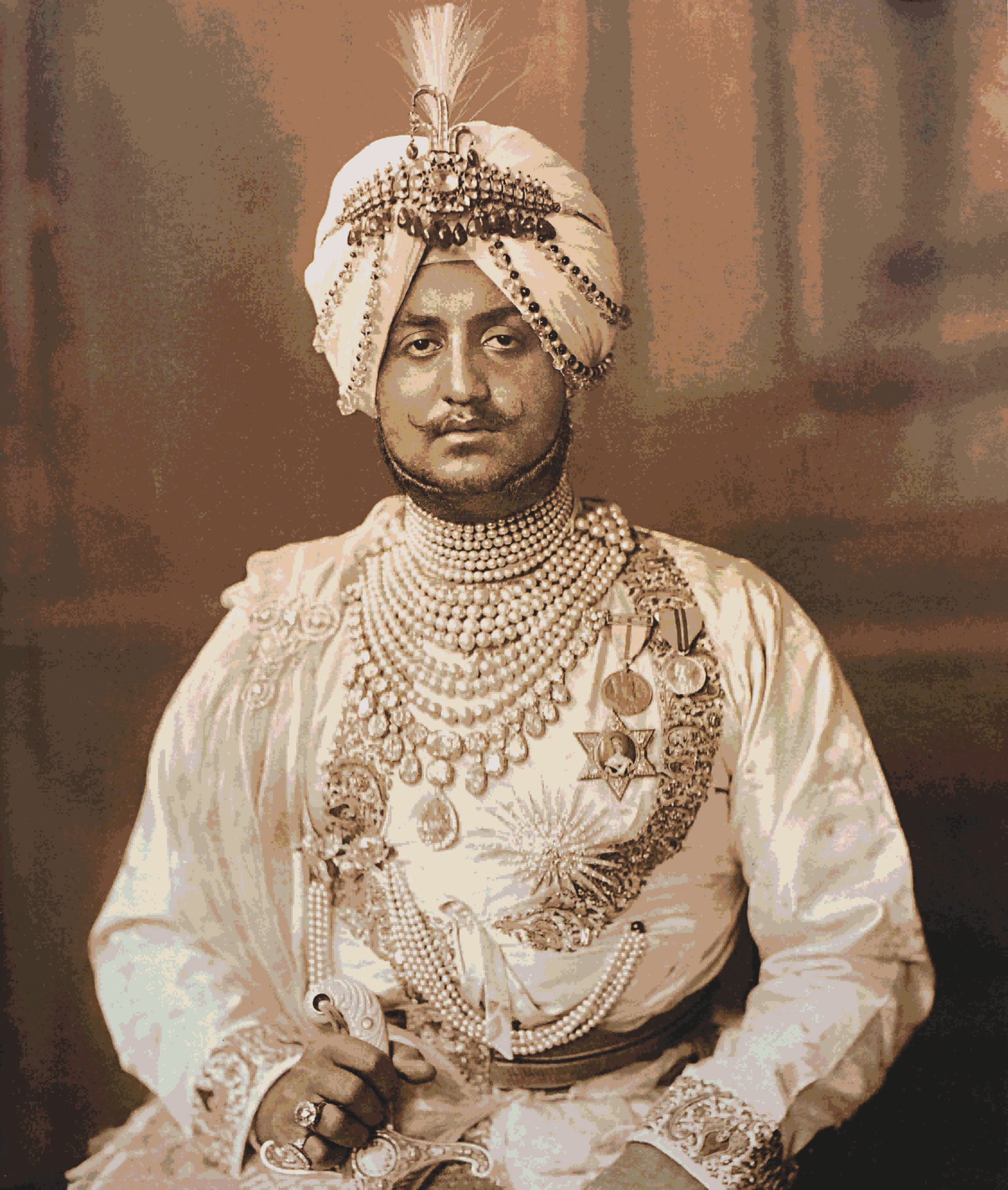
For centuries, the sarpech, a jewelled turban ornament worn by royalty across India, Persia and Turkey stood as a symbol of power, prestige and military honour. Popularised during the Mughal era by emperors such as Akbar and Shah Jahan, it became an essential part of royal attire, often bestowed as a mark of distinction for exceptional service.

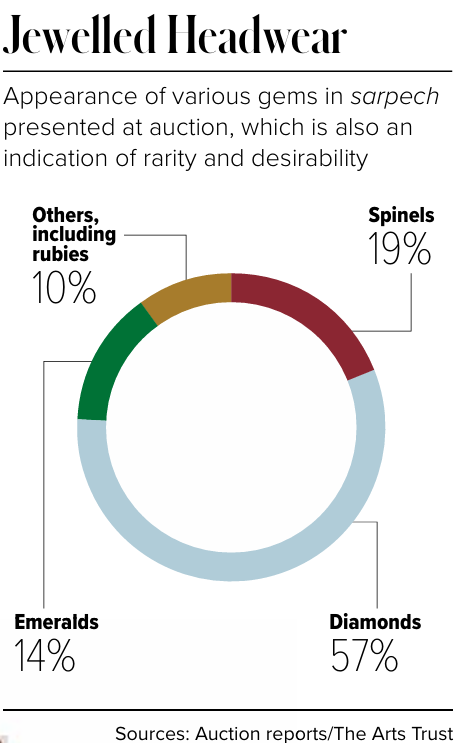
Beyond its regal history, the sarpech is celebrated for its extraordinary craftsmanship. Master artisans from Jaipur, Delhi and Lucknow combined techniques such as kundan and meenakari with emeralds, spinels and diamonds to create intricate pieces that reflected both Indian and Persian influences. Today, diamonds remain the most common gemstone seen in sarpech designs, followed by spinels and emeralds.

Although the ornament faded from everyday use after the princely era, it has made a remarkable comeback. Historic films, luxury weddings and a growing appreciation for heritage jewellery have renewed interest in these rare creations, while collectors continue to compete for exceptional examples at auction.

That demand is reflected in the numbers. Sarpechs and kalgis enjoy an estimated 96% sell-through rate at auction, with some pieces achieving prices several times above their estimates. In 2024, a vintage diamond and spinel sarpech sold for over ₹1 crore, while historic Mughal and royal examples continue to command international attention.

Today, the sarpech is more than a royal ornament—it’s a lasting symbol of India’s artistic heritage, where history, craftsmanship and provenance come together in a single masterpiece.

Explore more fascinating stories from the world of jewellery, heritage and collecting in the latest issue of Luxetrope—India’s premier luxury intelligence magazine.

Read More

The auction brought together leading names in Modern Indian art, with several works achieving standout prices

India's art market has grown nearly 200-fold in 25 years, fuelled by record-breaking auctions and rising collector confidence

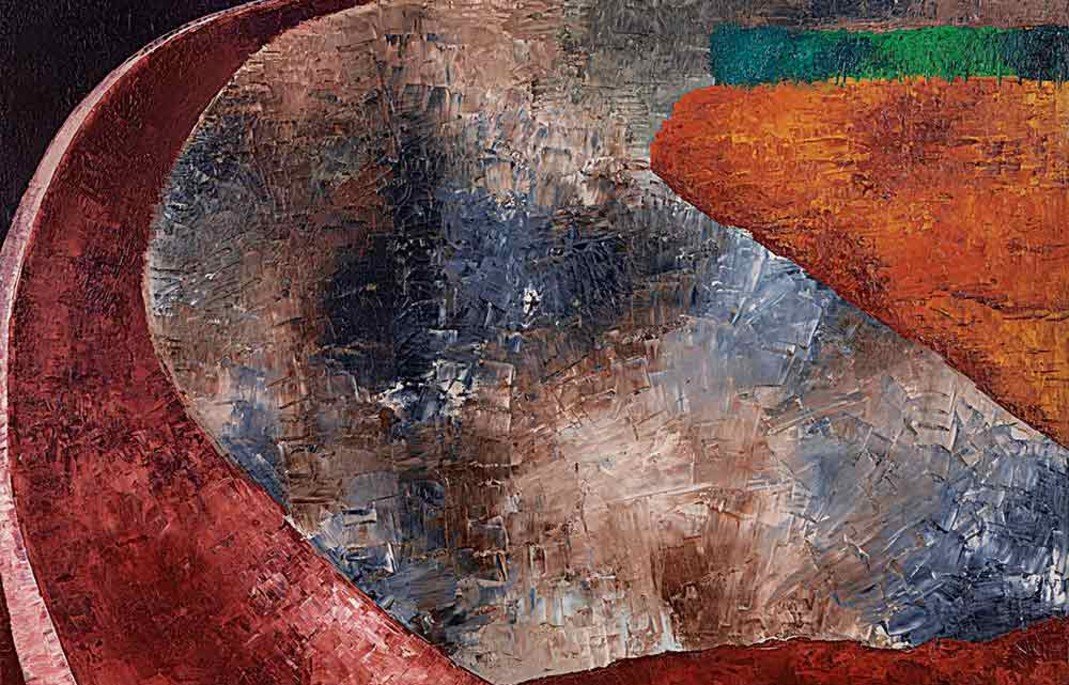
While India's iconic Progressives continue to dominate the market, a new wave of artists is rewriting auction records
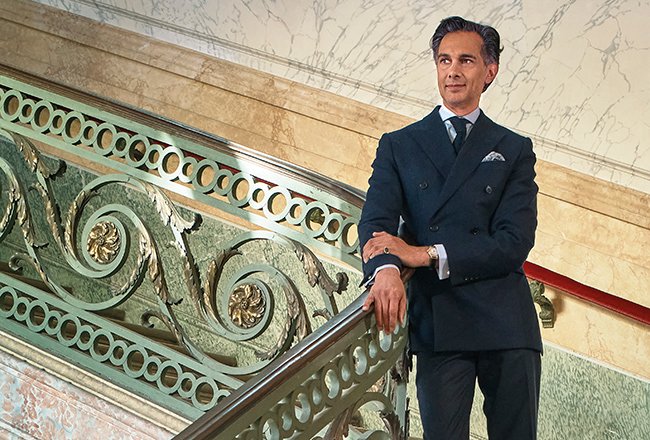
Art historian, curator, and director of The Al Thani Collection, Dr. Amin Jaffer believes great collections are built on stories that connect cultures across time
Ornamentation in Indian art tells stories of power, identity and cultural memory

From Mughal jewels to ancient sculptures, 'Animalia' explores humanity's enduring fascination with the animal kingdom through rare works from The Al Thani Collection​