luxetrope.com

The State of Art Report 2026

The State of Art Report 2026

India's art market has grown nearly 200-fold in 25 years, fuelled by record-breaking auctions and rising collector confidence

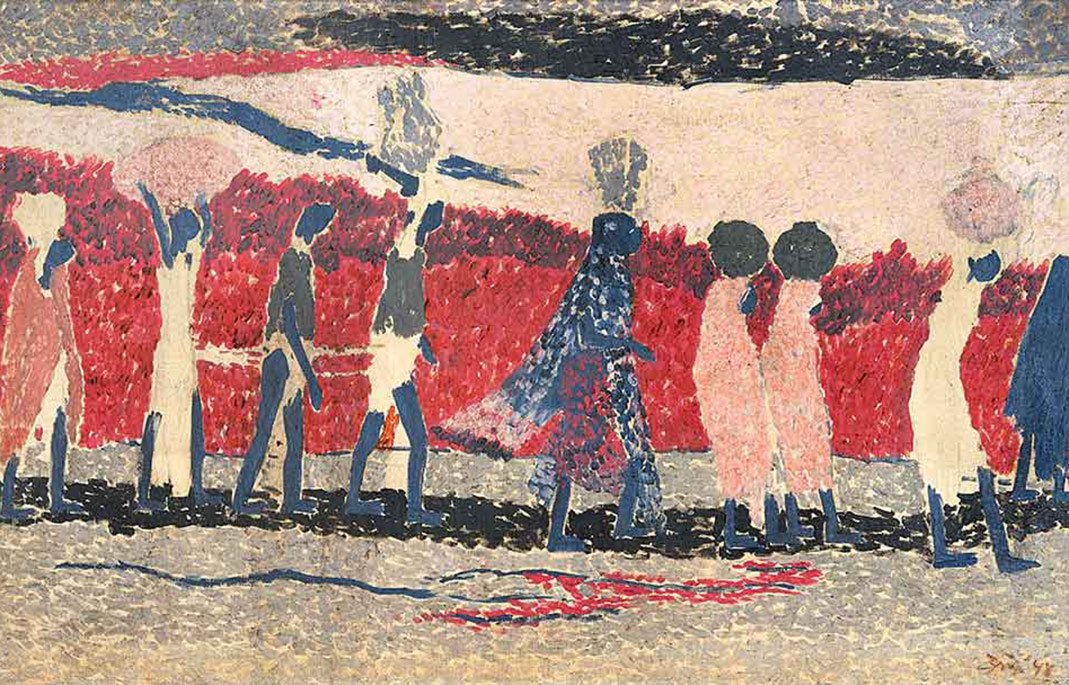
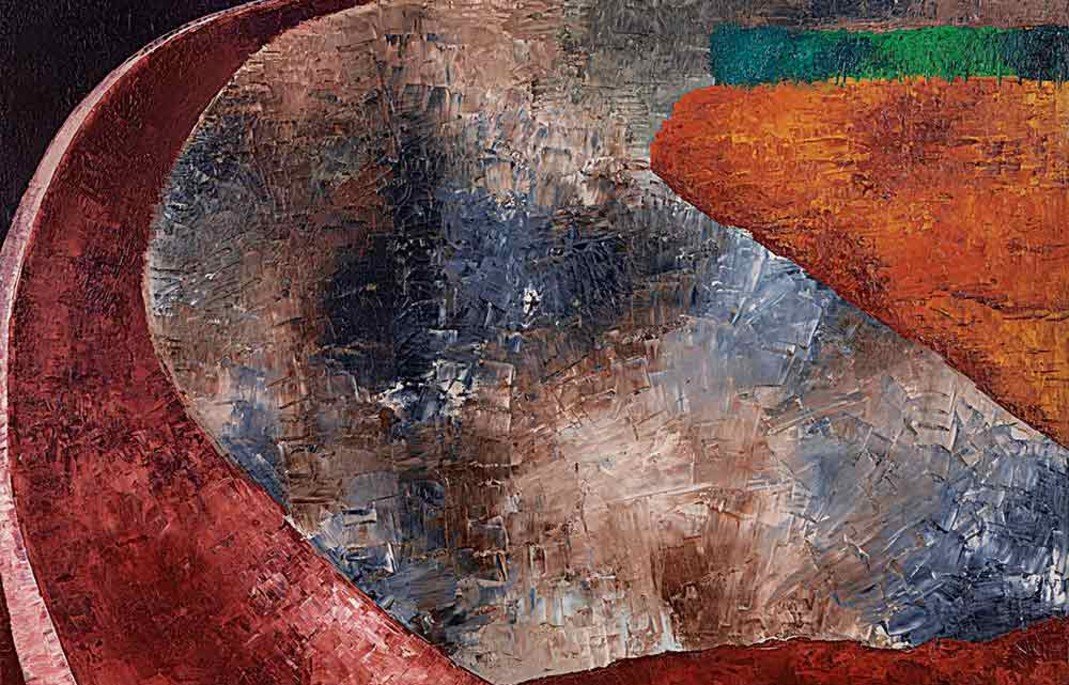
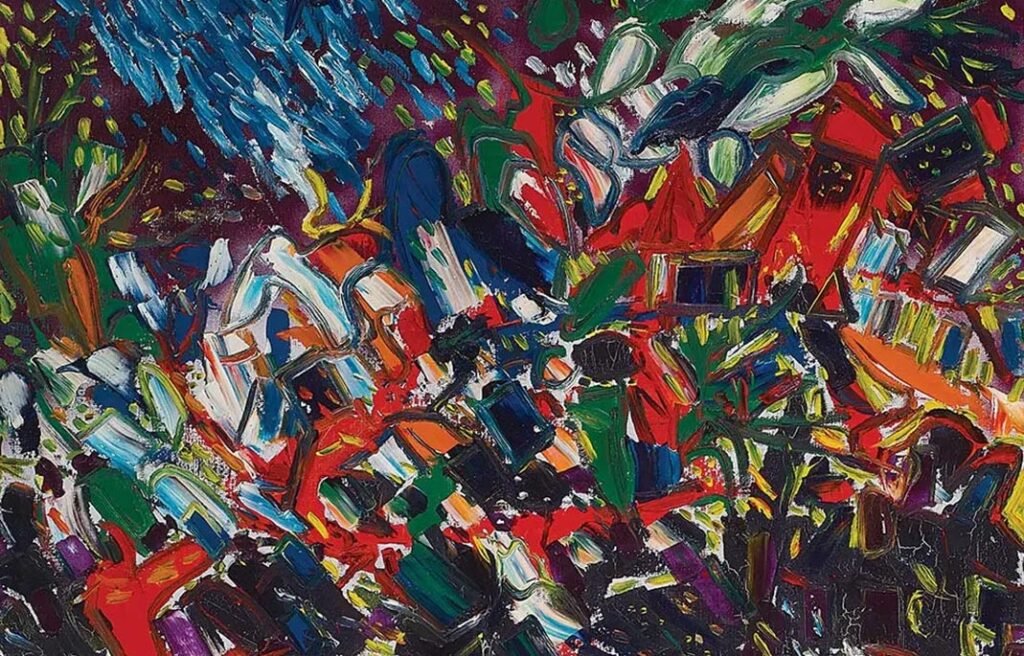
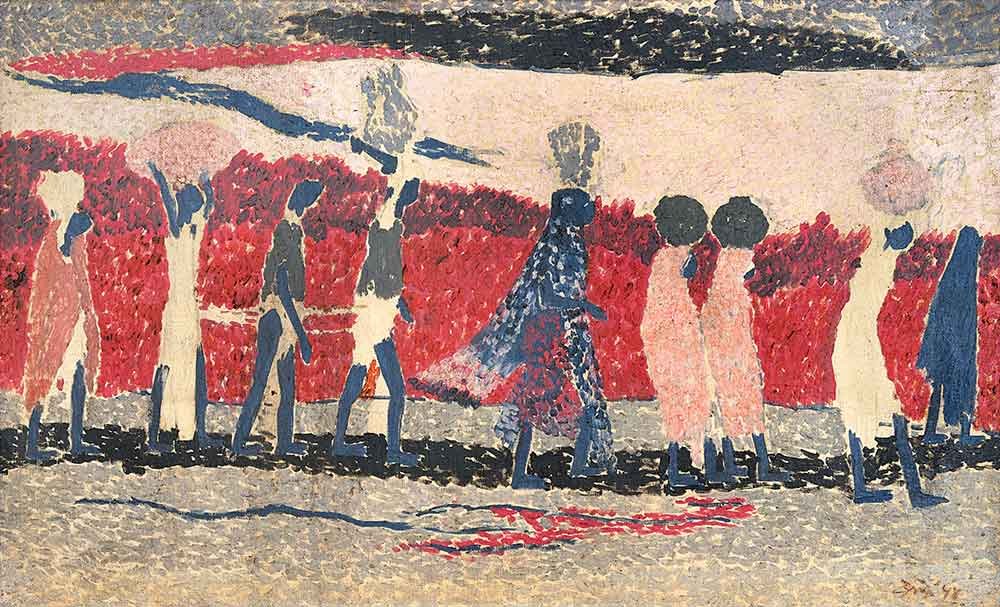
N.S. BENDRE | Homeward Bound | 24 x 39 in | Oil on canvas | Sold in 2025 by AstaGuru for ₹3,22,10,200 ($339,054)

The Indian Art story is, not so quietly, unfurling into what many experts call a fairy tale. Consider this: in FY 2000-01, India’s fine art auction market was estimated at around ₹13 crore ($1.37 million). In FY 2025-26, it crossed ₹2,600 crore ($274 million), nearly two hundred times its size a quarter century earlier. Few asset classes in India can claim a comparable trajectory. Fewer still can claim to have done so while keeping their investors delighted and consistently engaged.

The market took the better part of two decades to cross the ₹400 crore ($42 million) mark, reaching that threshold only around FY 2014-15. It then crossed ₹900 crore ($95 million) in FY 2020-21 and has since nearly tripled in the space of five years. What was once a modest corner of India’s cultural economy has evolved into a market of genuine scale and collector capital, buoyed by institutional attention and global interest. The artists once considered niche are now commanding prices that invite comparison with established global art markets. Works of F.N. Souza, Tyeb Mehta or Ramkinkar Baij are commanding prices that would have seemed extraordinary three years ago. Artists like Krishen Khanna and Arpita Singh are marking high auction prices by living Indian artists.


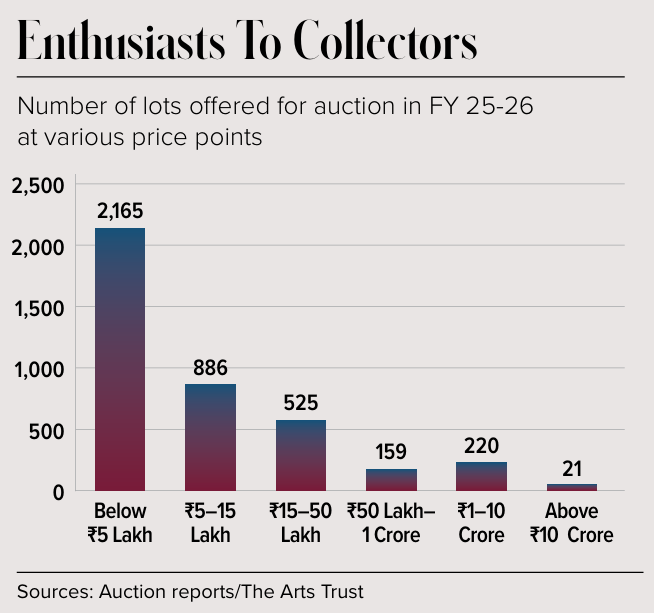
The FY 2025-26 was, by almost every measure, a landmark year. The market crossed ₹2,600 crore ($274 million) for the first time, with 3,622 lots sold, representing a growth of nearly 62 per cent over the previous financial year (see LuxeTrope’s previous issue for a detailed analysis). Average prices surged to ₹72.8 lakh ($76,631), based on auction data. Turnover generated by the market’s Top 50 lots grew by approximately three quarters year-on-year, a record by any standard. In fact, more than 200 artists established new auction price records. The numbers were extraordinary, yes, but what was equally exciting was the renewed interest in materiality and lesser-known masters.

Read the full story in the special ‘Joaillerie Market’ issue of LuxeTrope, on stands now.

Read More

India's art market has grown nearly 200-fold in 25 years, fuelled by record-breaking auctions and rising collector confidence

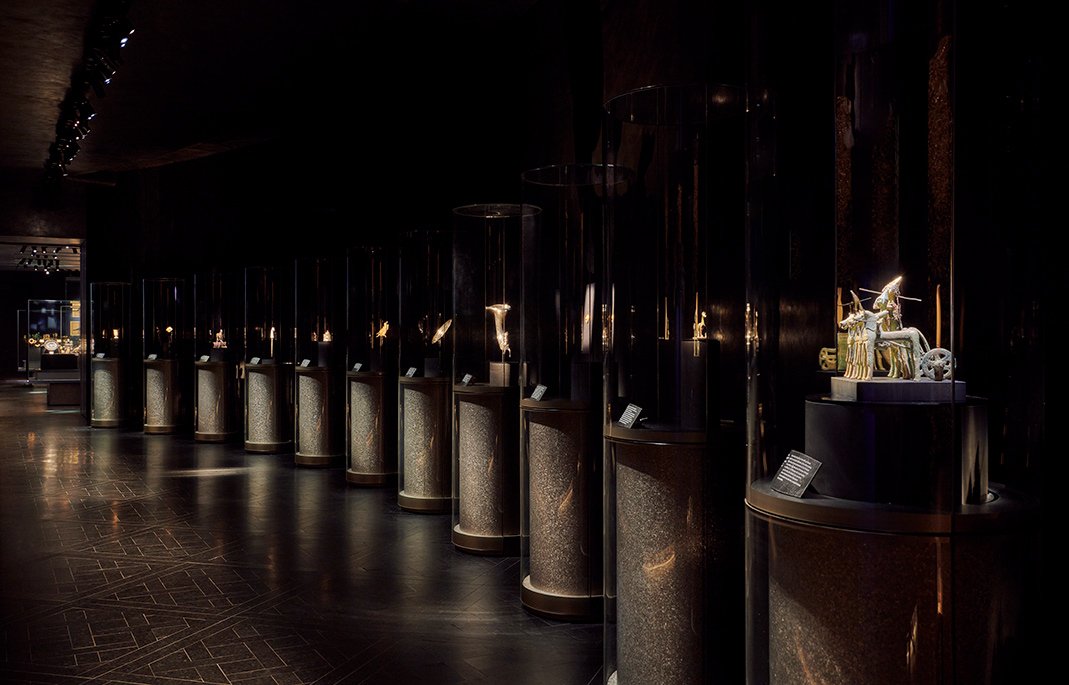
From Mughal jewels to ancient sculptures, 'Animalia' explores humanity's enduring fascination with the animal kingdom through rare works from The Al Thani Collection​

While India's iconic Progressives continue to dominate the market, a new wave of artists is rewriting auction records

Art historian, curator, and director of The Al Thani Collection, Dr. Amin Jaffer believes great collections are built on stories that connect cultures across time

The auction brought together leading names in Modern Indian art, with several works achieving standout prices

Ornamentation in Indian art tells stories of power, identity and cultural memory

Why Vintage Jewellery is Winning Big

Why Vintage Jewellery is Winning Big

The secondary jewellery market is gaining momentum as collectors chase rare heirlooms

In the world of luxury jewellery, rarity and provenance have become just as important as diamonds and gemstones. Collectors are increasingly drawn to vintage creations with remarkable histories, transforming auctions into destinations where craftsmanship, heritage and storytelling command premium prices.

One of the biggest examples was the record-breaking sale of royal Indian jewels, featuring treasures from the Nizam of Hyderabad and the princely families of Jaipur, Baroda and Indore. Spanning centuries of craftsmanship, these heirlooms proved that history can be as valuable as the gemstones themselves.

The Auction Effect

This growing appetite is also visible closer to home. Rare vintage jewels—including meena gajra bracelets, a Rajasthani bodla and a kundan-set polki chand haar—generated intense bidding at recent AstaGuru auctions, reflecting rising demand for collectible Indian jewellery. Buyers today aren’t simply purchasing ornaments; they’re investing in pieces with enduring cultural and artistic significance.

Old Gold, New Opportunities

The boom isn’t limited to auction houses. Across India’s jewellery retail market, consumers are increasingly exchanging existing jewellery to finance fresh purchases. As gold prices remain elevated, exchange programmes have become a preferred way to upgrade collections without making entirely new investments.

The result is a thriving secondary market where heirloom jewellery finds new owners, while existing collections help fund modern acquisitions. Together, these trends are reshaping how Indians buy, sell and value fine jewellery.

Read the full story in the special ‘Joaillerie Market’ issue of LuxeTrope, on stands now.

Read More

India's art market has grown nearly 200-fold in 25 years, fuelled by record-breaking auctions and rising collector confidence

From Mughal jewels to ancient sculptures, 'Animalia' explores humanity's enduring fascination with the animal kingdom through rare works from The Al Thani Collection​

While India's iconic Progressives continue to dominate the market, a new wave of artists is rewriting auction records

Art historian, curator, and director of The Al Thani Collection, Dr. Amin Jaffer believes great collections are built on stories that connect cultures across time

The auction brought together leading names in Modern Indian art, with several works achieving standout prices

Ornamentation in Indian art tells stories of power, identity and cultural memory

Top Jewellery Events to Visit in 2026

Top Jewellery Events to Visit in 2026

These events bring together collectors, designers, enthusiasts, and luxury buyers to celebrate exceptional craftsmanship and rare treasures

Whether you’re a serious collector or simply fascinated by fine jewellery, 2026 offers an exciting calendar of global events showcasing everything from rare gemstones to vintage watches and contemporary masterpieces.

The journey begins with VO Vintage in Vicenza, Italy, where visitors can explore fine vintage jewellery and watches while attending expert talks on the history and craftsmanship behind iconic pieces.
Fiera di Vicenza (Vicenza Fair), Italy
September 4-7, 2026

In the Middle East, the Doha Jewellery & Watches Exhibition welcomes thousands of luxury enthusiasts to discover the latest creations from prestigious jewellery and watch maisons. It’s a key destination for collectors seeking exclusive launches and exceptional craftsmanship.
Doha Exhibition & Convention Centre, Qatar
September 28-October 3, 2026

Another highlight is Jewellery Arabia in Bahrain, one of the region’s most influential luxury jewellery exhibitions. Bringing together leading international jewellers and designers, the event showcases everything from high jewellery to bespoke creations.
Exhibition World, Bahrain
November 24-28, 2026

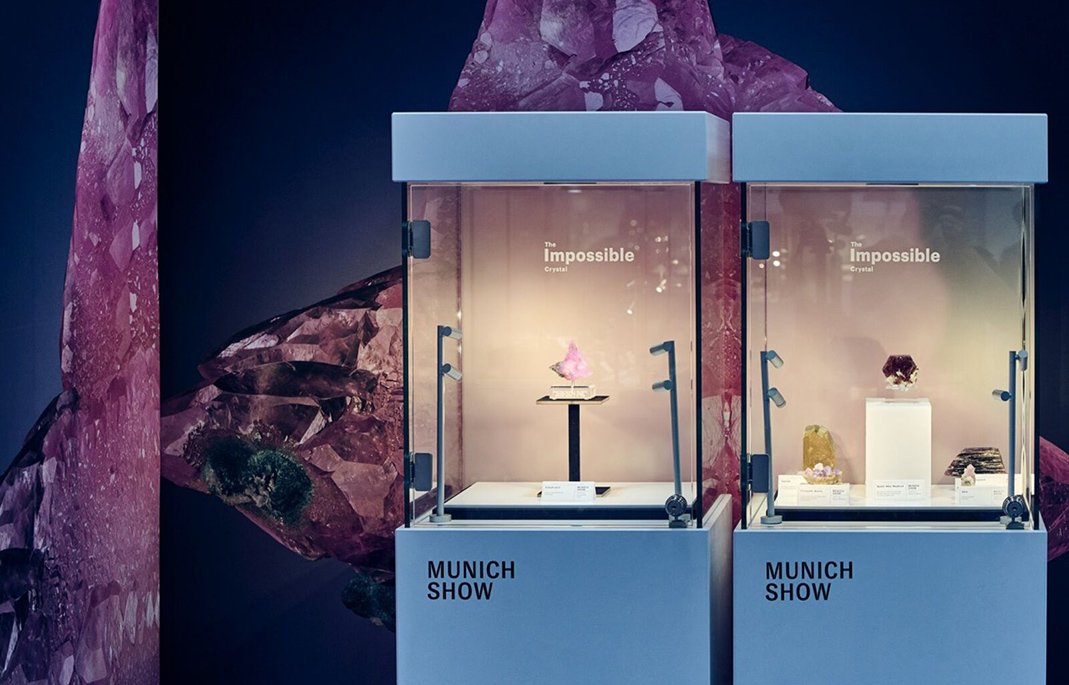
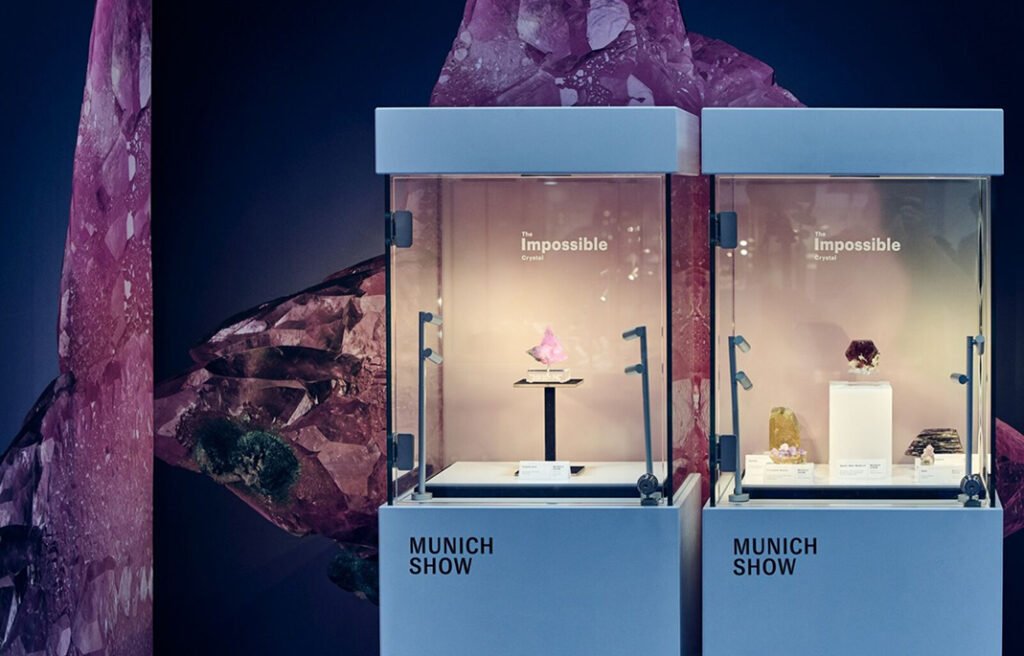
For gemstone lovers, the Munich Show remains one of the world’s largest gatherings dedicated to minerals, fossils, gemstones and jewellery. Alongside spectacular displays, the event also offers educational experiences and interactive activities for visitors of all ages.
Munich Trade Fair Centre, Germany
October 22-25, 2026

Closer to home, the Jaipur Jewellery Show celebrates India’s rich jewellery heritage with an impressive showcase of gold, diamond, gemstone, polki and jadau creations. Bringing together master craftsmen, renowned brands and collectors, it continues to be one of the country’s most anticipated jewellery events.
Novotel Jaipur Convention Centre (JECC), India
December 22-25, 2026

From discovering rare gemstones to meeting the world’s finest jewellers, these exhibitions offer an unparalleled glimpse into the global luxury jewellery industry.

Read More

India's art market has grown nearly 200-fold in 25 years, fuelled by record-breaking auctions and rising collector confidence

From Mughal jewels to ancient sculptures, 'Animalia' explores humanity's enduring fascination with the animal kingdom through rare works from The Al Thani Collection​

While India's iconic Progressives continue to dominate the market, a new wave of artists is rewriting auction records

Art historian, curator, and director of The Al Thani Collection, Dr. Amin Jaffer believes great collections are built on stories that connect cultures across time

The auction brought together leading names in Modern Indian art, with several works achieving standout prices

Ornamentation in Indian art tells stories of power, identity and cultural memory

Indian Art Beyond the Progressives

Indian Art Beyond the Progressives

While India's iconic Progressives continue to dominate the market, a new wave of artists is rewriting auction records

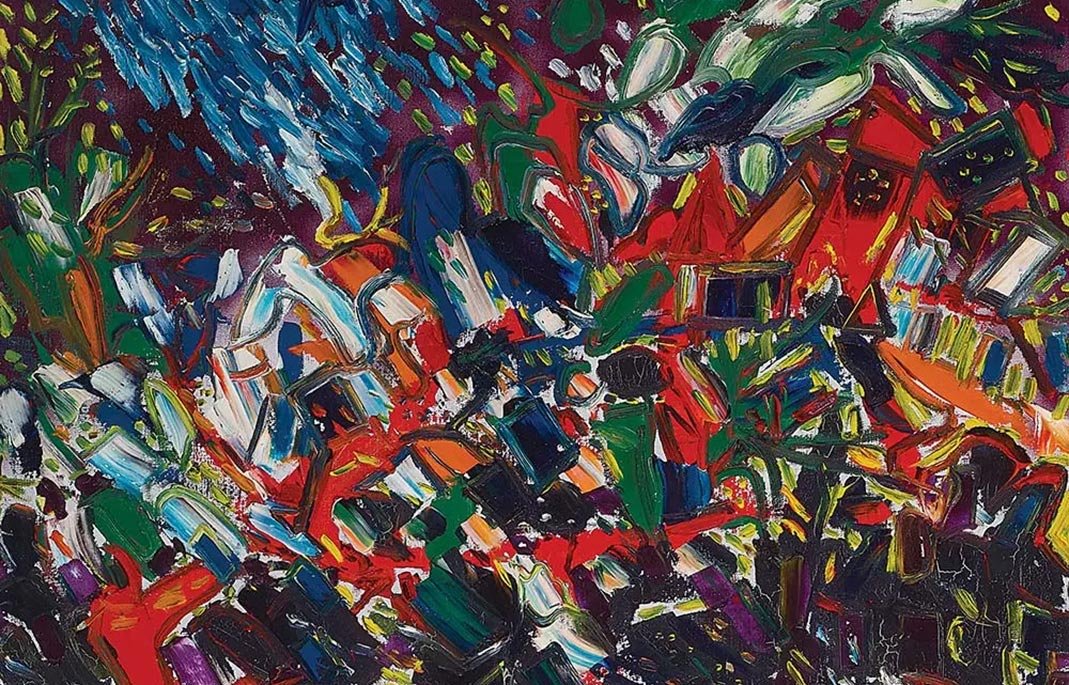
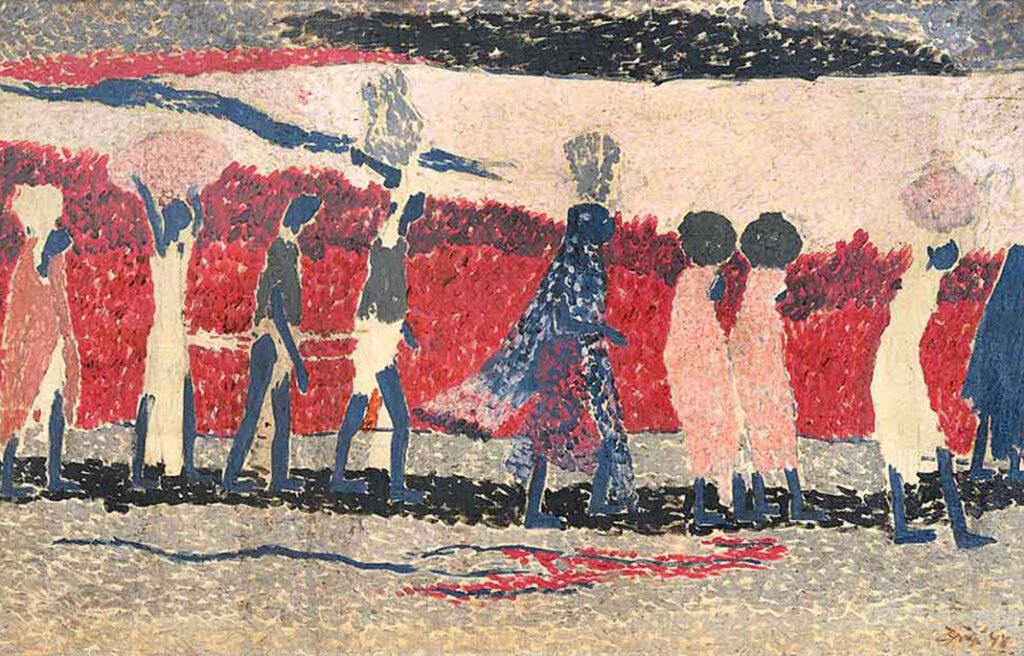
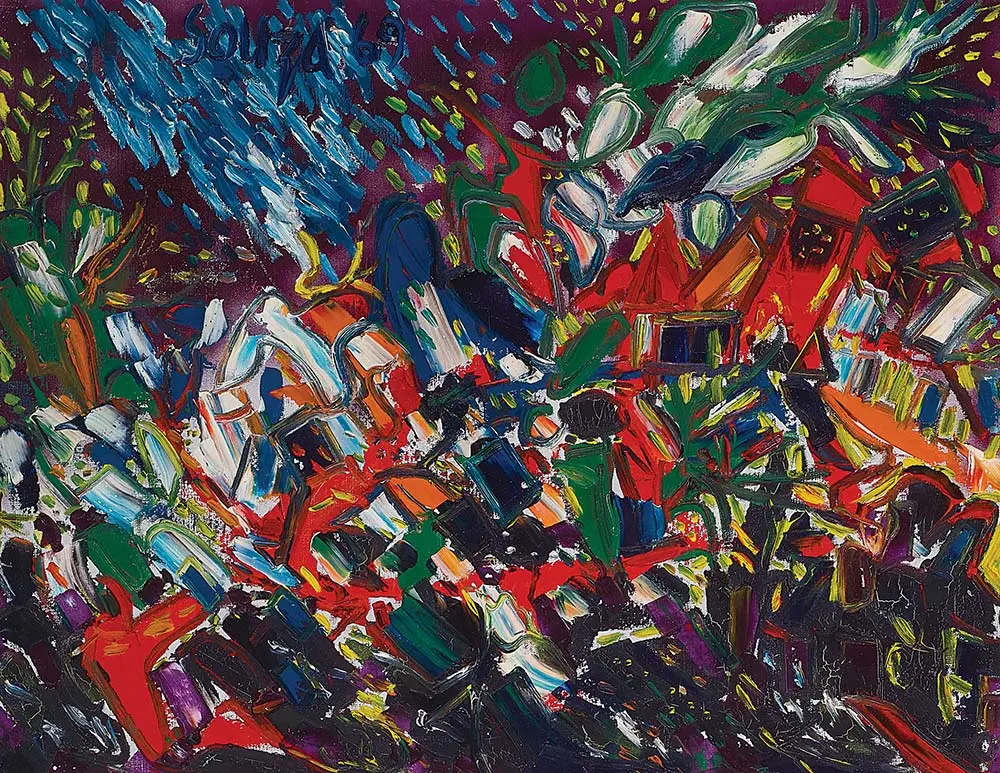
F.N. SOUZA | Garden City | 23.5 x 30 in | Oil on canvas | Sold in 2026 by AstaGuru for ₹6,27,68,567 ($660,721)

India’s strongest auction performers in FY 2025–26 reflected a market driven by scarcity, sustained collector demand and growing confidence across both established and emerging artists. While blue-chip names continued to command premium prices, several overlooked masters and contemporary artists experienced remarkable re-ratings.

The Progressive Artists’ Group remained the market’s undisputed powerhouse. Together, M.F. Husain, Tyeb Mehta, F.N. Souza, S.H. Raza and V.S. Gaitonde generated more than ₹1,400 crore in auction turnover, accounting for nearly 55% of the market’s total value. Their continued dominance reinforces the enduring appeal of India’s most celebrated modern masters.

Scarcity also proved to be a defining factor. Artists such as Tyeb Mehta, V.S. Gaitonde, Jehangir Sabavala, Rabindranath Tagore and Raja Ravi Varma achieved exceptional results despite limited supply, with collectors competing aggressively for museum-quality works.

At the same time, several artists witnessed significant market re-rating. Amrita Sher-Gil emerged as one of the year’s standout performers, achieving a perfect sell-through rate while recording substantial growth in both auction turnover and average prices. Artists including N.S. Bendre and K.G. Subramanyan also benefited from rising supply matched by sustained collector demand, resulting in sharply higher turnover.

The year’s momentum extended beyond established names. Rabindranath Tagore, Bhupen Khakhar, Reba Hore and Vivan Sundaram all recorded remarkable increases in average auction prices, reflecting growing recognition of their contribution to the Indian art landscape and a maturing collector base willing to look beyond traditional market favourites.

Read the full story in the special ‘Joaillerie Market’ issue of LuxeTrope, on stands now.

Read More

India's art market has grown nearly 200-fold in 25 years, fuelled by record-breaking auctions and rising collector confidence

From Mughal jewels to ancient sculptures, 'Animalia' explores humanity's enduring fascination with the animal kingdom through rare works from The Al Thani Collection​

While India's iconic Progressives continue to dominate the market, a new wave of artists is rewriting auction records

Art historian, curator, and director of The Al Thani Collection, Dr. Amin Jaffer believes great collections are built on stories that connect cultures across time

The auction brought together leading names in Modern Indian art, with several works achieving standout prices

Ornamentation in Indian art tells stories of power, identity and cultural memory

How Coloured Gemstones are Taking Centre Stage in the High Jewellery Market

How Coloured Gemstones are Taking Centre Stage in the Jewellery Market

From Colombian emeralds to Burmese sapphires and rare spinels, coloured gemstones are emerging as prized collectibles

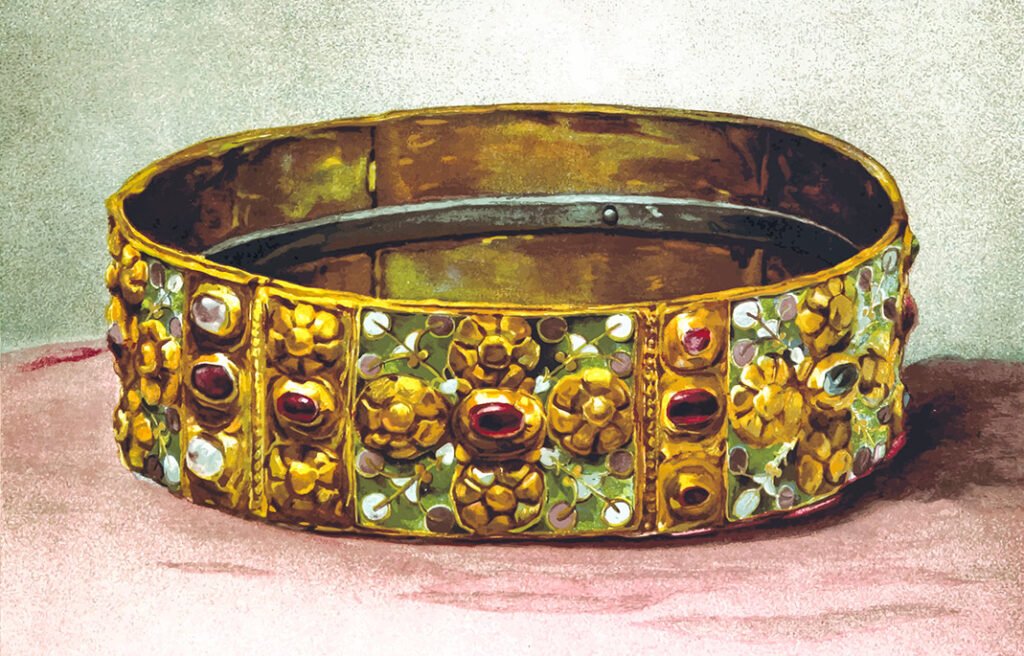
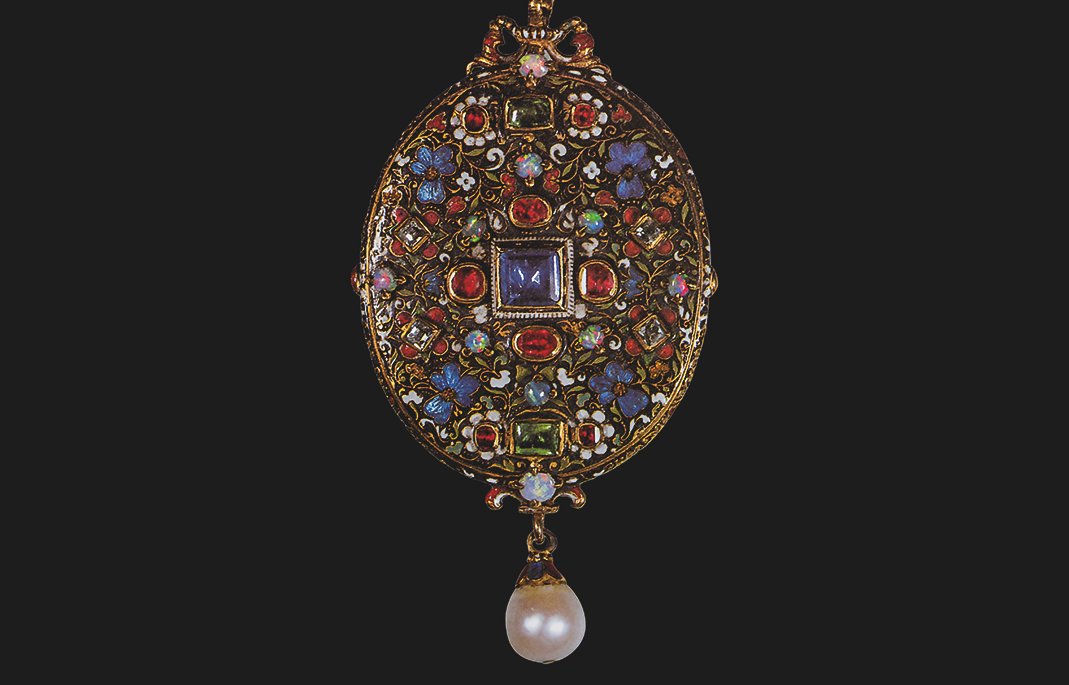
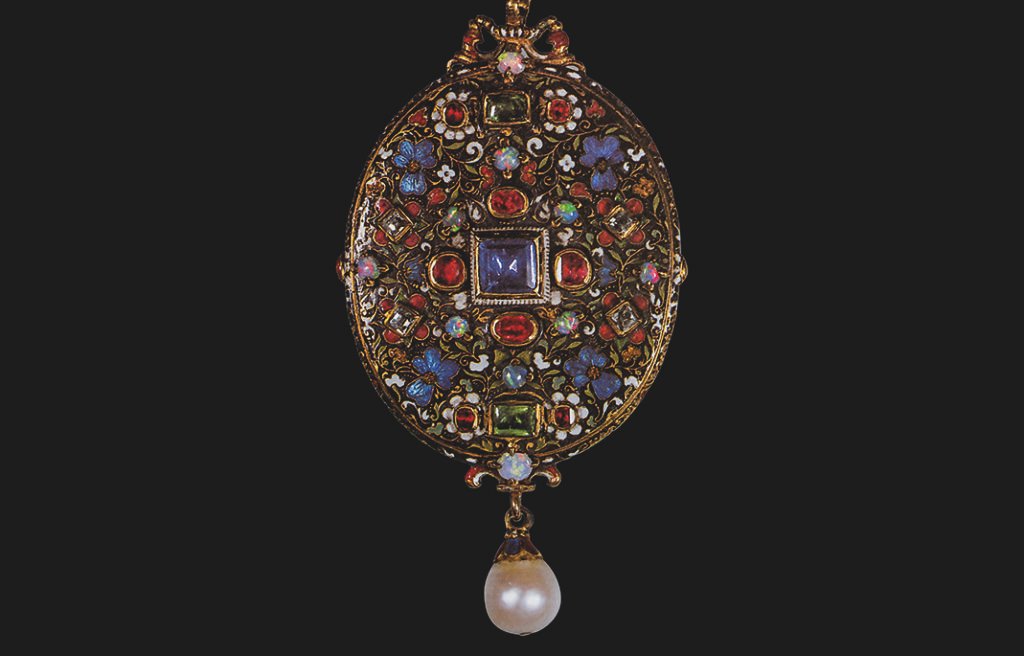
The ‘Grenville’ Jewel from the 1630s, a locket set with a dense carpet of flowers, with rubies, opals, emeralds, and more

Natural diamonds may remain timeless, but collectors are increasingly embracing coloured gemstones for their rarity, individuality and investment potential. Millennials and Gen Z are driving a shift towards expressive jewellery, favouring distinctive colours, unusual cuts and exceptional provenance over traditional diamond-centric designs.

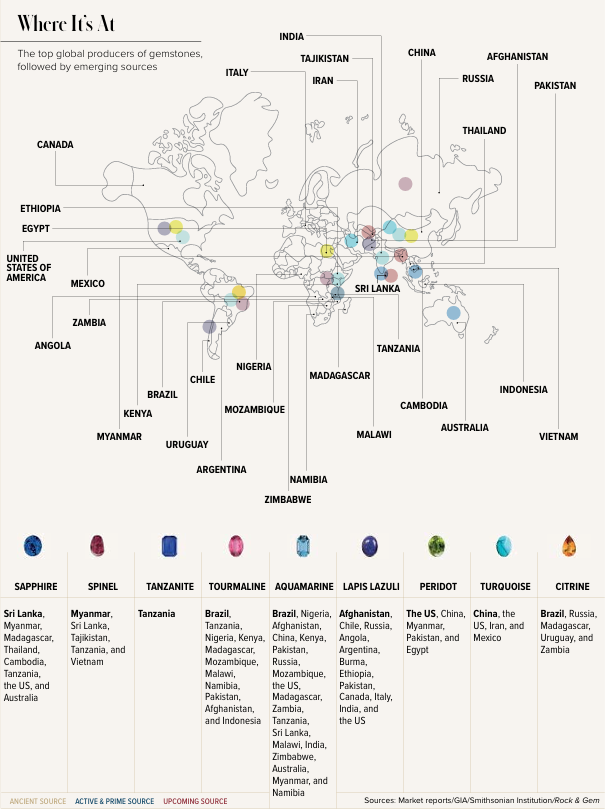
This growing demand has strengthened the auction market, where gemstones from celebrated origins—such as Kashmiri sapphires, Colombian emeralds and Burmese rubies—are commanding premium prices. With finite natural supply and dwindling mining sources, these stones are increasingly viewed as scarce alternative assets that combine beauty with long-term value.

Collectors are also diversifying their portfolios by exploring stones ranging from Mahenge spinels to Burmese blue sapphires, recognising their resilience and rarity. The trend is reflected in the broader market, with the global coloured gemstones industry projected to grow at a 6.6% CAGR, while sapphires, pearls, rubies and emeralds accounted for 31% of jewellery lots sold at auction during 2025–26.

Auction houses continue to reinforce this momentum. At a major international sale in 2024, 90% of lots found buyers, with several coloured gemstones achieving prices far above their estimates. A record-setting 55.22-carat Estrela de Fura Ruby also demonstrated the market’s appetite for exceptional stones, establishing a new benchmark for Mozambique’s ruby industry.

India’s auction market reflects the same enthusiasm. AstaGuru has achieved standout results with coloured gemstone jewellery, including an uncut diamond and spinel sarpech that sold for ₹1.02 crore, a spinel and diamond necklace that realised ₹1.29 crore, a Burmese blue sapphire ring that fetched ₹24.53 lakh, and a pair of tanzanite and diamond ear clips that achieved ₹17.59 lakh. Together, these results highlight the growing confidence collectors have in exceptional coloured gemstones.

Read the full story in the special ‘Joaillerie Market’ issue of LuxeTrope, on stands now.

Read More

India's art market has grown nearly 200-fold in 25 years, fuelled by record-breaking auctions and rising collector confidence

From Mughal jewels to ancient sculptures, 'Animalia' explores humanity's enduring fascination with the animal kingdom through rare works from The Al Thani Collection​

While India's iconic Progressives continue to dominate the market, a new wave of artists is rewriting auction records

Art historian, curator, and director of The Al Thani Collection, Dr. Amin Jaffer believes great collections are built on stories that connect cultures across time

The auction brought together leading names in Modern Indian art, with several works achieving standout prices

Ornamentation in Indian art tells stories of power, identity and cultural memory

Viren Bhagat: A Life Beyond the Ordinary

Viren Bhagat: A Life Beyond the Ordinary

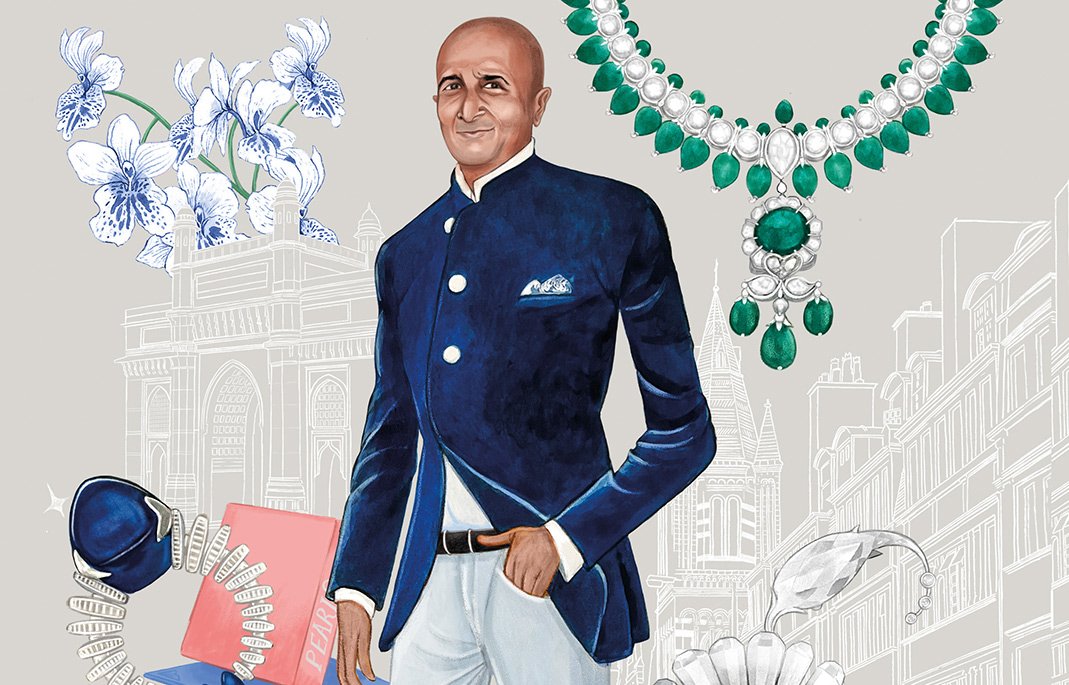
For iconic jeweller Viren Bhagat, the art and process of crafting one-of-a-kind precious pieces is an extension of his personality

Words: Steve King; Illustration: Priya Kuriyan

I was introduced to Viren Bhagat in 2009 or 2010 by a mutual friend during one of my occasional visits to Bombay, now Mumbai. I’m a journalist, and I was there to write about something or other—not about Viren, in any case. So, this was a purely social introduction, a happy accident. We hit it off immediately. The conversation flowed easily. Naturally, we talked a lot about jewellery, but we talked about all kinds of other things as well—mainly Mumbai, which I love but know only superficially, and which he loves and knows deeply. Other meetings followed, in London and back in Mumbai. Eventually, in 2012, I wrote a longish story about him for the magazine I was working for at the time. Viren was already famous by then, a legend in the jewellery world, and his reputation has only continued to grow in the years since.

People often ask me what he’s like as a person and what I think of him as a jeweller.

As a jeweller, Viren’s one of the very best and, like all the very best, exists in a category of one. He’s often compared to JAR (Joel Arthur Rosenthal) or Jacques Cartier, and such comparisons are perfectly understandable—though I’d say they’re better understood not as comparisons, exactly, but rather as compliments, as a measure of brilliance and originality, not likeness. These jewellers have transcended the profession of precious craftsmanship to some extent, and have paved the way for collectors to reimagine what ‘jewellery’ actually means.

You could study photographs of Viren’s lean, expressive face and extrapolate from his eyes and features a combination of seriousness, soulfulness, and amusement.

This would be entirely accurate. And the amusement is, I think, crucial. He’s got a great sense of humour and, though he’s a kind, solicitous, and generous man, he occasionally enjoys a gentle practical joke. For example, on one of my trips to Mumbai, I joined Viren and his wife at a cocktail party at the Gymkhana…

Read the full story in the special ‘Joaillerie Market’ issue of LuxeTrope, on stands now.

Read More

India's art market has grown nearly 200-fold in 25 years, fuelled by record-breaking auctions and rising collector confidence

From Mughal jewels to ancient sculptures, 'Animalia' explores humanity's enduring fascination with the animal kingdom through rare works from The Al Thani Collection​

While India's iconic Progressives continue to dominate the market, a new wave of artists is rewriting auction records

Art historian, curator, and director of The Al Thani Collection, Dr. Amin Jaffer believes great collections are built on stories that connect cultures across time

The auction brought together leading names in Modern Indian art, with several works achieving standout prices

Ornamentation in Indian art tells stories of power, identity and cultural memory

Why Art Deco Silver Is Back

Why Art Deco Silver Is Back

Once prized for its clean lines and timeless elegance, Art Deco silver is enjoying a strong revival as collectors embrace vintage design, craftsmanship and long-term value.

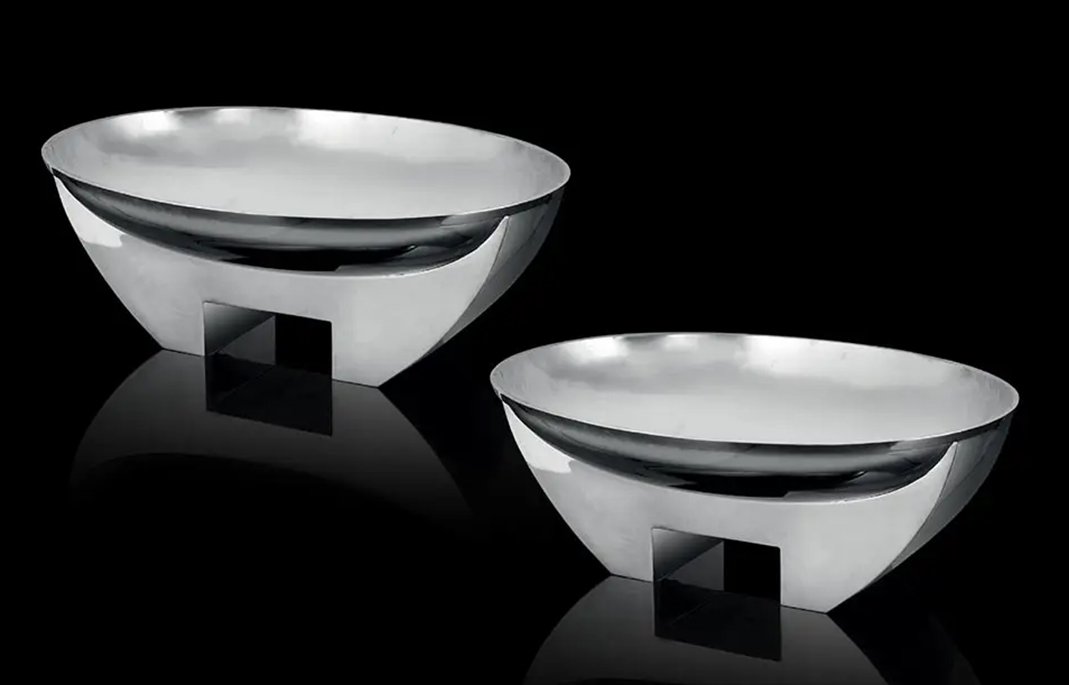
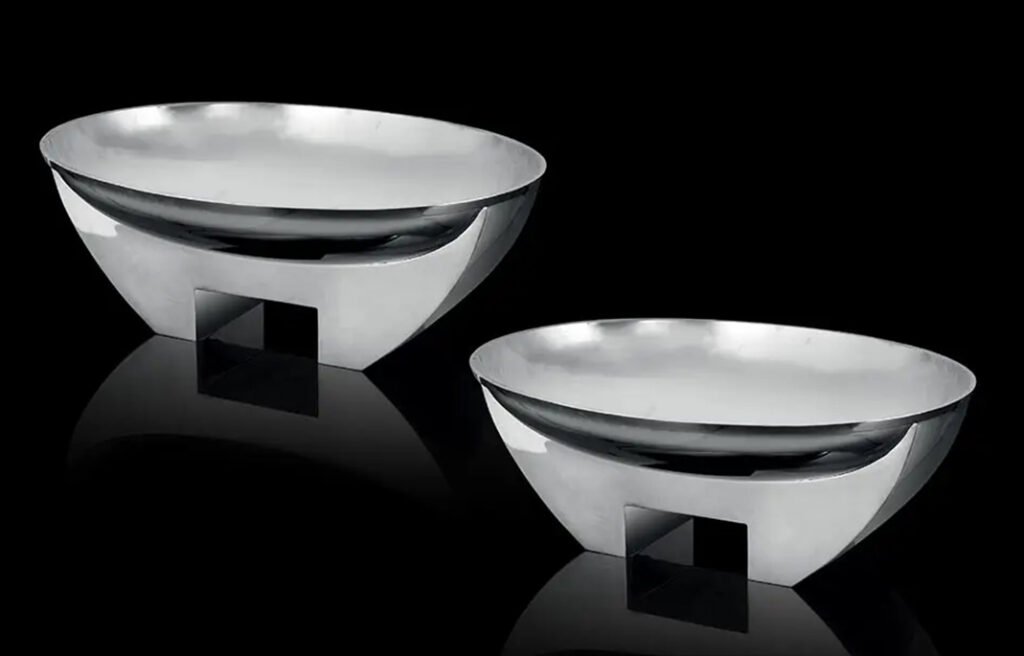
Art Deco silver has emerged as one of the fastest-growing segments in the collectibles market, driven by a renewed appreciation for heirloom-quality objects. Auction houses in India and abroad are reporting rising demand for vintage silverware, from cocktail shakers and tea services to decorative bowls by celebrated makers such as Tiffany & Co. and Georg Jensen.

The auction results tell the story. In 2024, AstaGuru sold a pair of Tiffany & Co. Art Deco silver fruit dishes for an impressive ₹89.3 lakh, while another pair of Tiffany fruit bowls realised nearly ₹40 lakh in 2026. A 20th-century Art Deco silver serving set also achieved almost ₹12 lakh in 2025, highlighting sustained demand for exceptional European silver in the Indian market.

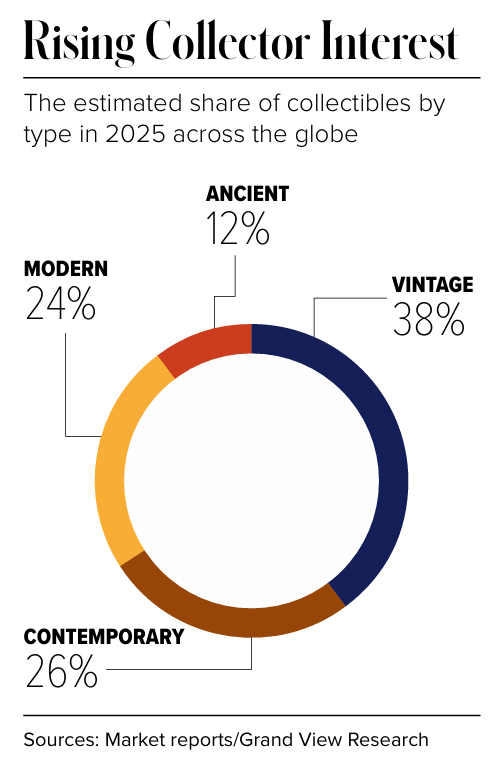
The trend reflects a broader shift in collecting. Globally, vintage collectibles account for an estimated 38% of the market, making them the largest category ahead of contemporary, modern and ancient works. Buyers are increasingly seeking pieces that combine artistic significance with everyday functionality, creating a new generation of collectors who value both design and heritage.

Supporting this momentum is the wider silver market itself. According to industry estimates, the global silver market was valued at $95.7 billion in 2025 and is projected to reach $223 billion by 2034. Growth is being fuelled by industrial demand in electronics, solar energy and electric vehicles, alongside renewed interest in jewellery and luxury silverware.

For collectors, Art Deco silver offers something increasingly rare—a blend of history, craftsmanship and lasting value. Whether displayed as decorative art or passed down through generations, these elegant creations continue to prove that great design never goes out of style.

Discover more stories on luxury collecting, design and investment in the latest issue of Luxetrope—India’s premier luxury intelligence magazine.

Read More

India's art market has grown nearly 200-fold in 25 years, fuelled by record-breaking auctions and rising collector confidence

From Mughal jewels to ancient sculptures, 'Animalia' explores humanity's enduring fascination with the animal kingdom through rare works from The Al Thani Collection​

While India's iconic Progressives continue to dominate the market, a new wave of artists is rewriting auction records

Art historian, curator, and director of The Al Thani Collection, Dr. Amin Jaffer believes great collections are built on stories that connect cultures across time

The auction brought together leading names in Modern Indian art, with several works achieving standout prices

Ornamentation in Indian art tells stories of power, identity and cultural memory

Amin Jaffer: The Keeper of Memories

Amin Jaffer: The Keeper of Memories

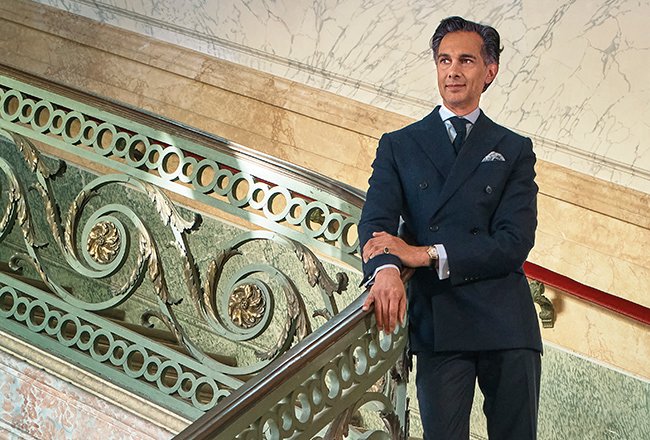
Art historian, curator, and director of The Al Thani Collection, Dr. Amin Jaffer believes great collections are built on stories that connect cultures across time

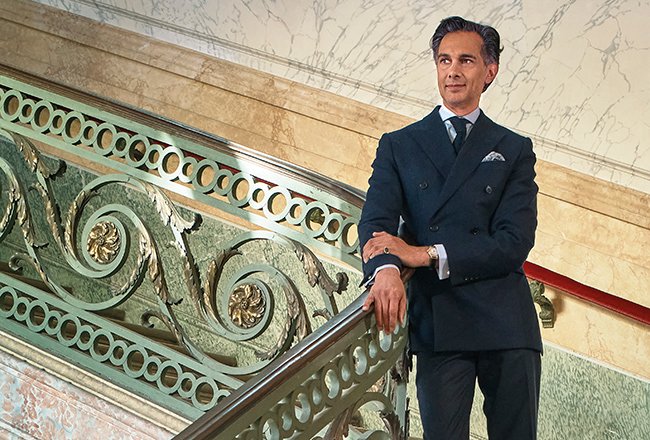
Dr. Amin Jaffer photographed by Antonio Martinelli

A true custodian of global culture, Dr. Amin Jaffer has shaped projects at the Victoria and Albert Museum (V&A), curated the Islamic Arts Biennale in 2025, and now the acclaimed India Pavilion at the 61st Venice Biennale. His impact on the world of art is profound, given that he has chronicled history through many brilliant books. Today, as director of The Al Thani Collection—a repository of over 5,000 artefacts spanning millennia—Jaffer continues his lifelong journey of bringing world heritage to those who treasure it most.

Before we delve into The Al Thani Collection, we have to ask: what was the idea behind the theme ‘Geographies of Distance: Remembering Home’ at the Venice Biennale’s India Pavilion?

The Biennale’s theme, ‘In Minor Keys’, invited a quiet, introspective response, leading me to reflect on the idea of home at a moment when India is changing at an unparalleled pace. Across the country, cities and communities are being transformed, while globally millions of Indians continue to live and work far from their places of origin. ‘Geographies of Distance: Remembering Home’ explores the idea that home is not simply a physical place, but something we carry within us through memory, ritual, relationships and material culture. It’s a theme rooted in the Indian experience, but with universal resonance. 

How did you build a cohesive story for The Al Thani Collection, given that it spans antiquity to the present?

The Al Thani Collection represents the vision of its founder, His Highness Sheikh Hamad bin Abdullah Al Thani. We work closely with His Highness in presenting the Collection; the stories reflect his collecting vision. With more than 5,000 objects spanning periods and geographies, there are many stories we can tell about civilisation, and this is exactly what we aim to do at the Collection’s museum space at the Hôtel de la Marine in Paris.

The jewels in The Al Thani Collection are historically significant. What essential qualities must a piece possess to merit a place?

The Al Thani Collection is very much a reflection of the encyclopaedic vision of its founder. I can say that works of art tend to be selected based on their form, the skill, mastery, and proficiency of their creator, as well as their provenance and ability to evoke history, bridge cultures, and promote cultural exchange.

Read the full story in the special ‘Joaillerie Market’ issue of LuxeTrope, on stands now.

Read More

India's art market has grown nearly 200-fold in 25 years, fuelled by record-breaking auctions and rising collector confidence

From Mughal jewels to ancient sculptures, 'Animalia' explores humanity's enduring fascination with the animal kingdom through rare works from The Al Thani Collection​

While India's iconic Progressives continue to dominate the market, a new wave of artists is rewriting auction records

Art historian, curator, and director of The Al Thani Collection, Dr. Amin Jaffer believes great collections are built on stories that connect cultures across time

The auction brought together leading names in Modern Indian art, with several works achieving standout prices

Ornamentation in Indian art tells stories of power, identity and cultural memory

How Painted Jewellery Brings Indian Art to Life

How Painted Jewellery Brings Indian Art to Life

Ornamentation in Indian art tells stories of power, identity and cultural memory

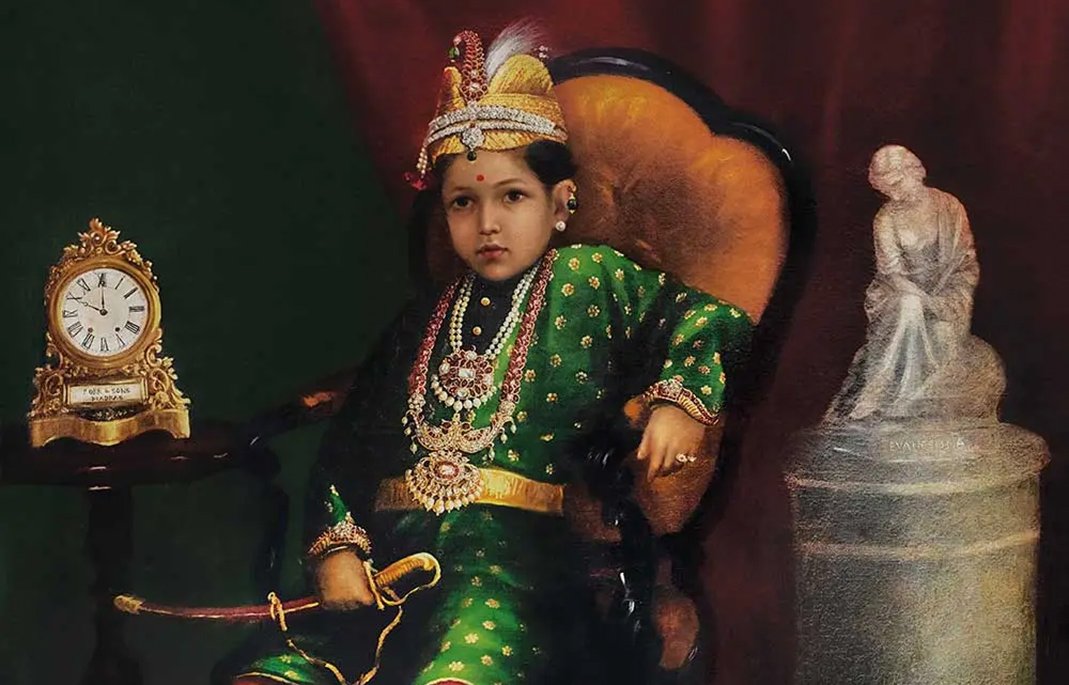
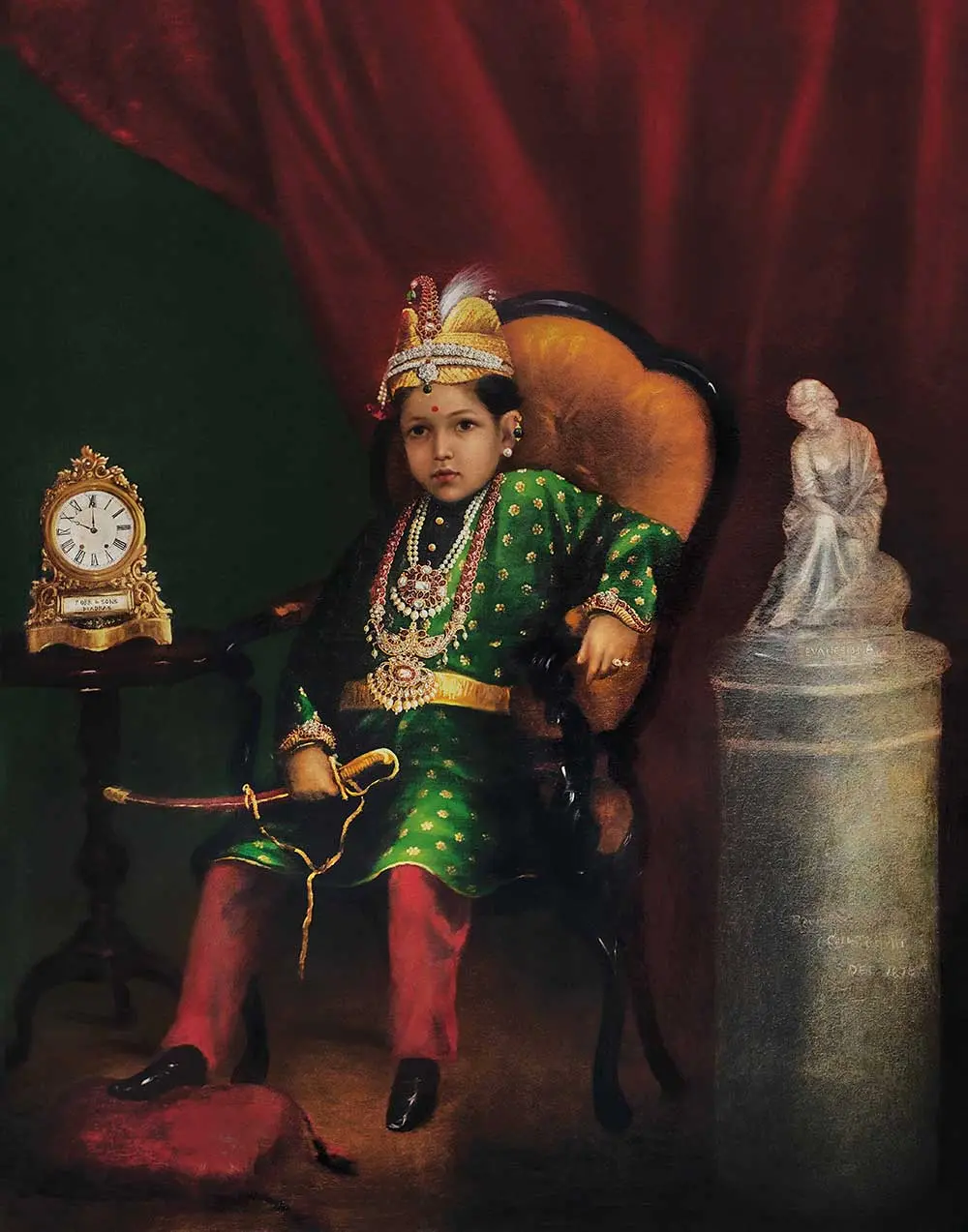
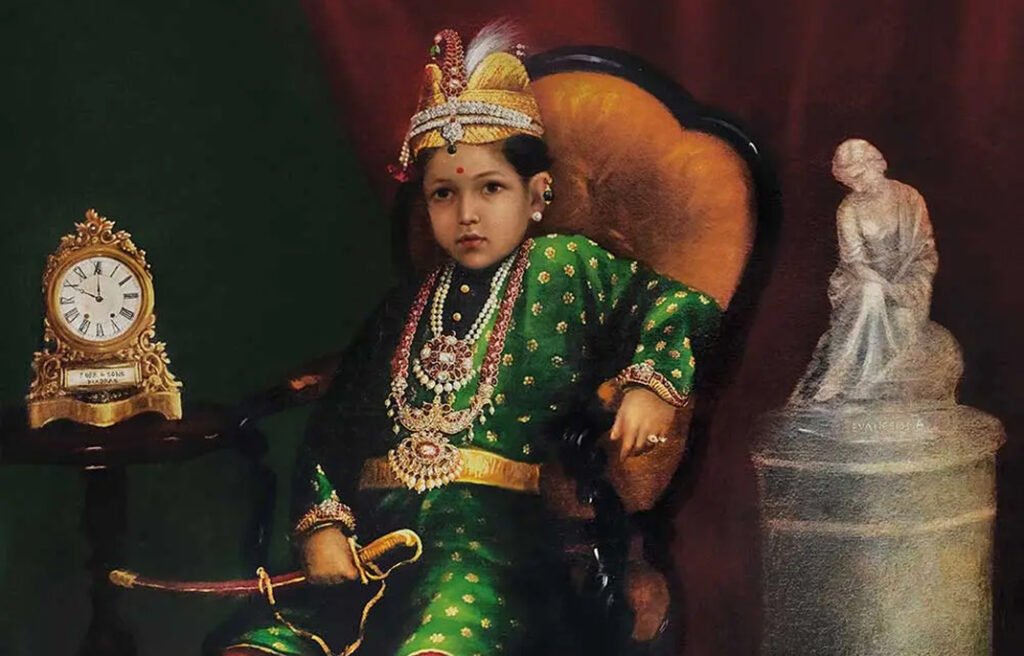
Raja Ravi Varma’s 'Little Prince Of Courage' sold in 2026 by AstaGuru for ₹30,88,60,139 ($3.25 million), featured brilliantly detailed royal jewels from the Tondaiman family of Pudukkottai

A jewelled sarpech adorning a Mughal ruler, delicate pearl strands in a Raja Ravi Varma painting, or shimmering ornaments in the works of Hemendranath Mazumdar are not simply artistic details. They are visual symbols that communicate status, tradition and emotion, transforming paintings into rich narratives of India’s cultural heritage.

In Indian courtly art, jewellery served as a language of authority. Turban ornaments, layered necklaces, armlets and waistbands signified imperial power and royal lineage, making them integral to portraits of kings, queens and nobility. Today, that fascination continues, with heavily ornamented artworks commanding strong demand at auction as collectors seek works that embody both artistic excellence and historical significance.

One remarkable example is Raja Ravi Varma’s ‘Little Prince of Courage’, which achieved ₹30.88 crore at auction, its meticulously painted royal jewels adding to the work’s enduring appeal. Across Indian art, ornamentation continues to enhance not only visual beauty but also the stories embedded within each masterpiece.

A similar sense of luxury is found in the paintings of Hemendranath Mazumdar, where luminous fabrics and delicately rendered jewellery work together to create an atmosphere of intimate opulence. His elegant compositions capture the refinement of another era, demonstrating how jewellery can shape mood as much as identity.

Far beyond embellishment, ornament remains one of the defining visual languages of Indian art—bridging history, craftsmanship and culture while continuing to captivate collectors around the world.

Read the full story in the special ‘Joaillerie Market’ issue of LuxeTrope, on stands now.
Read More

India's art market has grown nearly 200-fold in 25 years, fuelled by record-breaking auctions and rising collector confidence

From Mughal jewels to ancient sculptures, 'Animalia' explores humanity's enduring fascination with the animal kingdom through rare works from The Al Thani Collection​

While India's iconic Progressives continue to dominate the market, a new wave of artists is rewriting auction records

Art historian, curator, and director of The Al Thani Collection, Dr. Amin Jaffer believes great collections are built on stories that connect cultures across time

The auction brought together leading names in Modern Indian art, with several works achieving standout prices

Ornamentation in Indian art tells stories of power, identity and cultural memory

Why Natural Diamonds Remain Timeless

Why Natural Diamonds Remain Timeless

Formed billions of years ago and shaped by nature's extraordinary forces, natural diamonds continue to captivate collectors

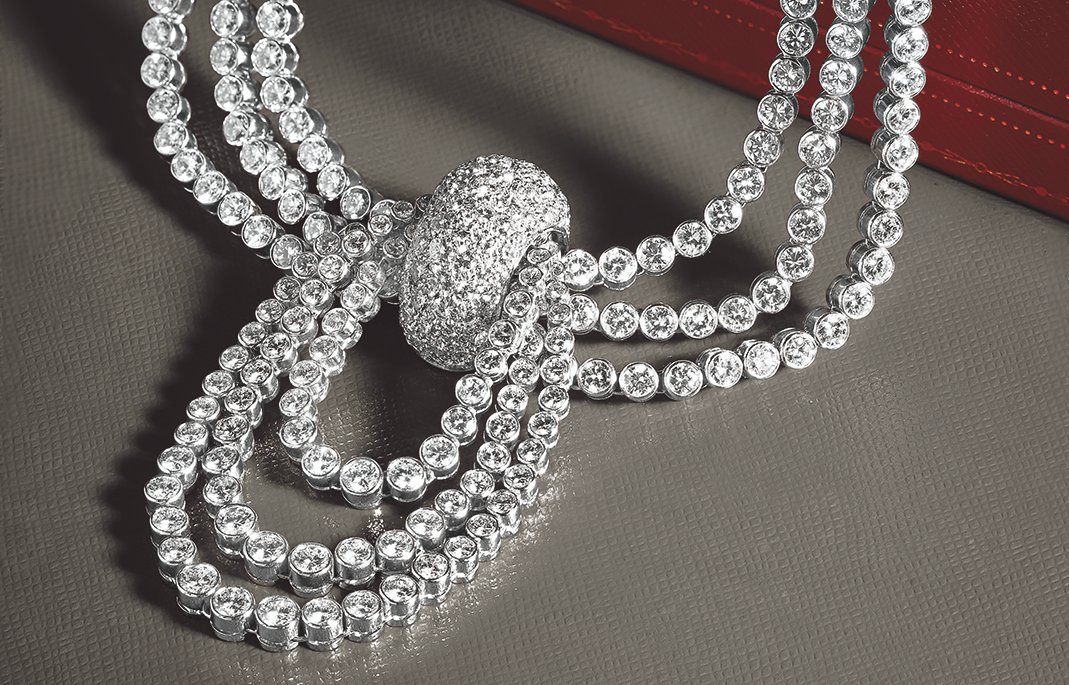
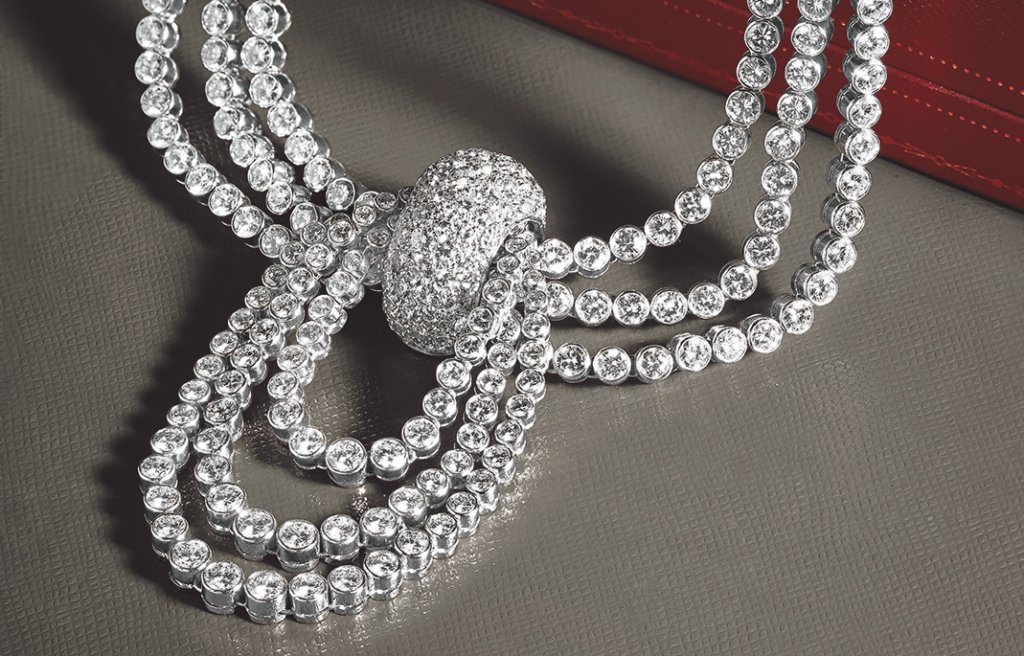
CARTIER DIAMOND NECKLACE | Gross weight: 113.730 g | Diamonds: 57.00 cts/426 pcs | Sold in 2022 by AstaGuru for ₹90,92,061 ($95,705)

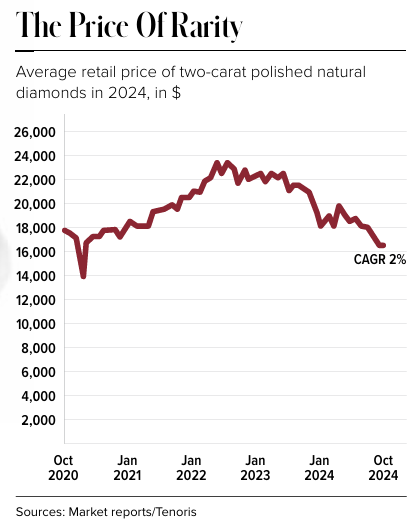
Natural diamonds are among Earth’s oldest treasures, with some dating back as far as 3.5 billion years. Forged from crystallised carbon under immense heat and pressure deep beneath the Earth’s surface before being carried upward by volcanic activity, every natural diamond is the product of a remarkable geological journey.

Their rarity continues to make them one of the world’s most coveted gemstones. Russia holds the largest known diamond reserves, followed by Botswana, while countries including the Democratic Republic of the Congo, Angola, Canada and South Africa remain key contributors to global production.


A diamond’s value extends far beyond its size. Experts continue to regard the 4Cs—cut, clarity, colour and carat weight—as the universal benchmarks of quality, with the cut playing the most significant role in determining a stone’s brilliance. Legendary gems such as the Star of Golconda and the Mouawad Kimberley Star have become icons thanks to their exceptional craftsmanship and remarkable provenance.

That provenance is increasingly influencing buying decisions, particularly in the auction market. A standout example is AstaGuru’s sale of an Art Deco ring featuring a 10.01-carat Old European-cut diamond, which achieved ₹92.21 lakh. More than a beautiful jewel, the piece reflected the growing importance collectors place on certification, historical ownership and exceptional craftsmanship.

As buyers become increasingly discerning, provenance, superior cut and substantial carat weight continue to distinguish the most desirable natural diamonds, reinforcing their enduring appeal as heirlooms that combine rarity, history and lasting value.

Read the full story in the special ‘Joaillerie Market’ issue of LuxeTrope, on stands now.
Read More

India's art market has grown nearly 200-fold in 25 years, fuelled by record-breaking auctions and rising collector confidence

From Mughal jewels to ancient sculptures, 'Animalia' explores humanity's enduring fascination with the animal kingdom through rare works from The Al Thani Collection​

While India's iconic Progressives continue to dominate the market, a new wave of artists is rewriting auction records

Art historian, curator, and director of The Al Thani Collection, Dr. Amin Jaffer believes great collections are built on stories that connect cultures across time

The auction brought together leading names in Modern Indian art, with several works achieving standout prices

Ornamentation in Indian art tells stories of power, identity and cultural memory